
Opinion

Gallery 1
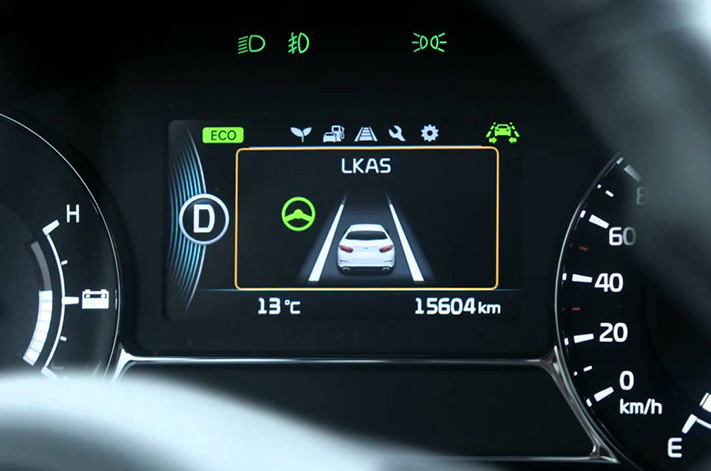
Aaargh. So now we’re giving car kudos to things that don’t work? Instead of whining and complaining when brands lob into Australia with electronic nannies that are clearly not fit for purpose, what do we do?
We should be complaining – loudly – that these Advanced Driver Assistance Systems cause more confusion and problems than they solve. Instead, car companies are now getting a tick from consumers – and it’s not just the disruptor brands – for fitting a button to disable them.
Can you imagine the outcry if there was a button in your car to disable the ABS braking system? Or the airbags? But ADAS has dropped into the too-hard bucket and car brands have now given a hospital pass – potentially and literally – to drivers.

1
So, instead of raising hell over the failures and shortcomings in ADAS systems, we’re now celebrating the ability to deactivate them. Whatever happened to doing things right?
Mitsubishi did a dreadful job on the ADAS in its then-new Triton ute. But it owned the problem and fast-tracked a solution which stopped the endless bing-and-bong warnings, vibrations and over-eager intervention on the steering. It was such an important change that Mitsubishi Australia seriously considered relaunching its critical pick-up.
In recent times I’ve driven cars with dreadful ADAS ‘assistance’ and a few which are great. Yes, the two best wore Mercedes-Benz and Porsche badges, but if they can get it right then it proves it’s entirely possible for lesser brands.
Right now, ADAS shortcomings are so common and so annoying that most people ignore them. Or go for a button…
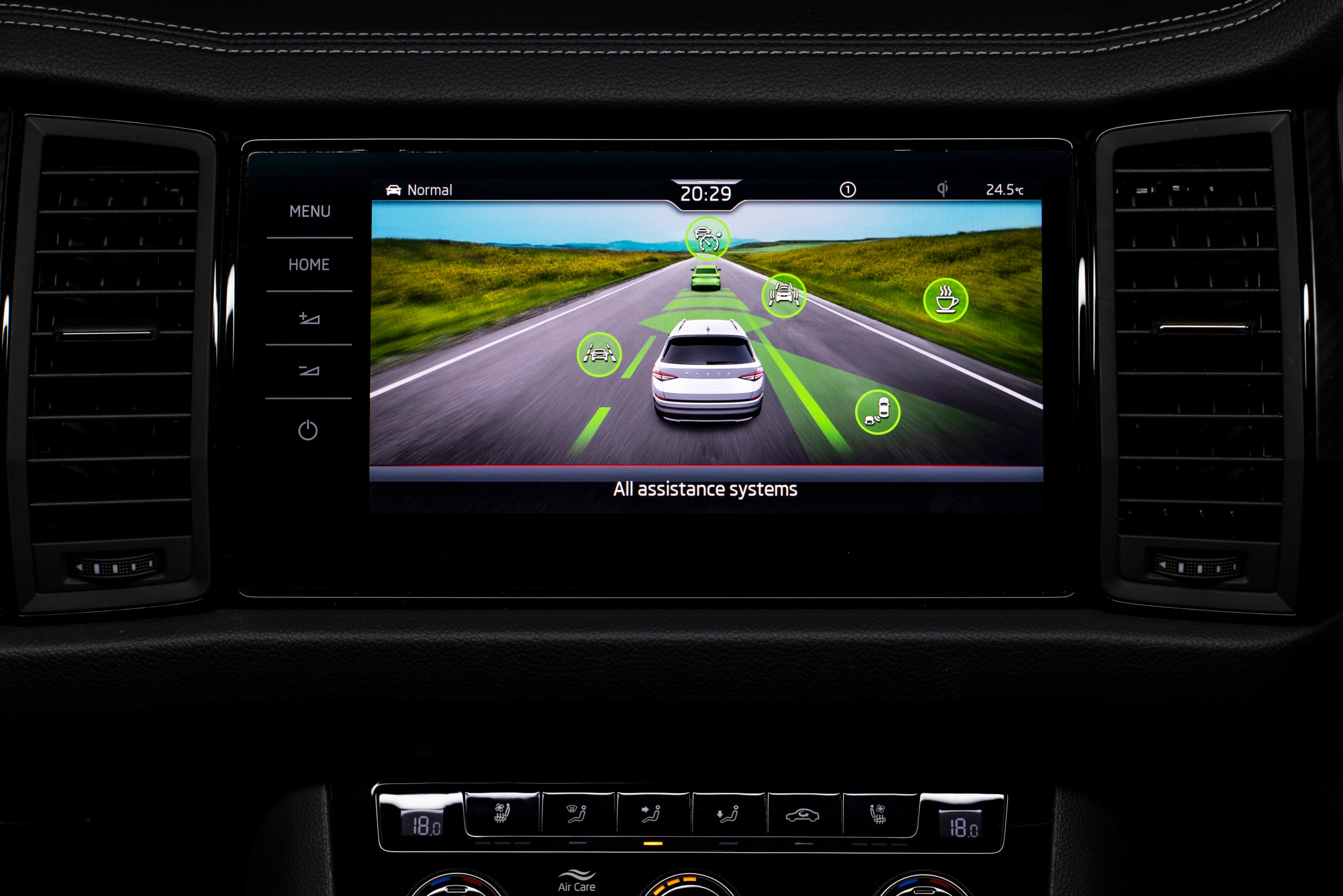
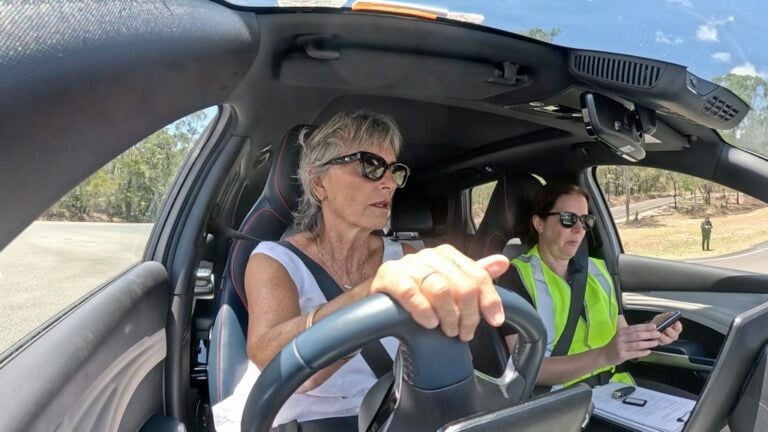
There is already solid proof thanks to the Queensland University of Technology and insurer IAG, which provided the funding and framework for some serious university-style research with real-world cars and conditions.
It found 60 per cent of drivers routinely deactivate some ADAS features, only 57 per cent use the technology regularly, and 72 per cent admitted they needed help to understand and use ADAS. But then things went sideways. The blame for the failures, which IAG said could be contributing to more than 7000 road casualties each year, landed on drivers.
1
What about the car companies? More importantly, where are the governments on this? If the ADAS is annoying or worse, should drivers be blamed for searching for an off button?
At least some of the blame needs to land where it belongs: on the policing of mandatory features. If the government insists we have ADAS in new cars, surely it should be checking to see that it is fitted and functioning as intended.
Imagine if the government set mandatory levels of sugar in drinks and food, without measuring the actual percentage of sugar – or similar substitutes – on shelves.
In the case of ADAS, compliance has become a ‘tick box’ exercise. If a car company says it has ADAS systems, then it gets a tick. But it is also marking its own homework. And it’s binary – yes/no – when there should be a sliding scale for effectiveness.
What about the efficacy of the ADAS package? It’s not just about ticking a box, but checking to see that the system is hitting the target and producing the right result.
If the steering is continuously wobbling, or the car slams the brakes on for no apparent reason, or it nags about fatigue on a 10-minute trip to the shops, it’s failing on efficacy. It’s not doing the intended job. ADAS is supposed to help, not annoy.
This should be where the safety crew at ANCAP is guiding and helping, but the star scores for new cars have been relying too heavily on ticks in boxes. Change has been promised, with real-world assessment of ADAS in new cars, but it’s some way off and no one knows exactly how the ANCAP testing will work or if it can contribute to genuine improvements.
It’s not just about failings on ADAS. One brand recently promised eight airbags in a new model, but delivered six to Australia. But that’s okay, because they compensated disgruntled owners. And then moved on.
But how could it happen? Where were the physical checks, at the ports or in showrooms? And why did it take ANCAP to find the failing?
Ford obviously gets things right because it has deep roots in Australia, with a brilliant engineering team and its You Yangs proving ground. Hyundai and Kia have a long-term commitment to ‘Australianisation’ of their cars, Toyota knows what it needs because of its history here, and now BYD and GWM are doing research and tuning for the land down under.
But another new brand recently trumpeted 76 changes for local conditions. It’s a good news story for local buyers but also raises a bigger question. How could there be 76 failings in the original engineering work that needed to be corrected using Australian expertise?
Does any of this matter? Should we look the other way?
Just when I was ticking the boxes for yes and definitely NO, an email arrived from someone who had asked for buying advice and was reporting back on their purchase. I was expecting feedback on quality and safety, and other important things.
“I really like the look of it and the massage seats won me,” they said.
Aargh…
This story first appeared in the November 2026 issue of Wheels magazine, now on sale. Subscribe here and gain access to 12 issues for $109 plus online access to every Wheels issue since 1953.
Follow WhichCar/Wheels on Google
Click the button below to make WhichCar by Wheels a preferred source for your news.

We recommend
-
 News
Australian safety study finds deactivated driver assist tech could be behind one in five road deaths
A study has found that frustrated Aussies who turn off safety-focussed advanced driver assist tech could be pushing up the country's road toll.
-
 News
Which driver assist tech do motorists find most annoying?
New survey finds drivers frustrated by safety systems, while convenience features remain most valued.
-
 News
Major study launched to discover why driver-assist tech is not reducing our road toll
Real-world testing aims to understand how Australians use – or more commonly, ignore – ADAS technology.
