
Features
Gallery 1
Automotive design is an inherently subjective business. One person’s masterpiece can be another’s monstrosity, and history is littered with vehicles whose styling has attracted more criticism than admiration.
Sometimes manufacturers deliberately abandon convention in pursuit of something distinctive. On other occasions, an ambitious design simply doesn’t translate successfully from drawing board to showroom.
Either way, certain cars have earned reputations for being exceptionally unattractive. Here are 10 memorable examples of automotive styling that divided opinion, bewildered buyers or simply went horribly wrong.
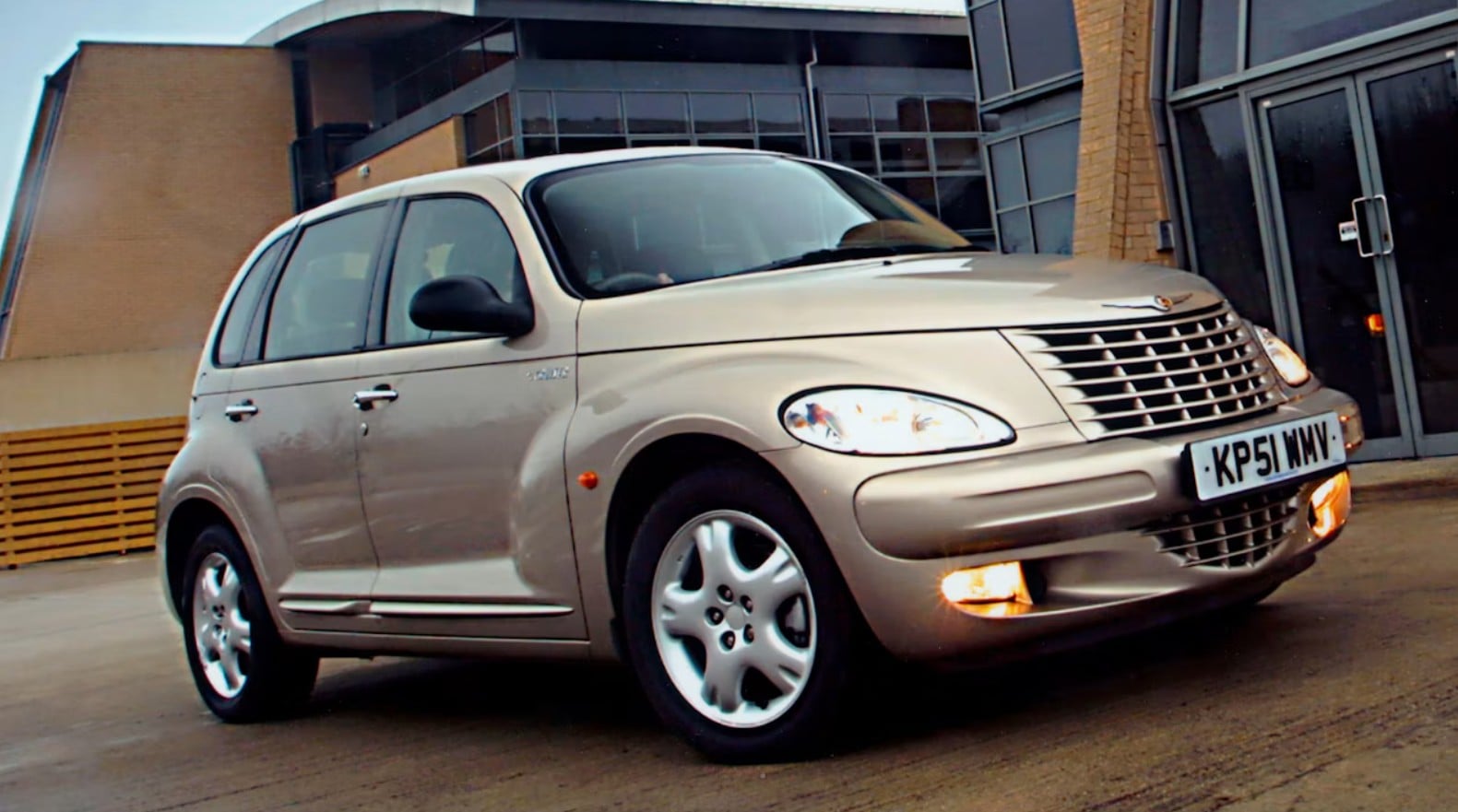
Chrysler PT Cruiser
1
Chrysler’s attempt to reinterpret classic American hot rods for a modern audience initially attracted considerable attention, even winning awards when it arrived in 2000.
Unfortunately, its retro styling hasn’t aged particularly gracefully. The oversized wheel arches, upright grille and unusually tall body give the PT Cruiser awkward proportions, while the convertible version looks even less convincing.
Its nostalgic appearance also disguised fairly ordinary mechanicals and a driving experience that struggled to match the expectations created by its distinctive exterior.
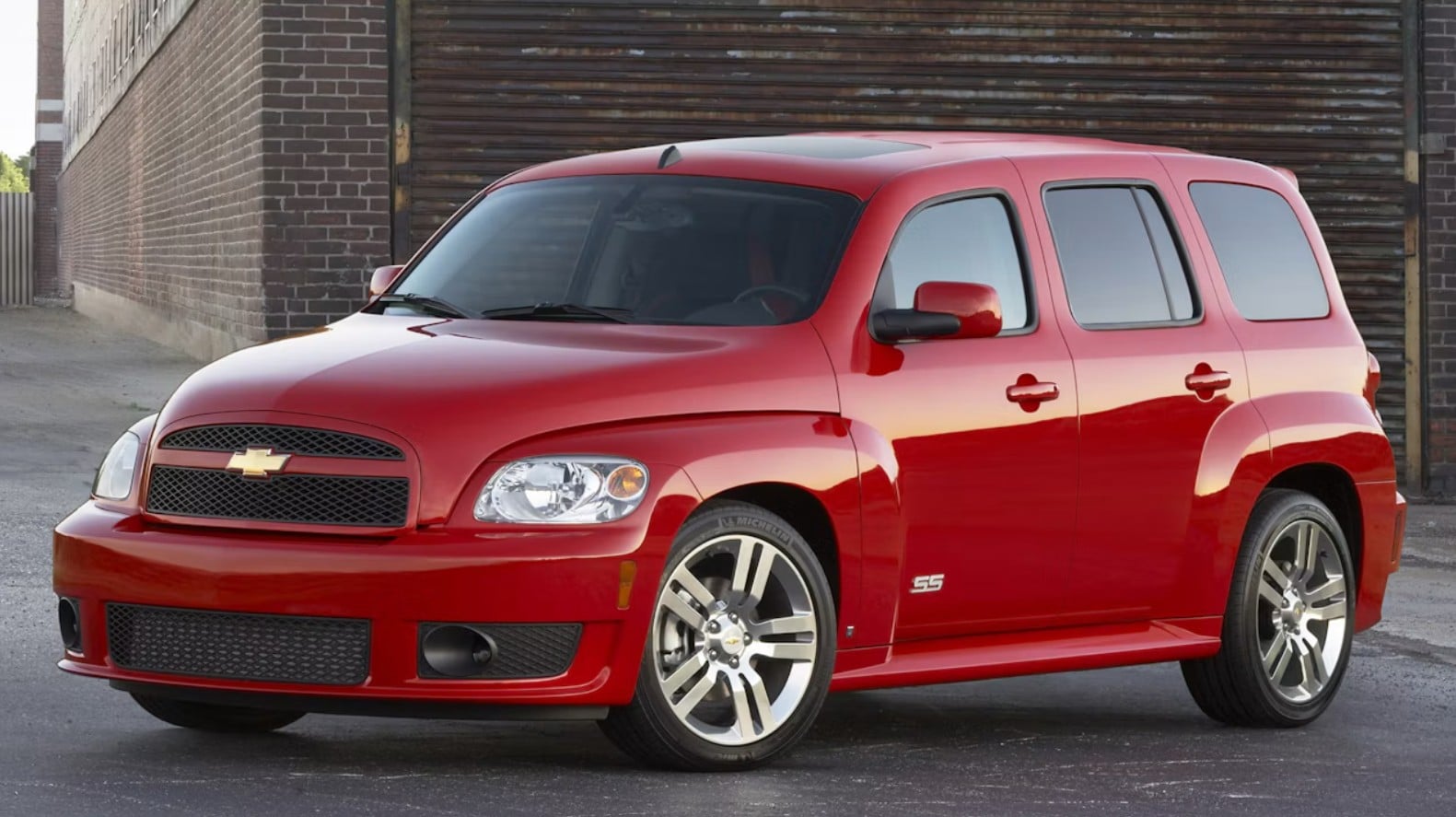
Chevrolet HHR
1
The Chevrolet HHR was another attempt to revive America’s automotive past, this time borrowing visual cues from Chevrolet’s 1940s Suburban.
Designed by Bryan Nesbitt, who was also responsible for the PT Cruiser, the HHR combined a high roofline with retro-inspired bodywork and oversized guards.
Although its appearance was hardly elegant, it offered useful practicality and enjoyed reasonable sales success in North America.
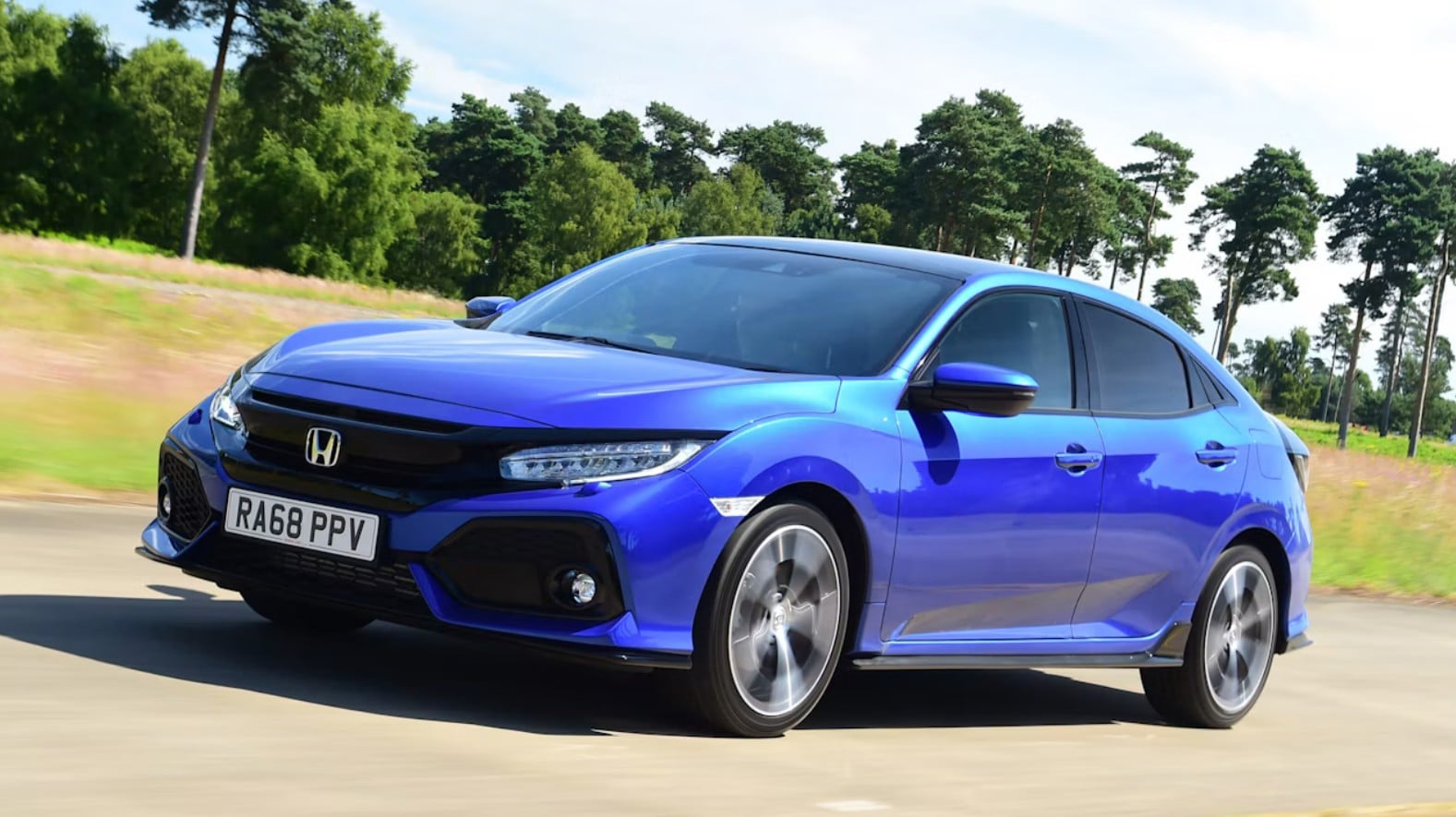
Honda Civic (10th generation)
1
Honda’s tenth-generation Civic embraced an unusually aggressive design direction, with sharp creases, angular lighting and a complicated arrangement of vents and spoilers.
The styling arguably suited the high-performance Type R, where its exaggerated aerodynamic features served a purpose.
On regular models, however, the visual complexity appeared less convincing. Honda subsequently adopted a cleaner, more restrained approach for the eleventh-generation Civic.
SsangYong Rodius
1
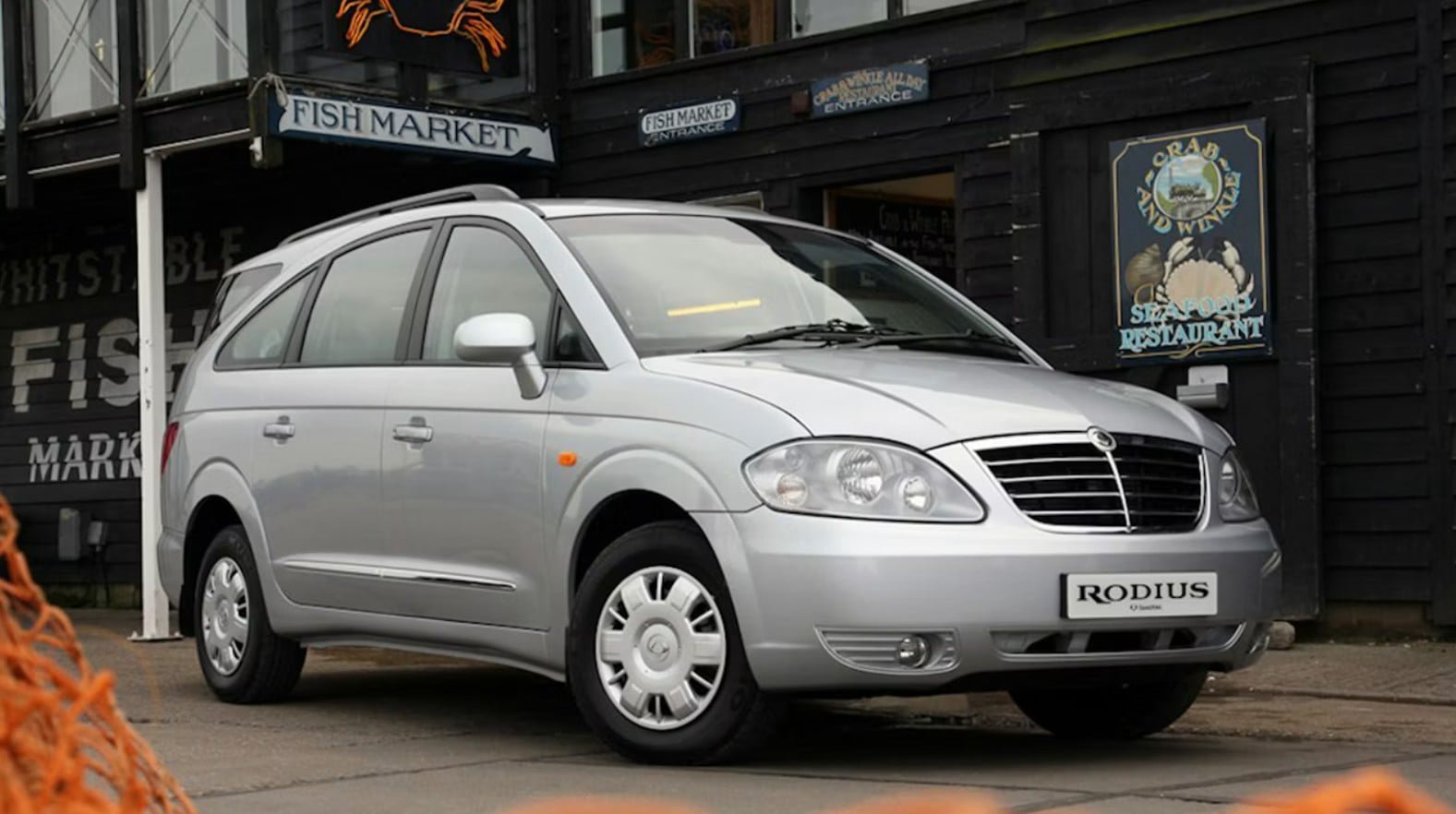
Few vehicles have attracted as much criticism for their appearance as the original SsangYong Rodius.
Designed by Ken Greenley, a former head of transportation design at London’s Royal College of Art, the enormous people-mover reportedly drew inspiration from luxury yachts.
The result was a bewildering combination of conflicting shapes, particularly around the rear pillars and elevated roofline. Its ungainly profile and peculiar rear styling made it difficult to find a flattering angle.
Practicality was its main redeeming feature, although even generous accommodation couldn’t overcome its controversial appearance.
Hispano-Suiza Carmen
1
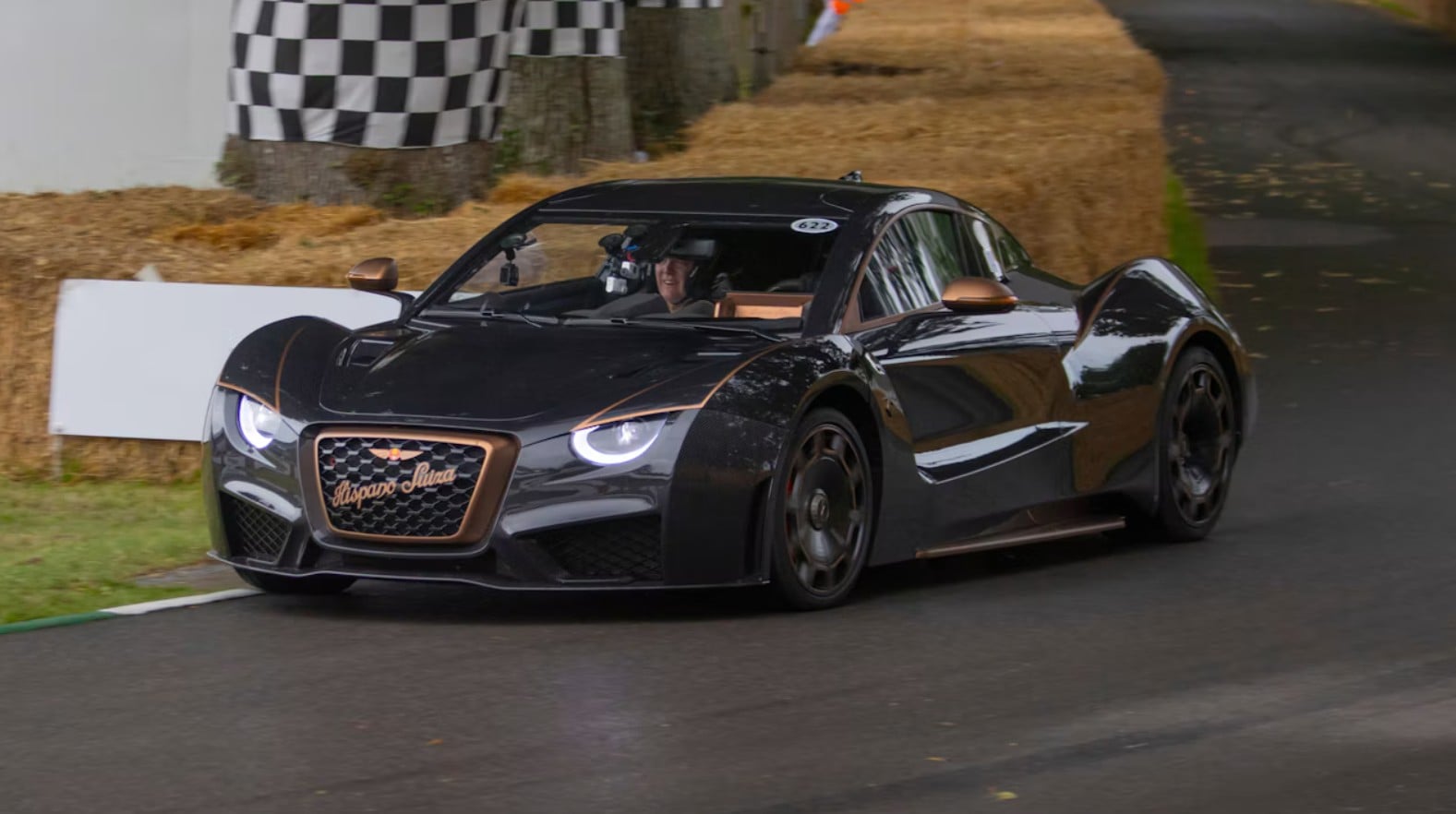
Spanish luxury manufacturer Hispano-Suiza returned to car production with the extraordinary Carmen electric hypercar, taking inspiration from the streamlined Dubonnet Xenia of the 1930s.
Its elongated body, enclosed rear wheels and prominent chrome grille produced a striking but awkward combination of historical and contemporary styling.
Performance was considerably more impressive, with outputs exceeding 745kW and a claimed 0–100km/h time of approximately 2.7 seconds.
With only 19 examples originally planned, the Carmen was always destined to remain an extremely rare sight.
Pontiac Aztek
1
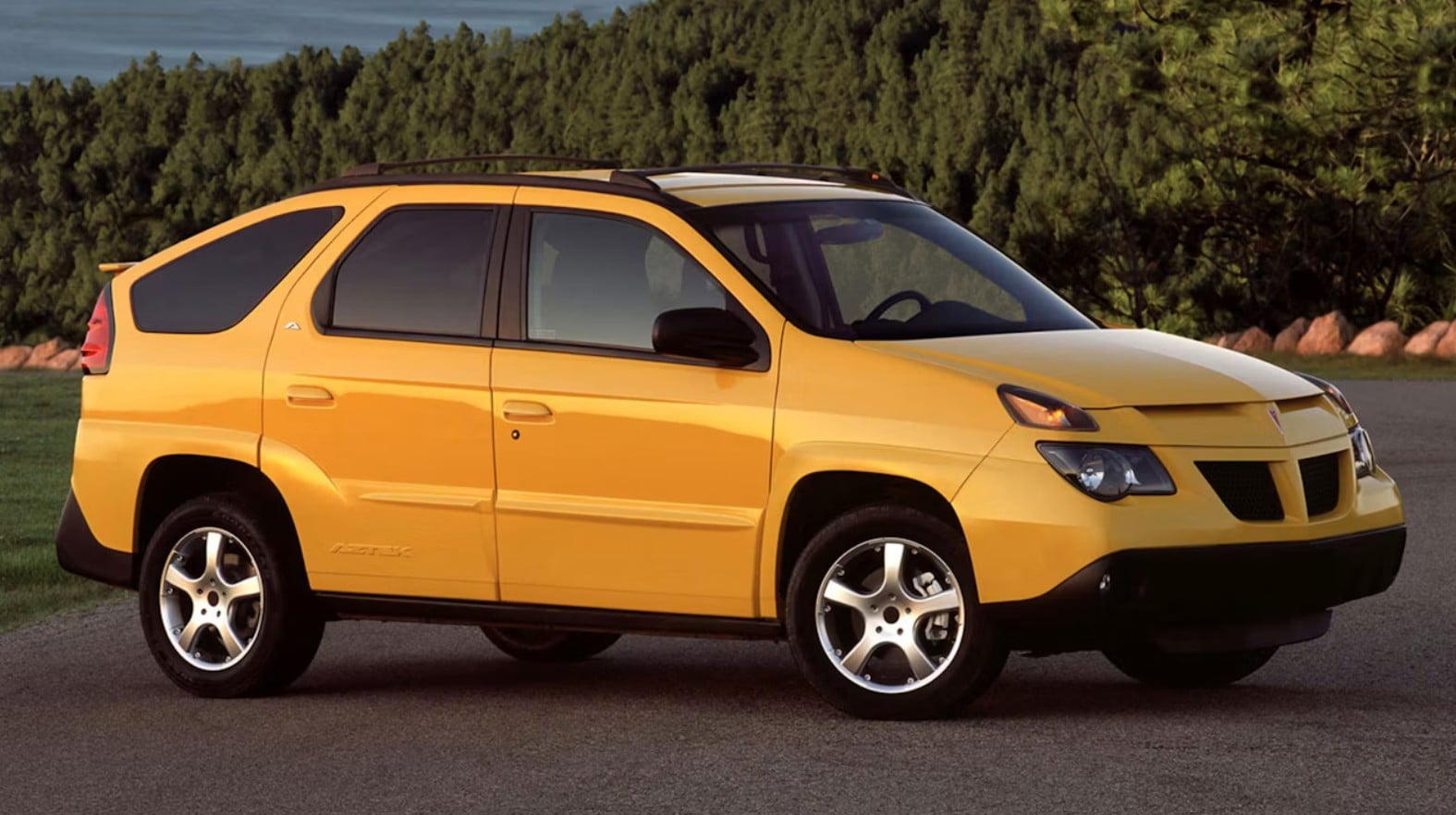
Long before lifestyle SUVs became fashionable, Pontiac attempted to create an adventurous family vehicle with the Aztek.
Its equipment included a removable cooler, split tailgate and an optional camping tent, making it surprisingly versatile.
Unfortunately, its assortment of sharp creases, heavy plastic cladding and strangely proportioned body panels overwhelmed those practical qualities.
The Aztek subsequently achieved unexpected television fame as Walter White’s vehicle in Breaking Bad, cementing its reputation as one of America’s most recognisable automotive oddities.
Edsel Corsair
1
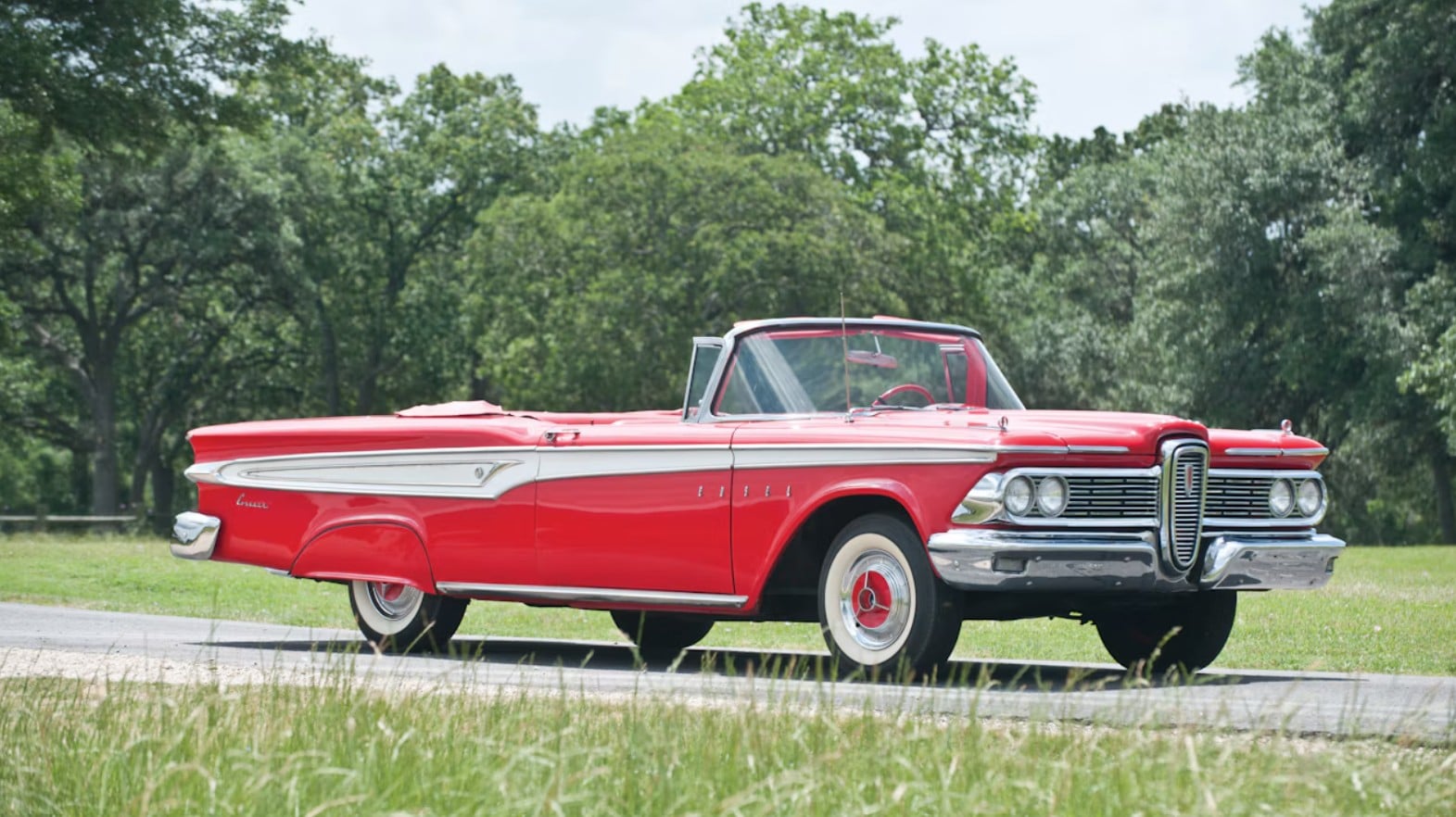
The front grille of the Edsel Corsair has been unfavourably compared to a toilet seat, but the borderline offensive front-end styling wasn’t the car’s only issue. It was riddled with faults, including some related to its unusual ‘Teletouch’ automatic gearbox drive selector buttons which were placed in the middle of the steering wheel.
The second-generation version ditched Teletouch and had a slightly more refined but similar-shaped front grille design. The writing was on the wall, though – this version of the Corsair lasted just a single model year, and the Edsel brand was wound up shortly after, achieving little other than costing parent company Ford a lot of money.
Subaru Tribeca
1
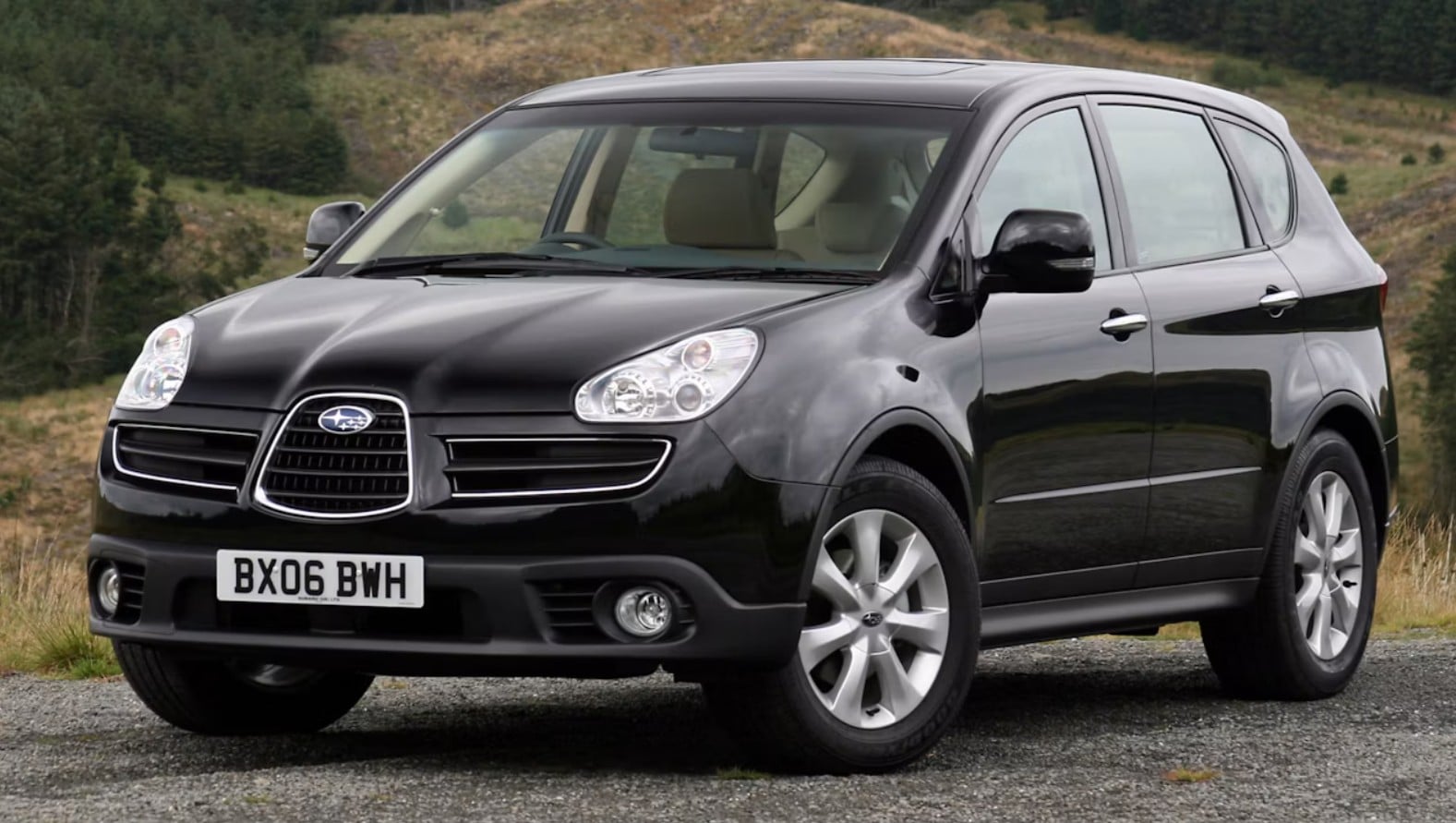
Subaru’s first-generation Tribeca demonstrated how an unusual design theme can work reasonably well on one vehicle but fail spectacularly on another.
Its distinctive three-section grille was intended to acknowledge the aviation heritage of Subaru’s parent company, Fuji Heavy Industries.
However, the treatment appeared particularly awkward on the large SUV, giving its front end a peculiar, almost startled expression.
Subaru eventually abandoned the experiment, introducing a substantially revised and more conventional front end in 2007.
Ford Scorpio MkII
1
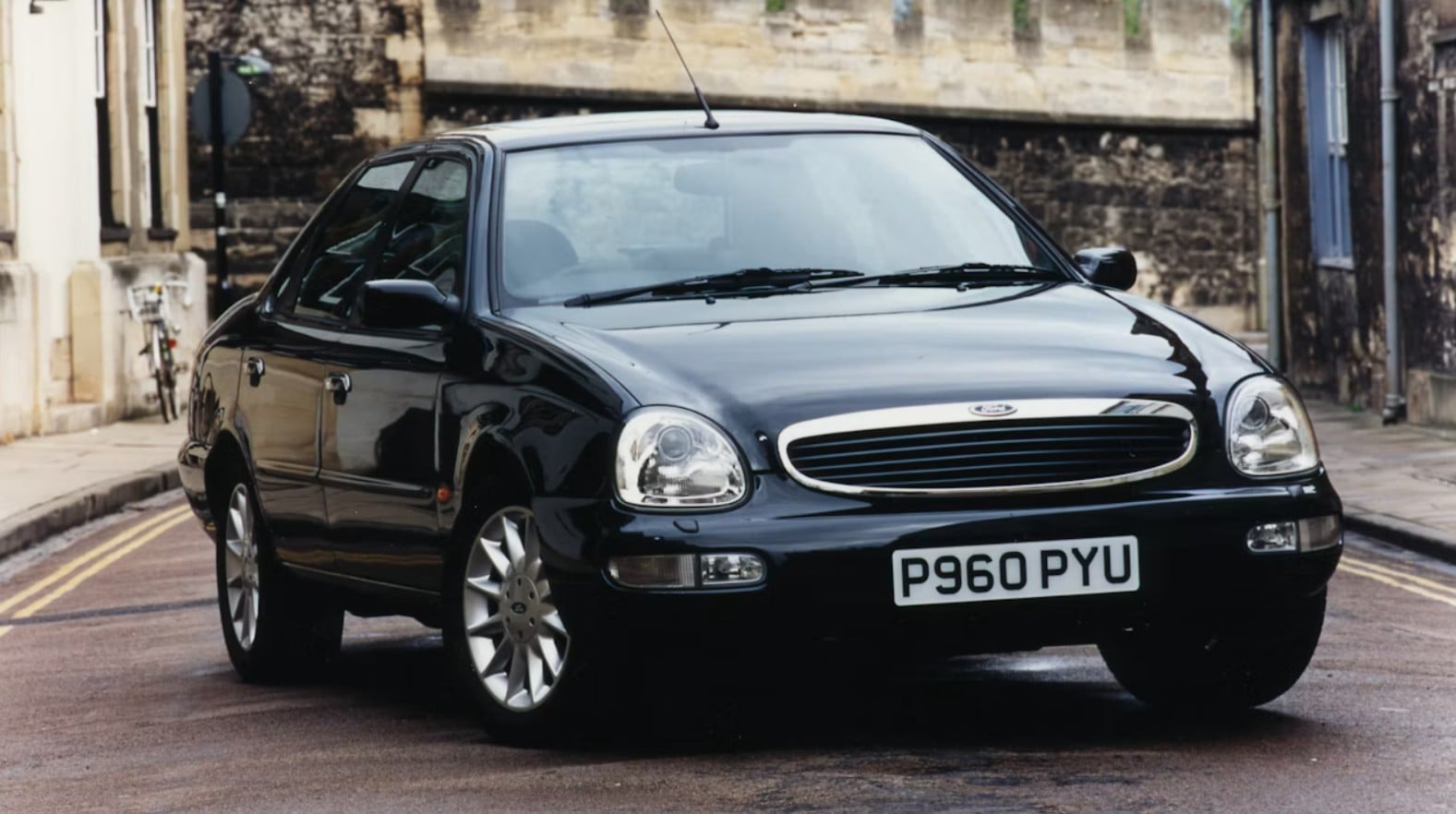
Ford’s second-generation Scorpio arrived in 1994 with styling that represented a dramatic departure from its conservative predecessor.
The large, oval headlights and rounded nose were particularly controversial, earning comparisons with various amphibious creatures.
At the rear, swollen bodywork and unconventional detailing did little to restore visual harmony.
Beneath the unusual exterior was a conventional rear-wheel-drive executive car, with some versions featuring Cosworth-developed V6 engines.
Unfortunately, its appearance overshadowed those mechanical qualities, and even subsequent styling changes couldn’t rescue its reputation.
Chrysler Crossfire
1
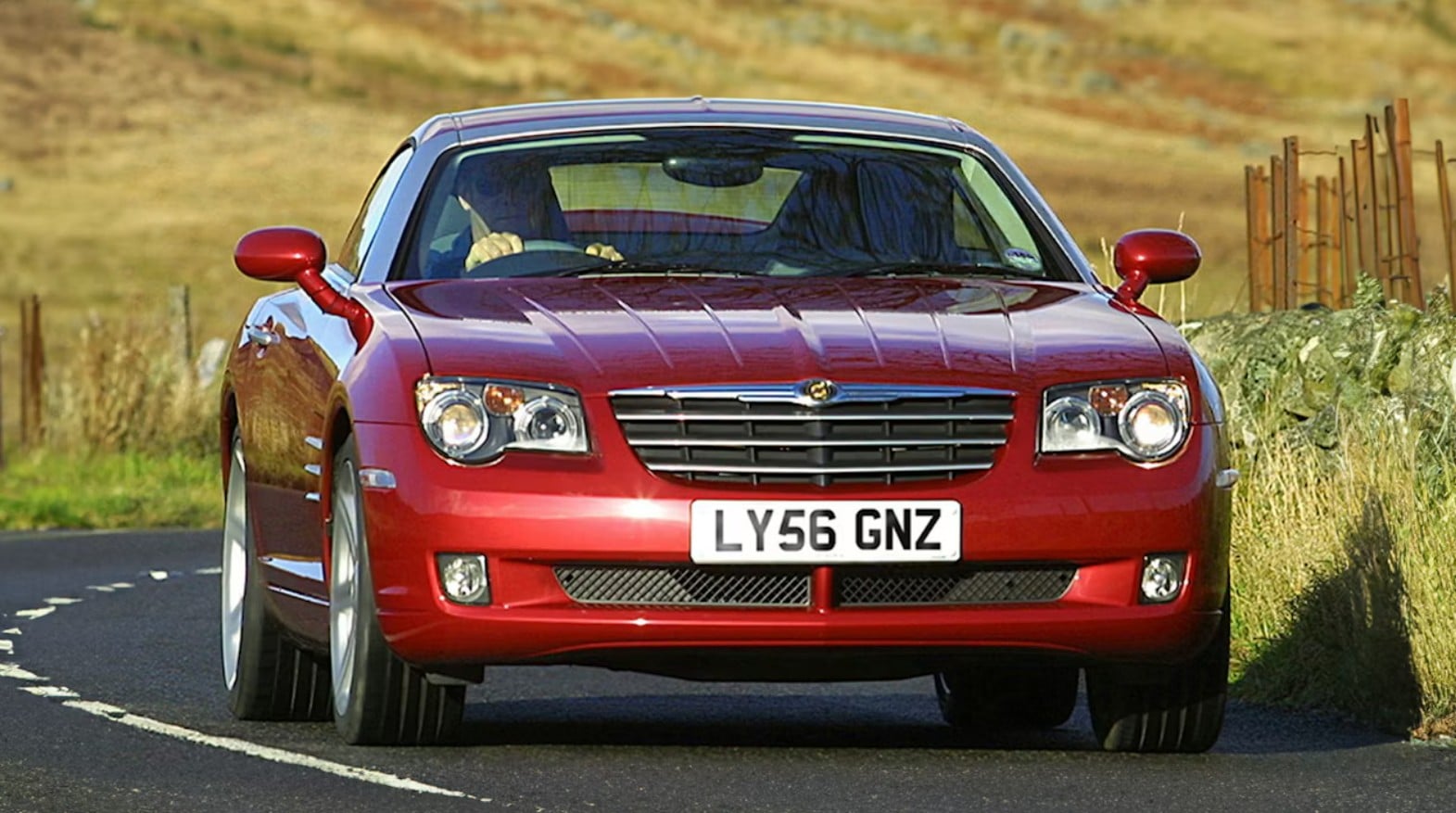
Developed during the DaimlerChrysler era, the Crossfire combined American styling with the mechanical foundations of the Mercedes-Benz SLK.
Its long bonnet, pronounced wheel arches and sharply tapered rear end created an unmistakable profile, although the heavy use of decorative detailing gave the design a rather cluttered appearance.
The coupe’s unusual rear styling proved especially divisive, while the convertible struggled to look particularly graceful with its roof raised.
Despite respectable performance, the Crossfire never achieved substantial commercial success.
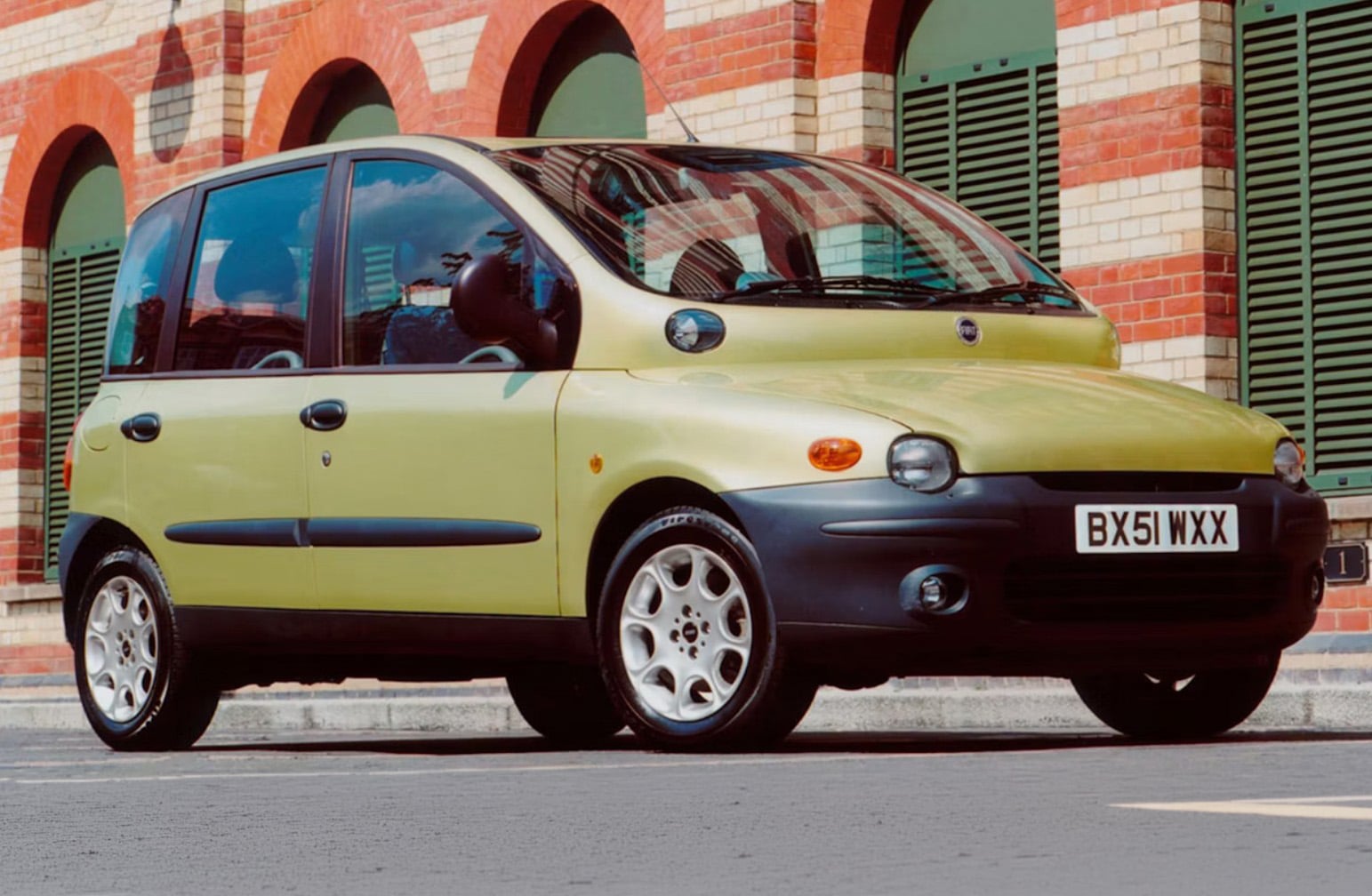
Fiat Multipla
1
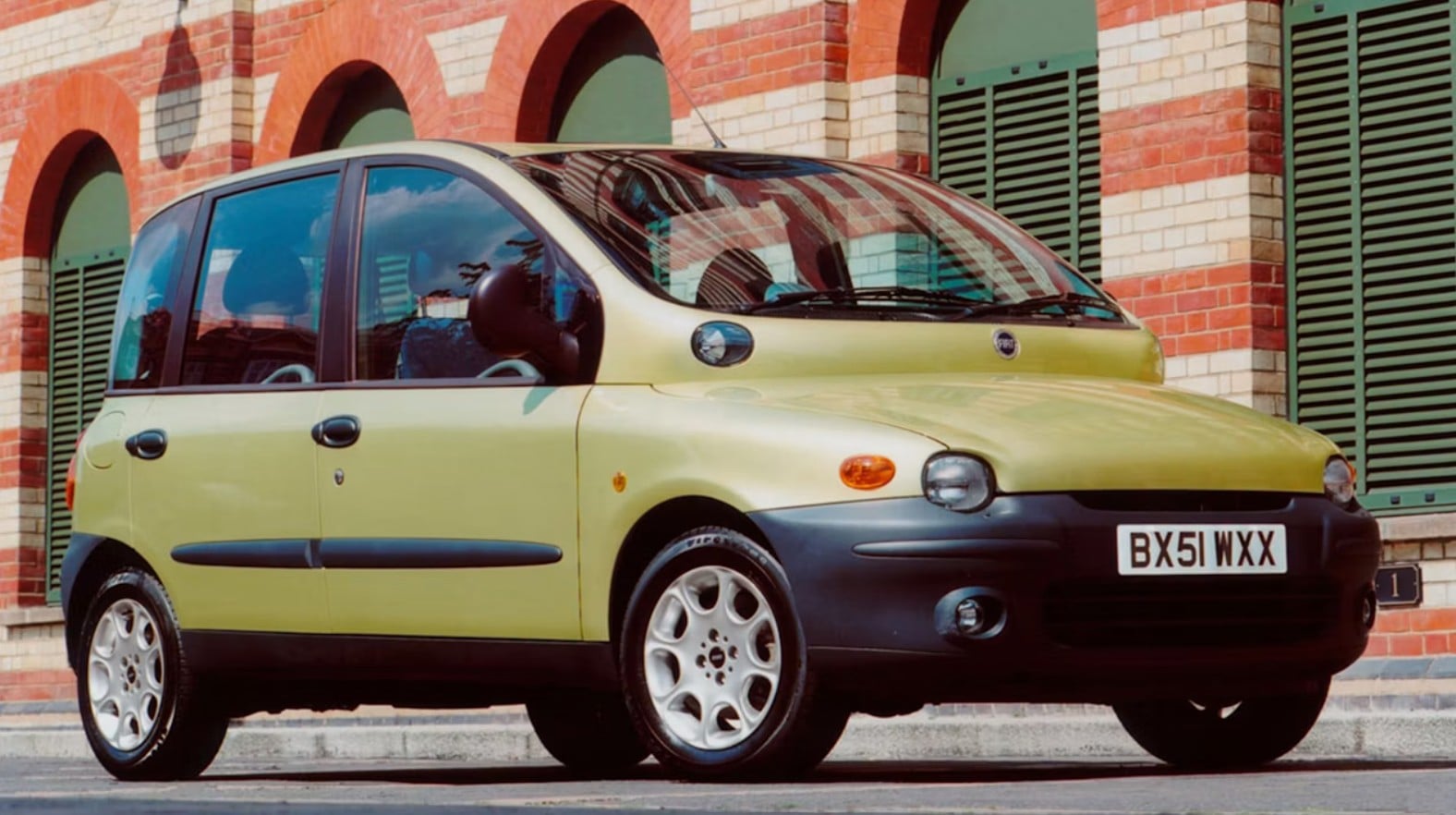
The original Fiat Multipla deserves considerable credit for its innovative packaging.
Despite being relatively compact, it accommodated six occupants across two rows of three seats, delivering remarkable interior flexibility.
Its exterior, however, remains one of the most unconventional designs ever put into mass production.
The strange bulge beneath the windscreen, separate lighting elements and enormous glasshouse created the impression of two different vehicles stacked together.
Fiat eventually introduced a substantially more conventional facelift, sacrificing much of the original car’s character in the process.
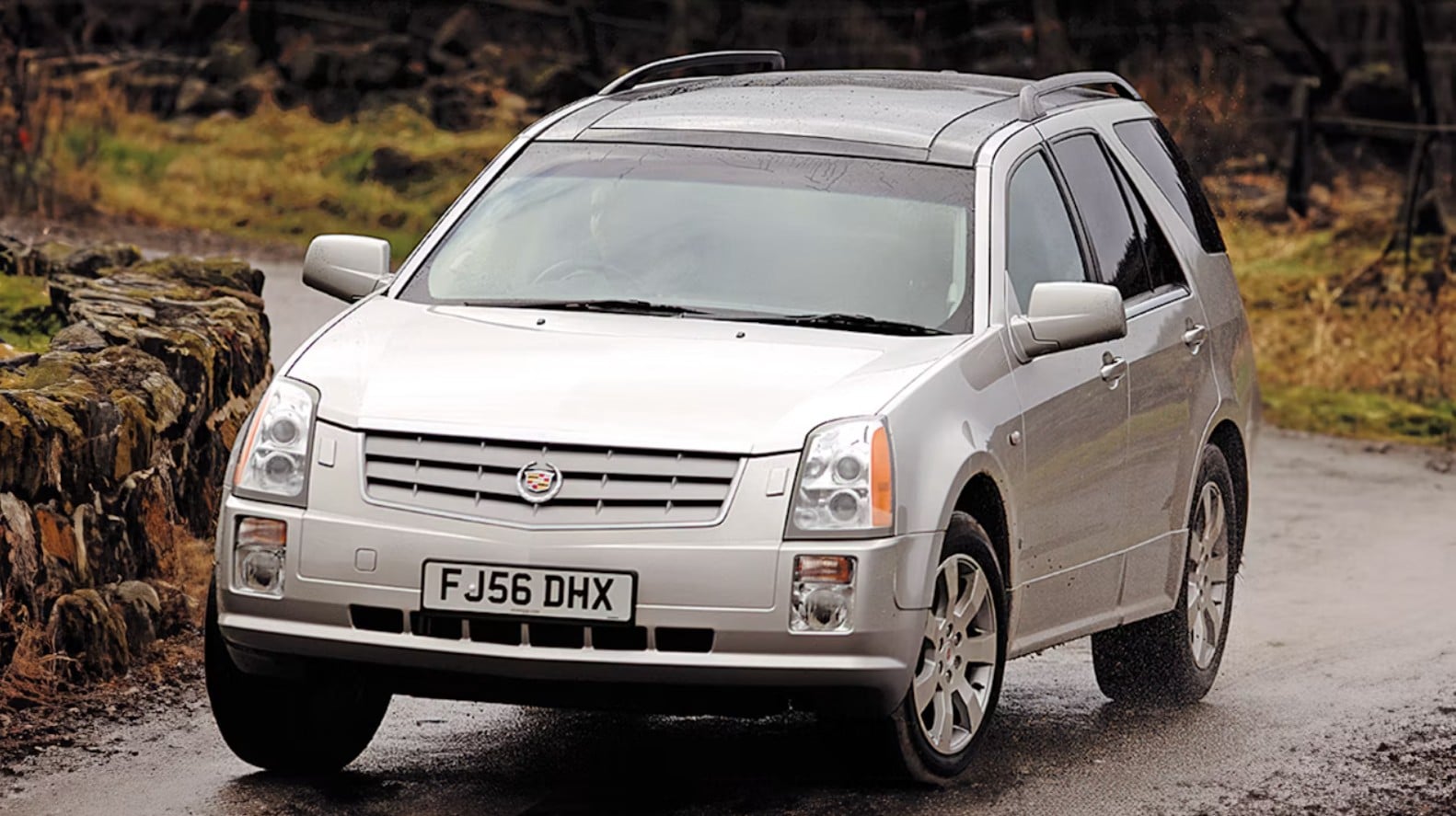
Cadillac SRX (first generation)
1
Cadillac’s original SRX attempted to combine the space of a large SUV with the lower, elongated profile of a luxury station wagon.
Unfortunately, its stretched roofline, angular bodywork and bulky rear end created an ungainly appearance.
Interior quality also struggled to match established European luxury competitors, while its driving dynamics were less polished than buyers might have expected.
The second-generation SRX adopted more conventional SUV proportions, leaving its predecessor as an unusual chapter in Cadillac’s design history.
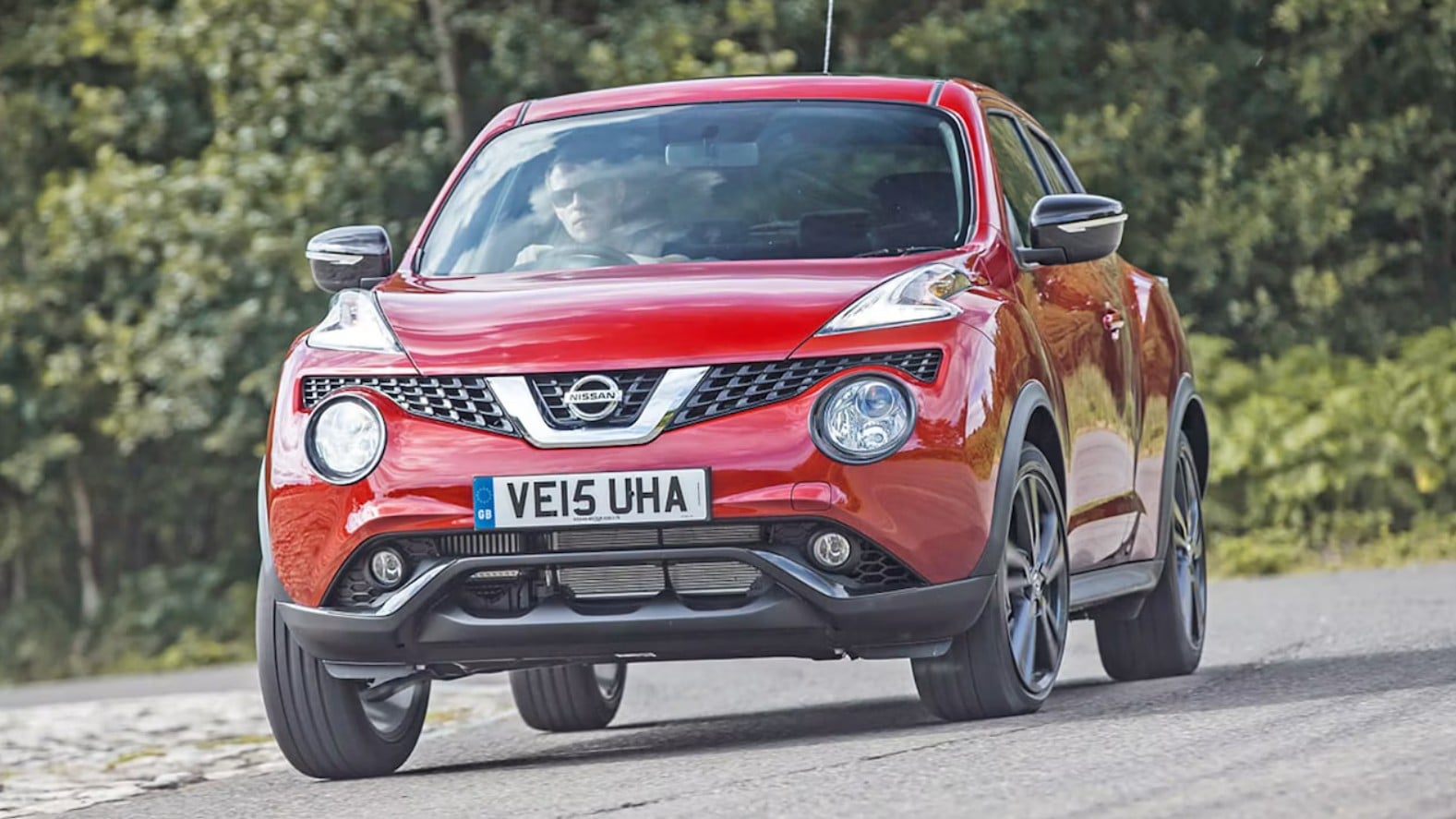
Nissan Juke (first generation)
1
Few modern small SUVs have generated as much discussion about their appearance as the original Nissan Juke.
Its stacked lighting arrangement, swollen front guards and high-mounted daytime running lights gave it an almost cartoon-like expression.
However, the Juke demonstrated that polarising styling needn’t undermine commercial success. It became a major seller and helped establish the compact crossover segment.
The second-generation model retained some of its predecessor’s distinctive character while adopting a more cohesive overall design.
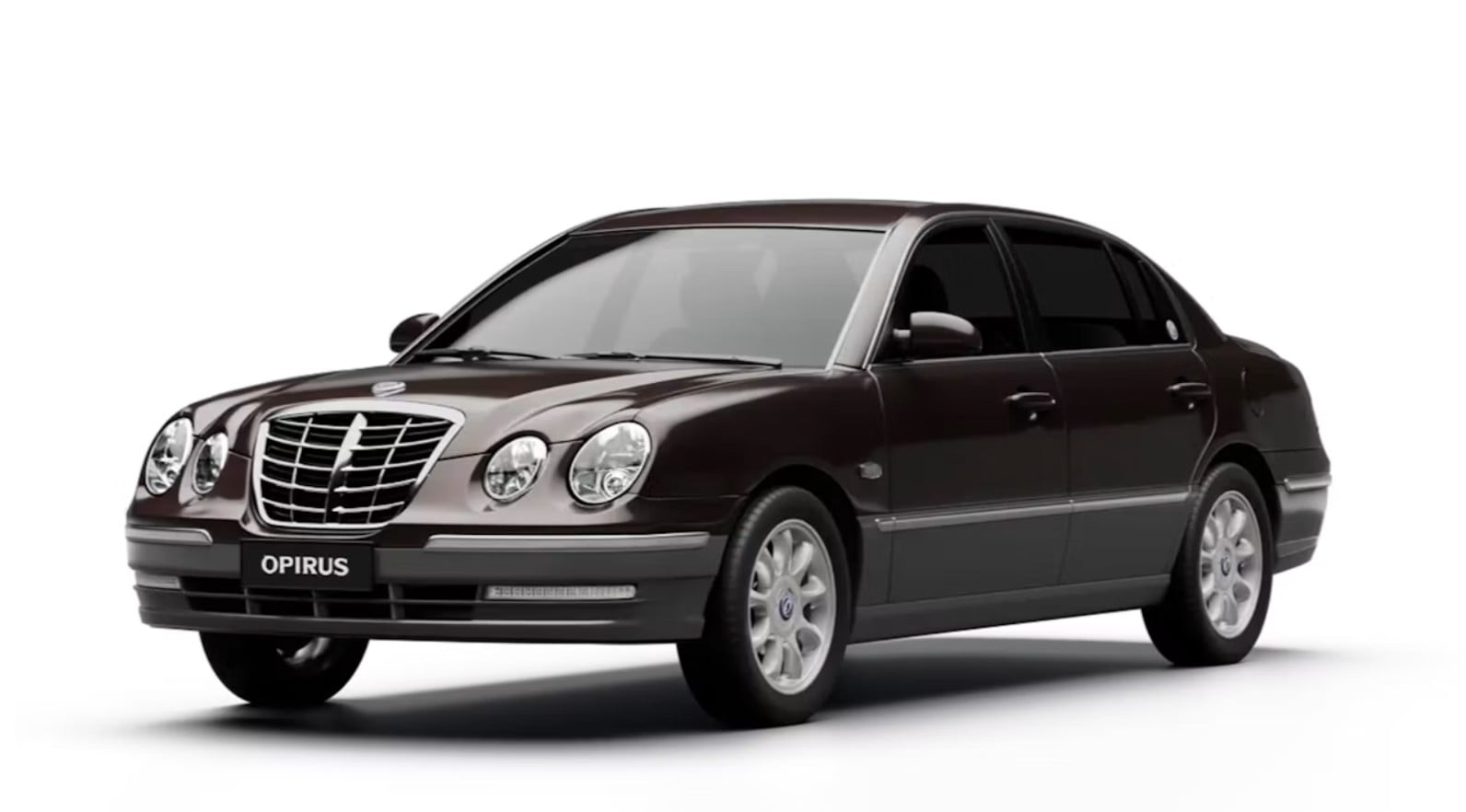
Kia Opirus
1
Long before Kia established itself as a credible competitor in the premium market, the Korean manufacturer attempted to challenge established luxury sedans with the Opirus.
Its styling borrowed heavily from European luxury cars, particularly contemporary Mercedes-Benz models, but the combination of rounded headlights, oversized grille and tall roofline lacked visual harmony.
The result looked more like a collection of borrowed styling ideas than a coherent design.
The Opirus provides an interesting contrast with Kia’s much more confident contemporary styling.
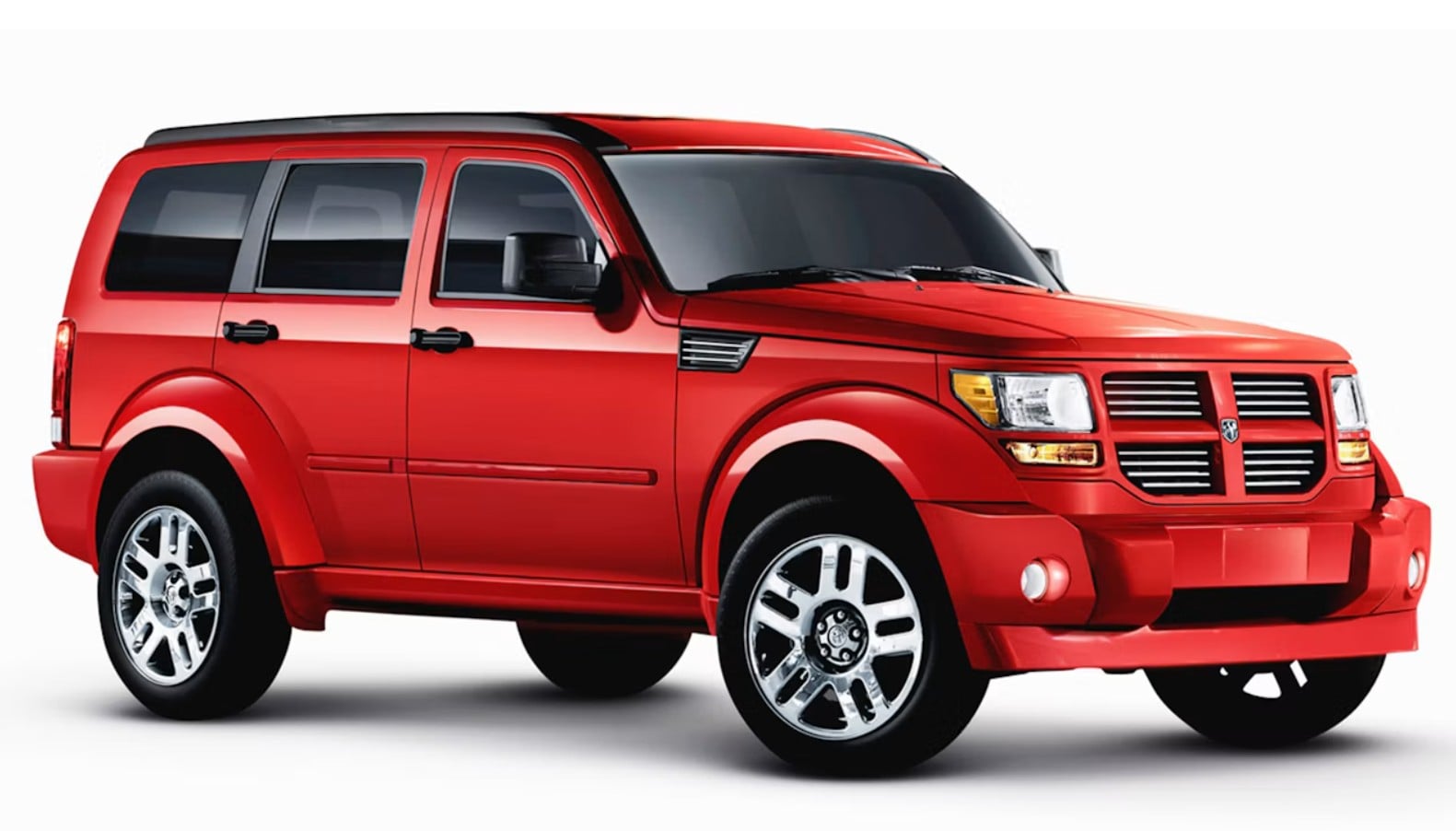
Dodge Nitro
1
The Dodge Nitro took traditional American SUV styling and exaggerated almost every element.
Its enormous chrome grille, squared-off body and oversized wheel arch extensions produced an aggressively muscular appearance that bordered on caricature.
Unfortunately, the driving experience offered little compensation. Ride comfort was disappointing, cabin materials felt inexpensive and refinement lagged behind many competitors.
Although its styling might have appealed to buyers seeking something conspicuous, the Nitro’s combination of questionable looks and mediocre dynamics made it difficult to recommend.
MINI Coupe
1
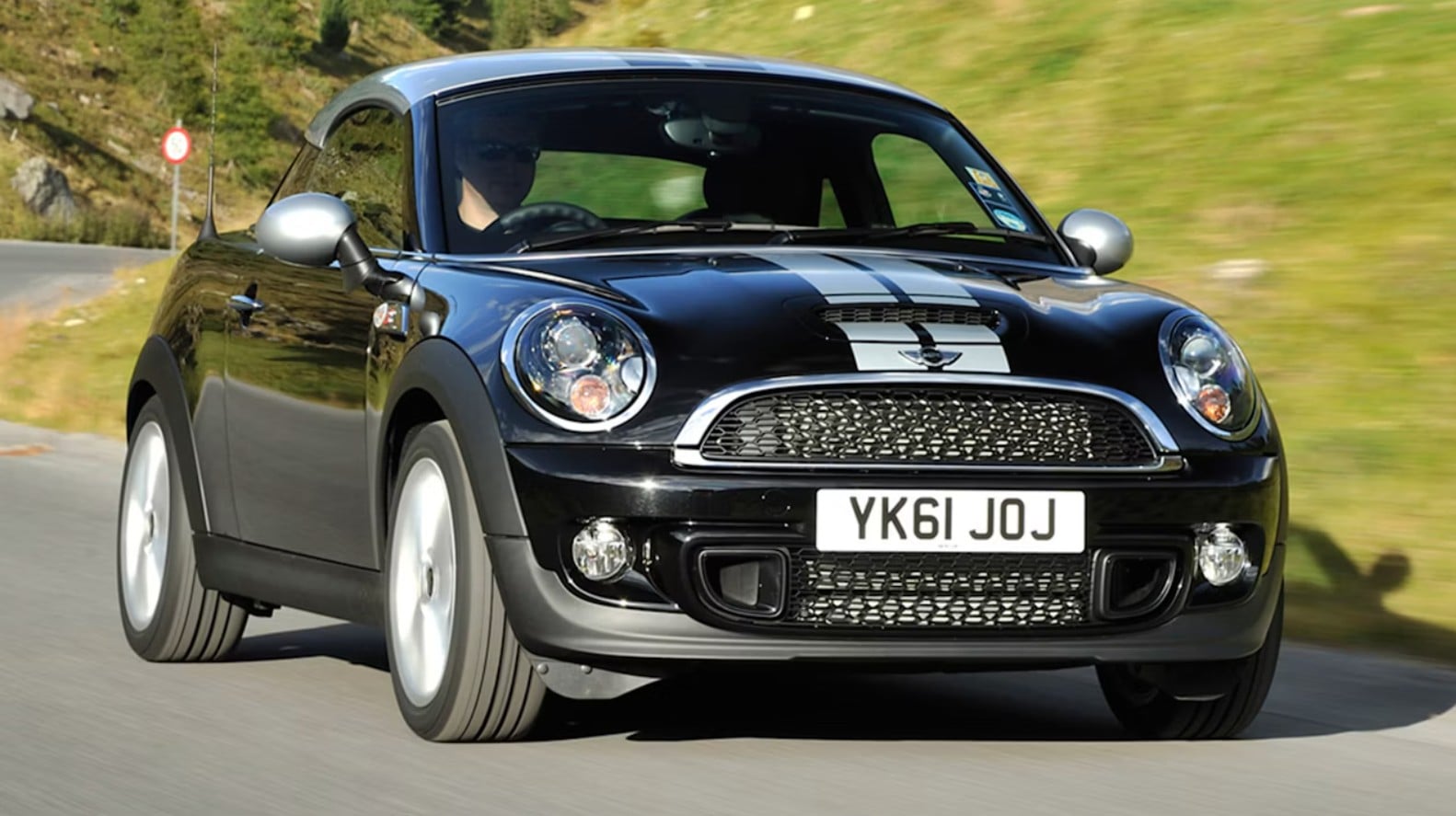
MINI’s rapid expansion beyond its familiar hatchback produced several unusual derivatives, but few were as visually challenging as the two-seat Coupe.
Below the windows, its styling remained recognisably MINI. Above them, however, the sharply angled windscreen and unusual roofline created an entirely different character.
The roof resembled a backwards baseball cap, making the car appear disproportionately heavy below the waistline.
Its compromised practicality and polarising appearance limited its appeal, and MINI discontinued the Coupe in 2015 without introducing a direct replacement.
Hyundai Coupe (1999 facelift)
1
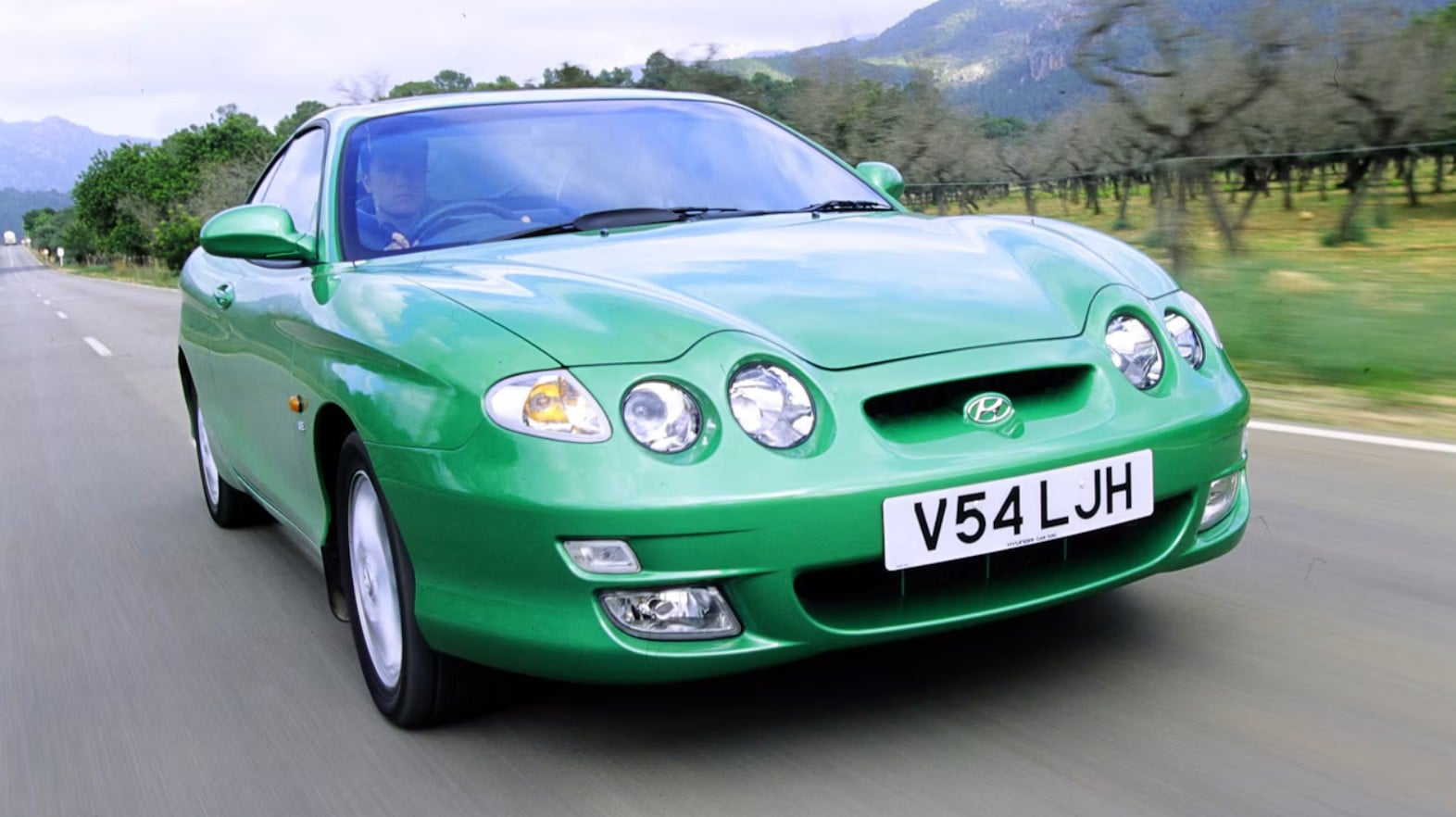
Not every facelift improves a vehicle’s appearance, as Hyundai demonstrated with its first-generation Coupe.
The original model featured relatively clean, flowing styling that gave the affordable sports coupe an appealing profile.
However, the 1999 update introduced a completely redesigned front end featuring four separate headlights and prominent bonnet contours.
The awkward arrangement made the car appear unnecessarily complicated, undermining the simplicity of its predecessor.
Fortunately, Hyundai corrected course with the next-generation Coupe, which adopted a much more cohesive design.
Mitsuoka Orochi
1
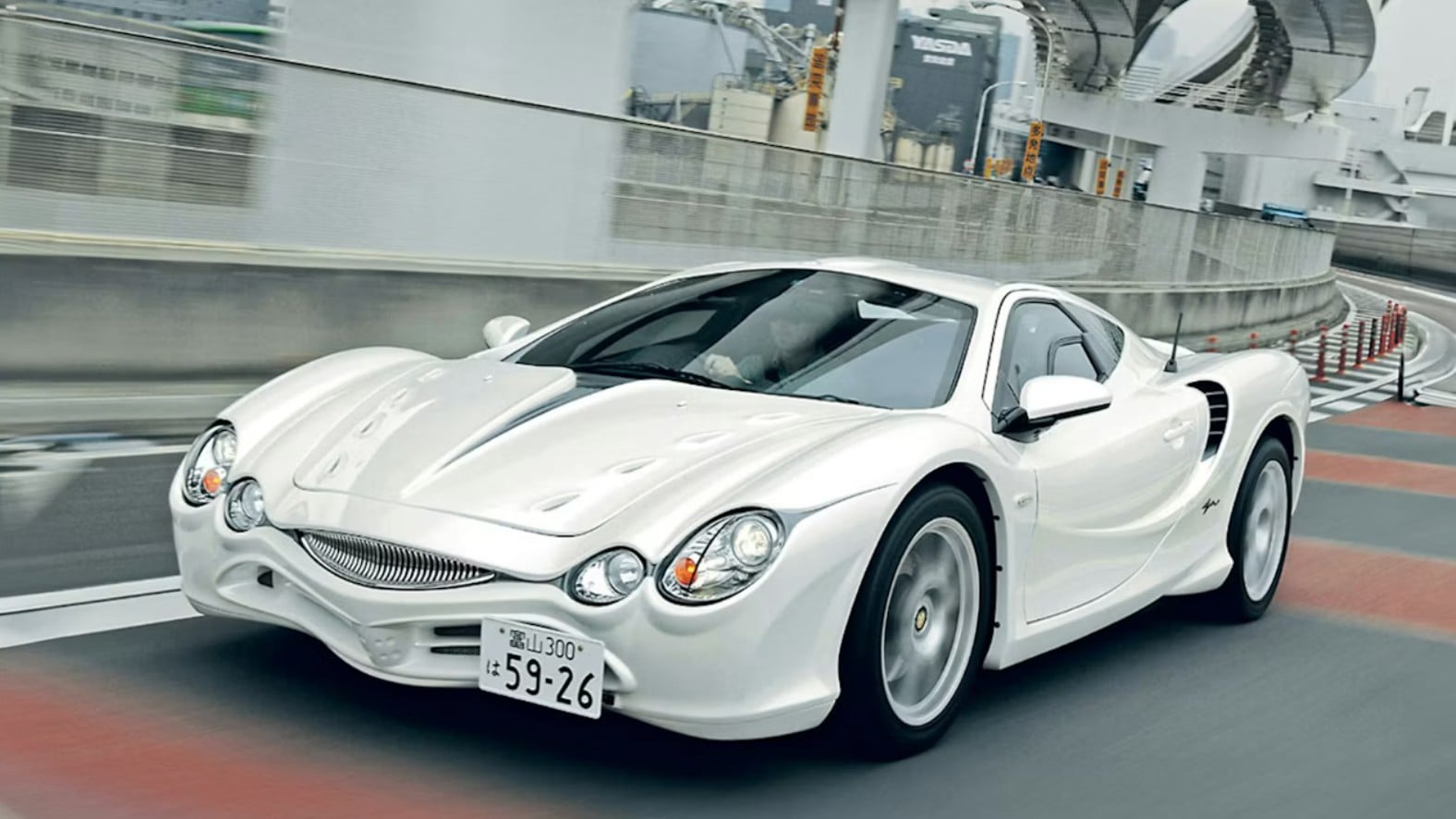
Japanese manufacturer Mitsuoka has built its reputation on eccentric vehicles, but the Orochi arguably represents its most extraordinary creation.
Named after a mythical giant serpent, the low-slung sports car featured flowing, organic bodywork, unusual lighting arrangements and a front end resembling an exotic deep-sea creature.
Its appearance suggested supercar performance, although the mechanical specification was considerably less dramatic.
A Toyota-sourced 3.3-litre V6 produced approximately 172kW, driving the rear wheels through a five-speed automatic transmission.
Acceleration was respectable rather than spectacular, with 0–100km/h taking around seven seconds.
Yet conventional performance figures were never really the Orochi’s defining feature. Its extraordinarily strange appearance ensured it would attract attention wherever it went.
BMW 5 Series Gran Turismo
1
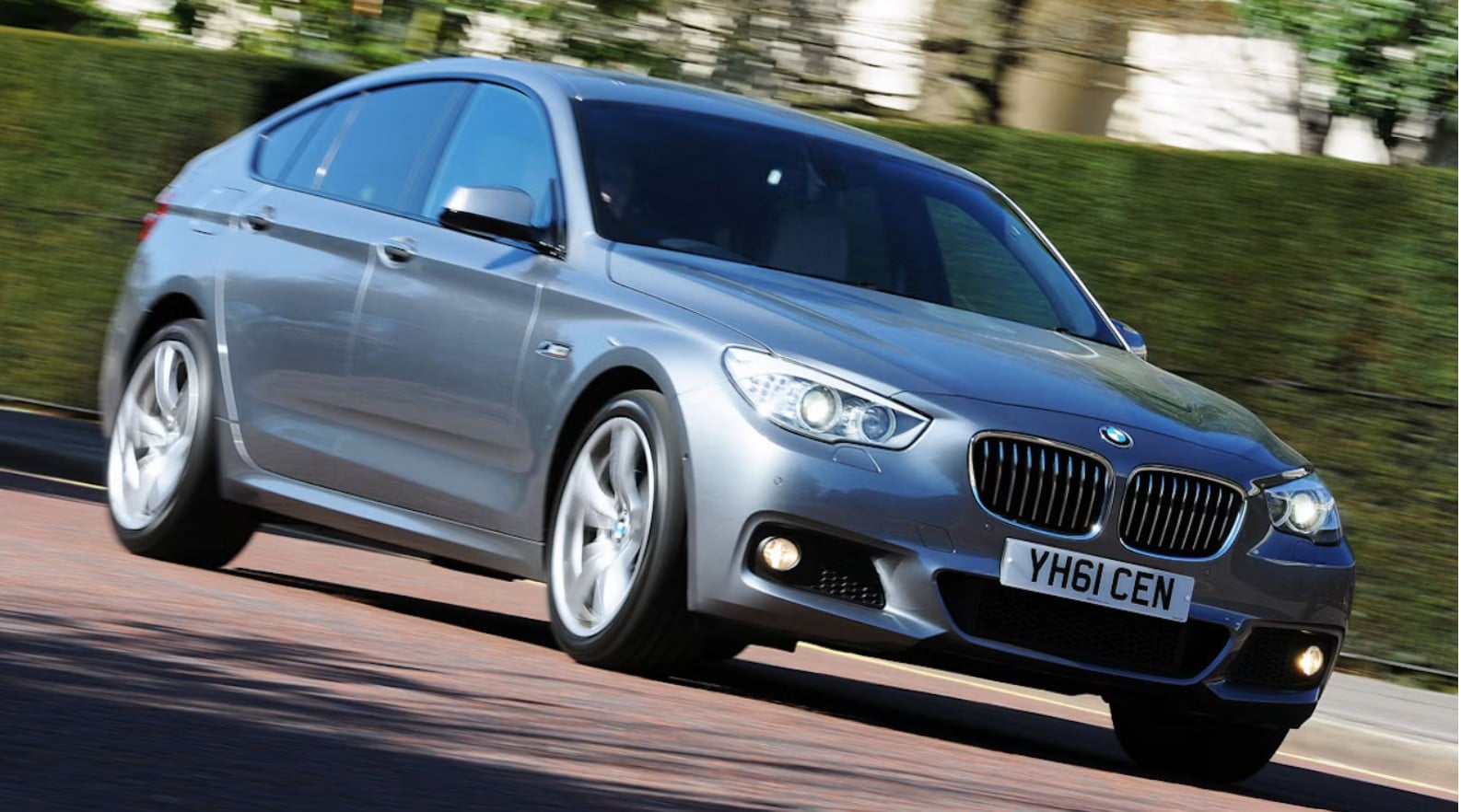
BMW’s pursuit of increasingly specialised body styles produced the 5 Series Gran Turismo, a vehicle intended to combine executive sedan comfort with hatchback practicality.
Its elevated seating position and enormous rear hatch offered genuine functional advantages, but the resulting proportions were difficult to admire.
The tall roof, bulky rear bodywork and unusually shaped tailgate gave the GT a heavy appearance compared with the elegant 5 Series sedan and Touring wagon.
Although comfortable and accomplished on the road, the Gran Turismo struggled to justify its existence alongside BMW’s more conventional alternatives.
Reva G-Wiz
1
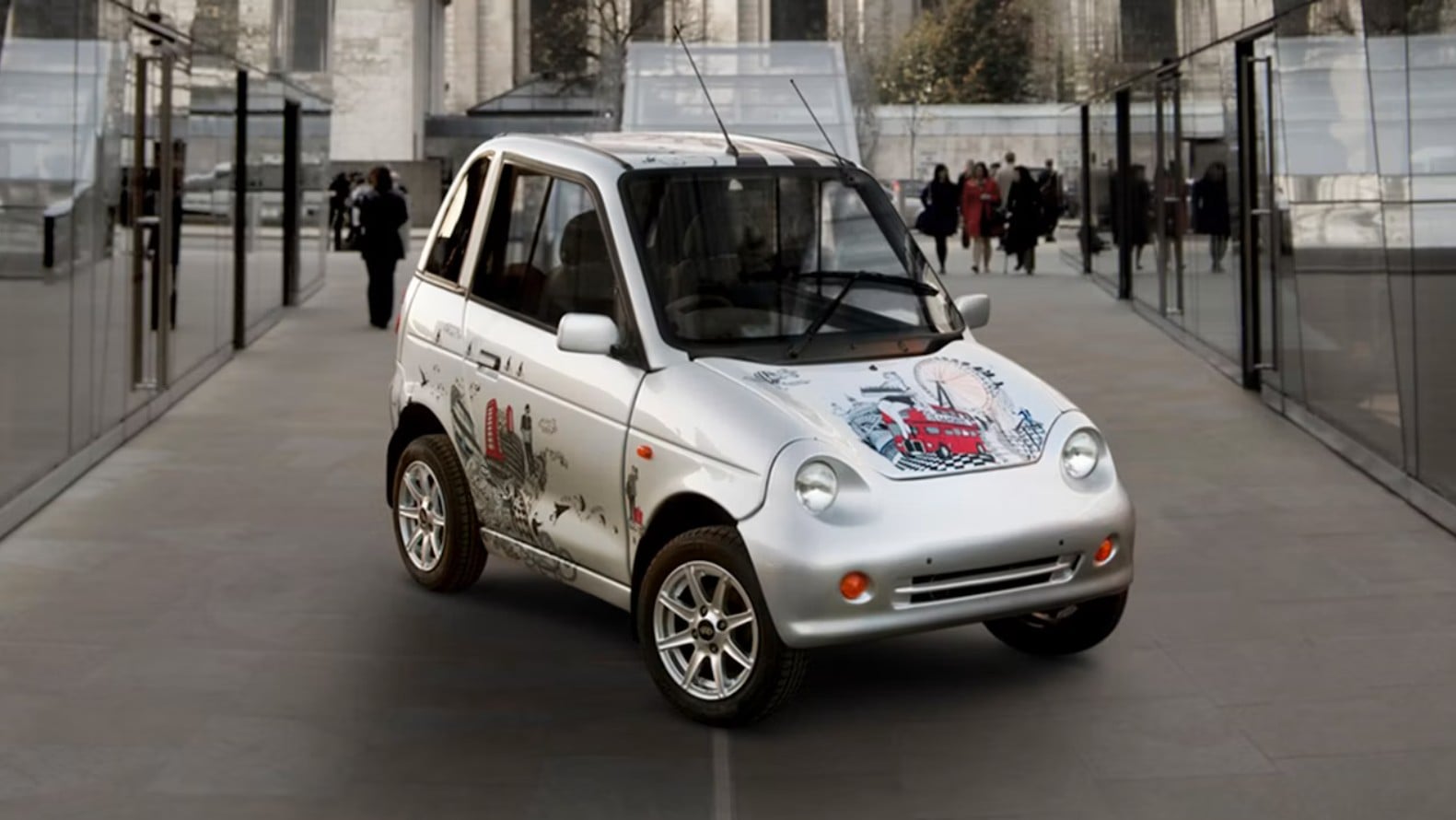
The Indian-built Reva G-Wiz was an early attempt to make electric urban transport affordable and accessible.
Technically classified as a quadricycle rather than a conventional passenger car, it featured tiny dimensions, narrow wheels and a bulbous body that appeared almost comically proportioned.
Its styling was hardly its only weakness, with limited performance, rudimentary refinement and serious safety shortcomings attracting criticism.
Nevertheless, the G-Wiz arrived well before mainstream manufacturers embraced electric city cars, making it an interesting, if deeply flawed, early experiment.
Ultimately, these cars illustrate the risks manufacturers take when trying to create something genuinely different. Some were commercially unsuccessful, others surprisingly popular, and several have since developed devoted followings.
Whether they’re genuinely ugly or simply misunderstood is open to debate. What cannot be disputed is that all 10 remain far more memorable than countless conventionally attractive cars produced alongside them.
Follow WhichCar/Wheels on Google
Click the button below to make WhichCar by Wheels a preferred source for your news.

We recommend
-
 Features
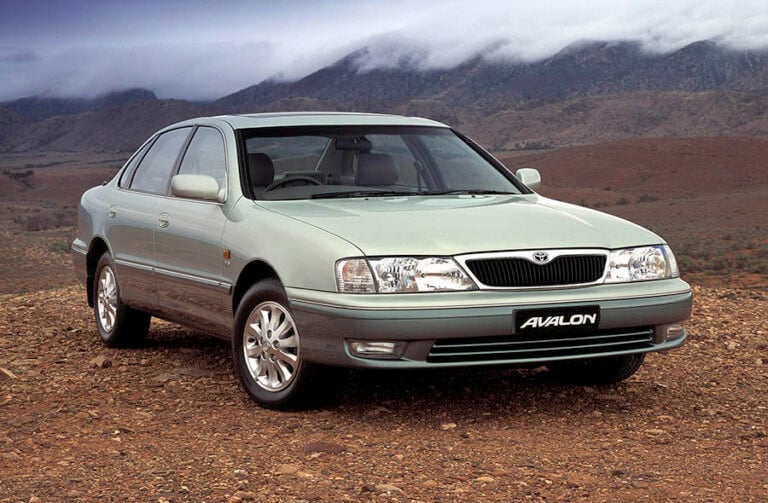
Forgotten Aussie flagships – top 10 range-toppers from our motoring heyday
Whether they were overlooked in their heyday or have simply faded from memory over time, here are 10 range-topping cars that you probably haven’t thought about in a while.
-
 Features
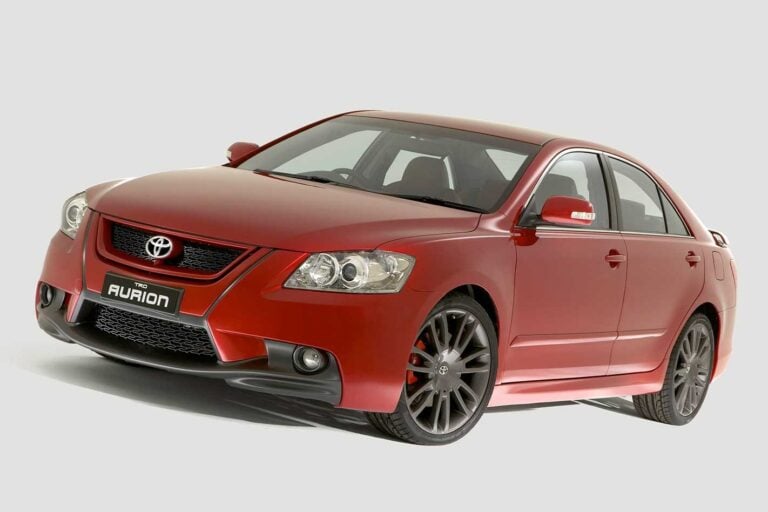
Top 10 Australia-only special editions
The best of special editions created especially for the Australian market by some of the most famous marques on the planet.
-
 Features
Revealed: Australia’s top 10 most fuel-efficient SUVs as petrol and diesel prices shoot up again
SUVs remain wildly popular in Australia. But with petrol and diesel prices spiking, what's your best bet for saving at the bowser? We've got you covered...
