
Features

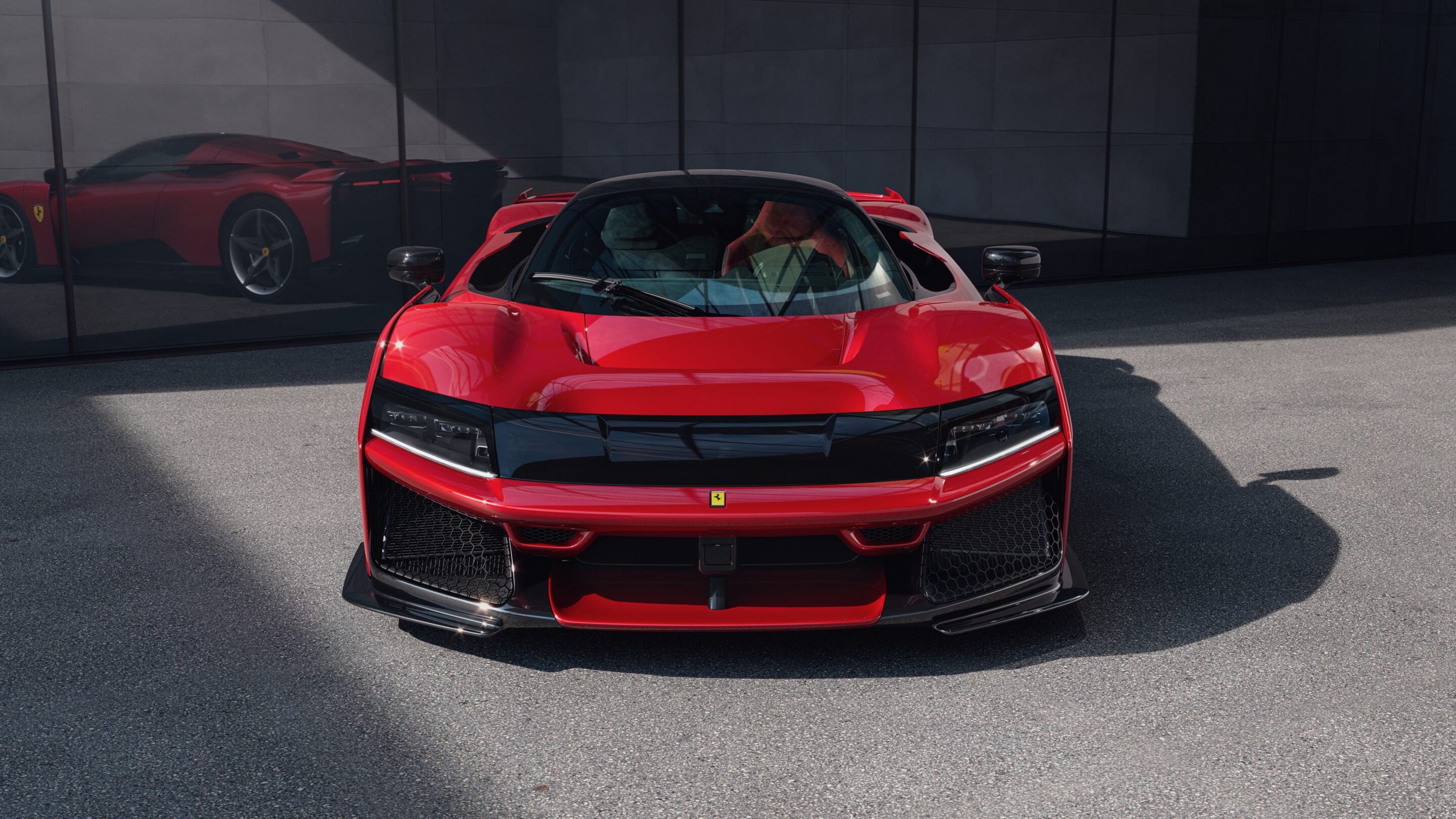
Gallery 1
Not so long ago, accelerating from 0–100km/h in less than four seconds was reserved for the world’s most exotic supercars. Even sub-five second runs were considered some of the quickest machines on the market. Today, even some regular electric sedans and SUVs can break through that barrier.
At the very top of the performance ladder, things are verging on the ridiculous. The world’s quickest cars can now reach 100km/h in less than two seconds, with electric motors helping manufacturers extract extraordinary performance.
But while the rise of electric vehicles has made acceleration race even quicker, traditional combustion engines remain competitive, particularly when combined with hybrid technology.
For this list, we’re including both road-legal production vehicles and purpose-built track cars, ranked in a countdown using published manufacturer claims and recorded acceleration figures.
So what are the 10 quickest-ever accelerating cars? Here’s the WhichCar by Wheels list…
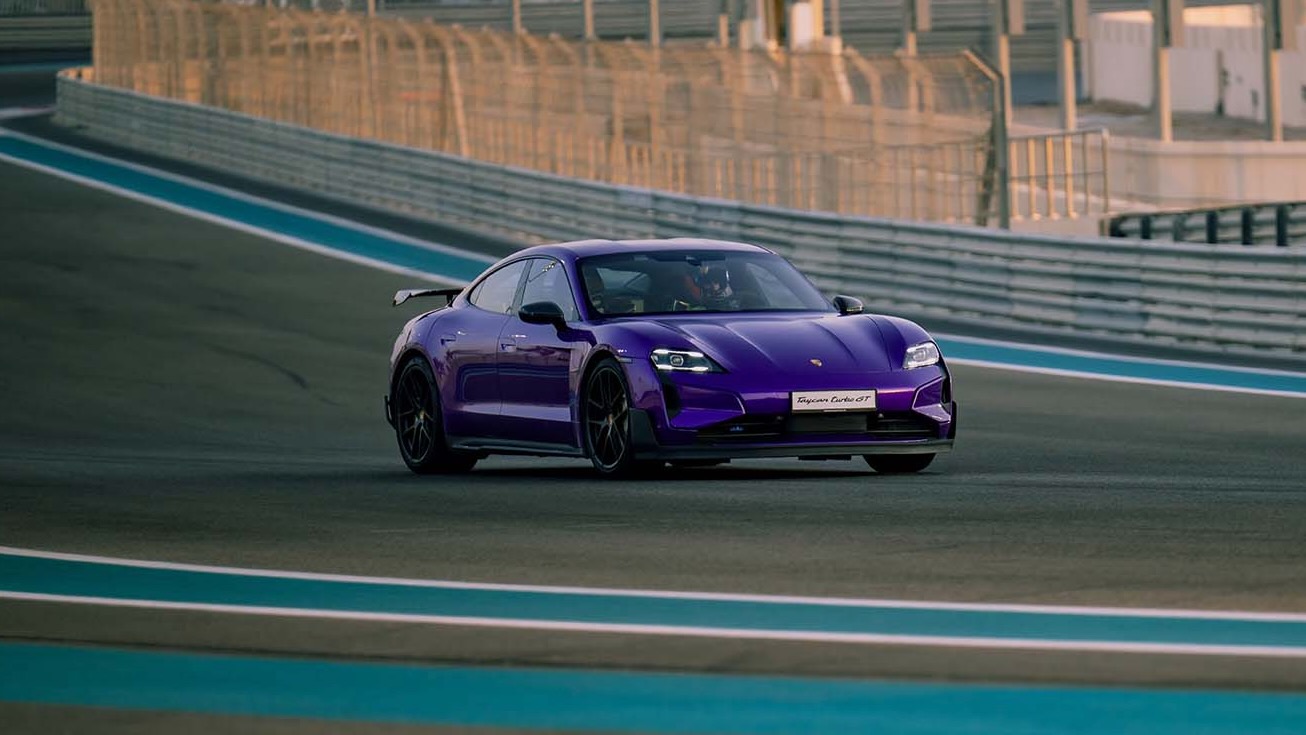
10) Porsche Taycan Turbo GT with Weissach Package
Perhaps the most surprising inclusion on this list is the Porsche Taycan Turbo GT, which proves that insane acceleration is no longer limited to low-slung, two-seat hypercars. With the optional Weissach Package, Porsche’s flagship electric performance sedan can accelerate from 0–100km/h in just 2.2 seconds and reach a top speed of 305km/h.
4
Its dual-motor electric powertrain produces up to 760kW, while weight-saving measures and aerodynamic enhancements help improve its performance on the track. But unlike many of the exotic machines further down this list, the Taycan remains road-legal and retains much of the everyday usability of a conventional passenger car.
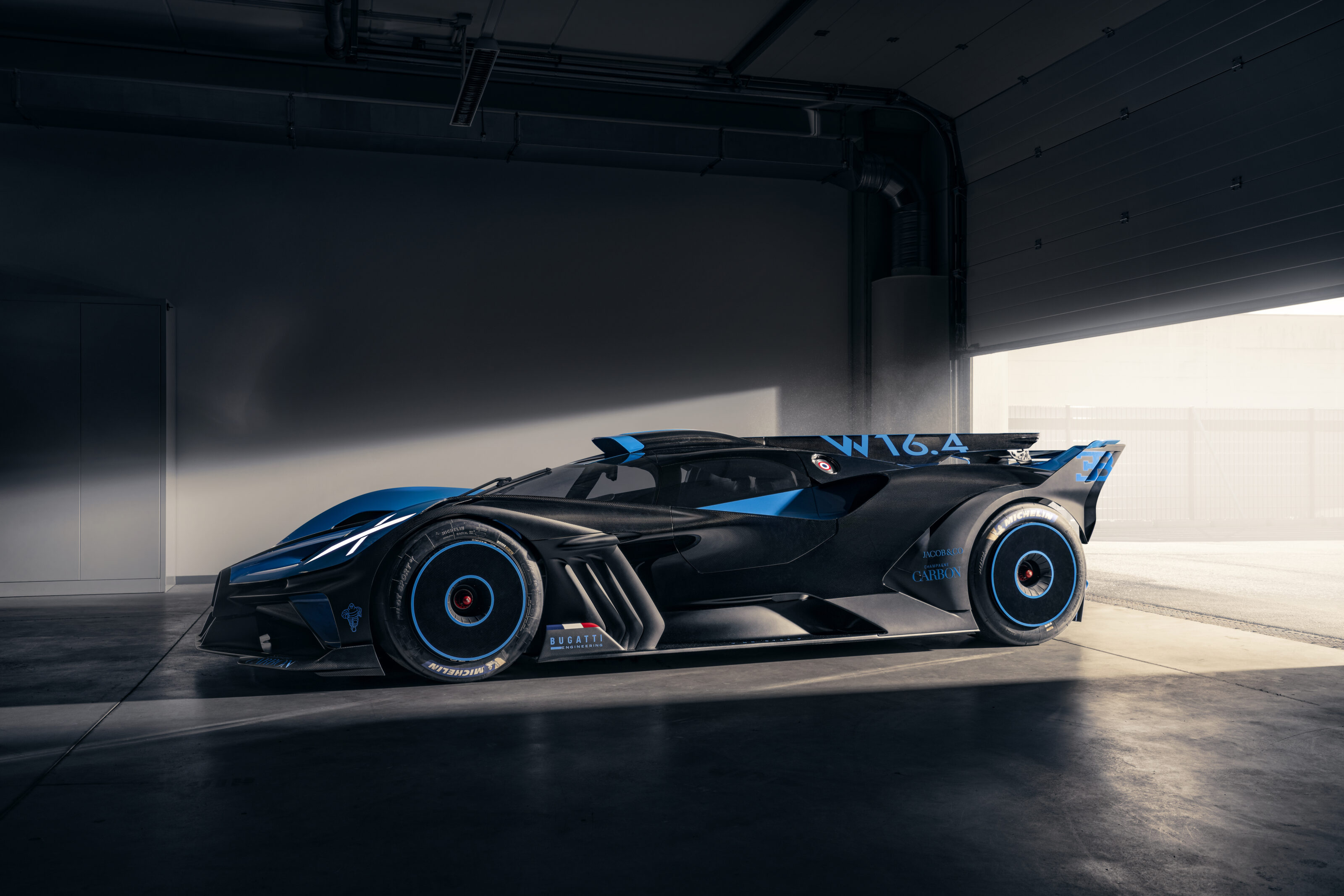
9) Bugatti Bolide
The Bolide is what happens when one of the world’s most powerful combustion engines is installed in a vehicle designed exclusively for circuit driving. Unlike the Chiron and Tourbillon, the Bolide isn’t road-legal – instead, it uses the iconic quad-turbocharged 8.0-litre W16 engine in a lightweight carbon fibre chassis.
3
Published estimates suggest the Bolide can accelerate from 0–100km/h in approximately 2.2 seconds. Just 40 examples are being produced, making it one of the world’s most exclusive track-only machines.
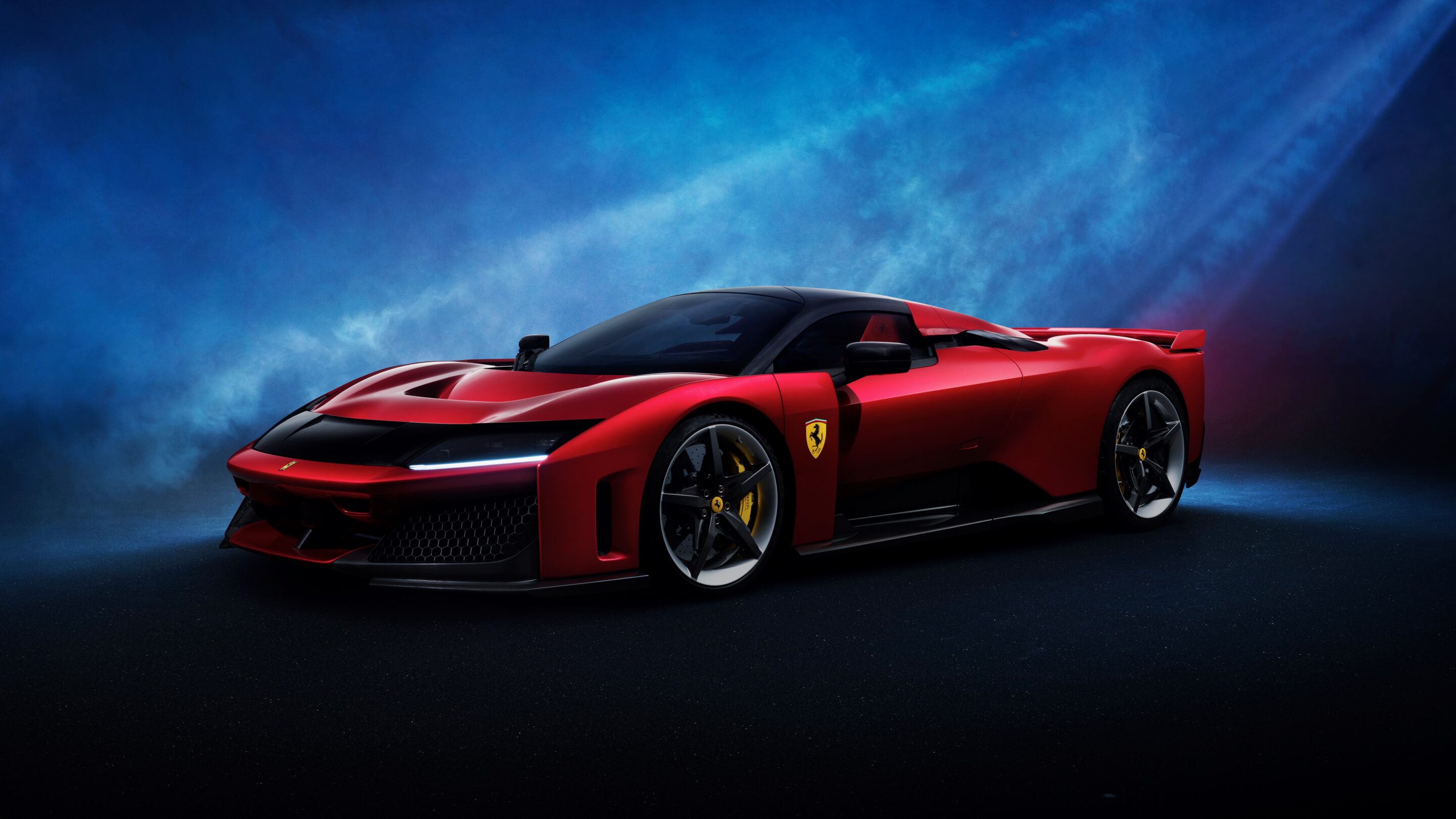
8) Ferrari F80
Ferrari’s F80 is the latest chapter of a supercar book that includes the F40, F50, Enzo and LaFerrari. But rather than using a traditional V12, the F80 features a twin-turbocharged 3.0-litre V6 paired with a hybrid system. Its combined power output is a huge 883kW, with Ferrari claiming a 0-100km/h time of just 2.15 seconds and a top speed of 350km/h.
5
Although it cannot quite match the quickest electric hypercars in a standing-start sprint, the F80’s aerodynamics and motorsport-derived tech are also designed to deliver exceptional performance around a circuit. Production is limited to 799 examples and they’re all sold out.
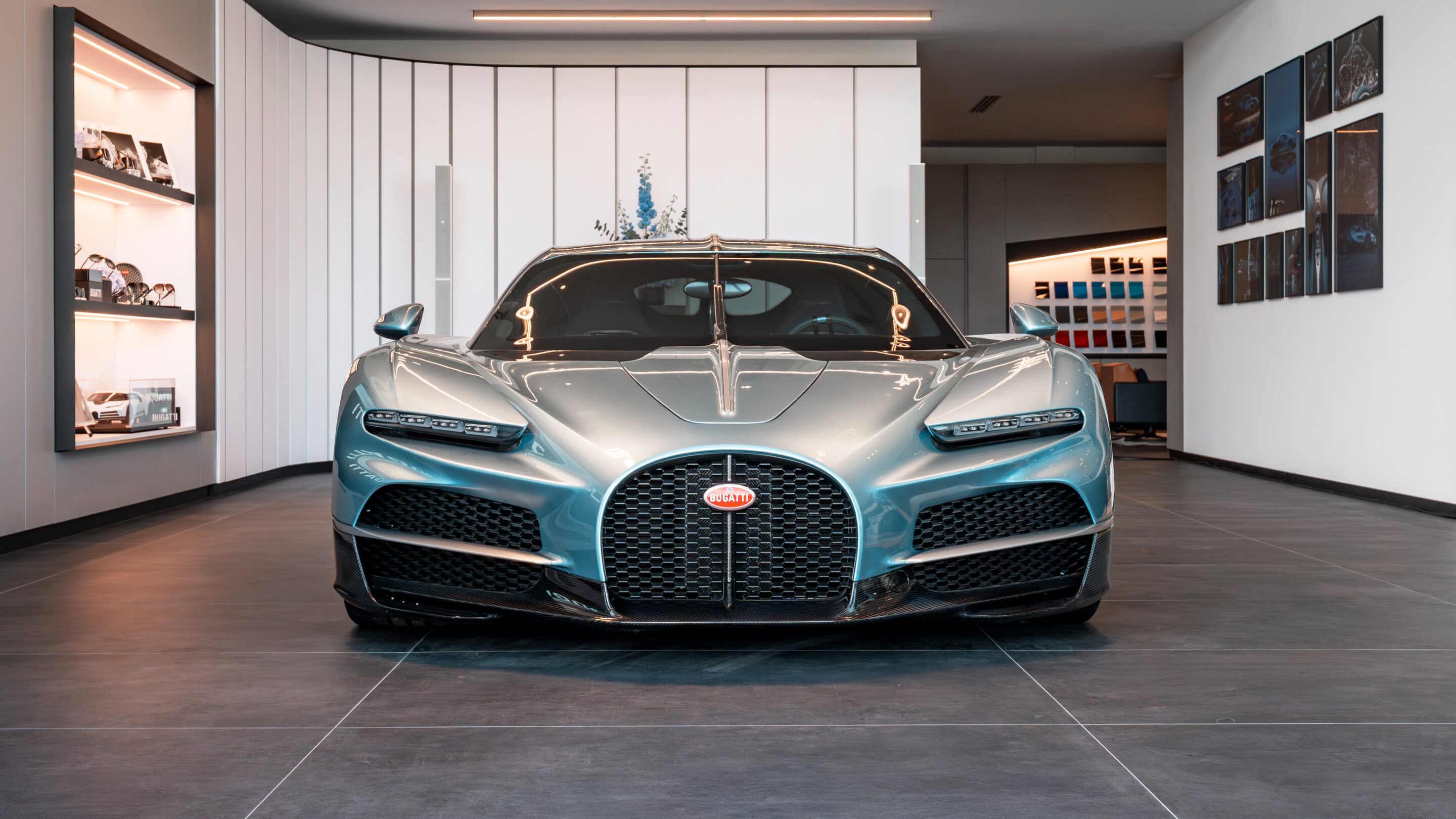
7) Bugatti Tourbillon
Bugatti’s successor to the Chiron takes a different approach to the all-electric hypercars dominating the acceleration leaderboard. The Tourbillon combines a new naturally aspirated 8.3-litre V16 engine with three electric motors, producing a combined 1324kW.
4
Despite retaining a large combustion engine, the Tourbillon is claimed to reach 100km/h in approximately two seconds, before accelerating to 200km/h in less than five seconds and on to an eventual top speed of 445km/h. It’s a great example of how electrification can enhance the internal combustion engine instead of replacing it.
6) Koenigsegg Gemera
Few models demonstrate the absurdity of modern hypercar performance quite like the Koenigsegg Gemera. Unlike most vehicles on this list, the Swedish machine offers seating for four occupants, making it a rather unconventional family car. Its V8 hybrid powertrain combines a twin-turbocharged 5.0-litre engine with an electric motor, delivering a staggering 1692kW.

4
The Gemera has a reported 0-100km/h figure of approximately 1.9 seconds and a top speed of 400km/h – extraordinary figures for a car capable of carrying four adults and their luggage.
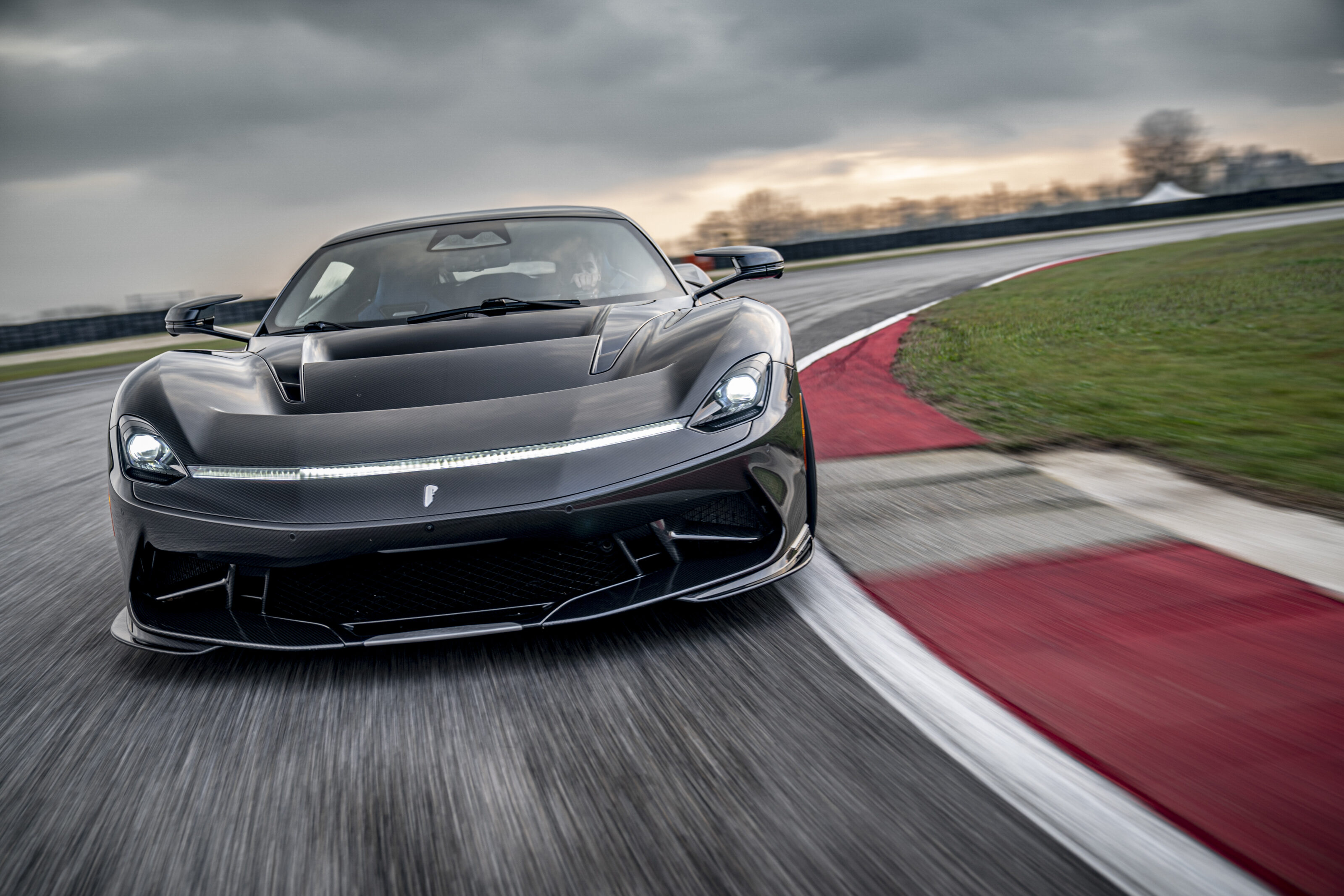
5) Pininfarina Battista
The Pininfarina Battista combines Italian grand touring design with some of the most extreme electric performance figures ever recorded. Closely related to the Rimac Nevera, the Battista uses a four-motor electric powertrain producing 1400kW. During testing at Dubai Autodrome, the Battista recorded a verified 0–100km/h time of 1.86 seconds, while reaching 200km/h in approximately 4.75 seconds.
4
The result was particularly remarkable when it was announced in 2022, setting a new acceleration benchmark for road-legal production cars at the time. Despite those figures, the Battista was designed as a luxury hyper-GT rather than a stripped-out track machine, with production limited to 150 examples.
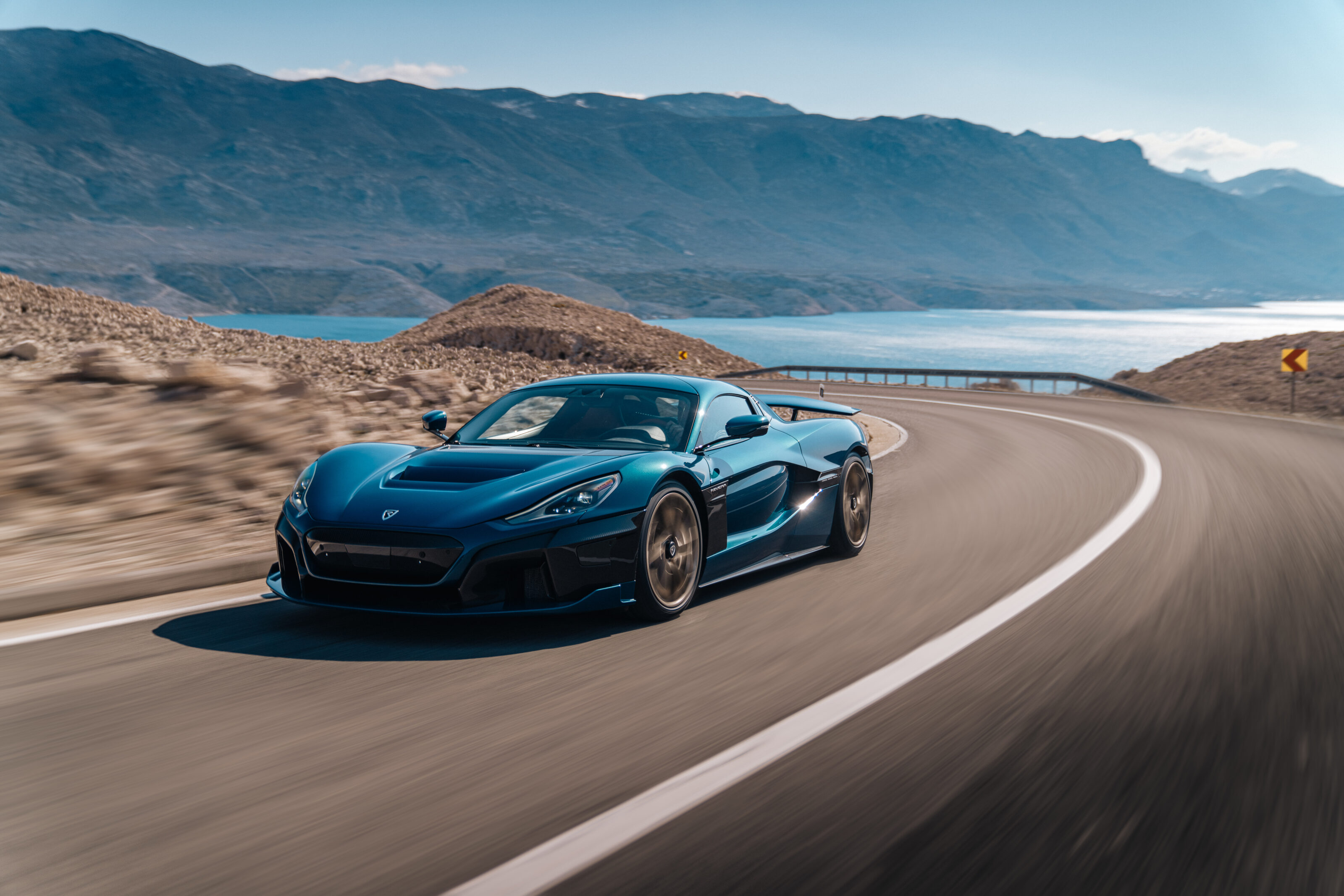
4) Rimac Nevera
Before the Nevera R arrived, the original Rimac Nevera was already setting extraordinary acceleration records. With four electric motors producing 1408kW and 2340Nm, the Nevera combines immense power with all-wheel-drive traction and advanced torque vectoring. Its official 0-100km/h time is 1.81 seconds, while 300km/h arrives in just 9.22 seconds.
5
The Nevera also demonstrated the potential of electric hypercars beyond standing-start acceleration, recording a maximum speed of 412km/h. Production was limited to 150 examples, making it one of the most exclusive electric performance cars ever built.
3) Aspark Owl
Japan’s Aspark Owl is one of the lesser-known contenders in the global hypercar acceleration race. Developed with a focus on straight-line performance, the low-slung electric hypercar uses four motors producing a combined 1456kW. Aspark quotes a 0–100km/h acceleration time of just 1.78 seconds, based on development testing with a one-foot rollout.

4
The Owl is also claimed to reach 200km/h in 4.76 seconds and has a quoted maximum speed of 413km/h, although customer vehicles are electronically limited to 350km/h. Its stunning ultra-low body, standing just one metre tall, is almost as remarkable as its acceleration.
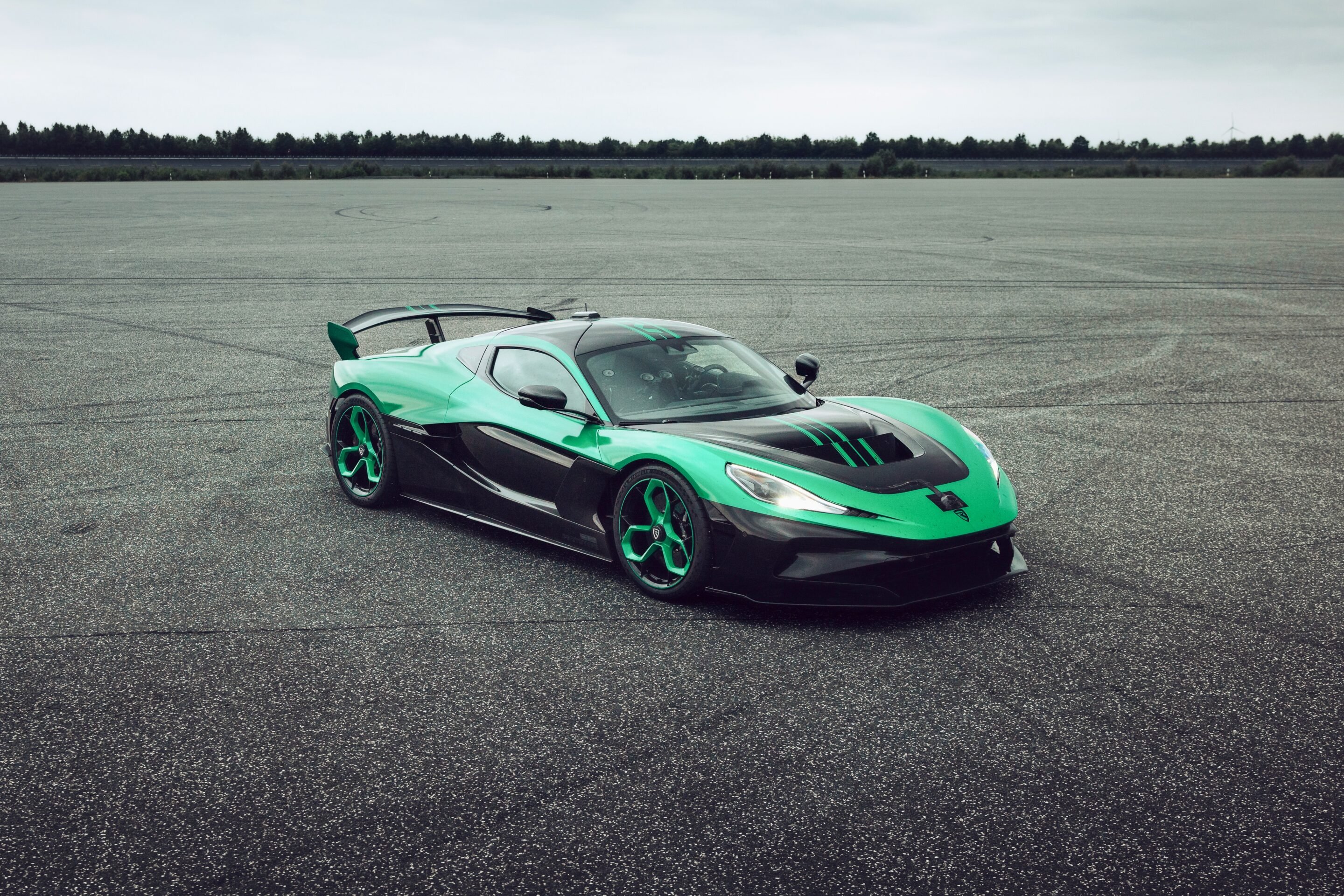
2) Rimac Nevera R
The Rimac Nevera R is one of the clearest demonstrations of just how far electric performance has progressed. The Croatian hypercar produces 1550kW from four electric motors, one for each wheel, allowing its sophisticated torque-vectoring system to distribute power almost instantaneously. In independently verified testing conducted in 2025, the Nevera R accelerated from 0–100km/h in just 1.72 seconds.
3
It also reached 200km/h in 3.95 seconds and 300km/h in 7.89 seconds, while recording a quarter-mile time of 7.90 seconds. Limited to just 40 examples, the Nevera R is an evolution of the original Nevera, with improved aerodynamics, upgraded tyres and a revised electrical system. It also set a new record for accelerating from 0–400km/h and braking back to a standstill, completing the exercise in just 25.79 seconds.
1) McMurtry Spéirling Pure
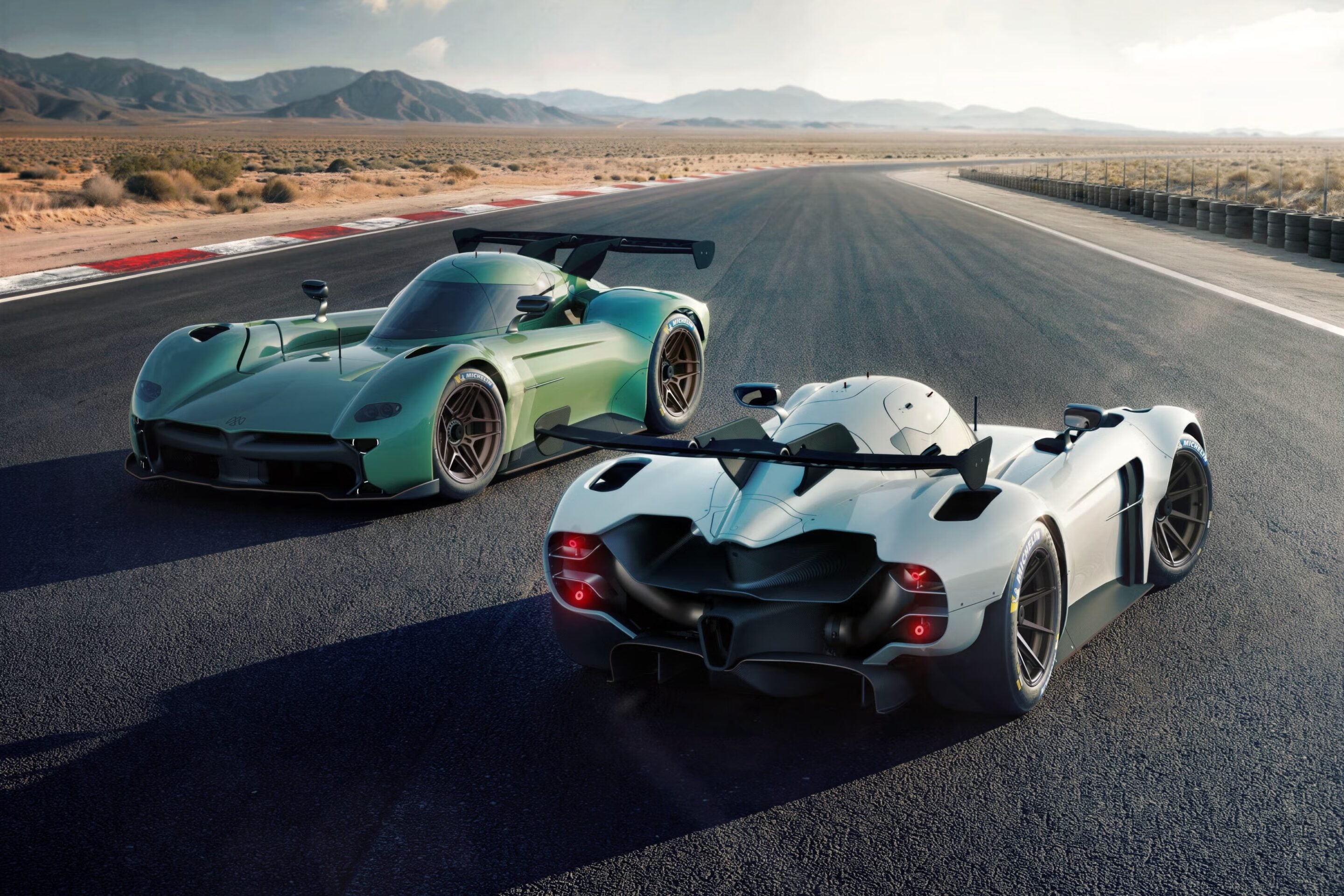
The McMurtry Spéirling Pure might be the most extraordinary vehicle on this list. Unlike conventional performance cars, which rely on their tyres, weight distribution and aerodynamic grip to launch from a standstill, the British-built Spéirling uses an electric fan system to generate downforce even when stationary.
The system can produce up to 2000kg of downforce, effectively pushing the car into the road before it has even moved. Its twin electric motors deliver approximately 746kW to the rear wheels, while the production PURE weighs around 1350kg.
5
McMurtry claims the production version can accelerate from 0–60mph (96.5k/h) in just 1.55 seconds, with a one-foot rollout. An earlier prototype achieved an independently measured 1.40-second 0–60mph run. The production car is also capable of generating up to 3g in corners and under braking, while its claimed maximum speed is 305km/h.
Unlike the other vehicles on this list, the Spéirling Pure is designed exclusively for circuit driving. It features a single-seat cockpit, slick racing tyres and a carbon fibre chassis. With production limited to 100 examples and a starting price of £995,000 (A$1.93 million) before taxes and options, it’s also one of the most exclusive track cars money can buy.
Follow WhichCar/Wheels on Google
Click the button below to make WhichCar by Wheels a preferred source for your news.

We recommend
-
 Reviews
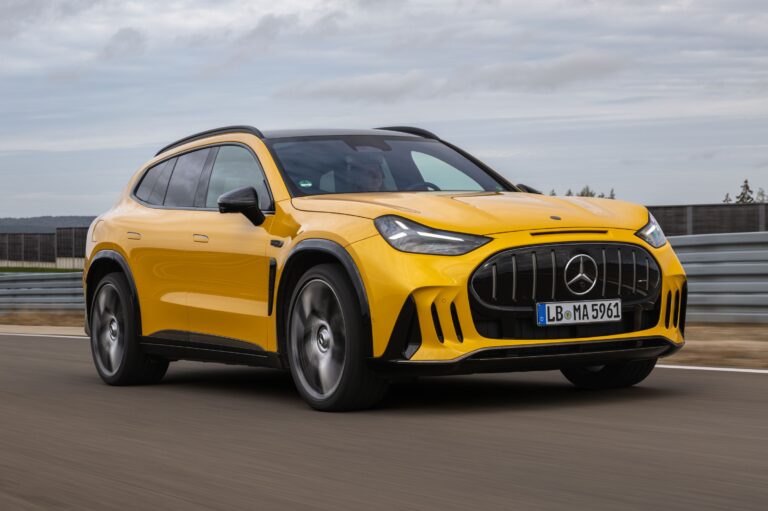
Mercedes-AMG GT 63 SUV review: Wheels takes one of the first drives of the most powerful SUV in the world
With 860kW and astonishing acceleration, AMG’s first bespoke electric SUV pushes performance boundaries for the popular form...
-
 Reviews
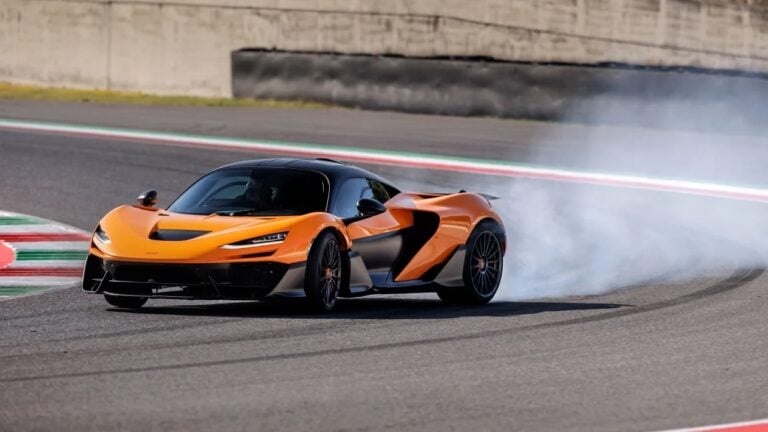
McLaren W1 review: Wild new hypercar continues legendary F1 and P1 lineage
McLaren's new W1 continues the lineage from its legendary F1 and P1 predecessors with a lot of power, but also a lot of precision.
-
 News
Corvette ZR1X shatters Pikes Peak production car record
A 932kW hybrid Corvette conquered Pikes Peak, showcasing just how close today’s road-legal performance cars have come to full-blown race machinery.
