
Okay, our main cover line this month may be just fudging a tiny bit. The all-new C8 Corvette won’t wear a Holden badge, but it will be sold in selected Holden dealerships, so that effectively makes it a Holden supercar, doesn’t it?
Anyway, enough semantics; the big news is that the mid-engined two-seater is destined for our shores in factory-built right-hand-drive specification, and this month’s Wheels has all the crucial info you need about the car’s mechanical package, its performance, the engineering behind it, and what Aussie customers will pay when it arrives later next year.
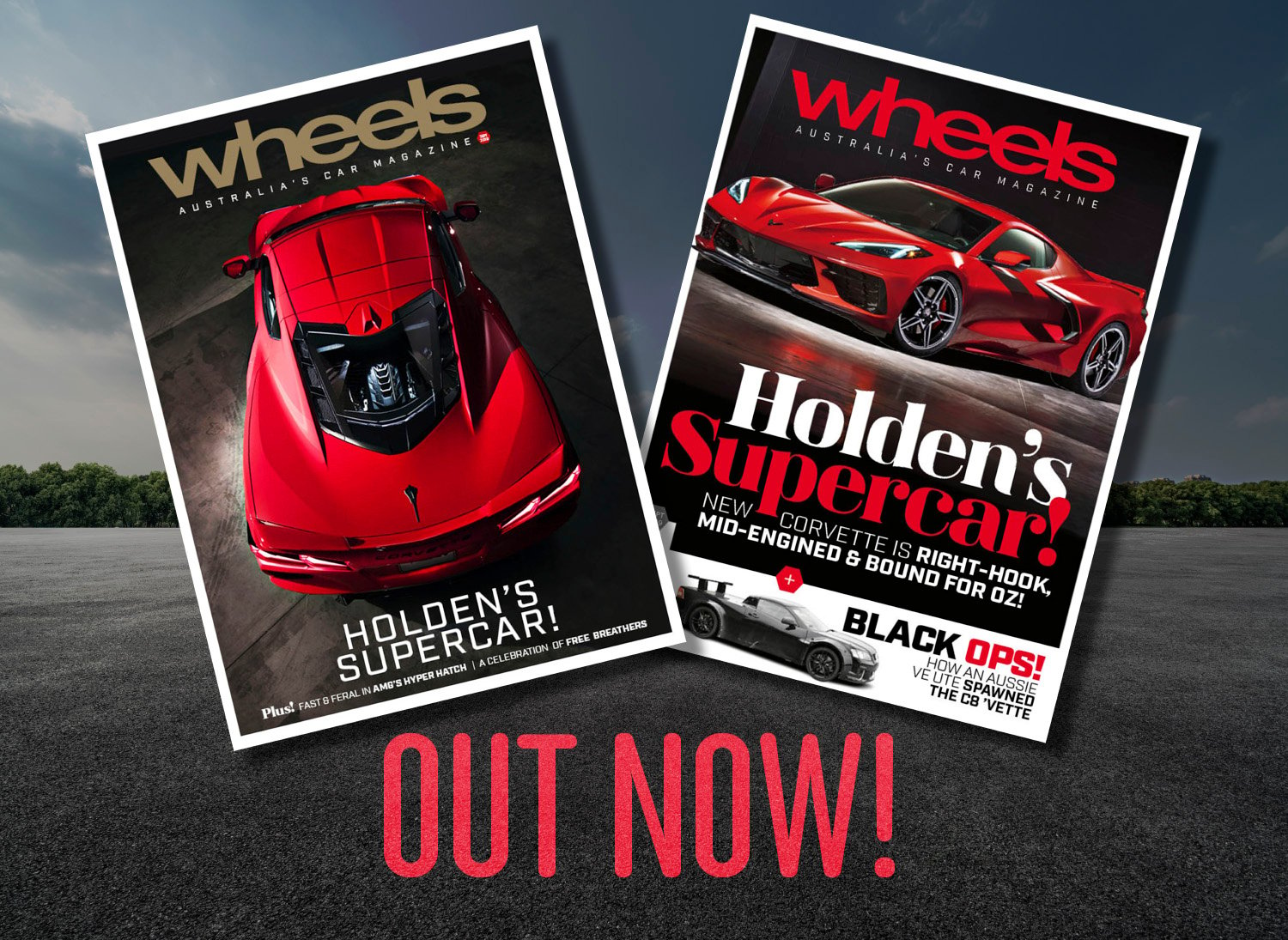
Our sources suggest it will go head-to-head, in price terms, against the likes of Mercedes-AMG C63 Coupe, but will have a dynamic advantage to show that car a very clean pair of tailpipes. Excited? Are we what. We’ve got Bruce Springsteen’s Born in the USA playing on repeat, and we don’t intend to take it off until the ’Vette gets here.
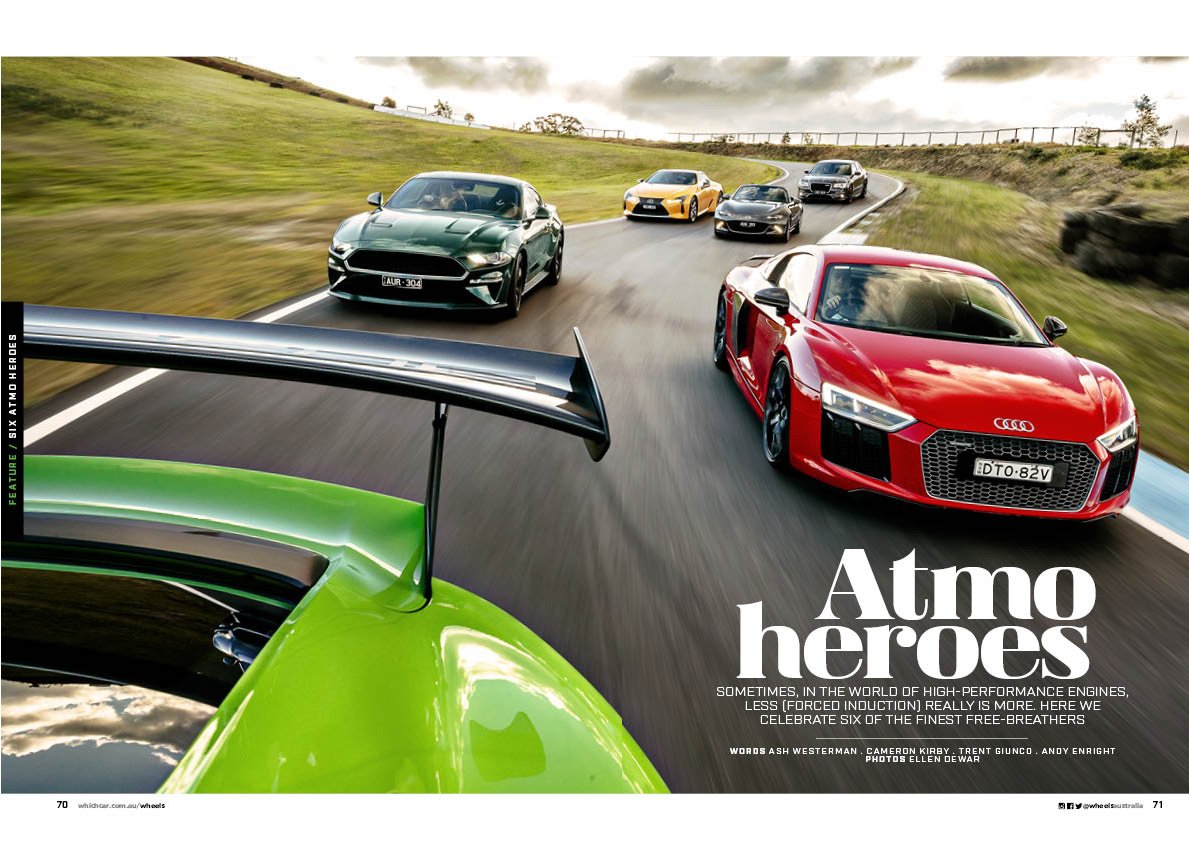
Anyway, if you love performance cars, our Atmo Heroes feature will have you frothing. We figured, in an increasingly turbo-charged world, it was time to celebrate the best free-breathers in the business. We pull together six of the finest, including the utterly feral Porsche 911 GT RS, and cut loose on the Haunted Hills circuit and the roads in the surrounding Gippsland region. Good times and 9000rpm redlines follow.
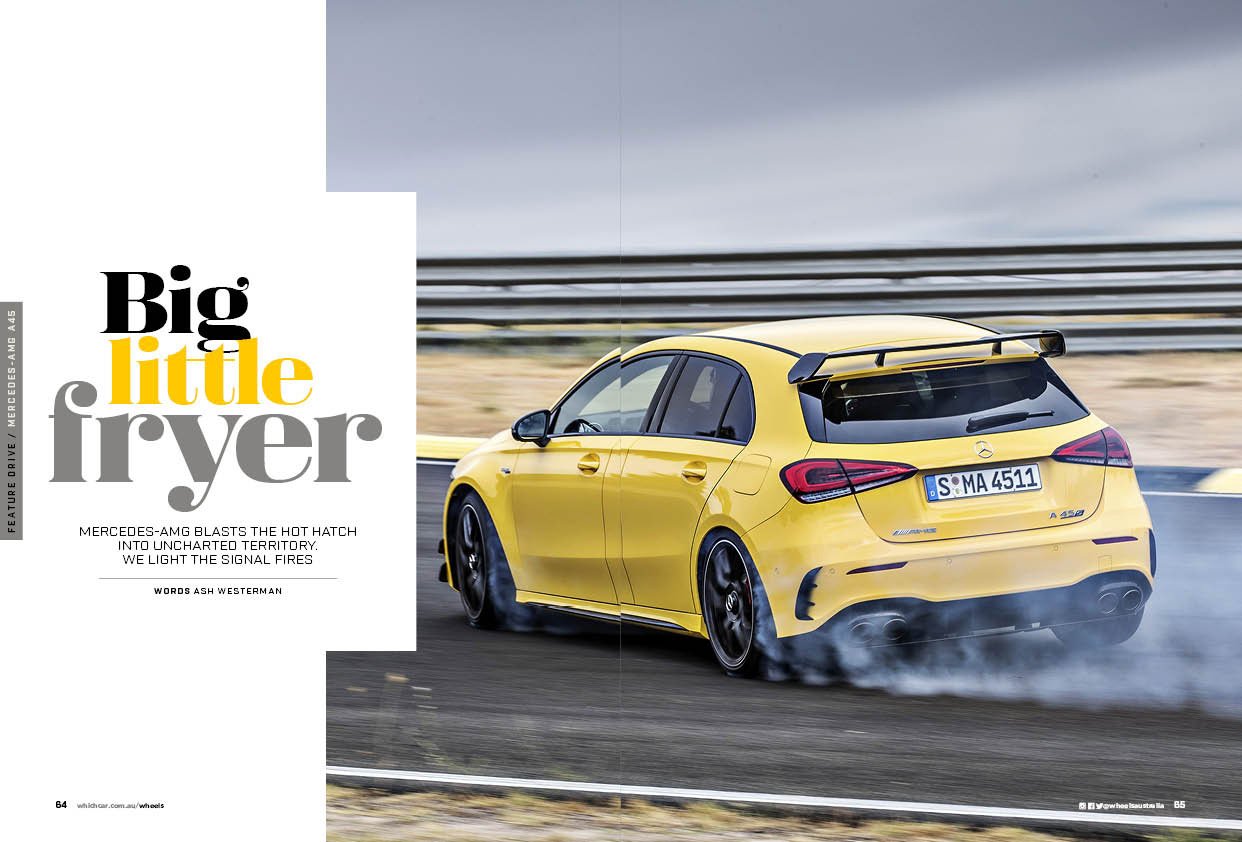
But none of this is to suggest we’re out of love with the good old turbocharger. The folks at Mercedes-AMG are also clearly very partial to the mechanical snail, and use one to excellent effect to extract a production-record 310kW from the 2.0-litre turbo four fitted to the AMG A45, creating a new benchmark in the hyper-hatch category. We were delighted to accept an invitation to sample their new creation on both road and track in Spain, and we were suitably moved, both physically and emotionally, by its quite unhinged level of performance. And did we mention Drift Mode? Yep, it’s got one of those, so if you dig getting two turnin’ and two burnin’, you’ll want to read all about it.
“That sounds brilliant, Ash,” I hear you saying, “but what about a profile feature on someone really interesting I need to know about?”
So glad you asked. Editor Inwood sits down with Porsche heavy-hitter Frank-Steffen Walliser, the man who shall be known from this moment forward as Mr 911. Frank has recently taken over the reins for the most important car in Porsche’s line-up, and arguably the most iconic sports car the world has ever known. So yeah, a bit of pressure, but Frank assures us he’s go the whole “don’t mess with an icon” thing under control, and lets slip on a some tasty details about what we can expect as the current 992 generation evolves… and beyond.
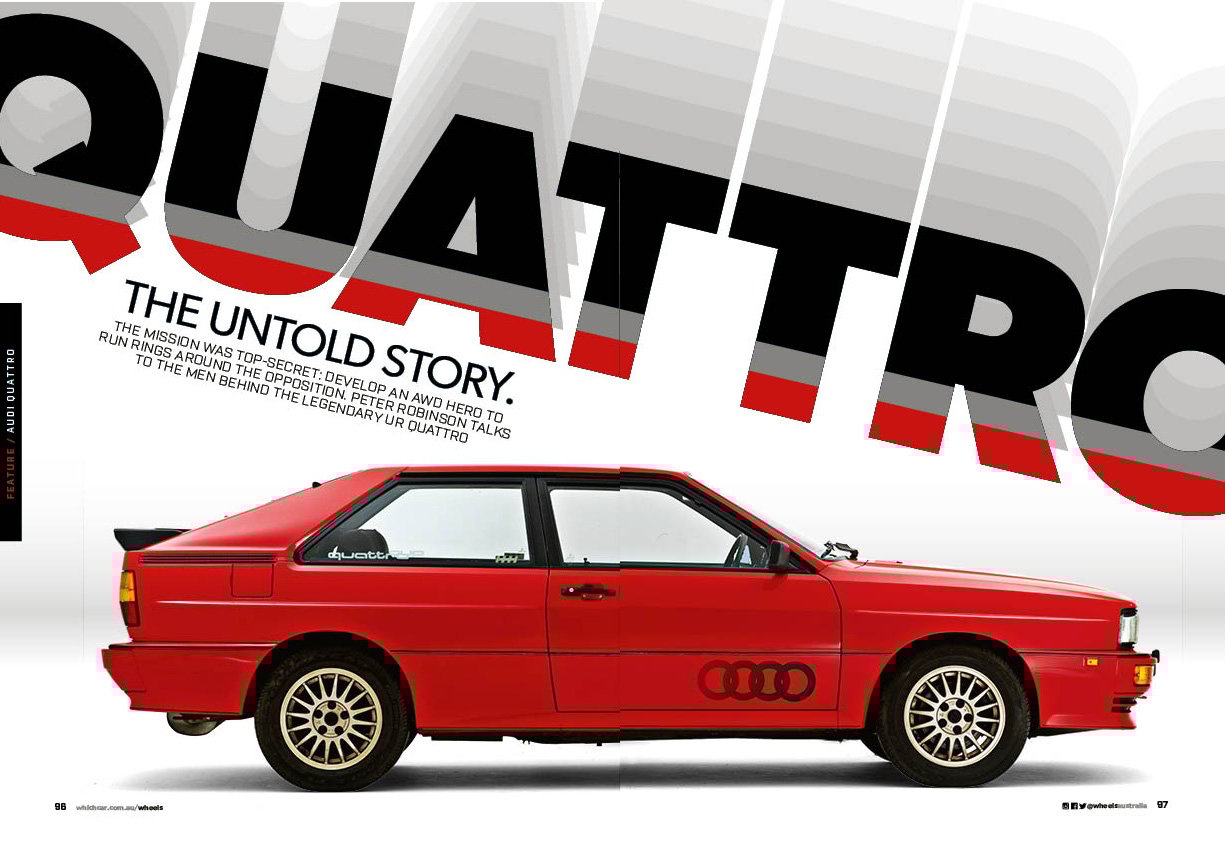
Speaking of icons, Audi has one in the upstairs cupboard called Ur Quattro, and there’s a fascinating backstory attached to the birth of the modern all-wheel-drive performance car. Who better to tell it, then, than a bloke who’s a bit of an icon himself, the only slightly retired Peter Robinson. Robbo jetted over to Germany to talk to some of the men pivotal in the creation of this road and rally legend, and the real story of how it all came to fruition will surprise and thrill.
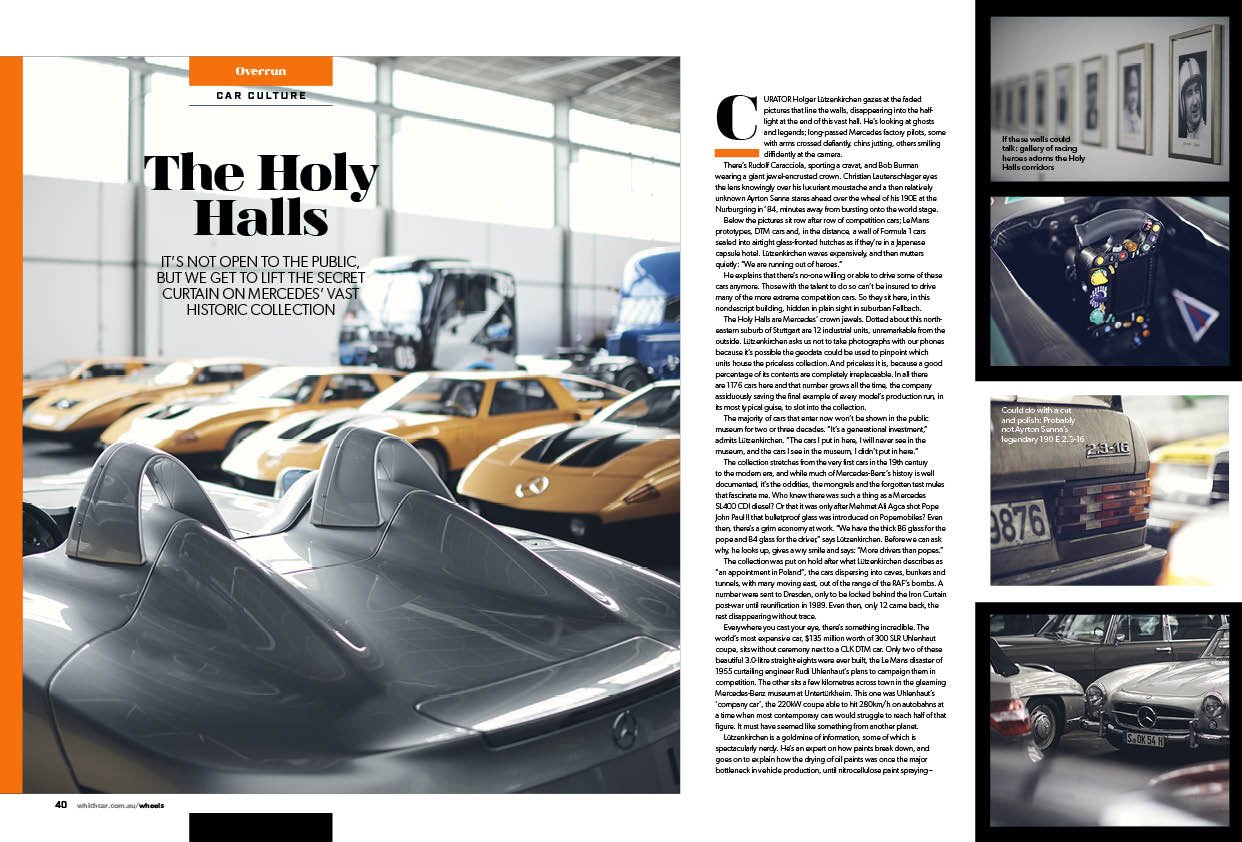
But there’s a stack more great reading in September’s Wheels magazine, including our visit to Mercedes’ secret bunker housing all its most historically significant cars, a flat-chat thrash of Porsche’s sublime Cayman GT4, a comparo of premium SUVs, and a peek at the mutant mid-engined Commodore ute that helped spawn the new C8 Corvette. I could go on. But you get the point. So get the magazine. It’s in all good places where magazines are sold – and some pretty average ones, too, but that’s not our fault. Actually, you could avoid them altogether by subscribing, and have Wheels delivered to your door at a discount. Now there’s a top idea.
WHAT ARE YOU WAITING FOR? SUBSCRIBE NOW!
A survey looking into bad driving habits has found the equivalent of 11 million Aussie drivers have admitted to risky and distracting behaviour behind the wheel ranging from eating to watching a movie.
However, the survey is notable for the small number of people who admit to common transgressions such as answering mobile phone calls or texting behind the wheel.

Comparison website Finder polled 1000 drivers around Australia about their riskiest driving habits and, while some of the findings were alarming, anecdotal evidence suggests that some respondents were taking liberties with the truth.
For example, just 10 percent of those polled admitted to answering a phone call with a hand-held device.
Eleven percent admitted to texting while driving, just 13 percent fessed up to smoking behind the wheel and just 12 percent conceded they’ve reached back to deal with children.
Meanwhile, 40 percent of young drivers reckon they’ve never done anything hazardous while driving compared to 35 percent of Gen X/Y and 50 percent of Baby Boomers.
Where is this parallel universe?
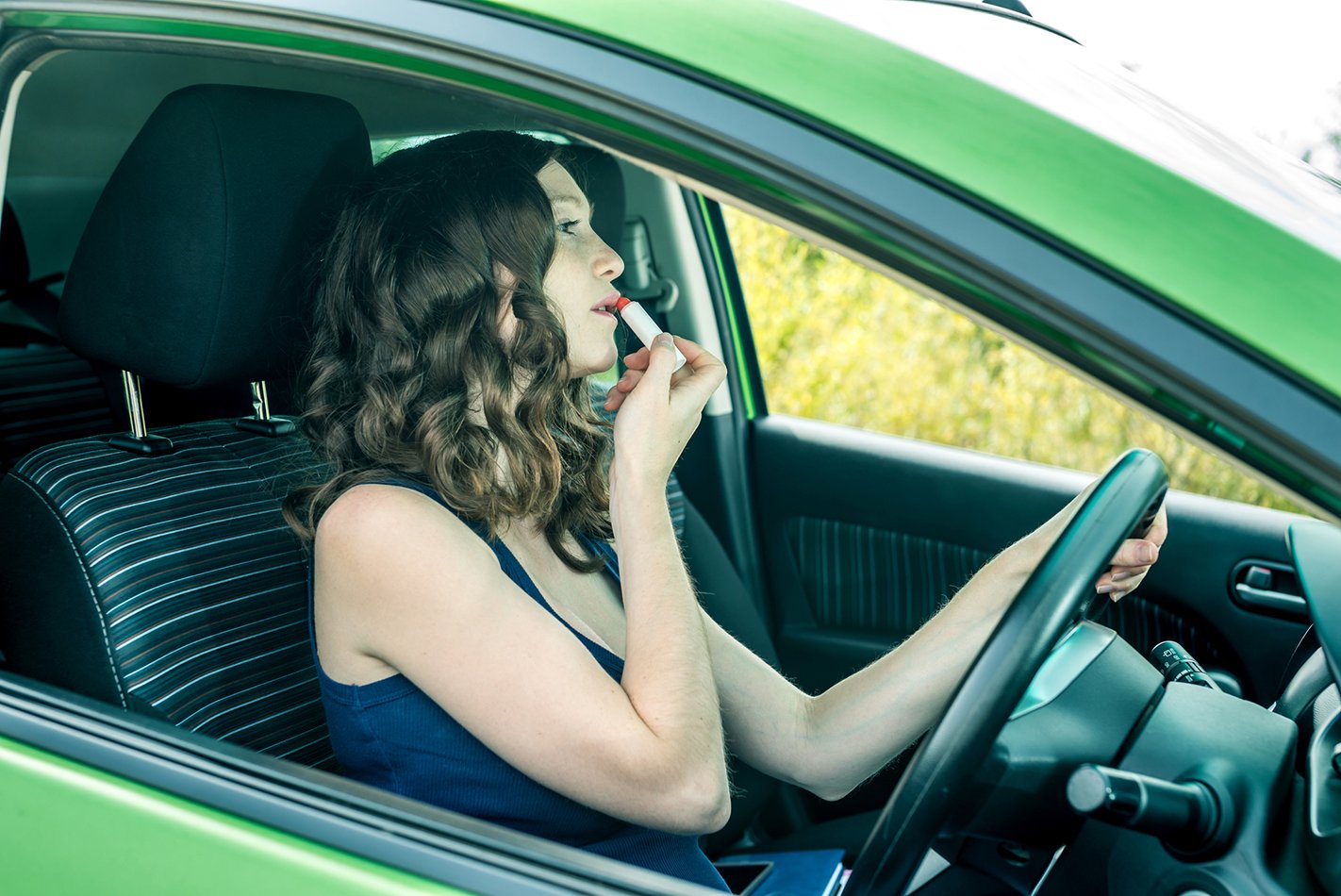
Finder crunched the 1000-strong survey sample to conclude that 11.9 million, or 61 percent of Australian drivers, have taken their eyes off the road for reasons ranging from applying makeup to reading a book.
These include 44 percent of drivers have eaten behind the wheel, making that the most prevalent offence, followed by 25 percent who have driven in thongs (the footwear kind).
Other offences included:
- Driving a car with knees – 7 percent
- Using social media – 5 percent
- Micro-sleeping – 5 percent
- Applying makeup – 5 percent
- Replying to emails – 4 percent
- Changing clothes – 4 percent
- Watching a movie/video – 2 percent
- Reading a newspaper/book – 2 percent
- Shaving – 1 percent.
Not surprisingly men are the worst offenders with 63 percent admitting to doing something dangerous behind the wheel, in comparison to 60 per cent of women.
Women, however, were more likely to drive in thongs or eat behind the wheel.
On a serious note, Finder presented the research to remind drivers that driver distraction is a leading cause of road deaths in Australia and has contributed to a 14 percent rise in the national road toll compared to the same period last year, according to the Bureau of Infrastructure, Transport and Regional Economics.
And, as the firm’s insurance specialist Taylor Blackburn pointed out, such behaviour is likely to void any comprehensive insurance claims.
“If you’re engaging in risky behaviour behind the wheel and you are in an accident, you may not be able to claim the damage on your insurance,” he said.
“Comprehensive car insurance also won’t cover damage that’s been caused by illegal activities such as texting and driving.”
Kia has already told us it has a new ladder-frame dual-cab ute coming to Australia, but it has also lodged interest in a sibling wagon to tackle rivals such as the Isuzu MUX, Ford Everest, Mitsubishi Pajero Sport and Toyota Fortuner.
The rugged SUV would be based on the same body-on-frame platform that the South Korean manufacturer is apparently developing for a ute, due to land here around 2022, with a wagon offshoot still in the business-case stages.
Speaking to Wheels last month, Kia Australia chief operating officer Damien Meredith said it wanted a robust SUV in its line-up.
“That’s been on our wishlist but something that hasn’t been really discussed with KMC,” he said, adding that it could not be the Telluride, as it is also not tough enough for our market.
“The Telluride out of the Georgia [USA] factory is left-hand drive only and cannot be developed for right hand drive. It essentially is the Sorrento platform and is a monocoque and at this stage no [it can’t be developed].
“There are many plans for the future ladder-frame platform and it’s under study at the moment on what essentially could be the platform for the group for the future pickup if it is developed,” he added.

That does not leave many possibilities for a suitable vehicle for Australia at this stage, which could only be the Kia Mohave unveiled by the company overnight or a new model yet to be seen in any form.
While the facelifted model pictured is yet to be detailed, the previous Mohave is underpinned by a ladder-frame chassis and four-wheel-drive system, equipped with a 3.0-litre turbocharged diesel that was claimed to produce up to 255kW and 560Nm through a six- or eight-speed automatic transmission. It’d be quite the compelling contender against four-cylinder rival SUVs, and if equipped to the new ute, it would go up against the most powerful V6 turbo diesels from Volkswagen and Mercedes-Benz.
Kia’s new Mohave will go on sale in South Korea next month with more details to come.
The first teaser video for the latest instalment in the Need For Speed franchise has been let loose on the internet, and so too has the game’s unusual choice of hero car.
Dubbed Need For Speed Heat, the trailer doesn’t go into too much detail about the game itself – nor does it show much in the way of what the actual gameplay looks like – but we do get a good solid look at what appears to be a major character’s vehicle in the game: a Polestar 1.
A Polestar what?
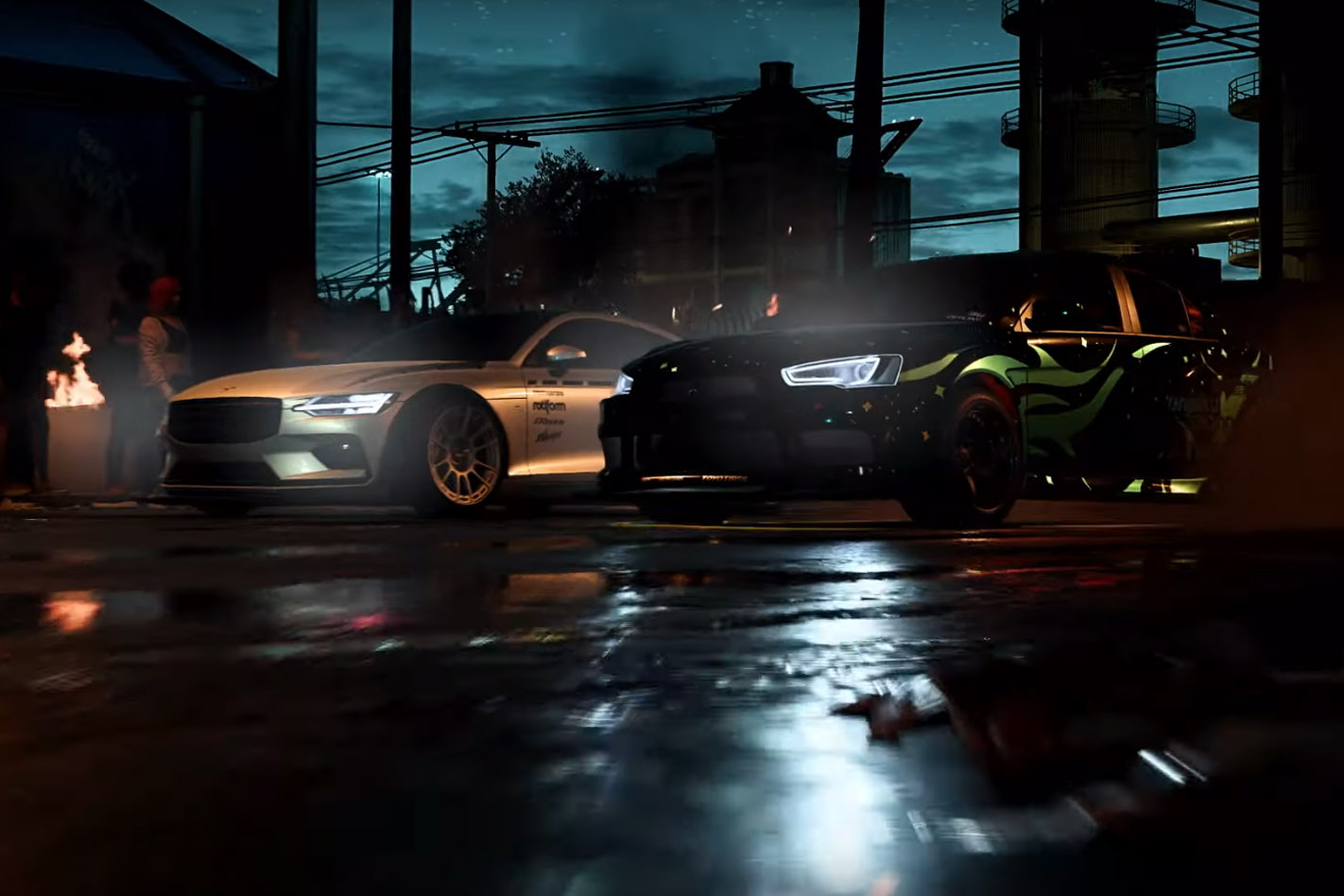
Its parent company is Volvo, as if you couldn’t tell by the general appearance of Polestar’s first production car and newly-minted Need For Speed hero car, the petrol-electric hybrid Polestar 1:
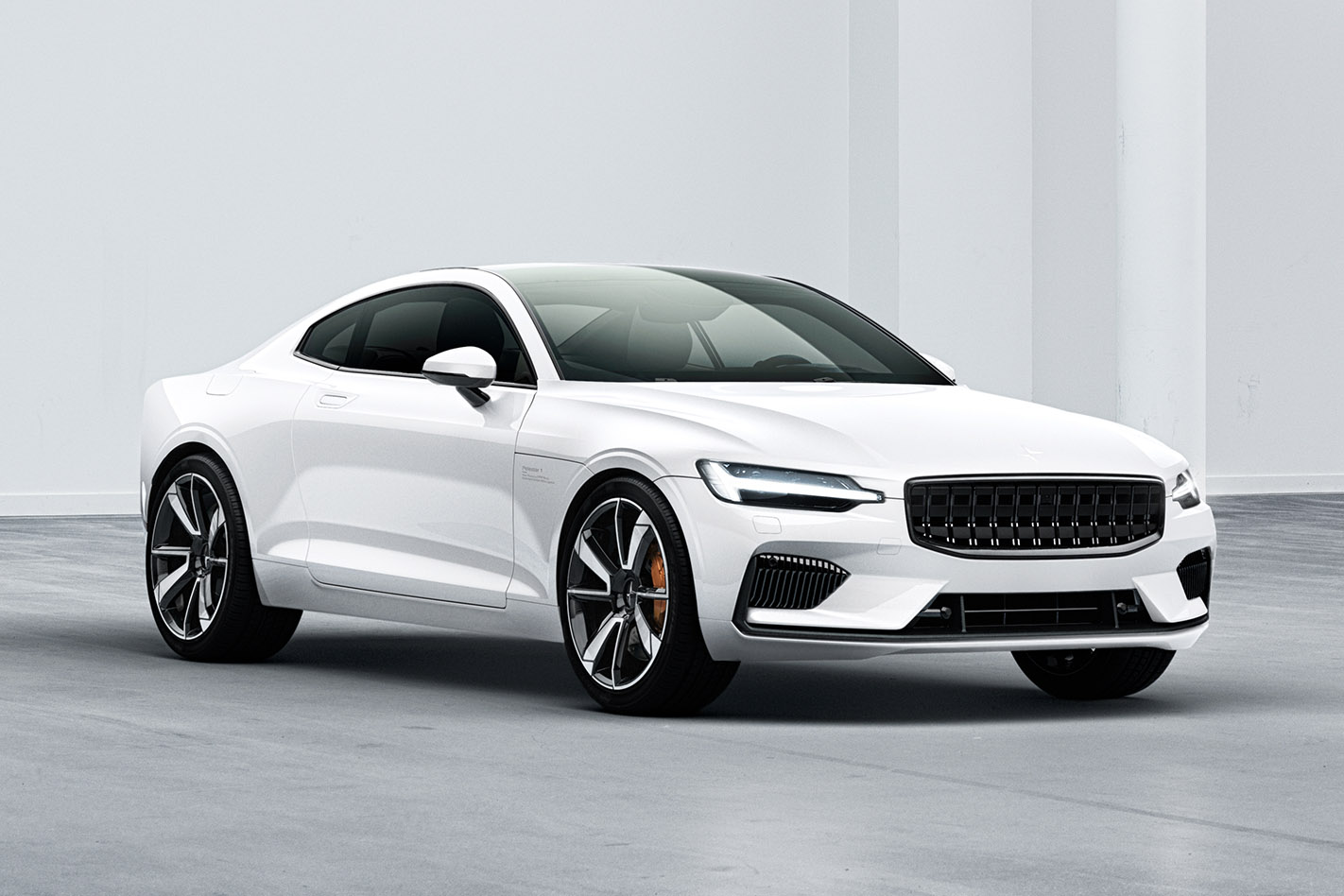
So why on earth does a Polestar 1, a fairly sober-looking coupe birthed by a car manufacturer known for making the safest cars on the road, have what appears to be top billing in a game about street racing? It is, after all, a car more likely to appeal to architects than the Dominic Toretto’s of this world.
Short answer: we don’t know, and we’re just as confused as you are. It’s a deliberately edgy choice though, and that’s not a surprise from a franchise that loves to be self-consciously edgy. But does it belong to a team mate? Is it a car you can win? Is it a boss car you need to take down? It features in the above video pretty prominently, so we assume it has an important role in the game.
We’ll probably find out soon enough. Today’s trailer is just a glossy hype reel, with a gameplay reveal set for August 19. We know a few things about how the game will be structured though, with a day/night cycle dictating the kind of racing that can be done.
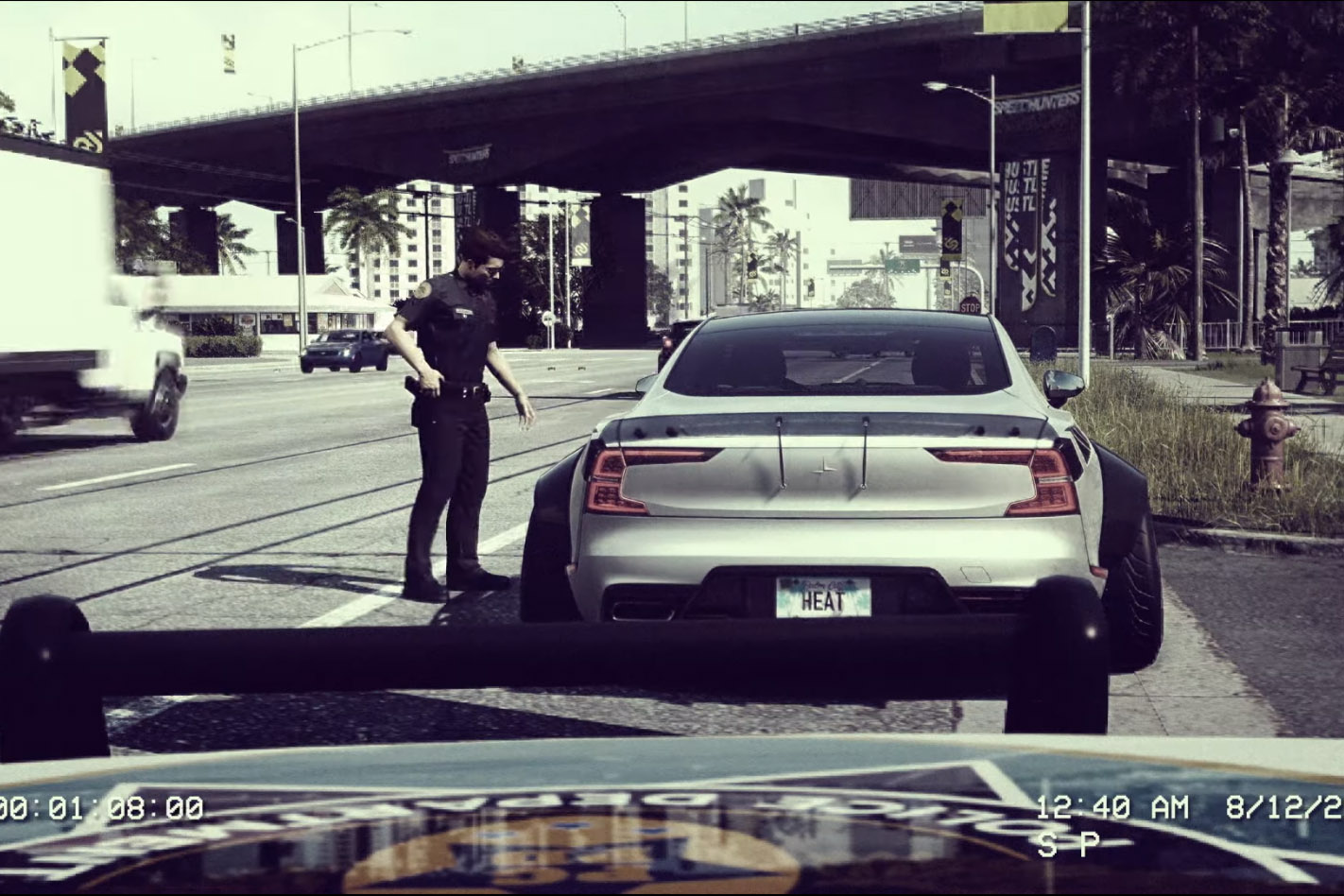
There appears to be a healthy amount of other, more “typical” performance cars available to drive in game, with stuff like Porsche 911s (naturally), Japanese turbo metal like the Mitsubishi Lancer Evoltion X and R34 Nissan Skyline GT-R, Detroit iron like the Viper and of course a healthy smattering of supercars.

Car customisation, always a Need For Speed strong suit, will of course be a big element of Heat.
“Our fans have been clear that they want more cars, more customization, and more challenges, and we’re tuning up on every aspect,” said Riley Cooper, creative director at Ghost Games.
With big splashes of neon and the fictional setting of Palm City looking suspiciously like Miami, it’s clear that Heat will be a visually vibrant game compared to the often dark and gloomy NFS titles that precede it, so the choice of a bright yellow Polestar kind of makes sense – it stands out, and it’s very much different to the sports cars that have come before it.
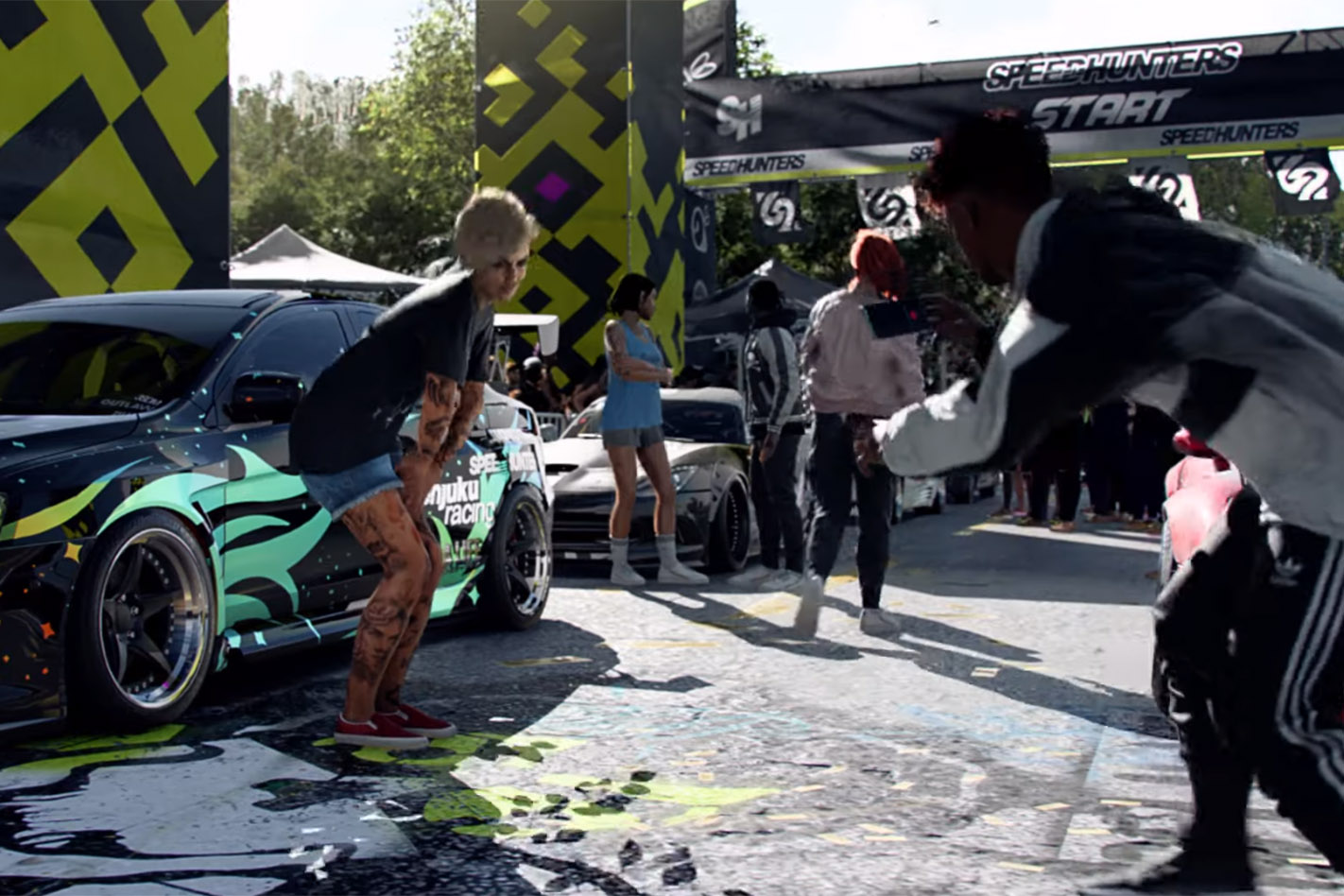
However whether the game itself will differ from recent NFS instalments like Need For Speed (2015) and Need For Speed Payback (2017), which both received lukewarm reviews thanks to – among other things – poor vehicle handling, over-reliance on microtransactions, and often cheesy cutscenes, remains to be seen.
The best, Alfa boss Luca De Meo insists, is yet to come. The present is pretty darn good though.
This review was originally published in MOTOR’s September 2008 issue
De Meo’s is a big call, but when you look around his new Alfa Romeo Mito, there’s truth in what he says. It’s not that this Mito isn’t Alfa’s best work; he’s just saying that it’s their best work for today.
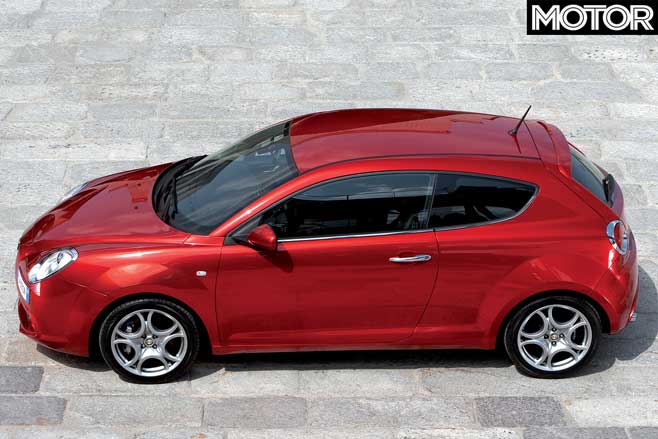
Above 2000rpm, the Fiat-shared 1.4 turbo can torque its way out of most corners better than it has any right to. It’s a smooth engine, too, but it’s the tone, sophistication and enthusiasm for the upper reaches that it lacks, more than any performance shortcomings. There’s no sweetness to its spin; no sparkle as the revs rise.
As the first step in Alfa’s charge to become a 300,000-per-year car company (it’s idling at 140,000 today), the Mito needed to be about more than its engine. And, fortunately, it is.
The Punto-derived torsion beam rear suspension is uprated considerably. Ditto the front, with the body also stiffened at the back. And, depending on the country, it wears anything from 16- to 18-inch rubber. For Australia, expect 16s as the starting point, with up-spec versions to wear 17s and big boots optional.
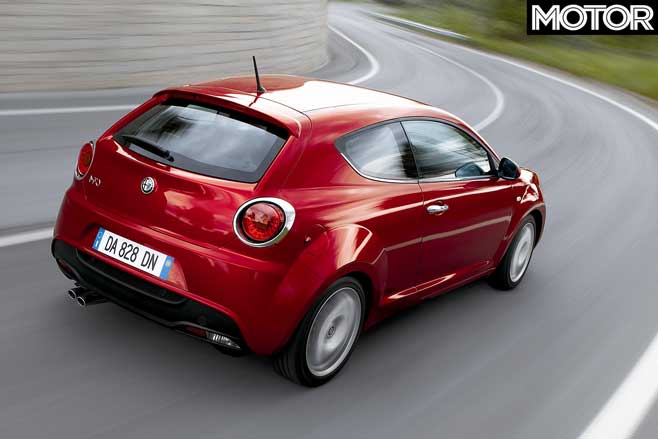
While they give plenty of grip and the light engine helps with chassis balance, Mito’s steering is a bit, well, crap. Turn off Alfa’s driver-assistance system, which “helps” the driver’s steering inputs to encourage the right line. I mean, really. If you buy one, cut the cable. It ruins the car.
Without it, the package turns sharply, uses its enormous brakes well (305mm rotors up front), regardless of the driver’s clumsiness, and exits corners nicely, especially if you stay in the engine’s mid-range rather than chasing its 6800rpm rev limit (particularly seeing the gearshift is competent, but not fun).
Even better, though, is Alfa’s DNA button. Okay, it’s contrived, but the operation is simple. The chunky chrome switch in front of the six-speed shifter flicks through Dynamic, Normal and All-Weather set-ups.
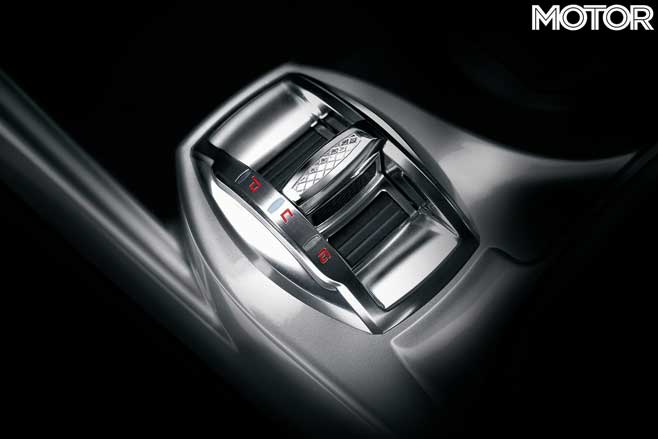
These move between software chapters, adjusting everything from the throttle mapping, steering weight, electronic differential and the ESP. Flick to D and the Mito will surge ahead as the engine’s torque delivery jumps from 201Nm to 230Nm, which is where most people will leave it.
Mito’s ride quality isn’t as good as it should be, with the front end feeling uncomfortable over big expansion joints, though it’s normally fine. The interior is good, with plenty of room and a boot that’s much bigger than a Mini’s, but the loading lip is very high. Blame all that body stiffness.
The Mito is a terrific car, but not yet all it could be. That’ll come when Alfa turfs its silly Dynamic Torque Control steering and puts some progressive fun back into the Mito’s handling. You can understand de Meo’s point.
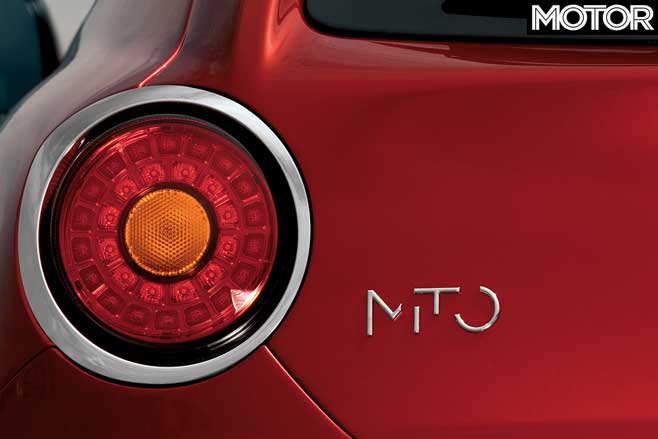
2008 ALFA ROMEO MITO SPECS Engine: 1368cc 4cyl, DOHC, 16v, turbo Power: 114kW @ 5500rpm Torque: 230Nm @ 3000rpm Weight: 1145kg 0-100km/h: 8.0sec (claimed) Price: $30,000 (estimated)
Like: Torque-laden engine; individual design; strong performance Dislike: Pointless steering settings; harsh ride; average shift
AMG’s cheapest car, the 2020 Mercedes-AMG A35 4Matic, is set to arrive in locally later this year with Mercedes-Benz Australia having confirmed pricing and specification for it launch.
Arriving as both hatch and sedan, the A35 was designed to meet the benchmark of the previous generation AMG A45, though with a less powerful 225kW/400Nm 2.0-litre twin-scroll turbocharged four.
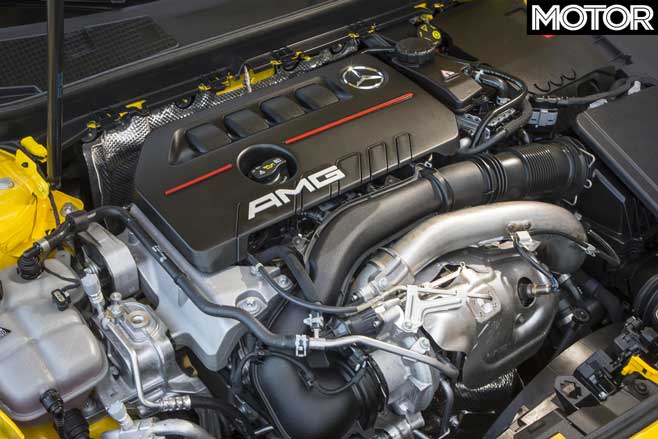
Set to appear on Aussie shores in September, the A35 hatch is to be priced from $67,200 before on-road costs, while the sedan version will arrive a month later in October and set buyers back an extra little bit at $69,800.
As with most AMG models, the first on-sale year will also allow customers to option the ‘Edition 1’ pack, which adds paint highlights and extra details for a $6990 premium.
The A35 Edition 1 comes with Demin Blue paint, Tech Gold highlights, AMG’s aerodynamics pack, and AMG multi-spoke 19-inch alloy wheels. Inside, racing seats and a Black and Magma Grey Artico and Dynamica microfibre theme is accented by polished aluminium.
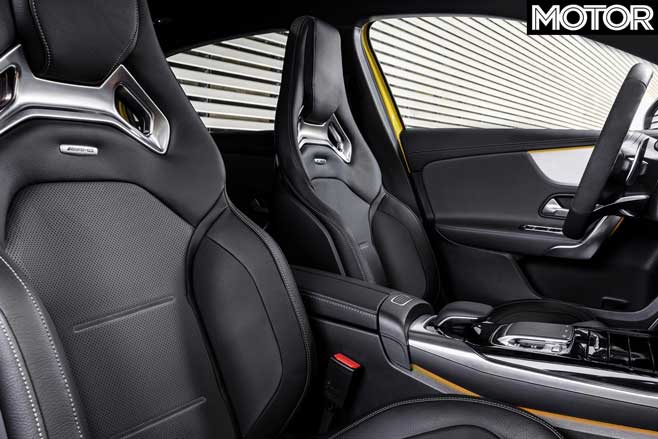
AMG boss Tobias Moers said at the A35’s global reveal that demand for AMG hot hatches had exploded since the first A45 was revealed.
“This success has encouraged us to further expand our portfolio and place it on a broader footing. With the new A35, we are fulfilling our brand promise of driving performance in every detail and offering thrilling lateral dynamics at the level of [the last] A45.”
What’s in the garage?
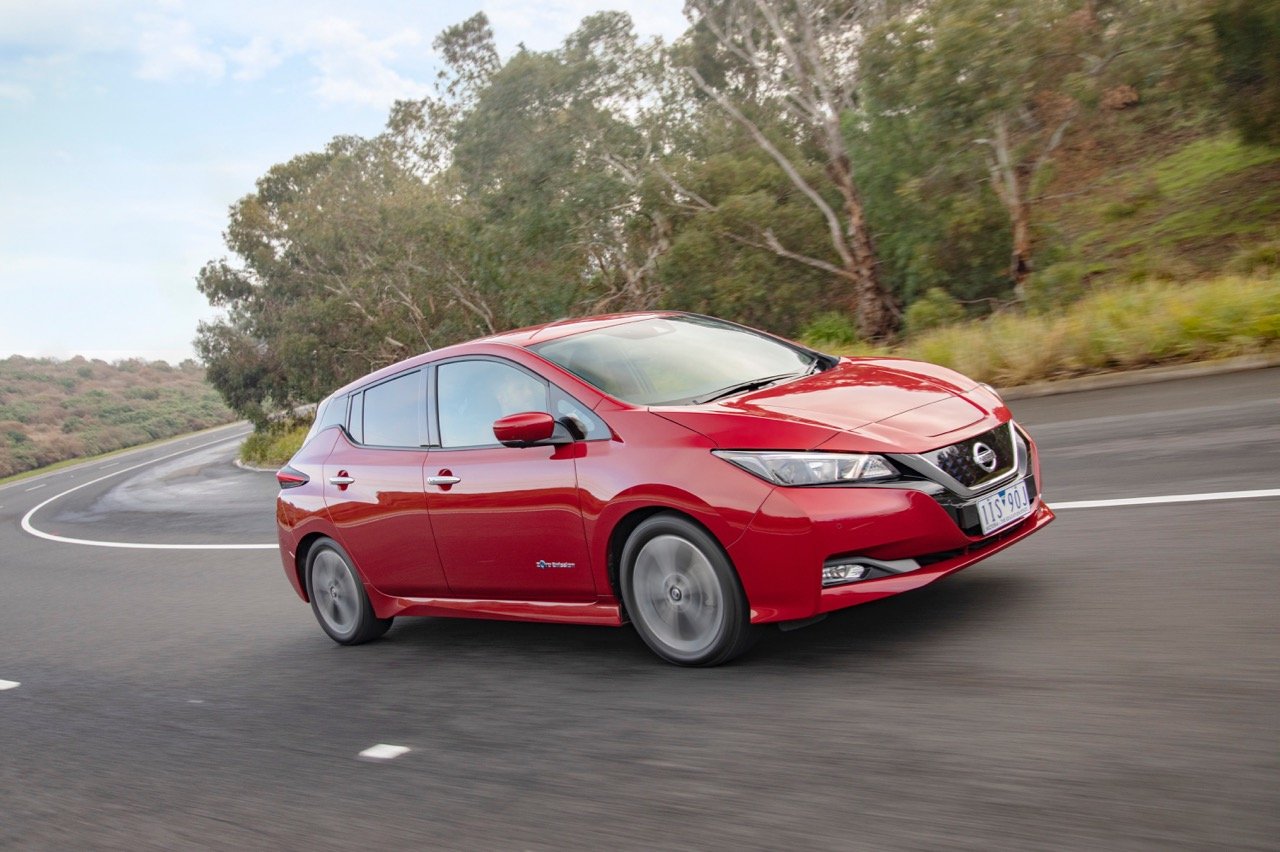
Now in its second generation, the Nissan Leaf remains as one of the most successful ‘affordable’ EVs. Actually, it is the best-selling EV globally. The new model is already proving popular down under, too, with Nissan finding driveways for 109 Leafs in July. Considering Toyota shifted 15 of its Prius and Hyundai sold 35 Ioniqs, it’s an impressive start.
The second-gen car uses the same 40kWh battery pack that replaced the first-gen’s 24kWh version halfway through its lifecycle. But more efficient inverter and battery technology means overall range has increased by about 100km to 270km in WLTP testing. Using lithium ion, the battery pack is no bigger or heavier than the original, while the new AC synchronous motor now has 110kW and 320Nm. Three charging options are available from 240v mains power, a circa $3K 7kWh wallbox, or a public 50kWh DC fast charger. From zero, you can have as much as 80 percent charge in 60 minutes using a fast charger.
There’s only one $49,990 variant, but it comes highly specced. Standard kit includes items like lane keeping, blind-spot monitoring, AEB, traffic-sign recognition, auto high beam, front and rear parking sensors, reversing camera, driver-attention alert, an 8.0-inch touchscreen with sat-nav, heated leather seats (front and rear), heated steering wheel and radar cruise control. Sadly, there’s no stripped-out base model if all you care about is the efficient electric powertrain.
What we reckon

Trent Giunco
Staff Journalist
| I want to like it more than I do. However, that’s more a blanket EV opinion rather than one zeroing in on the Nissan Leaf. The Leaf has a lot of potential. Its smart battery means a greater range and auxiliaries such as climate control have less of an effect on overall range compared some other EVs on the market. It has the ability to be used in a vehicle-to-grid scenario, which is complex, fascinating technology that could be of vital use in the future. However, the Leaf is expensive and it doesn’t feel as premium as the price suggests despite being feature-packed. And with a personal inability to charge from home, the whole experience doesn’t quite fit for me – yet. |

Cameron Kirby
Staff Journalist
| The work done by the Nissan Leaf in bringing electric mobility to the mainstream cannot be understated, and for that it deserves plenty of kudos. However, bring it out of the vacuum and into the real world and it begins to lose its sheen. Its price tag premium over ICE-powered rivals can be difficult to swallow, but for the EV convert that may not be such an issue. What can’t be whisked under the EV carpet though is its poor ride and steering, which makes it harder to love day-to-day. With more rivals arriving seemingly every month, there are better options for the affordable EV buyer in Australia – though most are (a little) more expensive. |

Ash Westerman
Senior Journalist
| It’s hard to see the global success translating to meaningful sales in Australia. It’s a circa-$33K hatchback costing $50K because of its electric powertrain, and demands that buyers be prepared to pay a hefty premium for the technology and lower running costs. Yes, it works well in an urban environment, where the instant torque, ultra-quiet operation, absorbent ride and re-gen braking can all shine. But it’s compromised as a touring car. The great open road also exposes its unresolved damping and steering rack rattle through bumpy sweepers. Get the touring range up to 350km, sort out the chassis, and trim the price to $43,000, then let’s discuss. |
Review
Power and performance
Okay, let’s not get ahead of ourselves and call the Leaf a hot hatch – its temperament isn’t even overtly warm. But the Leaf isn’t slow, far from it. On paper the 110kW power figure and quoted 0-100km/h of 7.9sec raises few eyebrows, yet the 320Nm torque figure should; especially given it is instantaneous. In reality the Leaf feels far better than brisk within the CBD, but you’re also not left wanting for a surge in power for highway overtakes.
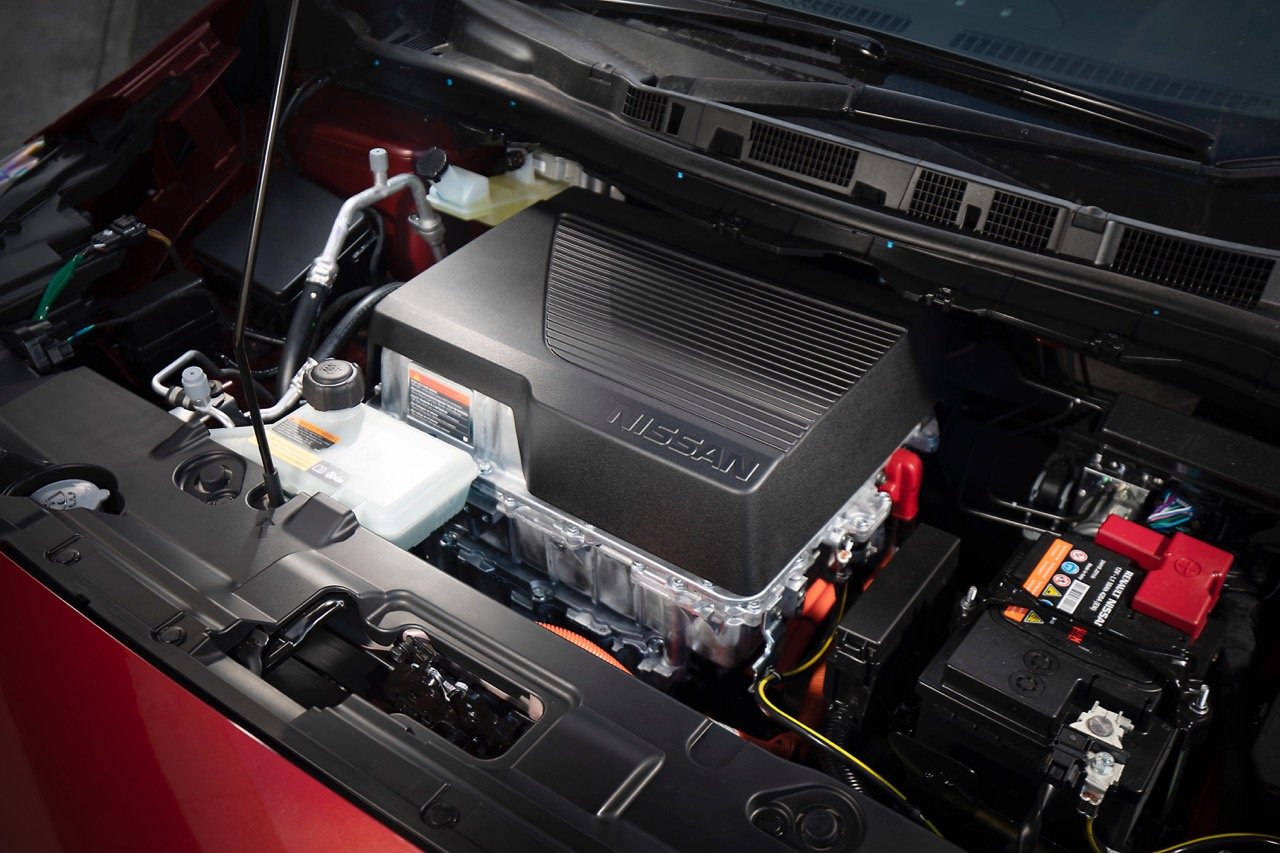
Range anxiety is still an issue if you want to explore the open road. Fully charged we’ve seen as much as 288km of overall range, but a lack of rapid chargers for now in rural areas cancels out a big drive. Plus, with a single-speed reduction gear, cruising at 100km/h chews the battery at an increased rate. Thanks to the bigger battery pack, opting to use the climate control ‘only’ cuts into overall range by about 15-20km. We’ve previously tested the Leaf’s battery economy at 15.4kWh/100km.
Ride and handling
The taut gen-two Leaf isn’t ham-fisted dynamically. Just don’t get too excited about the prospect of an engaging 1560kg electric hatchback and you won’t be disappointed. The ride quality is mostly compliant, erring on the firm side, while the damping could use some further tuning. The immediacy of the electric motor makes nipping in and out of traffic not only easy, but a bit of fun, too. Fellow motorists won’t even hear you coming… literally.
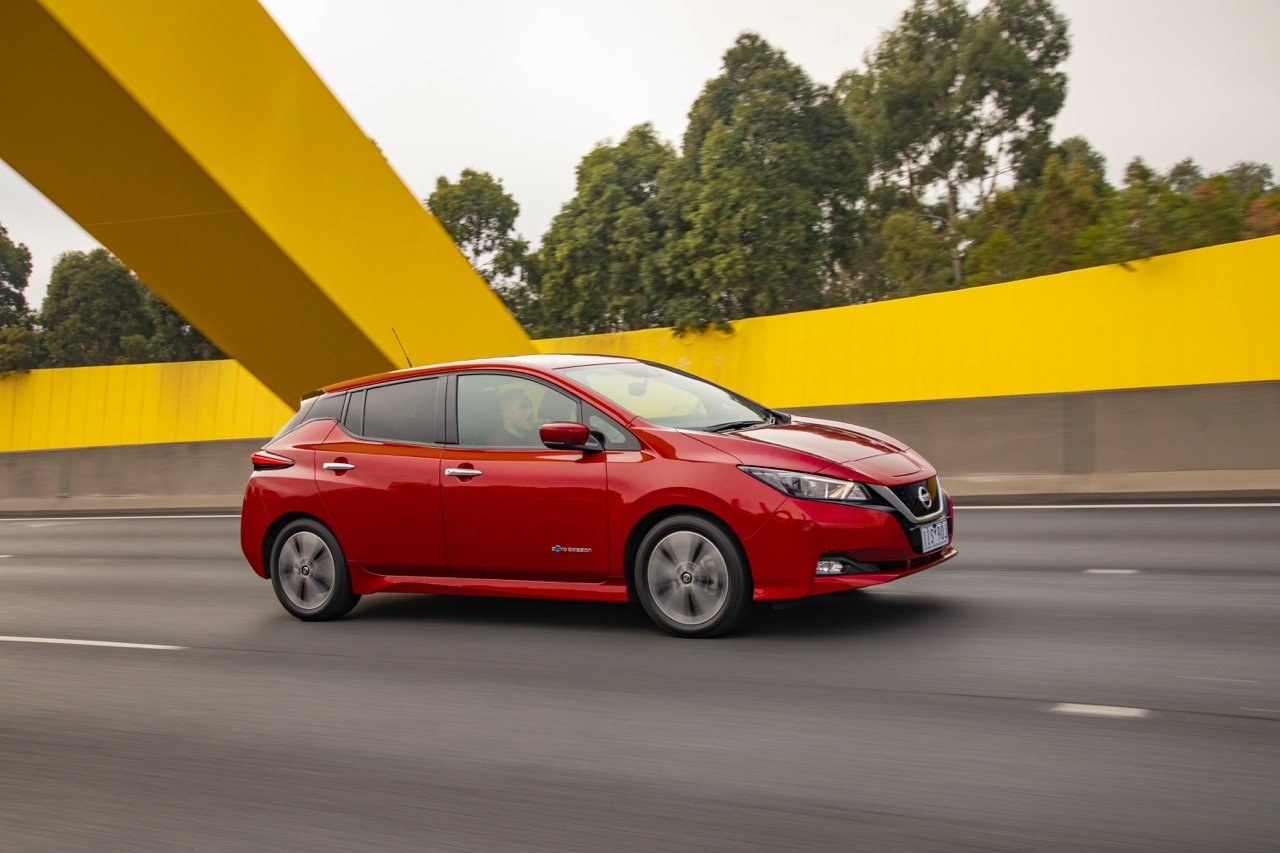
The downside of all the Newtons is torque steer… and the fact that the Leaf runs on eco-centric tyres, resulting in wheel spin if you’re a bit too heavy footed on the go pedal. This is then followed up by heavy intervention from the traction control. In wet conditions, you do actually have to be judicious with your inputs. At the other end of the scale the e-pedal regenerative braking is strong and takes some getting used to. Once you do though, you can feasibly get away with not using the brake pedal at all, saving on brake pads for when it comes time for a service.
Interior and Comfort
Dimensionally bigger than the first-gen hatch, the Leaf is spacious and comfortable inside. As mentioned earlier, it isn’t short on spec, either. And the new graphics on the infotainment screen (which supports Apple CarPlay and Android Auto) are a welcome addition for Nissan. Being an EV you get some cool consumption/range displays that are actually useful, and the overall NVH is surprisingly good given there’s no combustion engine to drown out tyre roar. There are pleasing comfort options like the heated seats and steering wheel, but, ultimately, the Leaf doesn’t look or feel like a $50K hatchback.
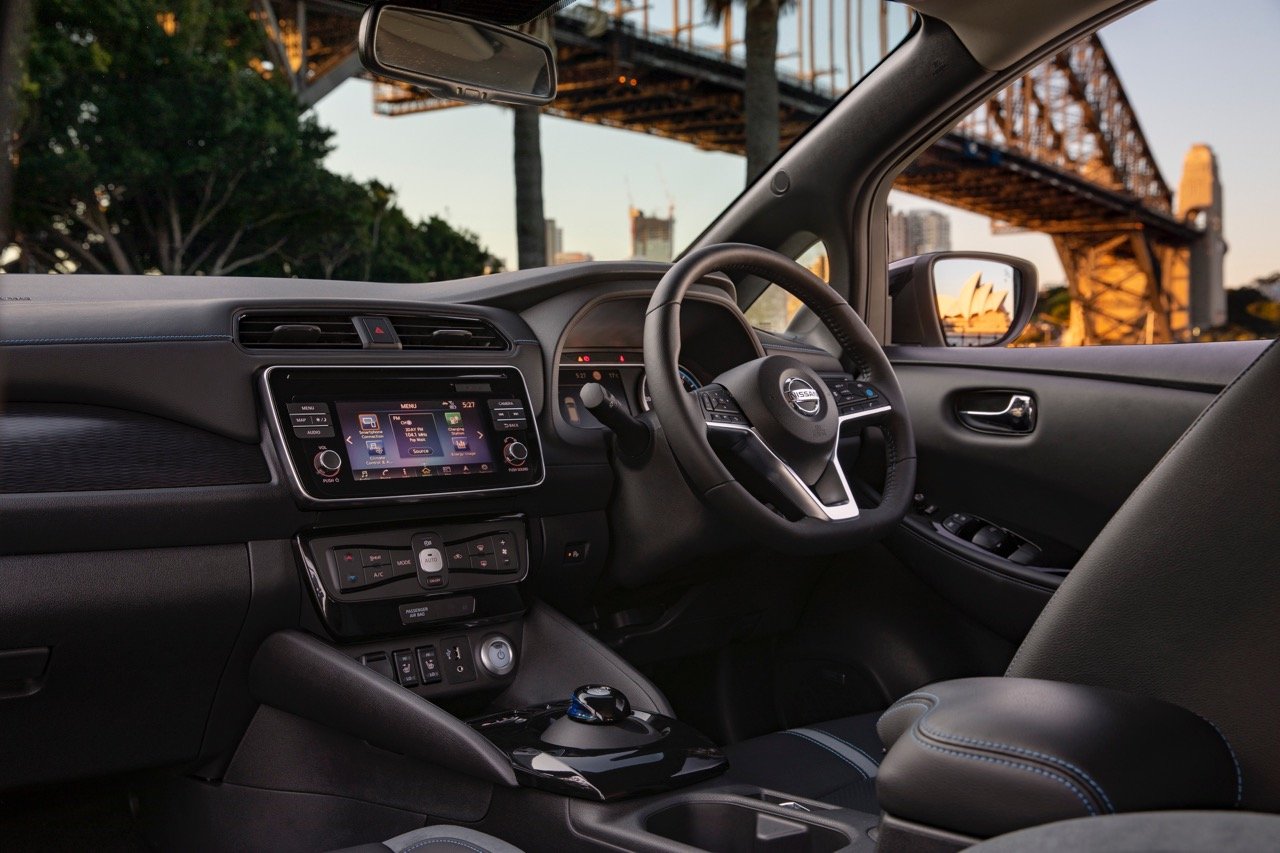
Getting comfortable behind the wheel is made difficult by a lack of reach adjustment for the steering wheel, while the seating position is set a little too high and without much adjustment. The same goes for the rear foot wells, creating a knees-up arrangement that’s unpleasant for taller passengers. The back seats do fold in a 60/40 fashion, but doing so leaves a big load lip to the 435-litre boot – which also contains an awkwardly placed Bose subwoofer. Rounding out the gripes is a foot-operated park brake.
VERDICT
Once you get over range anxiety and the fact the Leaf requires a new way of refuelling, it is entirely normal to live with as a city-dwelling commuter. It’s only when you try pushing past city limits that Australia’s lack of charging infrastructure becomes truly apparent. It’s also hard to forget the price of admission despite the monetary benefits throughout its lifecycle. Fifty grand is a lot coin to make back on a hatchback. Sans electric gubbins, you’d expect this type of hatchback to leave you with at least $15K spare change
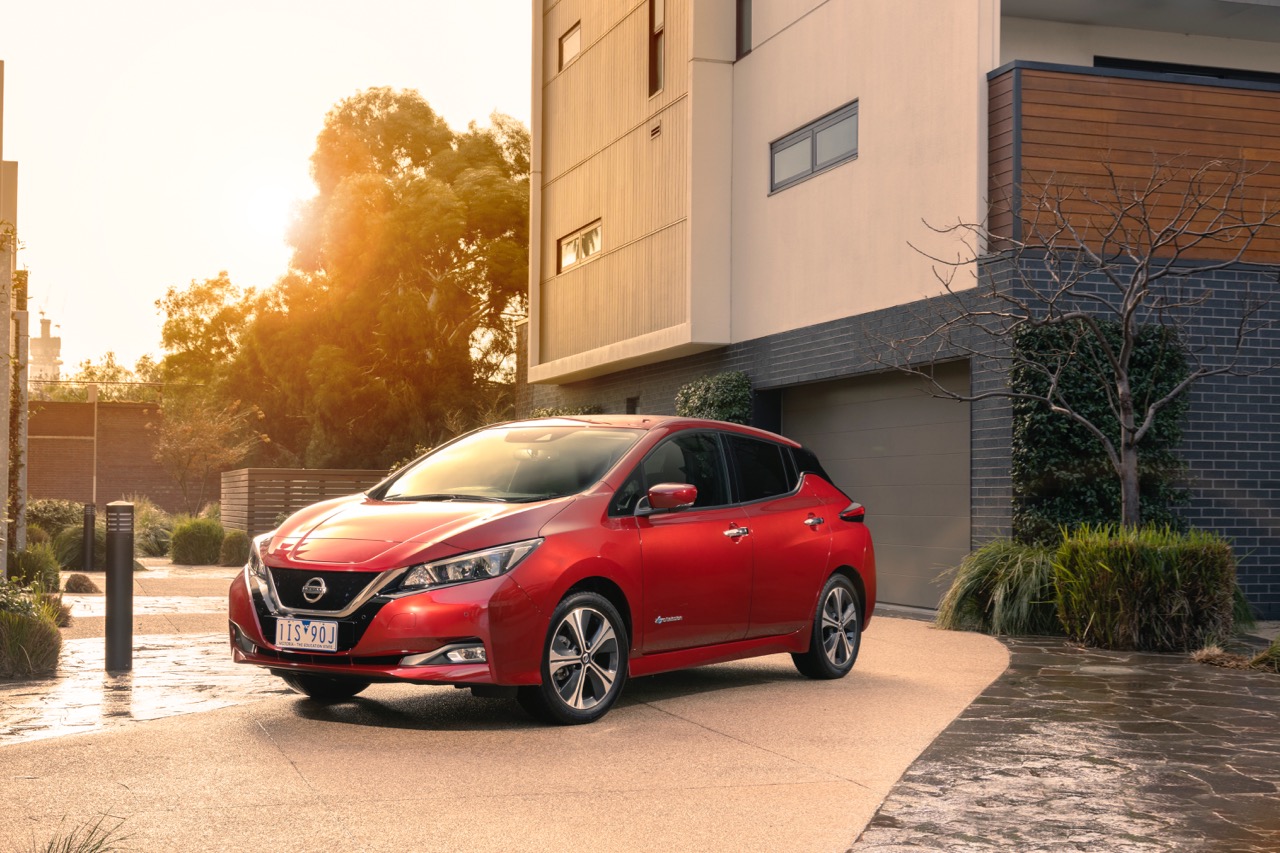
Yet it’s hard not to feel like you’re driving the future. Whether you agree with where it’s going or not is another story. The instant response from the electric motor is perfect for city driving and the seamlessness offers a calming driving experience. Plus, if you’re close to free charge points or can do so at work or from home, living with the Leaf shouldn’t be too dissimilar from any ‘normal’ car.
NISSAN LEAF SPECS
Model: Nissan Leaf
Engine: AC synchronous
Battery: 40kWh lithium ion
Max power: 110kW
Max torque: 320Nm
Transmission: single-speed reduction gear
Weight: 1560kg
0-100km/h: 7.9sec (claimed)
Economy: 15.4kWh/100km (tested)
Plug standard: CHAdeMO
Price: $49,990
On sale: Now
The Australian-developed Ford Ranger was released in the lucrative North American market earlier this year to much fanfare – with an alleged 300,000 expressions of interest prompting the Blue Oval to boost production with ‘massive overtime’ at its Detroit factory.
However, at the mid-point of the year, that hype hasn’t resulted in the massive sales figures many were expecting.
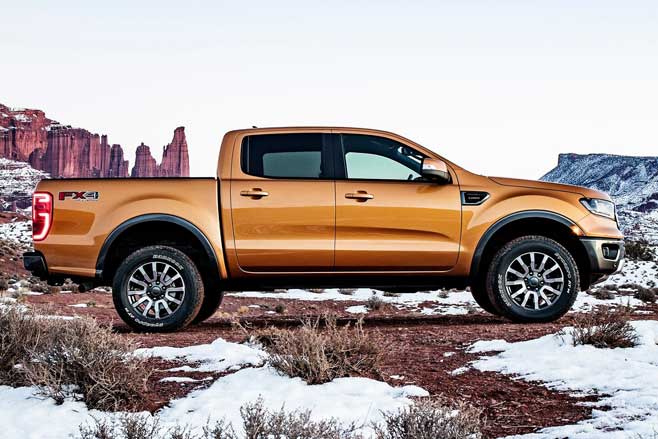
In Q2 of 2019, Ford’s mid-size pick-up (as it is classed in North America) sold 20,880 units in the USA, bringing its mid-year total to 30,301 sales.
However, it’s up against some stiff competition, with the segment leading Toyota Tacoma finding 63,683 new homes in Q2 alone, boosting its six month total to 121,866 sales. In second place is the Chevrolet Colorado, which sold 31,669 units in Q2, and a YTD at the end of June of 65,163 sales.
Nissan sells the Navara in the USA badged as a Frontier, however, our North American friends are not able to buy the new D23 series model which was released in 2014, instead they are offered on the F-Alpha platform which underpins the Titan pick-up truck and with D40 styling.
Despite its age, the Frontier sold 39,322 units in the first half of 2019, outselling the Ford Ranger.
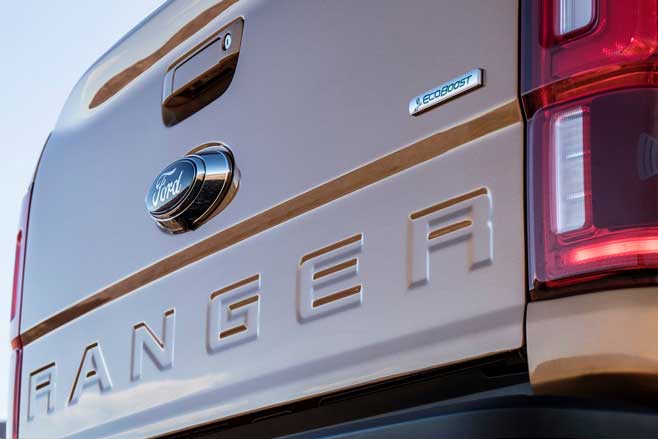
However, while it’s not top of the pops just yet, there are plenty of silver linings for Ford.
When he announced overtime was needed to meet production demands, Kumar Galhotra, president of Ford’s North American operations said 1200 Rangers were sold in just the first two weeks it went on sale in January. In order to meet its 30,301 YTD figure, that number has had to, on average, double.
The Ranger amassed seven percent of the mid-size segment sales in its first quarter, a result that pleased Ford executives.
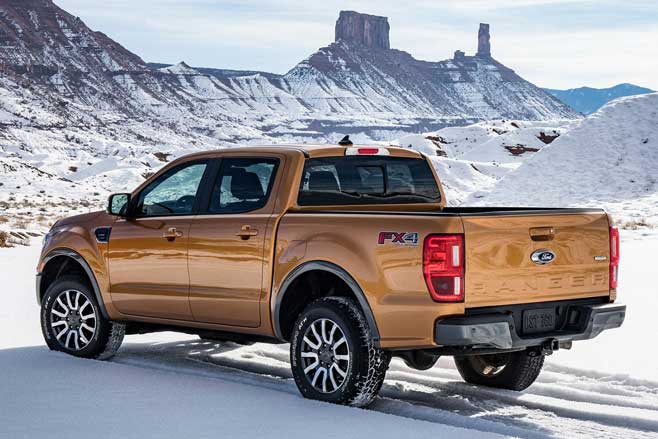
It’s also worth noting that while the Ranger is a known quantity in Australia, it’s a brand-new product for North America, and facing off against established vehicles with rusted-on buyers. Leaping to fourth in the segment in just six months is no mean feat, and that climb is unlikely to stop any time soon.
While the Frontier outsells the Ranger for now, it’s likely to be the first victim of the Blue Oval’s North American intruder.
The Australian market is a good indicator of how tough it is to break into a popular segment against established players. Locally the Toyota Hilux and Ranger dominate dual-cab ute sales, with new additions to the market struggling to gain traction against the sales’ juggernauts.
During its first quarter of sales in the US, the Ranger cornered seven percent of the segment, a result which pleased Ford executives. But can it continue the trend?
It’s also important to consider the size of the US market when discussing sales.
In the June VFACTS report released by the FCAI on Australian new car sales, the Ranger sold 21,496 units for the first half of the year(combining both 4×2 and 4×4 models), and sits second in overall charts behind the Toyota Hilux (26,132).
Putting the Ranger and Hilux’s sales dominance into perspective, they account for 8.5 percent of the total new car market in Australia (554,466 sales at the midway part of the year).
By the end of June 8.4 million new cars had be sold in the United States, in a market that is down 1.9 percent. Combining the sales of both the Tacoma and Colorado that lead the US mid-size pick-up segment, only accounts for 2.2 percent of that market.
If you’re a little sick of seeing prestige supercars turned into Liberty Walk-style ‘look at me’ machines, it seems Novitec might have heard you.
Though sometimes guilty of ‘overdoing’ the widebody treatment with its N-Largo kits, Novitec has created a pack for the Ferrari 488 Pista which increases power slightly, and improves (it claims) aerodynamics and driving feel.
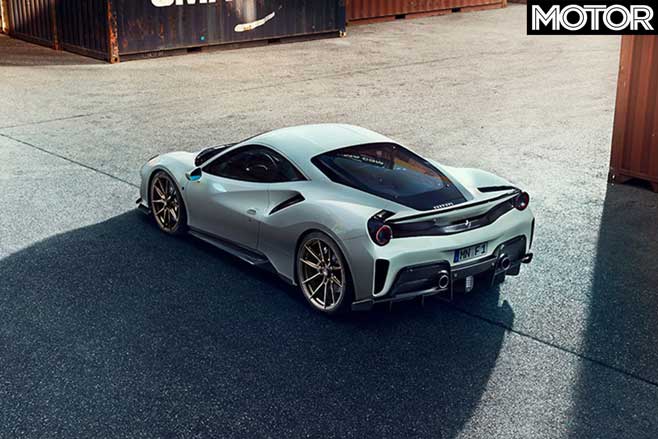
Plus, it actually looks quite visually restrained.
Novitec specifically avoided changing the styling of the 488 too much from its original aesthetic, with parts developed to blend in with the Pista’s design.
“Shape and design of the individual aerodynamic components are based on extensive wind tunnel testing to achieve the optimal aerodynamic form and function.
“In the development of these components, there is also a lot of emphasis placed on the aesthetics of the individual parts so that the visual design accents do not drastically change the fundamentals of the vehicle.”
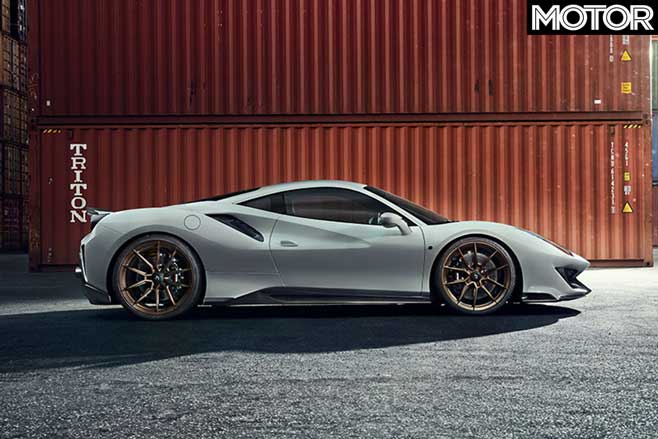
An increase in power through engine management alteration and an “optimised” stainless steel exhaust means the Novitec-tuned 488 Pista puts out 585kW from its 3.9-litre twin-turbo V8, with a peak torque of 890Nm.
It makes the original 530kW and 770Nm look a little sheepish, but keep in mind the Pista is claimed to hit 100km/h from a standstill in just 2.85 seconds as stock. Novitec also adds that its kit is optimised for daily use, so how it uses that power and torque might not be as focused on performance figures.
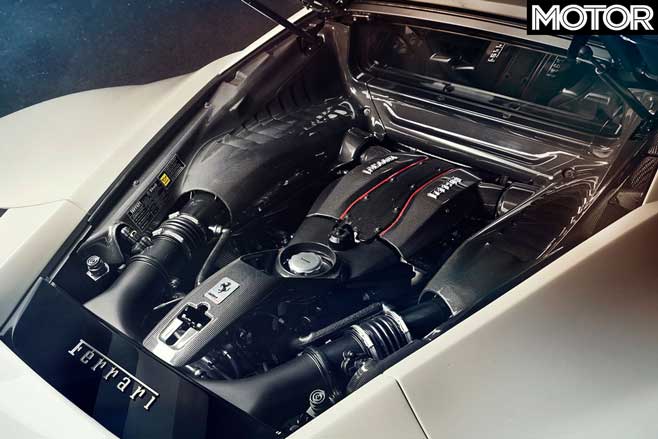
Plus, that exhaust is already aggressive enough just with the sound it makes.
Novitec also offers personalised suspension settings to suit customers’ wishes, meaning you could, in theory, have a slightly softer Pista for more comfortable driving. Or you could go full hardcore track-day. After all, ‘pista’ is Spanish for ‘track’.
This appears to be the first spotting of the upcoming V8-powered Cadillac CT5-V ‘Blackwing’ in Australia, with yet another of the US-brand’s vehicles seen testing around Victoria.
MORE
- Possible Commodore replacement lands in Australia
- Could the rear-wheel-drive V8 Commodore make a comeback?
- Cadillac line-up being assessed for Australia
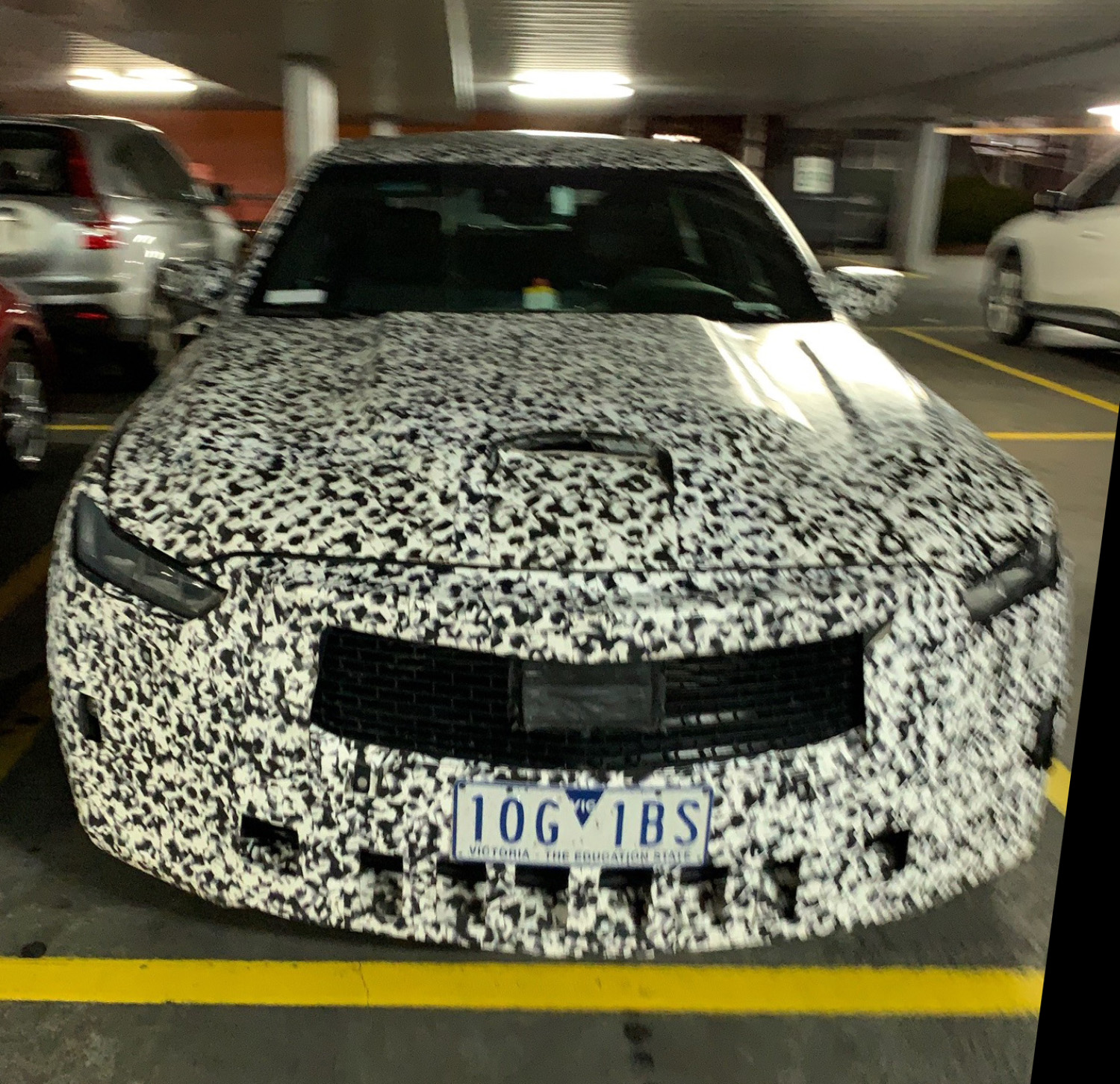
For starters, it rides on the same shadow chrome grey alloys with a unique side vent on the panel behind the front wheels, and unlike all Cadillacs seen testing in Australia, it has a huge bulging bonnet and sizeable quad exhaust system.
In fact, the bonnet looks bespoke to Australia and local testing, larger than the bulge on US-spec CT5-V mules and with a ventilated scoop upfront like the current 6.2-litre supercharged CTS-V. But this is the new model due next year.
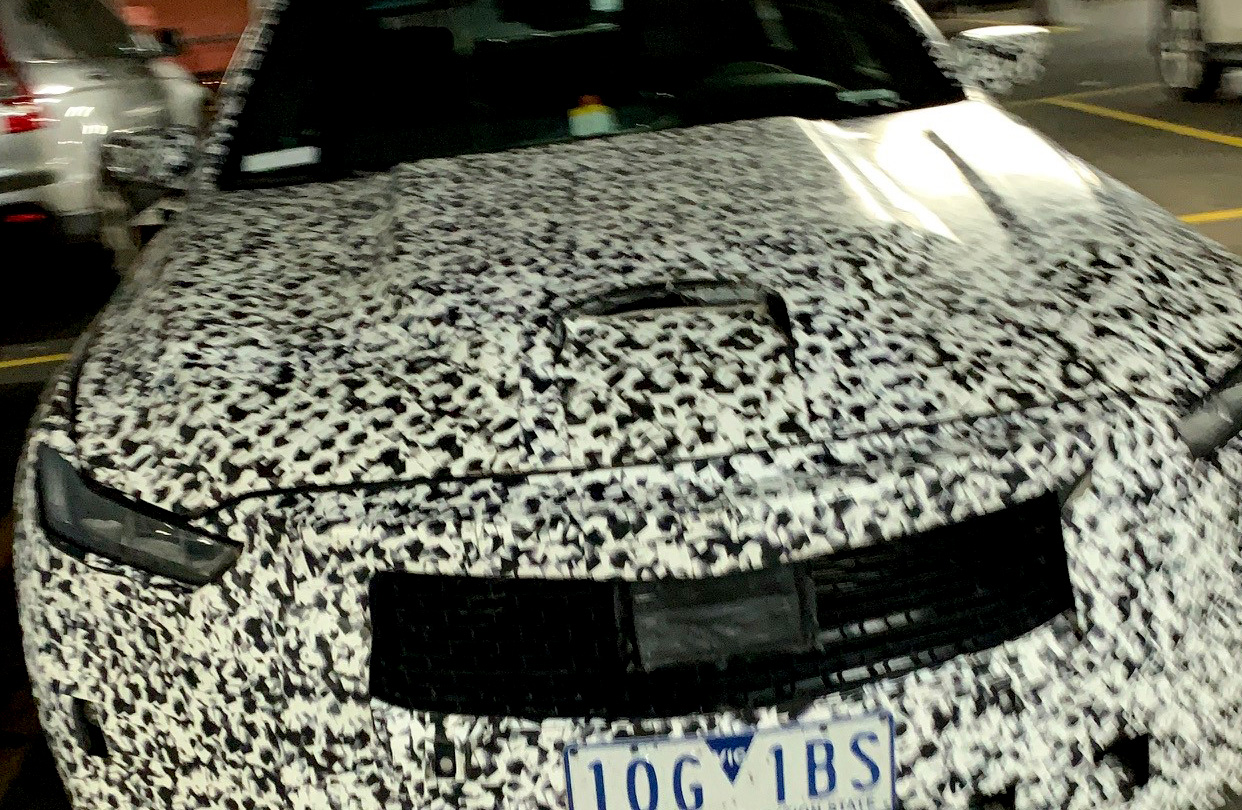
This could point to Australia testing a dealer-fit option for US-spec CT5-V models as it is unlikely to pass local ADR requirements if Cadillac does enter the Australian market.
It also points to the fact that the engine is likely the supercharged 6.2-litre LT4 V8 found in the current CTS-V and not the speculated twin-turbo 4.2-litre LTA V8 Blackwing, which first gave rise to the CT5-V ‘Blackwing’ name. If so, the updated LT4 is tipped to produce over 480kW and would prove the ‘Blackwing’ moniker to be as good as rumour.
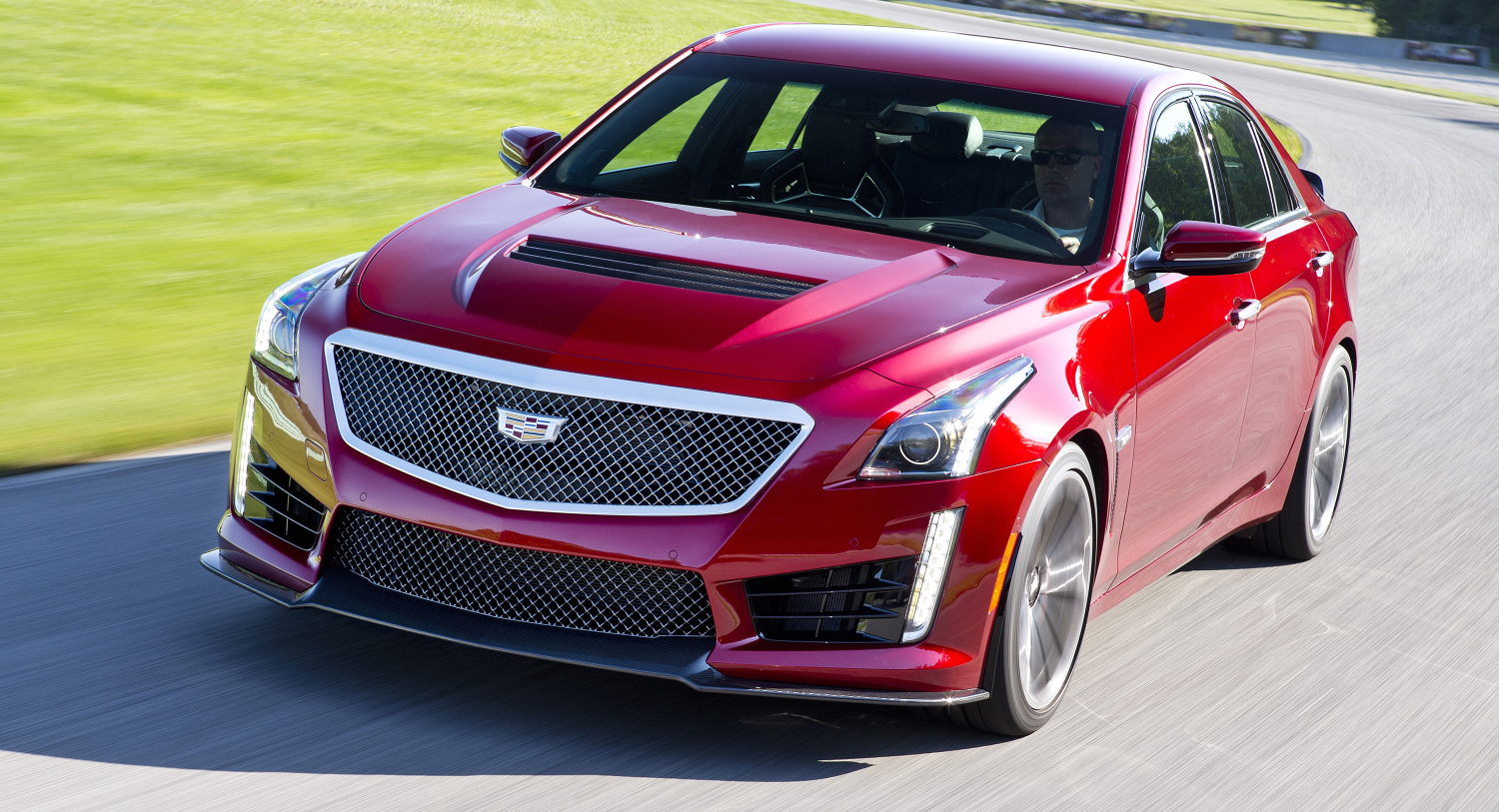
Other distinctive giveaways are the triple LED headlight arrangement and different side vents in the unique front fascia.

Cadillac’s new 2020 sedan will be available in the US later this year and test vehicles have been surfacing in Australia since four- and six-cylinder models were unveiled in May, with this the first sighting of the flagship CT5-V.
General Motors-owned Holden is not expanding on its comment about Cadillacs in Australia, a spokesperson telling Wheels numerous times only that it can confirm it is testing models here as part of a global emissions and transmissions calibration program.

The recent confirmation of the new C8 Corvette for Australia to expand on the Chevrolet Camaro and Silverado available now from Holden dealers suggests that the Lion brand will increase its operations as a retailer for US-badged GM product. With comments from high-up executives suggesting to Wheels that Cadillac could enter the market here, it might only be a matter of time until Holden has another V8 sedan in its line-up.
