
MERCEDES is changing the name of its AMG Sport models to bring them into the AMG lineup proper.
Mercedes-Benz introduced AMG Sport to rival the likes of BMW M Performance and Audi’s S line. But it has decided to reposition, and rechristen the halfway house models, which sit between the regular Mercedes-range and fully fledged AMG sportscars.
The models will now be badged as Mercedes-AMG 43 to bring them into line with the rest of AMG’s nomenclature.
So the current Mercedes-Benz C450 AMG will become the Mercedes-AMG C43.
The Mercedes-Benz GLE 450 AMG will be the Mercedes-AMG GLE 43, and so on.
AMG boss Tobias Moers confirmed the change to Wheels. “It’s a new approach for the sport models,” he said. “We did something that was a good idea, but we saw we needed more acceptance for those cars. It’s important we bring them into our family; the cars stand for AMG so it’s not a problem.”
The first model to wear the new badge is the V6-powered Mercedes-AMG SLC43, shown at January’s Detroit motor show (and above). The Mercedes-AMG E43, based on the new W213 E-Class, will follow later this year.
“They’re part of the family, they’re part of AMG, the name stands for a different output under our full AMG engines,” said Moers.
“Everything we do with those cars, even with E Sport model, is the same we do with the C. We have a dedicated front axle, we have new suspension arms, different rear axle, we modify the four-wheel drive system, we modify the torque distribution of the front and rear axle and we even change the standard production engine. The gearbox calibration and engine calibration is done by us and you feel AMG in every millisecond you drive that car. So AMG stands not any more for one man one engine, AMG stands for performance brand
“And there is no dilution in technology and dynamics,” Moers added. “A lot of technology is the same between the performance cars and the sport models. It’s another entrance store into the AMG brand. Less price but still really good performance.”
This is the stunning Lexus LC 500h, shown in full ahead of its scheduled reveal at the Geneva Motor Show next month. The LC 500h is the hybrid complement to the luxury Lexus LC 500 uncovered at the Detroit Auto Show recently.
Externally, little has been added to the 500h when compared to the 500. Discreet hybrid badging is about the only change. The LC 500h uses the same gorgeous coupe body and no, this isn’t a concept, this is how the car will look when it goes into production.
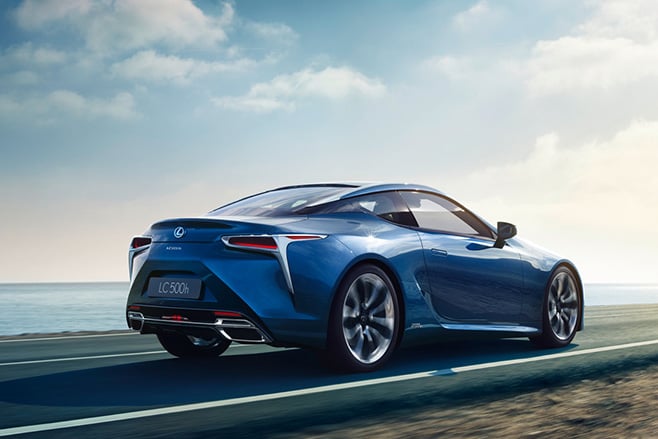
In a press release issued by Lexus yesterday the carmaker lists ‘an advanced touchless human machine interface as well as automated driving technologies’ as part of the LC 500h’s offering.
Full details on the LC500h won’t be available until its official unveiling at the Geneva Motor Show. Rumours suggest it will be powered by a 3.5-litre petrol V6 assisted by an electric motor, similar to the V6 hybrid powertrain in the LF-LC concept car, which will be on display alongside the LC 500h at Geneva.
Could it in fact receive a hybrid version of the LC 500’s 5.0-litre V8 motor? We’ll have to wait until March 1 to find out.
Late Late Show host James Corden’s carpool karaoke videos have become quite the hit since he took over the show just over a year ago. The host’s effervescent persona, smart-alec attitude and commendable singing voice are all on show as he chats and sings with celebrities whilst driving through Los Angeles.
Justin Bieber’s first episode “Justin Bieber Carpool Karaoke” was so popular it was named one of YouTube’s Top 10 most viral videos of 2015 and has also been partly responsible for his career comeback.
After winning Best Dance Recording for the track “Where Are Ü Now” with Skrillex and Diplo at the Grammys, JB decided to go for another carpool karaoke with James to discuss what happened at the big event.
They chatted about their awkwardly matching outfits, LL Cool J, Justin helped with James’ beauty routine and sung a pretty decent rendition of Bruno Mars’ “Uptown Funk.”
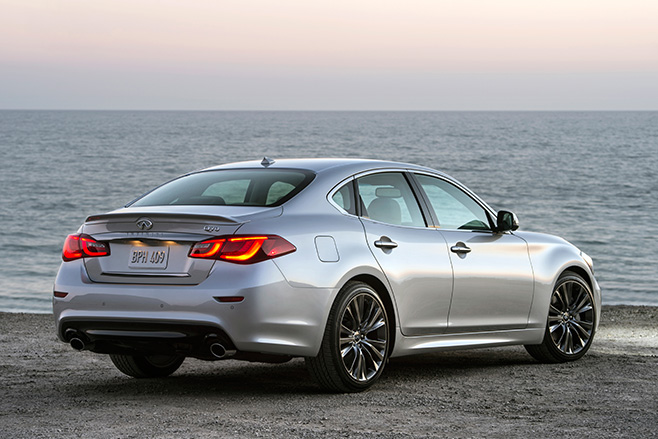
The Q70 is Infiniti’s largest sedan, rival to BMW 5 Series, Mercedes-Benz E-Class and Audi A6. A facelifted version is now available in Australia featuring revised styling front and rear, including new LED headlights and taillights.
As well as the refreshed bumpers and lighting, the new Q70 receives new alloy wheel designs and an overhauled suspension to improve ride comfort. Steps have been taken to reduce in-cabin noise and vibrations, including improved sound-deadening behind exterior panels.
Infiniti ramped up its efforts to destabilise the established luxury marques by cutting prices on its range, including Q70, in 2014. Despite adding a host of equipment to the new model, Infiniti’s aggressive pricing remains unchanged; $68,900 for the GT, $78,900 for the S Premium and $82,900 for the top-end GT Premium hybrid model.
On top of the Q70’s existing safety systems, Infiniti has added its ‘Safety Shield’ technology package to the S Premium and GT Premium models. The Safety Shield package includes Blind Spot Intervention, Lane Departure Prevention, Emergency Braking, Predictive Collision Warning and Backup Collision Intervention.
Adding further to the S Premium and GT Premium’s ensemble of safety tech is a system called Around View Monitor which uses cameras and sensors placed around the car to detect moving objects and obstacles when parking.
While the entry-level Q70 GT doesn’t acquire the advanced safety systems mentioned above, it does get a Bose 10-speaker sound system upgrade and retains the Q70’s respectable standard safety tech.
Under the bonnet of the Q70 GT and S Premium variants is Nissan’s 3.7-litre petrol V6 motor producing 235kW and 360Nm. The GT Premium uses a slightly smaller 3.5-litre petrol V6 complimented by a 50kW electric motor for a total output of 268kW and 546Nm. A grid of batteries is housed in the boot of the GT Premium, charged by Infiniti’s regenerative braking technology. A seven-speed automatic gearbox is fitted as standard to all Q70s.
The 3.0-litre diesel V6 previously available is no longer offered in the Q70 range.
Jerry Seinfeld is a prolific Porsche collector. He’s not as public with the details of his prized possessions when compared to other collectors (Jay Leno anyone?) so this auction offers us a unique insight into his garage. It also makes us wonder; if these are the cars he’s parting with, what are the cars he considers to be worth keeping!?
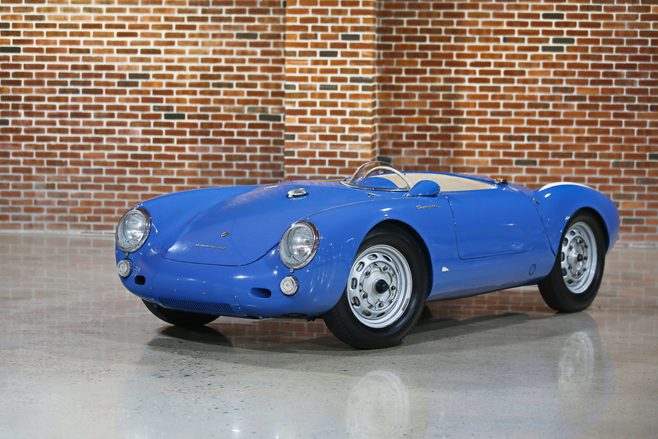
Up for grabs are 16 highly sought-after Porsches and two Volkswagens. The most expensive is likely to be Seinfeld’s 1955 Porsche 550 Spyder, a car Gooding & Company auctioneers predict will sell for somewhere between US$5m and US$6m on its own.
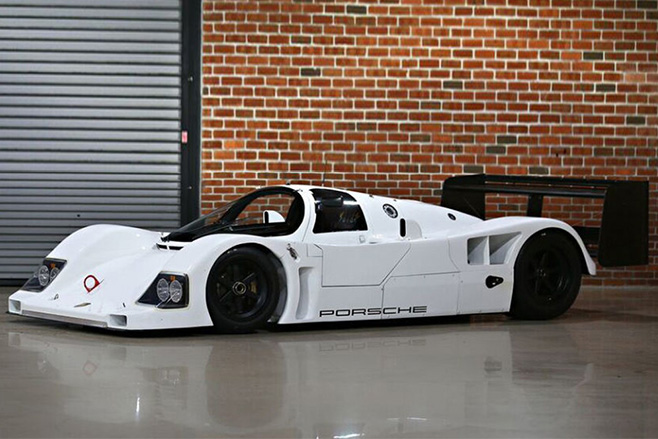
Other cars on offer include a handful of significant Porsche racing cars including a 1990 962C that looks absolutely spectacular in white with no racing livery.
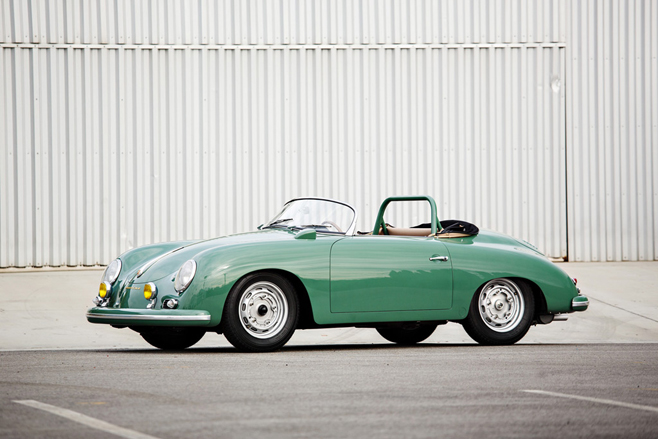
A 1959 718RSK could share the title of prettiest car in the collection alongside the 1958 356 Speedster also up for sale.
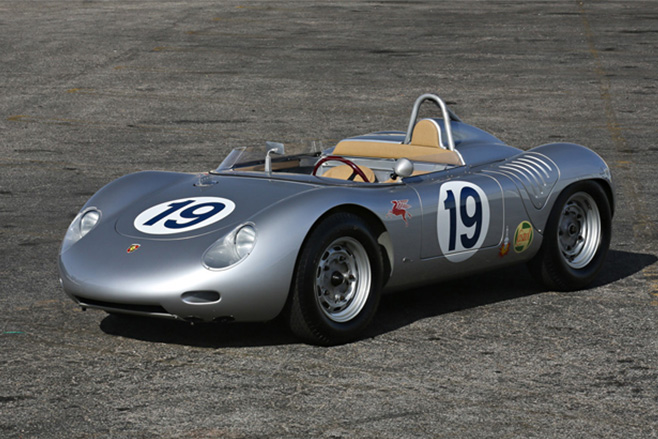
Jerry explains his motivation to sell by saying, “I just love cars. But it’s time to send some of them back into the world, for someone else to enjoy, as I have.”
“If I had unlimited time, space and attention span I would never sell one of them,” says Seinfeld. “My enthusiasm for this pursuit remains quite insane and I am very fortunate to have many other cars I get to look after.”
That’s not just scuttlebutt. Rumour has it these 18 cars represent a mere 10% of Jerry’s total collection.
The Gooding & Company auction event happens next month in Florida.
1973 PORSCHE 917/30 CAN-AM SPYDER (photo by Mathieu Heurtault)
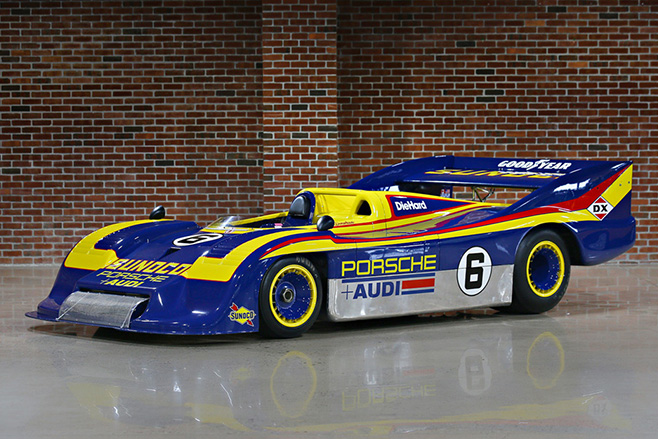
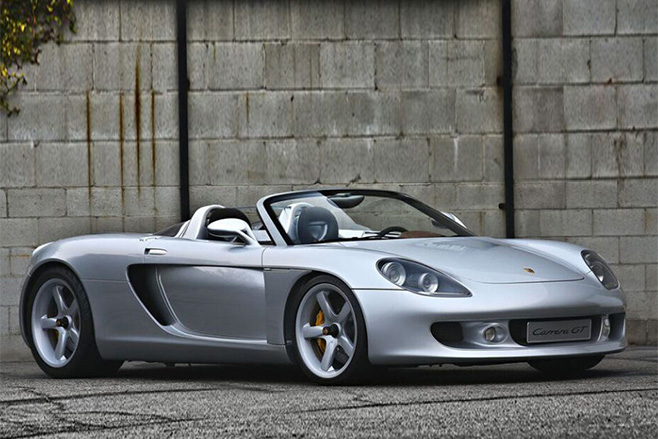
2000 PORSCHE CARRERA GT PROTOTYPE (photo by Mathieu Heurtault)
1998 PORSCHE 993 3.8 CUP RSR (photo by Mathieu Heurtault)
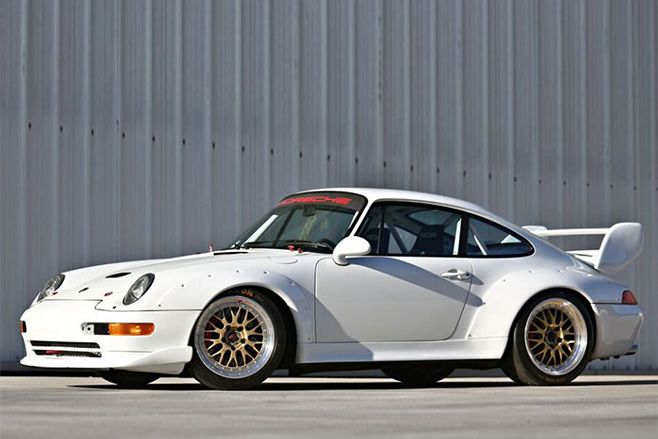
1963 PORSCHE 356 B 2000 GS CARRERA 2 COUPE (photo by Mathieu Heurtault)
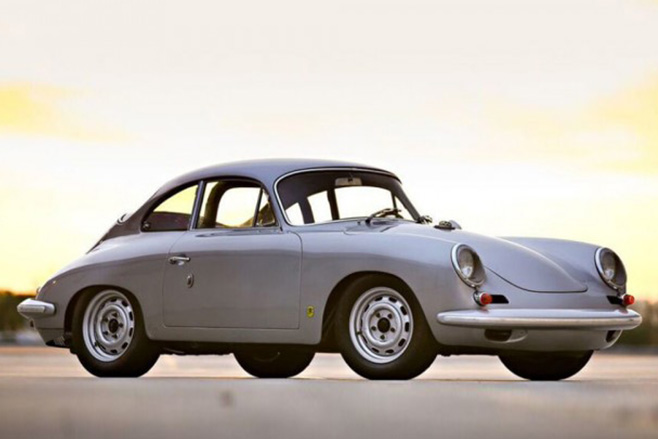
1974 PORSCHE 911 CARRERA 3.0 IROC RSR (photo by Brian Henniker)
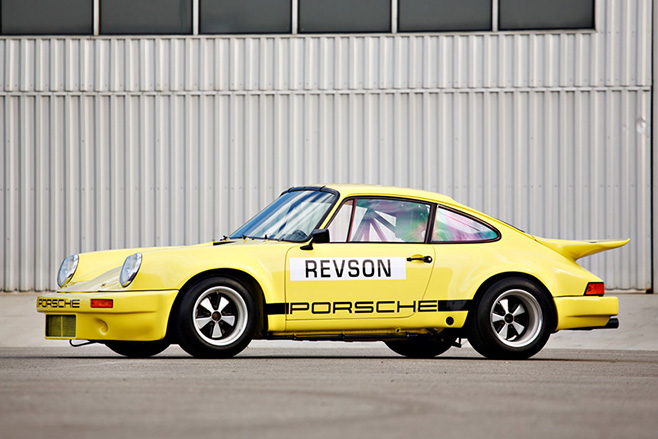
1994 PORSCHE 964 TURBO 3.6 S FLACHBAU (photo by Mathieu Heurtault)
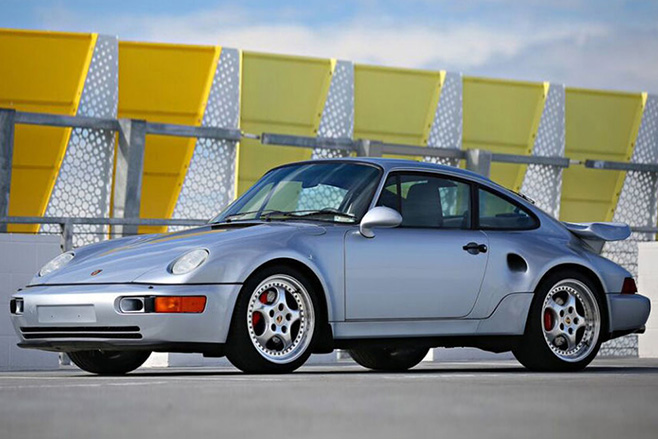
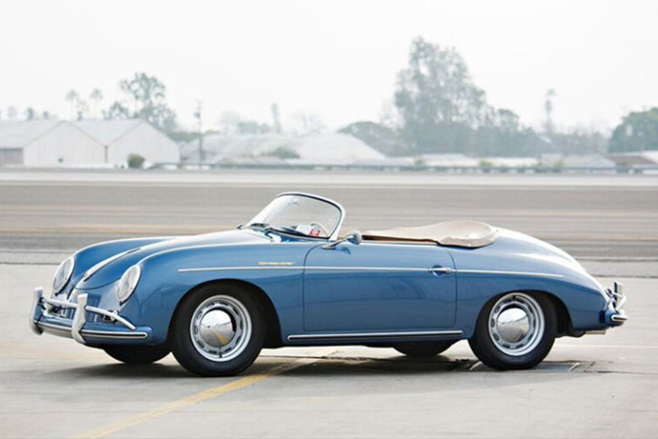
1957 PORSCHE 356 A SPEEDSTER (photo by Brian Henniker)
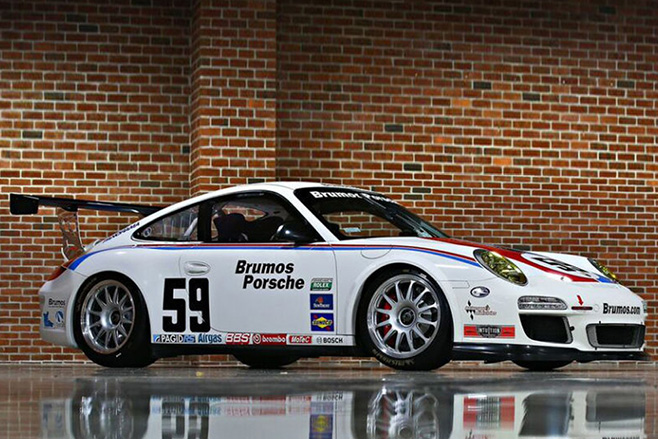
2012 PORSCHE 997 GT3 4.0 CUP “BRUMOS COMMEMORATIVE EDITION” (photo by Mathieu Heurtault)
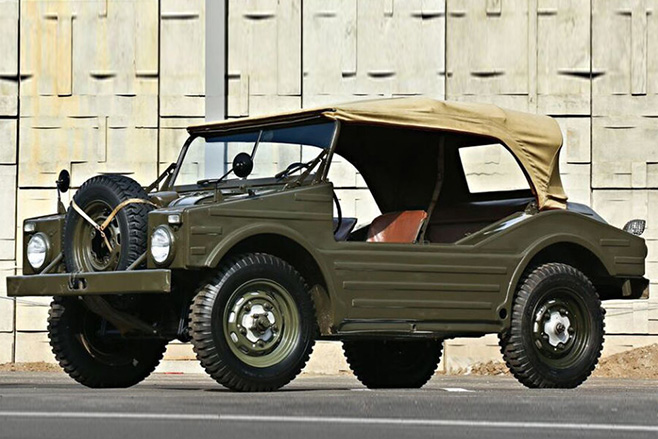
1958 PORSCHE 597 JAGDWAGEN (photo by Mathieu Heurtault)
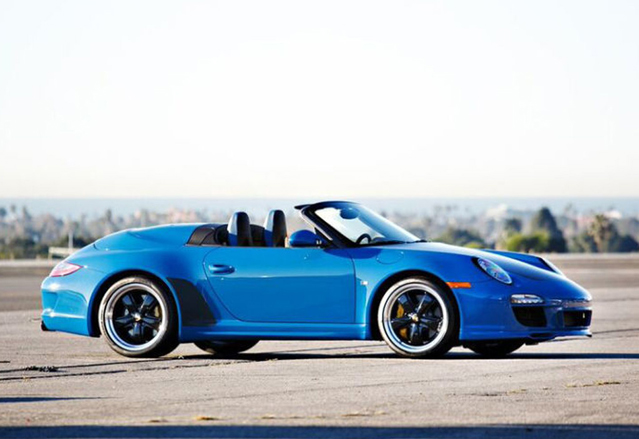
2011 PORSCHE 997 SPEEDSTER (photo by Brian Henniker)
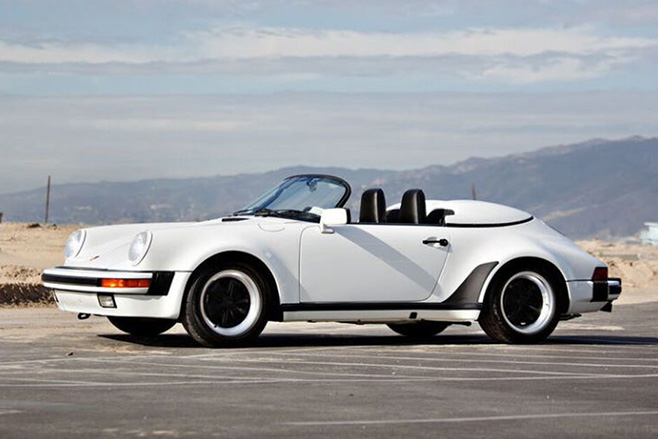
1989 PORSCHE 911 SPEEDSTER (photo by Brian Henniker)
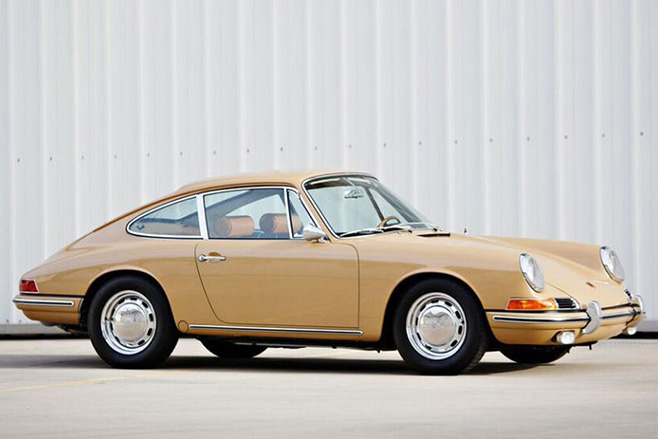
1966 Porsche 911 (photo by Brian Henniker)
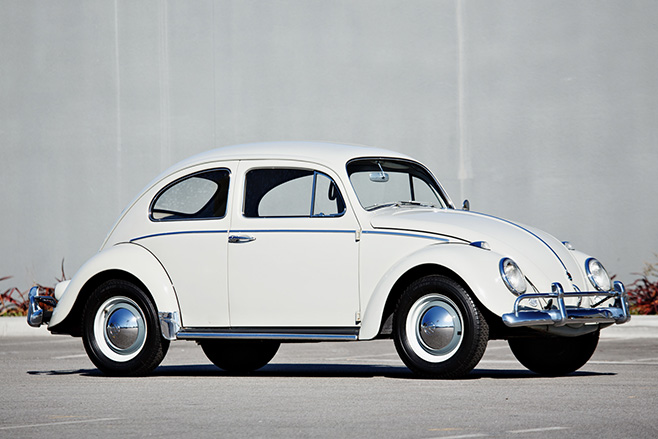
1960 VOLKSWAGEN BEETLE (photo by Brian Henniker)
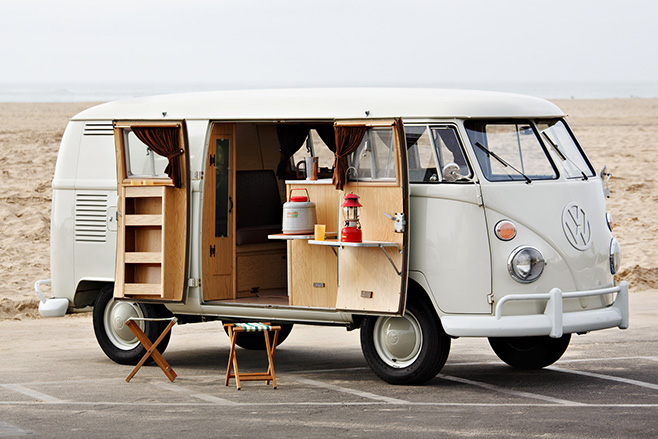
1964 VOLKSWAGEN MICROBUS (photo by Brian Henniker)
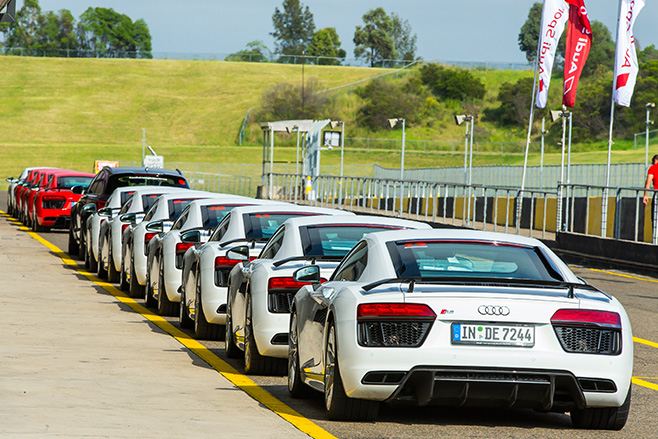
Wheels unleashes the second generation Audi R8 supercar on Mr Panorama. Wait, that was last week…
WHAT IS IT? The Audi R8 is a mid-engined supercar flagship for the Audi brand. It’s also the basis of Audi’s R8 GT3 racing program, which has won numerous endurance races around the world, including the Nurburgring 24hr and the Bathurst 12hr.
WHY WE’RE TESTING IT Audi freighted 15 left-hand-drive R8s to Australia for media and customer drives ahead of the production model’s May arrival. We drove it at Bathurst last week, this week we’re attacking Sydney Motorsport Park.
MAIN RIVALS Porsche 911, Ferrari 488, McLaren 675
PLUS: Sounds fantastic, dynamically brilliant, non-turbo engine is a screaming delight MINUS: Price, manual steering adjust, restrained styling may not meet supercar expectations
THE WHEELS REVIEW All is not right with the world when a mere freelance writer gets the plum Audi R8 Bathurst launch drive and the editor joins the mop-up mob a week later for some trivial point-n-squirt disciplines in industrial Eastern Creek.
This time last week Michael Stahl was topping 265km/h in left-hand drive versions of the second-generation Audi R8 supercar down Conrod straight, using every ounce of his – and the car’s – considerable skills to keep pace-setter and V8 Supercar driver Steven Johnson in sight.
I get to prod the accelerator for three point seven seconds. It should be even less time. It should, in fact, be just 3.2 seconds – Audi’s claim for the 449kW R8 V10 Plus to hit 100km/h from rest.
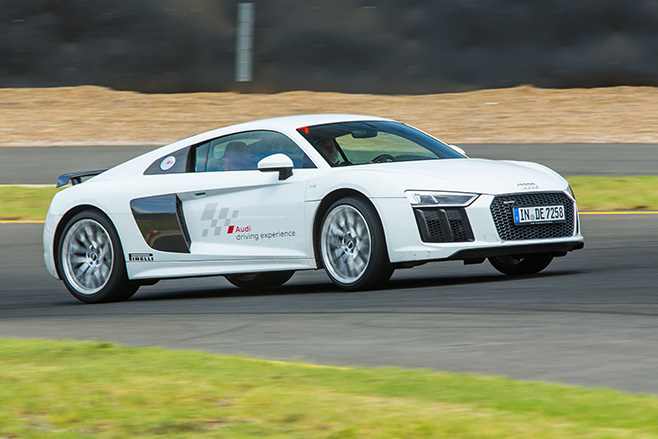
I suppose I should be grateful for that extra half second, because it means an extra half second inside the Audi R8’s new interior, with its air conditioning keeping the ridiculous Sydney heat and humidity at bay. Audi calls it a monoposto layout – everything sounds better in Italian, right? It translates as ‘one place’, which in car terms means single-seater. In the R8 it means driver focused. Everything about the interior has been designed and situated to make the driver the centre of attention, which makes sense partly because this is a high performance sports car, but also because the driver is probably the person who shelled out $389,400 to buy the new R8 V10 Plus. That’s a saving of $18,410 on the previous model, despite the generational improvements.
During my 3.7 seconds with the car, I can confirm the accelerator works well, the V10 engine roars like a bull, and the headrest hurts when it hits your head hard as the R8’s all-wheel drivetrain turns fuel into a force almost as relentless as gravity.
Here’s an interesting fact, and we heartily recommend that you not try this at home. Were one to drop an Audi R8 – or any object – off a tall building, it would accelerate to 100km/h in 2.8 seconds, if you discounted air resistance. When launched down a long, straight, flat piece of road from a standstill, the 1630kg R8 can hit 100km/h in 3.2 seconds, including overcoming air resistance.
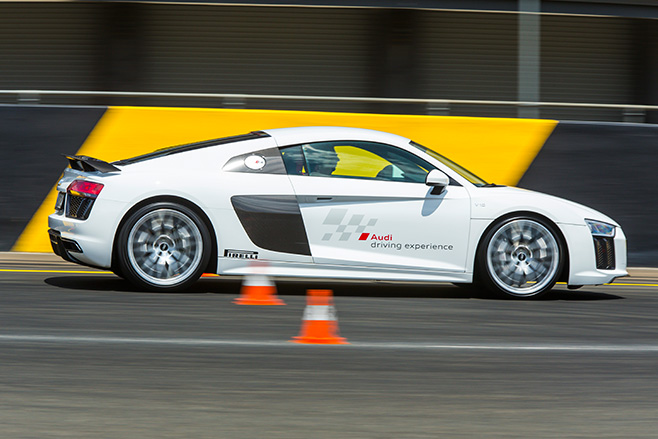
The Audi R8, when used in the manner for which Audi’s engineers intended, has the power and torque to overcome air resistance for much longer. It’ll hit 200km/h in just 9.9 seconds, and go on to a top speed of 330km/h.
If you drop the Audi R8 from a tall building, you’ll only experience that accelerative rush once before the car’s extensive and expensive carbonfibre and aluminium structure is destroyed on impact. If you use a racetrack instead, you’ll get to experience it as many times as you want. Trust me, I know.
Those performance numbers relate to the top-spec R8 V10 Plus. The second model in the new R8 range arriving in Australia in May is the ‘standard’ Audi R8 V10. Its 5.2-litre V10 engine is detuned slightly to produce 397kW and 540Nm, which is still enough to reach 100km/h in 3.5 sec and top out at 320km/h, says Audi. It’s also $354,900, which is roughly $11K less than the old model.
It’s also $35K less than the Plus, partly because it doesn’t get carbon ceramic brakes (a $20,400 option), a dedicated performance suspension tune, or carbon fibre detailing inside and out.
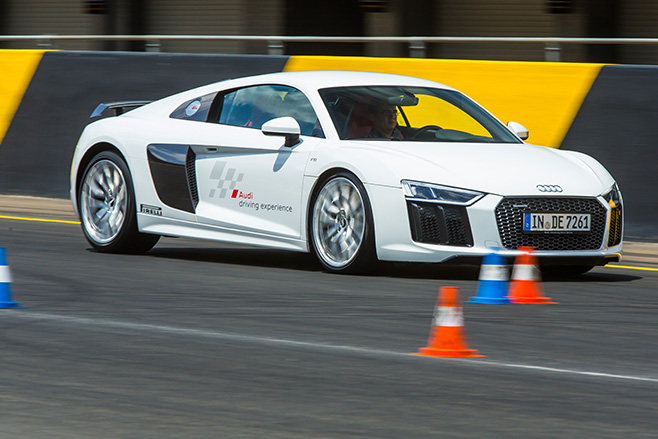
The previous generation’s V8 option has not been replaced – yet. Audi will surely add a sub-$300K R8 to the range, though it remains to be seen whether it will have a 4.2-litre V8 engine or something entirely different.
My second ‘experiential’ discipline for the day isn’t exactly strafing from The Cutting to McPhillamy Pass, but the new ‘Amaroo’ South Circuit – a 1.8km loop around Corporate Hill – does at least require steering input. Many steering inputs, along with considerable and judicious use of accelerator and brake.
My pace-setter isn’t Steven Johnson, but the bloke leading us around isn’t exactly hanging around. It’s all I can do to stay smooth and fast and keep up, making the most of the 5.2-litre V10 engine’s 8700rpm redline to blast between the bends, and stomping on the standard carbon ceramic brakes to catch up a metre or two before he escapes up the next straight.
With the R8’s adjustable sports suspension in Dynamic mode, the mid-engined supercar shows how wonderfully suited it is for this kind of workout. It feels light and agile… sharp too.
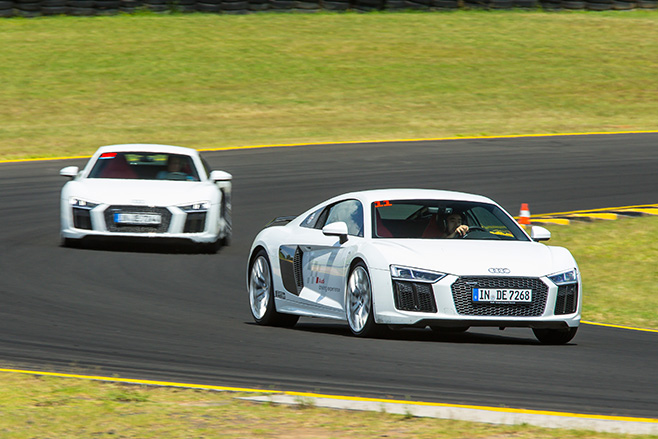
The R8 slips and slides a little, which I put down to hot tyres in clumsy hands on a hot track on a hot day – and the slips only come when seriously quick escalates into stupidly quick. But they’re predictable and progressive, and the ESC does a seamless job curbing my (over)enthusiasm.
The third, and final, discipline for the day will take that slipping and sliding to the extreme. It’s a witches’ hat motorkhana on a big wet concrete skidpan. I’m not sure what it’s meant to prove about the R8. Nor will it match the adrenaline rush of laying down a hot lap of the Bathurst mountain course (not bitter at all, Stahly). But it is a chance to have some serious low to middling-speed fun in a fantastic sports car, and with no consequences beyond ending a cone’s life prematurely. For that I’m very grateful.
Unexpectedly, it does educate me on the subtle differences between the modes of the R8’s ESC chassis control system. Its Performance mode has three sub-settings for dry, wet and snow. Not sure about snow mode (35deg day, remember), but wet mode really lets me play with the R8’s rear end on the throttle and under brakes. It also does a lot to convince me the Audi R8 is not an intimidating car.
This ‘accessible supercar’ character was an important element of the first generation R8, and Audi’s step-change has not diluted that at all. Instead, Audi has created a faster, more capable, more exciting and even more confidence-inspiring supercar.
Right. Which way to Bathurst?
SPECS Model: Audi R8 V10 Plus Engine: 5204cc 10cyl, dohc, 40v Max power: 449kW @ 8250rpm Max torque: 560Nm @ 6500rpm Transmission: 7-speed dual-clutch Weight: 1630kg 0-100km/h: 3.2sec Fuel economy: 12.3 L/100km (EU) Price: $389,400
A little piece of plastic with your name on it telling you it’s legal for you to drive. A driver licence is a privilege we all dream about from a young age.
The first time you sit behind the wheel of a car, with shiny new L plates gracing the window, you quickly realised how many components of a car you have to control just to get the car out of the driveway.
Throw in a manual transmission and watch how quickly the tears flow for most learner drivers. Gears grinding, stalling in the middle of peak hour and don’t even get me started on hill starts that turn your father into a yelling-machine as you rev the engine but still roll backwards.
But thankfully, now on my full licence, I have years of experience driving a manual car. So when it came time to upgrade from the (mostly) trustworthy BMW that had served as my first car, I was naturally in the market for another manual.
It wasn’t until I told friends about my search for a manual car to accompany me on my move to the city that the manual transmission was given a verbal beat down.
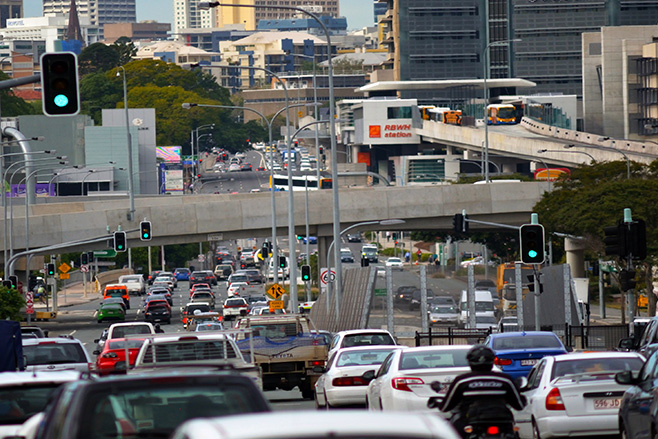
That city was Brisbane, no less – a lot more traffic and hills than I was used to. But even my terrifying hill starts from my L plate days couldn’t deter me. There was just something so boring about automatic cars – the gentle incline of speed or the lazy left foot. So naturally, I ignored their advice.
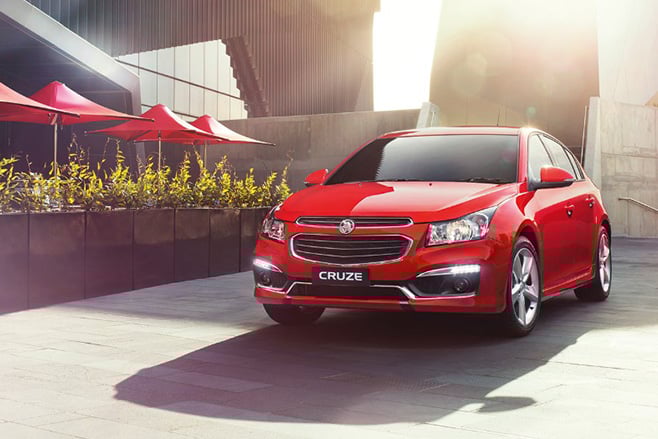
My purchase? A Holden Cruze hatchback, 1.6L turbo engine with a manual transmission.
Quickly, my sense of adventure dissipated into panic. I was driving an unfamiliar car in a new city. I didn’t know how touchy the brakes were, how well it fit into a parking space, or how much I needed to rev it to keep it from doing the backslide of death. I didn’t even know where I was going.
I emerged from the darkness of the airport tunnels into a mess of hills, traffic lights and morning peak-hour, all while navigating a manual – and this time there was no dad in my passenger seat.
I approached every red light at a pace that would see a snail flash past in the hope it’d turn green. At every green light, I held my breath hoping for it to stay that way so I wouldn’t have to stop. Well, that worked until I did have to stop. On a slight incline, with a line of cars behind me and my heart somewhere near my breakfast.
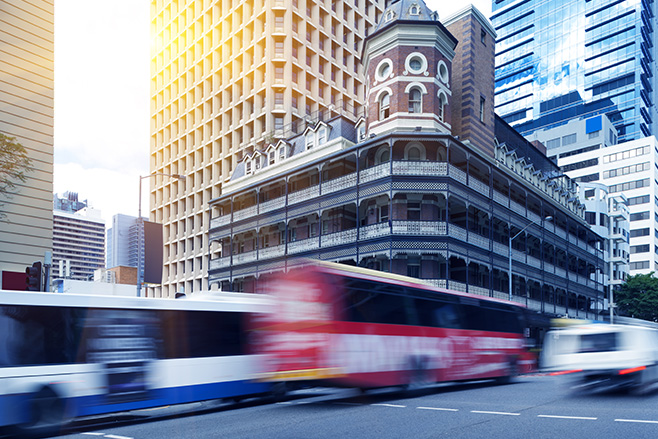
My palms turned to sweat as I fixated on the lights. Red… Red… Green! Brake off, clutch out, accelerator down. As the car in front zoomed off, I followed. All thanks to one very important factor that I had not experienced in my old car. On one of my test drives, a salesman had explained it to me – the car would allow you a few seconds of what I like to think of as “miracle hold” but what is actually known as Hill Assist. This little piece of technology meant hills were no longer cause for hyperventilated embarrassment.
It wasn’t until I sat in a friend’s automatic car as she battled a steep hill on the outskirts of Brisbane that I thanked my lucky stars for the control I had in the Cruze.
There might still be a lot of creeping in first and second gear when the traffic gets thick and you run the risk of occasionally stalling it at the traffic lights and getting some furious beeps from the city folk. But as I learnt, you can absolutely survive the city in a manual car.
My only advice to anyone else out there wondering if a manual car is for them: get yourself a newer one with a rock solid hand brake and magic hold. Otherwise we might just see you on the local news, causing a traffic jam parked halfway up a terrifying road trying desperately to find enough traction to move forward – or does that only happen to me?
Remember the days of peeping through your keyhole to see if the toys in your room came to life? Well, Nissan has made this a real thing – with office chairs.
Self-parking car technology is coming in hard and fast in the automotive space, so it was only a matter of time before someone took this concept and used it for something weird and wonderful.
Nissan have done just that. At a simple clap of the hands, the office chairs will spin themselves around and find their way back to rest neatly under the table.
Four cameras are placed throughout the room, so the chairs can register their targets.
The video looks brilliant. Clever. Magical even. But there’s something unsettling about this technology. Think about it, chairs that can be controlled, by anyone, any time.
Compromise is inherent in almost every aspect of road-car design, and given the dual disparate roles of a car’s suspension that’s especially true in the realm of chassis tuning.
Let’s get back to suspension spring and damper basics to understand why. A car’s suspension serves two purposes: to keep the tyres in firm contact with the road and to isolate occupants from bumps, noise and vibration. In a production-performance car, pitch and roll are especially undesirable, however the ride must remain comfortable.
The springs absorb the impacts and the dampers (or shock absorbers) dissipate the energy absorbed by the springs as heat. High-quality dampers – tuned by a good chassis engineer – can work across a range of different driving conditions, but not without compromise.
Enter the adjustable damper. Simplistically, it can offer soft damping for an absorbent ride and, at the twist of a knob (or push of a button), firm damping to control the suspension/wheels and body of a hard-driven car on a less-than-smooth surface.
There are two ways to vary the amount of damping provided by a suspension damper. Firstly, by varying the flow of the damper piston. Or secondly, by varying the viscosity of the fluid – either gas or oil – in which the piston moves.
Simple adjustable dampers take the first approach. The piston flow rate (via piston hole area) is changed by rotating an external adjustment knob.
Early electronically-adjustable dampers, including those found on Mazda’s 1980s 929 series, introduced a solenoid to give the driver a crude soft/hard push button control over this same mechanism.
It worked, but not particularly well. The hard setting often created an overdamped suspension and the soft setting established an underdamped suspension. In these conditions, the ride quality in ‘hard’ and the body control in ‘soft’ were outside the acceptable range of well-calibrated non-adjustable dampers.
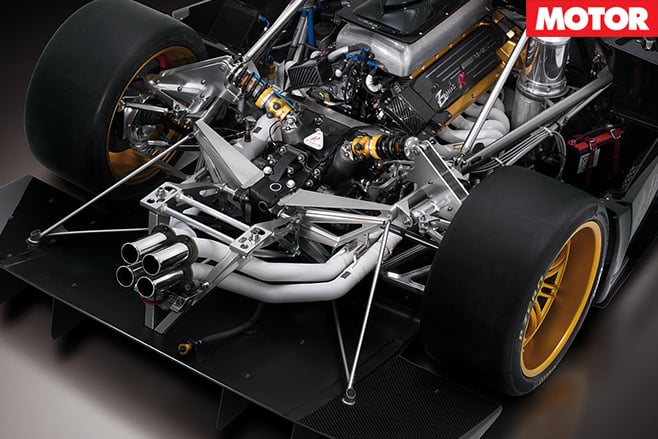
The magnetorheological damper was developed by General Motors, arriving in 1998 for the Chevrolet Corvette and various Cadillac models. This new design is now used by many makers, including Audi and Ferrari, and is leaps ahead because it allows quicker, more precise adjustment.
Electromagnets vary the viscosity of the magnetorheological fluid – a damper fluid containing suspended metal filings. When an electric current is applied, the metallic particles are aligned along the magnetic field lines, increasing fluid viscosity and, therefore, damping force.
With small changes in the applied current comes precise control of damping force, as instructed by an algorithm in an ECU fed by myriad chassis sensors. Now, damping force can be varied almost instantaneously to suit the conditions.
1. OLD DOG Don’t consider non “magneto” dampers as old hat. German brand Bilstein’s DampTronic dampers, as fitted to the Nissan GT-R and Porsche 911, work on the same principle as those early systems.
2. NEW TRICKS In these electronically-controlled gas-pressurised dampers a proportional solenoid works continuously with a slide shutter, opening a bypass channel to vary damper rate.
3. COMPUTER POWER The dampers are variable, rather than switchable, while the computing capacity for millisecond changes to damping rate make them adaptive rather than merely adjustable.
4. ADAPTING TO CHANGE Adaptive dampers are just that – adaptive. They are at work optimising the damping for the conditions all the time. All ‘Sport’ mode does is lock out the comfortable end of the damper range.
5. LESS IS MORE According to BMW chassis guru Jos van As, multiple damper modes – Comfort, Normal, Sport – aren’t really needed. “One adaptive setting would be fine … two is the most you need,” he says.
McLAREN’S SHOCKER
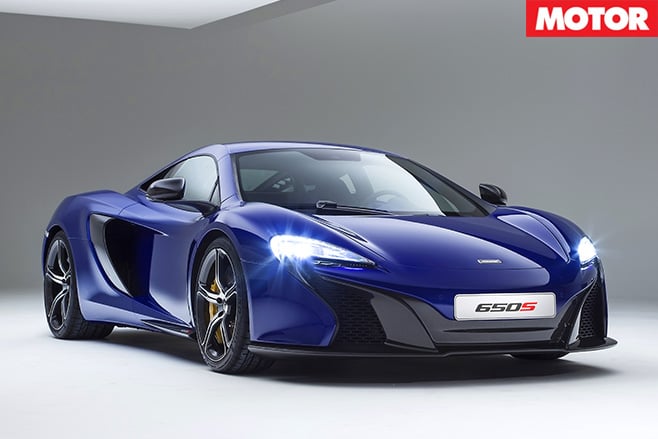
Corresponding chambers (top to top, bottom to bottom) are plumbed together front to rear, and left and right hand chambers are cross-plumbed (top to bottom) via accumulators containing nitrogen, which acts to resist roll. Now, anti-roll bars aren’t needed. The interconnecting of cylinders separates the suspension’s bump and roll modes, neatly sidestepping traditional damper tuning compromises.
The addition of electronic control of the valves at each cylinder brings variable damper force; the introduction of a pump to control pressure inside the accumulators brings adjustable roll stiffness. Clever, hey?
No doubt there’s no shortage in advice when you’re looking for your new car. From your crazy neighbour to your know-it-all dad, we’re sure that the moment you say “I’m buying a car”, the helpful, and sometimes not so helpful, advice starts flowing.
