
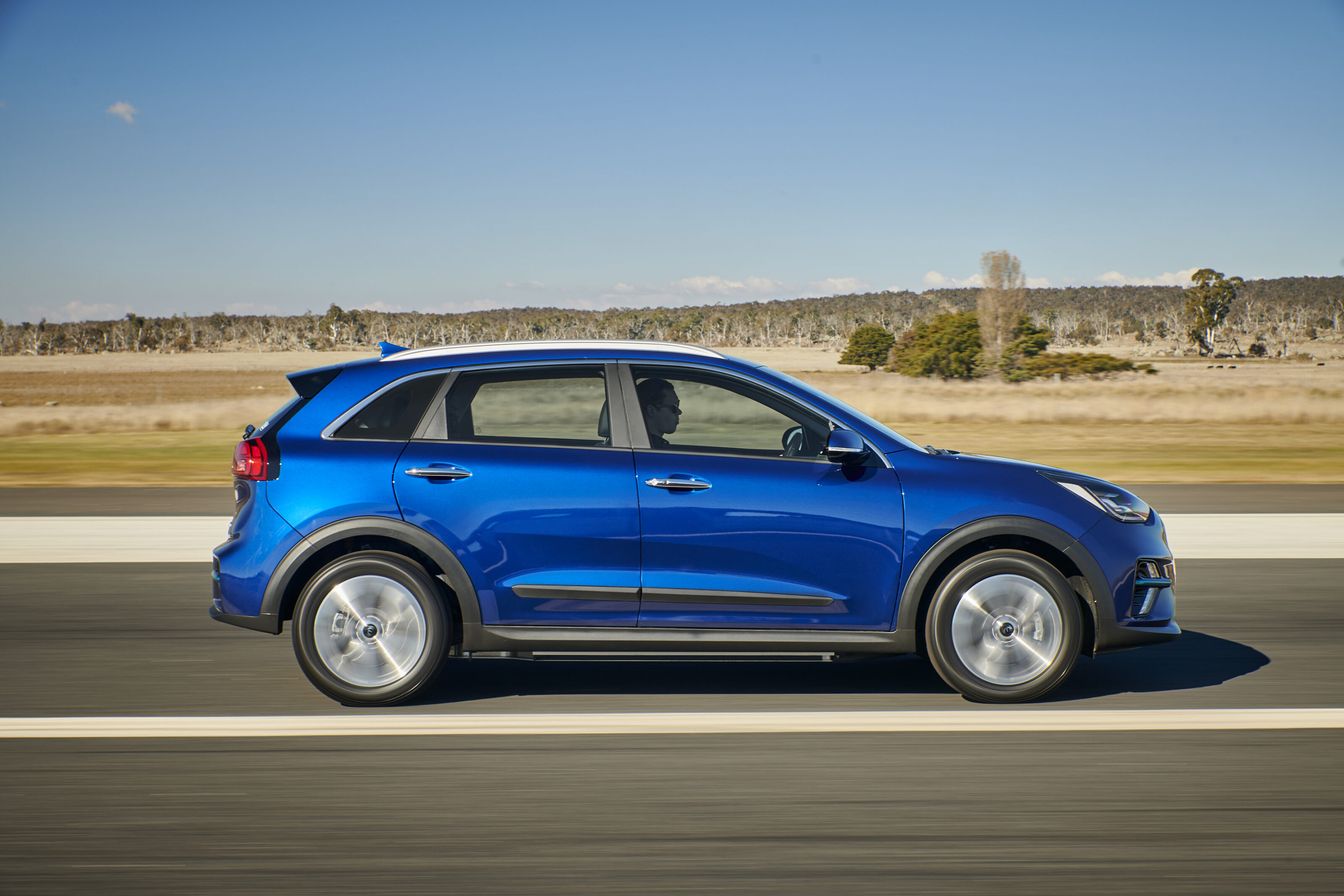
The recently-revealed 2022 Kia Niro is one of the most highly anticipated crossovers of the next 12 months, set to replace the first-generation model in the near future.
Covers came off the new Niro in late November, showing a radically different design to that of the current Niro which only arrived on Australian shores earlier this year, having been delayed locally to launch just months before its replacement was revealed.
However, the outgoing model lends more than just its name to the upcoming crossover, with reports suggesting the 2022 Niro could utilise the same engines and drivetrains found in its predecessor.
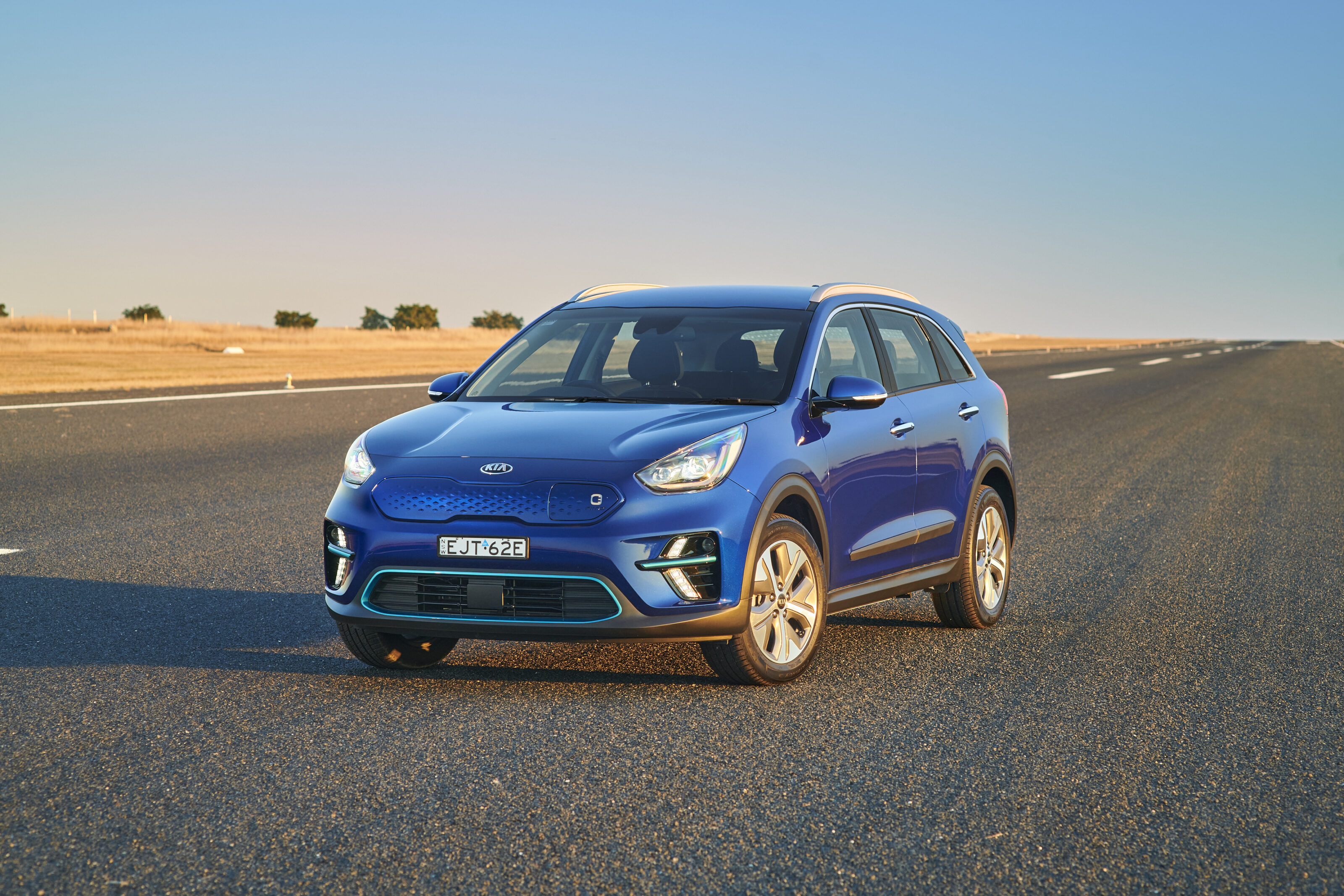
According to The Korean Car Blog, the incoming model will be powered by a 1.6-litre, four-cylinder internal combustion engine coupled with a permanent magnet synchronous electric motor – the same setup found in the existing Niro.
Combined with a six-speed dual-clutch automatic transmission, the “Kappa” engine produces 77kW and 147Nm on its own, but the electric motor bumps its figured up to a combined 104kW and 265Nm.
Currently sold as either a conventional hybrid or a plug-in hybrid, the former has a 1.56kWh capacity while the latter’s 8.9kWh capacity allows the Niro to drive for up to 58 kilometres in its electric-only mode.
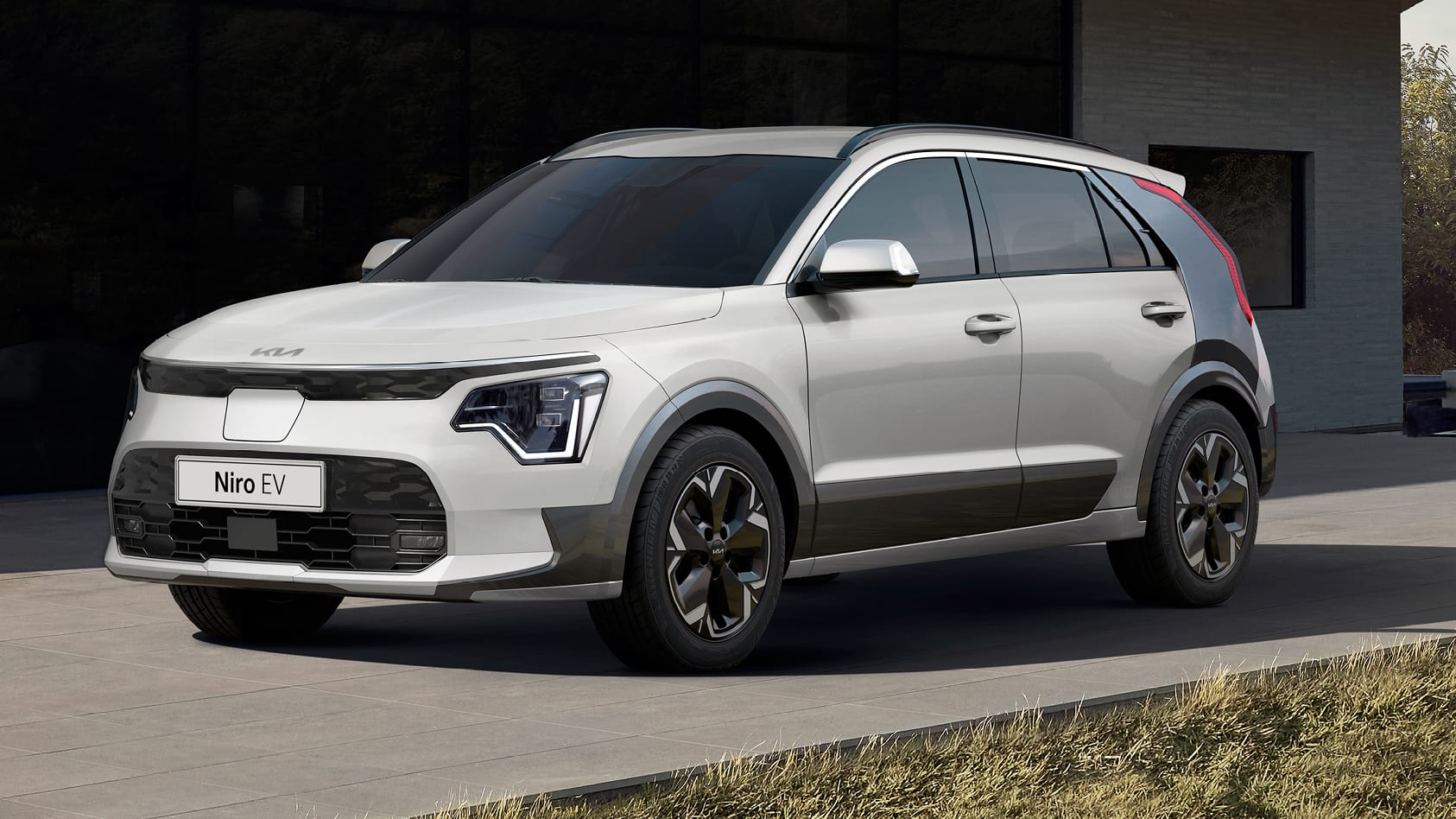
Also available is the e-Niro fully-electric vehicle, powered by a single electric motor on the front axle – which is able to deliver up to 150kW and 395Nm, as its 64kWh battery pack allows for a WLTP-tested driving range of 455km.
Specific details have yet to be confirmed for the 2022 Niro, although it’s likely to be launched globally in the second half of next year, with Australian pricing set to be announced closer to its arrival.
Snapshot
- Five-star safety rating applies to Staria and Staria-Load
- Manual Staria-Load currently unrated
- High praise given for adult and child occupant protection
Hyundai’s latest vans have been signed off by Australia’s crash test authority with a top score of five stars, applying to all automatic variants on the market.
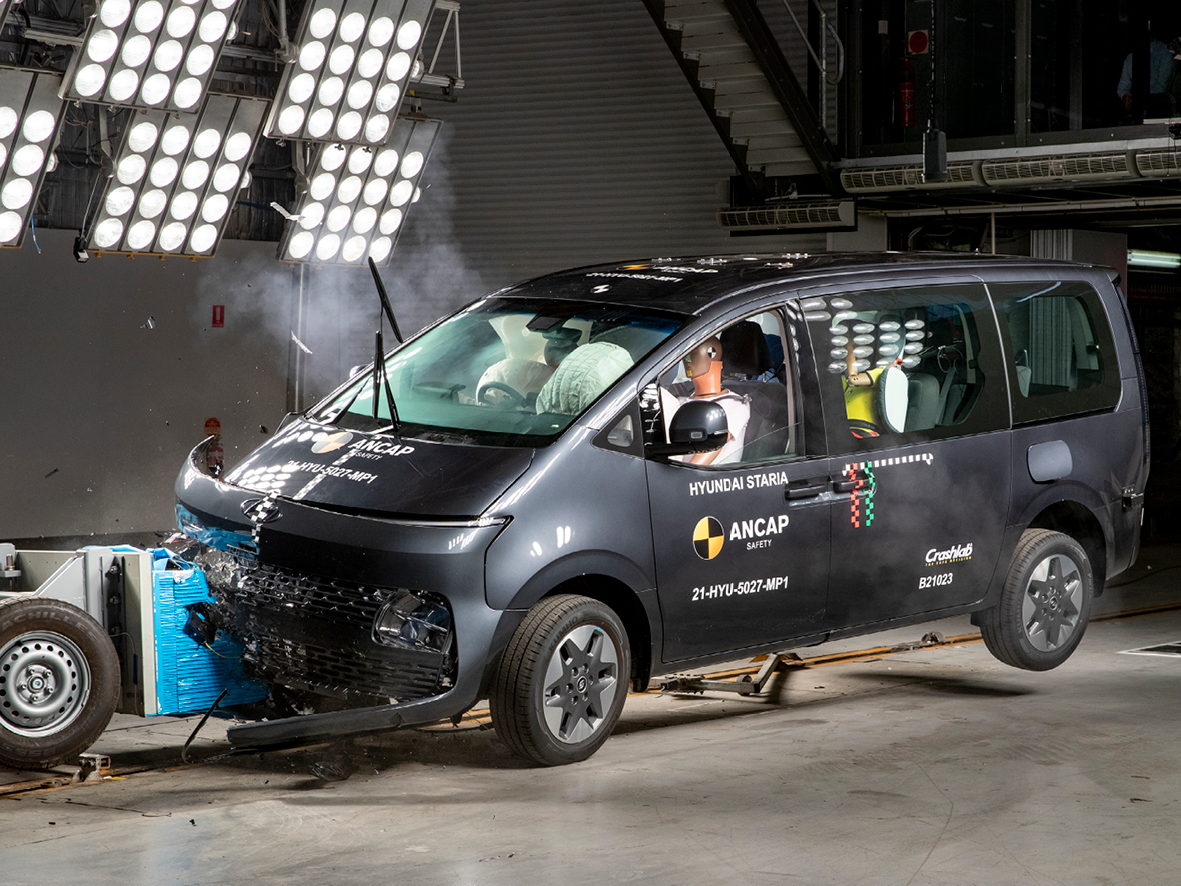
Released by Hyundai in September, the Staria people-mover and its Staria-Load commercial counterpart were recently subjected to ANCAP testing, with particularly strong results shown for occupant protection in the eight-seater model.
While it doesn’t apply to the Staria-Load due to its lack of rear seating, the child occupant protection score of 86 per cent was the highest-performing category for the Staria, as all tests (bar those of its on-board safety features) came within two points of full marks.
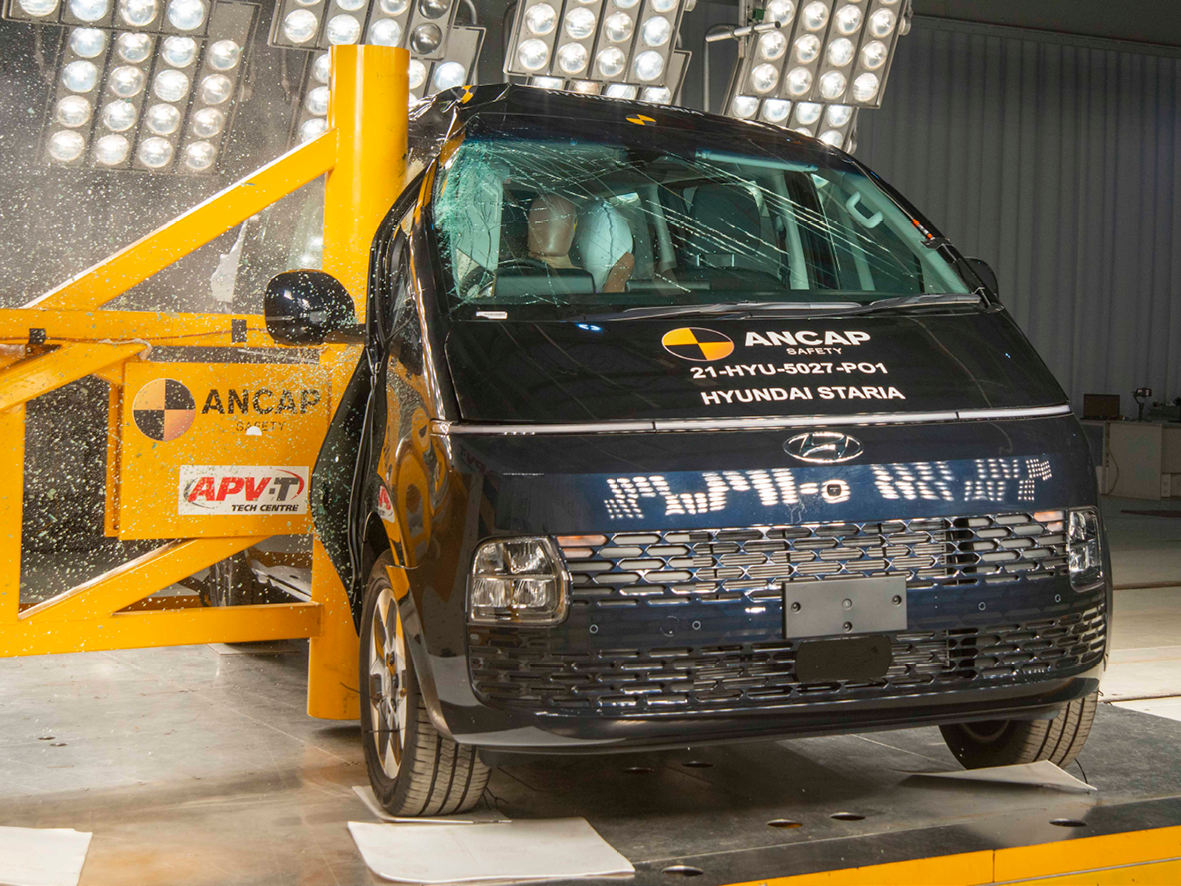
Applicable to all variations of Staria, next best was its adult occupant protection, which was rated highly at 85 per cent – taking full marks in the side impact, far side impact and rescue and extraction tests, with every other assessment again scoring within two points of a perfect result.
A lack of junction assist autonomous emergency braking ultimately cost the van a few points for its safety systems, although taking 11.9 points out of 16 allowed it to finish with a total of 74 per cent in this category.
Finally, its most harshly-marked tests were those in the vulnerable road user protection category, leading to a still-respectable result of 65 per cent, despite it coming within 0.44 points of only getting half the marks available for head impacts – a result which could have led to it dropping down to a four-star overall rating.
ANCAP CEO Carla Hoorweg praised Hyundai for both offerings in the Staria range, stepping up from the four-star rating of the iMax and iLoad it replaces.
“The safety rating for the Hyundai Staria will be well received by families and fleet buyers, with the Staria becoming the third vehicle in the people-mover segment to achieve a five star safety rating under ANCAP’s 2020-2022 criteria – the most stringent to date,” said Hoorweg.
“This is a highly-anticipated result for fleets, and a significant step forward from the previous generation vehicle that the Staria-Load replaces.
“For so many small businesses and tradespeople their vehicle is their workplace. By providing the full suite of available safety specifications in the Staria-Load, Hyundai has shown strong commitment to the safety of Australian and New Zealand road users and we expect this five star result will be well-received by fleets and commercial buyers.”
Volkswagen has rolled out an over-the-air (OTA) update for its new ID electric cars that enables a longer driving range ahead of bi-directional capability in future models.
The OTA upgrade sees the ID.3 and ID.4 equipped with a ‘version 3.0’ software update that increases the maximum charging rate from 125kW to 135kW for models with the 77kWh battery. The upgrade reduces the five to 80 per cent charging time by up to nine minutes.
Existing owners will also benefit from the upgrade via an over-the-air update which introduces a new Battery Care Mode. This allows users to stop the battery charging at 80 per cent to help extend its life.
Additional changes have been made to the charging menu on the infotainment screens that is “a more informative and clearer way” of understanding the battery settings.
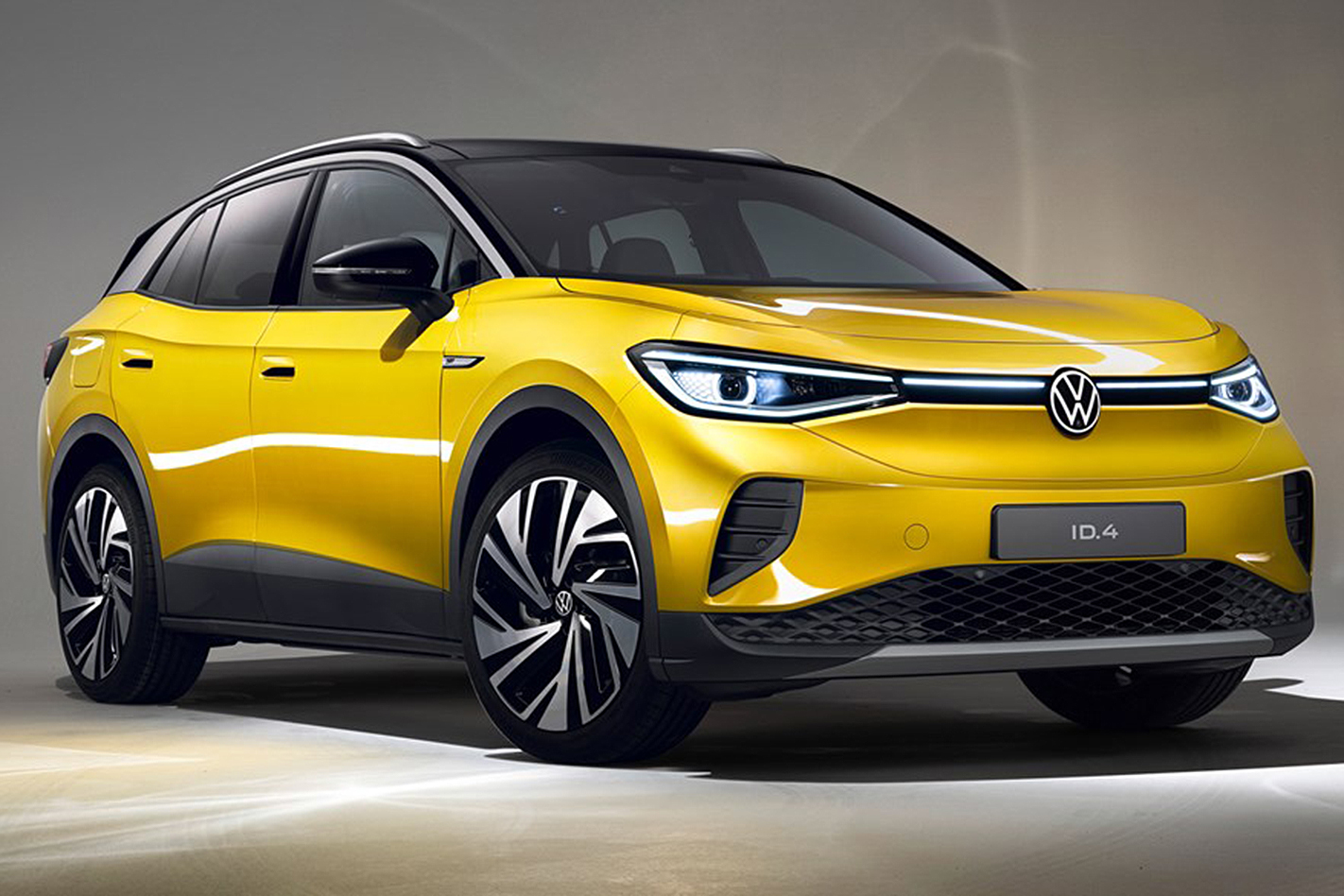
Like Hyundai and Mitsubishi, VW has also will also introduce bi-directional charging on its models. This allows EVs to feed electricity back into the grid or to power your home as long as your house has a bi-directional wall-box fitted (and the regulations for it are still being confirmed in Australia).
Another feature introduced in 2022 will be a new authentication process for public charging. VW claims “encrypted and secure communication… will be started between the car and charging station as soon as the customer plugs in the charging cable”.
Called Plug & Charge, the process is said to take a few seconds and avoids the need to scan membership cards or debit cards to begin charging. It will be possible on Ionity, Aral, BP and EON networks throughout Europe next year, with discussions with other providers “ongoing”.
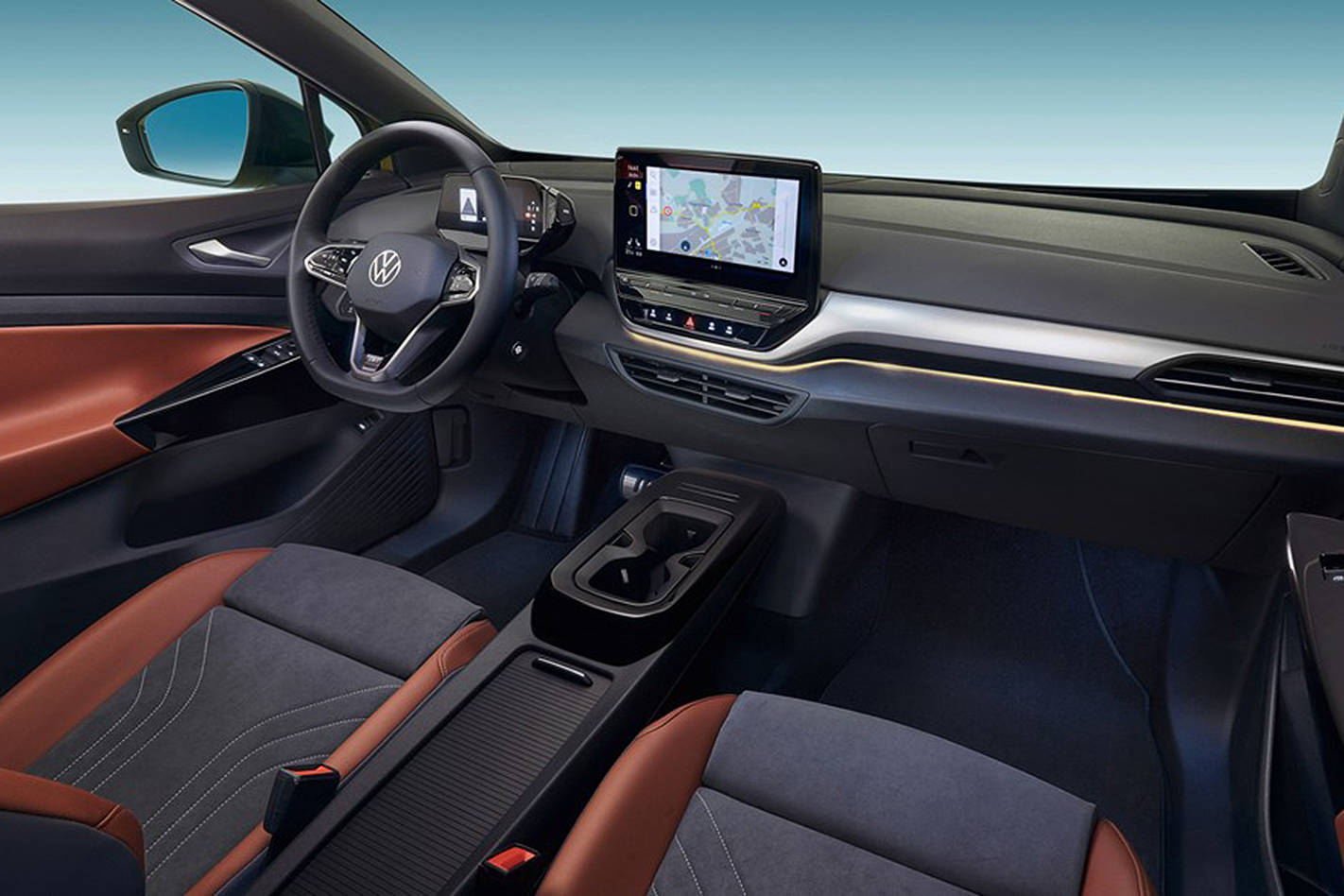
Elke Temme, head of charging and energy at VW Group Components, said: “The goal is to ensure that an electric vehicle is capable of being a customer’s primary car, without compromises.
“That is why we are building a complete charging ecosystem, with residential charging solutions and a rapid expansion of the fast-charging infrastructure required for mobile charging, as well as competent advice, comprehensive charging tariffs and the right fleet solutions for business customers.”
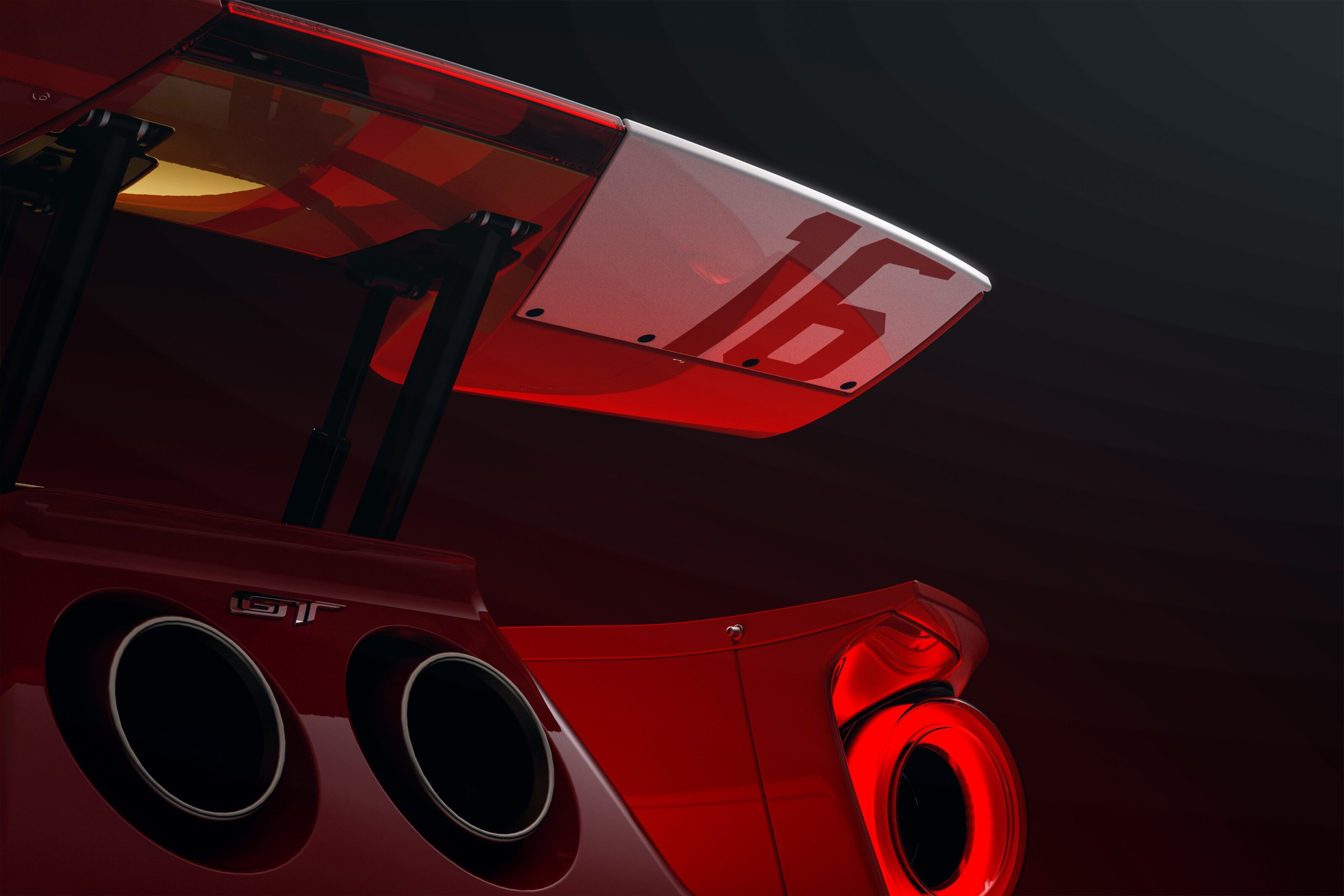
An additional Ford GT Heritage Edition is on the way, with the carmarker teasing a new version inspired by Alan Mann Racing.
The red, white, and gold supercar has been developed to pay homage to a pair of experimental race cars built by Alan Mann’s team in 1966 – which helped to create the winning formula for the GT 40 at the 24 Hours of Le Mans.
His crew was also successful in the 1965 European Touring Car Championship and placed second at the 1964 Monte Carlo Rally.
With the MkII GT 40 used at Le Mans instead, the prototype cars were never raced directly by Ford, but featured lightweight panels and additional modifications.
Teased by Ford Performance in a pair of social media posts, the images showcase a gold strip running across the bonnet and rear wing – and likely the roof too. In an identical fashion to the historic racers, there are also a set of white stripes surrounding the gold hues.
It is currently unknown if Ford has made any modifications to the modern vehicle, however efforts to reduce the weight of the GT could be seen.
The latest GT model comes just months before production of the reborn supercar is set to end, with the nameplate bowing out in 2022 for a second time.
More information surrounding the Ford GT Alan Mann Heritage Edition is expected in the coming weeks, with these images suggesting an unveiling of the special model is imminent.
FEDERAL
EVs are subject to a higher Luxury Car Tax threshold of $79,659 compared to $69,152 for non-EV vehicles, saving up to $3152.
NSW
Rebate of $3000 for new EVs valued up to $68,750 (with 25,000 rebates offered). No stamp duty for EVs under $78,000. NSW is eyeing a similar 2.5c/km EV tax as Victoria but it’s been shelved until at least 2027.
VICTORIA
Rebate of $3000 for new EVs valued up to $68,740 (with 4000 rebates offered and another 16,000 shortly to be added). For vehicles over $68,740, stamp duty is reduced to $8.40 per $200 of value (versus $18 for other vehicles). Annual $100 discount for EV registrations. These incentives, however, are offset by a controversial new 2.5c/km annual ‘road tax’ already in effect.
QUEENSLAND
EV owners pay reduced stamp duty – $2 per $100 up to $100,000 and then $4 per $100 thereafter. That compares to $6 per $100 for conventionally powered vehicles.
SOUTH AUSTRALIA
An incentive bill is currently yet to be passed in the SA government. The South Aussies are also eyeing a similar 2.5c/km EV tax as Victoria, although currently it’s deferred until 2022.
TASMANIA
No stamp duty on new and used EVs up to two years old, saving as much as $2000.

WESTERN AUSTRALIA
Professional drivers – Ubers, taxis, charter vehicles – are exempt from a 10 percent on-demand transport levy. An EV Home Plan Incentive offers $200 for the first year, then 60km free per year for home charging during off-peak periods.
AUSTRALIAN CAPITAL TERRITORY
No stamp duty for EVs. Two years’ free registration. Interest-free loans up to $15,000 to support an EV purchase.
NORTHERN TERRITORY
Free registration for five years from July next year. Stamp duty discount of $1500 for EVs up to $50,000.
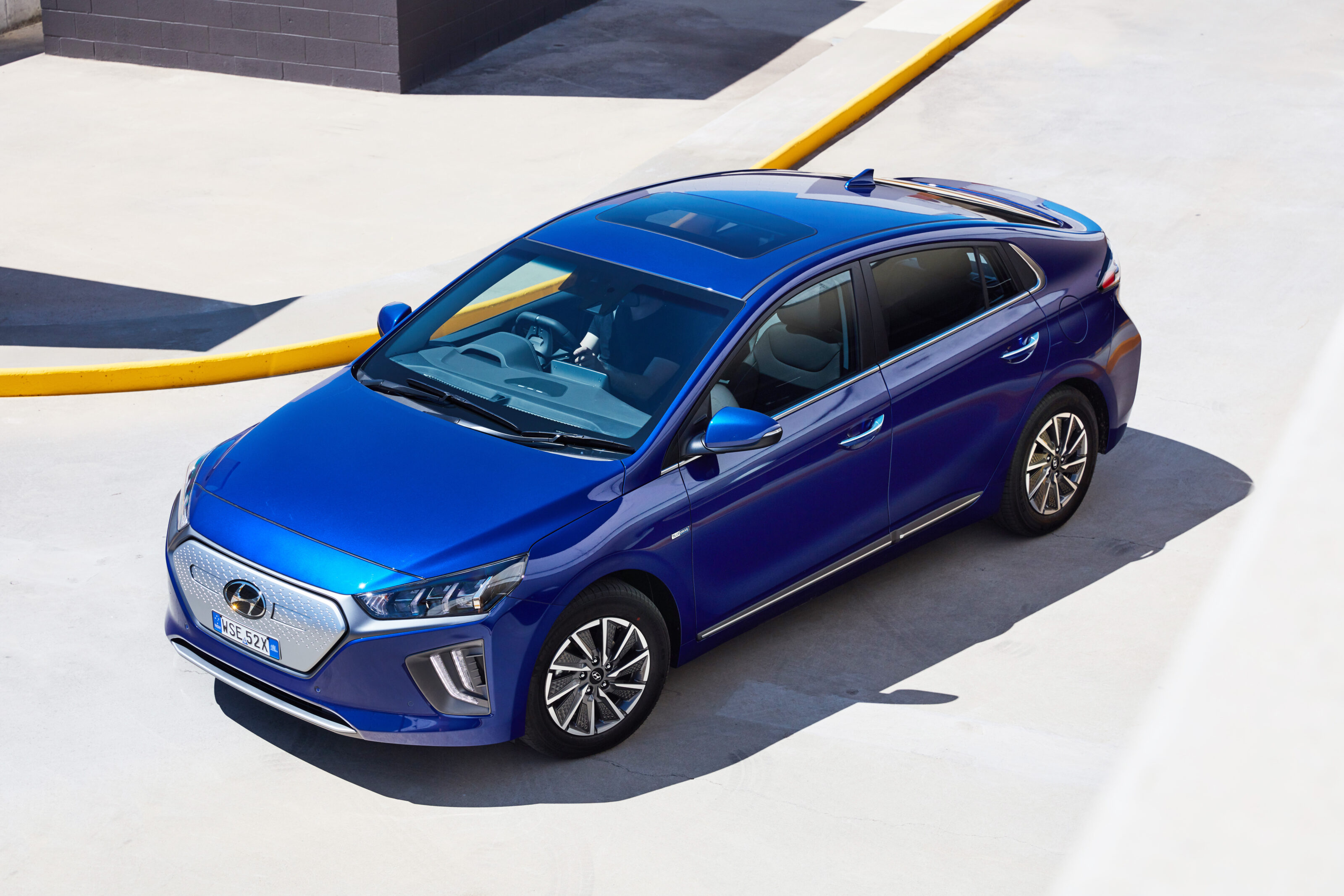
Snapshot
- New Manthey-Racing package offers suspension, brake, aero and wheel upgrades
- Flat-six engine remains unchanged
- GT3 MR is yet to take a crack at the Nu00fcrburging records
Porsche’s factory-backed skunkworks has turned its attention to the new 992-generation GT3, with Manthey-Racing making its own alterations to the model.
Launched earlier this year, the Porsche 911 992 GT3 has so far been heralded as a marked evolution over the previous 991 GT3, having lapped 17 seconds quicker around the Nürburgring Nordschleife course.
However, Manthey-Racing has found its ways to improve the breed, with the former 24 Hours of Le Mans winning outfit supplying its own upgrades to the 992 GT3 MR in an attempt to further enhance the rear-engined sports car.
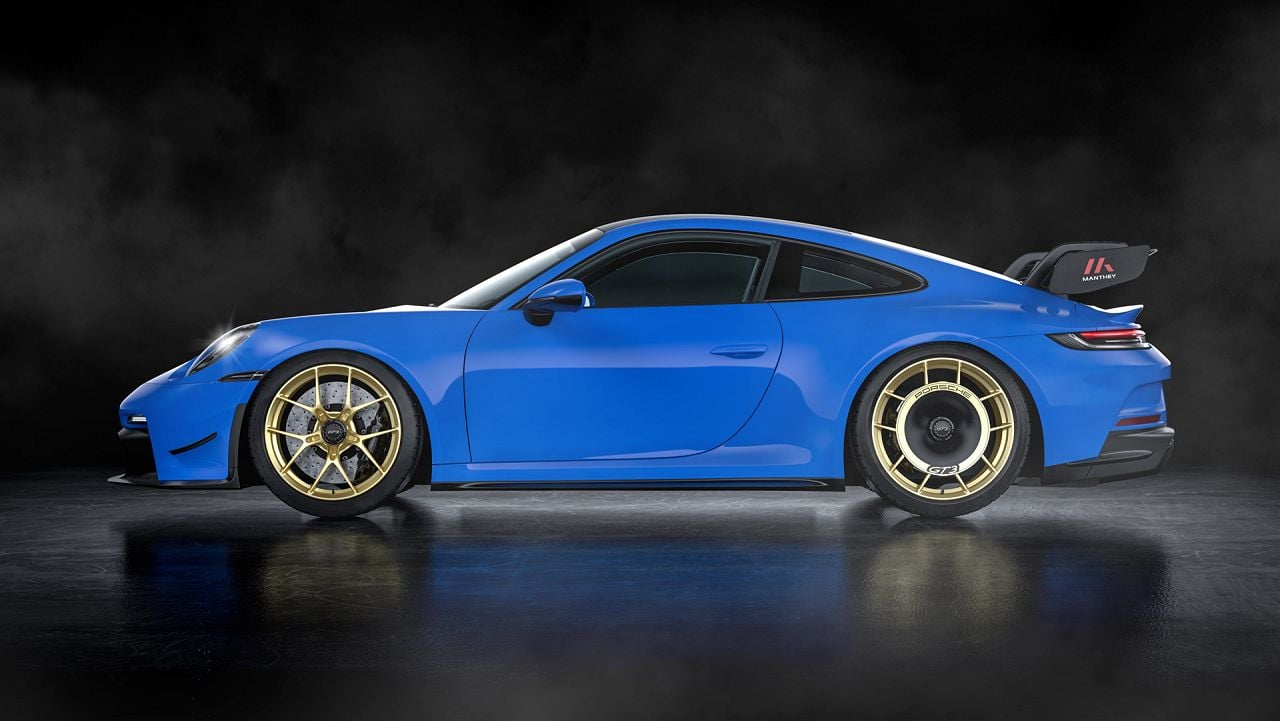
Under the skin, the biggest change comes thanks to a new four-way adjustable suspension kit, making use of the new double-wishbone front end, while the brake upgrade kit ensures it can stop harder and for longer, adding braided lines and higher-friction pads.
Although the aesthetic upgrades alter the looks of the GT3, there is function as well as form – the new front lip, splitter, flics, rear diffuser and carbon rear wing all increase the car’s levels of downforce, working in tandem with the aforementioned suspension upgrades to keep it stuck to the road.
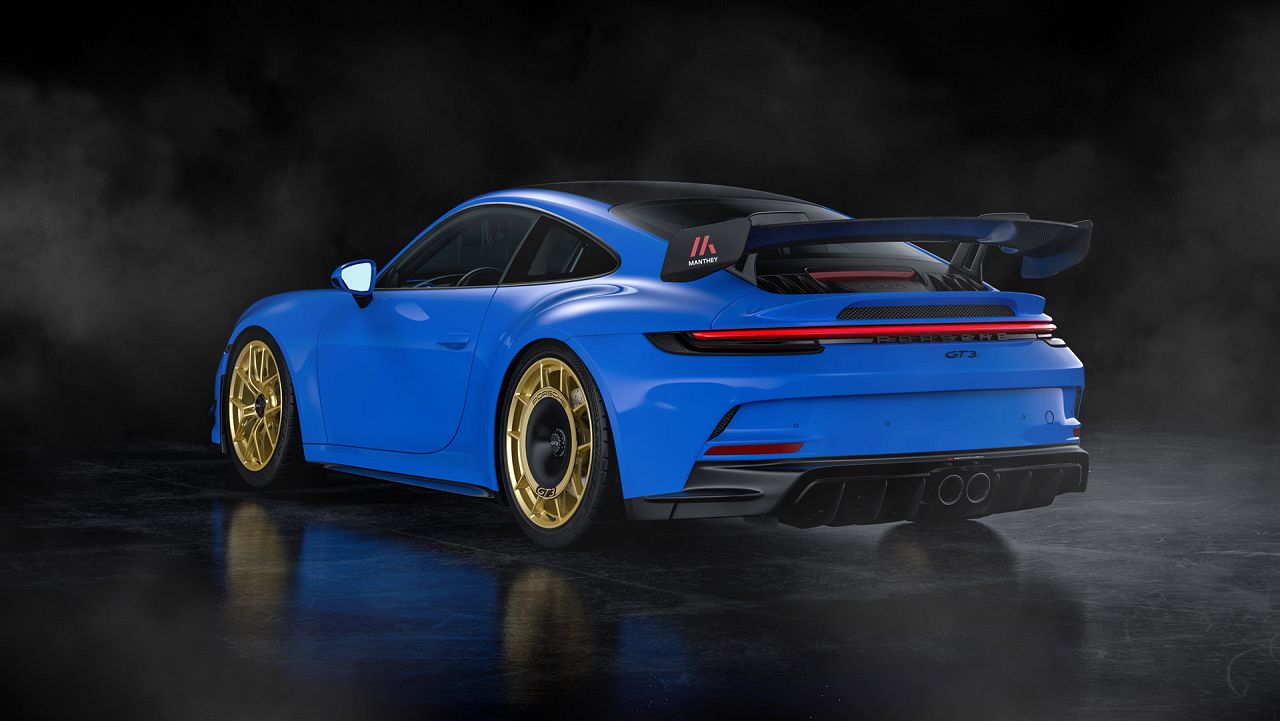
In addition to this, if one wishes to run the OM-1 lightweight wheels included in the package, a pair of aerodiscs can be fitted to the rear axle, redirecting the air to cool the brakes and increase its overall efficiency while cutting through the air at speed.
As with previous Manthey efforts, such as the GT2 RS MR, power and torque are unchanged at 375kW and 470Nm respectively – with buyers having to hold out for the GT3 RS if they want Porsche to extract extra oomph out of the four-litre flat-six.
Manthey hasn’t announced how much its package will cost, although when it is released in the second quarter of 2022, it will likely bump the GT3’s low-$400,000 cost closer to the $500,000 mark.
Australia was once a nation in love with the sports sedan: affordably priced vehicles with sensible five-seat packaging, and the ability to punch well above their tax bracket.
Over the years, however, the beloved sports sedan has suffered something of a fall from grace. SUVs rose to fashion and, since the demise of our local car industry, new development of notable examples has been few and far between.
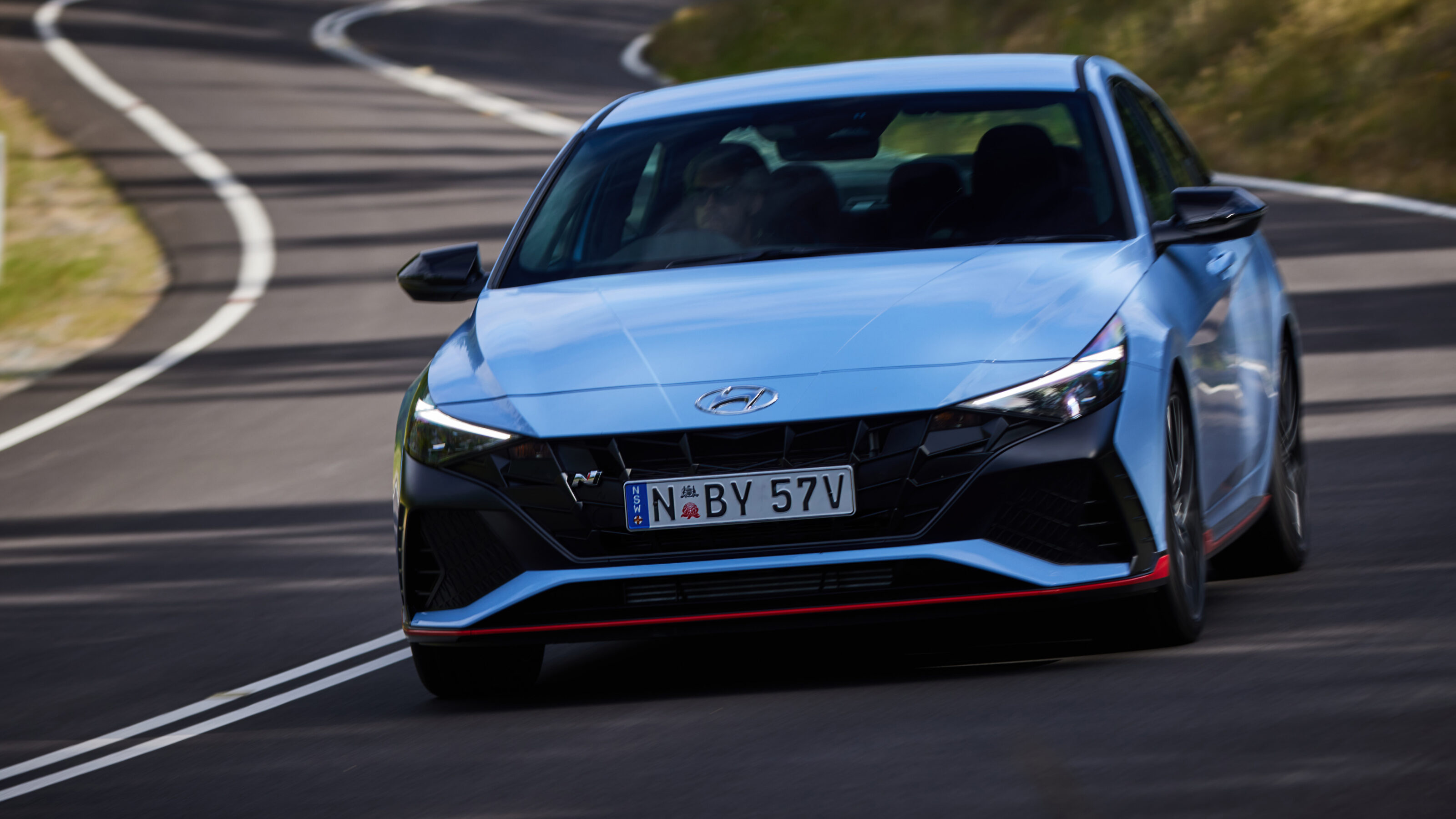
Now, Hyundai’s N Division has released the 2022 i30 Sedan N. A slick feature-filled performance sedan keenly positioned at $49k (before on-road costs), representing one of the most compelling cases for a circa-$50k sports sedan in recent times.
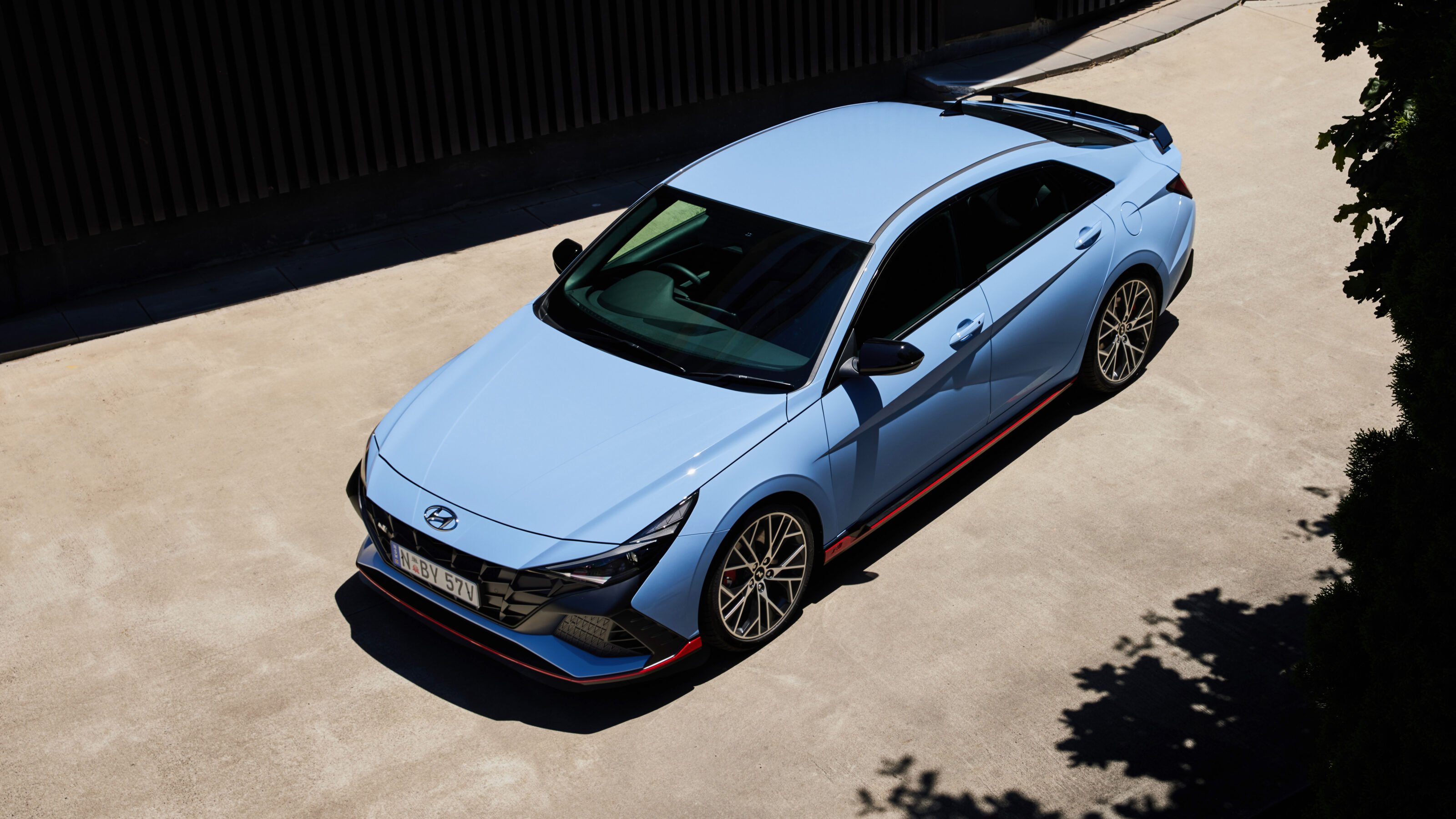
There is only one-spec on offer, so you get the proverbial lot. The only additional costs you can opt for are the sunroof ($2000) and premium paint ($495).
The i30 Sedan N (known overseas as the Elantra), rounds out Phase II of N Division’s rapid rise to stardom within the pantheon of performance cars. The range now consists of the i20 N, i30 N Hatch and Kona N SUV, with the latest offering adding a booted sedan body to the fast family mix.
With eyes on the future, N Division have hinted that the next car in the pipeline will likely be electric, so expect to get familiar with the current range of boosted Korean compacts. Without giving too much away, the Sedan might be the pick of the litter.
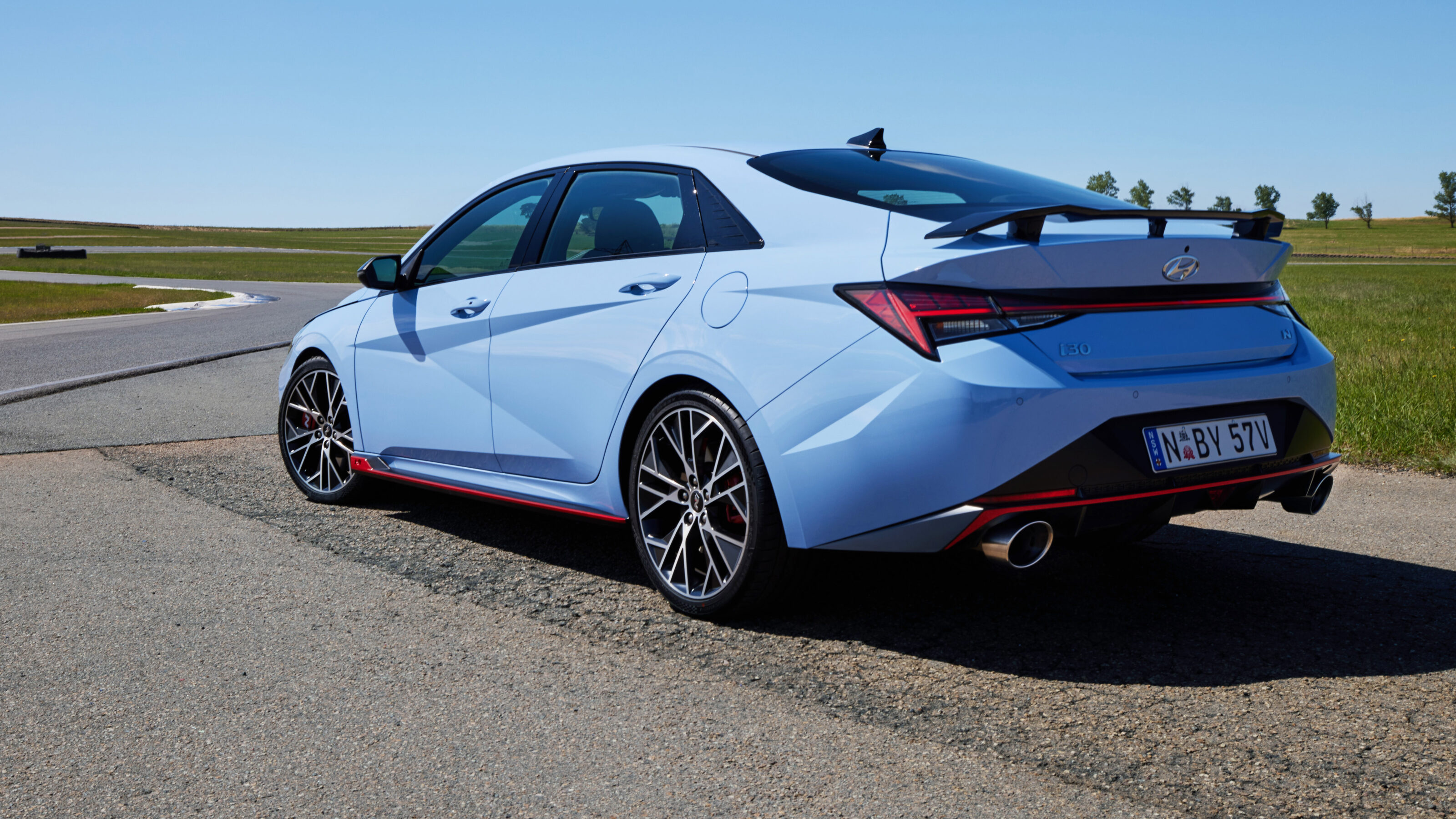
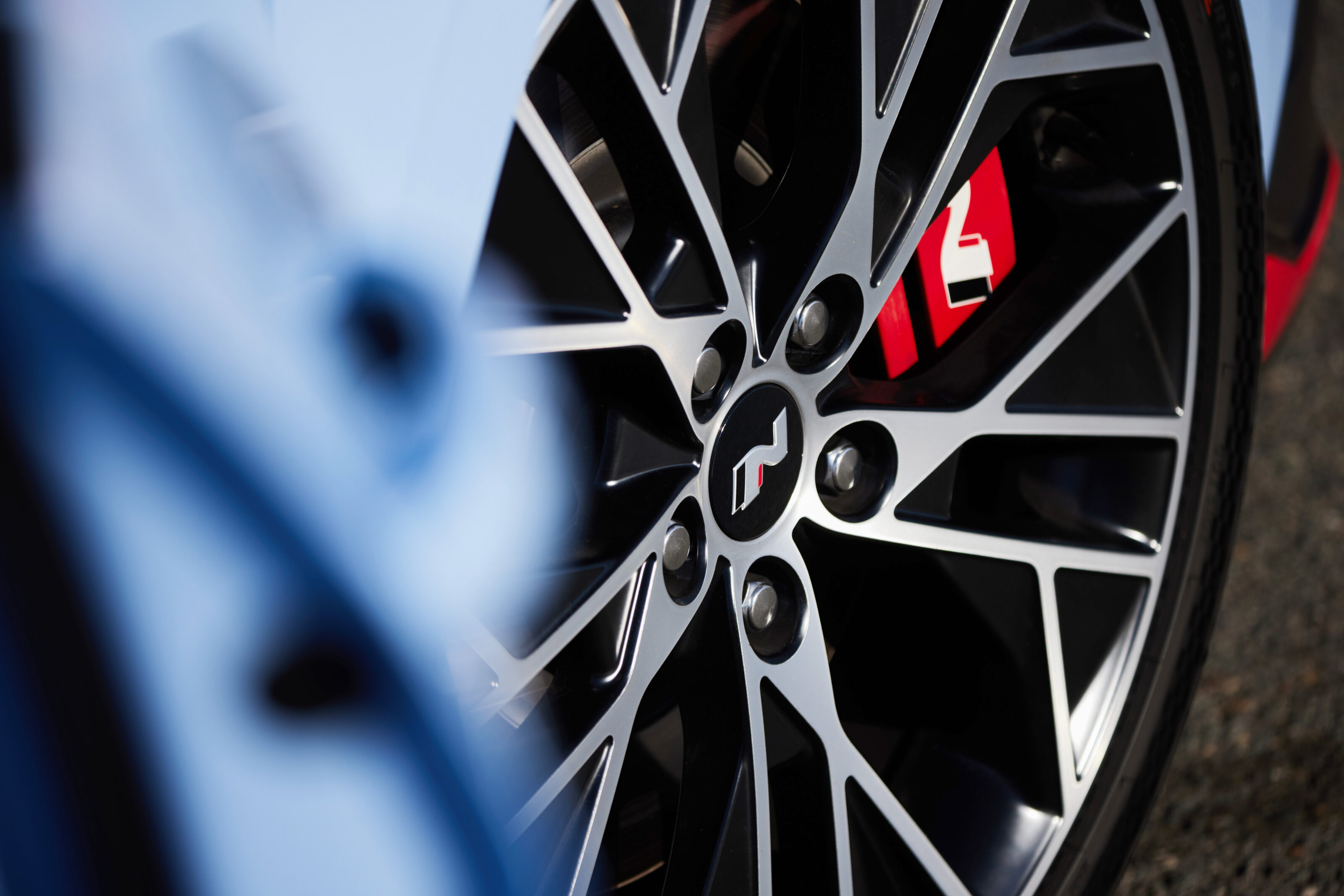
It’s generously equipped for its price point, featuring automatic LED front lights and LED rear lights, active variable exhaust, e-LSD, eight-speaker Bose premium sound system, 10.25-inch digital cluster, 10.25-inch central infotainment screen, Apple CarPlay/Android Auto, keyless start, wireless charging pad, heated and ventilated N Sport front seats, leather upholstery, ambient lighting, dual-zone climate control and 19-inch cast alloy wheels.
There’s also an extensive safety suite as standard, including: blind-spot monitoring, forward collision-avoidance assist, driver attention warning, lane-keep assist, lane-following assist, rear cross-traffic collision avoidance-assist, tyre pressure monitoring, front and rear parking sensors and rear-view camera.
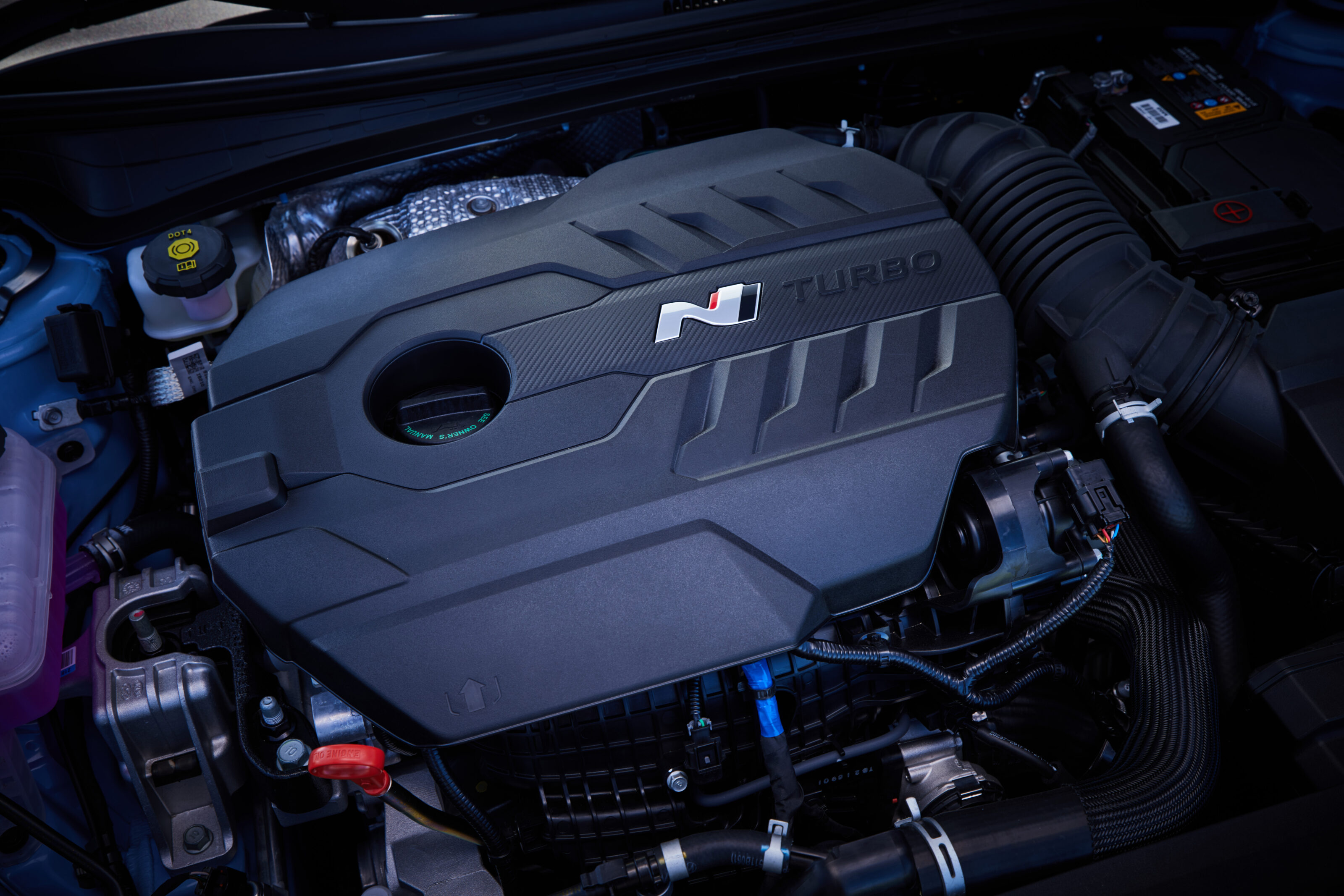
According to Hyundai, it’s also the fastest of the family, and based atop a newer, lighter and more rigid K3 platform. N Division’s prolific drivetrain returns, embracing the 206kW/392Nm 2.0-litre turbocharged T-GDI engine, driving the front wheels via a wet-style eight-speed dual-clutch transmission, or a no-cost option six-speed manual for the three-pedal enthusiasts.
While the main oily bits remain the same, the i30 Sedan N is a vastly different beast under the skin.
The most radical development occurs underneath the front end, with the Sedan N debuting a WRC-derived integrated drive axle (IDA), which reduces complexity and parts count, unsprung mass (1.7kg per corner) and increases rigidity by 55 per cent over the prior flagship i30 Sedan N-Line.
Under the bonnet, the sedan’s larger engine bay allowed engineers to further optimise the intake system, further honing the plumbing with shorter and straighter airflow paths.
Fire up the starter button, set off down the road and the sedan quickly distinguishes itself from its stablemates. The first revelation is how comfy and plush the ride is.
Normal and Sport suspension settings within the Electronically Controlled Suspension (ECS) have received a unique localised tune. In Normal mode, the Sedan feels plusher than even a Kona N. It’s impressively damped, even more so when you consider that spring rates have increased by 23 per cent at the front, and 49 per cent at the rear, over the existing N-Line. On the highway, it wafts over bumps with a calm rise and fall, with excellent body control under bump and compression.
Varying modes for exhaust, powertrain, suspension and steering offer huge levels of configurability across various aspects of the vehicle. The ability to pre-save two custom settings, toggled intuitively and easily by the two wheel-mounted N buttons, enables you to transform the car’s character to whatever suits the road ahead.
The Sport Suspension setting is perfectly palatable on pockmarked country roads when driving dynamically. N Mode is a performance catchall setting and bears identical tuning aspects to overseas examples. It’s probably best suited to circuits but can be engaged on some smoother roads although there is noticeable jostling and minor head toss over juts and harsh bumps.
The longer wheelbase (2720mm v 2650mm compared to the hatch) yields great high-speed stability, and the local arm has specifically pushed for factory-fitted Michelin Pilot Sport 4S tyres while finalising local packaging. It’s a fruitful decision, as the square-set 245-section tyres boast a greater contact patch than the 235-section Pirelli P Zeros found elsewhere in the showroom. The Michelins, a bespoke blend made specifically for N Division, offer a wider operating window than the Pirellis, too, which are more sensitive to both cold temperatures and heat. They’re also noticeably quieter than the Pirellis.
As our launch route transitions from highway to country road, the pace increases and the car responds in earnest.
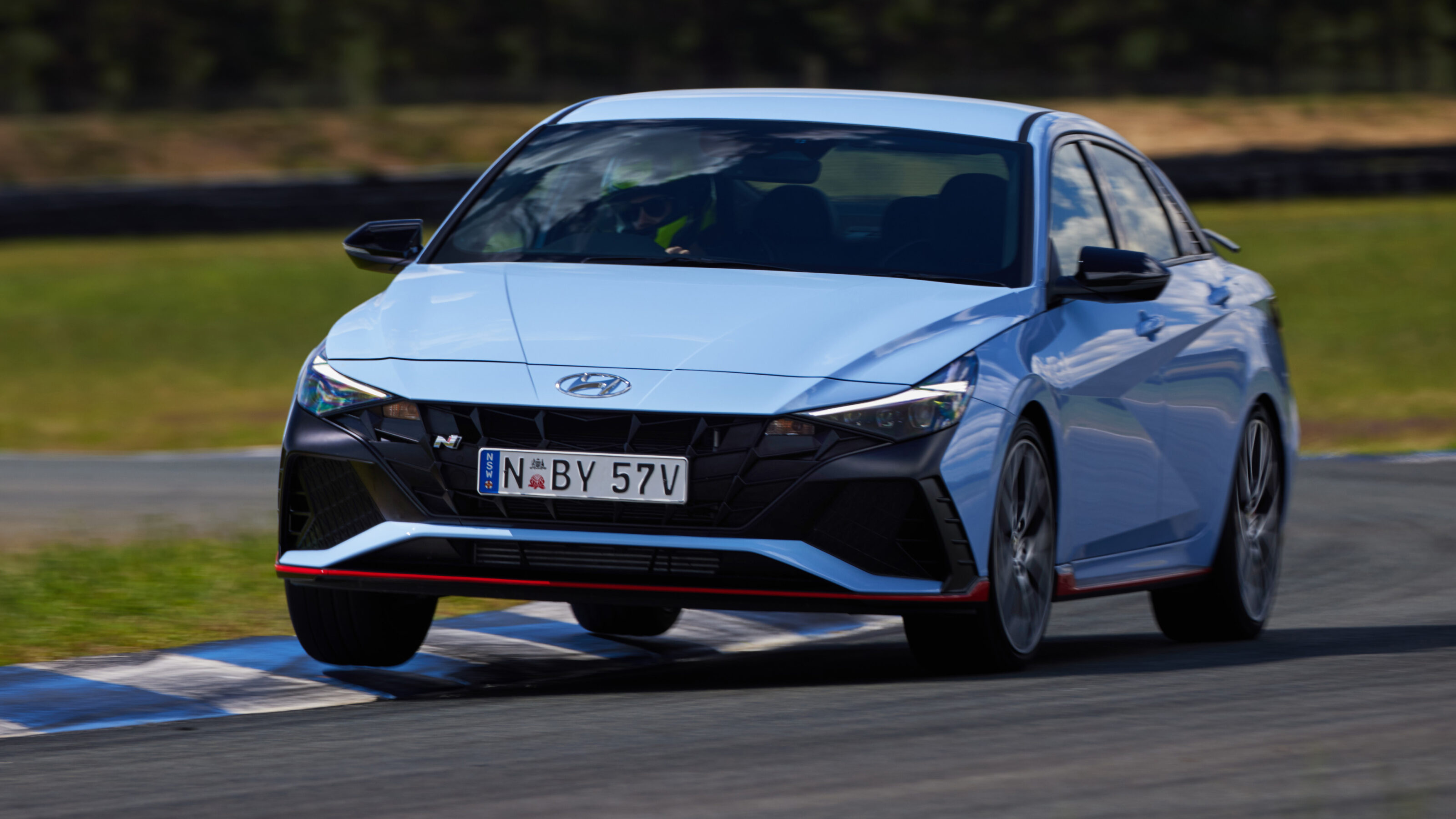
The lighter and more rigid front end results in quicker steering and a more immediate response on corner entry. There’s less of a deadzone on-centre and the weight of the steering feels marginally lighter, compared to the i30 N hatch and Kona, but no less precise.
The front tyres do get worked hard, although the front end is always composed and very confidence inspiring. You can feel the electronically controlled limited-slip differential working mid-corner on throttle. It’s a very adjustable car, and very receptive to mid-corner inputs. The front axle will experience push understeer at the limit, but it’s very progressive and you can tighten your line often via steering or by simply scrubbing speed by easing off the throttle. You can provoke oversteer upon liftoff and, even in ESC sport, you can achieve decent levels of yaw without the safety net steeping in.
The e-diff continues to work its magic on corner exit, with no detectable axle tramp and minimal torque steer. You can power down much earlier than you expect, with confidence in the car to pull you round.
As the fast and wide flowing roads shrink to smaller tree-lined lanes, it feels smaller than its 4675mm length suggests. In its lightest guise, manual without sunroof, the i30 Sedan N is actually 2kg lighter than the equivalent i30 N Hatch (1445kg v 1447kg). Basic DCT-equipped hatches and sedans are lineball on kerb weight, at 1480kg, despite the sedan measuring a significant 22cm longer in overall length.
In many ways, it feels like a longer Civic Type R, although the power delivery is more instant and linear in its delivery. The Sedan N shares Hyundai’s ‘flat-power’ tuning philosophy, delivering max torque from just 2100rpm through to 4700rpm. Power takes over at the top end, carrying the baton from 5500rpm through to 6000rpm. A standard-fit variable exhaust delivers the N family’s signature array of crackles and pops, and sounds even louder and more aggressive than its brethren, signalling liftoff under hard load with a battery of hellish whipcracks.
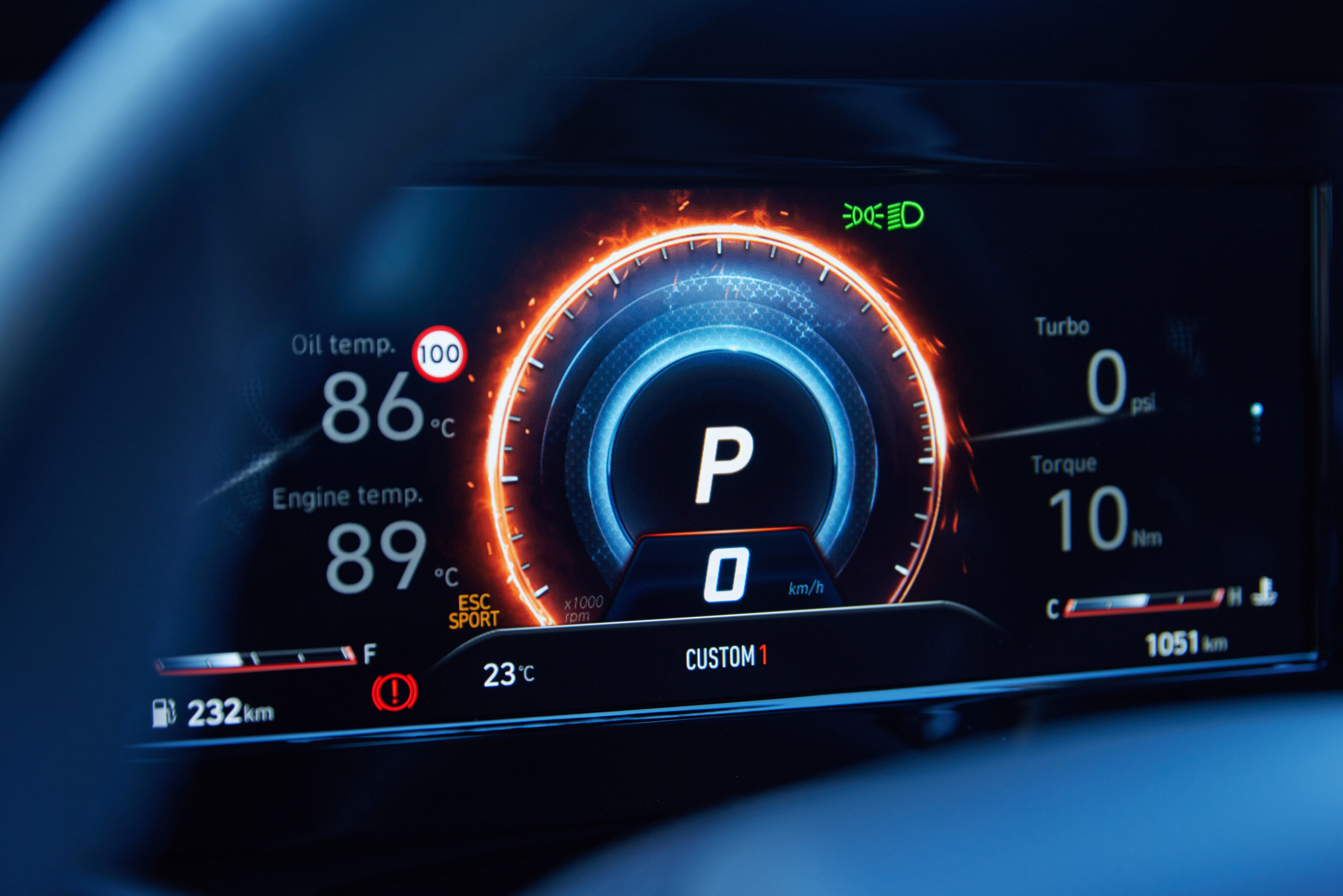
In practice, there’s virtually unending thrust and instant response from around 3000rpm, with no detectable drop off before the digital cluster flares red to signal your shift point.
Matched with the eight-speed DCT, it’s an incredibly capable and efficient car to cover ground in. At speed, shifts are a solid and frenetic yet it remains smooth and largely seamless around town. Left to its own devices, the gearbox’s logic is intuitive and decisive, only occasionally settling in a gear to high if you don’t input enough throttle on corner exit. You can easily overcome this by taking the large aluminium paddles into your own hands.
Opting for the eight-speed includes further driver functions, including what’s effectively a push-to-pass overboost. Hit the big red button marked ‘NGS’ (N Grin Shift) on the steering wheel, and a 20-second countdown appears on the digital cluster, temporarily drawing an extra 7kW from the single-turbo four-pot. At more than 90 per cent throttle application, the twin-pack gearbox minimises torque-drop between shifts with a function called N Power Shift (NPS).
Sadly, these functions aren’t compatible with the six-speed option, the big red button instead toggling Hyundai’s effective rev-matching function. Purists will be glad to know that the three top-mounted pedals are easily heel-toe compatible. Shift action is buttery smooth and accurate, with a light and springy clutch. The throw is long and somewhat weightless, lacking the tactile satisfaction of other units. For those, like me, who like to sit close, it can feel like you’re ‘reaching back’ somewhat when grabbing second, fourth and sixth. It’s a good and effective gearbox, but not a fantastic one.
The launch program of the i30 Sedan N welcomely included a day with Sydney Motorsport Park’s GP circuit at our disposal. Despite hot ambient temperatures, the cars deftly handled almost everything we threw at it. It’s a tremendously composed car, nudging 200km/h down Brabham straight and relishing a 170km/h entry speed through Turn One with both front and rear ends holding fast under steady state throttle. Turn Two, often a double apex, illustrates the effectiveness of the e-LSD, turning in for a single late apex and hugging the inside line with confidence.
Too scared to turn ESC all the way off? Intervention, even in Sport mode, never reared its head. The chassis is inherently well-balanced, shrugging off rapid direction changes, interspersed with a moment of hard braking, through Turns Nine and 10. It’s an involving thing to drive at the track and, with a few courteous cooldown laps sprinkled in between increasingly hot sessions, the large 360mm front, 314mm rear brakes didn’t fade and performed consistently throughout the day.
Considering its track day talents, the i30 Sedan N is a captivating multi-faceted package for its price point. There’s depth and maturity to its character, with the ability to effortlessly cruise around in comfort and transform into a capable corner carver with the touch of a button.
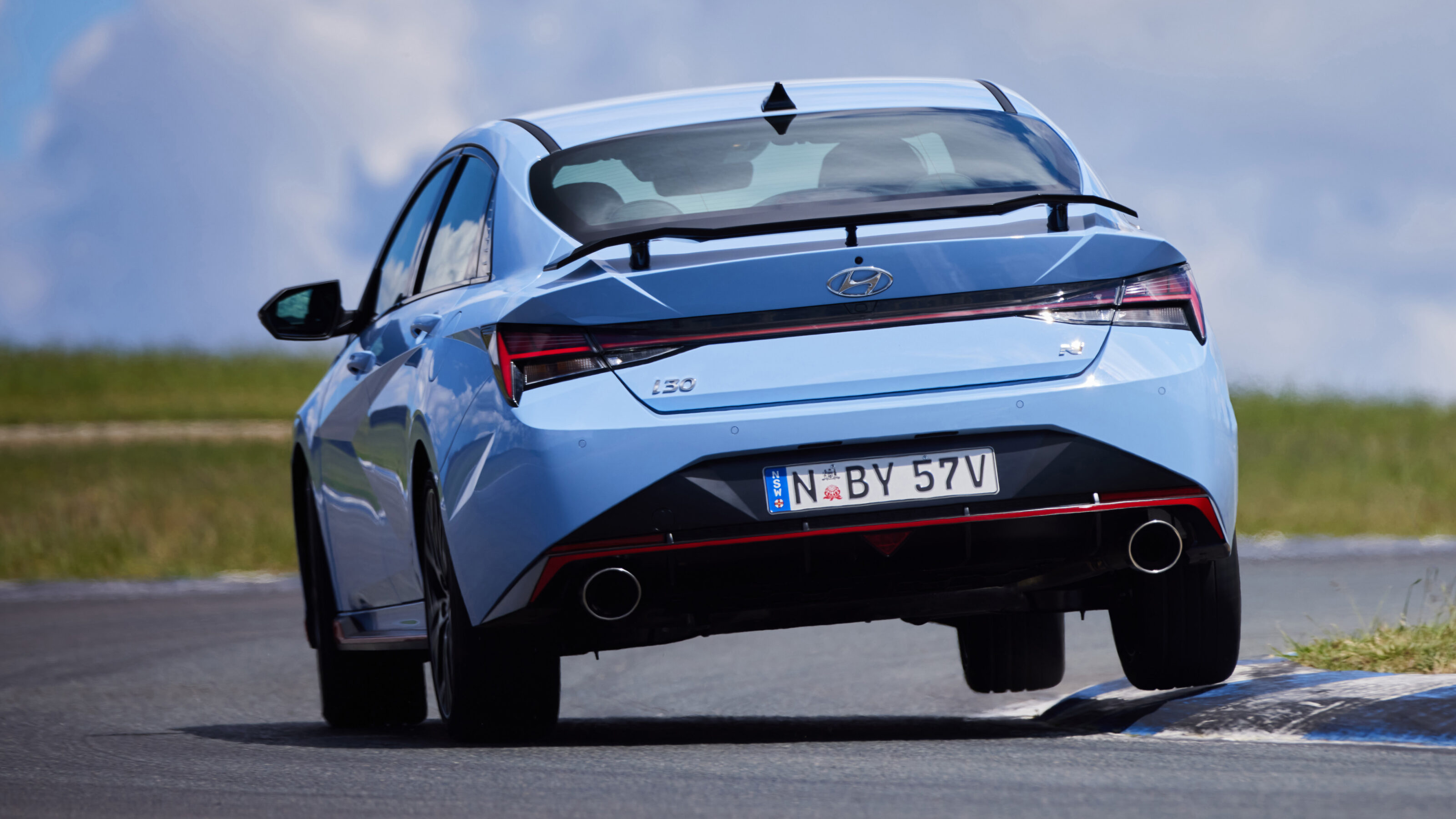
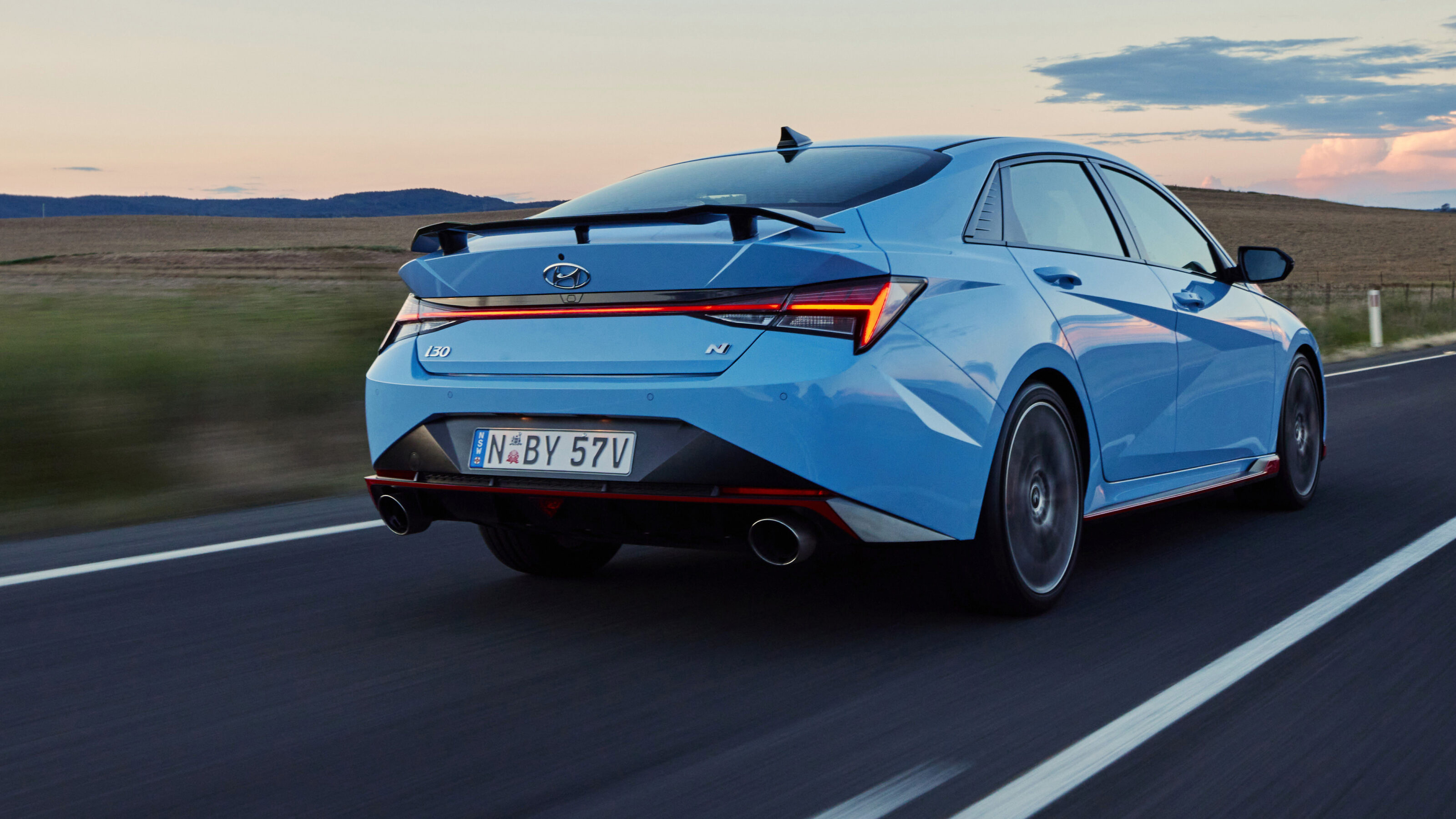
We even think it looks cool, if anything, it’s certainly striking. The dominating black elements of the front fascia are polarising, but rest assured it looks better in the flesh (for what it’s worth, we think Cyber Grey wears it best). The car looks purposeful, with huge exhausts, sensible wing-type spoiler, red highlights and chunky diffuser with N Division’s signature triangle rear fog light.
There are some quirks to note, however. Adaptive cruise control is, at a factory level, not available on the i30 Sedan which may irk some buyers. We couldn’t locate a digital speedometer option within the normal instrument display, without engaging N Mode; and the front parking sensors, particularly the front left corner, are prone to going off for no apparent reason when completely stationary (this was observed in multiple cars).
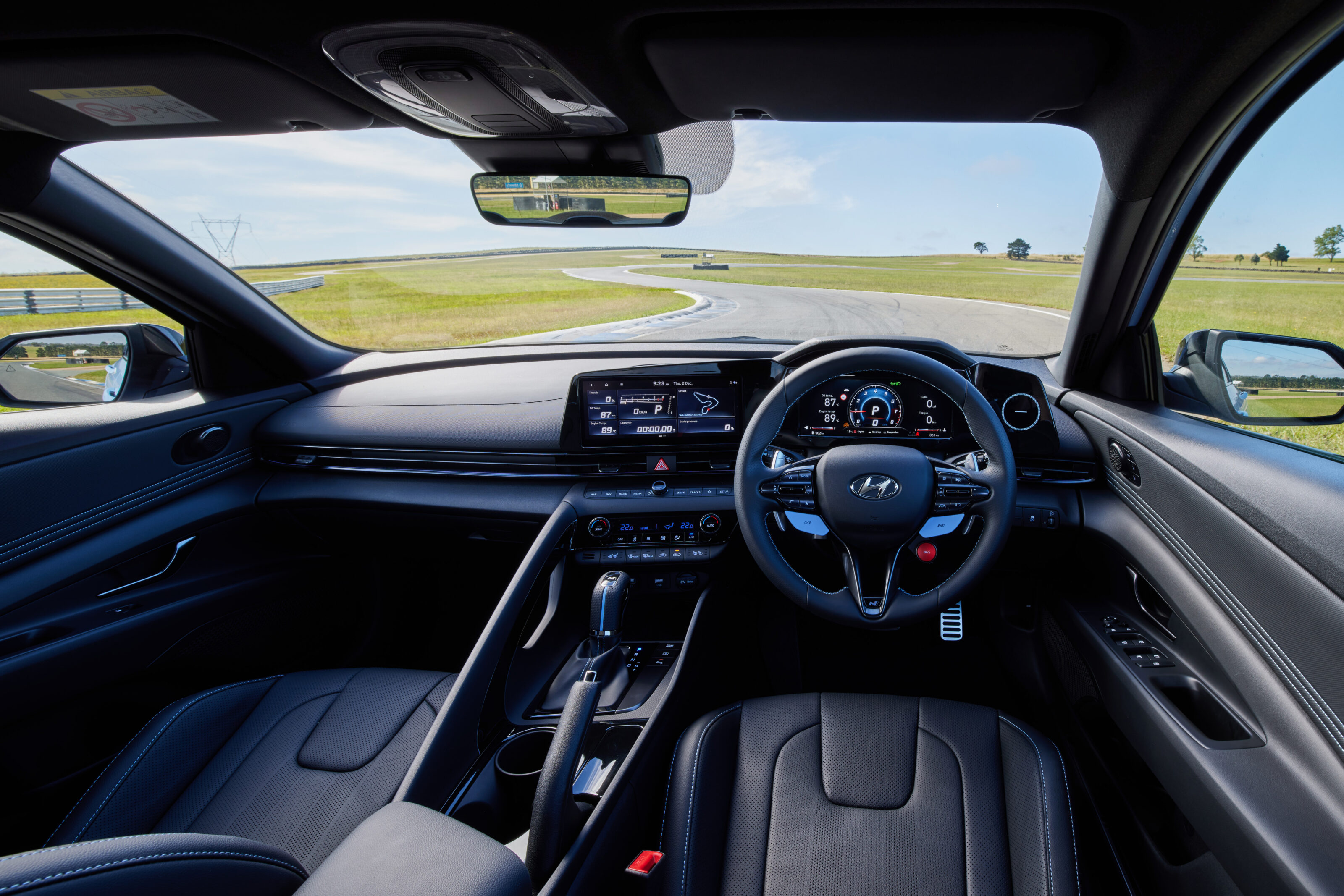
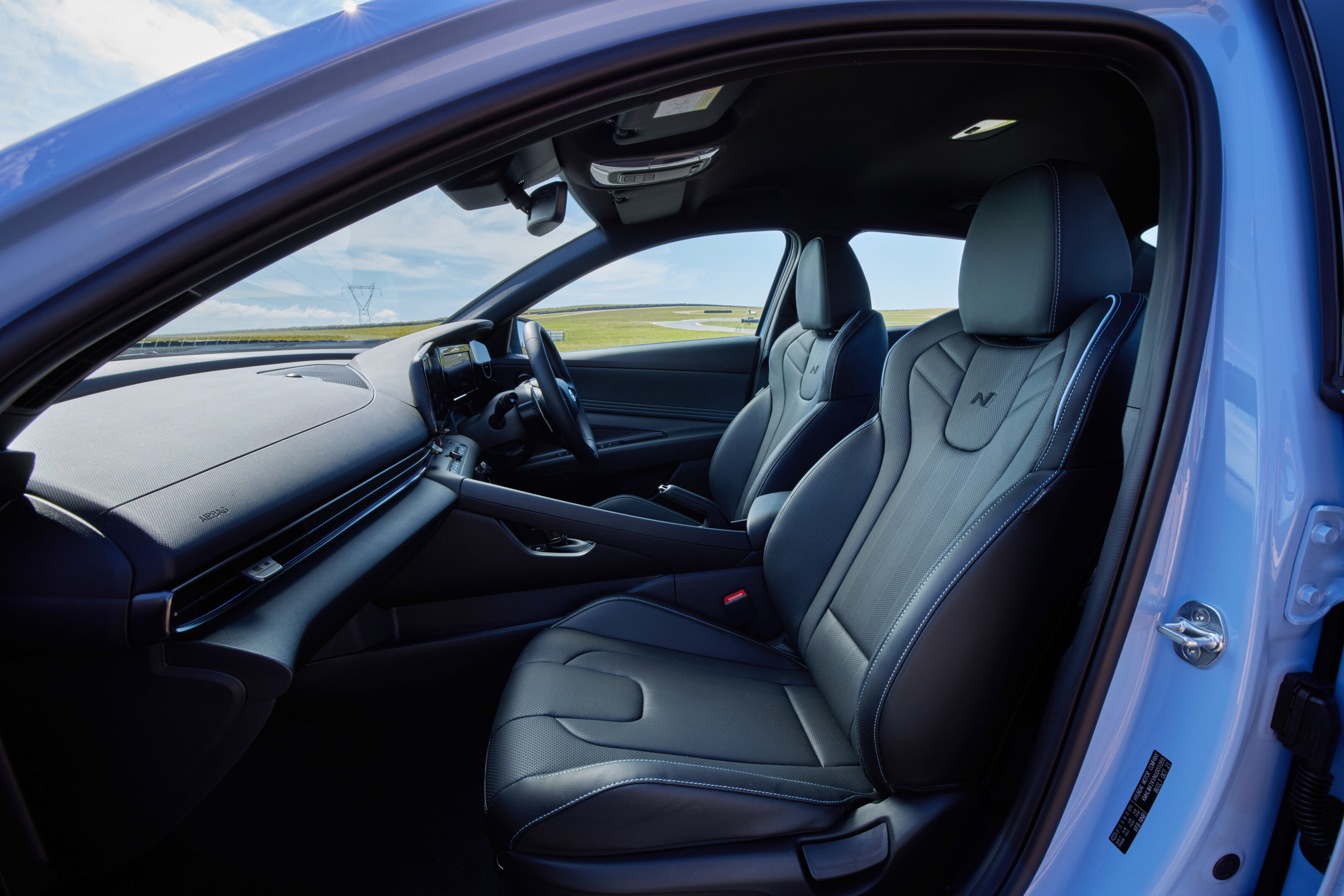
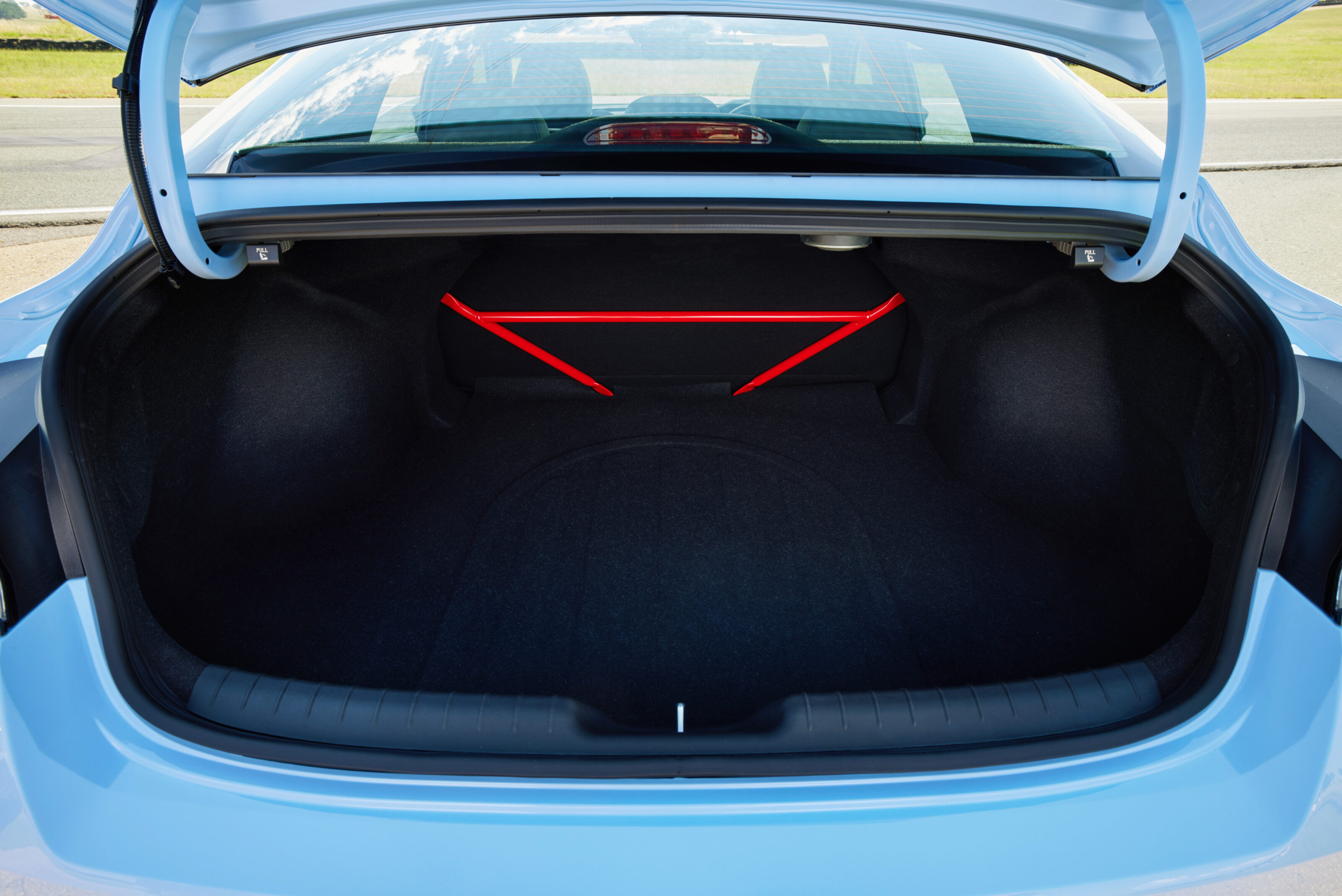
The interior feels solid, sharing most of its hard points and materials with the existing i30 Sedan N-Line. There is hard plastic to be found high on the dash and doors, but the N gains unique door inserts, steering wheel, shifter and seats to lift the ambience. The 10-way power adjusted driver seat can be set nice and low, although the passenger seat is manual with no height adjustment. The long wheelbase affords ample rear space for adults and the boot, at 464-litres, simply dwarfs the Kona N and i30 N hatch’s 361-litres and 395-litres, respectively.
So, the i30 Sedan N is the comfiest of the family, arguably the most practical and every bit as fast. Yet, its sales figures will likely be eclipsed by the more popular hatchback and Kona SUV bodies. That’s a shame, as it occupies a tremendously sweet spot in the range considering the price, equipment and performance included.
It’s hard not to admire N Division, established just four short years ago and, in that time, rapidly ascending to offer a range of segment leading products while upending established players. From here, the future roadmap enters a new chapter with eyes on the horizon as the focus further shifts towards electrification. If this is all we have for now, enjoy the spoils. N Division has saved one of its best for last.
2022 Hyundai i30 Sedan N specs
| Specification | Value |
|---|---|
| Body | 4-door, 5-seat Sedan |
| Drive | Front-wheel drive |
| Engine | 1998cc inline-4, DOHC, 16V, turbo |
| Bore x Stroke | 86 x 86mm |
| Compression | 9.5:1 |
| Power | 206kW @ 5500–6000rpm |
| Torque | 392Nm @ 2100–4700rpm |
| Power/Weight | 139kW/tonne |
| Transmission | 8-speed dual-clutch / 6-speed manual |
| Weight | 1480kg |
| Suspension | MacPherson struts, coil springs, adaptive dampers (f); multi-links, coil springs, adaptive dampers (r) |
| L/W/H | 4675 / 1825 / 1415mm |
| Wheelbase | 2720mm |
| Tracks | 1584mm front, 1579mm rear |
| Steering | Electrically assisted rack-and-pinion |
| Brakes | Dual-Diagonal, Split-Circuit, Power Assisted + EBD. Ventilated discs – 360mm front, 314mm rear |
| Wheels | 19.0 x 8.0-inch (front/rear) |
| Tyres | 245/35 ZR19 (front/rear), Michelin Pilot Sport 4S |
| Price | $49,000 |
Welcome to the MOTOR Awards 2021, where our team offer a tip of the hat to those that displayed automotive excellence in the last 12 months.
Sweetest Engine Note Winner: Gordon Murray T.50
Was there ever going to be anything to rival the GMA T.50’s naturally-aspirated Cosworth-built V12 that revs to 12,100rpm? While the T.50 isn’t the most powerful atmo engine around – heck it’s even eclipsed by the 499kW flat-plane crank V8 that’s wedged into the middle of the new Corvette Z06 – Gordon Murray’s creation was never about the numbers. Well, not those sort of numbers. Instead it’s all about purity and the ability to make the hairs on the back of your neck stand on end.
While we’d heard the engine at full noise in various mule cars, it wasn’t until October that we got to witness the T.50 on track at a wet Goodwood. While Dario Franchitti still seemed to be soft-pedalling it a bit, the noise was still absolutely astonishing, as pure a recreation of the V12 era of Formula 1 as you could ever hope to hear, with a bit of Brabham fan car genetics thrown into the mix for good measure.
Murray has often been able to identify the qualities that deliver enduring appeal. His McLaren F1 was a car that rewrote speed records, but had that car been only about its performance, it would have long since been relegated to a historical footnote.
Instead it was incredible for its engineering focus, its surprising practicality, and its obsessive weight saving. Shot throughout the F1 were example of Murray’s planet-sized brain at work. The GMA T.50 should be no different.
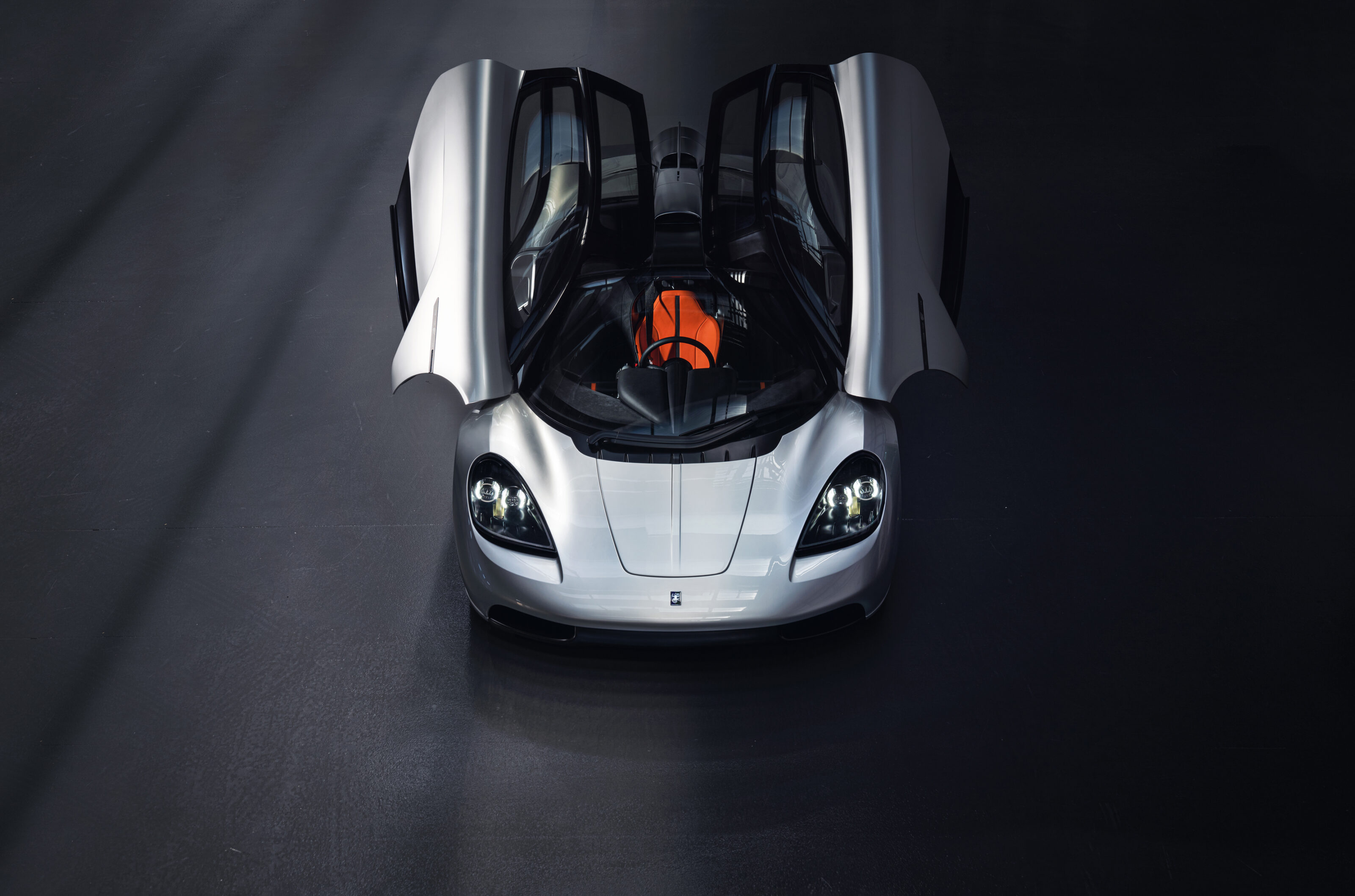
What makes the T.50 sound so good? Where do we start? The inconel and titanium exhaust angles upwards, forced in that direction by the steep diffusers. Peer beneath the glazed engine cover and you’re greeted by the headers, exhaust manifolds, intake plenum and trumpets.
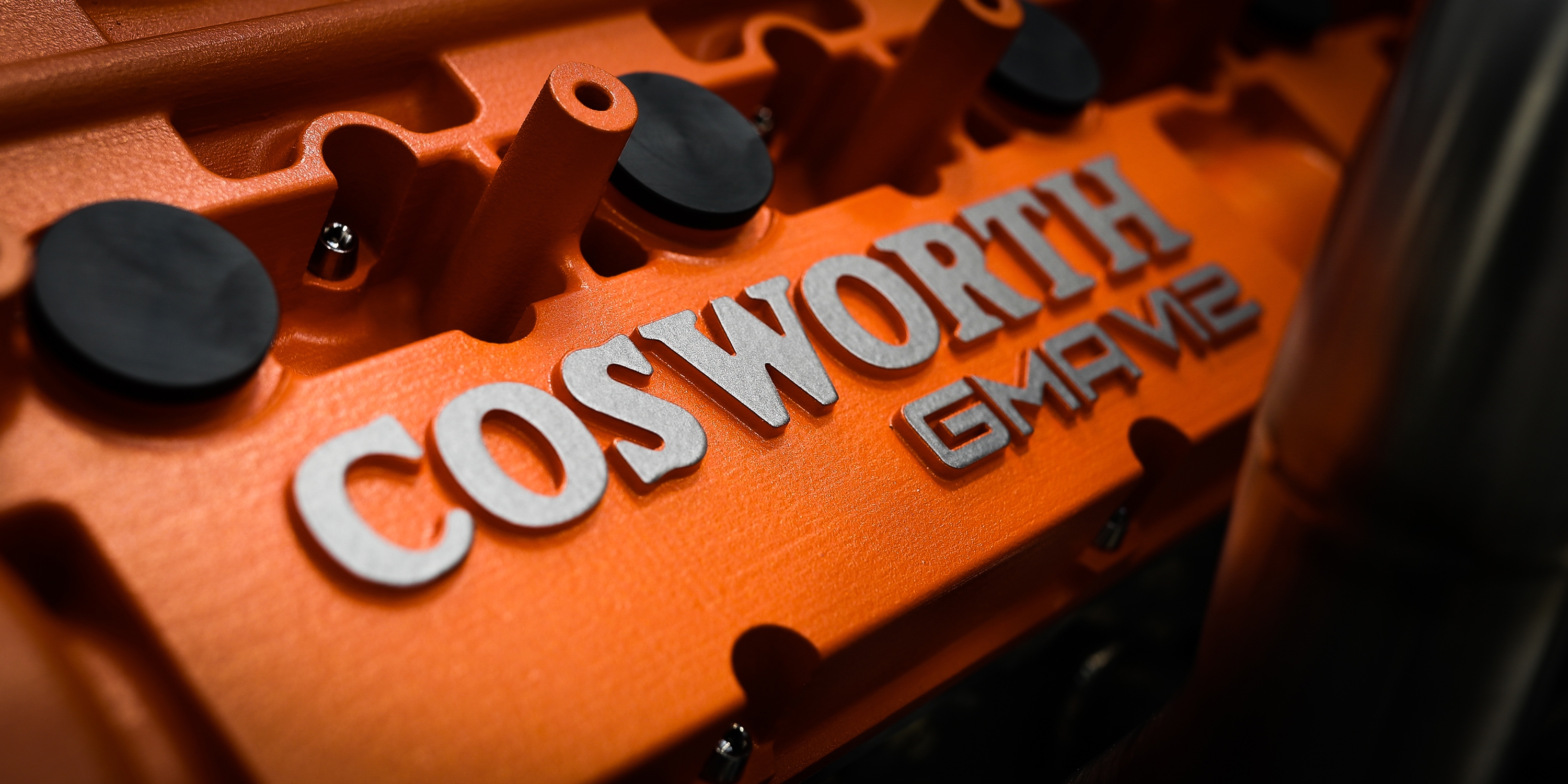
The V12’s intake is fed via a roof scoop which amplifies the intake sound using Direct Path Induction Sound tech, operating on the basis of throttle position rather than engine speed, punching bass into the cabin at low revs.
Murray is wedded to the perfect primary and secondary balance of a 65-degree V12, and this 178kg tiny gem of just 3994cc can rev from idle to its redline in just 0.3 seconds, a phenomenal pickup speed. A triple-plate carbon silicon and titanium clutch reduces inertia and the production car will rely on rev-matching software to make driveable.
Even a four-time IndyCar champ can find rev matching with such a rapid decay in engine revs tough. But it sounds sublime and it may well be the case that there will never be a better sounding road car. Shame we have to fork out $4.4m and they’re all sold.
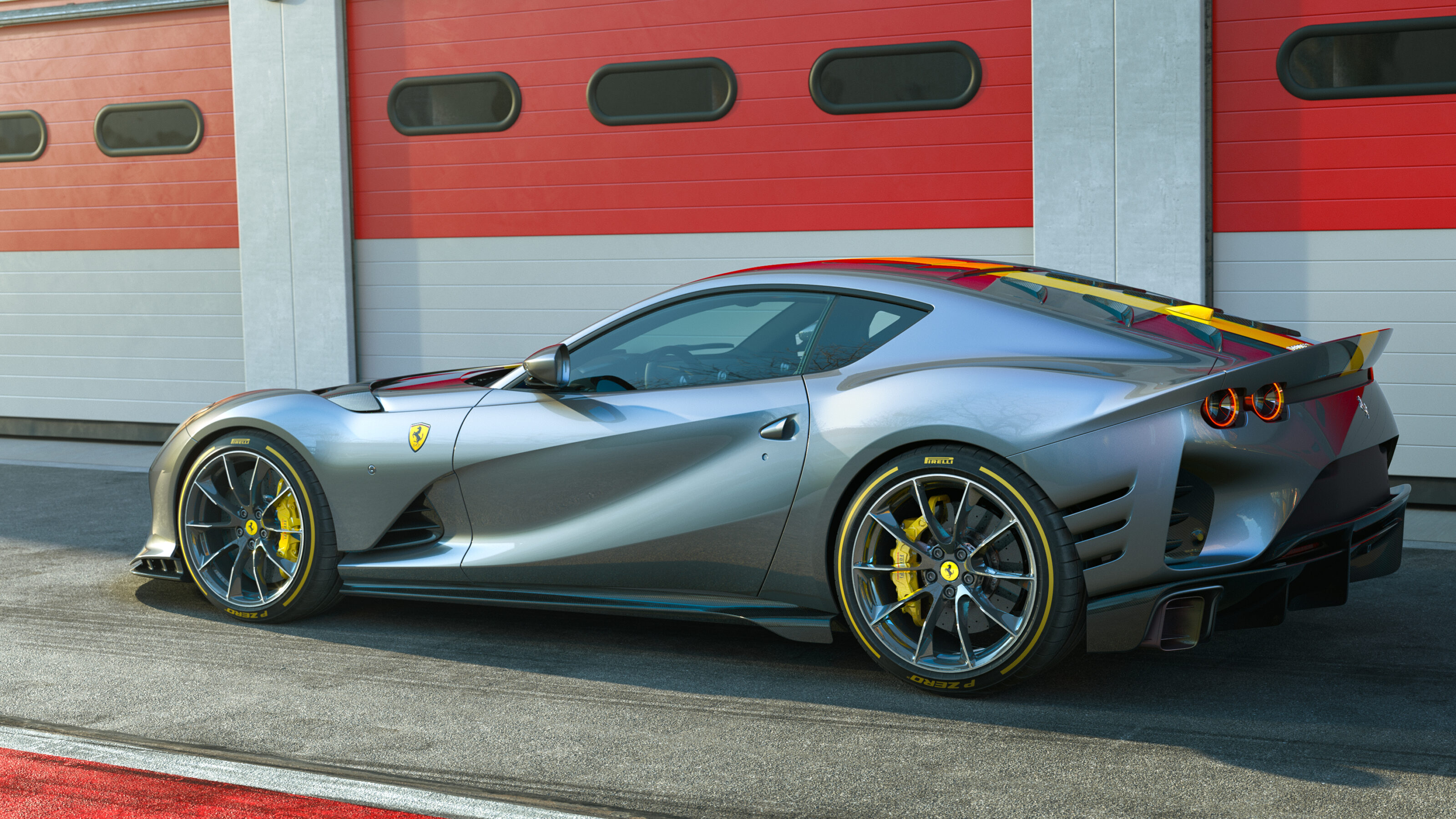
Honourable mention: Ferrari 812 Competizione
The standard 812 is a thing of magnificence but the Competizione is next level. It revs to 9500rpm and the V12 gets new conrods, pistons, intake manifold, lighter crank, and lower friction engine oil. A quicker transmission also features, along with a crazier exhaust to make up for the particulate filter.
Honourable mention: Porsche 911 992 GT3
With the first GT3s now onshore here in Australia, it’s good to remind us that an engine with half the usual supercar complement of cylinders can sound utterly transcendent. A deserted track, an early morning and a 992 GT3 is the perfect place to loose off a 9000rpm ode to joy.
A fleet of Tesla Model 3 taxis have been taken off the road temporarily as investigators attempt to find the cause of a fatal crash in Paris.
While it’s not yet known whether the Model 3 had Autopilot engaged – the name of Tesla’s semi-autonomous driving system – the taxi operator has suspended its Tesla fleet and police are investigating the driver for manslaughter, Reuters reports.
Tesla has denied any technical issues with the vehicle, and is understood to be cooperating with authorities.
“We have been in contact, of course, with Tesla’s management and they tell us that there is no technical problem to flag on their vehicles,” Government spokesperson Gabriel Attal told media.
Witnesses say the vehicle was stationary at a red light, before speeding forward and driving through multiple obstacles and pedestrians. One person died and 20 more were injured in the incident.
Tesla’s Autopilot and Full Self-Driving systems have come under scrutiny in recent years, with a number of videos posted online showing the vehicles displaying unpredictable behaviour when the driving technology is engaged.
This element of doubt has forced the taxi company to suspend its fleet of 37 Tesla Model 3 vehicles, with the off-duty driver claiming he attempted to brake as the vehicle accelerated, as he was taking his family to a restaurant.
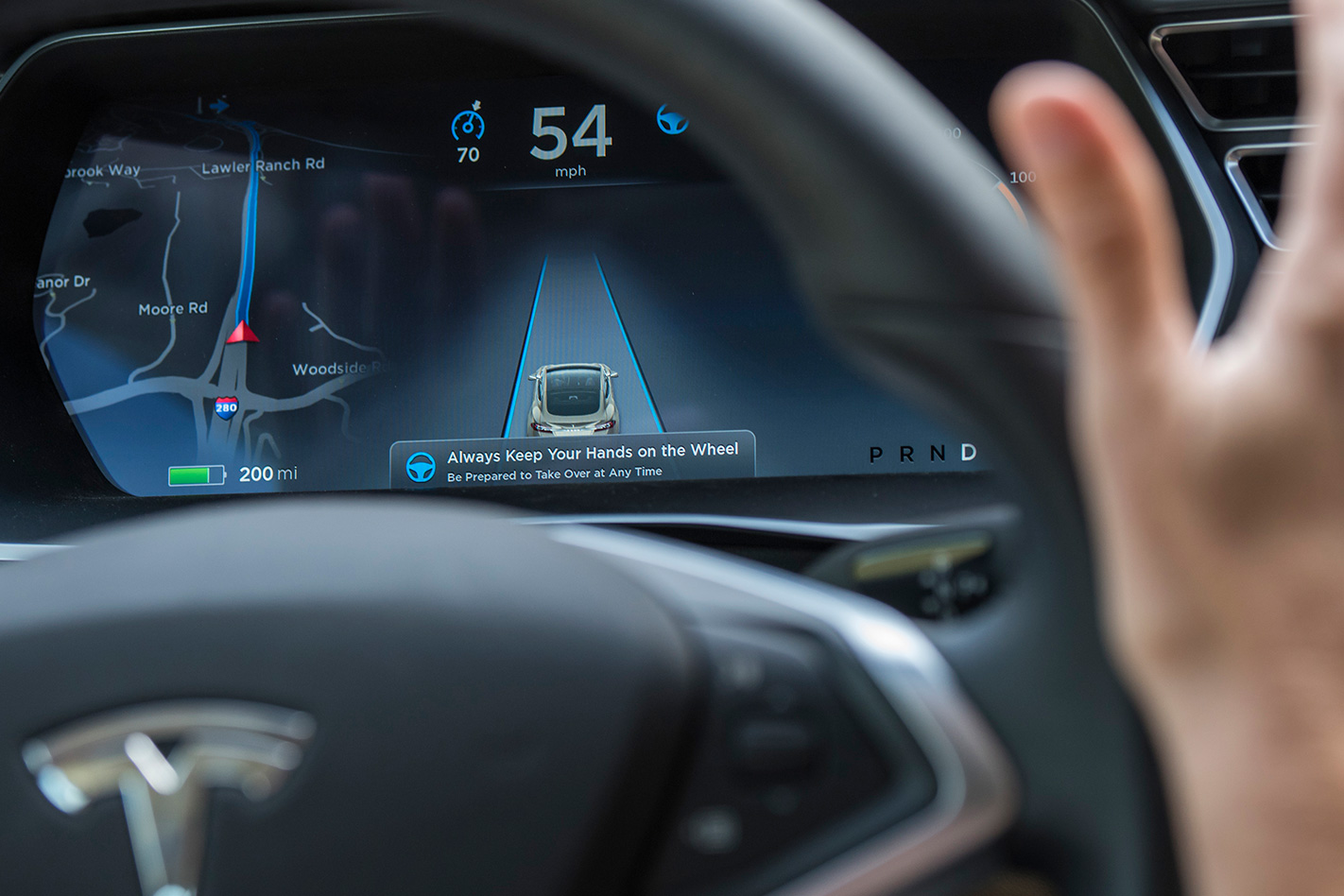
Sudden unintended acceleration (SUA) can be blamed on either mechanical malfunction or driver error – with the National Highway Traffic Safety Administration estimating around 16,000 accidents occur annually in the United States due to ‘pedal error’, in which the throttle is pressed instead of the brake.
As the driver believes they have their foot on the brake pedal, they will often press harder, exacerbating the issue.
In July 2020, Toyota developed its Acceleration Suppression Function to reduce the number of incidents of SUA in its vehicles.
The name John Cooper is synonymous with competition. As a tuning guru in the 1960s, his work helped the Mini succeed on the world’s racetracks and rally stages, so it only seemed right that we examine whether the latest Mini Cooper JCW lives up to the legend.
It’s been around a few years now, the current generation of JCW, and while the interior and technology has had a number of updates, the mechanical specification has remained the same.
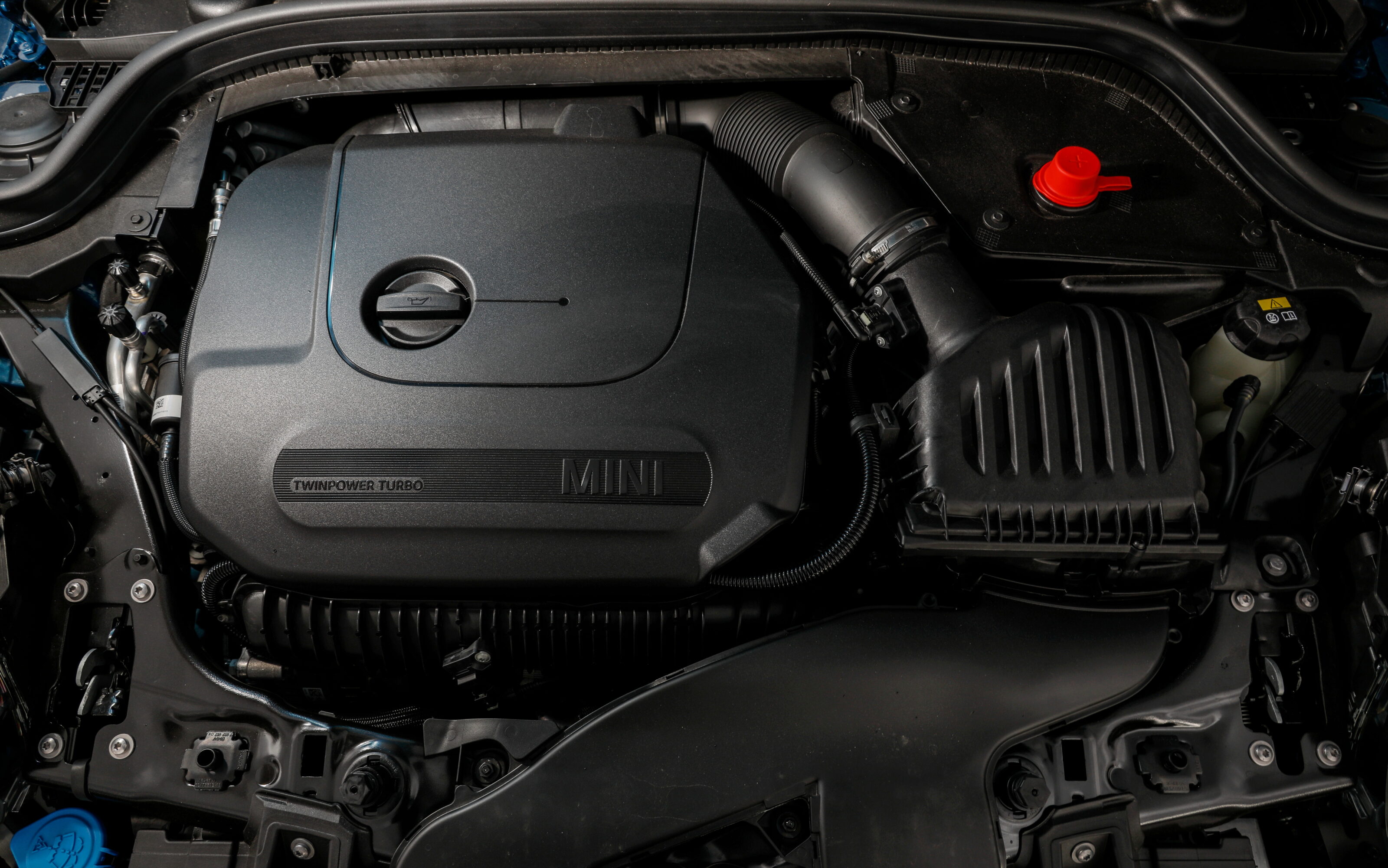
Not that there’s much to complain about with a 170kW/320Nm 2.0-litre turbocharged four-cylinder in a car that weighs just 1220kg when, as here, fitted with the optional eight-speed automatic gearbox. Classic big-engine, small-car philosophy.
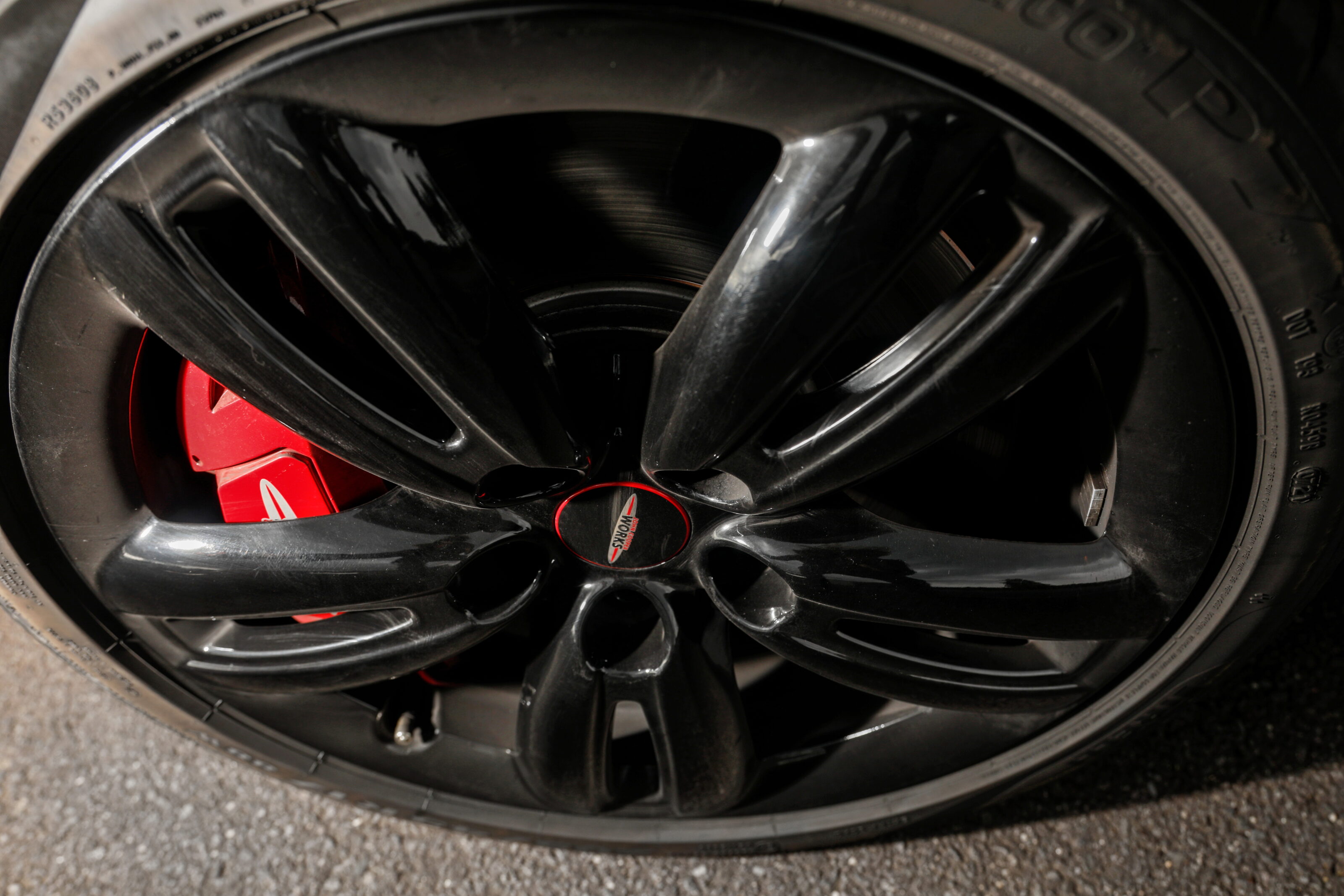
It backs this up with whopper front stoppers – 335mm discs with four-piston calipers – 18-inch wheels with Pirelli rubber and your typical strut-front/multi-link rear suspension set-up.
Certainly, when it comes to stopping and going, the JCW does the business. The engine produces peak torque from just 1250rpm and that spread continues all the way to 6000rpm.
Combined with eight close ratios there is tremendous flexibility and while the outright punch isn’t outrageous – MINI claims 6.1sec from 0-100km/h – it still feels quick enough.
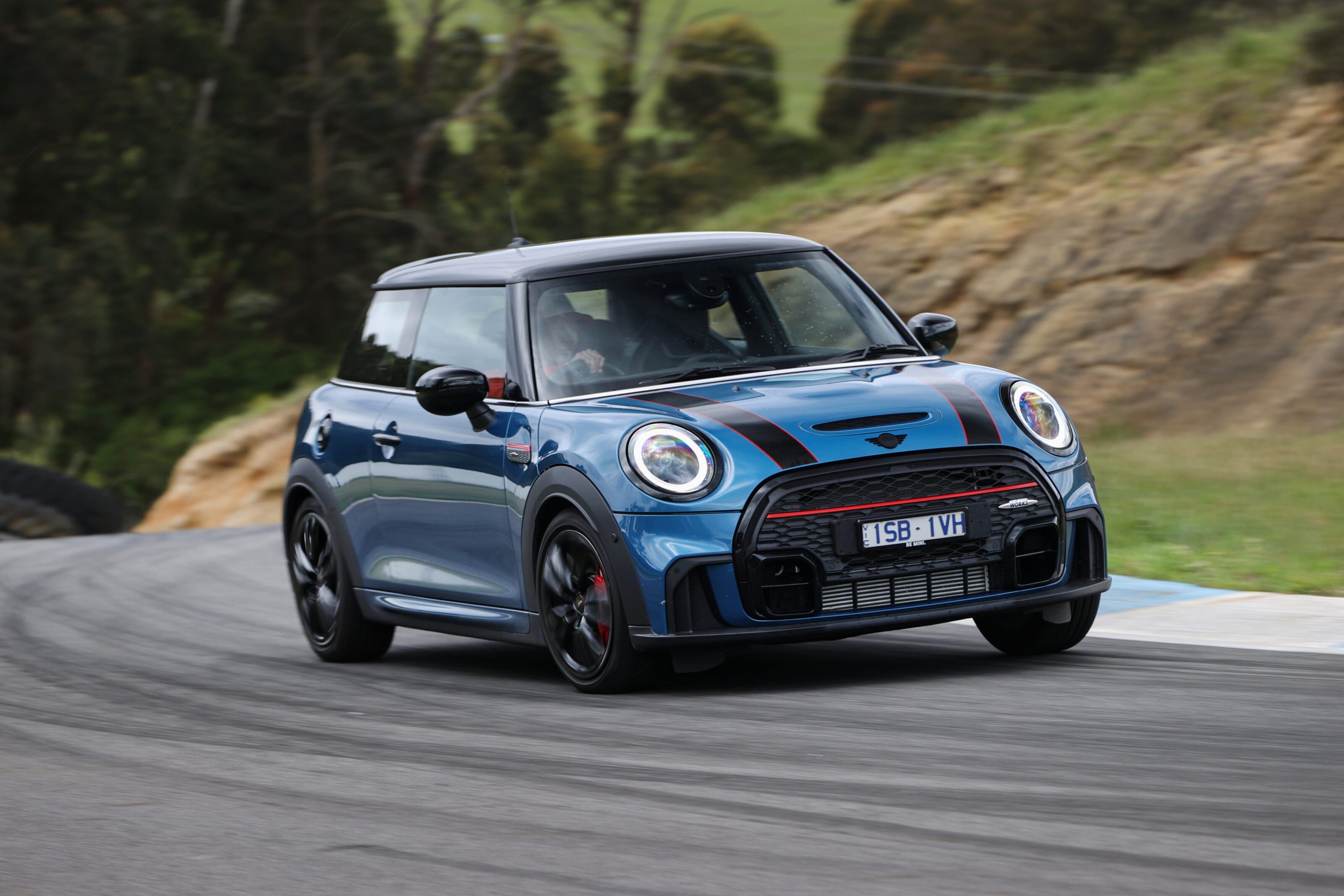
There’s no limited-slip diff but traction is pretty good, especially as the engine’s breadth makes third an option on corner exit. Conversely, jumping on the brake pedal almost stands the JCW on its nose, allowing for very late braking.
Its size pays dividends around the tight Bryant Park circuit and while the steering wheel rim is typically BMW fat, its action is responsive and accurate. Unfortunately, it doesn’t really come together into a cohesive whole.
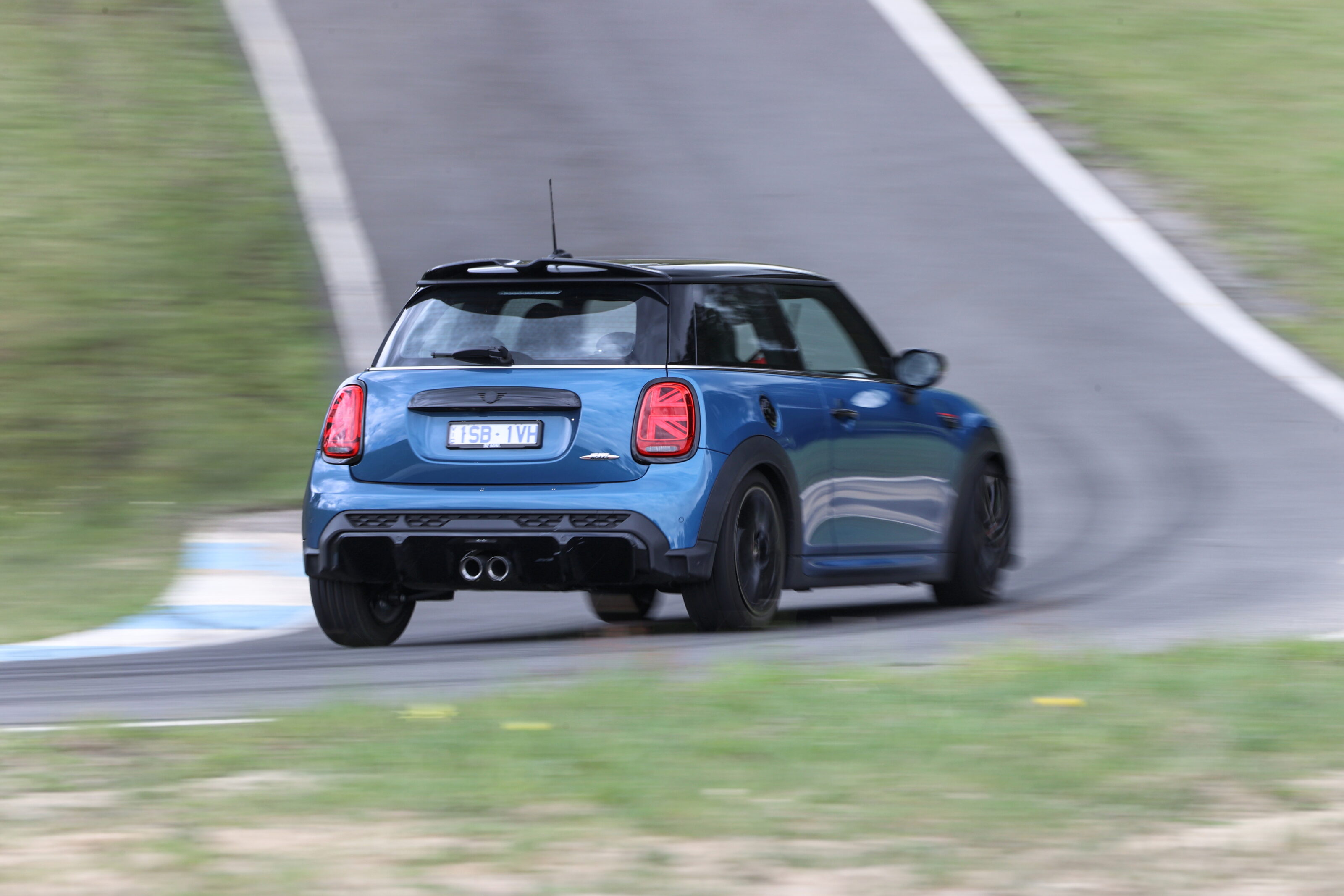
The chassis lacks character or any sense of fun on track. All the constituent parts are there but when you turn into a corner the front end is the fuse and there isn’t really anything you can do about it.
Previous Minis had a feisty, lively personality – almost to a fault at times – but they were always jinking and dancing around. This current JCW is much more serious, refusing to entertain the idea of rear-end involvement.
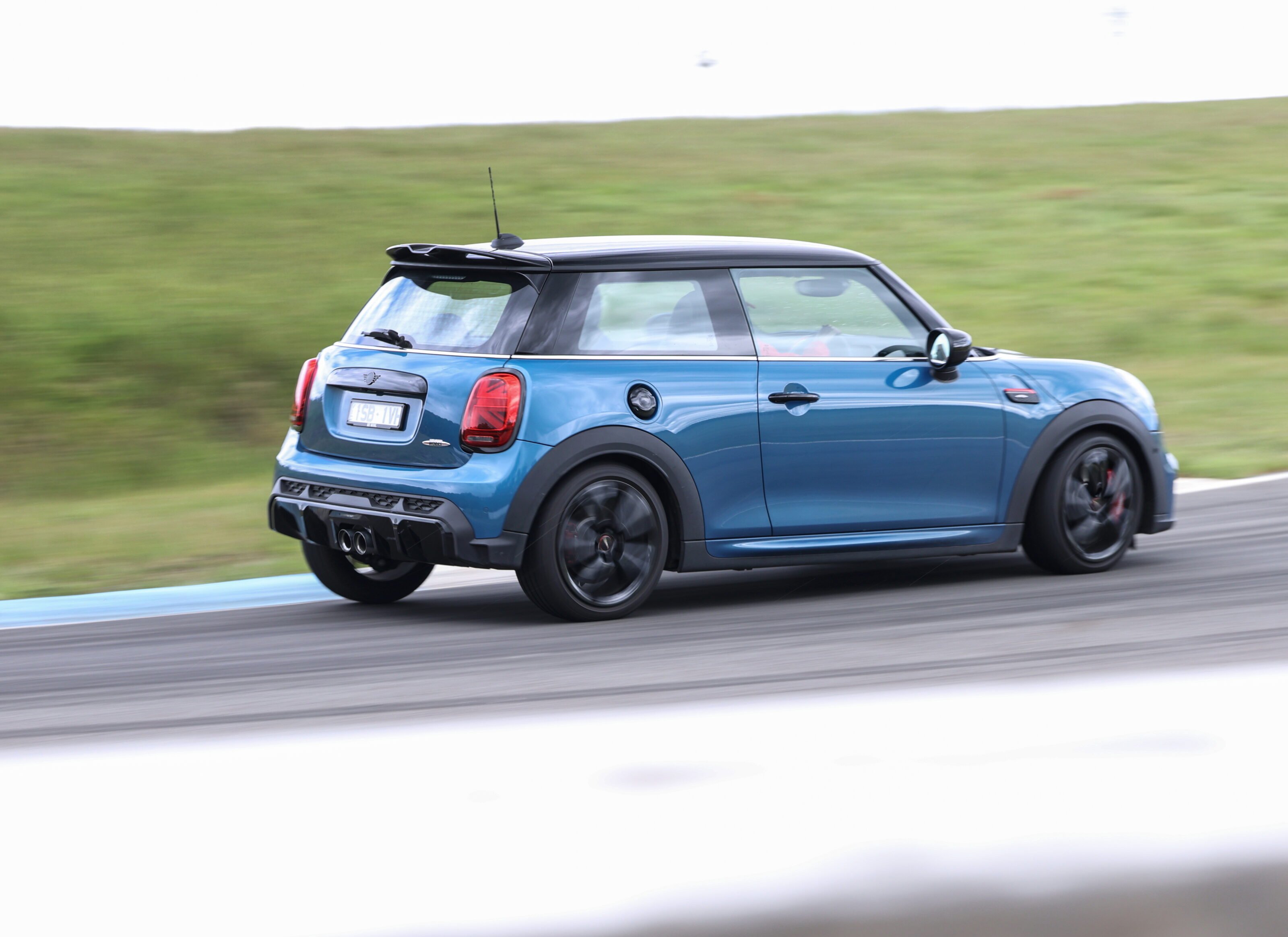
As a result, you drive the Mini from point to point and it’s stable and confidence-inspiring in the process, but it doesn’t give you any options and as a result, there’s no real reward or incentive to push harder.
Nor is it particularly quick. Compared to the Hyundai i30 N DCT, a car of very similar price and identical power-to-weight ratio, the Cooper JCW trailed by more than three seconds around the short Bryant Park lap.
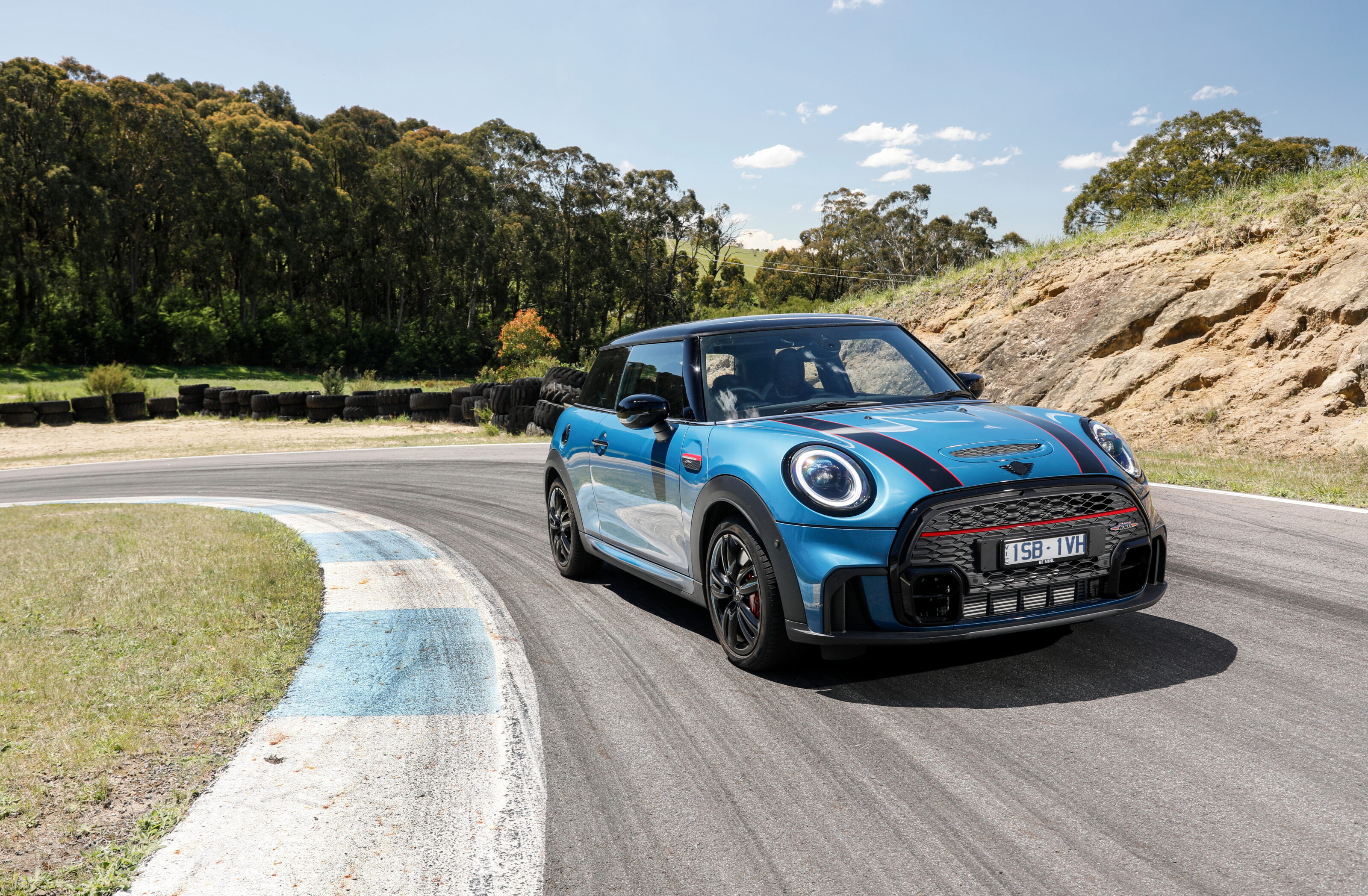
It’s not bad by any means, with a strong engine, powerful brakes and decent grip, but it doesn’t have the playfulness of its predecessors. It needs more John Cooper Works magic.
Leaderboard
| RTR Ford Mustang: | 1:06.0sec |
|---|---|
| Audi RS5 Coupe: | 1:06.7sec |
| Lexus RC F Track Edition: | 1:06.8sec |
| Hyundai i30 N DCT | 1:08.7sec |
| MINI Cooper JCW: | 1:11.8sec |
Specifications
| Body: | 3-door, 4-seat hatch |
|---|---|
| Drive: | front-wheel |
| Engine: | 1998cc inline-4cyl, DOHC, 16v, turbo |
| Bore/stroke: | 82.0 x 94.6mm |
| Compression: | 10.2:1 |
| Power: | 170kW @ 5200-6000rpm |
| Torque: | 320Nm @ 1250-4800rpm |
| Weight: | 1220kg |
| Power/weight: | 139kW/tonne |
| Transmission: | 8-speed automatic |
| Suspension: | struts, coil springs, anti-roll bar (f); multi-links, coil springs, anti-roll bar (r) |
| L/W/H: | 3872/1727/1414mm |
| Wheelbase: | 2495mm |
| Tracks: | 1485mm (f/r) |
| Steering: | electrically assisted rack-and-pinion |
| Brakes: | 335mm ventilated discs, 4-piston calipers (f); 300mm solid discs, single-piston calipers (r) |
| Wheels: | 18 x 7.0-inch (f/r) |
| Tyres: | 205/40 R18 (f/r); Pirelli P7 Cinturato |
| Price: | $54,850 + ORC |
