
Key Points
- Future Fuels Strategy announced today
- No incentives, subsidies or emissions target
- Industry cans Government’s approach
The Australian auto industry has panned the Federal Government’s attempts to encourage electric vehicle uptake – calling its efforts “too little, too late”.
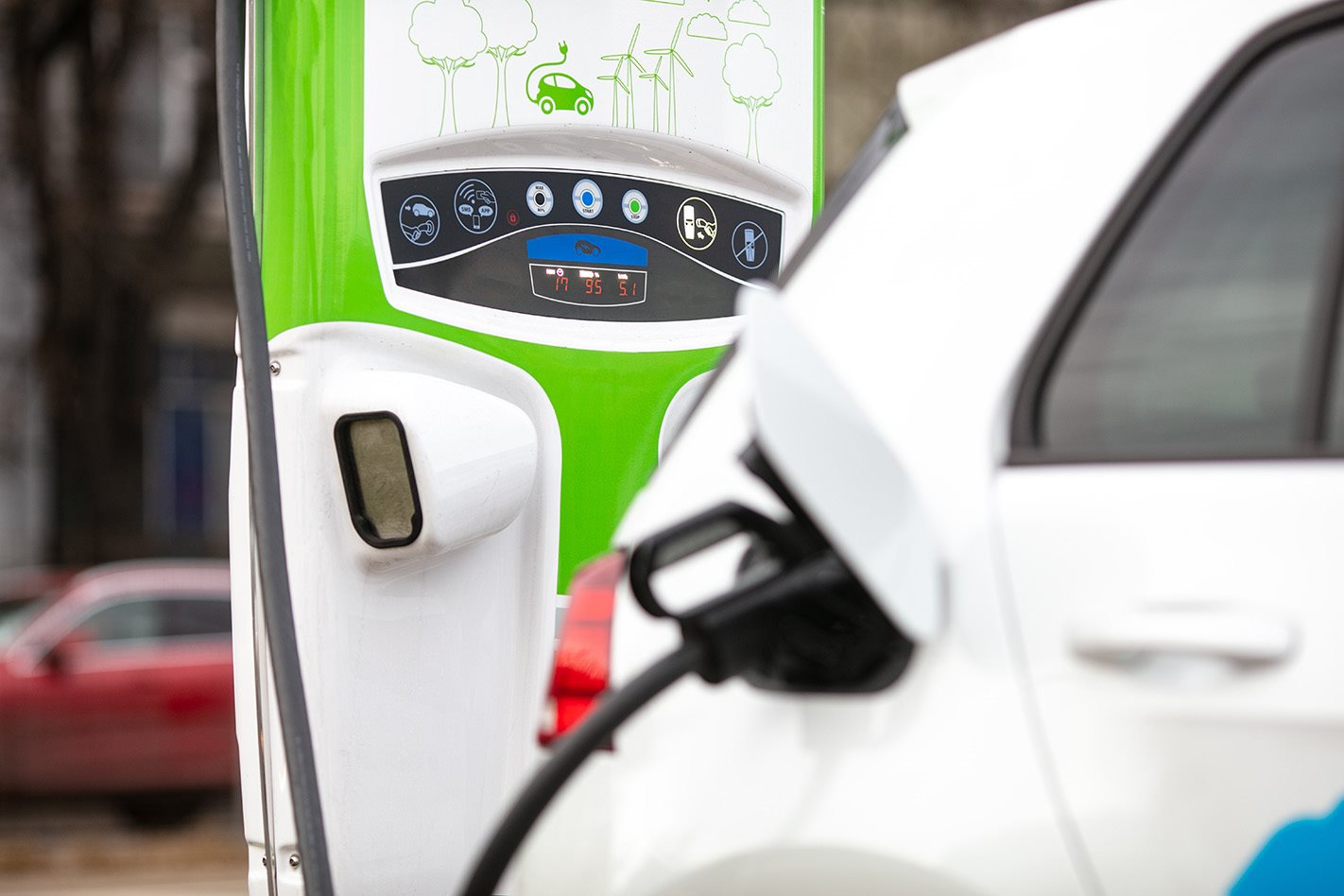
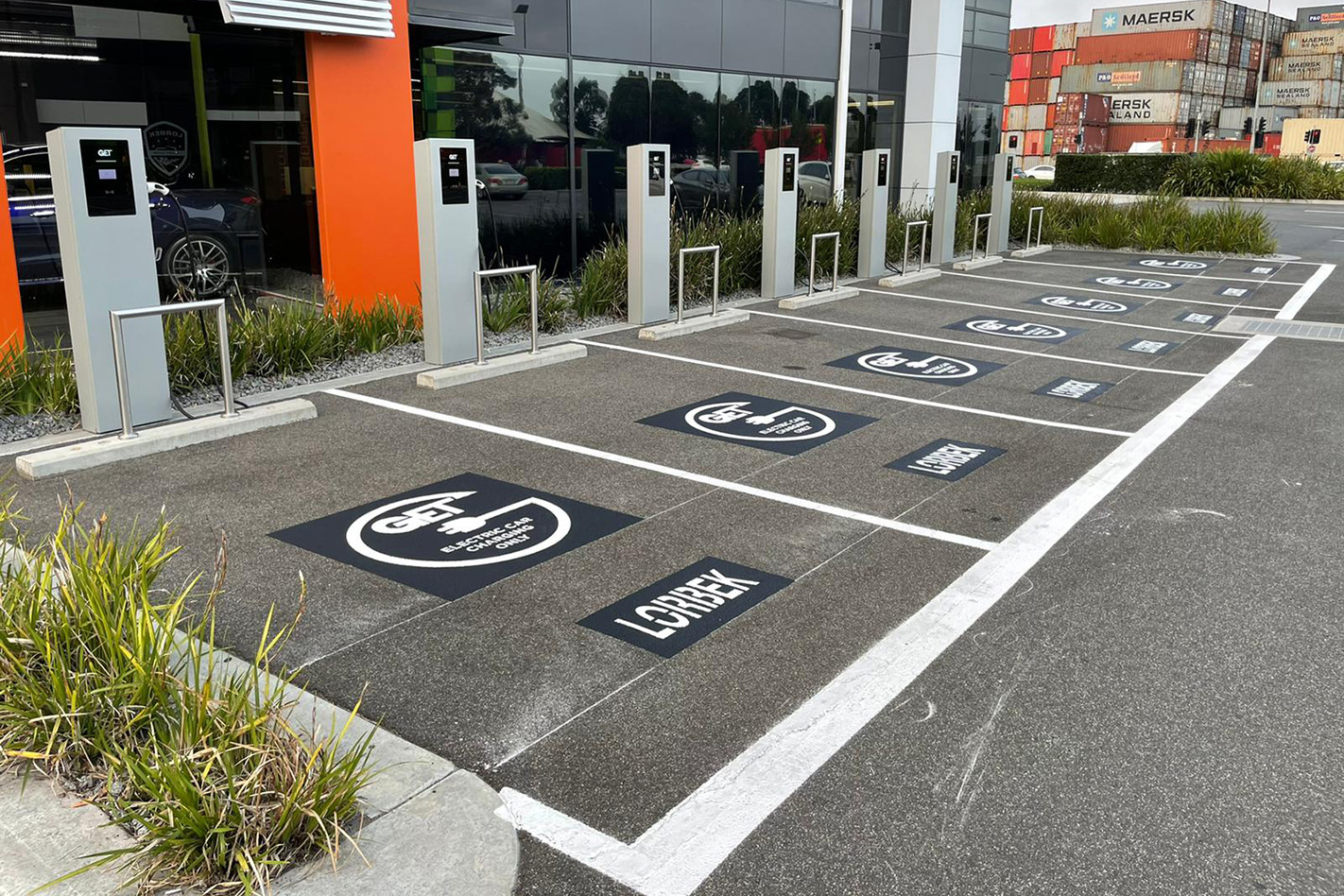
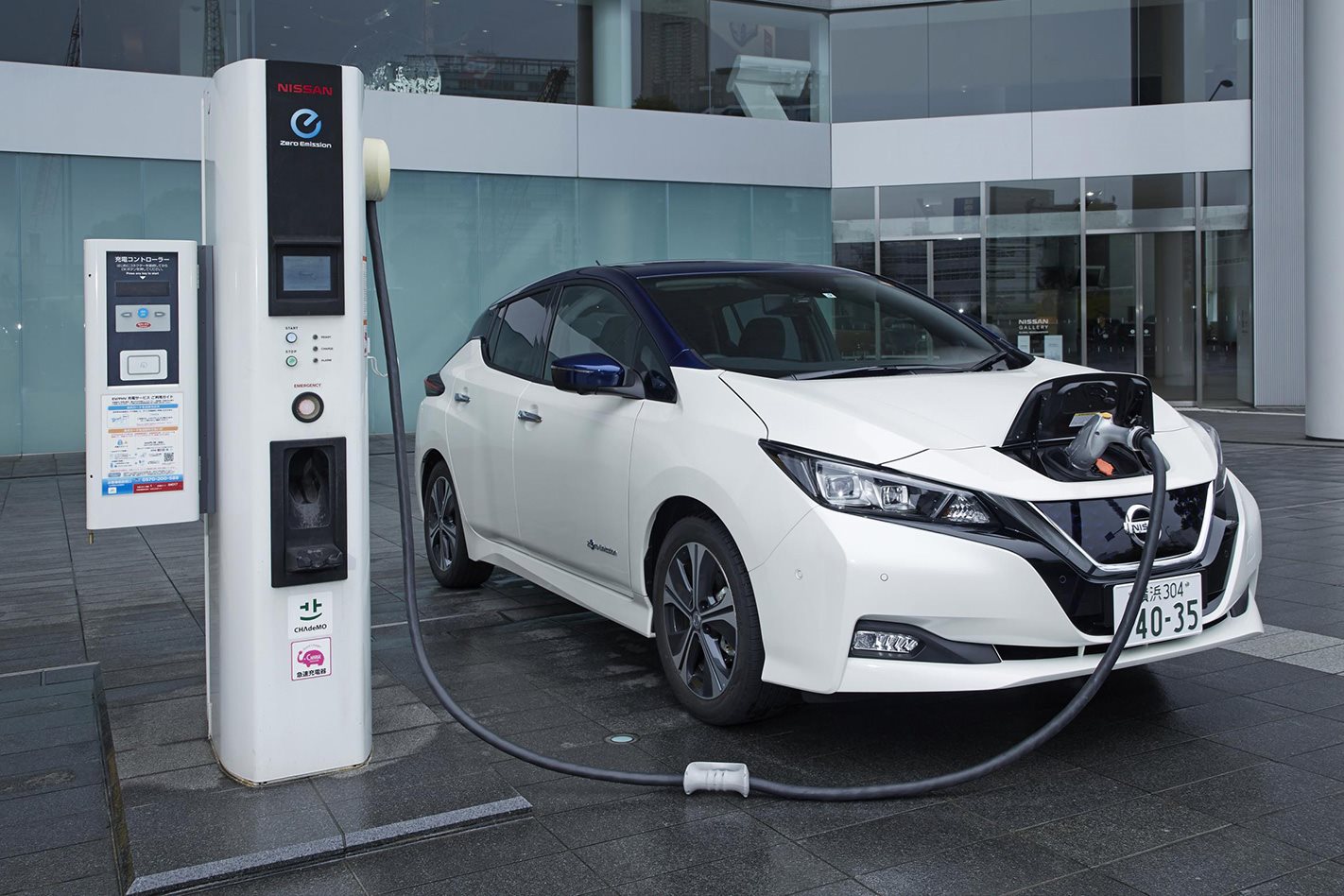
The Morrison Government’s Future Fuels Strategy has been revealed, including funding for 50,000 charging stations in homes Australia-wide in partnership with the private sector.
Today’s announcement focuses on public electric hydrogen refuelling infrastructure, heavy and long-distance vehicle technologies, commercial fleets and household smart charging.
But its lack of any tax incentives, subsidies or minimum emission standard whatsoever to actually drive Aussies towards buying an EV has been lambasted by industry figures for once again leaving Australia lagging behind as an “automotive third-world country”.
Behyad Jafari, CEO of the Electric Vehicle Council, said the Government’s plan wasn’t fit for the 21st century and will mean Australians continue to miss out on the best technology on offer.
“Fuel efficiency standards are the absolute bare minimum of what you would expect in any 21st century plan.
“If Australia continues to be one of the only developed nations without fuel efficiency standards then we will continue to be a dumping ground for the world’s dirtiest vehicles. It’s sadly that simple.
“If [the Strategy] contained fuel efficiency standards and rebates it would give Australians more choice. The best and most affordable EVs manufacturers are producing would make their way swiftly onto our market.
“Future Fuels is certainly an advance on the Government’s rhetoric of the last election. The Strategy has identified some of the correct benefits and pathways, but it does little to realise them.
“I welcome the progress we’ve seen, but it’s far too little too late. For a strategy that has apparently taken years to write, it leaves much to be desired. Electric vehicles present a monumental opportunity for Australia not only in reducing pollution, but creating an innovative industry in manufacturing, technology and services.”
The EV chief added that the Strategy only just about covers five per cent of what’s needed to bring Australia into step with the likes of Europe and the United States. In fact, more than 80 per cent of the global car market now requires new cars to meet minimum emissions standards before they can be sold.
The Federal Chamber of Automotive Industries also slammed the Strategy, saying that although it welcomes the infrastructure investment, the Government has “missed an opportunity” to set a national emissions standard that would provide the momentum needed to reduce the country’s vehicle CO2.
“Governments should focus on setting targets, not trying to pick winners through specific technology,” Chief Executive Tony Weber said.
“The availability of EVs in Australia is increasing as car manufacturers respond to growing demand, however the reality is that they still account for less than one per cent of total vehicle sales year to date.
“This means that the Government’s target for EVs to be 30 per cent of new vehicle sales by 2030 is extremely optimistic.
“We strongly urge the Government to adopt the FCAI’s existing voluntary emissions standard which sets a clear pathway towards lower CO2 emissions across the entire passenger and light commercial fleet through to 2030.
“Around the world, targets are a clear sign of a governments intent to reduce emissions and sends a positive signal to automotive manufacturers to provide more electric-powered vehicles to those markets. This is exactly what is needed in Australia.”
The Strategy, announced today, confirms Australia does not plan to adopt these standards, which place tougher restrictions on pollutants in petrol, and require new cars to emit far less particulate matter than is currently the case.
Former Labour leader Bill Shorten, who has long said Australia is not doing enough to encourage consumers to buy EVs, told Wheels:
“It’s like we’re having an argument between landlines and mobile phones when we have this argument between combustion engines and electric vehicles.
“I took policies, which I didn’t think were radical, to the last election but they were lampooned by…the Prime Minister as ‘the death of the weekend’. It’s just a case of poor national leadership, I outlined a plan for EVs, and the Government rubbished it and misled people.
“The world doesn’t wait for Australia, so every time we make a decision to stand still we drop further back, and it becomes harder to claw back again.”
The Strategy includes expanding the Future Fuels Fund to a total of $250 million ($178m of which is new funding), which the Government estimates will create 2600 jobs over three years.
Beyond this, instead of taking charge on the issue itself, the Federal Government plans to ask state and territory energy ministers to incentivise the use of smart chargers in homes and work with regulators to ensure the electricity grid can handle the added pressure.
“Reducing the total cost of ownership through subsidies would not represent value for the taxpayer, particularly as industry is rapidly working through technological developments to make battery electric vehicles cheaper,” the strategy said.
“We will not be forcing Australians out of the car they want to drive or penalising those who can least afford it through bans or taxes,” Mr Morrison said.

“Instead, the strategy will work to drive down the cost of low and zero-emission vehicles and enhance consumer choice.”
“Voluntary adoption of electric vehicles is the right pathway for reducing transport emissions over the long term. Stringent standards, bans or regressive taxes will limit choice and increase the upfront costs of cars for Australians,” Minister for Industry, Energy and Emissions Reduction Angus Taylor, added.
Last month, Prime Minister Scott Morrison outlined the details of his Government’s net zero by 2050 plan – which did not include a commitment to phase out cars powered by fossil-fuels.
The latest projections revealed Australia is on track to cut overall emissions by 30 to 35 per cent by 2030, but the PM said the official national target of a 26 to 28 per cent reduction would remain unchanged.
However, the policy was met with criticism from the car industry, with Tony Weber, Chief Executive of the Federal Chamber of Automotive Industries (FCAI), saying the Government should be sending a stronger message, and 2050 “is too far away”.
Paul Pottinger, General Manager of Corporate Communications for Volkswagen Australia, which has been a long time critic of the Federal Government’s position on emissions, also told Wheels:
“Lack of national regulation means that in terms of electric vehicles, Australia is subject to a patchwork of disparate regulations. NSW has a world class EV adoption policy; Victoria has the world’s worst. Zero and low emission vehicles ownership is encouraged on one side of the Murray and taxed on the other.
“Until Euro 6 emissions regulations are mandated in Australia, certain importers can continue to dump engines here that they cannot sell in other markets. The same cars that Volkswagen’s rivals sell to Australians with old Euro 5 technology, they sell in developed markets with cleaner, more efficient Euro 6 engines.”
The Government explicitly noted during that its new plan focuses on “net zero, not absolute zero emissions” and stated reaching its goals does not necessarily require ending coal or other fossil-fuel consumption in Australia entirely.
Instead, the Government intends to use existing and emerging technologies, saying those will get the country 85 per cent of the way to net zero – the plan prioritising “clean” hydrogen and “ultra-low-cost solar”, as well as battery storage of renewable power and carbon capture.
Korean firm Hyundai said it welcomed today’s infrastructure investment news, but said more could be done “to accelerate a mandate for minimum fuel standards, which currently lag behind the rest of the developed world”.
“We have seen positive consumer reaction to recent state government initiatives introducing consumer incentives for ZEV adoption. Other advanced markets have shown how beneficial and popular these policies can be,” said spokesperson Bill Thomas.
“Another factor less talked about is fuel security: if we transition to zero-emission vehicles powered by green energy, Australia becomes less reliant on imported fuels.”
You can read more of Bill Shorten’s interview with Wheels in our December issue, on sale November 15.
In a country consumed by lust for SUVs, Mazda is in a good position. The brand has sold more than 50,000 SUVs this year so far, from the small CX-3 to the comparatively colossal CX-9. Its stylish new CX-30, our reigning car of the year, has also enjoyed a sales run almost on par with the CX-3.
So what, then, of the CX-30’s younger hipster brother, the Mazda MX-30? Does another similarly sized SUV, with a higher price and few tangible benefits, confuse the line-up a little? According to buyer numbers, maybe. Fewer than 900 have been bought as of the end of October, only outselling one Mazda model, the half-decade-old MX-5 sportscar, which never sold in wild numbers anyway.
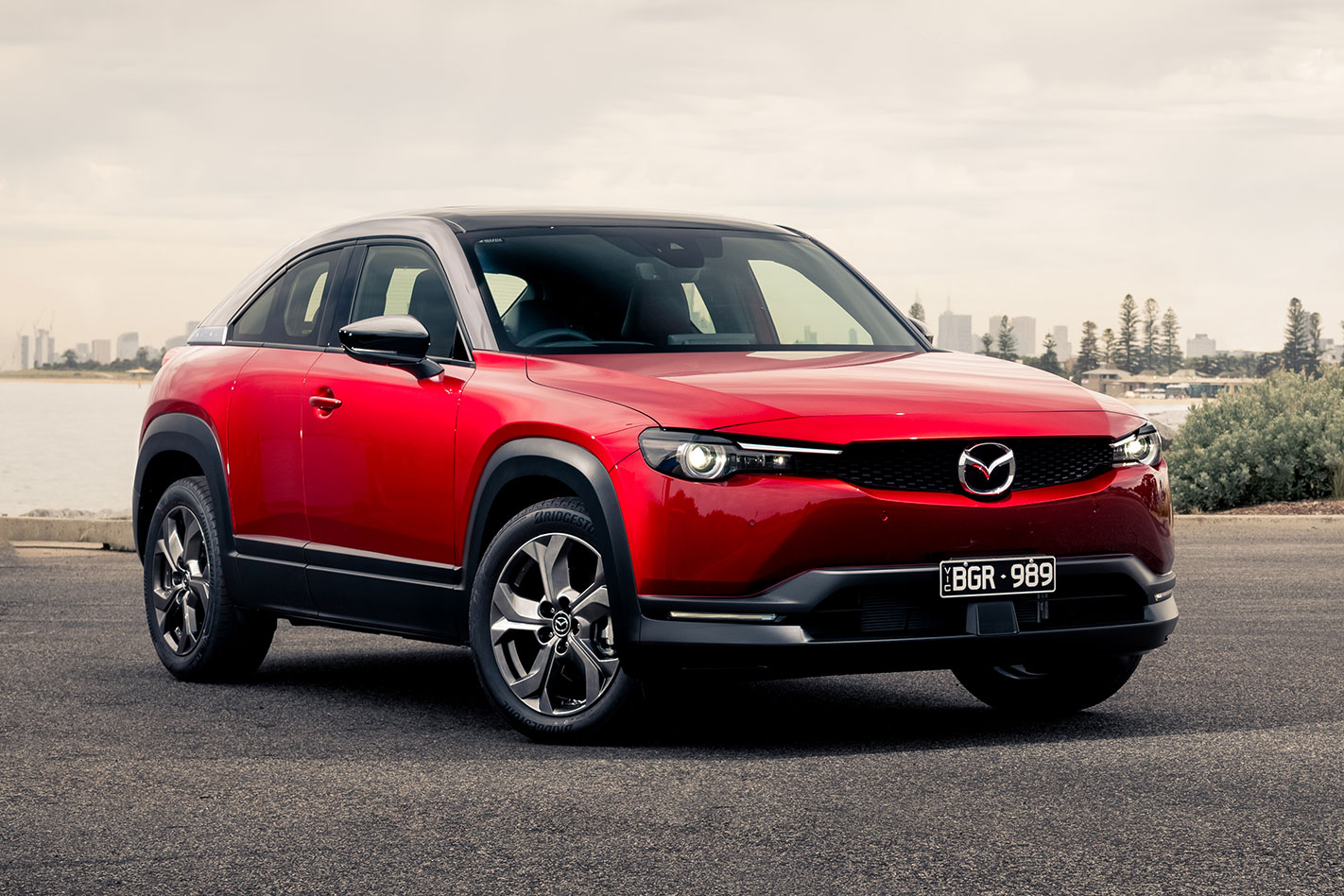
Let’s consider the MX-30’s main selling point when compared to the CX-30: electrification. Instead of creating another dedicated EV, Mazda built a new model based very heavily on the CX-30’s chassis, and put an EV powertrain in it. That’s the MX-30 E35, and it’s quite pricey – $65,490 before on-road costs.
But Mazda also created a hybrid version of the MX-30, which is this, the $40,990 (plus on-road costs) G20e Astina. The system involves a 24-volt starter motor and a small battery pack, making it a (very) mild hybrid, which Mazda refers to as M Hybrid.
Most people wouldn’t know it was anything other than a standard petrol engine. In practice, the difference between the drivetrain in this and the CX-30 is a little extra punch from the system. Mazda even claims the outputs, 114kW and 200Nm from its 2.0-litre atmo four, are the same – the extra battery power isn’t accounted for in Mazda’s specs.
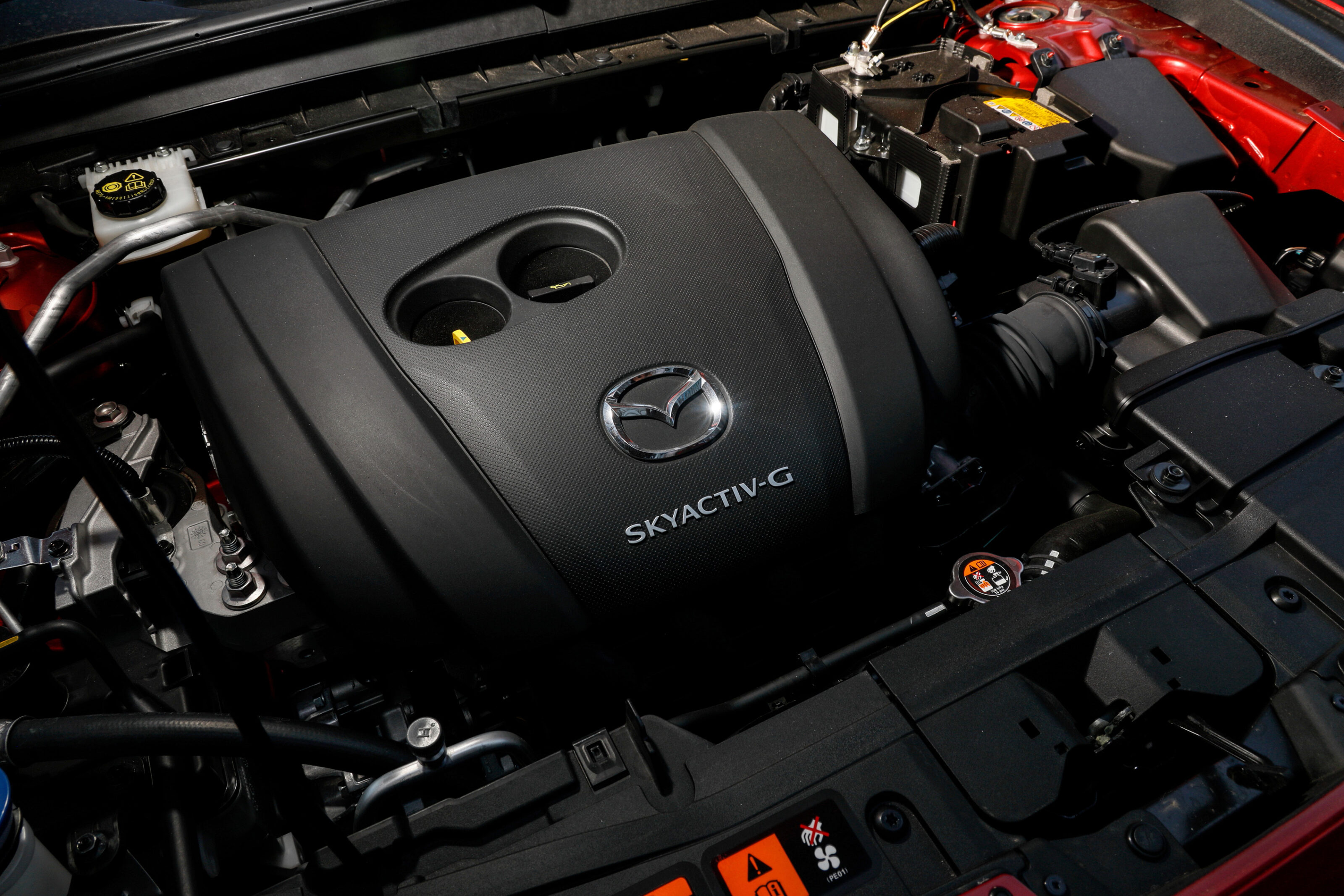
The G20e (mild hybrid) MX-30 range has three options, all with the same drivetrain and six-speed auto, starting at $33,990 for the base Evolve and reaching $40,990 for this Astina. This means it’s just a little more expensive than its CX-30 counterpart. Worth it? It depends what you want from your small SUV.
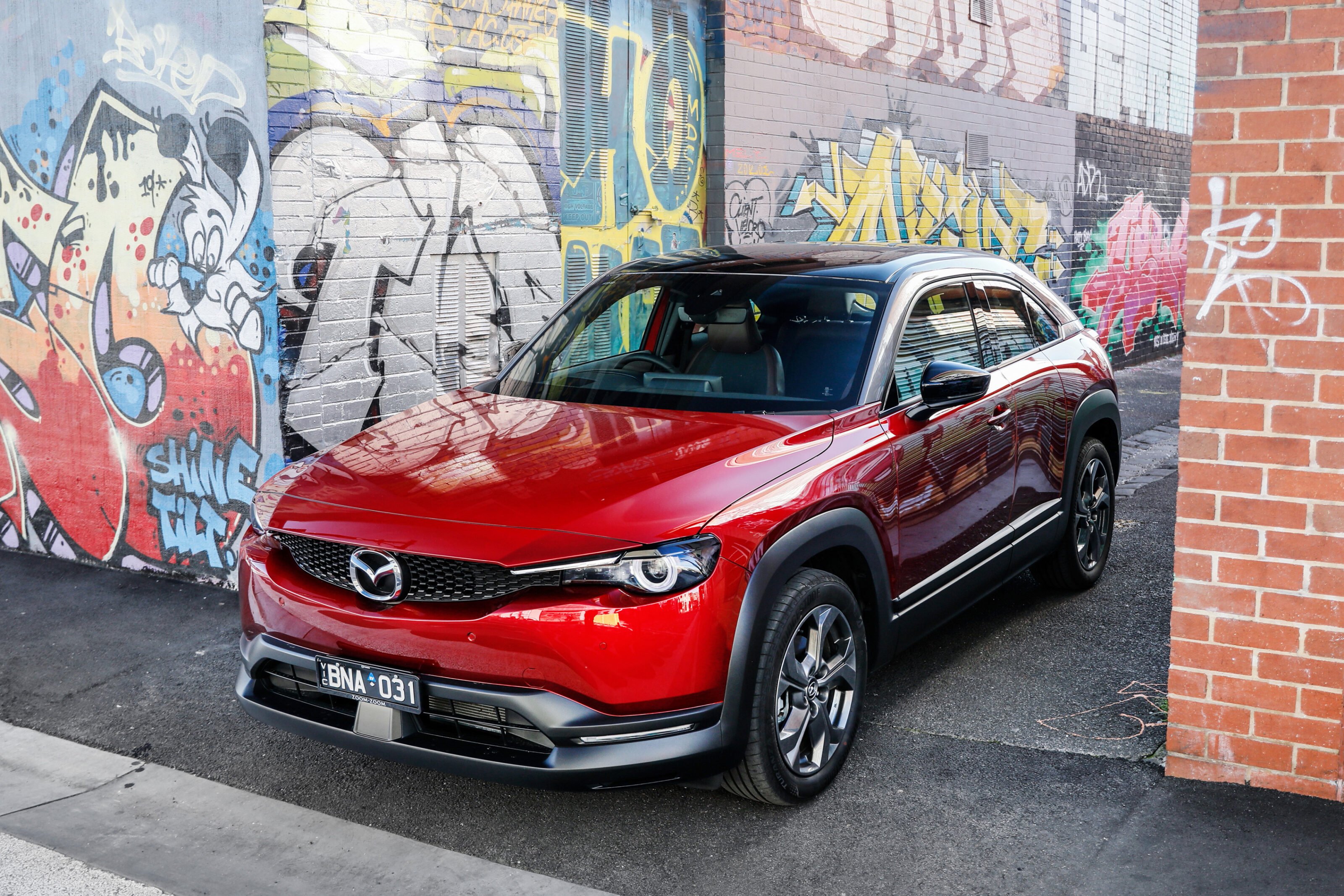
One of the MX-30’s main divergences from the CX-30, which is what the vast majority of buyers in this space should probably be considering, is style.
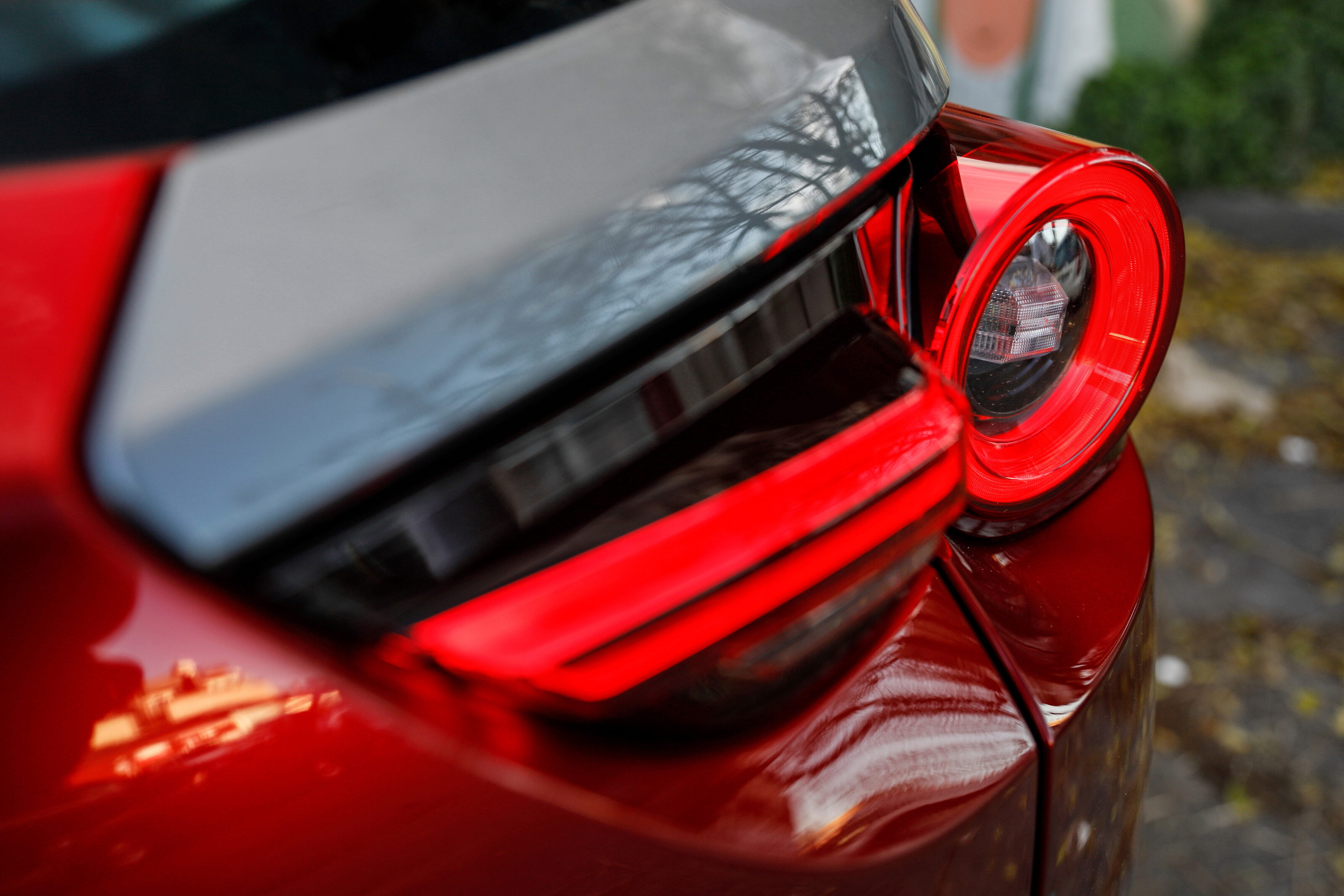
Up the front, the MX-30’s face already departs a little from Mazda’s other models. Its circular headlights are sunk into the body, and the little chrome accent creates a shape that reminds me of an Alfa Romeo Giulietta’s taillight.
Instead of creating another dedicated EV, Mazda built a new model based very heavily on the CX-30 and put an EV powertrain in it.
To these eyes, there’s a bit too much plastic down the side and over the wheelarches, but I have to wonder if it would actually look better without it. You’ll see the same 18-inch wheels on every MX-30, and our test car has the optional tri-colour paint, which means grey up the A-pillar and along down the C-pillar, while the top of the roof is black.
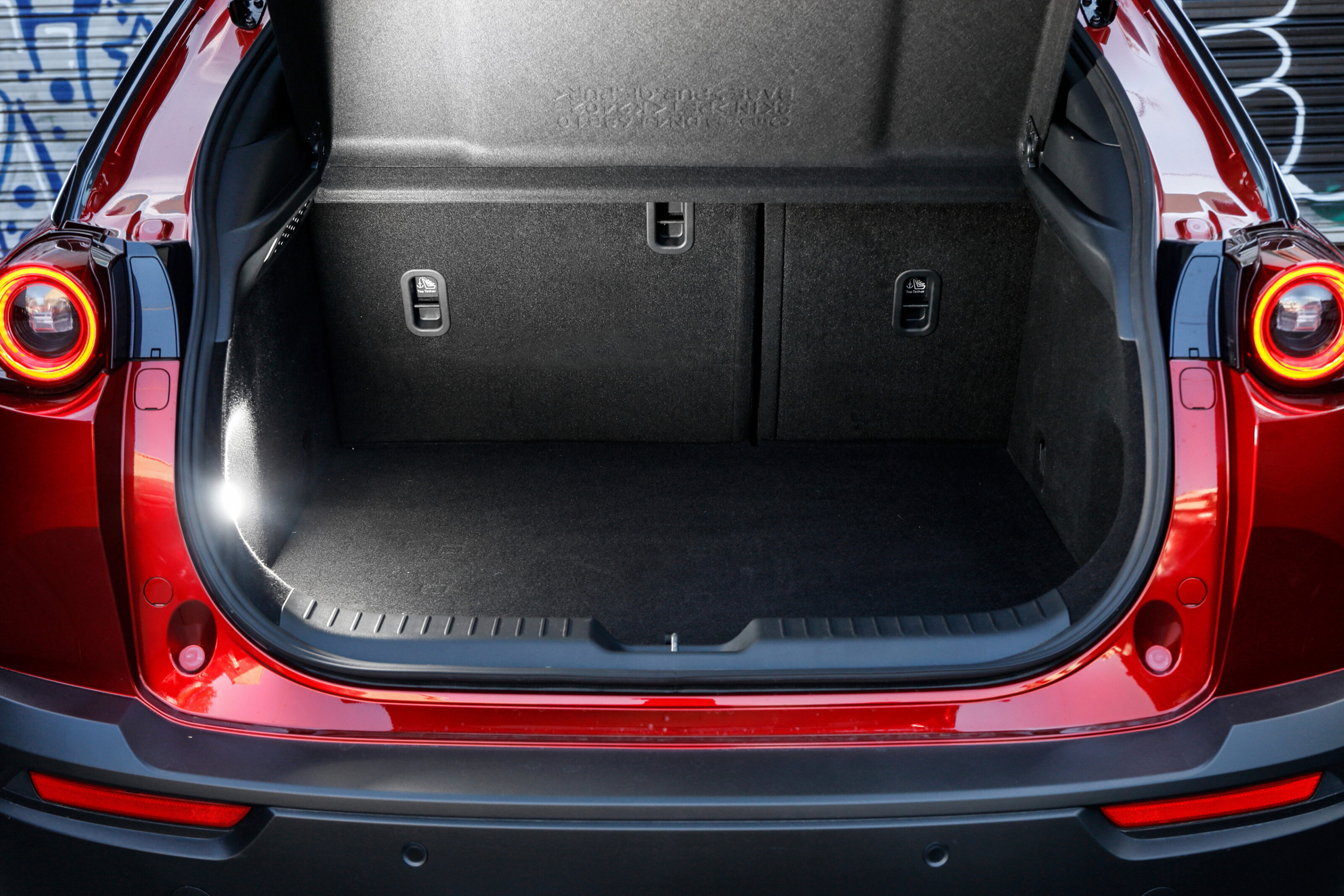
The roof tapers towards the rear, but it only minimally affects boot space compared to the CX-30. Mazda claims 311 litres, so the boot space is really about the same as the CX-30’s 317 litres. This is very much at the lower end of boot sizes for the class, and it’s easy to tell by looking at it – even a Hyundai Kona boasts 361 litres.
The rest of the interior isn’t any less quirky – in fact it’s more so. Cork, for example, is clearly visible in a couple of places, the tops of the cup holder lids and the storage space under the panel the gear selector sits on. This is a reference to Mazda’s origins in cork manufacturing more than 100 years ago, but it seems like a risky choice to use a relatively easily damaged material.
Sustainability was a big focus for Mazda with the MX-30, so the ‘fabric’ in places, like the tops of the door cards, is actually recycled plastic, while the Maztex leather on the seats isn’t real hide.
Cork is clearly visible in a couple of places, a reference to Mazda’s origins in cork manufacturing, but it seems like a risky choice to use an easily damaged material.
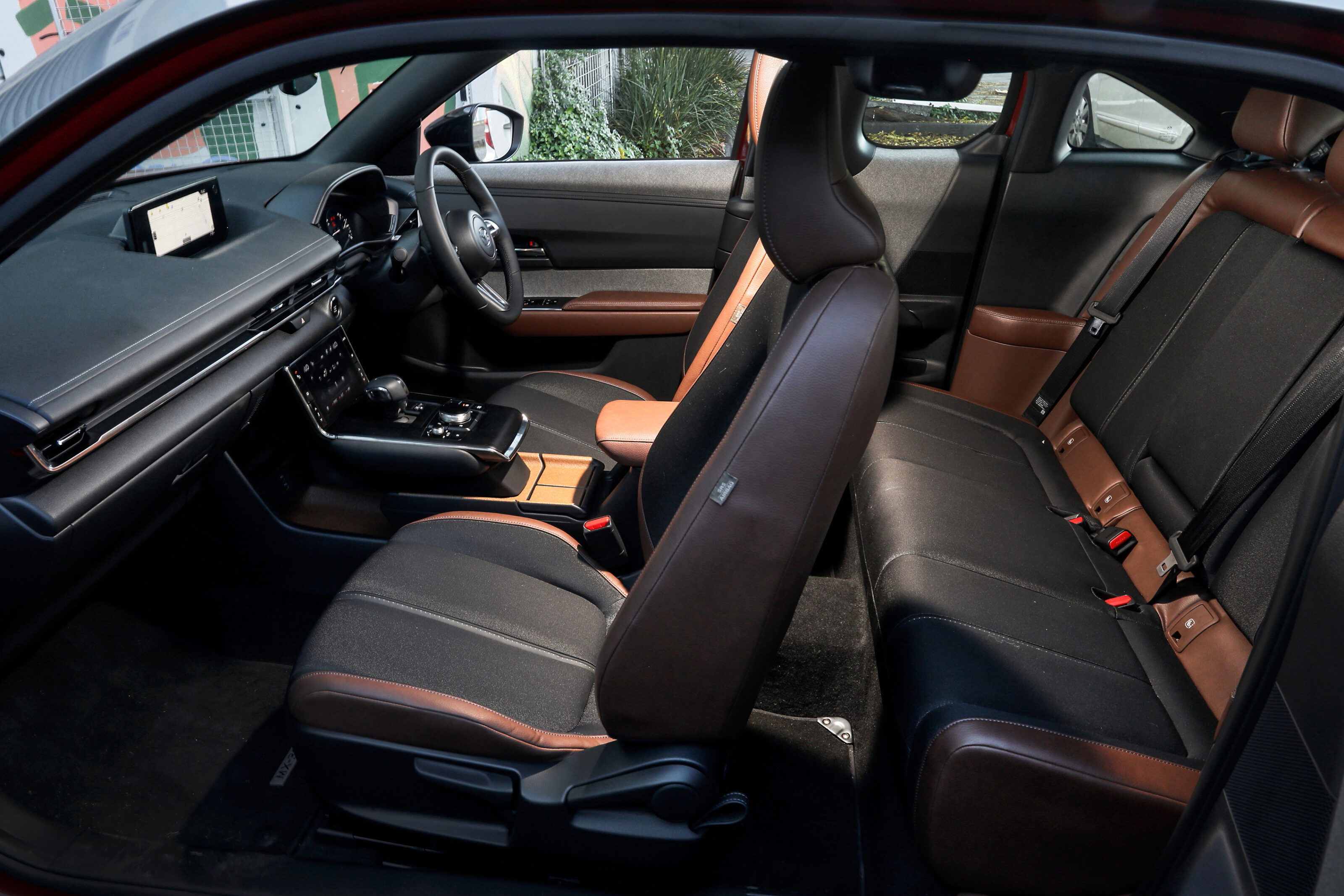
It’s not just the materials that have drawn comparisons between the MX-30 and BMW’s i3 though, its design is unconventional in a couple of ways – the two-deck centre console or the dedicated screen for HVAC, for example.
That screen is a highlight of the cabin, too. It’s conveniently located, always visible unlike climate controls hidden in menus, and still has physical buttons for the temperature and fan controls. It’s like a little climate tablet, out of the way but easy to access.
Underneath the centre console, and a little awkward to get to when you’re driving, are the USB plugs for phone mirroring. Having to kind of feel your way around to plug in your phone for mirroring is a little annoying, but it’s not like that’s going to happen on the move.
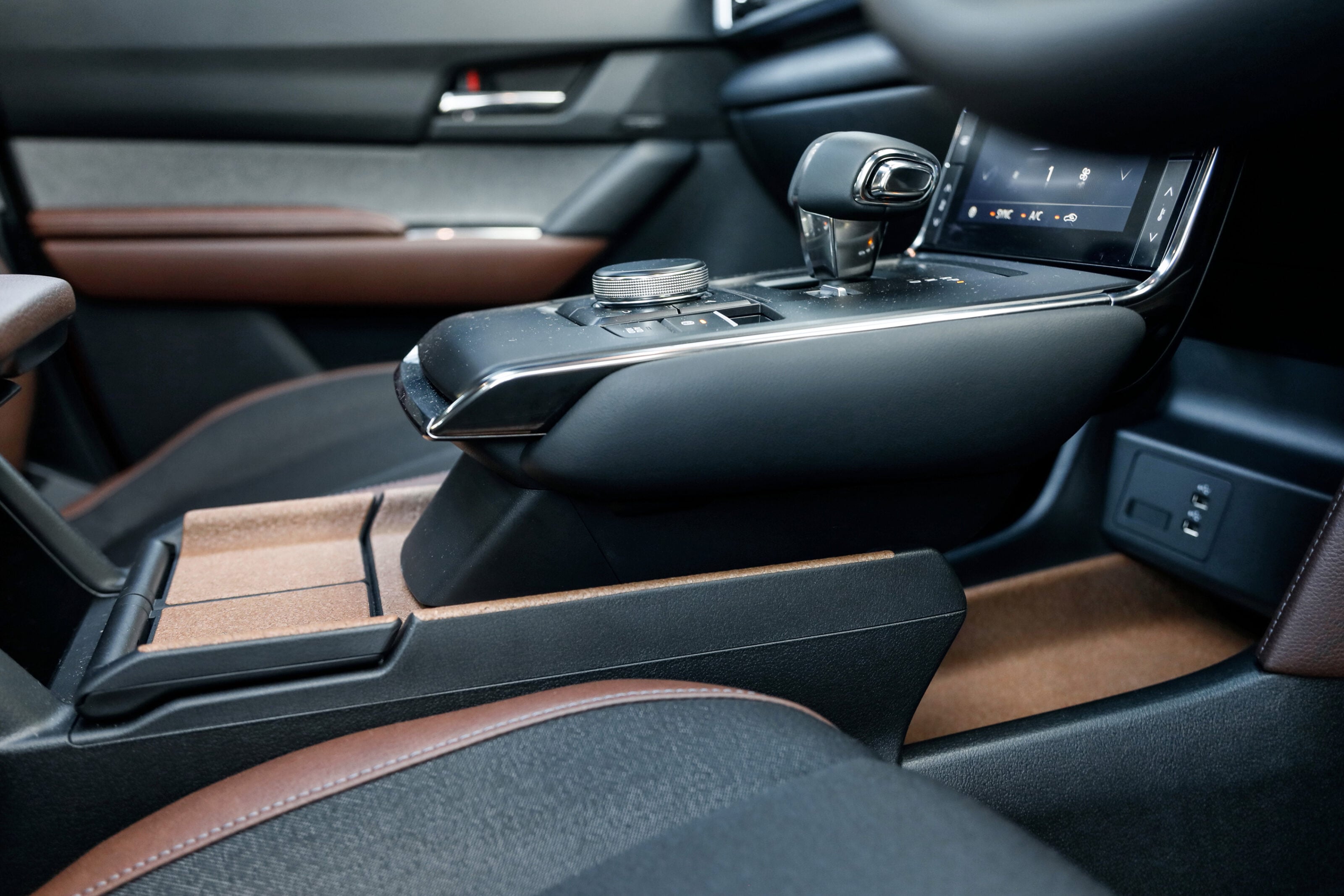
Once it’s plugged in, you bypass Mazda’s infotainment system – which itself is actually fine if a little menu-heavy – and the scroll wheel is no longer the best way to access menus now that touchscreens (the MX-30 doesn’t have one) are up to scratch.
For music or podcasts, the MX-30 has a Bose system with 12 speakers, not that there’s any need to drown out excessive road noise.
The engine, however, does produce a bit of a whirr under high loads, although driving the MX-30 smoothly is really the best way to go about it. It’s not underpowered enough to need a foot stomped on the accelerator unless it’s an emergency, and the rest of the MX-30’s characteristics suit a gentle approach nicely. It’s also the easiest way to find yourself closer to Mazda’s economy claim of 6.4L/100km.
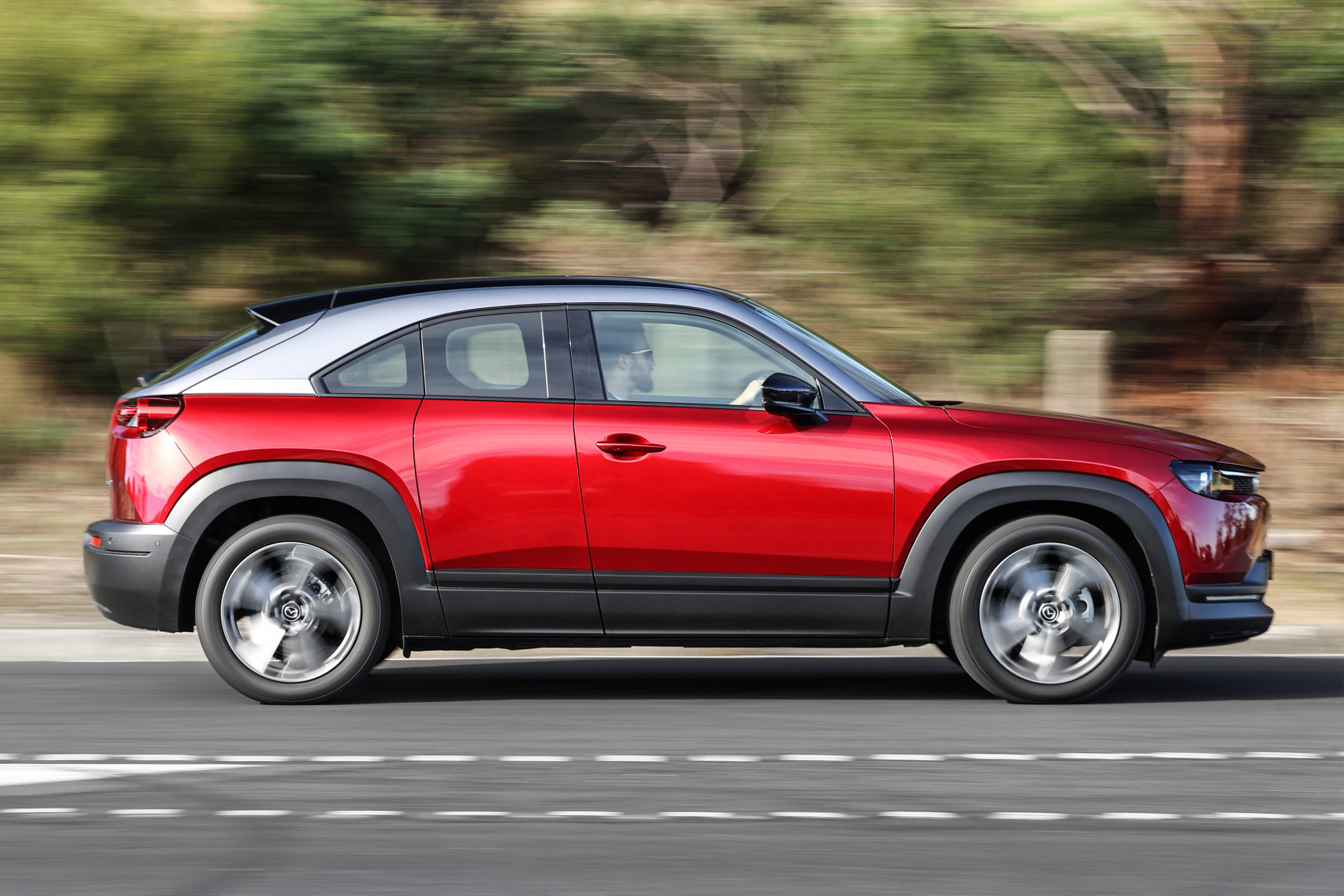
There’s little urgency from the drivetrain, though the ability to handle a bend under a little bit of enthusiastic cornering remains. As such, the steering feels light but accurate, but weighted enough to provide a good bit of feedback. The suspension errs on the softer side of things and its 18-inch wheels don’t let heavy crashes through the cabin too harshly.
If Mazda aimed to quirk up its SUV range with the MX-30’s styling, it’s done itself a favour by not adding too much quirk to the way it drives. The only real downsides to the way the MX is put together are to do with its small rear seats and windows.
The former, not only being difficult to enter due to its ‘freestyle’ rear doors (which can only open when the front doors are open) are quite cosy for an adult. The windows, too, not only hinder rear passenger vision, but also shoulder checks for the driver.
There’s little urgency from the drivetrain, though the ability to handle a bend under a little bit of enthusiastic cornering remains.
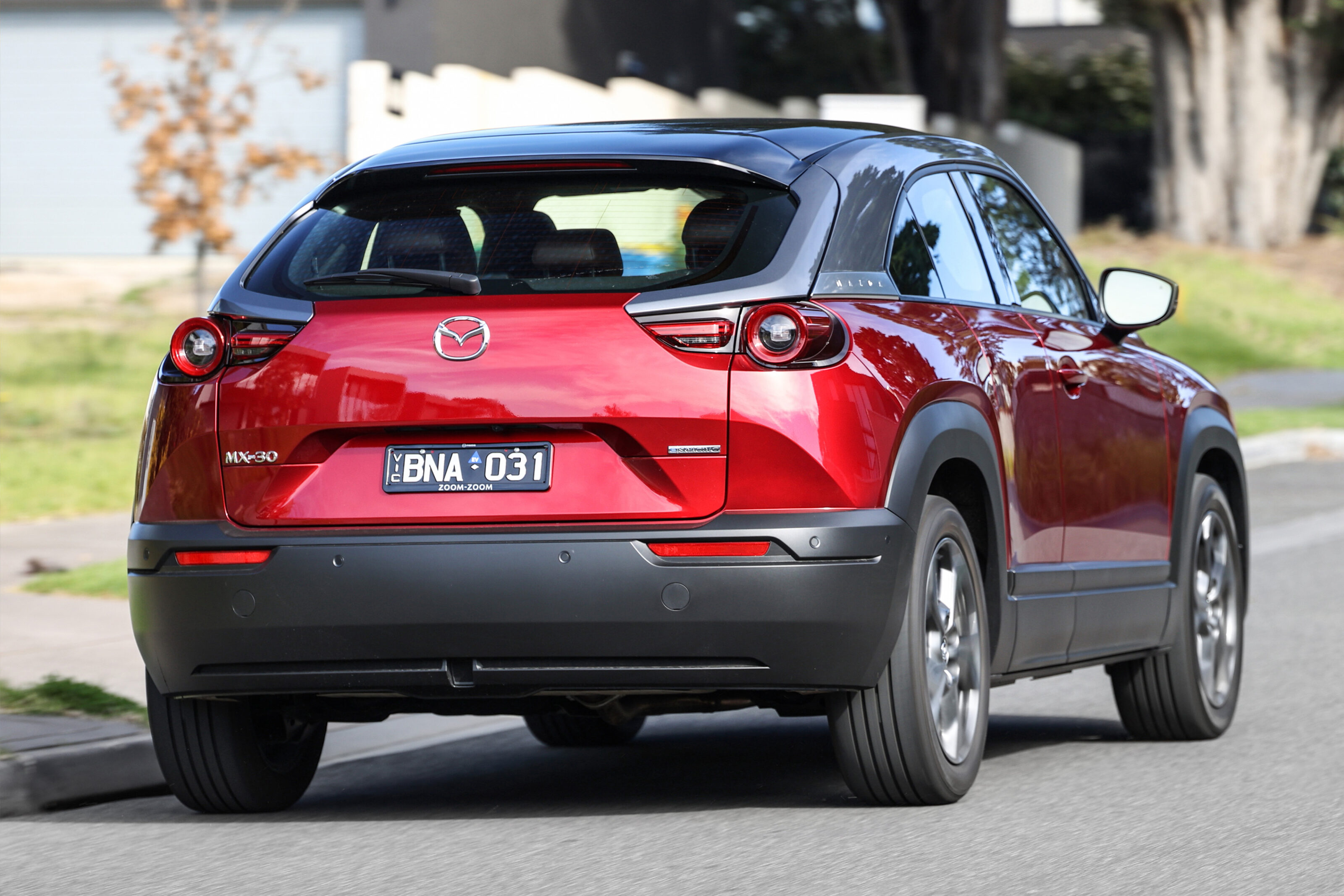
To combat this, there’s a 360-degree camera for parking and reversing, with a reversing camera display of rather good quality. Blind-spot monitoring, lane-keeping, and rear cross-traffic alert are all standard, but things like the 360-degree camera, front cross-traffic alert, and driver monitoring come optional with a Vision Technology pack.
In case of the unwanted, the MX-30 has a five-star ANCAP safety rating, scoring particularly well for both adult and child occupant protection.
Other ownership key points are that servicing every 10,000km (up to 50,000km) will cost you $316 or $361 for each alternating service, while Mazda offers a five-year unlimited-kilometre warranty across the range.
But ‘across the range’ is a little reminder that the CX-30 is also on the list, and in most cases costs less. Unless you opt for a top-spec AWD G25 Astina (with a 2.5-litre engine), the CX-30 will match or be cheaper than an MX-30.
So, should you just buy a CX-30 instead? In the majority of cases, yes.
But, if the lesser convenience doesn’t bother you, the quirky design appeals, and the extra price bump doesn’t scare you off, it’s at least an interesting alternative to our 2021 Car of the Year.
As far as relationships go, MOTOR’s affinity with the Skoda Octavia RS is positive. Just ask group road test editor, Scott Newman, how much he loved his manual RS230 Wagon long-termer and watch as a broad smile forms. And that’s without even asking him to recall the story of chasing an unsuspecting Porsche around Sandown Raceway (the video is on our YouTube channel if you’re keen).
However, the RS230 wasn’t just a handy, go-fast tool. Pragmatic performance is the Skoda Octavia RS’s remit and, knowing it has big shoes to fill, the latest fourth-gen offering hasn’t Czech-ed out of its honed USP.
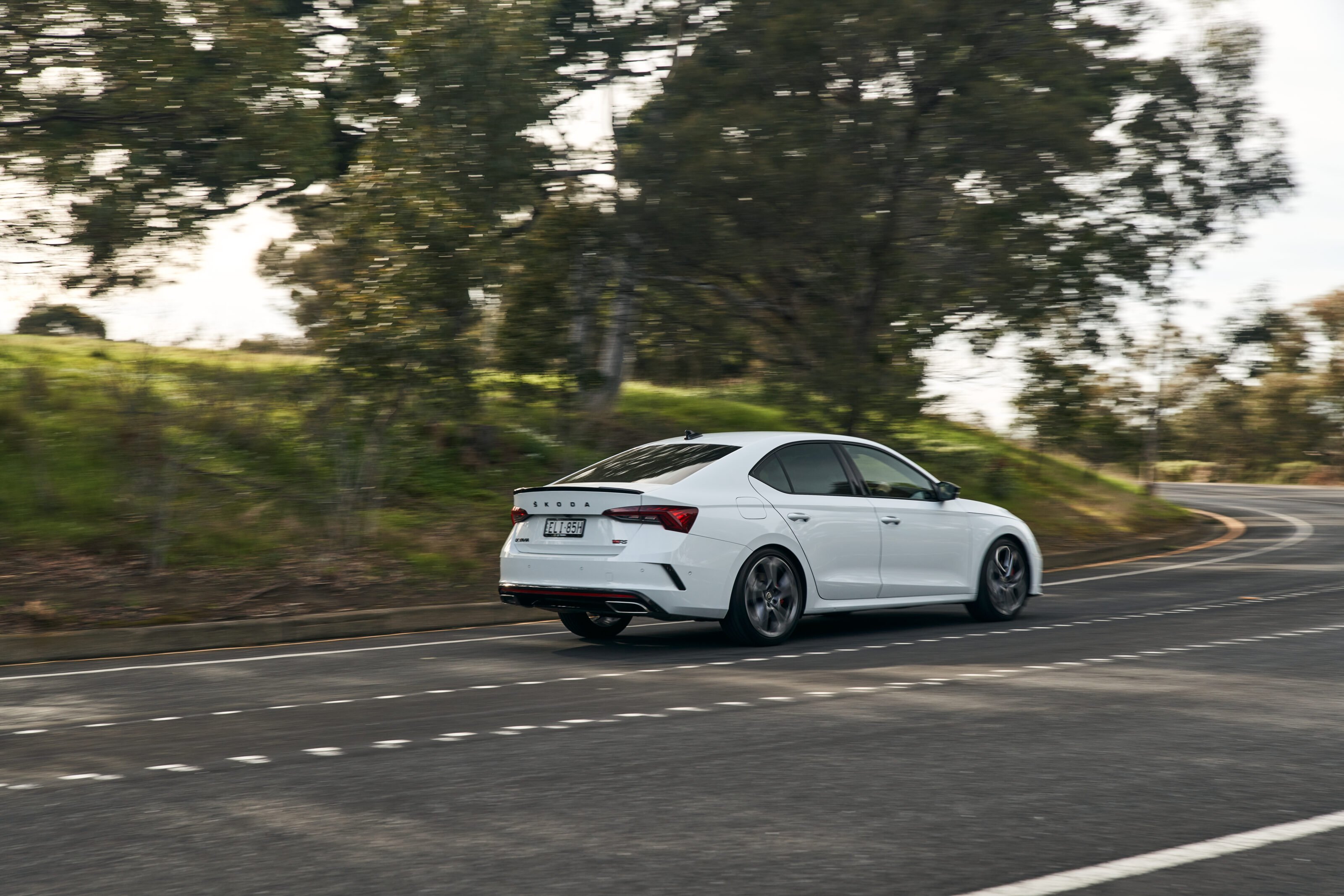
Available in sedan (five-door liftback) and wagon body styles, prices have risen to $47,790 and $49,090 respectively, before on-road costs. Add in the $6500 RS Premium Package fitted to our test car with the $770 Moon White paint and the RRP comes in at $55,060. The RS relies heavily on the Volkswagen Group for its make-up, hence there is a reason it’s often branded the thinking person’s Volkswagen Golf GTI.
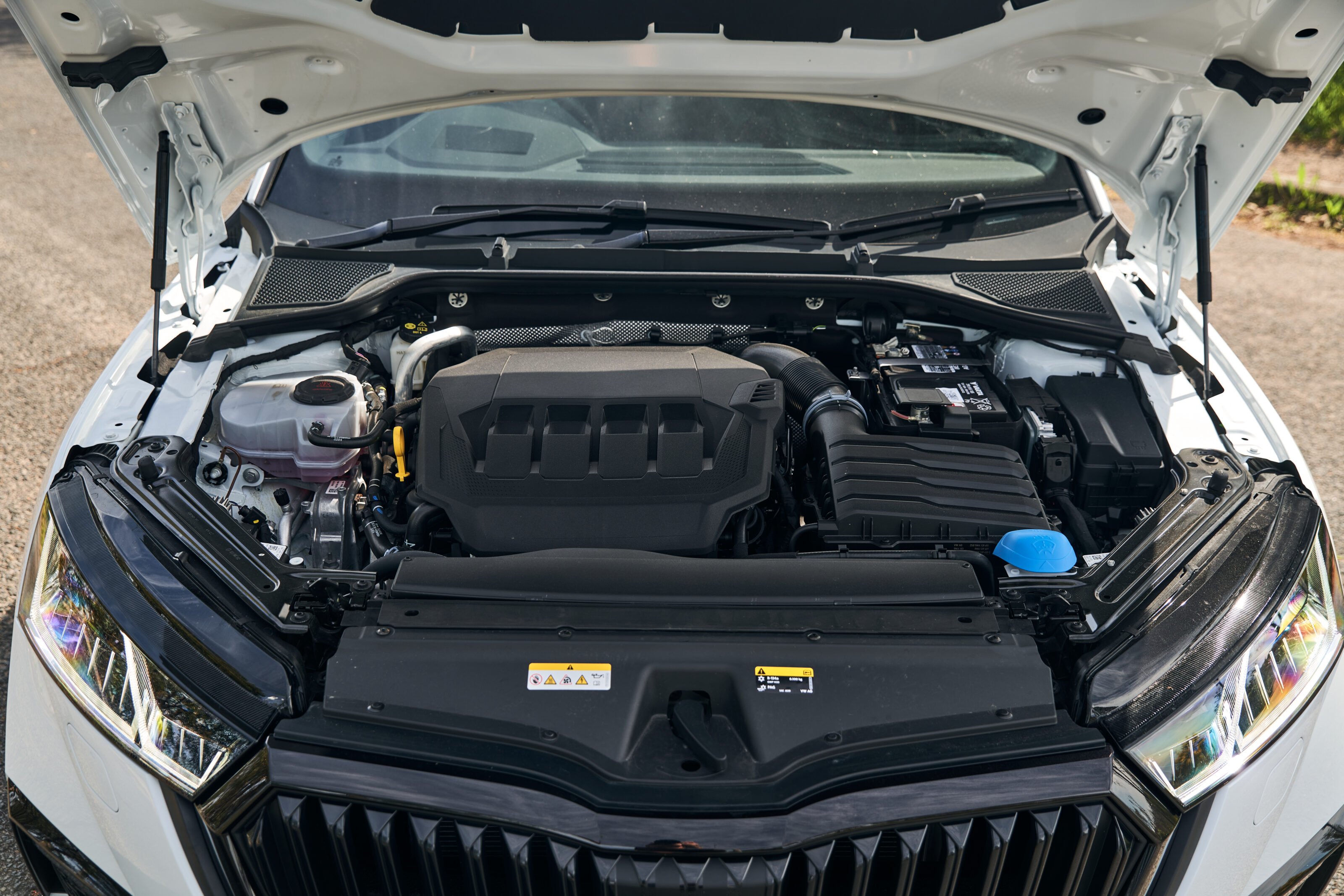
Therefore, the formula hasn’t changed too much. The RS sits on a stretched MQB platform with the venerable EA888 four-cylinder turbo sending power to the front axle. Standard is an electronically controlled, mechanical limited-slip differential and the dual-clutch transmission is of the wet variety with seven ratios. Sadly, there is no longer a three-pedal manual version. At 4702mm in length, the Octavia isn’t a small car and the five-door sedan version offers a commodious 600-litre boot.
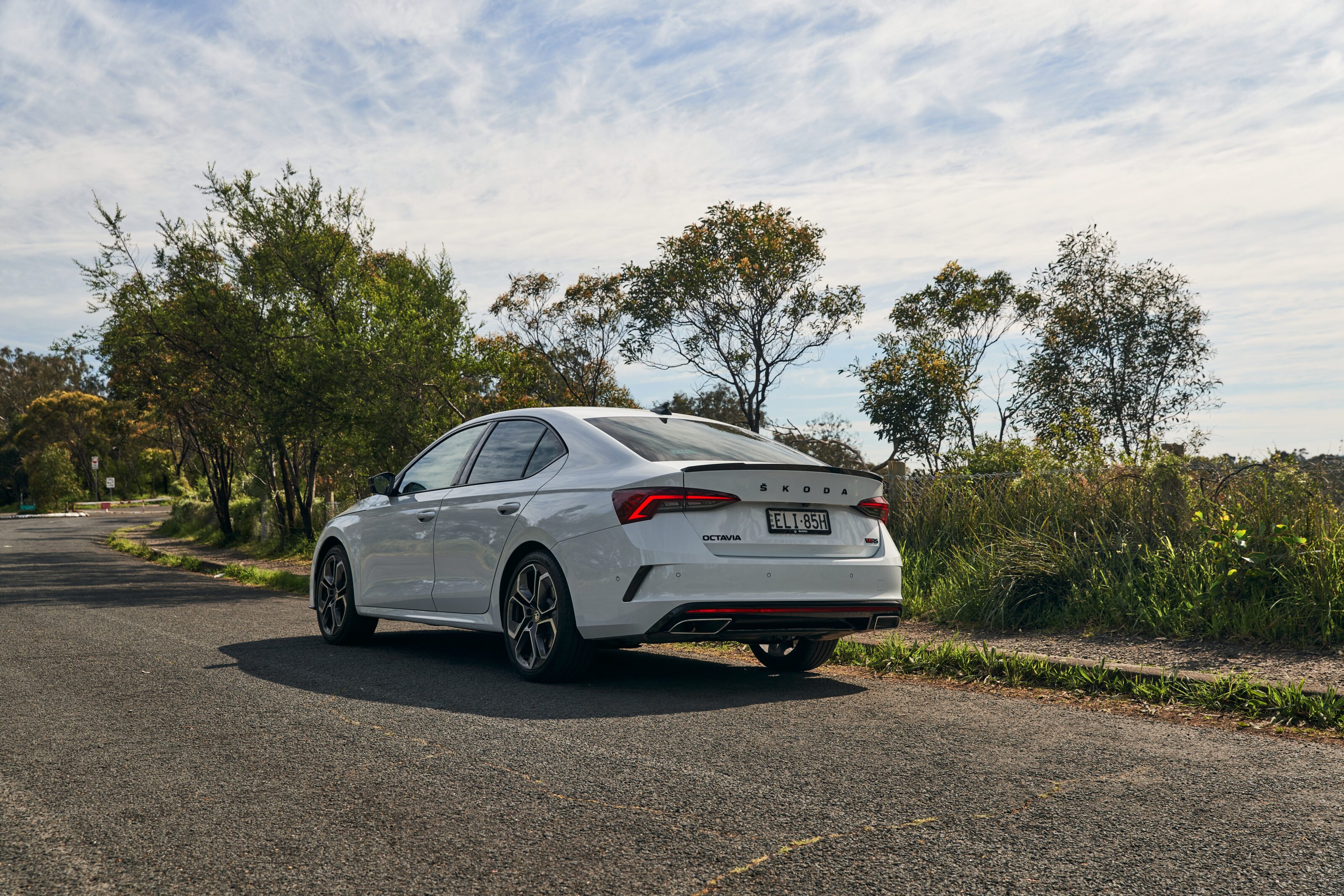
Brushing the everyday liveability aside for a moment, the 2.0-litre four-pot punches out 180kW and 370Nm. It’s a strong unit with loads of mid-range punch (peak torque is delivered between 1600-4300rpm). Yet, pleasingly, there is more reason to access the upper reaches of the tacho as power is delivered progressively to redline. On the run, the RS has enough performance to keep the hot hatch clan on watch.
Where the Octavia does struggle is traction. Getting that power down, whether it be off the line or past the apex of a tight corner, is the harder task. The RS has a claimed 0-100km/h time of 6.7 seconds, yet we smashed that with a 6.41sec marker, while it went on to cover the quarter-mile in 14.47sec at 163.07km/h. Interestingly, it also recorded the same 3.5sec figure as the Focus ST in the 80-120km/h race. That’s quick for a 1475kg liftback with room to carry five adults and luggage.
On the run, the RS has enough performance to keep the hot hatch clan on watch.
However, it’s a balancing act with the launch-control system to best appease the stopwatch. Dial up 4000rpm like the system wants and it’ll be a blaze of wheelspin and axle tramp before the electronic nannies pull the plug. Instead, hovering around 2500rpm before releasing the brake yields the best result, allowing the Goodyear 19-inch hoops to gain meaningful purchase and translate the 180kW/370Nm to Heathcote’s strip.
Deploying a judicious right foot helps on-road, too. The front-end is sharp and faithful when entering a corner with understeer a rarity – and usually driver-induced. Be too eager to get back on the throttle with lock still applied past the mid-point and the same traction issues found at the strip creep in. The trick mechanicals are there with the differential, and you can feel it working away trying to apportion grunt to the front wheel with the most traction. But the 225-section Goodyear Eagle F1 Supersports don’t offer enough tyre grip to match the LSD. Squaring off corners and making the exit as straight as possible proves a better remedy than ESC Sport.
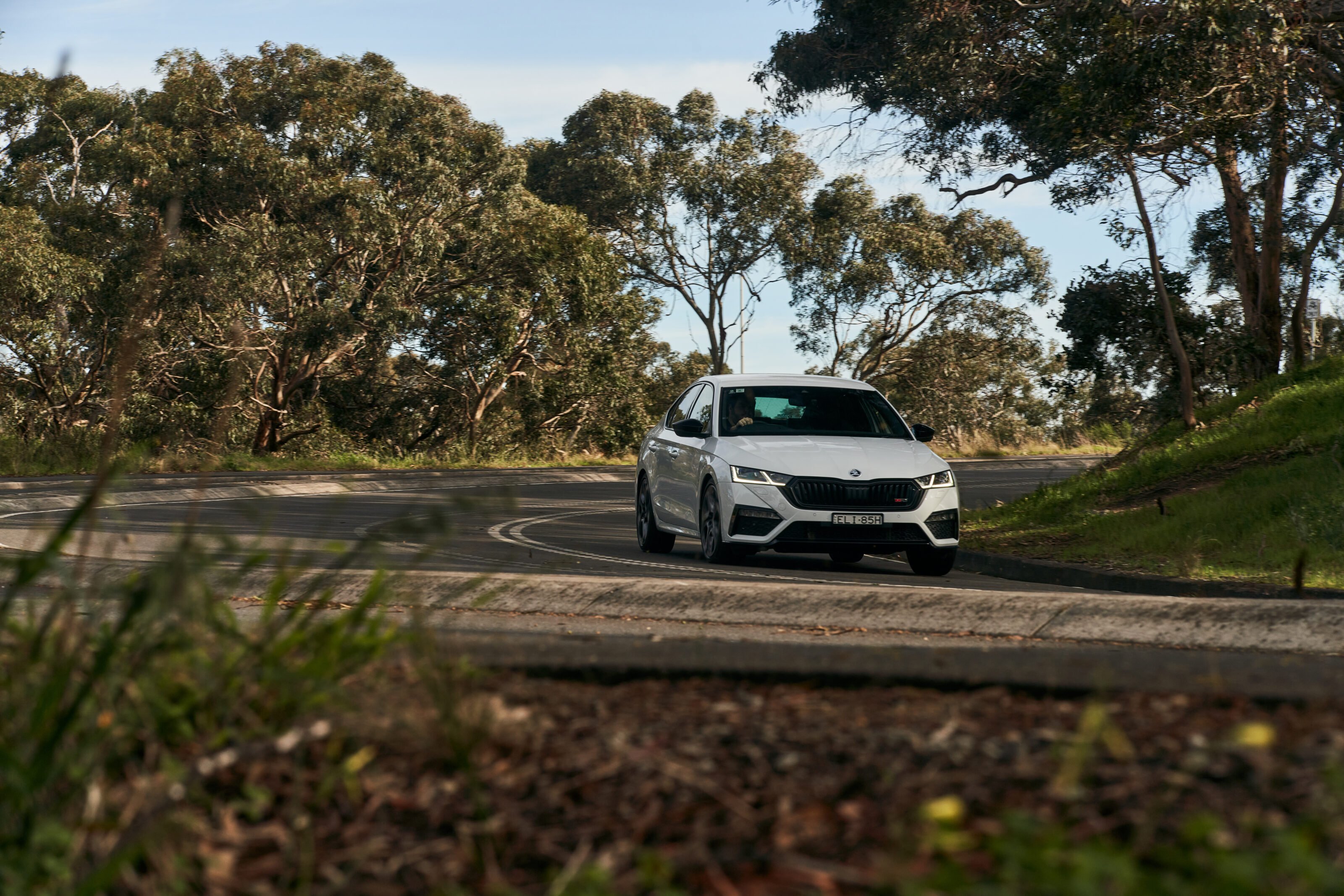
However, find a more flowing section of road and the Octavia’s brisk, competent and confidence-inspiring nature comes to the fore. The chassis is well sorted, so where traction isn’t an issue, the RS shines. While the 50mm longer wheelbase (2681mm) compared to a Golf GTI might not seem like much, the Skoda has a languid edge to its persona. Away from tight and twisty tarmac, it’s not only vastly more enjoyable but also rapid with the seven-speed DSG providing ruthlessly efficient shifts. The steering’s weight and feedback are appreciated, while flicking the drive selector to Sport mode doesn’t induce an unnaturally heavy feel.
Speaking of modes, the RS Premium Package endows the Octavia with a mode selector and Adaptive Chassis Control (ACC). Both prove valuable acquisitions, but the latter is vital to ride quality. Being able to set your own Individual mode is handy, while the 15 adjustments (from Comfort through to Sport) seems a bit of overkill. That’s because leaving the ACC in Comfort works wonders. It is cosseting out on a country road and, despite the liquorice-strap rubber, provides enough bump absorption to quell most city streets.
One mode you can thankfully switch off is the sound actuator. Why you’d want your Skoda to sound like a wicked-up Subaru boxer engine is questionable. The authentic acoustics are vastly more appealing and tie into the fact that the buyer of an Octavia RS is more likely to tap into the calming side of its demeanour.
That makes the RS Premium Package a must-have. While it isn’t cheap and pushes the base price up significantly, a lot is packed in for the cash. It includes Adaptive Chassis Control, mode selector, head-up display, electrically adjustable front seats with memory and massage functions, heated seats front and rear, tri-zone climate control, park assist, Canton 10-speaker audio system, Alcantara RS upholstery, hands-free boot opening and manual sunblinds in the rear (for the kiddies). While some of that should be standard at this price point, all those options would be nearly $10K if selected individually.
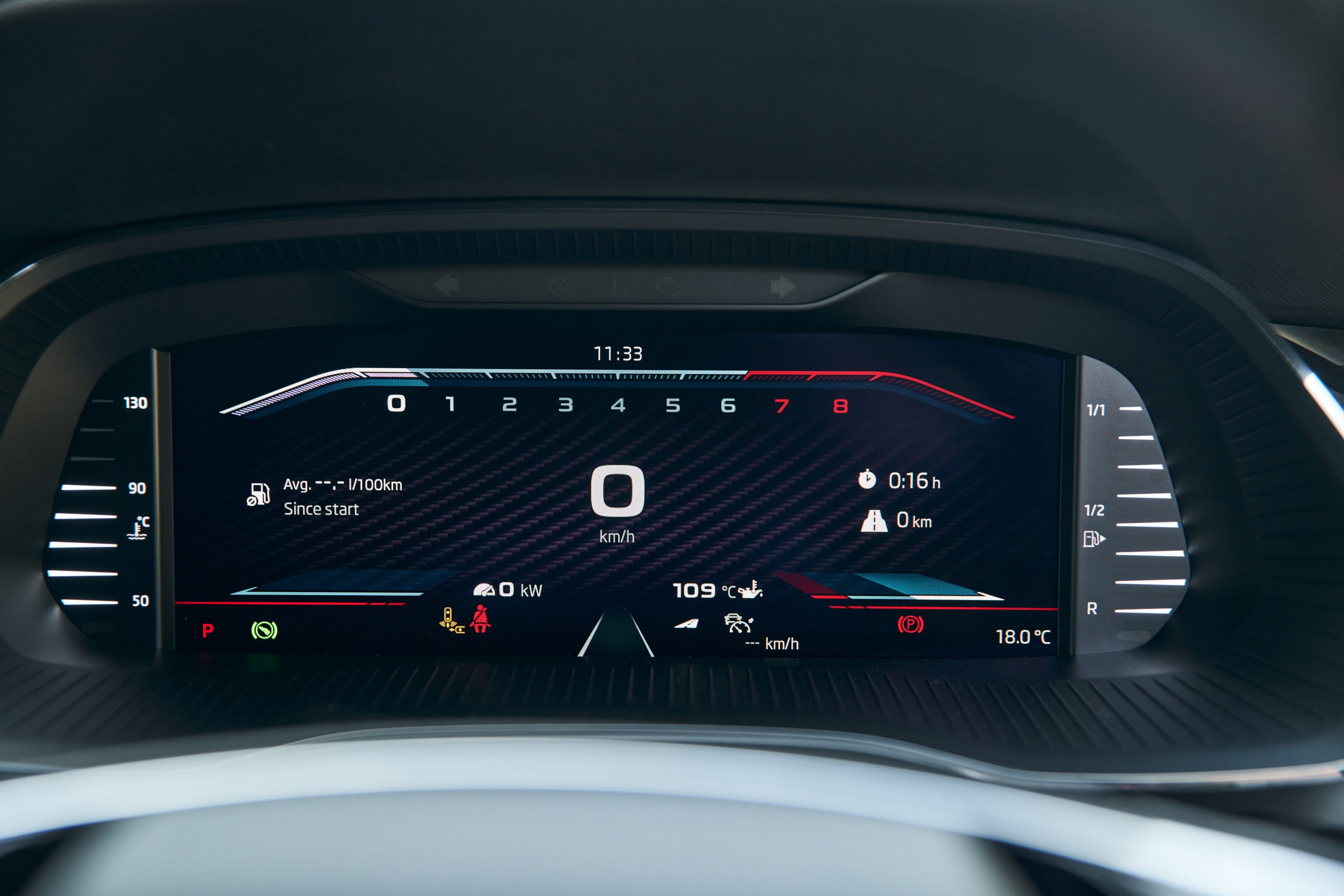
So, not only does the optional pack enhance the driving experience, it also amps up the comfort and luxuries inside, too. The seats are wide and accommodating for bigger bodies and the leather wheel is pleasingly tactile. It also features buttons, unlike the Golf GTI. Pleasingly, physical menu shortcuts are placed on the centre dash below the 10.0-inch ‘Columbus’ infotainment screen. It’s an intuitive and quick-responding unit with enticing graphics. The Virtual Cockpit digital instrument panel, with selectable themes, is a highlight, too.
In terms of tech, wireless Apple CarPlay and Android Auto are standard, as is a wireless charge pad that is conveniently located. There are five USB-C ports, with two located in the back below the rear air vents. Dual map pockets, as well as a handy holder for your phone, and a central armrest with cup holders up the convenience ante. Head and legroom aren’t left wanting either, while the rear seats fold for 1555 litres of cargo capacity.
There are a few Skoda quirks that just make you smile, like the umbrellas in the front doors and the ice scraper located inside the fuel filler cap. Premium touches like the carpet-lined door bins and storage compartments with rubber mats add to the upmarket ambience. That mood can also be altered by a plethora of ambient lighting options.
In terms of peace of mind, the Octavia RS is covered by Skoda’s five-year, unlimited-kilometre warranty, while servicing is every 12 months or 15,000km (whichever comes first). You can choose between two service packs, the first being across three years/45,000km for $800 or five years/75,000km for $1400.
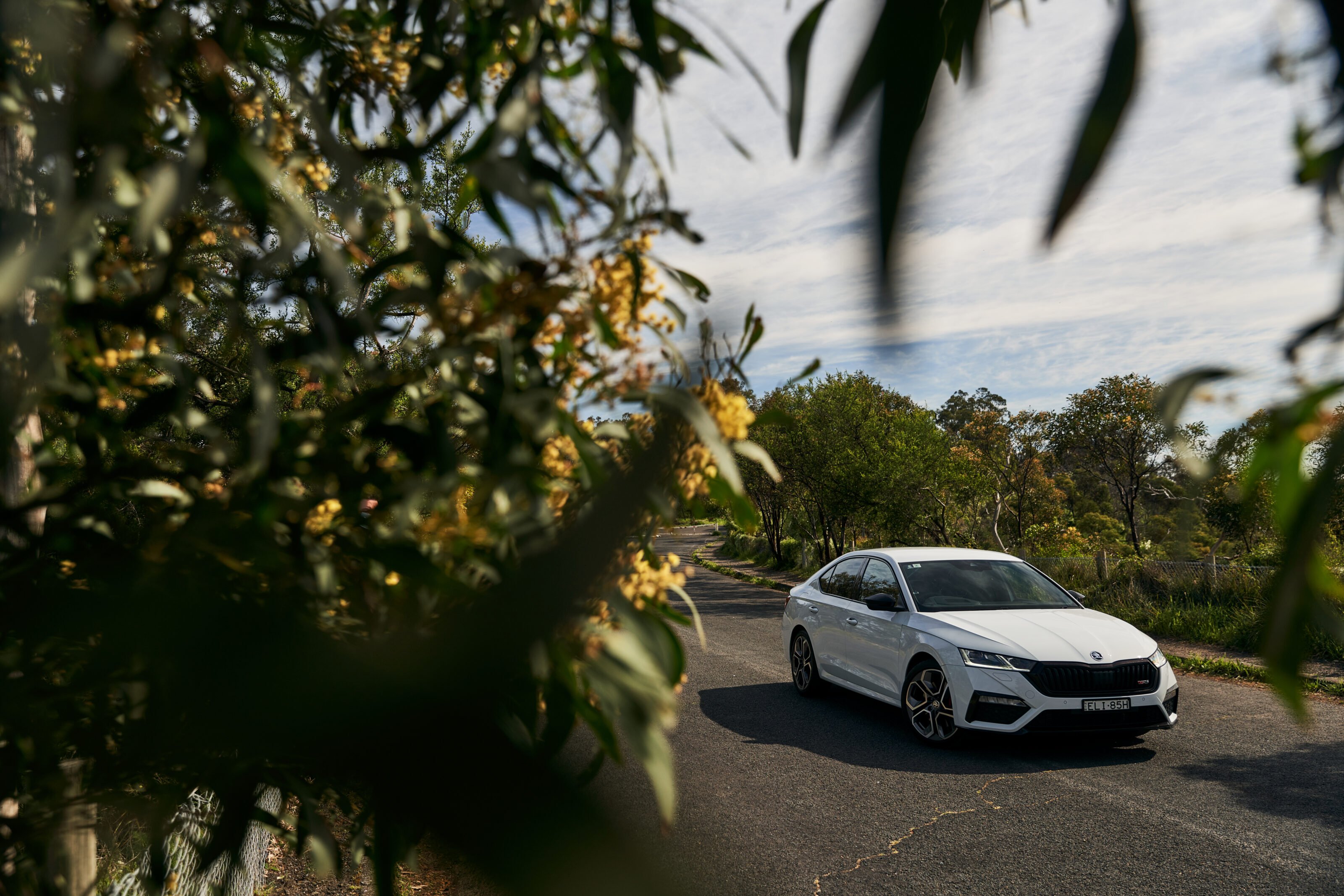
As a brand, Skoda retains its status as a quirky outlier, one that staunchly remains a go-to for informed buyers. The same could be said for the Octavia RS. It’s a variant that satiates the urge for spirited driving on the weekend while offering a do-it-all solution during the week. It’s a prime example of a performance-car-cum-family-hauler. And despite its price increase and traction issues, the relationship remains strong.
It satiates the urge for spirited driving on the weekend while offering a do-it-all solution during the week. It’s a prime example of a performance-car-cum-family-hauler
2022 Skoda Octavia RS specifications
Key Points
- A total of 56 units have been recalled
- Fuel pump failure could lead to loss of power
- Repair work will be carried out free of charge
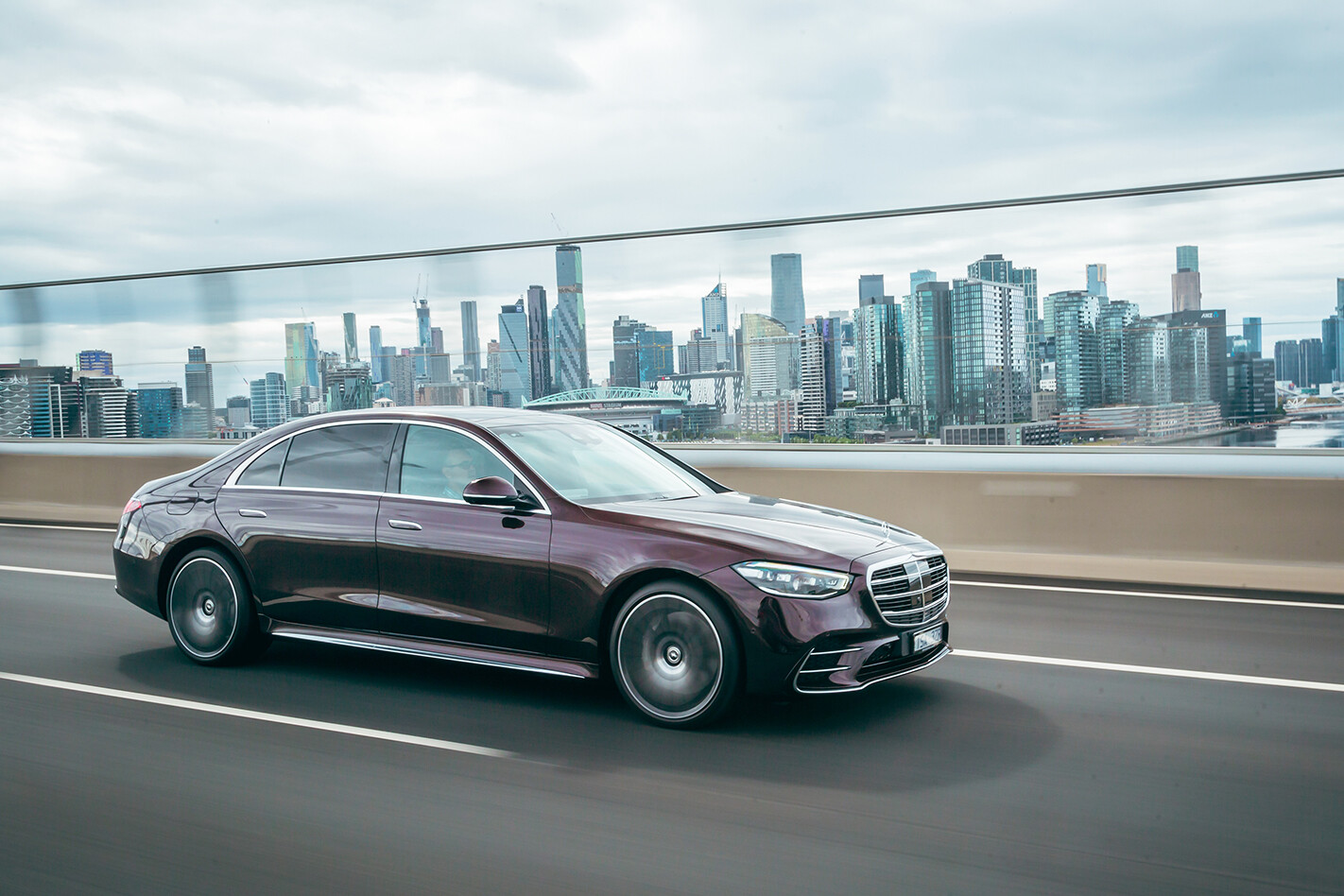
A recall notice has been issued for the 2021 Mercedes-Benz S-Class due to a potential fuel pump issue.
Affecting a total of 56 units sold this year, the vehicle has been recalled as the nozzle within the suction jet pump in the fuel tank may become detached, leading to a loss of power.
Throughout 2021, Mercedes-Benz has sold 194 examples of the S-Class to the end of October, with the units recalled accounting for just under 30 per cent of those delivered to customers.
Mercedes-Benz has said 2021 S-Class owners can contact their nearest dealer to have the replacement parts fitted free of charge, or book through the manufacturer’s online service booking portal.
Alternatively, those who are unsure about whether their vehicle is affected can contact Mercedes-Benz’s customer assistance centre on 1300 300 896 or [email protected]
A list of VINs for affected vehicles can be found here.
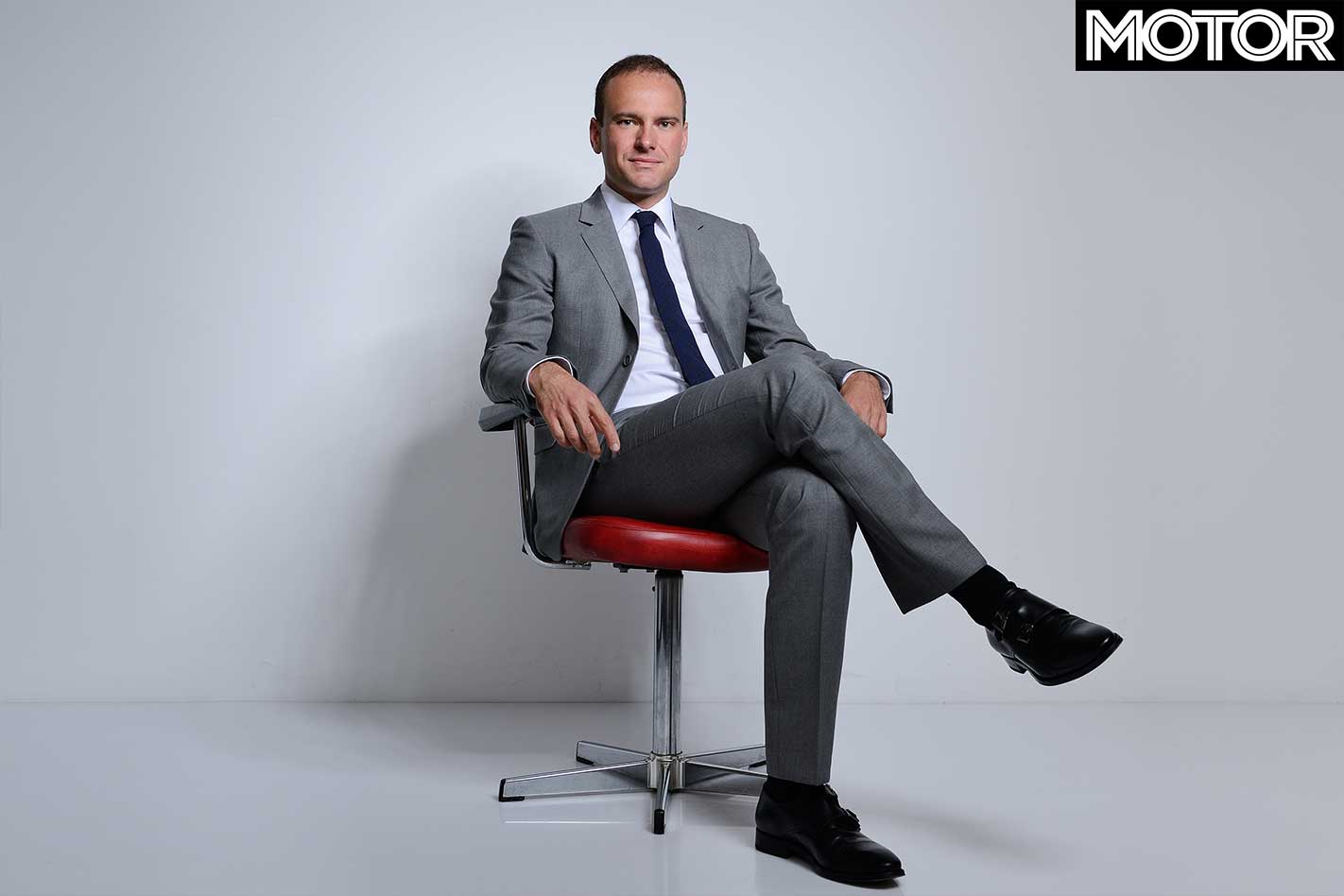
Former BMW M division CEO Markus Flasch has confirmed the German manufacturer is working on its standalone, flagship M model.
Having served as the head of BMW’s in-house performance division since 2018, Flasch was recently replaced by his predecessor Frank van Meel – with the former now taking over BMW’s luxury, upper and mid-range model operation, as well as becoming Rolls-Royce’s head of products.
In an interview with German publication Auto Motor und Sport, Flasch confirmed the M division was working on its own dedicated flagship model – touted to be underpinned by a hybrid powertrain, which can deliver up to 560kW.
When asked whether the iconic M1 would be given a standalone successor, Flasch answered flatly.
“Well, there will definitely be an independent M model again,” said Flasch.
“Our brand core is still racing and high performance on the road. However, we also want to retain customers who are into expressive luxury. With the M8 and its derivatives, we have already succeeded in some cases, but there is a segment in which there is a lot going on and we are not yet represented. I cannot say more about that.
“Fully electric driving is the future for BMW M too. But when? That is currently not clear, also because the internal combustion engine will continue to play a major role in customer and top-class motorsport for a very long time.
“For this reason alone, an offer is needed in the Series area. But I can promise: From the second half of the decade, we will have all types of drive on offer – i.e. combustion, high-performance hybrids and purely electric, which complement each other perfectly.”
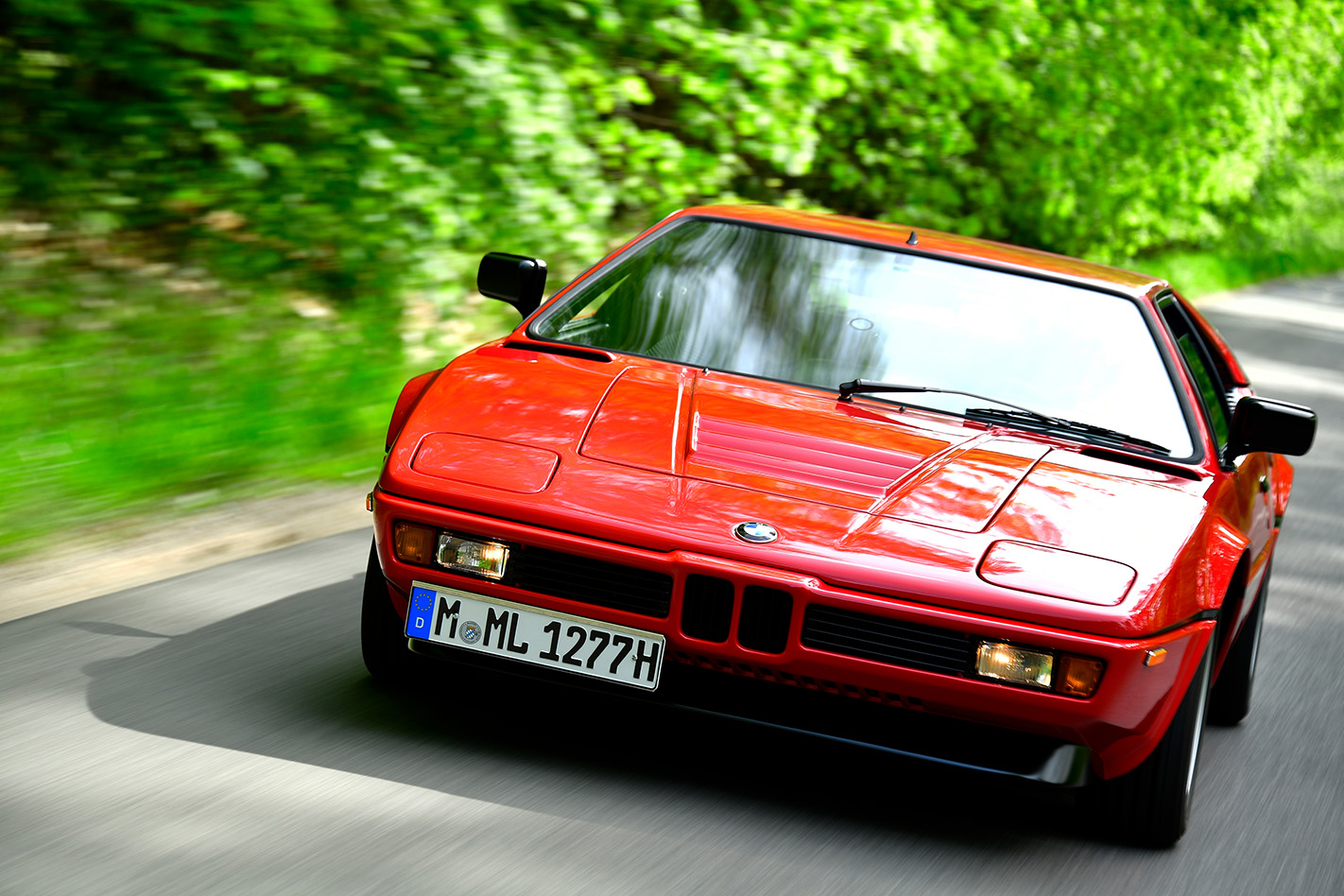
Amongst ever-tightening emissions regulations in Europe, Flasch provided an assurance that BMW and the M division would continue to produce performance combustion engines until 2030.
“[…]we have found technical solutions to keep our inline six-cylinder internal combustion engine on sale at least until the end of the decade – for both road and racing vehicles,” he added.
“In any case, we have dealt intensively with the combustion process in order to be able to do without space and weight-consuming ancillary units. No matter how sharp EU7 [Euro 7 emissions] gets, we know that our approach works. Incidentally, this also applies to our V8 engine.”
The BMW Group as a whole is currently targeting a move towards electrification, with the ultimate aim of electric vehicles making up half of its production volume by 2030, although hybrid engines will still play a major part in its future.
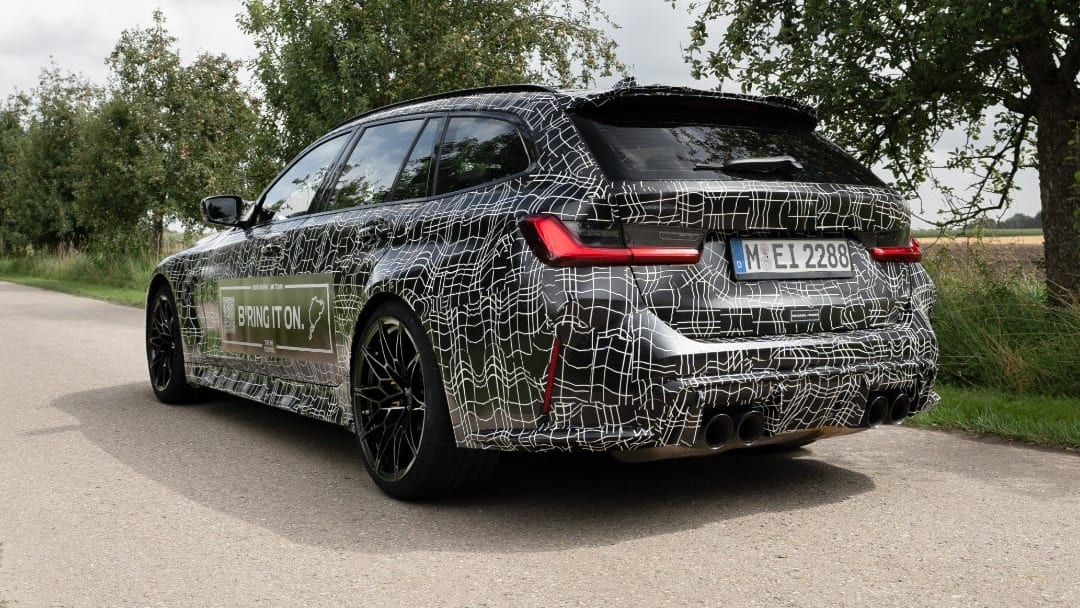
UPDATE, November 8: Volkswagen CEO Herbert Diess is said to have the backing of two of the Group’s biggest families – despite questions being raised about his future in the company.
As reported by Reuters, the Porsche and Piech families – which control Volkswagen’s biggest shareholder, Porsche – have thrown their support behind Diess amid whispers the Volkswagen board wants him out of the top job.
A spokesperson for Porsche told Reuters, “the families continue to back Mr Diess. There has been no change in their position.”
The story to here
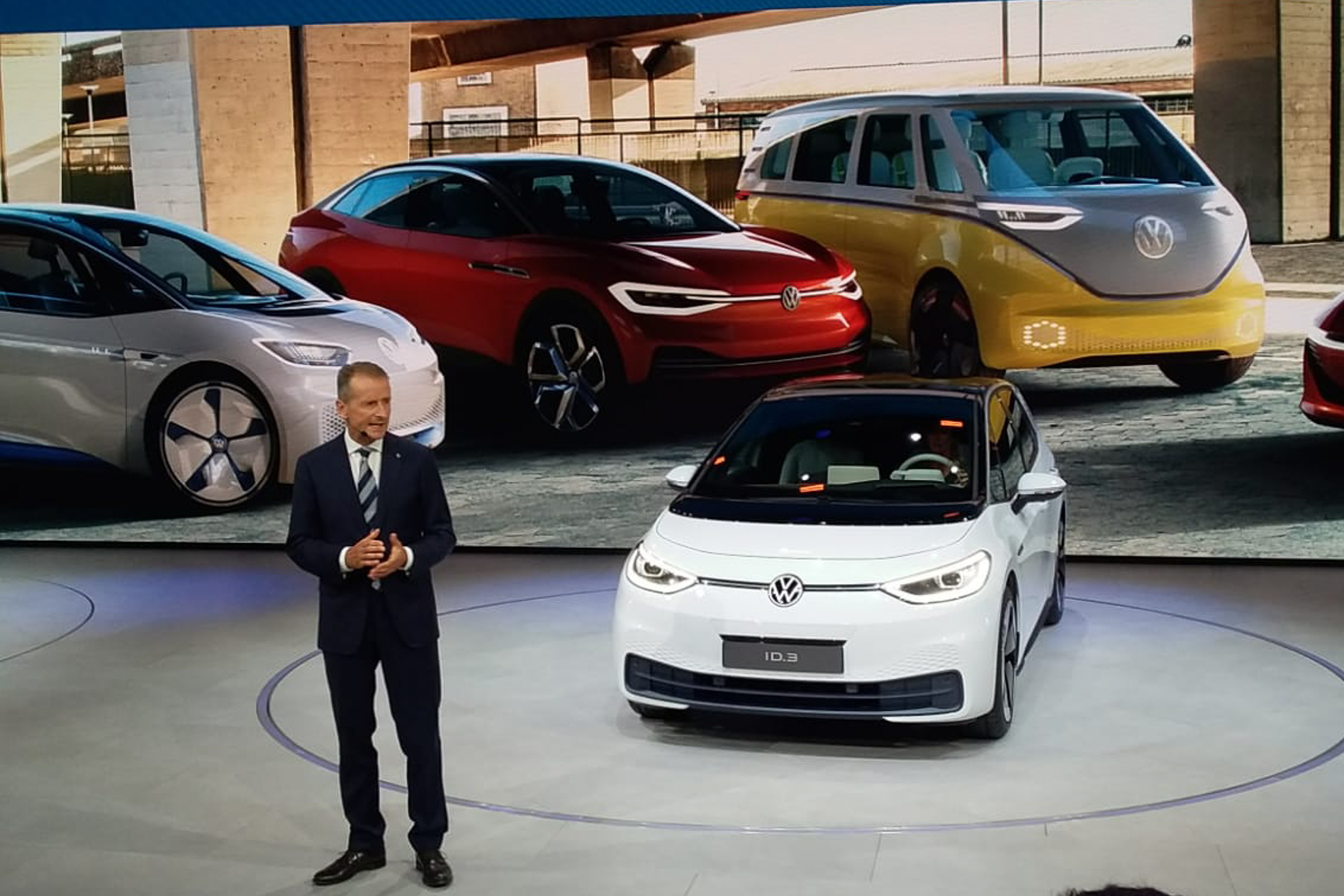
November 6: The head of Volkswagen could be on the chopping block, with sources claiming Herbert Diess’s time at the top could be ending.
Sources have told Reuters a specially convened committee involving Volkswagen board members is to discuss the future of Diess within the company, coming off the back of his pro-electric vehicle stance and longstanding friction with labour representatives.
Sources inside Volkswagen informed the publication that Diess had told the board an estimated 30,000 jobs could be at risk due to the manufacturer’s push towards EVs, significantly reducing its workforce both at its headquarters in Wolfsburg and across the globe.
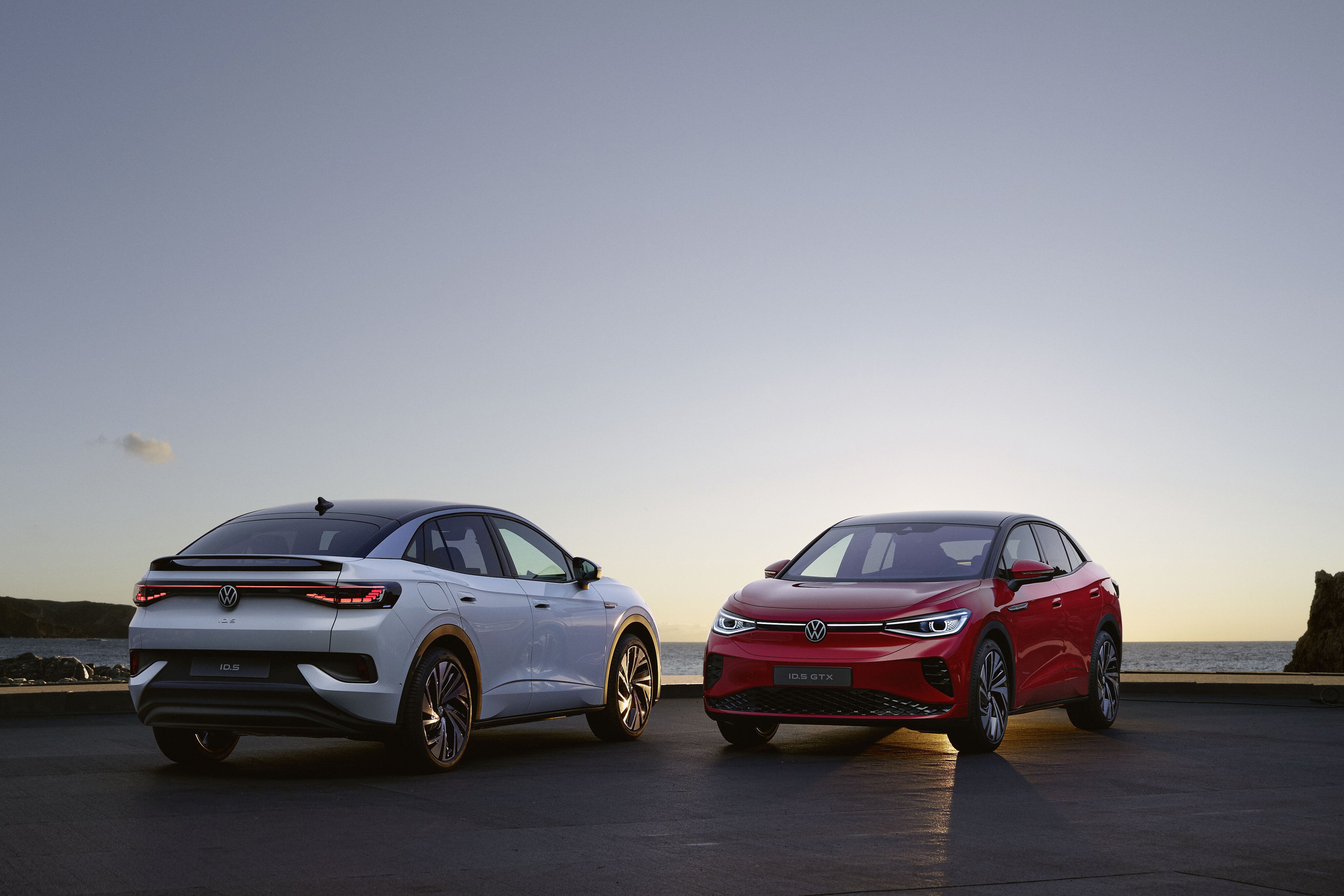
Since taking the job of CEO in 2018 – the third in the role since the fallout of Dieselgate – Diess has lauded American EV specialist Tesla – praising Elon Musk and his company’s efforts to bring fully-electric cars to the market, while also wanting Volkswagen to become a competitor in the segment.
Last month, a top-level Volkswagen meeting of 200 managers in Alpbach, Austria, saw Musk appear as a guest speaker – invited by Diess to help the manufacturer understand what it takes to shift to EVs.
Since Diess took the top job in 2018, Volkswagen has released its ID.3 and ID.4 electric vehicles, as well as announced the upcoming ID.5 earlier this week.
It is understood his current contract runs until October 2025.
Key Points
- Fastest growing luxury brand
- XC40 Recharge Pure Electric on its way
- Record year so far for carmaker
Volvo has achieved record annual sales in Australia with two months of 2021 still to run.
The Swedish brand surpassed its previous best result of 7779 units, in 2019, after registering 593 new vehicles in October to move to 7932 sales year-to-date.
Volvo Car Australia’s year-to-date growth is 32 per cent, though the company looks set to fall short of its stated target of 10,000 sales for 2021.
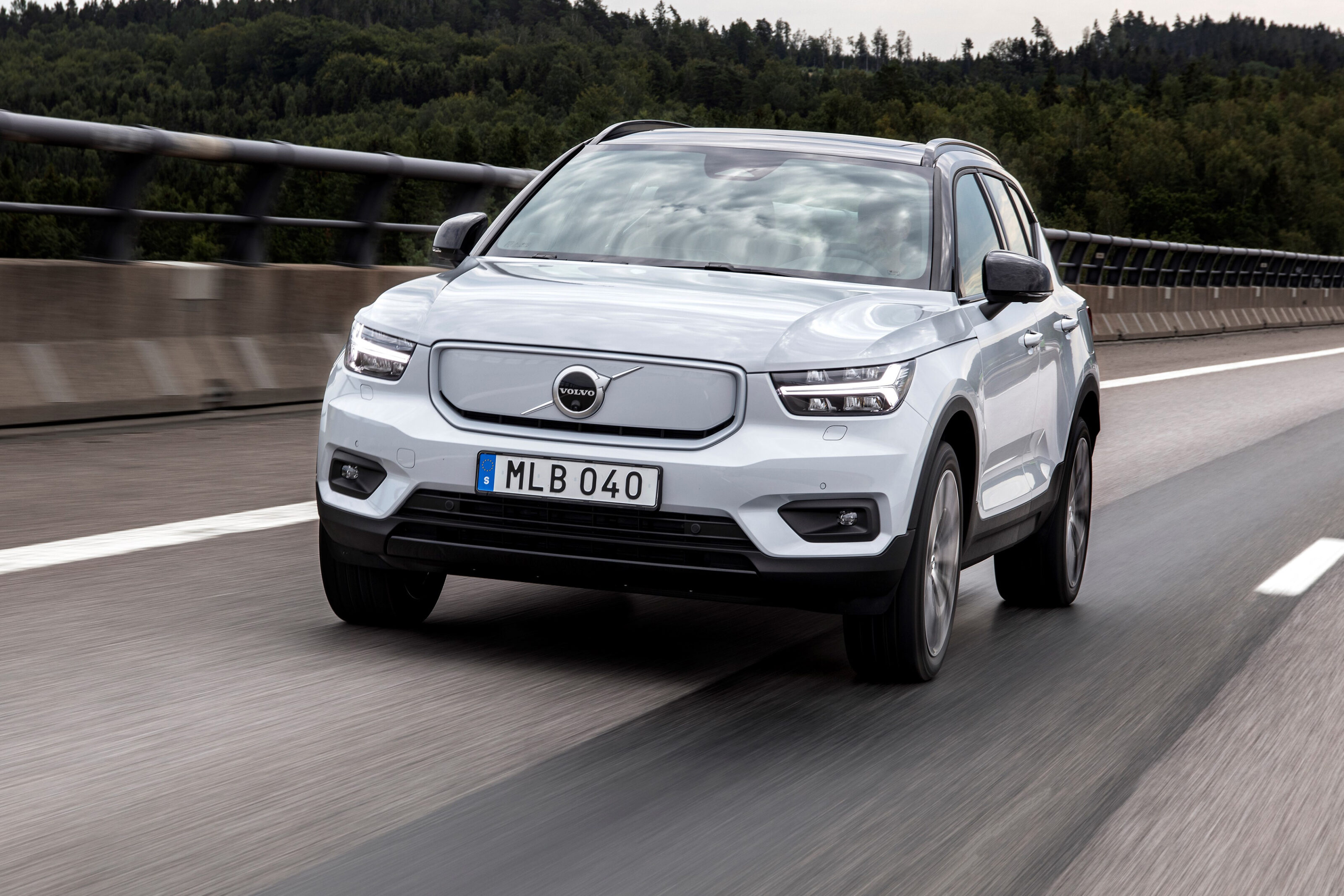
September and October both struggled compared with previous months as the pandemic-driven supply crisis continues to hit the car industry. October was 16 per cent down on the same month last year.
Volvo’s SUVs account for all but 206 of the 7932 vehicles sold so far this year. The rest of the showroom features the S60 sedan and V60 Cross Country (the regular V60 was recently replaced by the Cross Country).
The XC40 compact SUV is on track to be the most popular Volvo in Australia for the second consecutive year. It has 3406 sales year-to-date, leading the XC60 mid-sized SUV with 3065 sales.
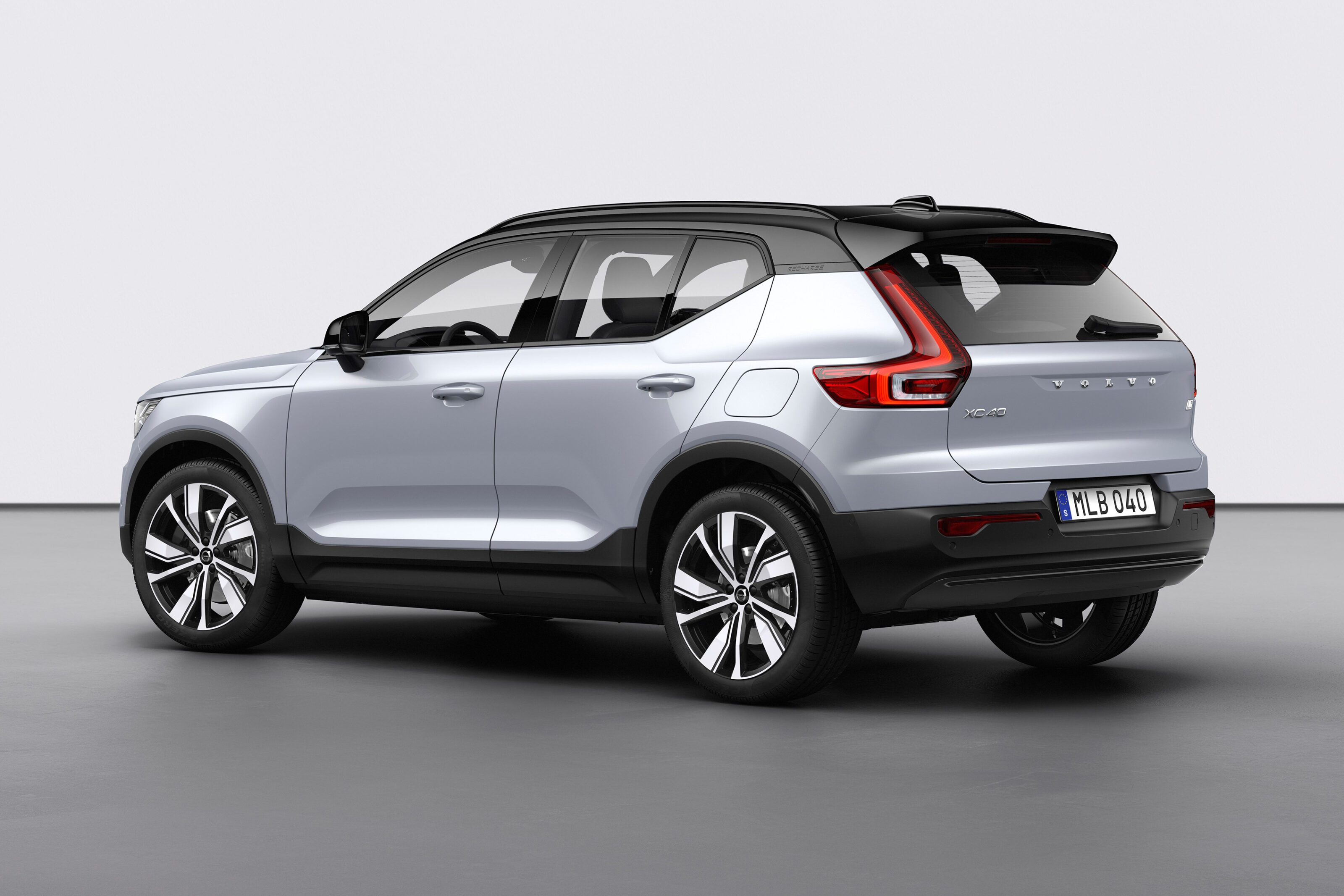
A fully-electric XC40 has just joined the range and is already delivering promising results, according to Volvo Australia.
“Our entire 2021 allocation of XC40 Recharge Pure Electric sold out on pre-order, and the orders are fast approaching that of our internal combustion engine cars,” said Volvo Car Australia boss Stephen Connor.
“There is no doubt Australians are embracing electric cars in increasing numbers. In September our XC40 Recharge Pure Electric made up 21 per cent of our overall sales. Our forward order book for Recharge heading into next year is very strong.”
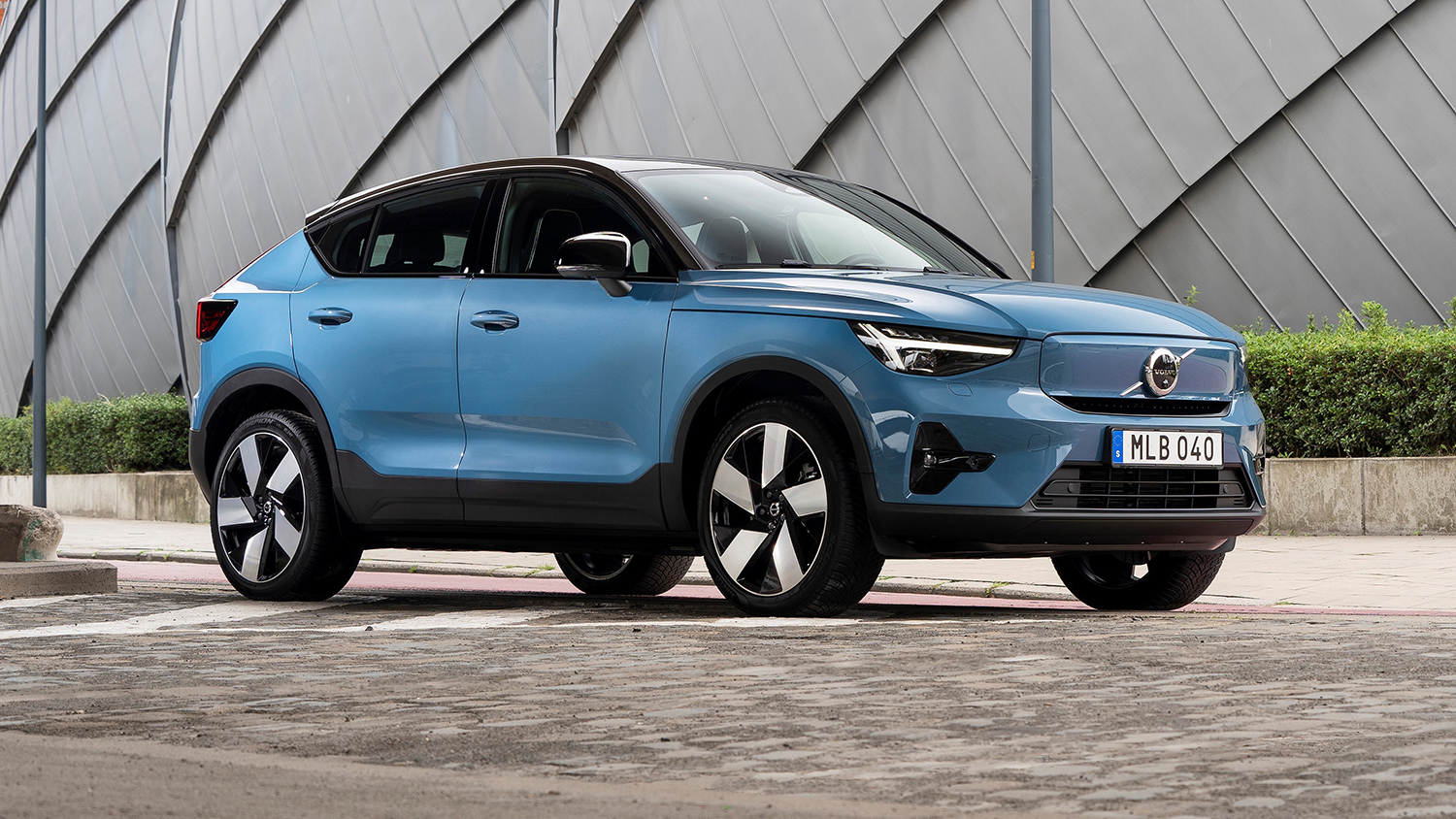
Volvo’s all-electric offerings will double in 2022 with the C40 Recharge that’s closely related to the XC40 also on its way here.
Volvo continues to be one of the fastest-growing luxury car brands in Australia.
Volvo sales in Australia: Past 10 Years
- 2021* 7932*
- 2020 7700
- 2019 7779
- 2018 6693
- 2017 4681
- 2016 5878
- 2015 4943
- 2014 4693
- 2013 5174
- 2012 5375
Key Points
- Standard Range Plus title dropped
- Price remains the same
- Base variant 0.5 seconds slower
The entry-level Tesla Model 3 has dropped its Standard Range Plus name and increased its battery driving range to nearly 500 kilometres.
A running change to the most affordable vehicle from the Californian company has lifted its WLTP-rated driving range from 448km to 491km.

In a case of what Elon giveth, Elon taketh away, the variant that is now simply called the ‘Model 3’ has lost half a second in performance. The 0-100km/h claim is now 6.1 rather than 5.6 seconds for the rear-wheel-drive mid-sized sedan.
The price of the Tesla Model 3 base remains at a sharp $59,900, ensuring it continues to be eligible for the best EV incentives offered in Australia.
The $73,400 Long Range or $84,900 Performance all-wheel-drive versions of the Model 3 also gain range increases. The Long Range goes from 580km to 614km; the Performance’s range rises from 530km to 567km.

Acceleration times remain unchanged for the Long Range and Performance, with respective 0-100km/h times of 4.4 and 3.3 seconds.
It’s been a busy 13 months for the cheapest Model 3.
In October 2020, it switched production source from the US to China and exchanged its battery from NCA (Nickel Cobalt Aluminium Oxide) to LFP (Lithium Iron Phosphate).
The move to the new battery was accompanied by a climb in driving range to 448km.
There were also several exterior and interior updates, including new wheel designs and a new centre console featuring dual smartphone charging trays.
Twisted dystopian images of smoke, fire, flashing lights and screams flood my laptop screen, a cacophony of roaring engines and screeching tyres a constant backing track.
It feels as if I’m watching a mix of the Fast and the Furious and The Purge, but it’s really just a YouTube video. In fact, it’s but one of thousands of its kind chronicling the growing ‘takeover’ phenomenon that is proliferating across the American underground car scene.
As its name suggests, a ‘takeover’ is essentially an automotive flash mob. In this scenario, empty car parks, intersections and even major highways are blocked off by crowds of thousands while cars perform donuts, skids and dangerous stunts.
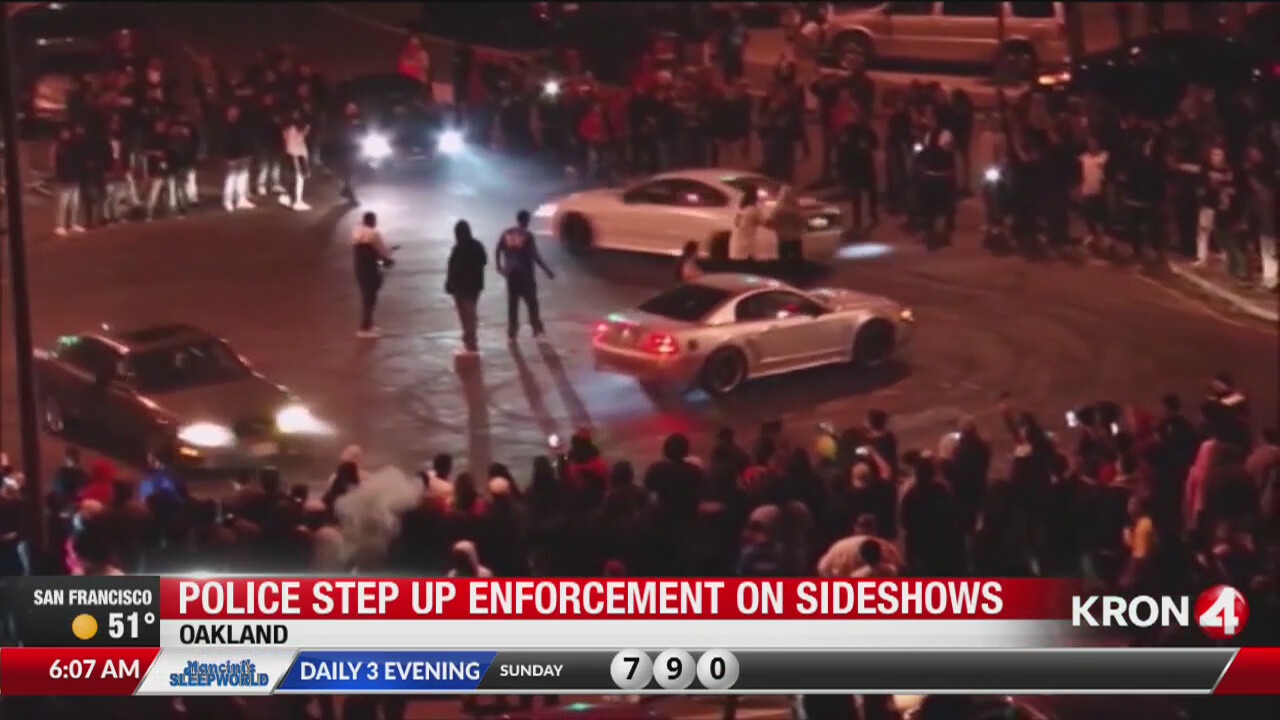
Maybe you’ve seen some clips on social media. Hundreds of youths on foot fill the screen as vehicles pirouette between spectators who watch and dodge in perilous proximity. It doesn’t take a genius to see impending danger coming.
I spot a kid with a video camera, chasing a flock of dancing Camaros, knocked over by the flank of an out-of-control car and is quickly carried into the crowd by fellow spectators. Seeing him picked up by the crowd reminds me of the hardcore and punk shows I used to attend at that age. It’s that same mosh-pit mentality, a sense of community emboldened by a group that sees themselves on the fringes of society.
When looking at this relatively recent explosion of the subculture I see more in common with the old warring British punks, mods and rockers than I do with car enthusiasts like you or I. In fact, I’m sure many of these kids would say they don’t care about traditional car culture at all. So where did this all come from?

Takeover history is long and complex, originating from the ‘side show’ community of Oakland, California. It’s rooted in the 1980s, at the same time that hip hop music was just being introduced to the West Coast. There were no burnouts or donuts back then, just the youth of the primarily Black and Latino communities cruising and showing off their cars by Oakland’s Foothill Square carnival.
Anti-cruising ordinances were introduced in 1992, and increasingly aggressive policing pushed the community underground and away from the public’s eyes. It was here in abandoned industrial streets, that these impromptu street parties morphed into the Summernats-on-steroids events that plague the American car community today.
It got to the point where people began traveling to Oakland specifically to take part in these dangerous and illegal events. In 2020 local police estimated that ‘no more than a third’ of drivers and spectators were in fact local residents.

Travelling attendees soon meant that the side show phenomenon was exported all over America, quickly taking on a life of its own in the form of organised public ‘takeovers’. Concerningly, we’ve also seen local car cruises here devolve into similar chaos.
The rise of social media also fuels the fire, with many drivers earning sponsorships from local businesses based on their online followings. It soon became established that the more public the location, and the wilder the stunts, the better.
It all looks crazy and unrecognisable, but niches of car culture have always intersected with counter culture and anti-establishment ideals. The takeover phenomenon is an evolution of the illegal drag racing scene that emerged all over the globe after WWII.
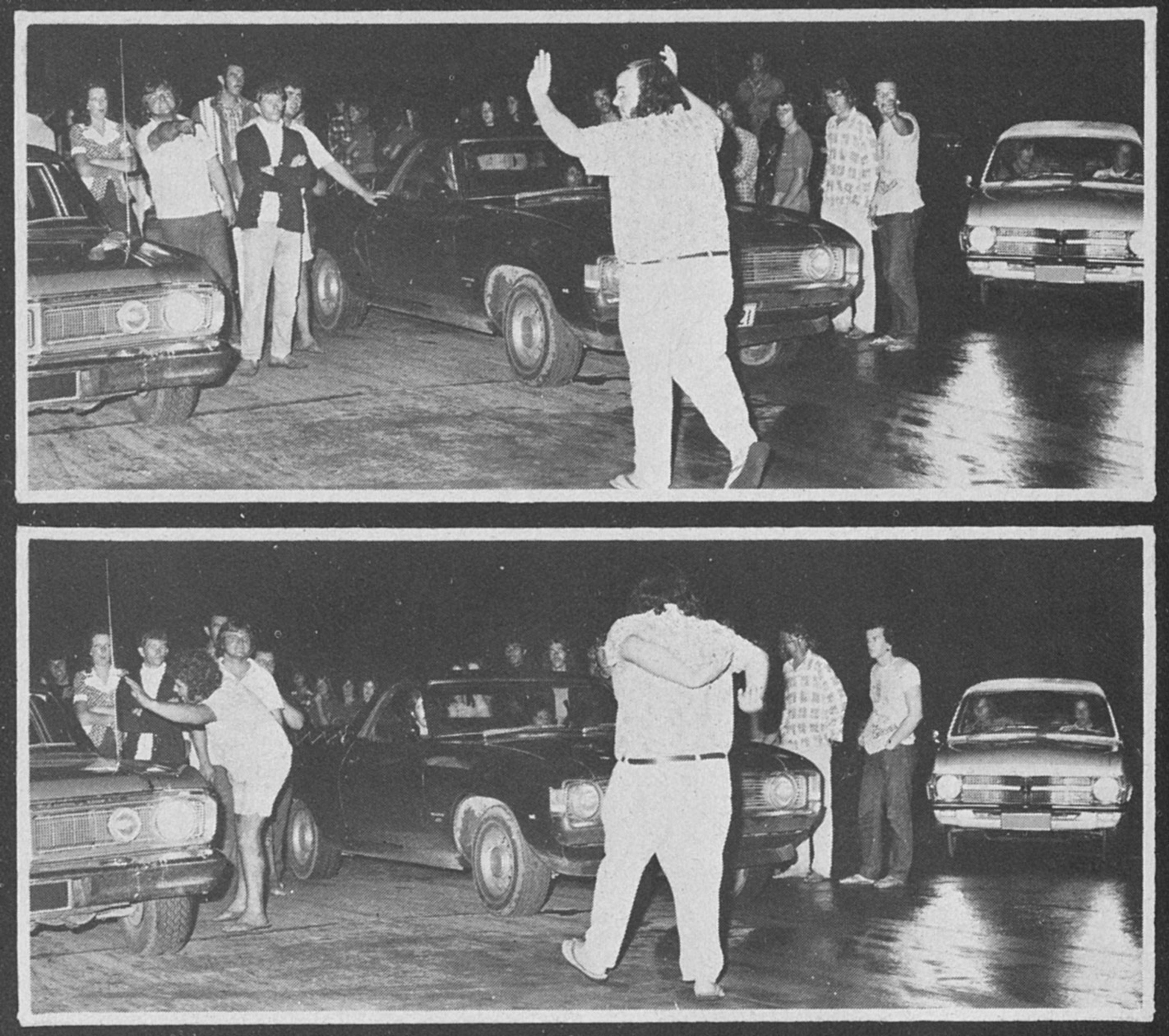
Australia is no different, with its own colourful street racing history and underground organised skid meets. But it’s the unashamed public nature of these events that seems so jarring and shocking. Bad apples have seen young car enthusiasts painted with a broad brush before, but the people engaging in these shenanigans aren’t car enthusiasts.
They’re clout enthusiasts. They’re using cars as vehicles, in a metaphorical sense, but the community and passion they’re feeding into isn’t the same one that you and I are. It diminishes the continued efforts of all of us who do the right thing. The ‘enthusiast versus hoon’ theme continues to endure, it just looks very different in 2021 as it enters a new generation.
Television presenter Mike Brewer, best known for being the main host of car restoration show Wheeler Dealers, is auctioning five of his own cars through Silverstone Auctions.
The cars being offered for sale, perhaps unsurprisingly, are quite representative of the cars Brewer often shows an affinity for on-screen.
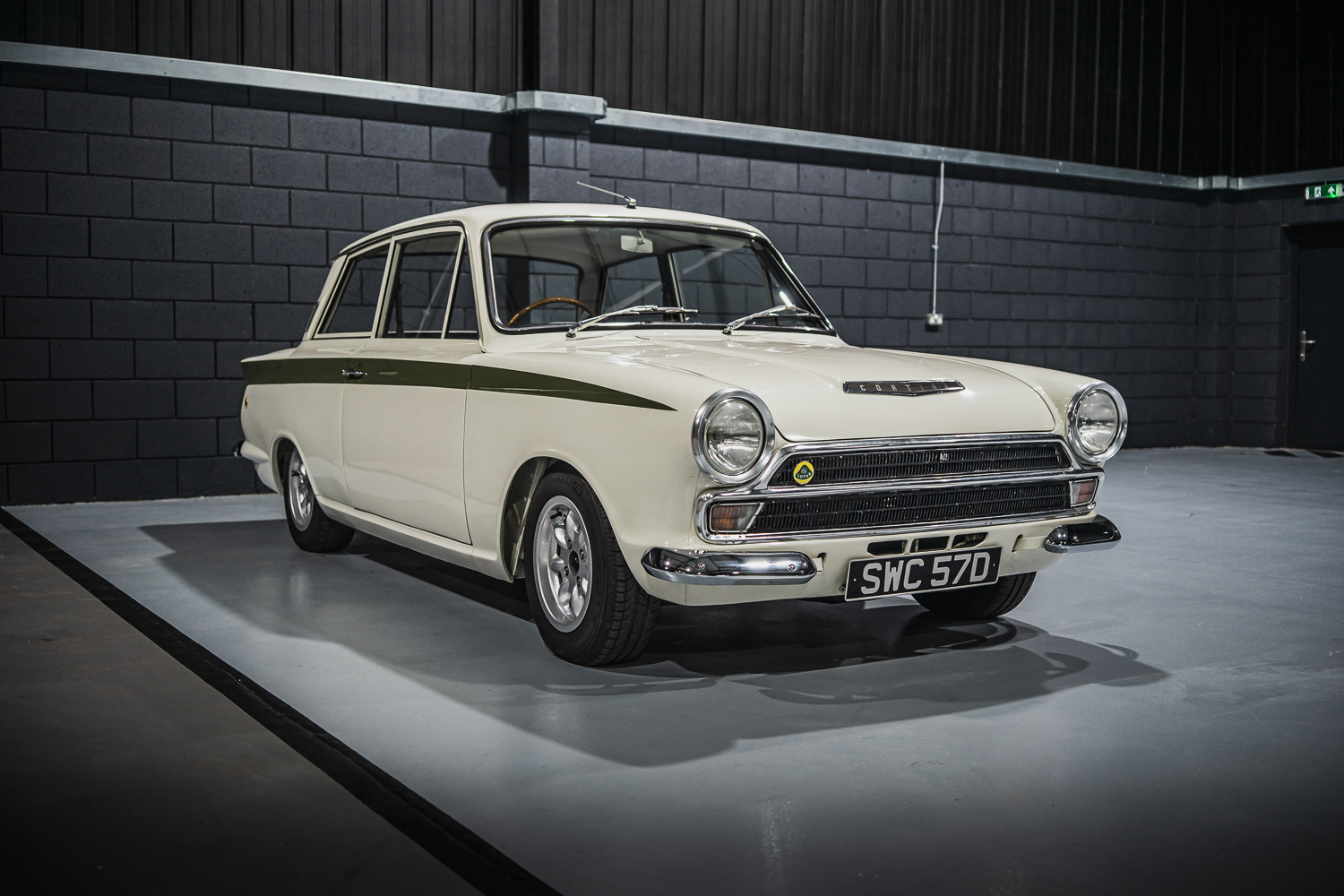
Three of the five are British classics, with the other two being European cars of different eras and genres of motoring.
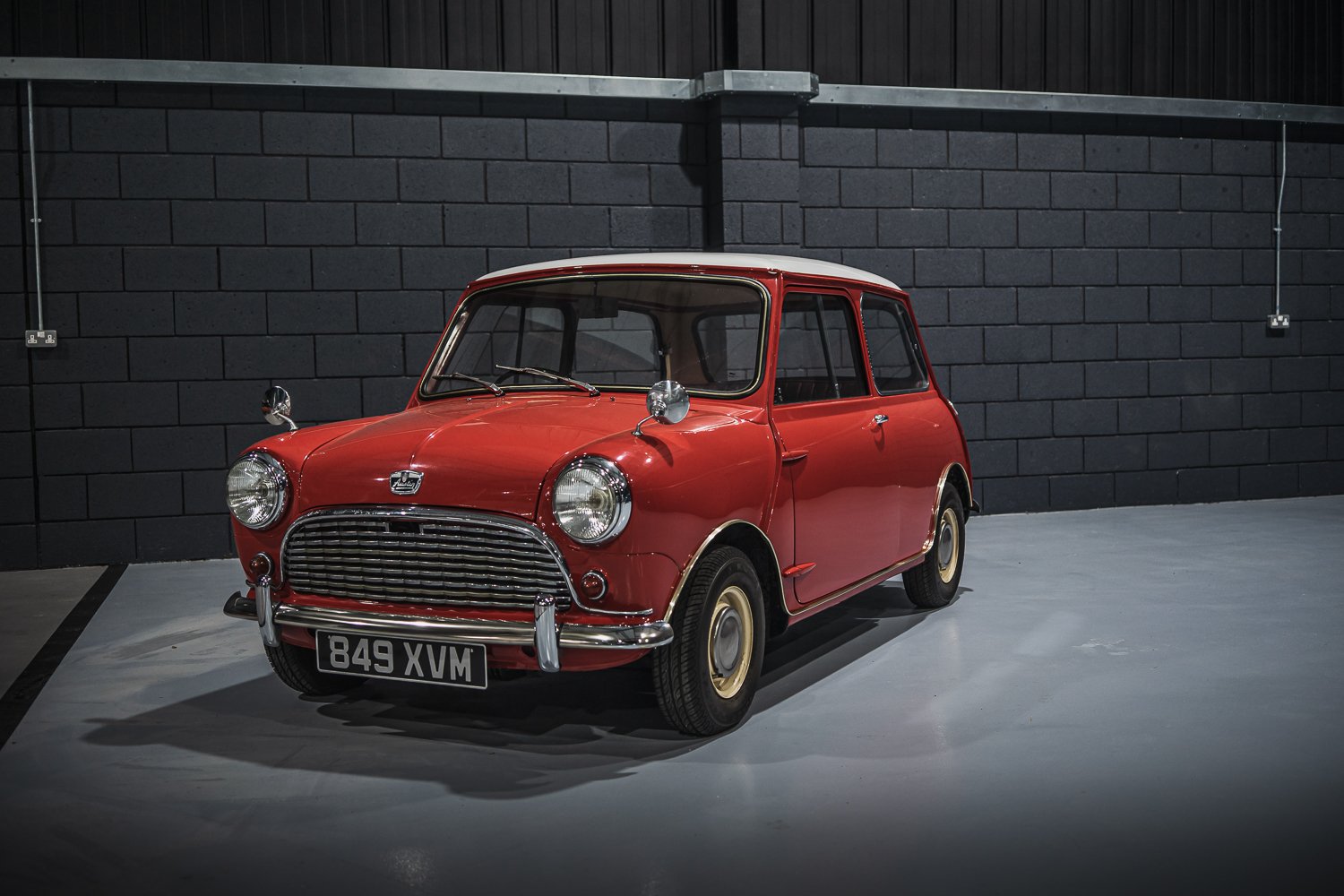
A 1961 Austin Seven Mini and a 1967 Mini Cooper 1275 S, red and green respectively, both appear to be in stunning condition, having previously been in another collection together prior to Brewer’s ownership.
An American collector named Phil Reed, whose own ensemble was left to his sons upon his death, owned the two Minis – the ’67 Cooper having been used by John Cooper himself before it made its way to the US.
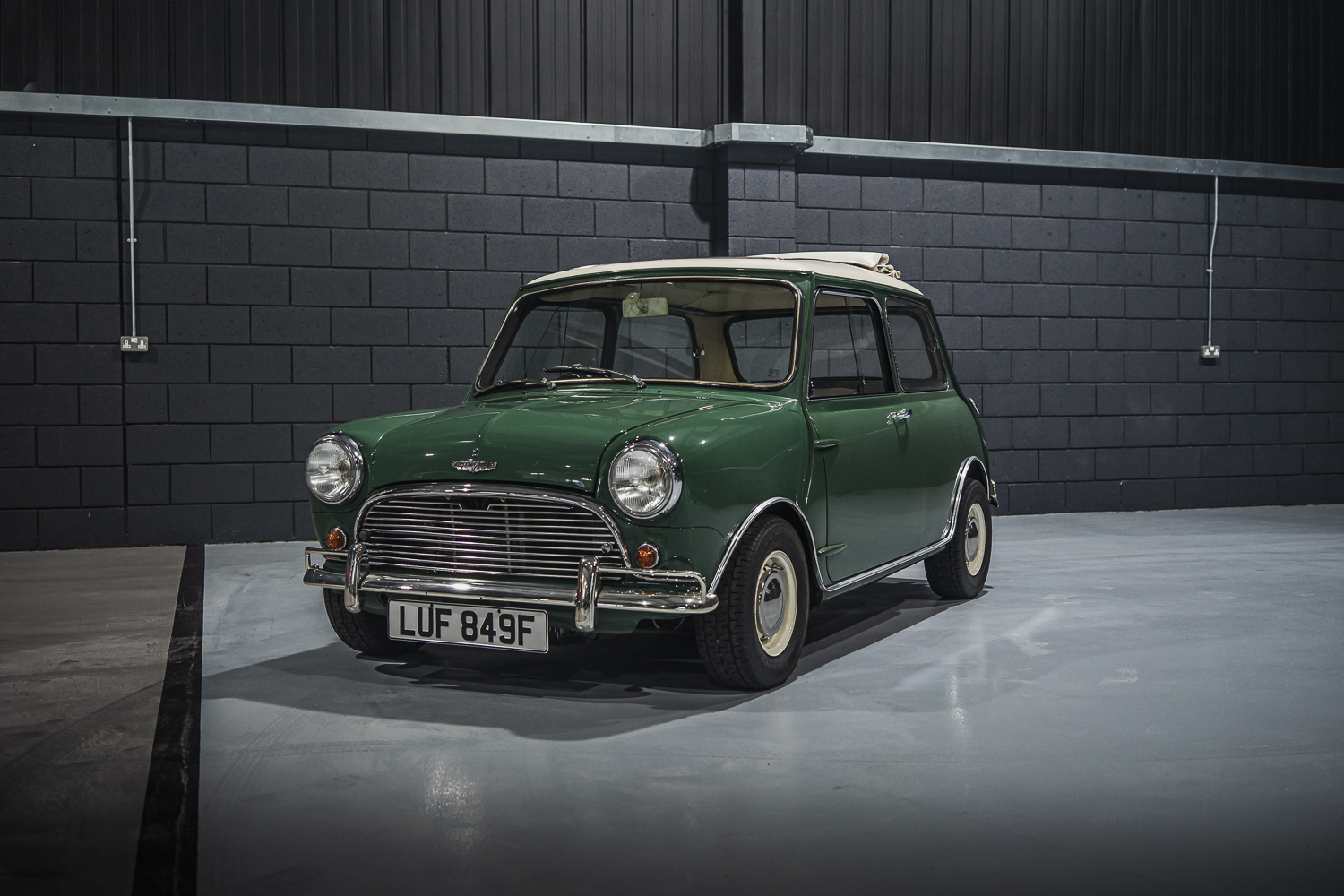
Brewer discovered Reed’s cars while filming for Wheeler Dealers and struck a deal with his sons. Readers perhaps won’t be surprised then to discover a Mk1 Mini has appeared in an episode of the show as a project car.
A white 1966 Mk1 Lotus Cortina (aka. Ford Cortina Lotus) is the third British classic in the group, having been restored two decades ago with “no expense spared” and remaining in a like-original condition.
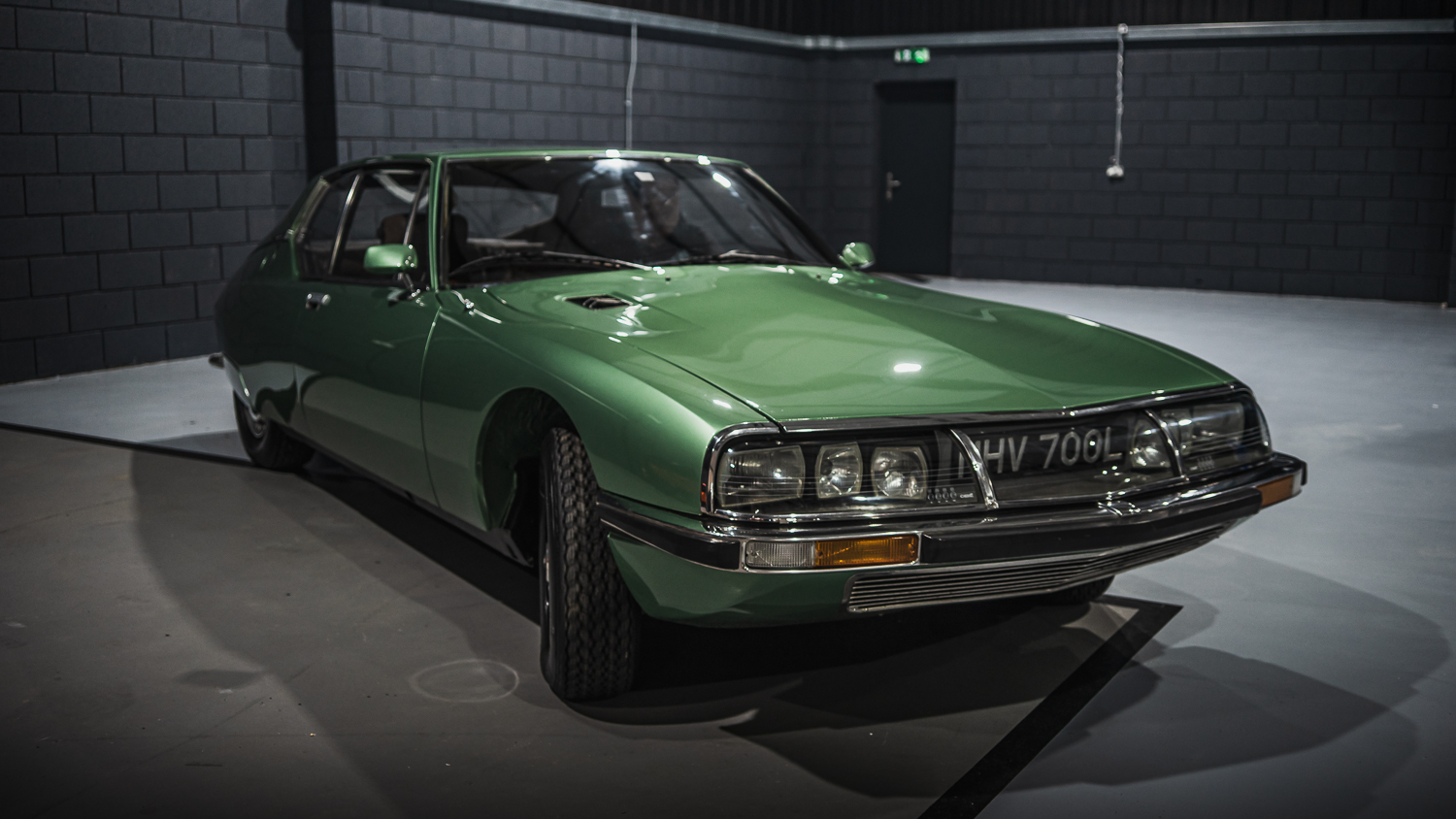
From across the Channel, a 1972 Citroen SM – which had been purchased as a project by Brewer.
Originally found in a “sorry state”, the SM received a full restoration and was unveiled by Brewer at the 2018 NEC Classic Motor Show in Birmingham.
It’s also been awarded a Concours d’Elegance trophy at a UK national Citroen event, and will be featured soon in an episode of The Grand Tour.
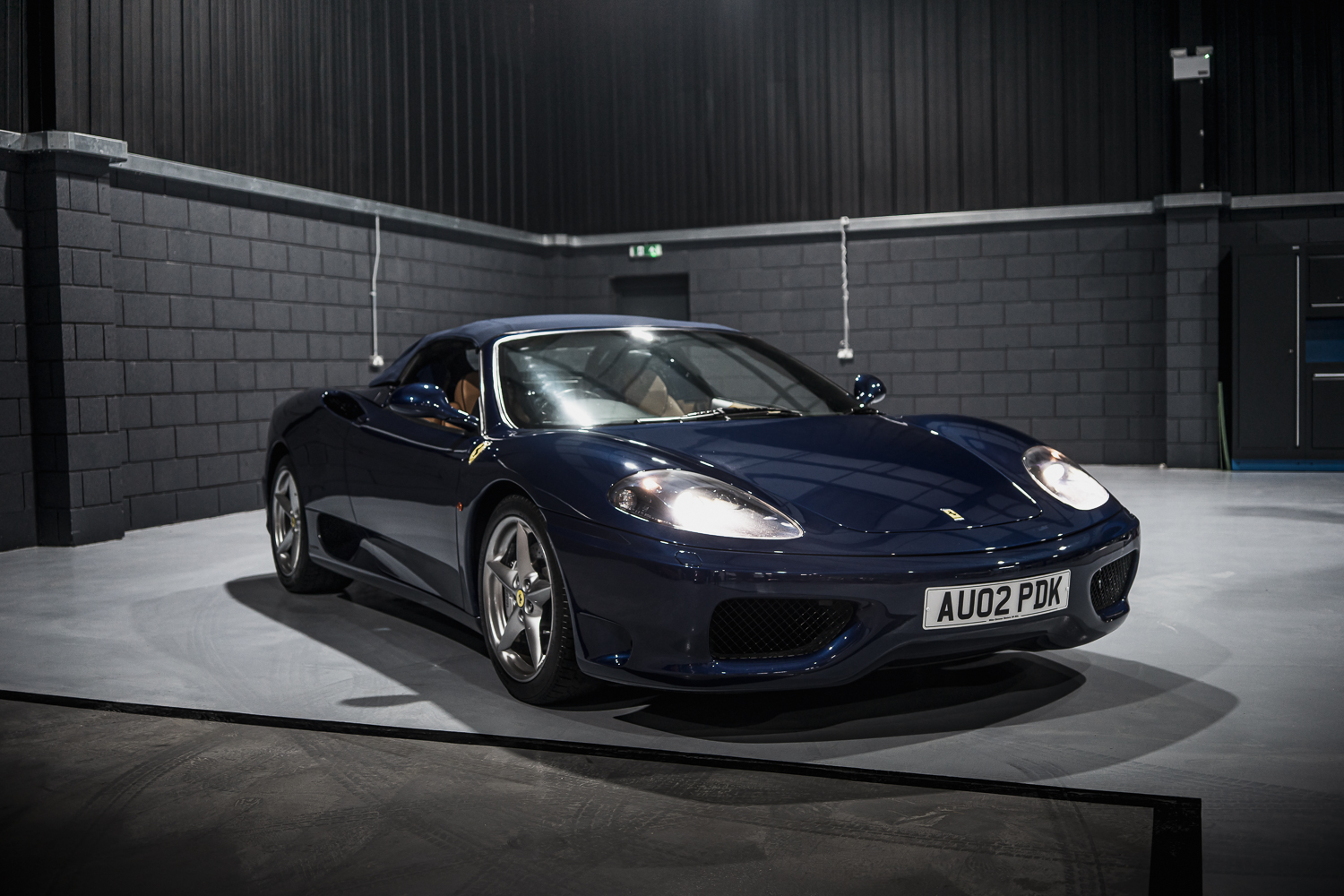
Finally, a 2002 Ferrari 360 Spider in Tour De France blue has a reportedly “fantastic history” though the auction house doesn’t offer specifics. It’s fitted with a Ferrari ‘F1’ automated manual gearbox.
“I am sad to see these cars go, but it was time for a change; I want to consolidate my collection,” said Brewer.
“Each car has its own unique story, and they all deserve a new home.”
Brewer continues to host Wheeler Dealers, though now with his third mechanically minded co-host – ex-F1 mechanic Marc Priestley, nicknamed Elvis for obvious reasons.
His first co-host, Edd China, has moved on to other projects, while more recent co-host Ant Anstead is reportedly still occasionally involved with the show.
