Features


Gallery 1
“This was a car to decide whether or not Porsche had a future.”
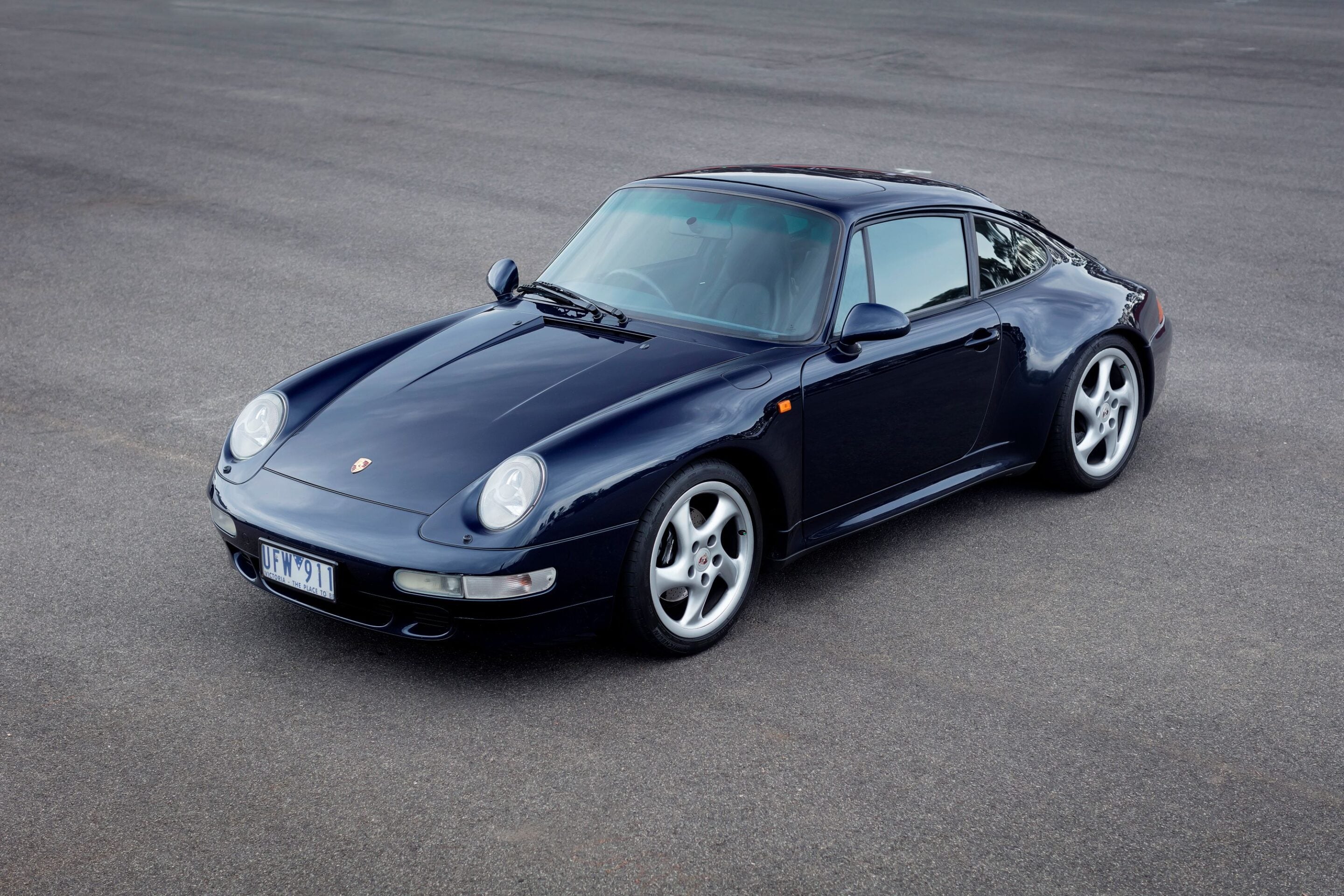
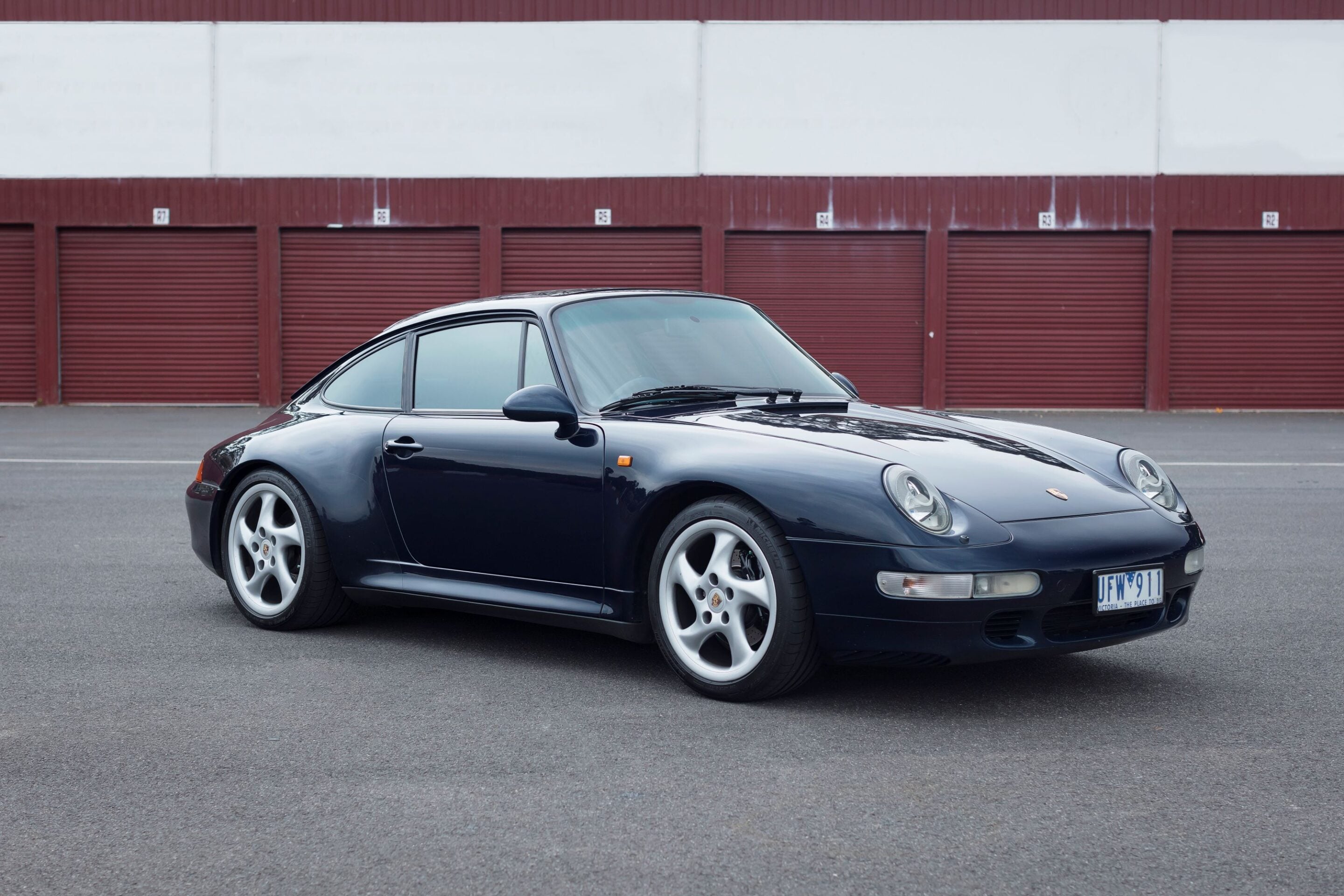
It’s a stark quote, and the man who uttered those words should probably know because he was Porsche’s former CEO, Wendelin Wiedeking. It’s tempting to look back at certain points in a car manufacturer’s history and point to those make or break moments, but it’s hard to underestimate exactly how much trouble Porsche was in when the 993 version of the iconic 911 was launched in October 1993.
The 1992/93 financial year yielded some figures that were manifestly unsustainable. Porsche had sold a mere 12,500 cars worldwide, recording losses of $228m. Put another way, every car it sold that year realised, on average, an $18,285 loss. What’s more, it had wasted four years between 1988 and 1992 and a hefty $170m on the stillborn four-door 989 – a car that Porsche belatedly realised would never repay its anticipated $1bn full development cost.
3
Porsche was in a pickle. The outgoing 964 version of the 911 was viewed by senior management as the worst iteration of the 911 yet built, heavier and more costly to build than its predecessor and indicative of an idea that seemed to have run its natural course. There were influential voices inside Porsche who actively campaigned against the 993, feeling that Porsche needed an entirely new direction.
This chaos greeted Ulrich Bez when he returned to Porsche in 1988 as technical board director. The bluff and uncompromising Bez, a native Stuttgarter, was never a man to do things by halves and his response was to commission the controversial Panamericana concept car, in effect to wipe the slate clean of the old ways of thinking. This started out as designer Steve Murkett’s dune-buggy concept and was butchered and interfered with until nothing remained of that vision. When presented with the Kermit green 1989 Frankfurt Show car styled by Harm Lagaaij, Ferry Porsche took one look at it and said: “It’s grotesque.”
Nevertheless, there were elements of the Panamericana that bled into the 993 development program, and it’s also possible to spot influences from both the 959 supercar and the cancelled 965 venture. Tony Hatter was the designer responsible for the 993’s shape, and the 35-year-old ex-Opel man worked under the supervision of Lagaaij, a man who had a clear brief.
“In the early 1990s, sales figures showed that customers were becoming bored with the shape of the 911 – certainly in the form of the then-current 964 model. It was okay for the real enthusiasts, of course, but overall sales showed that it just wasn’t exciting enough,“ said Lagaaij. “That was why we went in the direction of the 993. It had more of a high-performance look about it. It was more muscular with its big fenders, and everybody loved it.”
2
Bez played a clever game with the 993. He knew exactly how much was riding on the car, and also that his boss Heinz Branitzki tended to err on the conservative side. Indeed, Branitzki had said in 1998: “We have only one shot because such a new car will cost a billion marks.” The first job was to go back to basics and identify the ingredients that made a Porsche, a vision that had become blurred in the years prior.
Fortunately, Bez had a trusted voice within the company. Peter Falk had been running many of its production car development and racing programs, and thought along similar lines. He produced an analysis paper on Porscheness that, while hugely detailed, could be boiled down to one word – agility.
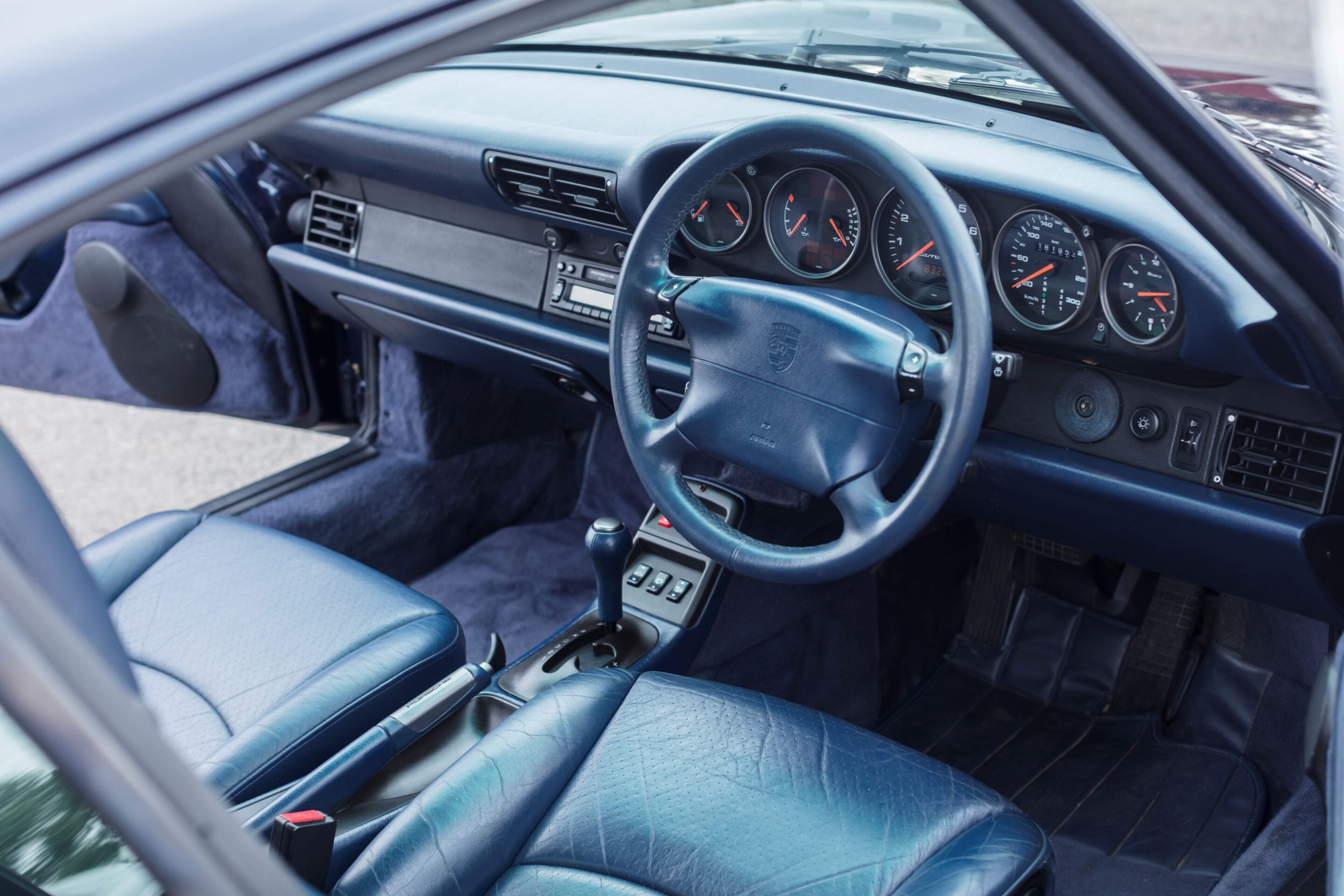
This he then split into two concepts. Direct agility was the speed and fidelity of reaction of the vehicle. Indirect agility was the driver’s perception of haptics, optics, acoustics and a sense of space, all combining to give an impression of lightness, speed and control. He identified the Porsche 964 Carrera 2, the Honda NSX and the BMW Z1 as exemplars of the former, and nominated slab-like dashboards, thick steering wheels, high belt lines and chunky window frames as the antithesis of the latter.
Bez took these concepts to heart and went to the supervisory board of Porsche with the idea that rather than build something new and different, that Porsche should instead build a comprehensively better 911; a 911 that rode better, was quieter on long journeys, that was more agile and brought an elevated emotional content to the owner experience. This was clearly going to play well with the risk-averse Branitzki, and allowed Bez to flex his engineering muscle in reimagining fundamental aspects of the Porsche 911.
1
The first was the rear suspension, the key structure that Bez had identified as the limiting factor in the capability of the 964. That car’s trailing arm rear end was notable for its lift-off oversteer characteristics and Bez wanted the parallel-wishbone structure that had been sketched for the ill-fated 965 project. This was initially vetoed on cost grounds by the board, but Bez pushed back, shuffling some numbers and prioritising this element of the new car over budget for a new cabin.
Porsche had looked on in envy at the four-wheel steering systems developed by the likes of Nissan, Honda and BMW. A mechanical system like theirs would never have worked with the engine positioning of the 911, so Porsche worked with Bosch to develop a hydraulic system. This showed promise but was nixed by new German legislation that required a physical component in rear steering systems. Confounded by the cost, weight and complexity of a proposed work-around, Porsche instead opted for a version of the Porsche 928’s Weissach axle, in effect a conformable pivot bushing that delivered an element of passive rear steer.
The 993’s rear suspension was a formidable piece of work, with a huge but light Vacural alloy subframe with high aluminium content. Dubbed LSA (Light, Stable, Agile), the rear suspension was attached to the body with rubber mounts which greatly reduced noise pathways into the cabin, although the near-vertical coil/damper units still butted up against the body. It was a massive step forward from the 964 in virtually every dynamic regard, reducing roll angles while still increasing rear end grip. Meanwhile, the MacPherson strut front suspension design was tweaked, with negative offset steering geometry and greater use of aluminium.
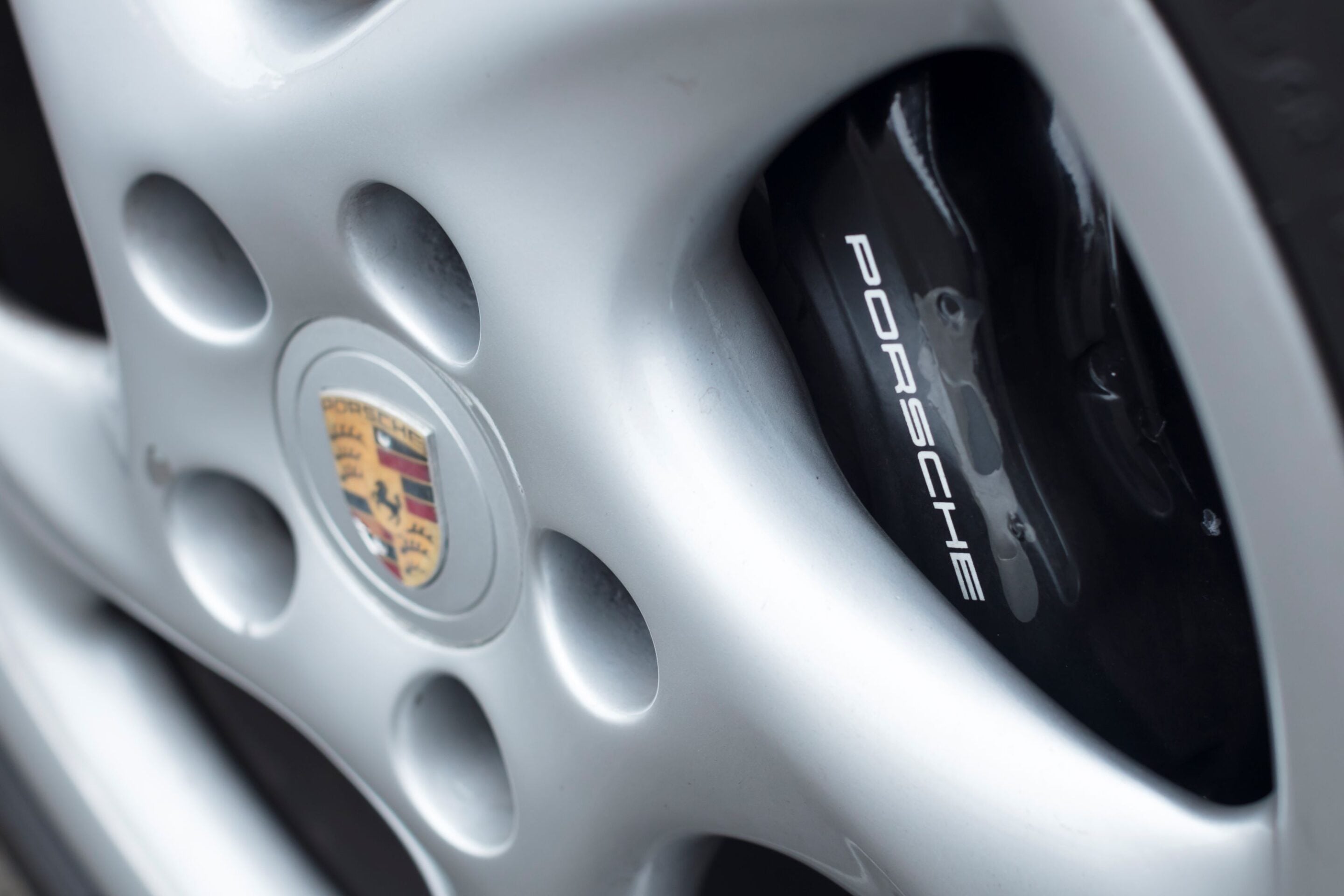
The brakes received a 49 percent larger pad area and bigger discs, the 17-inch Cup Design ‘93 alloy wheels realised a 6kg saving in unsprung weight while offering superior brake cooling, and a clever Automatic Brake Differential system was developed for the rear end, which was to all intents and purposes an early iteration of torque vectoring by braking.
The steering was also overhauled, combining a 12 percent quicker rack with an increase in caster, the effort of the latter offset by boosted hydraulic assistance. An element of flexibility in the rack mounts reduced the driver perception of kickback.
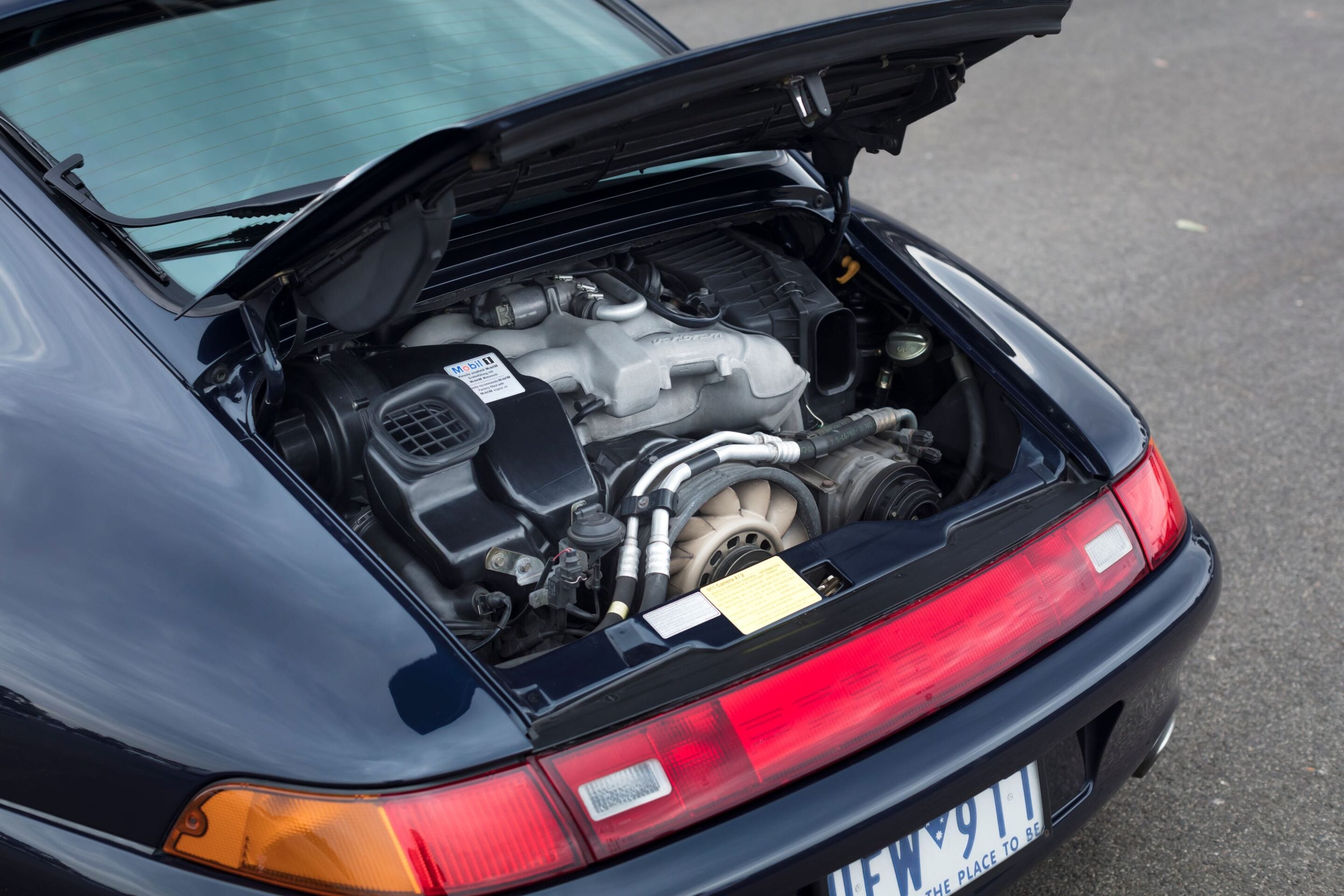
The one thing Porsche didn’t want in the 993 was an air-cooled flat six. Despite Branitzki’s initial estimate that the 993 would cost a billion marks to develop, the total budget allocated for it was half that which explains why a new roof, cabin design and a water-cooled V8 were ditched on cost grounds, even after the latter impressed as an Audi-powered prototype. Even the move to make the flat-six water-cooled proved cost-prohibitive.
1
“We wanted to stop the air-cooled engine. Nobody in the world had air-cooled engines except us,” explained Horst Marchart, Porsche’s R&D boss. “We could only have two valves, not four. We needed a special cooling and heating system, different from everybody in the world. It took a lot of money to make special systems since we could not share technology with anybody else.”
The water-cooling can was therefore kicked down the road for the next generation of 911, the 996, which appeared in 1998. The board was acutely aware that a lot of cash had been sunk into the M64 3.6-litre engine of the 964, a model which was in market for just over four years. Although it shared the same swept capacity as the 964, virtually every element of the 993’s engine was incrementally improved. Lighter reciprocating parts, better cooling, hydraulic valve adjustment, an exhaust which complied with new drive-by noise legislation, aluminium alloy heads and a stronger bottom end contributed to a 203kW engine that made 19kW more power and 19Nm more torque, yet was lighter, more responsive, quieter at low revs and more evocative at higher demand while being less costly to build.
The manual gearbox sprouted a sixth cog for the first time in 911 history, with the gear ratios spread further, to sharpen initial acceleration while offering a leggy overdrive for cruising. Meanwhile the four-speed Tiptronic gained a whole suite of logic improvements to make it smarter.
Launched alongside the coupe was the cabriolet, which was 10 percent more torsionally rigid than its predecessor and a whole lot prettier. Unlike the 964, it incorporated rear seat belts so could be sold as a 2+2 in the US market. Other markets had specific demands. Switzerland, Sweden and Austria lobbied hard for the continuation of all-wheel drive, as introduced on the 964. The problem was, that system was heavy, costly and not conducive to deft handling. Porsche wasn’t in favour of carrying it over.
Bernd Kahnau was the 993 program manager, reporting to Horst Marchart, and made his feelings very clear. “We made the 993 so that we really didn’t need four-wheel drive,” he said. “With the new suspension, new platform and rear engine, you really don’t need four-wheel drive.”
1
Aware that budgets were tight, Porsche moved the goalposts somewhat, prioritising handling over outright traction. It ditched the old PDAS system, with its complicated planetary gears and computerised diffs, and replaced it with a simple GKN-designed viscous coupling on the front of the transaxle that would decide when it sent torque up the central torque tube to a rudimentary open differential up front. This system worked in parallel on the Carrera 4 with a subtle rear limited-slip diff and the ABD system. It added only 50kg to the weight of the Carrera 2 – less than half the weight penalty of the old PDAS set-up – delivered a reduction of 50 percent in frictional losses by comparison and was quicker to react. Some
Porsche insiders saw it as a bought-in cheat and therefore not the Porsche way, but there was no denying its effectiveness. If there was one thing the 993 was very good at, it was upsetting the old Porsche ways.
Chief Engineer Ulrich Bez got the boot at the end of 1991, just as the first 993 prototypes were built. His aggressive timelines and brusque interpersonal style creating a few too many enemies within the halls of Weissach. Nevertheless, he was able to deliver the better 911 that he promised, bringing it in on time, on budget. What’s more, Porsche could sell the 993 for less than the 964 and still garner a better margin on it.
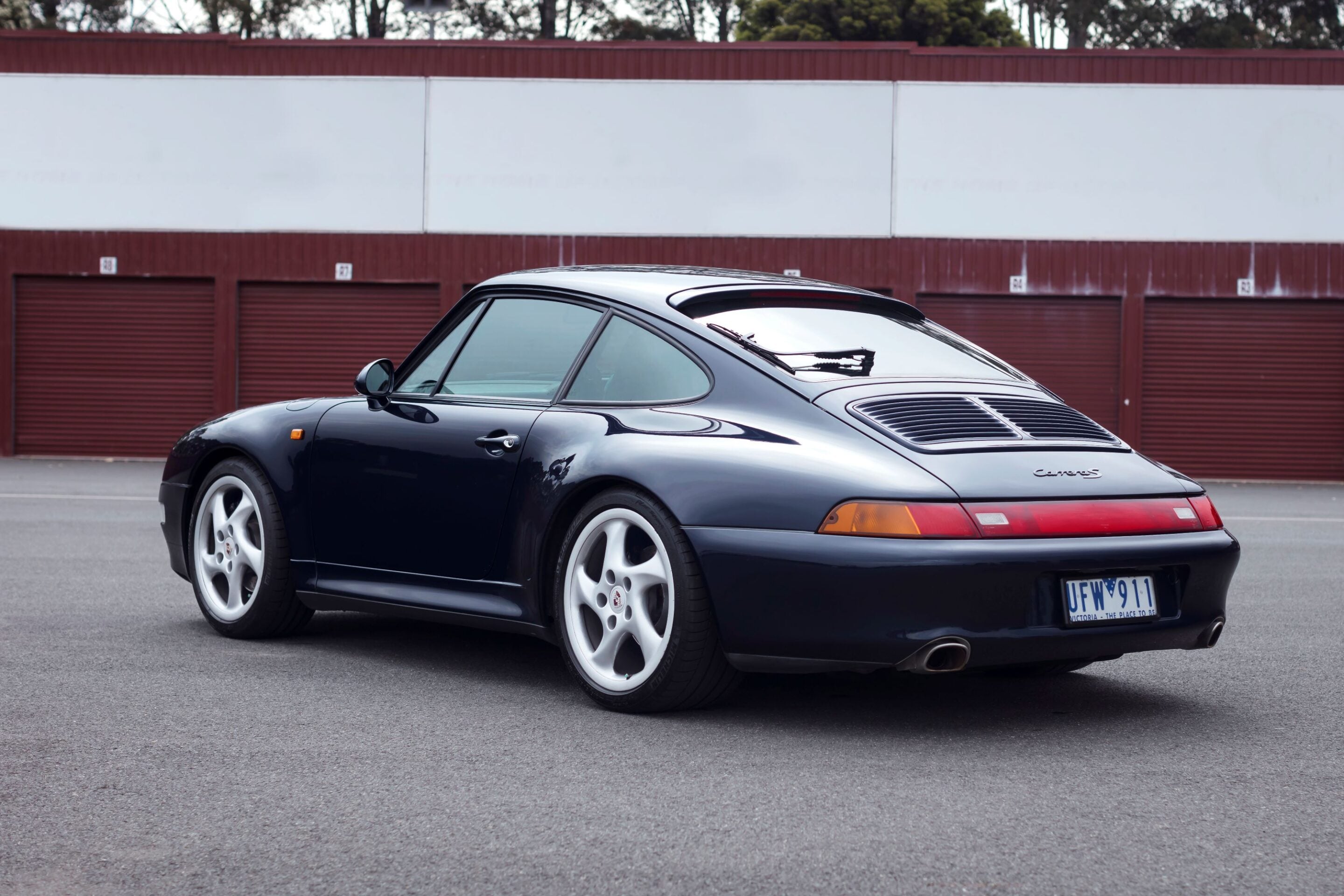
The car was presented at the 1993 Frankfurt Show, with 25 units delivered to Cap Ferrat in France for its press launch. The preceding two years had been a whirlwind for Porsche. Bez has gone and Wendelin Wiedeking had returned to revolutionise Porsche’s production efficiency. He used Toyota’s kaizen system of continuous improvement, instigated just-in-time stock control and slashed jobs. That’s probably a different story for a different time, but Porsche had been put back on its feet. Just in time too. In 1996, after the cancellation of the 968 and 928, and prior to the introduction of the Boxster line, the 993 was the only car that Porsche sold, achieving a record production figure of 124 cars per day through the Zuffenhausen plant. It needed to be good. It was better than that. It’ll be remembered as the high point of the air-cooled line, and used prices today reflect that desirability, manual coupes being particularly sought after.
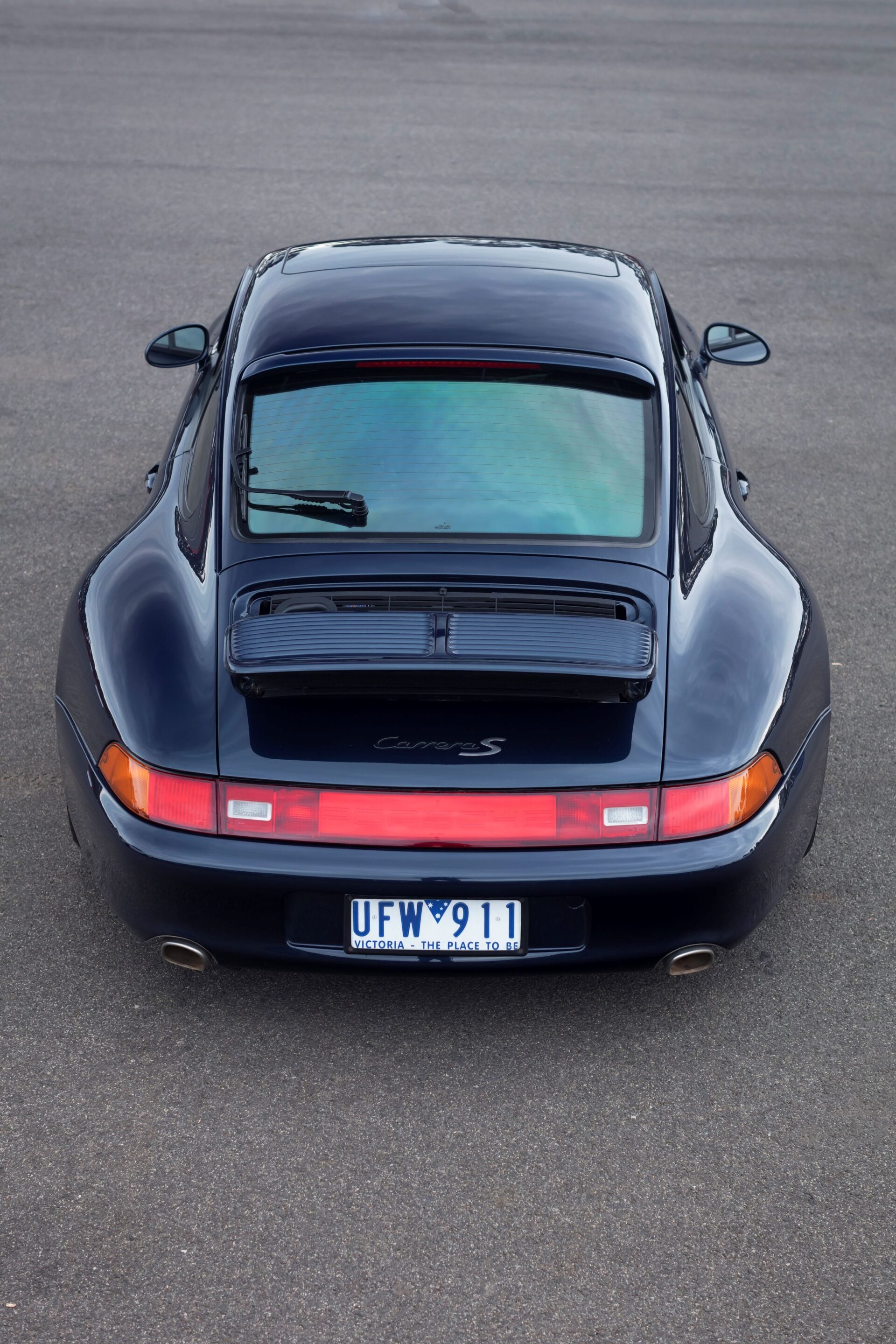
The final cars were built in 1998, drawing a curtain on Porsche’s air-cooled era. The last narrow-bodied coupe was a special order black Carrera 4 that Wiedeking, in a gesture of inordinate elegance, presented to Uli Bez. The very final 993 was a Mexico Blue Carrera 4S that was consigned to Jerry Seinfeld’s collection.
2
Horst Marchart oversaw the development of its successor, the radically different, water-cooled 996. That car helped move Porsche into a new era of profitability, paving the way to become a business that builds over 300,000 cars a year. Porsche as a company is almost unrecognisable from the business that was building 12,500 cars a year when the 993 was introduced. That success story owes a great deal to the 993, a car that was built from almost nothing, with almost nothing, but which, for Porsche, helped change almost everything. Small wonder it’s held in such high esteem.
While the Carrera versions of the 993 – coupe, Cabrio and the Targa (which arrived in 1996) – made up the lion’s share of sales, the more focused 993s provoke a feeding frenzy in the market today. The 221kW Carrera RS lightweight, available in normal and Club Sport trims, is a hot ticket. Only 1203 were made between 1994 and 1996 and these fetch around $700K today. The all-wheel drive 300kW Turbo (1995-1998) and 316kW Turbo S models (1997-1998) were like junior 959s, but the fire-breathing rear-drive GT2, launched in 1995 and packing 316kW in single-ignition and 331kW in 1998’s dual-ignition guise is the hairiest of the lot. Concours condition examples are now changing hands at around $3m.
2
Specs
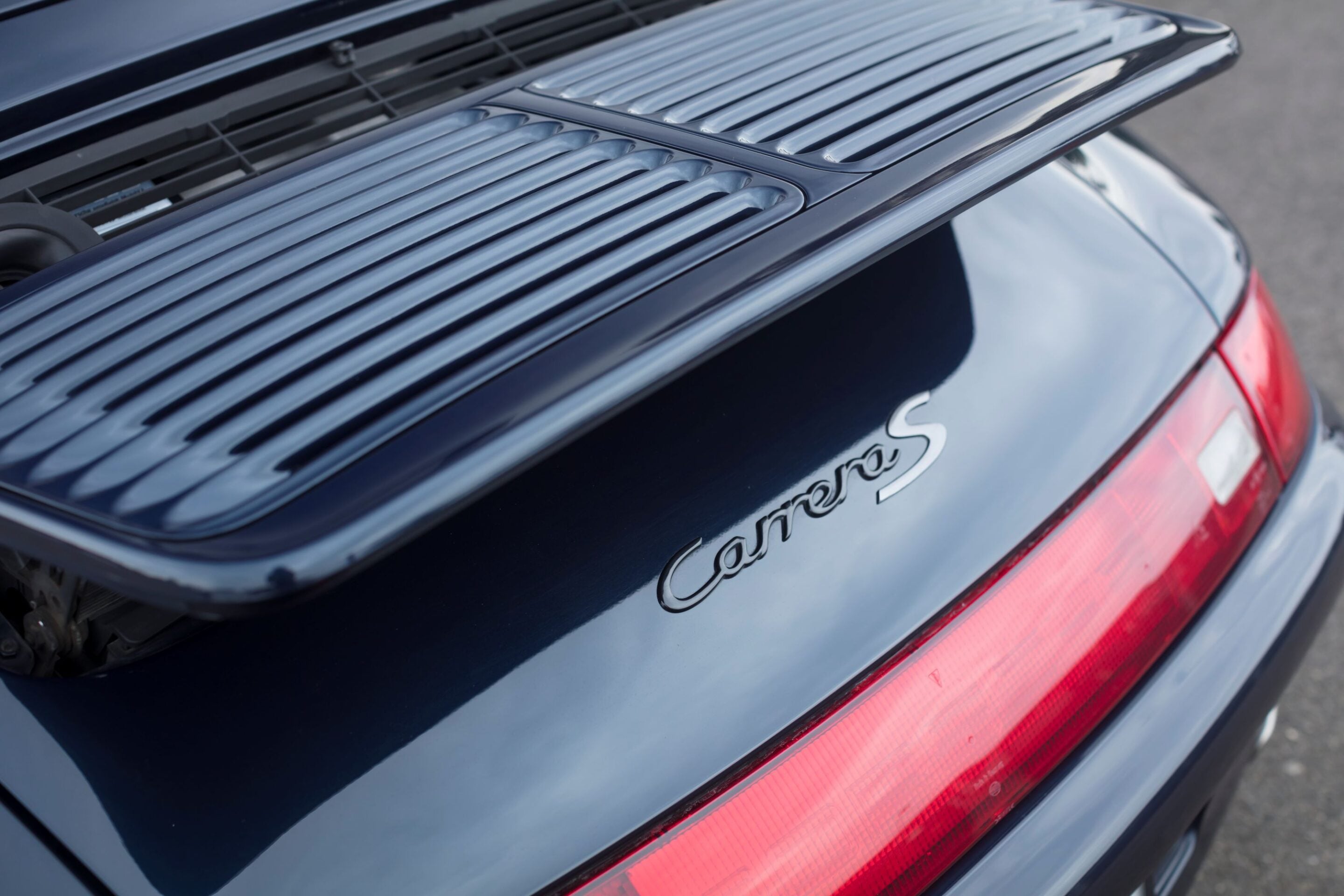
| Model | Porsche 911 Carrera S |
|---|---|
| Engine | 3600cc flat 6, dohc, 12v |
| Max Power | 210kW @ 6100rpm |
| Max Torque | 340Nm @ 5250rpm |
| Transmission | 6-speed manual or 4-speed Tiptronic |
| Weight | 1393kg |
| 0-100km/h | 5.4sec (manual) |
| Price | from $225K (Tiptronic), $325K (manual) |
Follow WhichCar/Wheels on Google
Click the button below to make WhichCar by Wheels a preferred source for your news.

We recommend
-
 Reviews
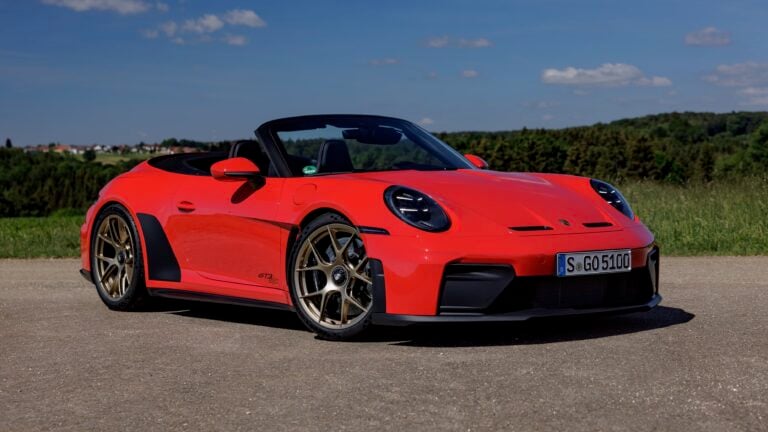
Porsche 911 GT3 S/C review: Open-top cars don't come any better
The Porsche 911 GT3 S/C is the first open-top GT3 variant ever. It's expensive, but won't disappoint its driver for pure open-top thrills.
-
 Reviews
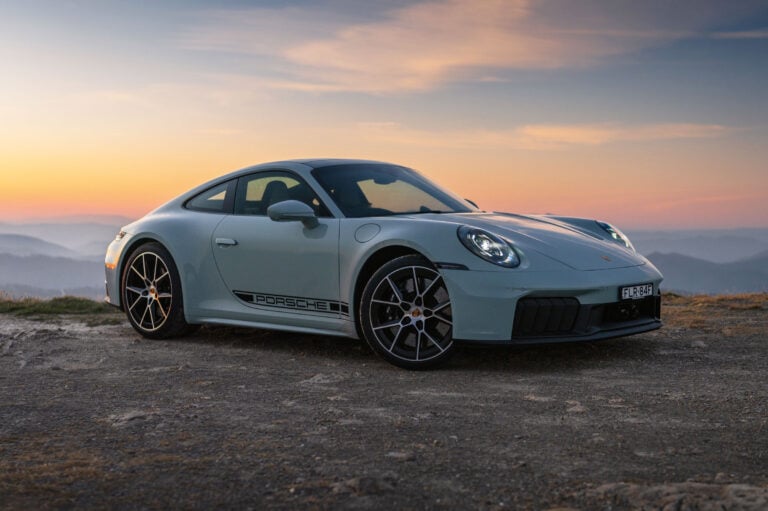
Porsche 911 Carrera GTS review: A new frontier for the company’s most iconic model
Porsche’s T-Hybrid system drags the GTS into the here and now. But at what cost?
-
 News
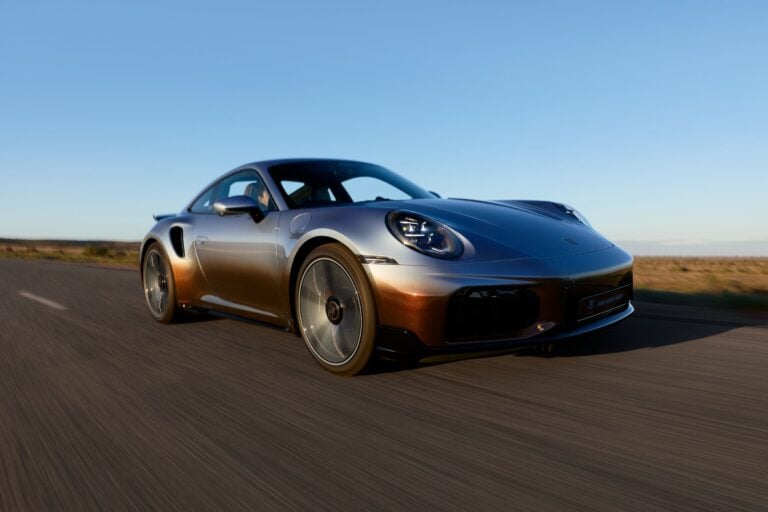
NewsPorsche's one-off Aussie-themed 911 Turbo S – with 'See ya later, mate' on the rear wing
Bespoke Sonderwunsch commission celebrates 75 years of Porsche in Australia with exclusive paint, handcrafted interior and artwork by Sydney artist Werner Bronkhorst.