Features


Gallery 1
They’re the unsung heroes of our roads and highways, moving goods and produce into our local shops so that we may fill our bellies with food, stock our shelves with books, clothe our kids, feed our pets and furnish our homes.
They deliver flowers to our loved ones, gifts to our children, and parcels to every corner of the world. The humble delivery van: boxy, slow, unsexy but the lifeblood of commerce on
our roads.
It didn’t take long after the first car hit the road in 1886 for the first delivery van to follow in its wheeltracks. Everyone with even a passing interest in history knows that the first motor car, as we know them today, was patented by Carl Benz in 1886. What is less well-known is that just 10 years after that landmark moment, Benz & Cie. – the fledgling company that would become Mercedes-Benz – was also behind the first motorised delivery van.
2
Described as a “combination delivery vehicle”, it was sold in the Benz product brochure as a “patented motor van for goods deliveries with a 5-horsepower engine in a high-quality design”.
Based on the Benz Victoria, the Lieferungs-Wagen (literally, Delivery-Van) was powered by a 2.9-litre single-cylinder engine making 3.7kW. Top speed was rated at 15km/h even with the maximum 300kg payload on board.
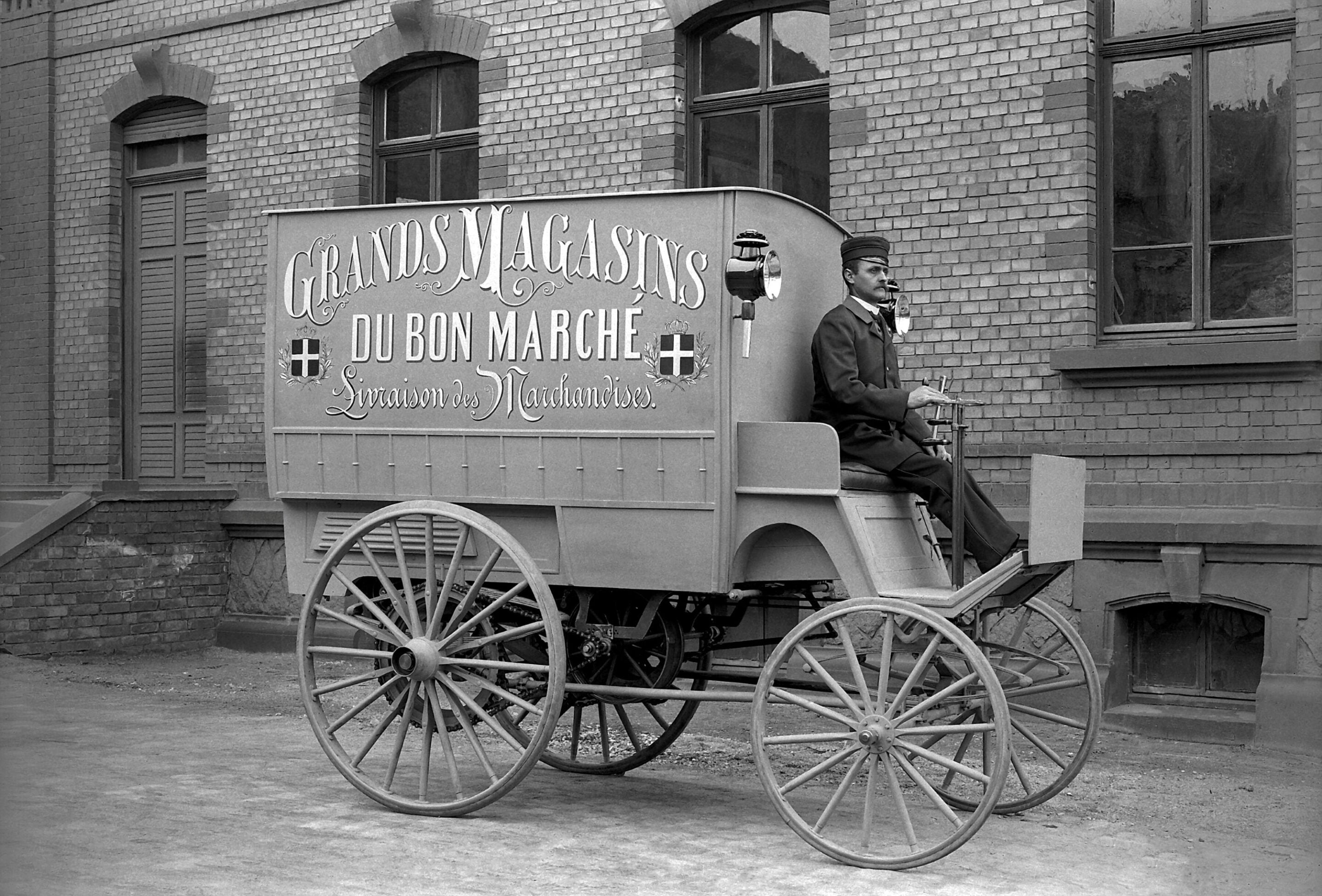
The first customer for Benz & Cie’s novel invention wasn’t in Germany, however, with Parisian department store, Du Bon Marché, taking delivery of the first motorised delivery van on December 5, 1896 (above).
Embracing the marketing potential of the Lieferungs-Wagen’s slabby side panels, its new owners made sure everyone on the streets of Paris was aware of exactly who owned the van – Grands Magasins Du Bon Marché (Department Store Du Bon Marché) – and what it did – Livraison des Marchandises (Delivery of Goods). The first van also became one of the first motorised mobile billboards, setting the tone and template for the next 130 years of delivery services all over the world.
The humble delivery van has come a long way since its 1896 origin story, an omnipresence on our roads that feels at once familiar and purposeful. And like the car itself, the van has its own heroes, those that rose above their workaday roots to cement a place in history, best-sellers that have over the decades become so ubiquitous we barely notice them at all. Here, then, are the five best-selling vans in history.
Volkswagen Type 2: Flower power
1
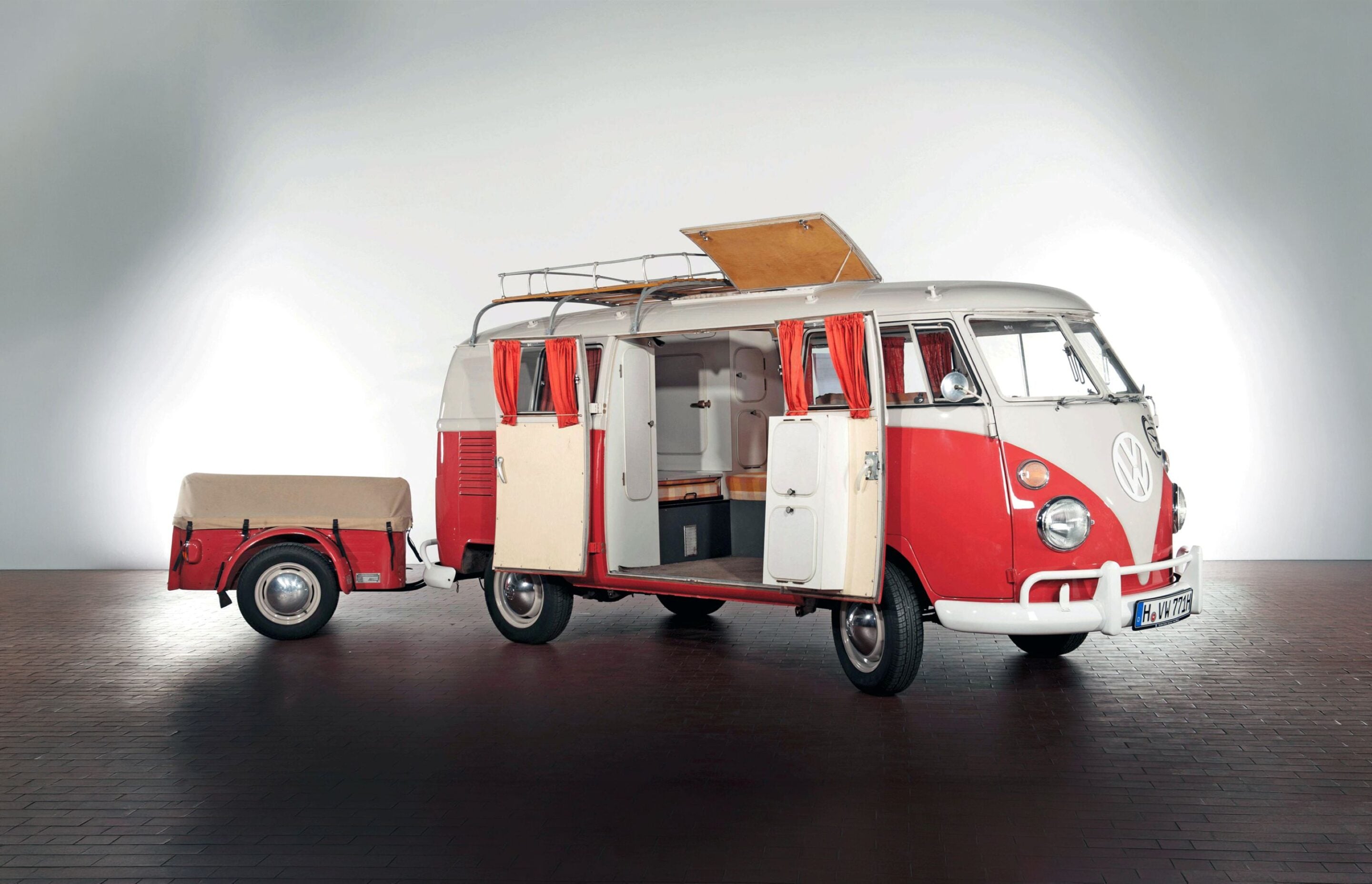
It’s arguably the most famous van in the world, a cultural icon that transcends its utilitarian origins. The thought bubble of Dutch Volkswagen distributor Ben Pon, what would go on to become the OG Type 2 was born from little more than a doodle in his notebook.
Pon’s sketch (above) envisaged a boxy van, built on VW’s existing Type 1 (Beetle) architecture (air-cooled flat-four engine out back, rear-wheel drive) while delivering a usable 750kg payload.
Officially called the Volkswagen Type 2 when it launched in 1950, the original delivery van was soon joined in the model line-up by a microbus and pick-up, underscoring the versatility of Pon’s idea. And it quickly became a favourite of third-party converters who transformed the mundane van into state-of-the-art campers, opening up a world of possibilities for adventurous travellers just as the world was awakening from its post-war slumber.
By the 1960s, the Type 2 had firmly entrenched itself in the countercultural zeitgeist, a microbus of freedom appropriately bedecked in the psychedelic paint of the peace movement.
The Transporter formula changed over successive generations. The first step-change came partway through the T3’s model life when VW ditched its iconic air-cooled flat-four for a series of larger water-cooled units.
But it was the launch of the T4 in 1990 that brought the biggest change, the first Transporter powered by an engine mounted up front under a stubby bonnet.
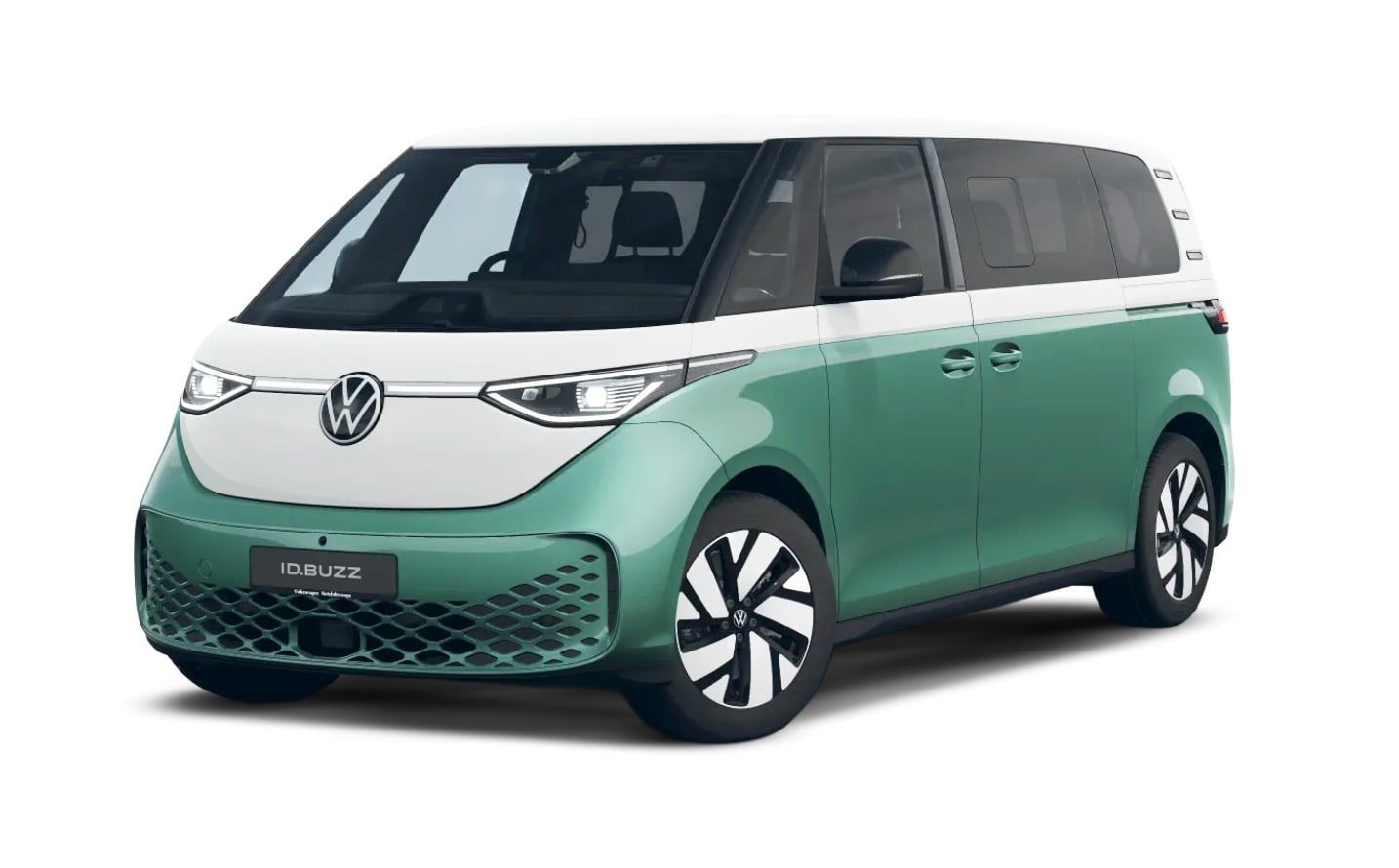
Now in its seventh generation, and with 13 million sales and counting on the scoreboard, the Volkswagen Transporter has embraced electrification, the e-Transporter joining the model line-up in 2024. But the true spiritual heir to Pon’s Type 2 is unarguably the battery-electric Volkswagen ID. Buzz, which evokes the original’s rich heritage in a thoroughly modern way.
1
Fun fact: Forget the ID. Buzz (above); the first battery electric Transporter was built by Volkswagen in 1972. The T2 Elektro featured a lead-acid battery weighing a staggering 850kg, a 16kW electric motor and a driving range of 75km. Top speed was a glacial 70km/h.
Ford Econoline: Yank tank
1
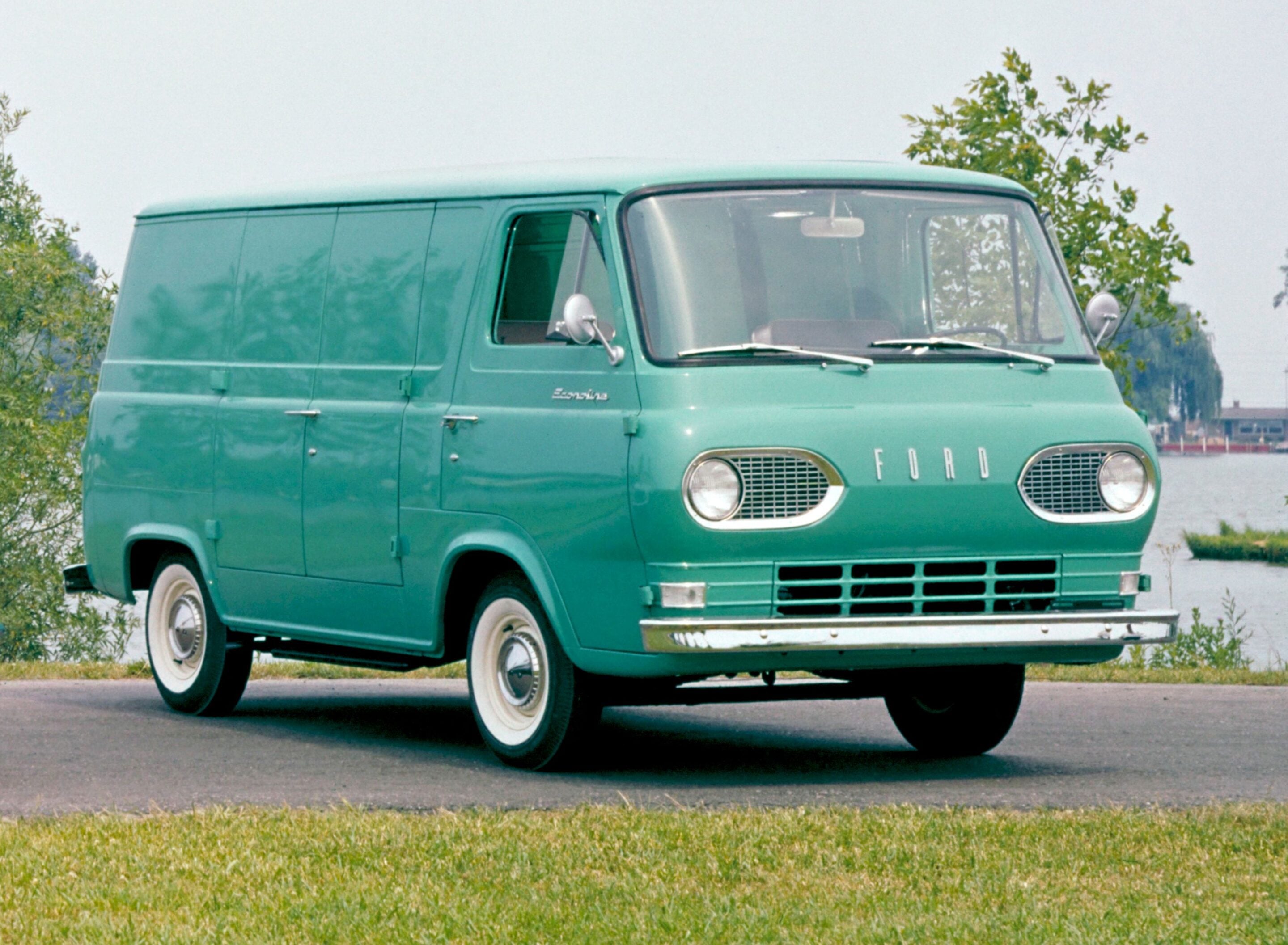
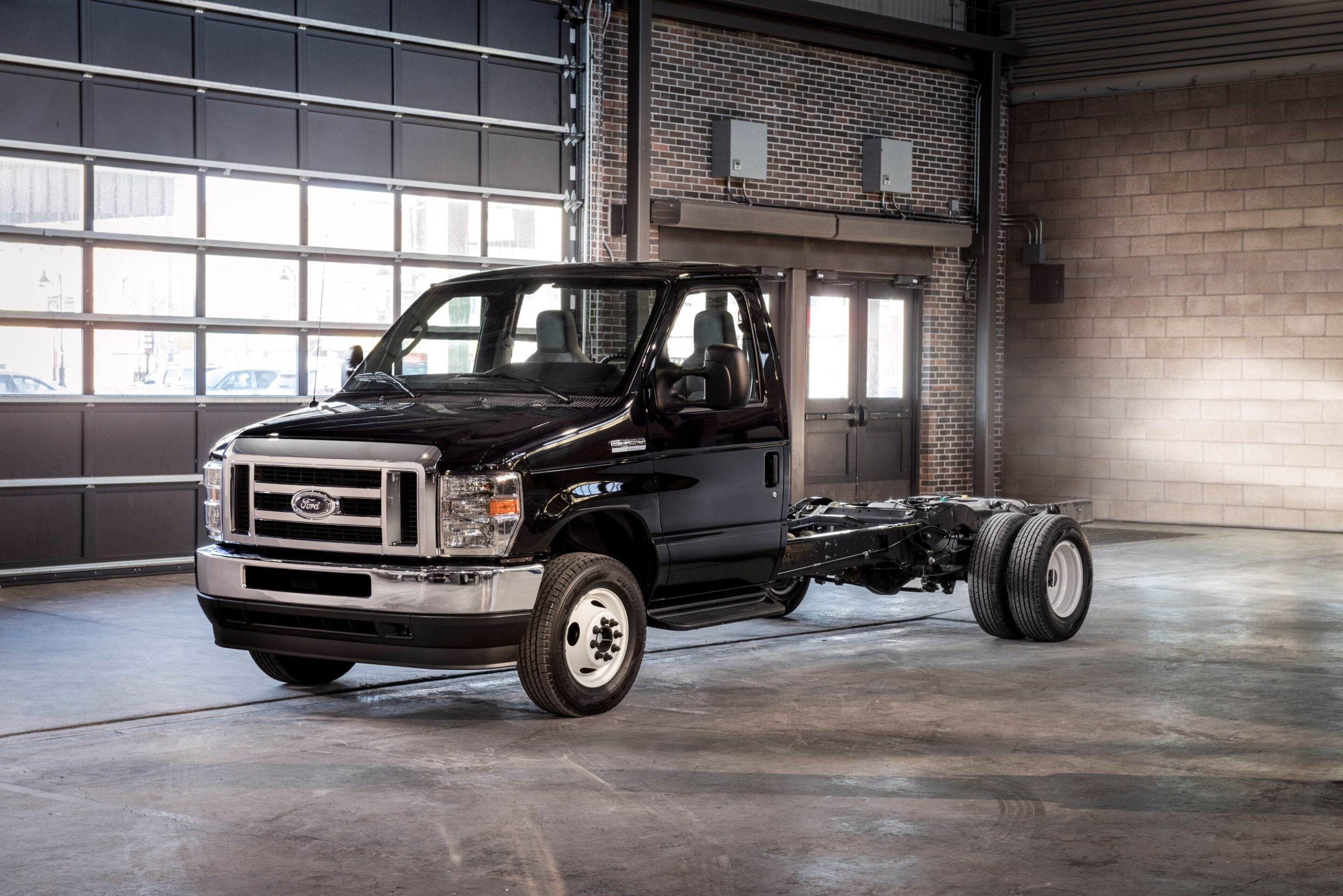
Like a lot of things American, the Econoline (main, top) started life being visually interesting before gradually and inexorably metamorphosing into something bloated and bulky.
That’s not to dismiss the importance of the Econoline, which served as the Land of the Free’s urban delivery heartbeat for six decades until being replaced by the European-designed Transit in 2014.
Launched in 1961 and inspired by the Volkswagen Type 2, the original Econoline utilised a modified Ford Falcon platform to imbue it with car-like driving qualities, a far remove from its truck-based predecessors.
Power came from a choice of inline-sixes mounted amidships behind the front axle (yes, the Econoline was mid-engined!), starting a trend that saw the other two members of the Big Three – GM and Chrysler – follow with their own mid-engined vans in 1964. Suddenly, America’s streets were teeming with a flotilla of mid-engined workhorses that had the size and agility to blend seamlessly into urban environments.
The second-gen Econoline grew in stature, now using Ford’s popular F-Series truck platform (above). Engine displacement grew while an optional 4.9-litre V8 made its first appearance under the short and stumpy hood.
From there things just got silly as the Econoline cast off the constraints of its delivery van past and transformed into a full-blown truck with an ever-increasing lineup of ever-larger displacement engines including 7.5-litre V8s and, in later years, even a 6.8-litre V10.
The Econoline van was retired in 2014, with over eight million sold since its 1961 launch. Its fundamentals live on in the E-Series ‘cutaway and stripped chassis’ range which makes good use of its body-on-frame platform to underpin a growing assortment of recreational vehicles, school buses and large-size box panel trucks.
1
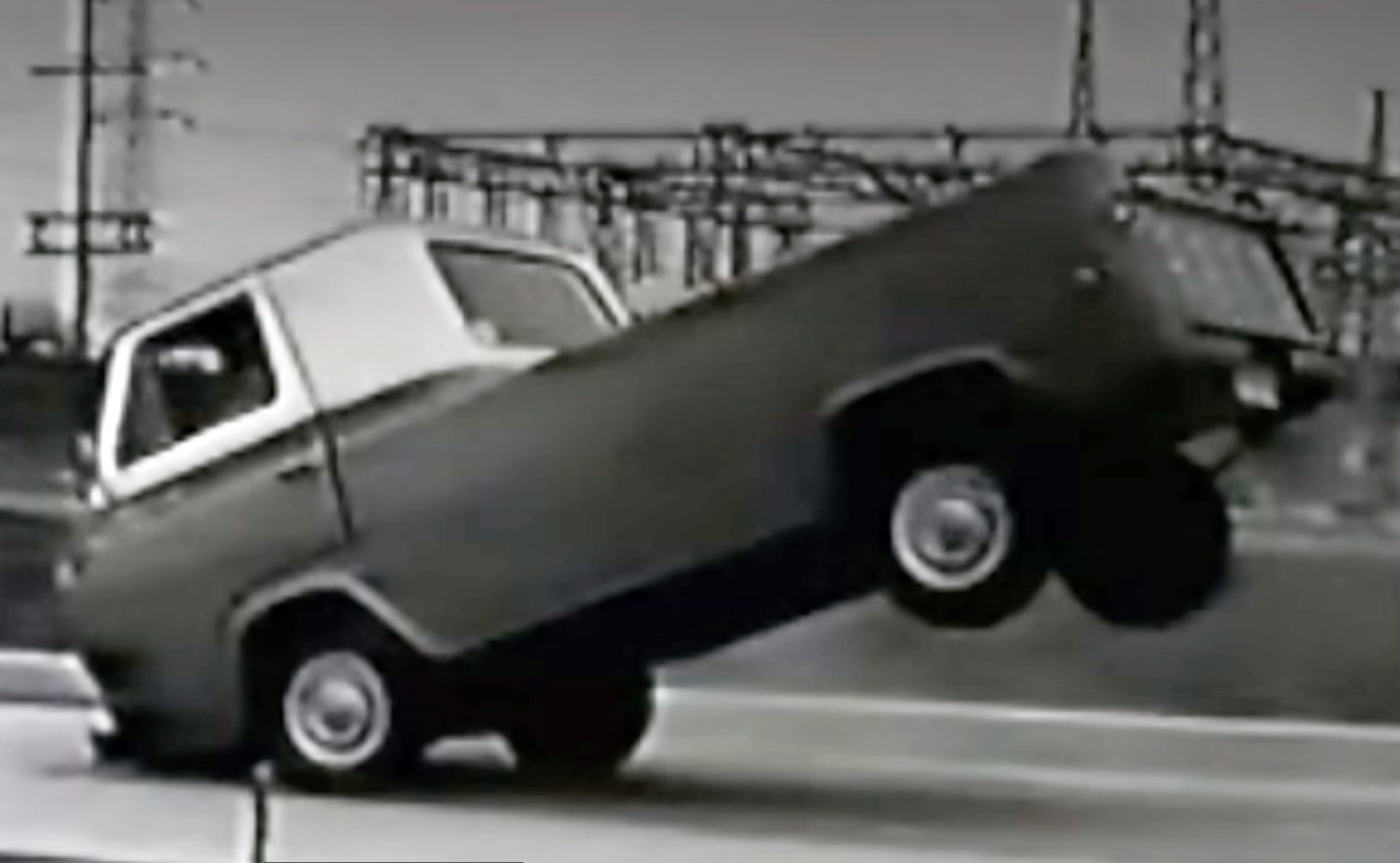
Fun fact: Thanks to the forward weight distribution of the Econoline’s front-mid engine placement, unladen first-gen models would lift their rear wheels off the ground under harder braking (above).
Ford Transit: Britain’s most wanted
1
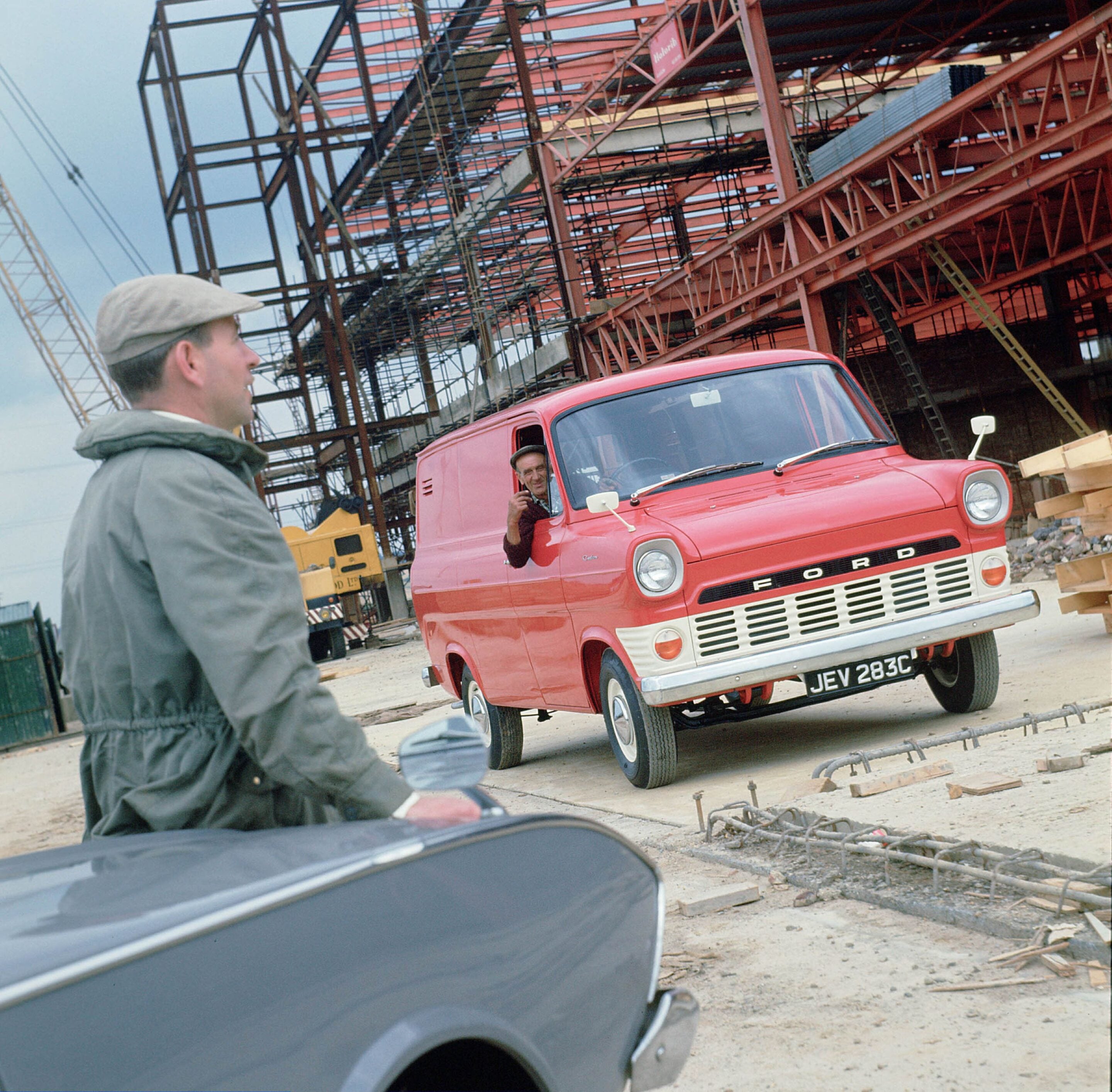
Innovative. Fast. The Backbone of Britain. A joint venture between Ford in the UK and Ford of Europe, the Transit revolutionised the idea of what a delivery van should be.
Bigger and wider than its contemporaries, the Transit won acclaim for not only its load-lugging ability, but also its car-like handling and driving characteristics.
It was quick too, especially when fitted with the unconventional-yet-potent 2.0-litre Essex V4 engine. So fast was the Transit that British coppers famously labelled it “Britain’s most wanted van” after claiming the boxy Ford was used in “95 per cent of bank raids”.
The Transit attracted further notoriety in the mid-1990s, with British media reporting on the scourge of the aggressive driving behaviours of the “white van man”. To be fair to Ford, the term referred to a driver of any small commercial van, although in the UK, like vacuum and Hoover, ‘van’ and ‘Transit’ are almost interchangeable.
Today, with over 10 million sold globally since its 1965 launch, the Transit leads Ford’s charge into the world of light commercial vehicles, even cracking the lucrative US market, where it replaced the long-serving and best-selling Ford Econoline in 2014.
1
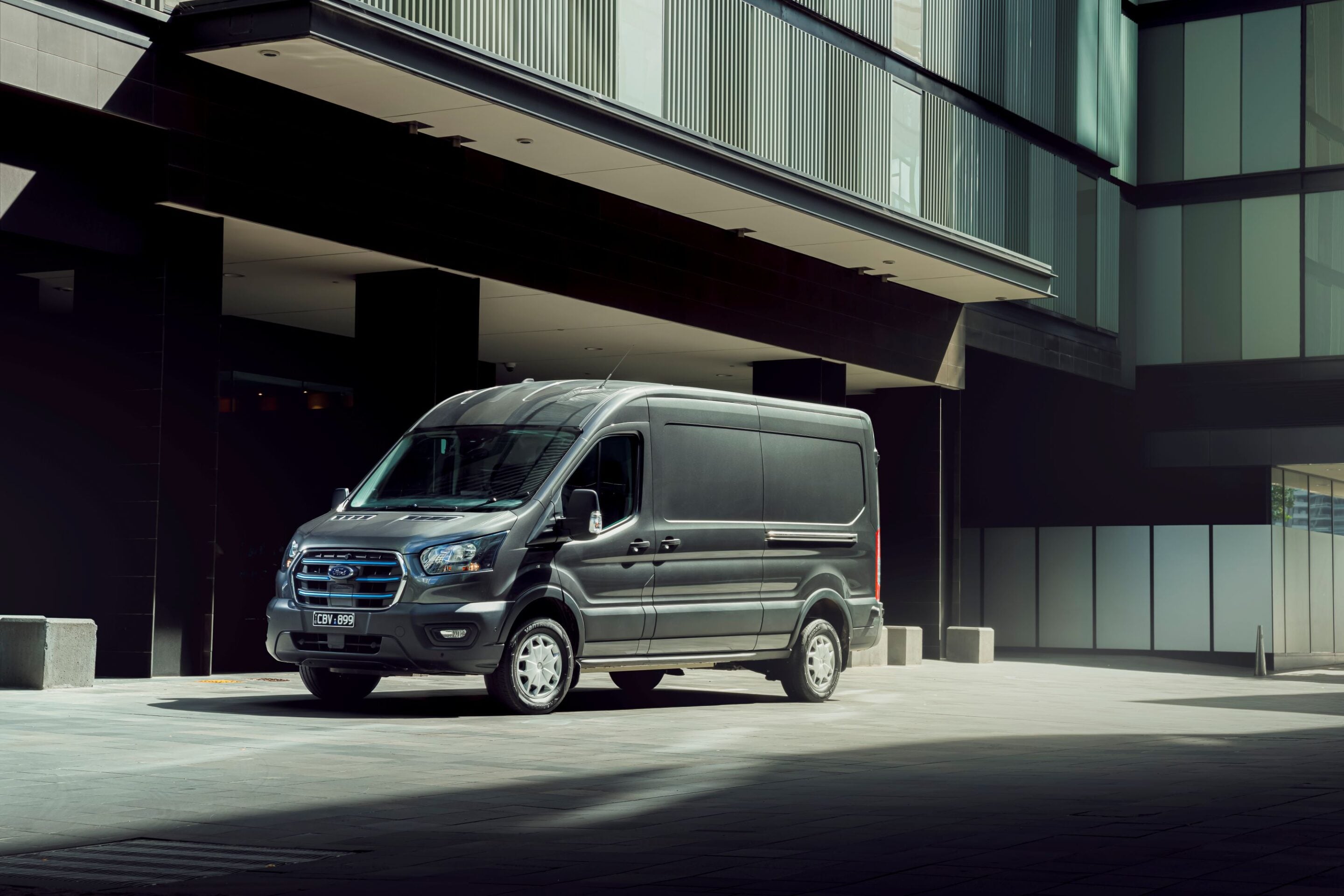
Fun fact: Nürburgring legend Sabine Schmitz famously lapped the iconic Nordschleife track in a smidge over 10 minutes in a diesel Transit for an episode of BBC’s Top Gear.
Toyota HiAce: The van that never dies
1
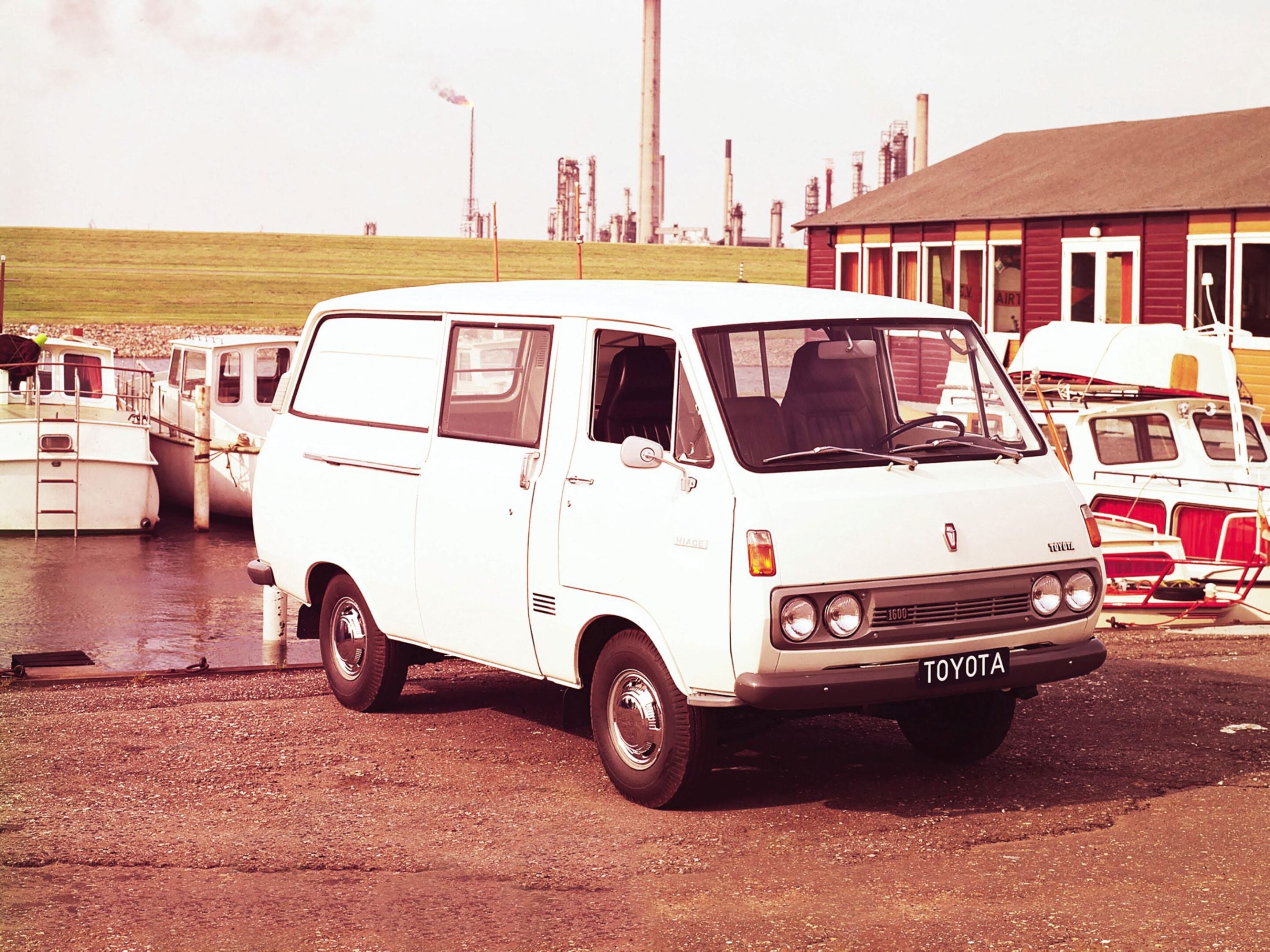
Has there ever been a more generic van than the venerable Toyota HiAce? While its many contemporaries in the 1960s (the HiAce launched in ’67) were getting all groovy and far out, Toyota’s box on wheels never strayed too far from its one true purpose: deliveries.
Yes, the inevitable HiAce-based minivans and pick-ups followed, including – remarkably – a 15-seat minibus, but it’s for its chops as a basic work tool that the HiAce has earned a reputation over the last almost-60 years.
The HiAce really came of age in 1989 with the fourth generation. Sleeker design and a range of bulletproof diesel engines including, for the first time, a turbocharged inline-four and a lusty 3.0-litre four-cylinder, cemented its reputation for reliability and low-cost maintenance.
So solid was this generation’s reputation for being bulletproof that it remained in production for 16 years, piling on the kilometres all over the world. Odometer readings of over 500,000km weren’t uncommon with little more than basic maintenance needed to keep the work van running.
That durability ensured they enjoyed a second life in Africa, where they were imported in vast second-hand numbers and revered for their reliability and ease of maintenance, serving as school buses, public transport, camper vans and yes, even delivery vehicles.
Little wonder it has earned itself an – unofficial – nickname: The van that never dies. It’s quite possible that all of the 7.5 million HiAces sold globally since its inception are still grinding away. Somewhere.
Fun fact: The 4.0-litre V8 from the Lexus LS400 found its way into the fourth-gen HiAce, but only in Japan and only in Ambulance trim.
Mercedes-Benz Sprinter: Prisoner no more?
1
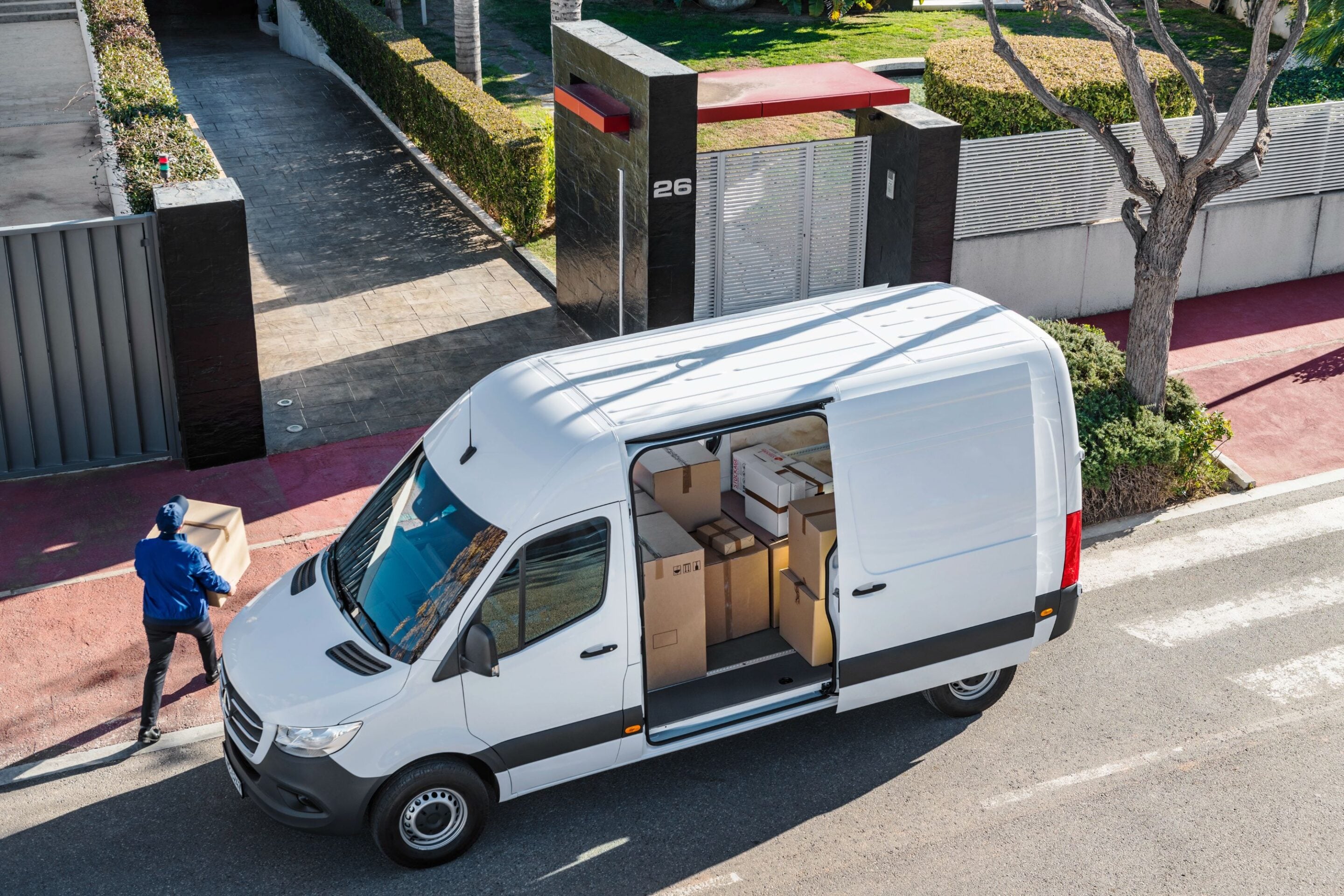
It took 99 years after the launch of the very first van before Mercedes-Benz finally gave its workhorse a proper name: Sprinter.
Ever since unveiling the first-ever motorised delivery van in 1896, Mercedes vans had been little more than prisoners to their own identity, known only by a series of numbers and letters – L319, L206, L408, T2, T1, TN. Hardly the stuff of legend.
But the launch of the Sprinter in 1995 brought a new direction as well as a sense of identity, the first van from the German brand with an official name.
Despite using the bones of its T1/TN predecessor, the Sprinter brought vans into the modern age with independent front suspension, thoroughly up-to-the-minute safety equipment, and enough of Mercedes-Benz’s premium touches to elevate the humble van into something its drivers could be proud of.
It was awarded the International Van of the Year trophy the year it launched, and hasn’t looked back since, surpassing six million global sales late in 2025.
Fun fact: The Sprinter has been sold around the world with several nom-de-plumes including Dodge and Freightliner, and fellow German brand Volkswagen sold and marketed it as the Crafter from 2006-17.
This story first appeared in the October 2026 issue of Wheels magazine, now on sale. Subscribe here and gain access to 12 issues for $109 plus online access to every Wheels issue since 1953.
Follow WhichCar/Wheels on Google
Click the button below to make WhichCar by Wheels a preferred source for your news.

We recommend
-
 Best Vans
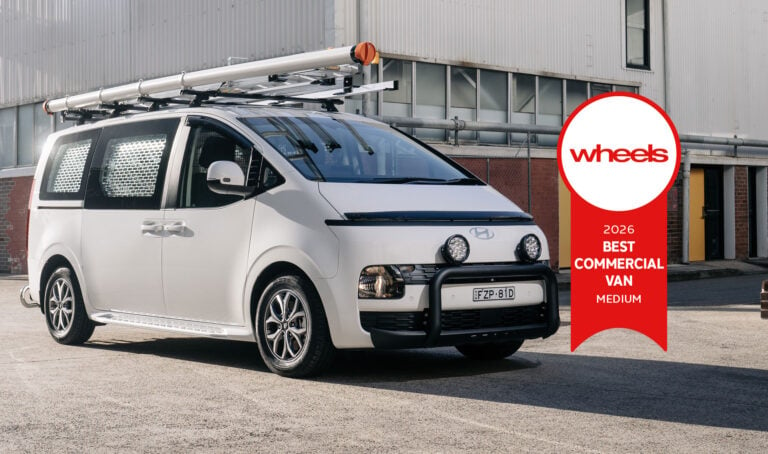
Best Commercial Vans 2026: Medium
Modern medium vans deliver far more than cargo space, combining SUV-like comfort, advanced safety and strong diesel performance for the demands of Australian businesses.
-
 Best Vans
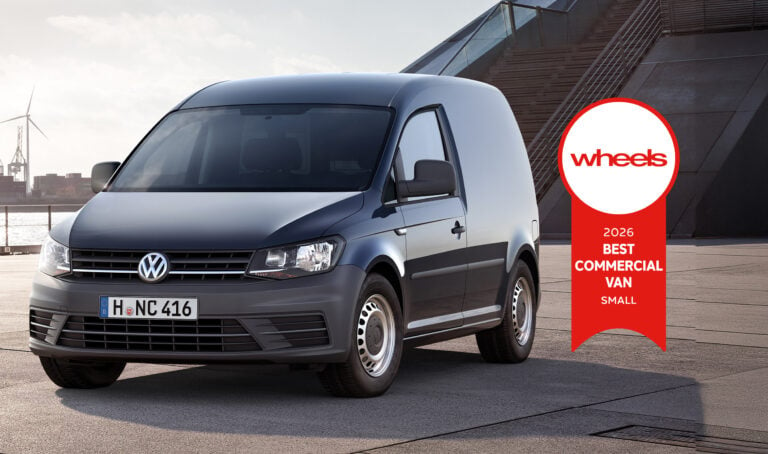
Best Commercial Vans 2026: Small
Small vans prove big capability comes in compact packages, delivering car-like driving manners, strong efficiency and practical cargo solutions for urban businesses.