
Best Vans


Gallery 1
Contenders
Ford Transit Custom
Hyundai Staria Load
Toyota HiAce
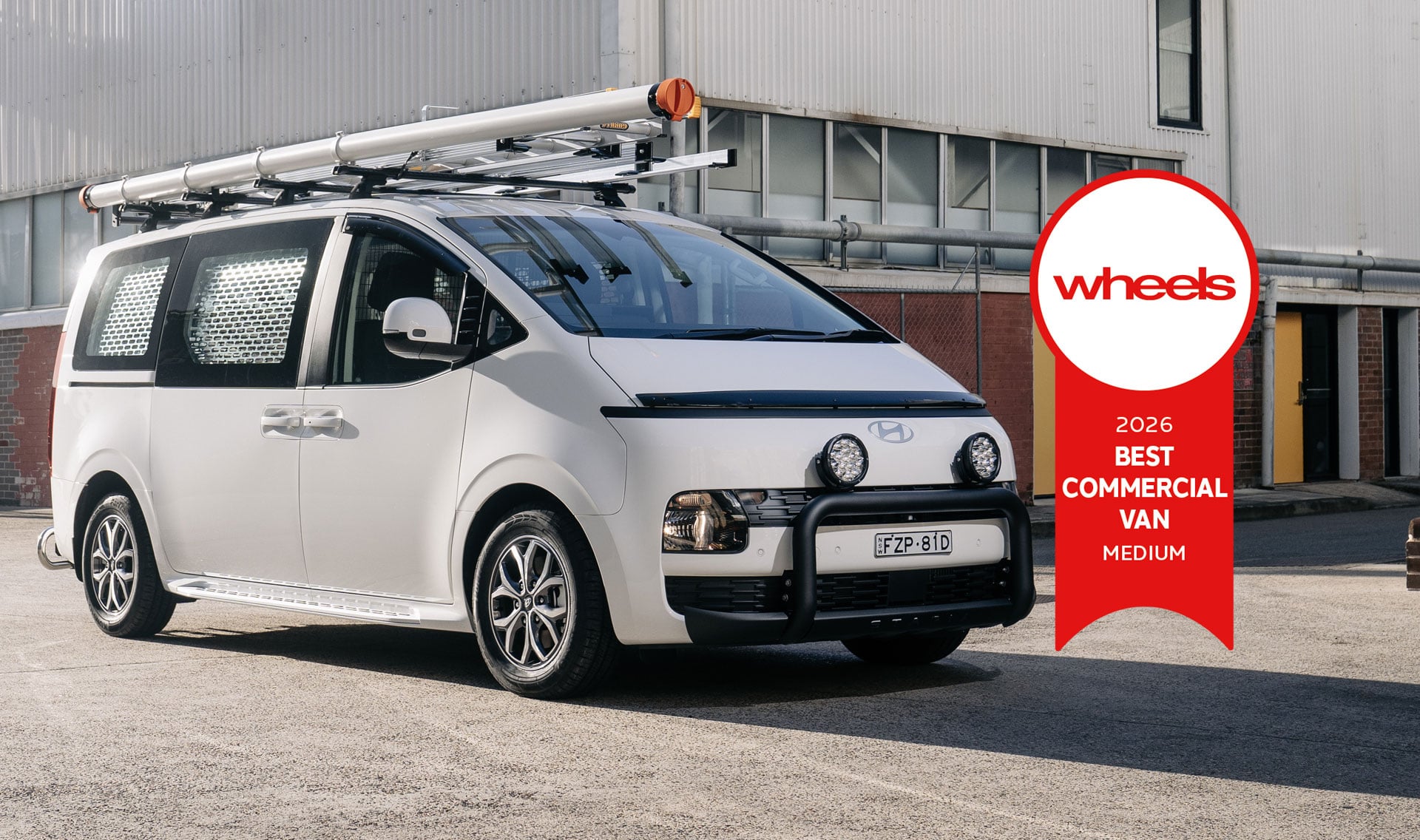
Winner: Hyundai Staria Load
5
Price: $55,001 (driveaway at time of writing)
Engine: 2.2-litre four-cylinder turbo diesel
Gearbox: Eight-speed automatic
Power: 130kW
Torque: 430Nm
ADR fuel consumption: 7.0L/100km
Payload: 1082kg
Kerb weight: 1938kg
Warranty: Five years/unlimited kilometres
Five-year service cost: $3355
| Driving | |
| Interior | |
| Practicality | |
| Overall value | |
Strengths
- Integration of standard cabin tech
- Comfortable driving position and visibility
- Punchy diesel remains fuel efficient in the real world
Weaknesses
- Unladen ride still on the firm side
- Down ball weight limits tow capacity
- Headlights not strong enough out of the city
Since launching the iLoad into the Australian van market, Hyundai has genuinely taken the fight up to the segment leading Toyota HiAce. When the Staria Load broke cover, beyond the polarising styling, there was an excellent van, with a deep specification list, and the on-paper substance to really push HiAce in the sales race. And, with the foundation laid for the brand in this market, the new Staria was well-received.
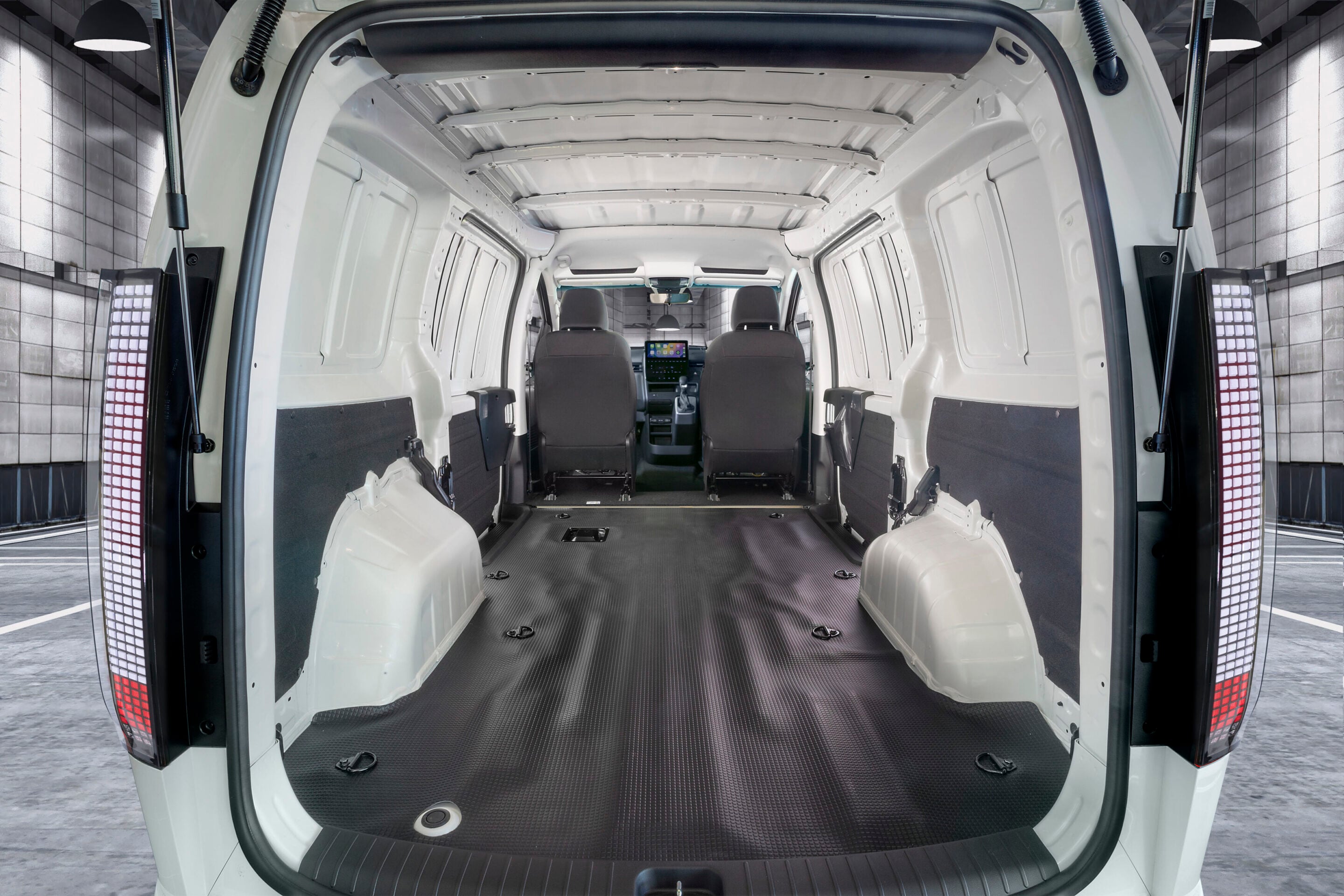
That’s how its remained since launch, with Staria Load still taking the fight right up to HiAce in regard to value and inclusions, and as such is our segment winner against the ever popular HiAce. Particularly in regard to cabin ergonomics, comfort and standard equipment, the Staria Load is an excellent medium van.
The 2.2-litre turbo diesel doesn’t make a mountain of power but the power it does make is both effortless and effective. With 130kW and 430Nm on offer, Staria is powerful enough to get moving even with a load in the tray, but remains efficient, too, a key driver in this segment. Combined with a smooth eight-speed automatic, Staria is a comfortable and practical workhouse.
A recent revision has brought a slight price increase, starting from $49,990 before on-road costs at the time of testing, and there is now a Hybrid, Premium Hybrid and (coming later in the year) Electric Staria to choose from within the range. Our pick is the entry-grade diesel, with either the lift back or swing out barn doors, whichever suits your application. If you’re a frequent user of forklifts, go for the barn doors.
The big shift in this segment in the last five years has been cabin amenity and overall safety – factors that were largely ignored for van owners for decades. Now, vans like the Staria feature front cabins that are more SUV than truck-like, more spacious, more comfortable, and better equipped.
It means the Staria is significantly more comfortable to spend time in than vans of old, with excellent seat comfort, easy entry and egress, and a reasonably quiet cabin. There will be some noise at highway speed on coarse chip surfaces, especially unladen, but it’s not so intrusive that it will give you a headache.
Hyundai’s tech inclusions are clear, clean and concise. And, they work. Things like Apple CarPlay through the wide infotainment screen work well, and there’s even wireless smartphone charging. This segment, thanks to the likes of Ford and Hyundai is more completive than it’s ever been, and the Staria Load should be at the top of the shopping list.
Ford Transit Custom
5
Price: $55,001 (drive-away at time of writing)
Engine: 2.0-litre four-cylinder turbo diesel
Gearbox: Eight-speed automatic
Power: 125kW
Torque: 390Nm
ADR fuel consumption: 8.0L/100km
Payload: 1255kg
Kerb weight: 2512kg
Warranty: Five years/unlimited kilometres
Five-year service cost: $2000
| Driving | |
| Interior | |
| Practicality | |
| Overall value | |
Strengths
- Smart styling looks good on the road
- Cabin fit and finish is excellent
- Steering is excellent in the city
Weaknesses
- Costs more than rivals
- Cabin not as roomy as best in segment
- Gear selector too much like an indicator stalk
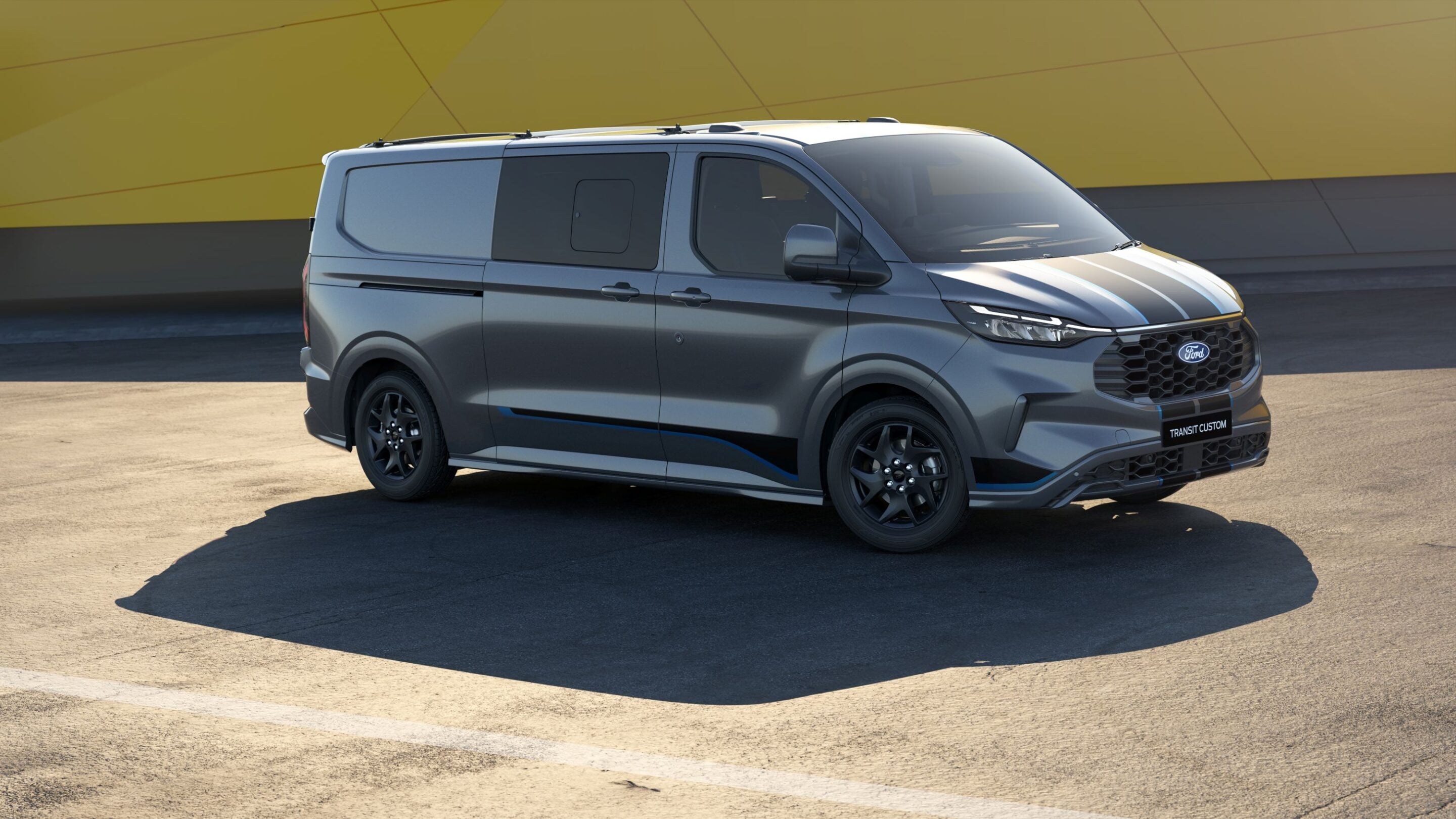
If there’s a Euro-flavour to be sampled within the medium van segment, it’s the Ford Transit Custom that delivers it best. The exterior styling has genuine appeal in its subtlety, sidestepping the RoboCop-look of the Staria, and the square-edged harshness of the HiAce for an altogether more sorted look, still just as functional and comfortable, though.
The appeal of the Transit, though, is more than skin deep, with quality inclusions, a user-friendly cabin and excellent driving manners, especially around town where these vans most commonly ply their trade.
Inside the cabin, there’s a nice execution of tech and equipment, although the column-mounted shift lever is more like an indicator stalk, which take a bit of getting used to. The seating position is excellent, a little higher than HiAce, and it feels like its higher than Staria too, even though it probably isn’t in practice. Visibility forward is excellent, but rearward isn’t great and it would be worth considering the option that removes the window on the compartment divider and replaces it with a digital rear-view mirror.
What’s most impressive about Transit Custom is the fact it doesn’t feel like a large van when you’re behind the wheel. Both Staria and HiAce feel big, and not just to first-time van drivers either, where the Transit seems to feel smaller than it is. A trick of engineering it might be, but it’s a point worth noting nonetheless. Further, the divider that was present in the Transit Customs we’ve tested, ensure the cabin remains quiet and insulated at all times.
On the road, the power and torque figures indicate a relaxed drive, and Transit delivers that, with a slight caveat. The eight-speed automatic isn’t quite as decisive as it could be, sometimes slow in working out what it needs to do off the mark especially. It means getaways aren’t as smooth as they other two contenders in this segment, but once on the move, the transmission does its best to extract the engine’s capability.
Toyota HiAce
5
Price: $57,404 (drive-away at time of writing)
Engine: 2.8-litre four-cylinder turbo diesel
Gearbox: Six-speed automatic
Power: 130kW
Torque: 450Nm
ADR fuel consumption: 8.0L/100km
Payload: 1075kg
Kerb weight: 2245kg
Warranty: Five years/unlimited kilometres
Five-year service cost: $3265
| Driving | |
| Interior | |
| Practicality | |
| Overall value | |
Strengths
- Update brought even more safety tech
- Effortless engine and good road manners
- Load capacity is excellent
Weaknesses
- Not as efficient as it could be
- Headlights need to be better
- More expensive than competition
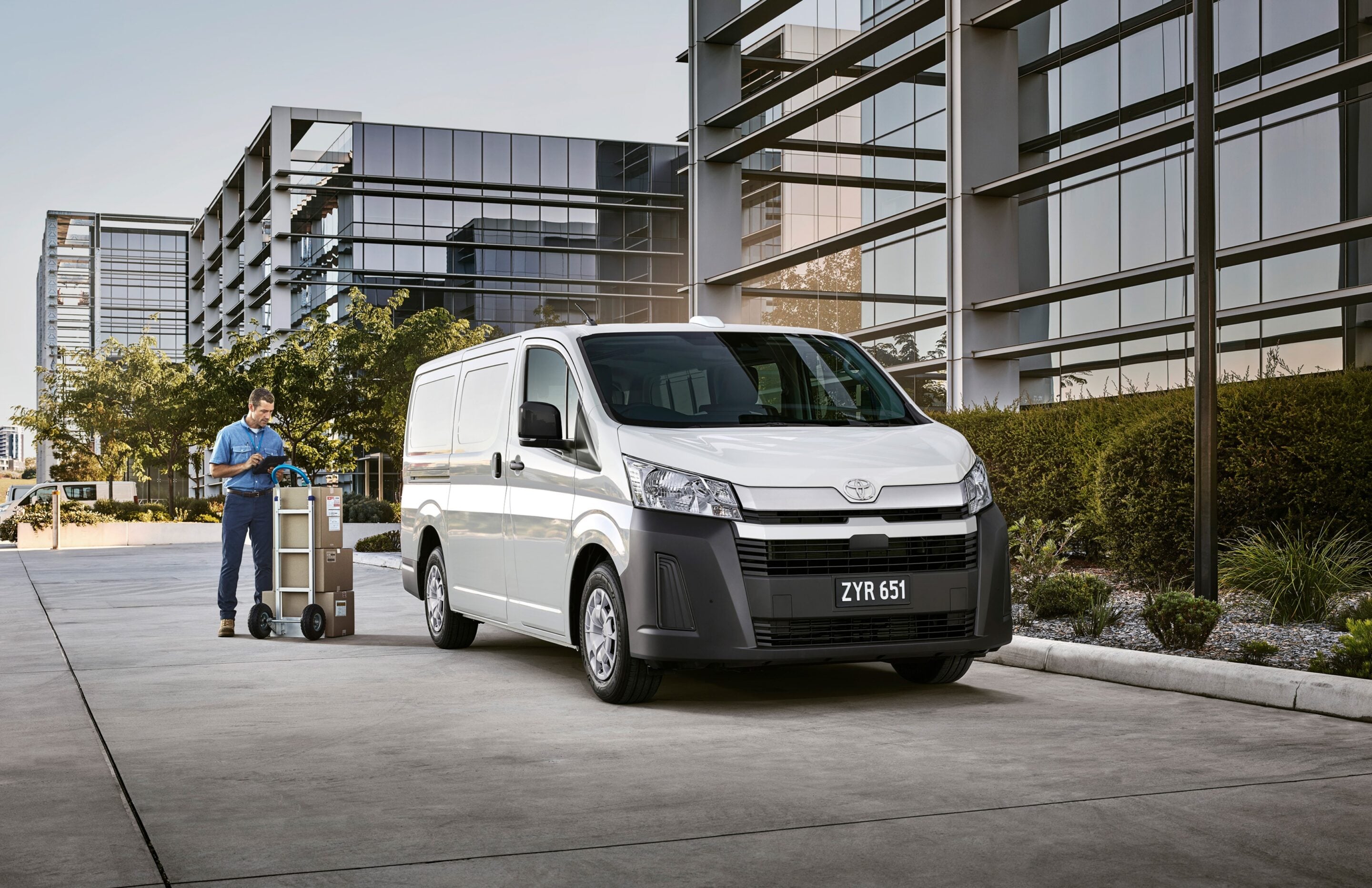
The most expensive of our three contenders, HiAce trades on a reputation of reliability an longevity, an it’s a reputation that is undoubtedly hard won. There’s a manual option in LWB form as reviewed here, as well as SLWB versions available. The pick though, is the regular LWB with an automatic transmission.
Regardless of price and equipment, HiAce has dominated this segment for years, often outselling its nearest competition by a factor of two to one. Even the fact that only one colour is available – French Vanilla in Toyota-speak – hasn’t deterred buyers. You’ll even need to cough up extra to have the bumpers painted body colour.
Still, it’s a formula that has worked and continues to work, and with this current sixth-ten HiAce, finally delivered the comfort and amenity professional drivers were crying out for. Most important among those changes – aside from safety – was the comfort inside the cabin, the seating position, leg room, and general visibility making for a significantly different driving environment.
That robust, hardwearing feel to everything Toyota does is present inside the HiAce, where you’ll find technology that doesn’t feel like it’s cutting edge, but works, You sit lower in the HiAce than you do in much of the competition, and there’s useful storage throughout the cabin, along with a rock solid smartphone connection.
The same is relevant to the drivetrain, with the long-serving 2.8-litre turbo-diesel mated to a six-speed gearbox. Like much of the HiAce standard equipment, the six-speed isn’t a match for the competition in regard to ratios, but it does the job effortlessly, and begs the question of when is too many, too many?
While there’s a commercial edge to the way there HiAce behaves on-road, it’s not as agricultural as vans of old. Still, it isn’t a match for the outright refinement of the Staria in regard to the way it insulates the drive from the outside world. Still an excellent choice, even if it is more expensive than the competition.
Best Commercial Vans in Australia
Looking to get your hands on a new commercial van? Our stories below will guide you to the model that best suits your needs:
Follow WhichCar/Wheels on Google
Click the button below to make WhichCar by Wheels a preferred source for your news.

We recommend
-
 Best Vans
Best Commercial Vans 2026: Small
Small vans prove big capability comes in compact packages, delivering car-like driving manners, strong efficiency and practical cargo solutions for urban businesses.
-
 Best Vans
Best Commercial Vans 2026: Large
From fleet operators to owner-drivers, today’s large vans offer greater versatility, stronger safety and more car-like driving manners than ever before
