News
Gallery 1
An ambitious plan to build an eFuels plant in Australia, with Porsche as a key customer, has effectively stalled. The green fuel factory was originally predicted to be operating in Tasmania in the second half of 2025 but it has yet to progress beyond the planning stage.
Even the plan itself has changed, with the site moved from a location close to Hobart to a derelict factory near Burnie, as HIF Global – claimed to be the world’s leading eFuels company – pivots on its Australian plan.
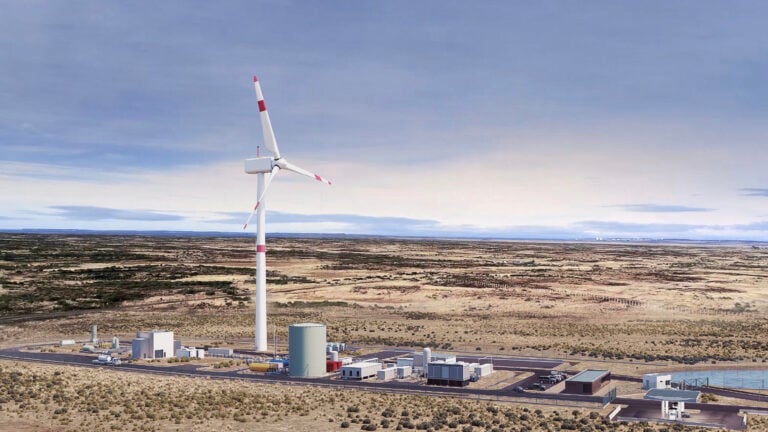
HIF Global is already operating a pilot plant in Chile and part of its production output is used by Porsche in its motorsport program. But Porsche has gone quiet on eFuels as it battles the billion-dollar losses from its unsuccessful drive towards an all-electric future.
“Our focus remains on delivering a competitive project in Burnie,” a spokesperson for HIF Global, Ian Lawrence, told WhichCar by Wheels. “Last year we announced the relocation of the project to Burnie’s former Pulp Mill site. We are continuing to progress through engineering and environmental permitting.”
1
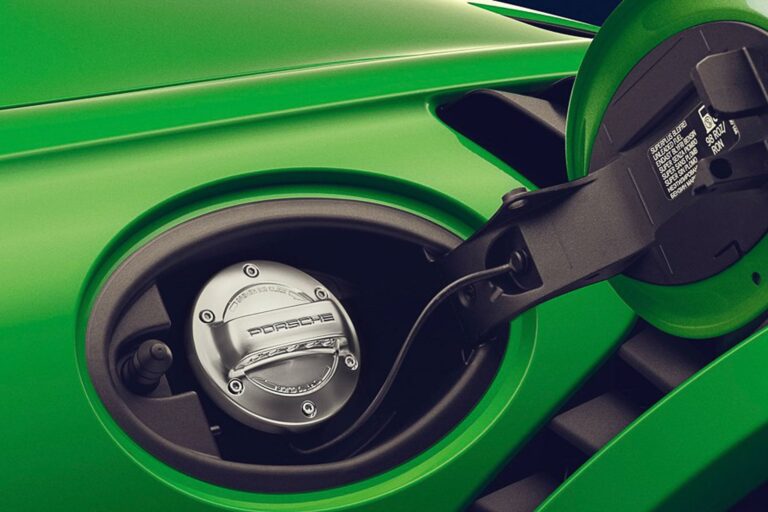
Porsche, which once touted its eFuel commitment with the bold promise, ‘We can save the world’, is shifting the focus to HIF. “Porsche is neither a fuel producer nor a project developer for production plants. However, we continue to see eFuels as a meaningful complement,” the manager of eFuels at Porsche in Germany, Fabian Ehrat, told WhichCar by Wheels.
“We would welcome an industry ramp-up, as well as supportive regulatory frameworks from policymakers. Responsibility for this rests with HIF Global, in which Porsche is an investor.”
The Tasmanian plan is now focussed on a former paper mill site in South Burnie, in the north of Tasmania. It is predicted to eventually produce more than 200,000 tonnes of e-Methanol a year, as well as creating several hundreds construction jobs before a permanent workforce of around 200 people.
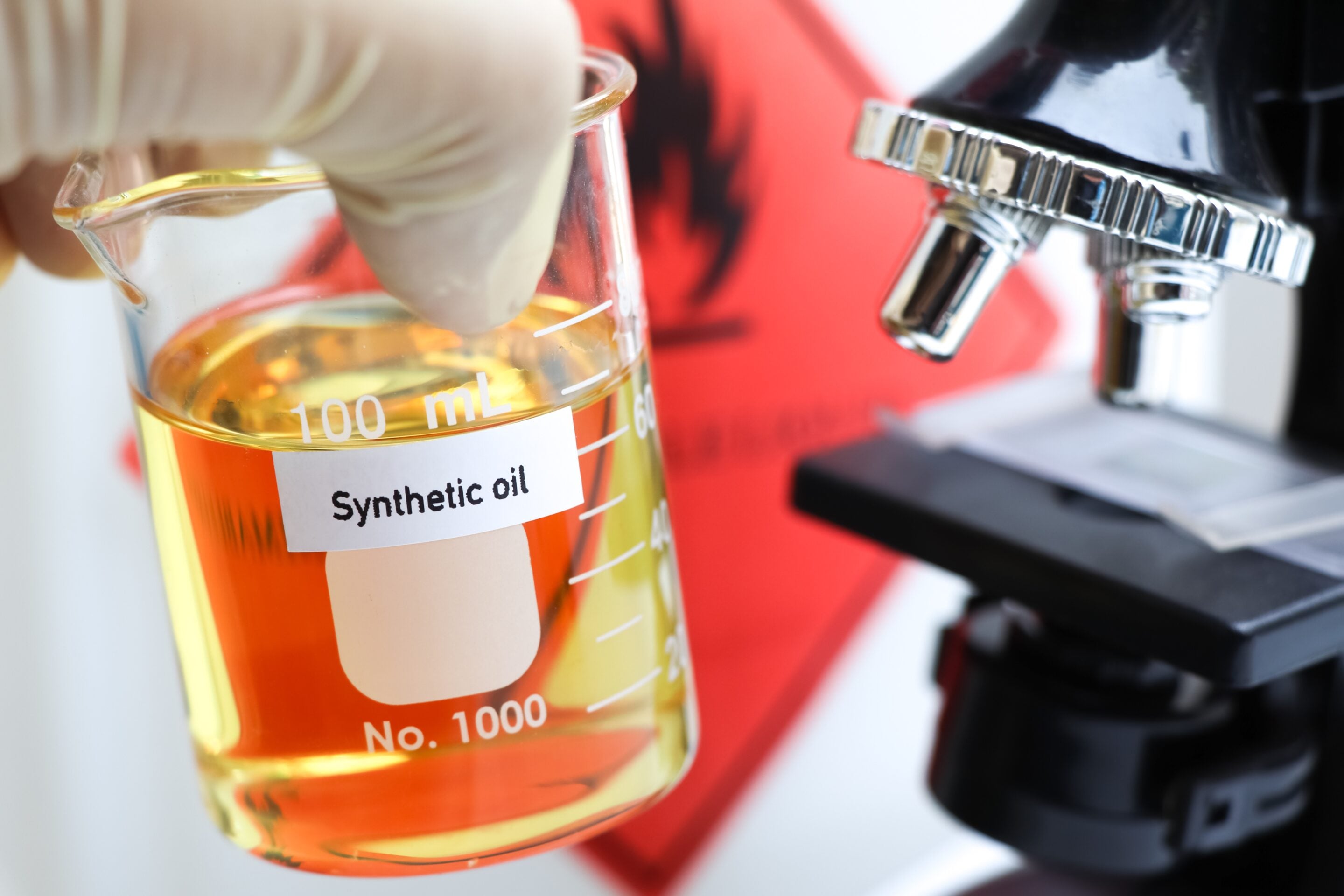
HIF Global said operations could commence by 2030 for a relatively simple production process. Renewable electricity is used to power electrolysers that separate hydrogen from water. The hydrogen is then combined with recycled carbon dioxide from plantation residues to create e-Methanol, a synthetic fuel that can be used in shipping or converted into e-Fuels for aviation, cars, and trucks.
Apart from Chile and Tasmania, HIF Global is also working on eFuel sites in the USA, Uruguay and Brazil. “The company remains committed to e-Fuels and continues to advance a portfolio of e-Fuel projects,” said Lawrence. “Switching to a site closer to Burnie’s deepwater port enables deployment of significantly larger modules, which reduces construction time. Our efforts to reduce costs, coupled with Commonwealth Government measures supporting the establishment of new low carbon industry in Australia, means that Tasmania remains an attractive location.”
1
Porsche, too, believes there is future potential in eFuels. “The goal is to show that renewable, market-compliant, high-performance, low-emission fuels can help reduce emissions from combustion engines. Porsche works closely with industry and academic partners on their development and began evaluating the potential of electricity-based renewable fuels about 10 years ago,” said Ehrat.
“Porsche is currently the exclusive off‑taker of the fuel produced at the (HIF Global) pilot plant in Chile. The goal, of course, is to accelerate access for additional users in order to enhance the learning process, increase demand, and highlight the versatility of eFuels as a genuine solution for decarbonising mobility –not only in the automotive sector, but also in shipping and aviation.
For this reason, it will be particularly important to attract additional customers as the project moves toward industrialisation.”
But Porsche says there are still significant headwinds for eFuels.
“Regulation needs to create the right framework to give investors long-term planning and investment security, which is currently lacking. In addition, the expansion of eFuels is being delayed by several challenging external conditions, including difficulties in obtaining local permits, an uncertain political and regulatory environment, ongoing geopolitical tensions, and limited international investment readiness. Together, these factors significantly slow progress and hinder broader deployment,” said Ehrat.
Follow WhichCar/Wheels on Google
Click the button below to make WhichCar by Wheels a preferred source for your news.