News

Gallery 1
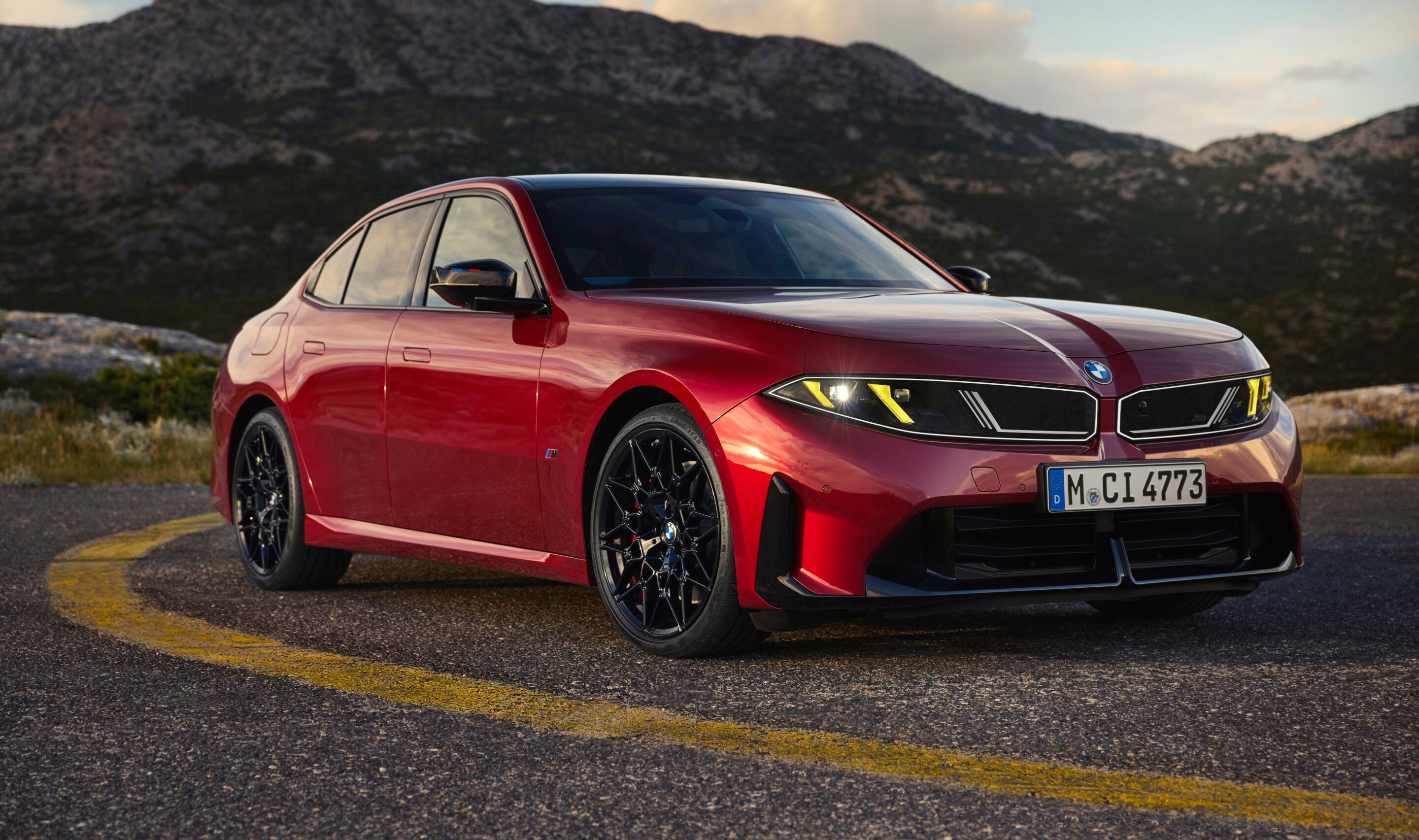
BMW has taken the covers off the crucial new 3 Series, which combines futuristic Neue Klasse styling, an overhauled interior and electrified petrol engines to launch the eighth generation of the world’s longest-running sports sedan. So far, just the sedan body style and two engine options have been revealed, but we’re expecting a wagon, more drivetrains and the M3 to be launched down the track.
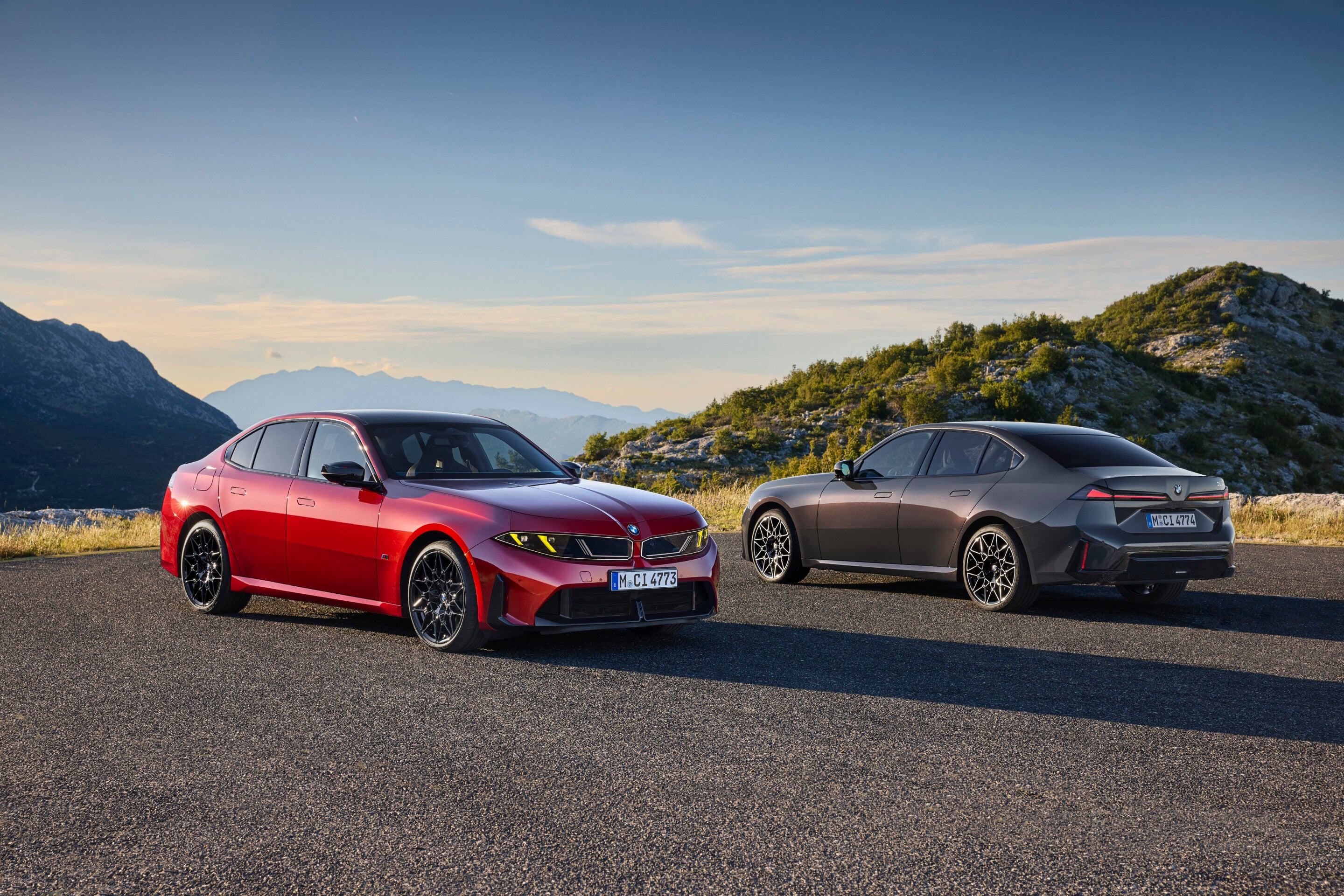
Revealed just over six months after the debut of the new electric i3, the internal-combustion 3 Series has deliberately been designed to look nearly identical to its battery-powered sibling. Take a squiz underneath, however, and the two cars are very different.
6
While the i3 rides on the new-generation Neue Klasse electric architecture that also underpins the iX3 electric medium SUV, the combustion 3 Series uses a heavily updated version of the CLAR platform that underpins its G20 predecessor. Instead of creating a new foundation, BMW instead updated the older architecture to accommodate its latest petrol powertrains while also introducing new chassis technology.
The 3 Series adopts the i3’s minimalist front end with slim, aggressive lighting and a horizontal version of the iconic BMW kidney grille. Along the side and rear you’ll find the same clean surfacing and long taillights as the i3.
There are differences if you look closely. The petrol 3 Series is 6mm longer and has a longer and lower bonnet to accommodate its combustion engines, and its windscreen is more upright as well. BMW has used the classic “2.5-box” sedan design with short overhangs and a long wheelbase.
Measuring 4760mm long, the new 3 Series has also grown by 52mm compared with its predecessor, although its wheelbase has only increased by around 10mm. Cargo capacity is listed at 450 litres, which is actually 30 litres less than the previous model.
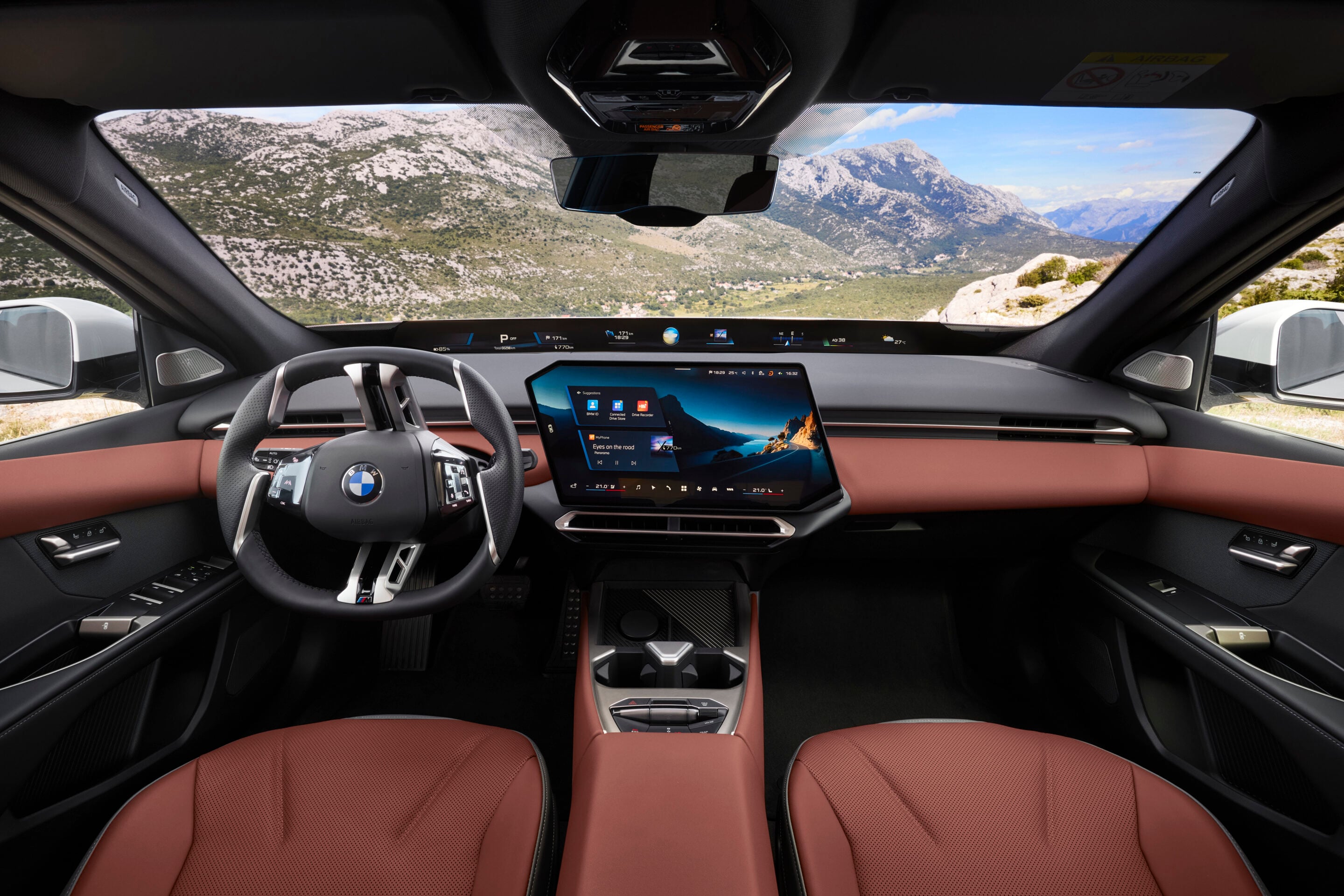
Inside, the Neue Klasse influence is obvious. BMW’s Panoramic iDrive system has replaced the usual driver’s display, projecting information across the base of the windscreen. A large 17.9-inch central touchscreen running ‘BMW Operating System X’ dominates the dashboard, while physical switchgear has been significantly reduced compared to the current 3 Series.
7
Under the bonnet, BMW will offer four- and six-cylinder combustion engines, all using 48-volt mild-hybrid technology, and additional powertrain variants are expected to follow. European markets will initially receive a rear-wheel drive 320 using a turbocharged 2.0-litre four-cylinder petrol engine producing 153kW and 330Nm – 18kW and 30Nm more than the current 320i – paired with an eight-speed automatic transmission. The 0-100km/h sprint is over in 7.4 seconds.
Sitting above that is the new M350 xDrive, which replaces the previous M340i as the performance flagship beneath the upcoming M3. Its turbocharged 3.0-litre straight-six and mild-hybrid drivetrain produces 309kW of power and 580Nm of torque – increases of 24kW and 80Nm compared to the M340i – driving all four wheels through an eight-speed automatic. BMW claims a 0-100km/h time of 4.1 seconds, an improvement of 0.2 seconds over its predecessor.
Despite retaining those familiar underpinnings, the new 3 Series receives wider tracks, revised steering, new suspension components and BMW’s latest integrated driving-dynamics electronics. The M350 also introduces a new ‘Drift Moment’ function, which can disconnect drive to the front axle and effectively turn the all-wheel-drive sedan into a rear-driver for more drifting fun… on the track, of course.
Australian arrival timing, pricing and the model lineup for the new BMW 3 Series are yet to be announced, though we’re expecting it to launch sometime in 2027.
Follow WhichCar/Wheels on Google
Click the button below to make WhichCar by Wheels a preferred source for your news.

We recommend
-
 Features
Neue Klasse – the cars that saved BMW
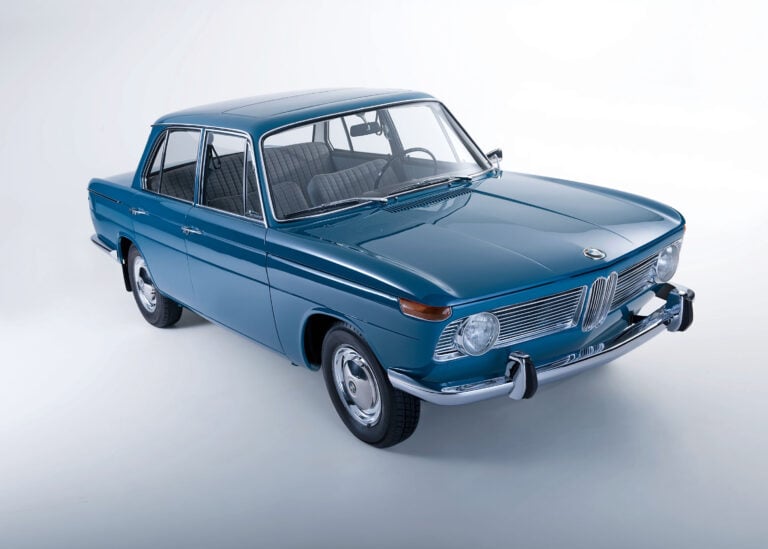
In 1959, BMW was staring down the barrel of the bankruptcy gun until an entirely Neue Klasse of cars turned around its fortunes.
-
 News
NewsBMW unveils Aussie specs and pricing for the X5 SUV as the fifth generation gets a radical new look and mild-hybrid tech
The fifth generation of the BMW X5 has been given an extensive facelift that applies to far more than just the exterior.
-
 News
NewsBMW unveils special editions of M line-up to mark 100 years of the Nürburgring – and Australia is on the delivery list
BMW M is marking a century of the Green Hell by revealing new special editions of the M2, M3, M4 and M5.