News
Gallery 1
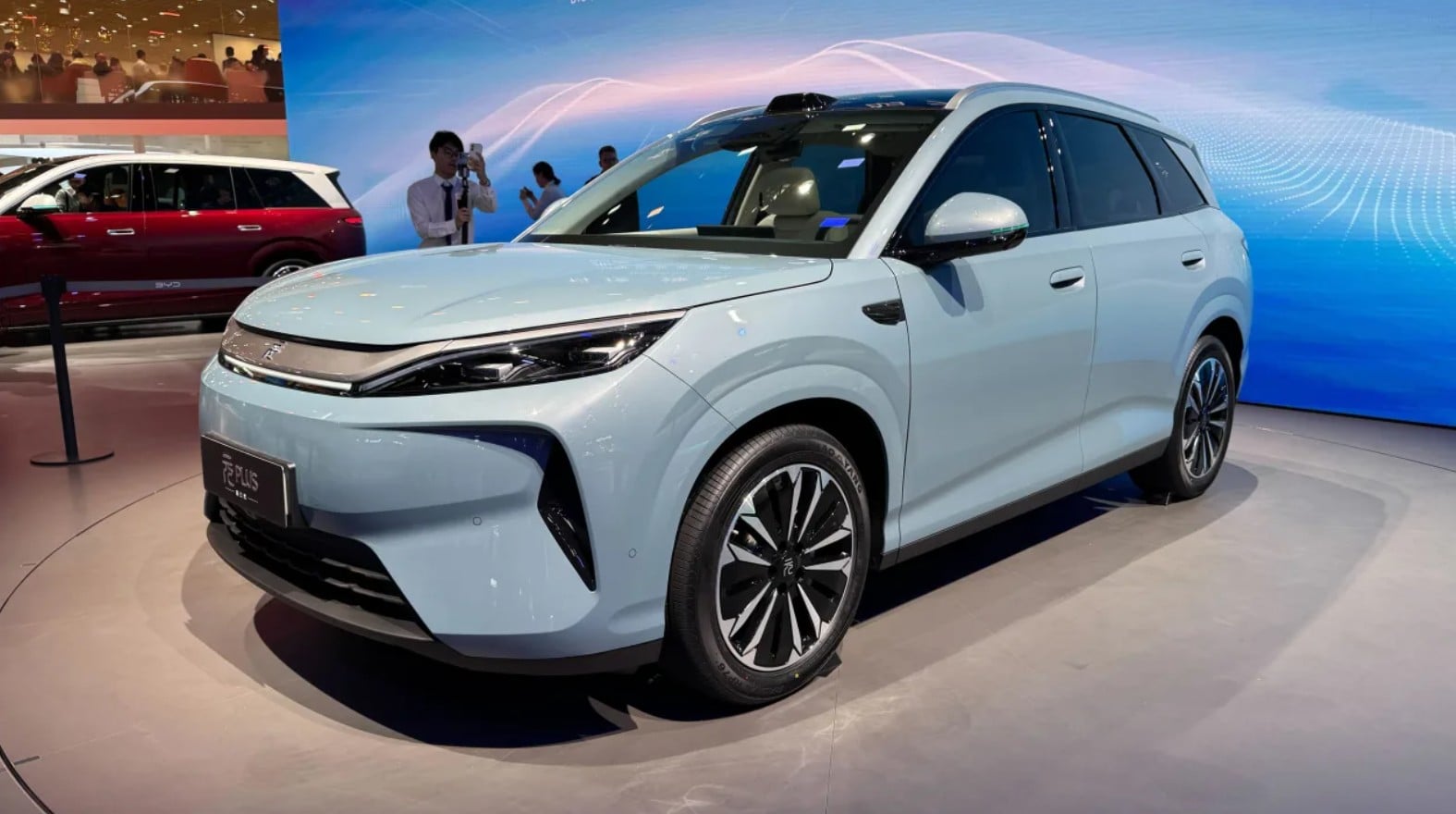
The third-generation BYD Atto 3 marks a significant shift for the brand’s popular electric SUV, moving well beyond the incremental updates seen in recent years. Revealed at the 2026 Beijing Auto Show, the new model grows in size, adopts a more assertive design and introduces updated battery and technology systems.
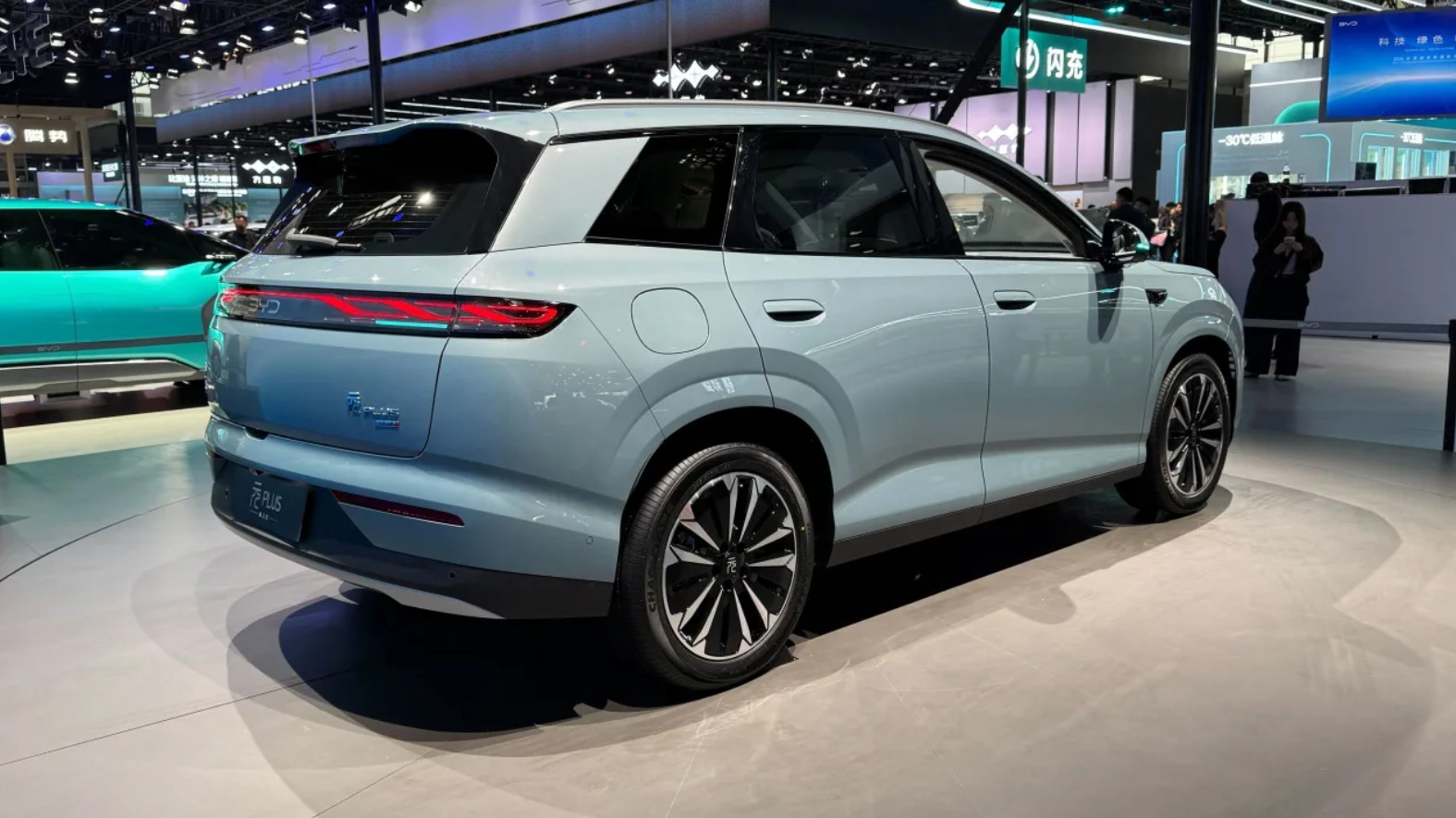
Dimensionally, the changes are substantial. The new Atto 3 is almost 200mm longer, slightly taller and wider, with a longer wheelbase that pushes it closer to mid-size SUV territory. That places it more directly alongside rivals such as the Tesla Model Y, rather than the smaller SUV class the outgoing model occupied.
The design has also been overhauled. The softer, rounded look of the previous car has been replaced by sharper lines and a more upright stance. Details such as flush door handles, slimmer lighting and reduced exterior cladding give the new model a more premium appearance, while a roof-mounted sensor signals the addition of advanced driver assistance systems.
1
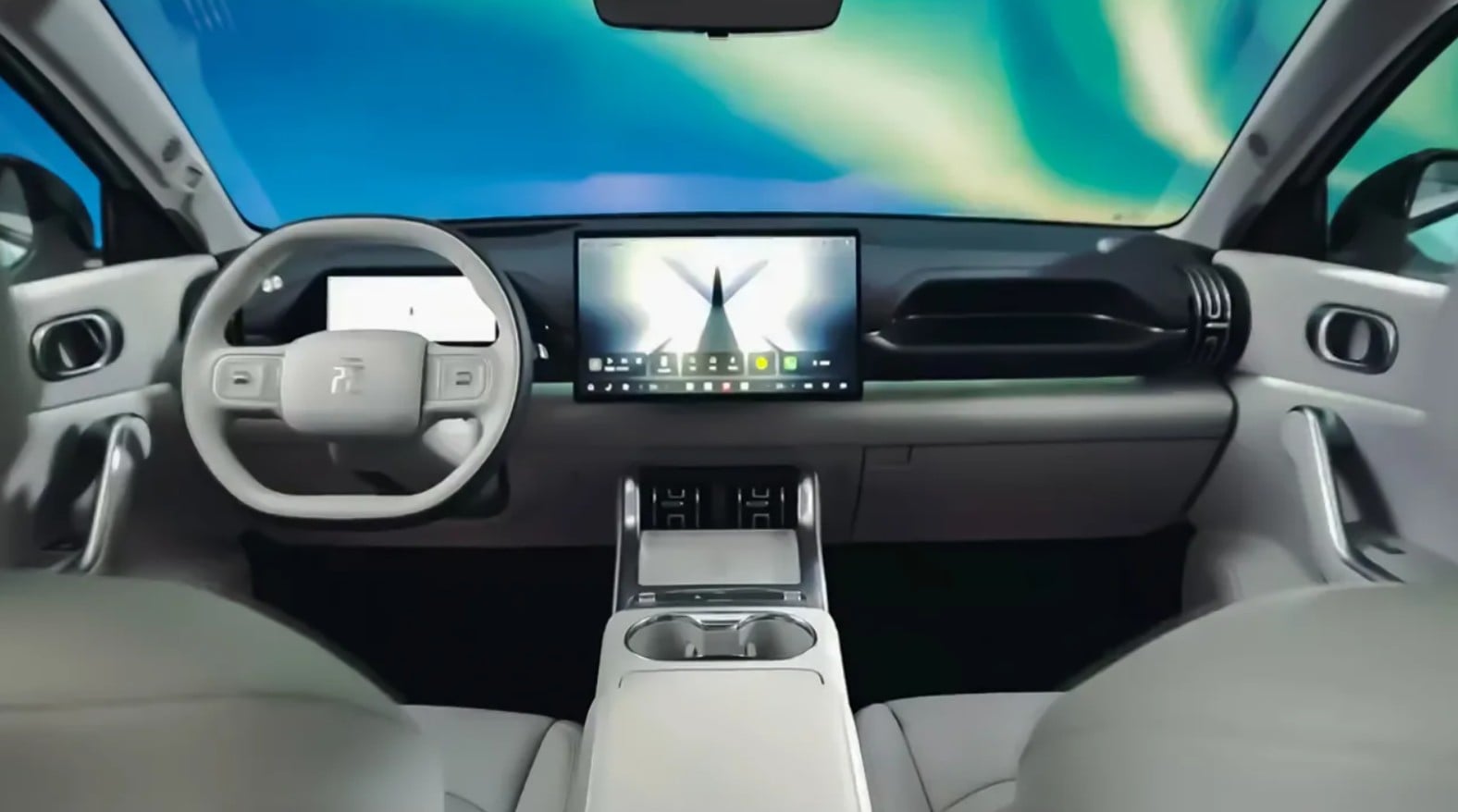
Inside, the cabin follows a more minimalist direction. A large central touchscreen dominates, with most functions controlled digitally, although some physical buttons remain. The materials and layout appear more restrained than before, with ambient lighting and metallic finishes aimed at lifting perceived quality.
The increase in size brings clear benefits for practicality. Boot capacity is said to jump to around 750 litres, with additional storage under the bonnet and throughout the cabin. Rear-seat space is also expected to improve thanks to the longer wheelbase.
1
Under the skin, the Atto 3 adopts an updated version of BYD’s Blade battery technology. Two battery options are expected, offering ranges of roughly 540 to 630 kilometres (CLTC), though real-world figures are likely to be lower. Faster charging is also anticipated, although exact performance figures have not been confirmed.
Power outputs are set to increase, with the top variant producing around 240kW.
While the new Atto 3 represents a clear step forward in size, technology and design, its real-world performance and efficiency will ultimately determine how competitive it is in an increasingly crowded EV market.
Follow WhichCar/Wheels on Google
Click the button below to make WhichCar by Wheels a preferred source for your news.