
News

Gallery 1
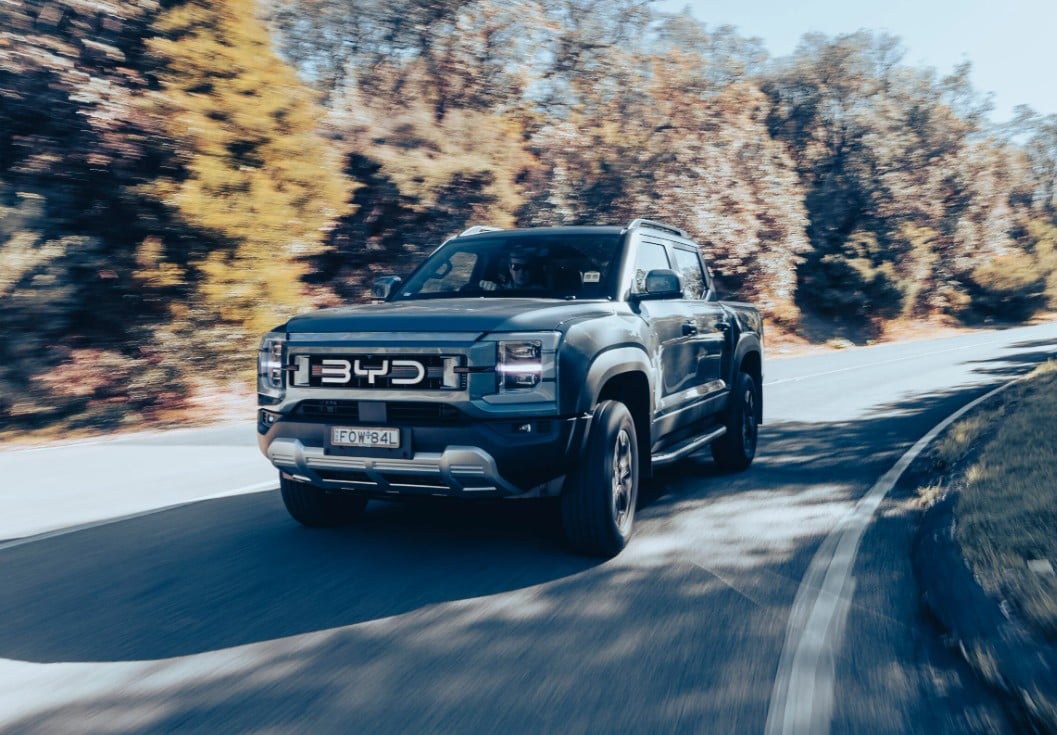
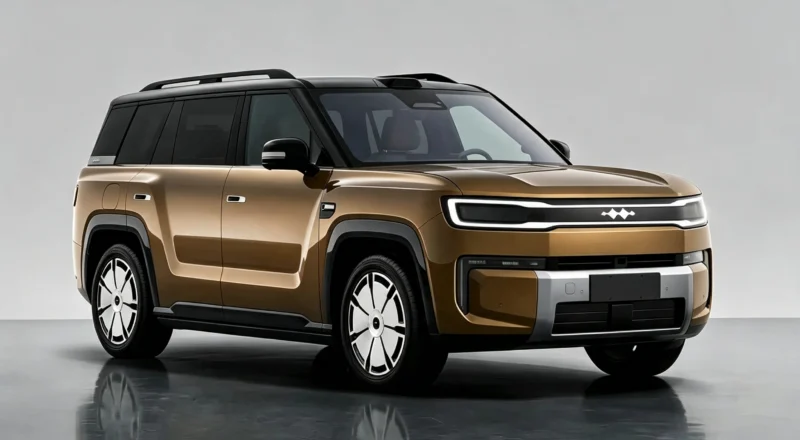
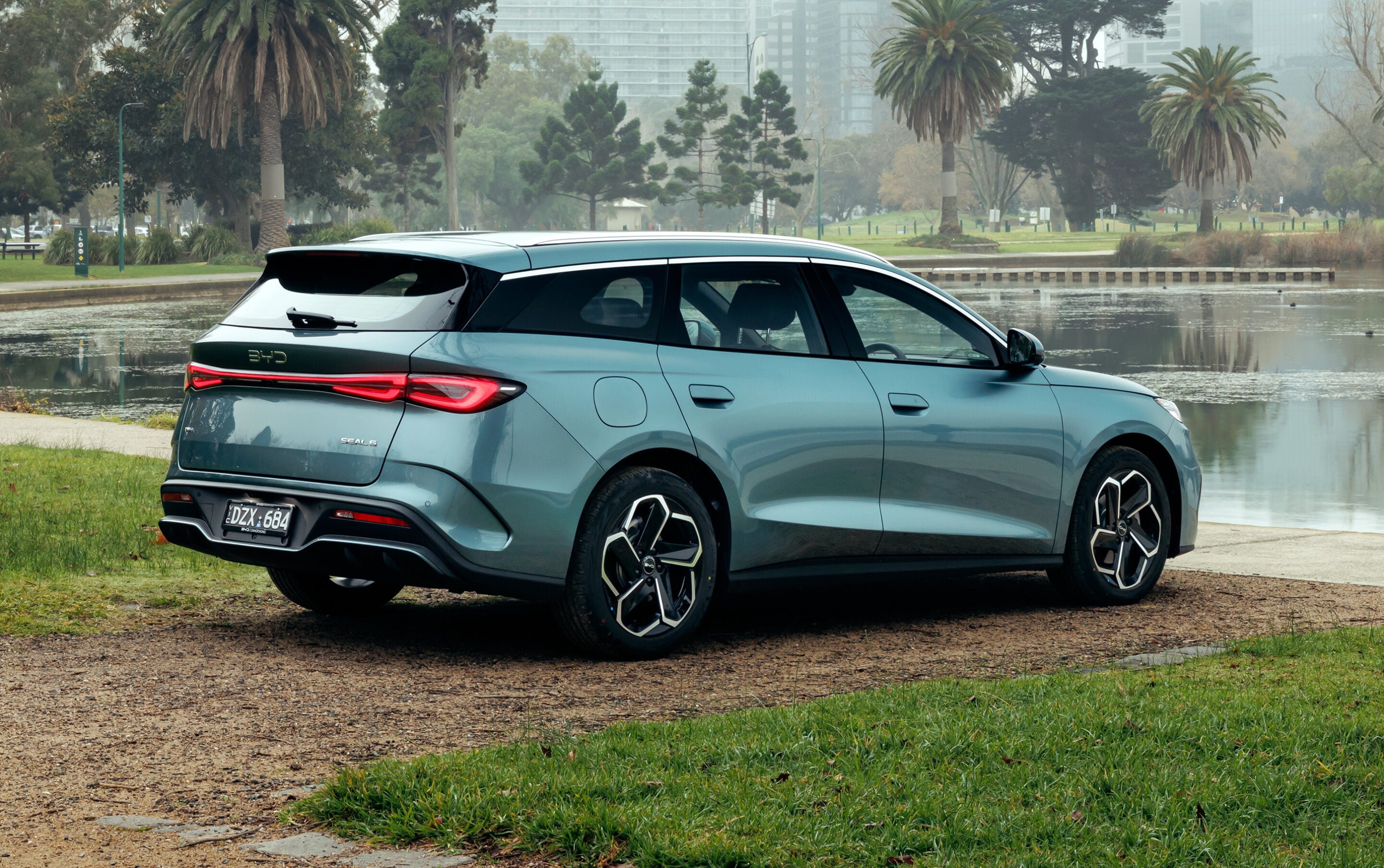
The Chinese government has brought in a raft of new rules governing how the country’s carmakers operate in overseas markets, warning companies like BYD against getting involved in price wars that could lead to the imposition of tariffs to combat anti-competitive behaviour.
Foreign sales are an increasingly important source of revenue for Chinese brands as numbers crumble in the saturated local market. For example, BYD made 53 per cent of its revenue overseas in the first half of 2026, with domestic registrations dropping by almost 46 per cent year on year.
5
In order to safeguard the automakers’ market share and protect against retaliatory action by foreign regulators, China’s Ministry of Commerce, Ministry of Industry and Information Technology and State Administration for Market Regulation fired off a series of guidelines. They read like good news for established brands that are being hammered by the wave of cheap and popular Chinese products.
The rules – which seek to “promote orderly and healthy international development of China’s automotive industry” – are headlined by a directive that brands must price their products based on production costs and the state of the market instead of engaging in drastic discounts that hammer traditional carmakers.
Other rules will force China’s manufacturers to avoid large price fluctuations that disrupt foreign markets, stop engaging in any activities that could trigger trade disputes or damage the image of Chinese OEMs, and refrain from making overseas dealers set a nominated price for cars and instead create clear pricing levels for model grades.
Misleading and untruthful marketing and advertising is also being cracked down upon, and the directives state that the carmakers “must not improperly impose arbitrary surcharges beyond the displayed price or collect fees that have not been disclosed”.
5
In June, Chinese regulators warned manufacturers about price wars that amounted to “irrational competition” in the domestic market, according to a statement from the Ministry of Industry and Information Technology.
The move came on the back of news that NEV sales in China had fallen 14 per cent year on year in the first week of June. On Wednesday, the South China Morning Post reported that the number of EVs sold in the first 12 days of August was down 12 per cent from the same period last year.
Follow WhichCar/Wheels on Google
Click the button below to make WhichCar by Wheels a preferred source for your news.

We recommend
-
 News
NewsCompact EVs from BYD and MG top Aussie most-searched list as fuel excise relief ends
Drivers desperate to avoid pain at the pump have made small EVs four of the five most searched-for new cars in Australia.
-
 News
NewsBYD Atto 3 Evo arrives: Pricing revealed for compact SUV as order book opens
The updated electric SUV retains two variants but brings substantial changes, including rear-wheel drive and a 510km range for the flagship Premium.
