News

Gallery 1
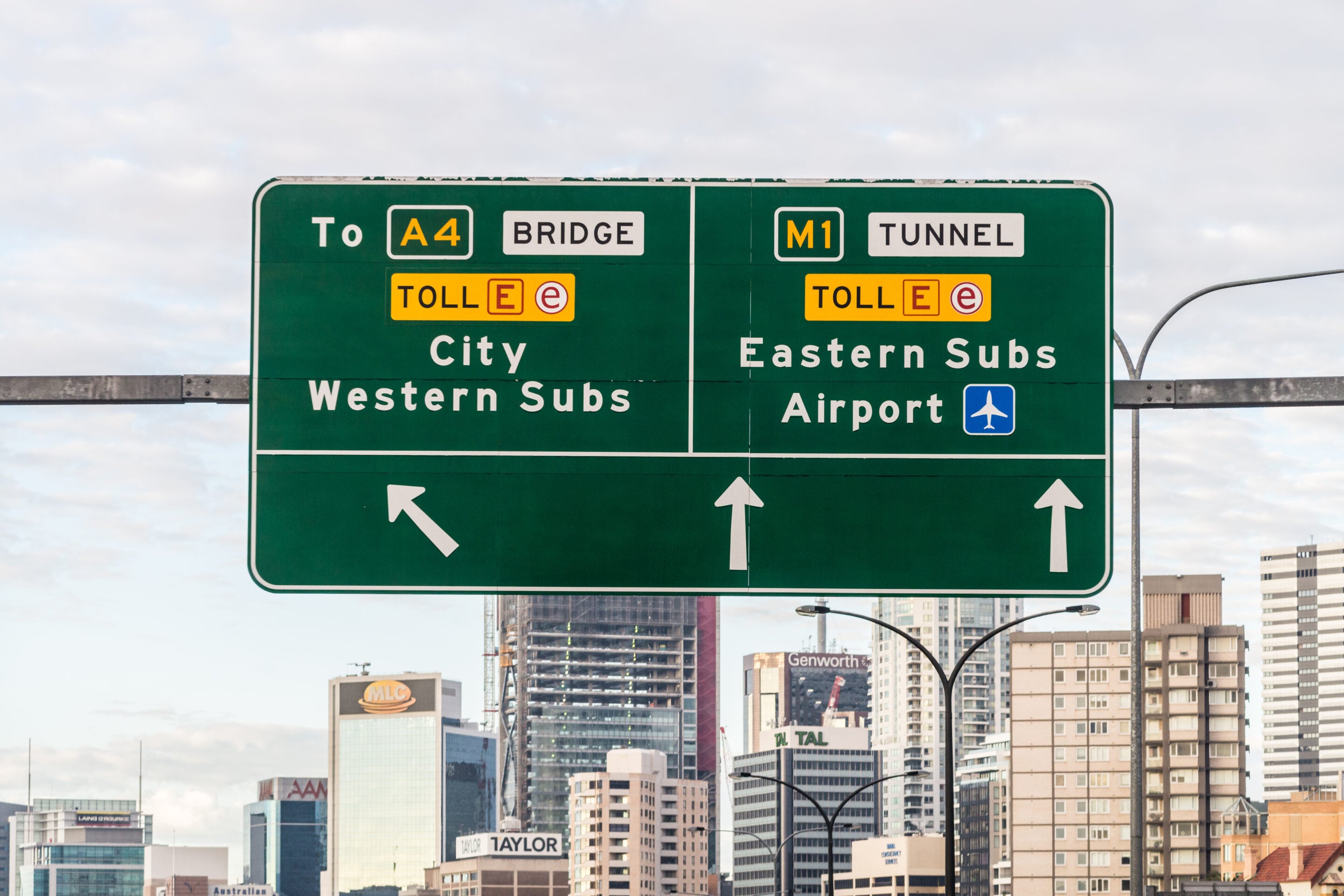
Australia’s biggest toll road operator has flagged the possibility of a switch to dynamic pricing, the US-style system that constantly adjusts costs based on how busy the motorway is. Transurban, which made a record $4 billion in revenue last financial year, is already running some of its North American roads under the arrangement.
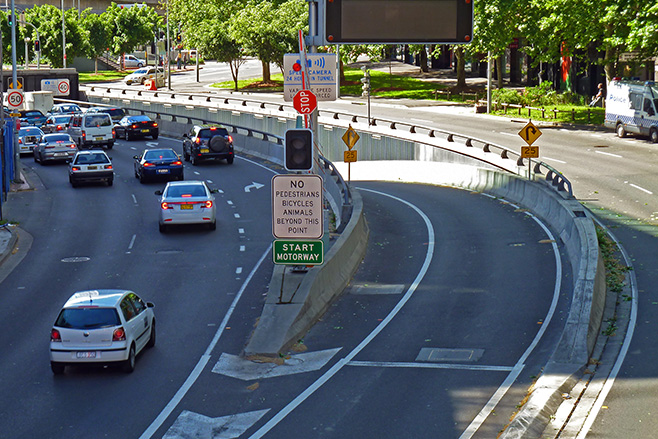
Dynamic pricing adjusts toll rates every few minutes by basing costs on real-time traffic data, meaning motorists who have to use the roads during peak times suffer an extra hit to the hip pocket. While some Aussie toll roads like the West Gate Tunnel and Sydney Harbour Bridge raise prices during the morning and evening rush, they don’t change prices constantly.
2
Now Transurban’s general manager for Victoria, Anup Jois, has brought up the prospect of the company using the US-style system down under, despite widespread opposition to rising toll costs among Aussie motorists.
“We think there’s merit in examining if it [dynamic pricing] could apply in the Australian circumstance as well,” Jois told Melbourne’s 3AW radio, adding that Transurban is keen to have “constructive conversations” with governments that are interested in the cost model.
The high cost of toll roads has long been a huge bugbear for Aussie drivers. A 2024 survey of 1000 motorists found that 87 per cent thought charges were too high, with 70 per cent saying they were unfair.
Toll costs have been growing ever since. Transurban’s own data shows the average Sydney driver spends nearly $650 a year on the charges, which have been increasing by at least four per cent a year. In Melbourne, Transurban’s revenue grew by nine per cent in the last financial year.

2
The company has also been accused of trying to stand in the way of the NSW state government’s attempts to reduce costs for drivers, which resulted in one-off price cuts on a handful of roads in Sydney.
Australia is far and away the biggest source of revenue for Transurban, which controls eleven toll roads in Sydney alone, with the profitable M2-M7 tollway to drag in even more money when it gets widened. Approximately 90 per cent of the company’s $4 billion revenue comes from its operations down under.
Follow WhichCar/Wheels on Google
Click the button below to make WhichCar by Wheels a preferred source for your news.

We recommend
-
 News
NewsToll overhaul to cut prices on key motorways from 2027
Discounts for motorists, cheaper motorcycle tolls and broader network reforms announced after NSW Government reaches agreement with private operators.
-
 News
NewsSydney’s toll roads increasing by up to four per cent in the new year
Toll road prices are going up across the NSW capital