News
Gallery 1
As electric vehicle ownership rates rise in Australia and new vehicle markets show a boost in electric and electrified vehicles, a new study highlights how overall market acceptance is shifting.
The study, commissioned by financial comparison site Savvy, is now in its third edition, having been published previously in 2021 and 2023, analysing the various attitudes towards future electric vehicle ownership.
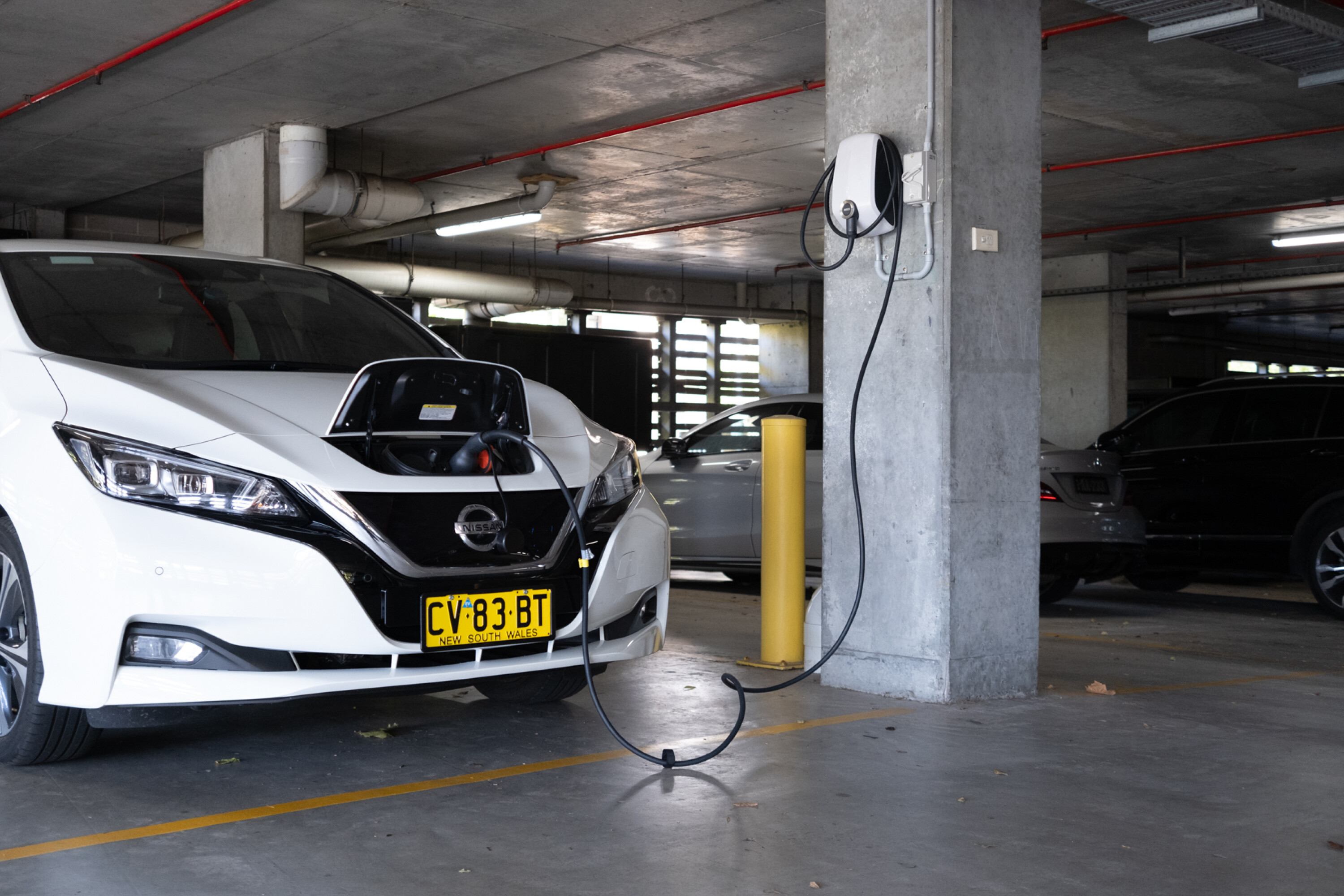
Savvy’s data reveals that fewer buyers than before considered cost a barrier to EV ownership, although it was still the most commonly cited point of resistance for new vehicle intenders. In 2021 and 2023, 76 per cent of respondents said price was their biggest barrier to EV ownership; in 2026, that rate had fallen to 49 per cent.
1
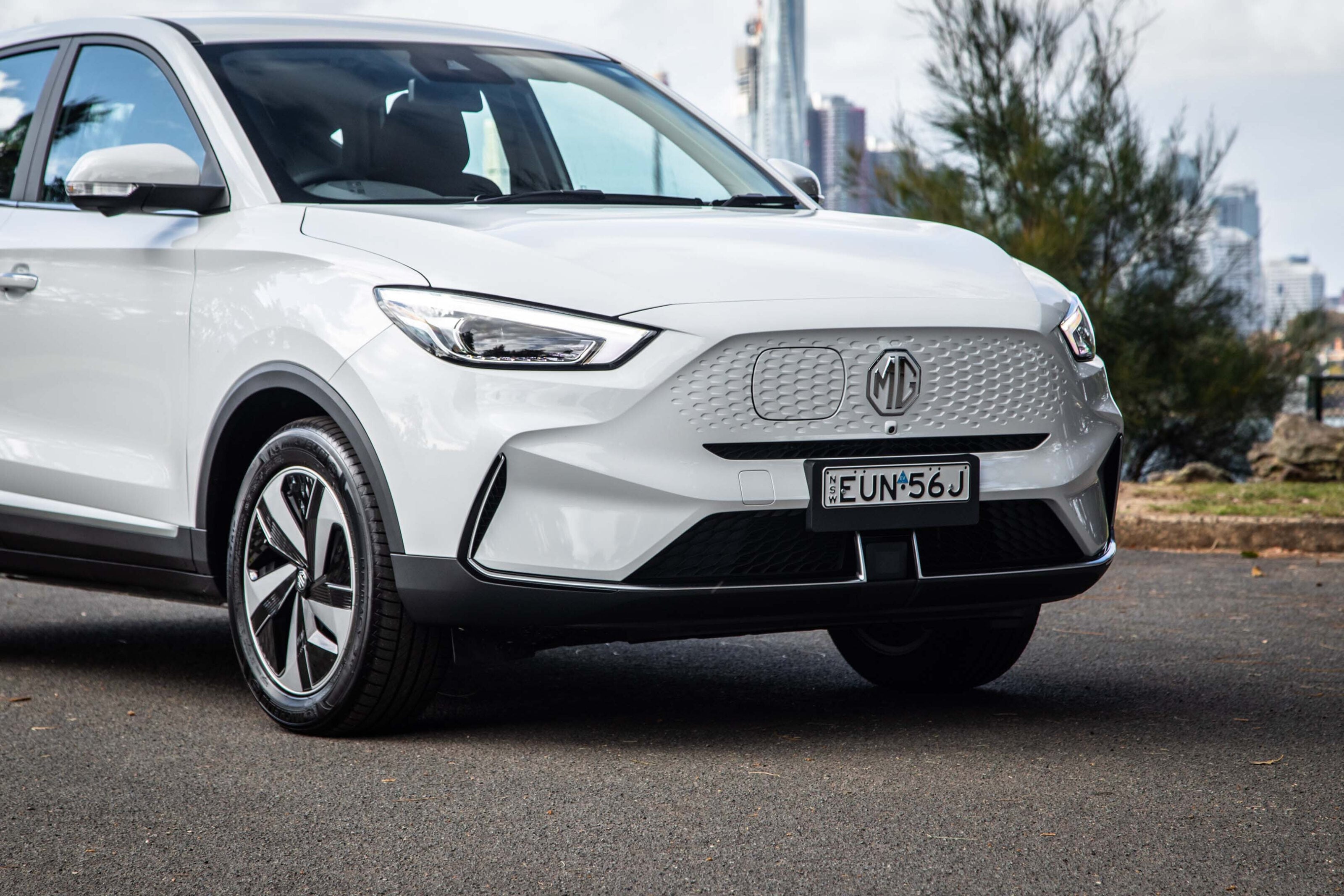
In the five years since the study began, the market has shifted from 17 brands offering at least one electric model to 40 in 2026. The cheapest EV when the study began, the MG ZS EV, started from $44,990 drive-away, compared to a selection of over 10 electric models priced from under $40,000 in 2026, and higher-priced models rapidly approaching price parity with combustion-engined (ICE) models in the same period.
To a lesser extent, attitudes towards range anxiety – how far a car can travel before charging – have also softened. In 2021, 39 per cent of people surveyed claimed range anxiety was an issue, rising to 41 per cent in the 2023 survey. The most recent data reveals that range issues are now only a concern for 29 per cent of respondents.
Despite the more willing acceptance of price and range in the evolving EV market, EV resistance rose according to the latest data, with more buyers than before suggesting they would rather stick to an ICE vehicle for their next car.
The latest survey indicated that over a quarter of those included in the study would prefer a fuel-based car (82 per cent), in 2023 that figure was 16 per cent, and in 2021, only 13 per cent.
Other standout data from the report indicated that 77 per cent of buyers weren’t aware of what it costs to charge at home, with 47 per cent overestimating the average charging cost, although this data is based on average charge cost figures and doesn’t take into account individual cost variations, which those surveyed may have based their calculations on.
Another 47 per cent of people surveyed were either renting or living in apartment buildings without the ability to install a dedicated EV charger. Here, the study overlooks access to trickle-charge options for overnight charging from a regular power outlet, which could impact that final figure, particularly for renters of freestanding homes.
1
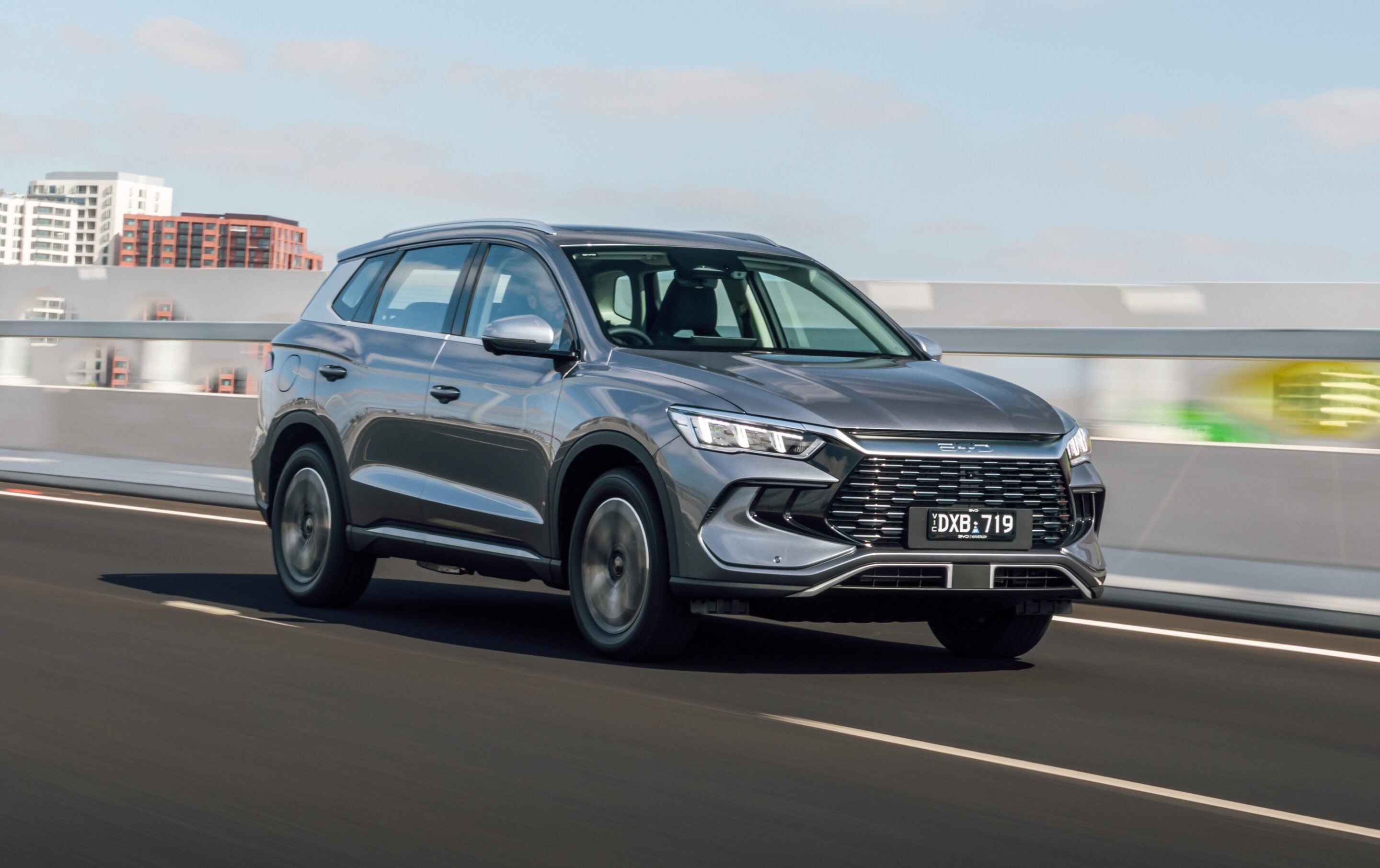
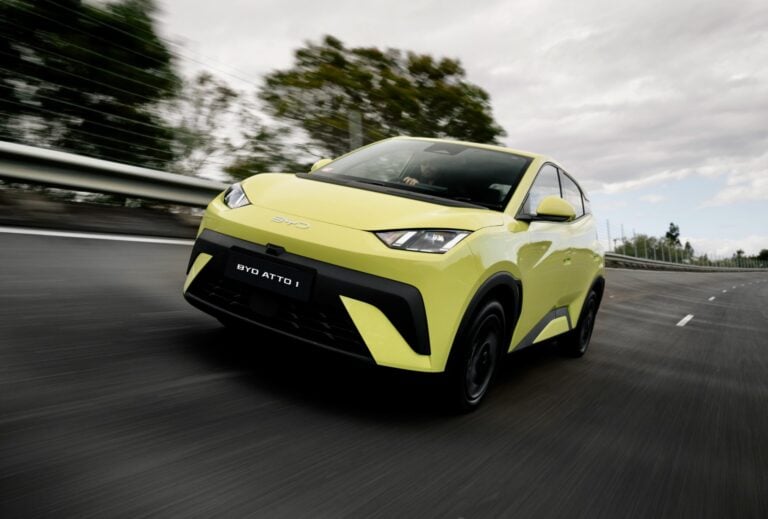
Finally, the data looked at the brands EV buyers were most interested in, with Toyota, BYD (above), and Tesla making up the top three. In 2021 Toyota was not included on the list, with no electric vehicles in market at that time, nor was BYD, having only launched as a low-volume brand in 2021, while Tesla dropped from second in 2021 to third place in 2026.
Hyundai dropped to fifth place, from first in 2021. Kia, Hyundai, Mazda, BMW, Mercedes-Benz, Audi, and Chery rounded out the top ten most desired EV brands in 2026.
Despite the high proportion of prestige brands, 31 per cent of buyers indicated their budget was under $25,000, while 41 per cent were aiming to spend between $25,000 and $50,000, with only 7 per cent looking to spend over $75,000.
Follow WhichCar/Wheels on Google
Click the button below to make WhichCar by Wheels a preferred source for your news.

We recommend
-
 News
NewsAustralia’s EV boom is in full swing – here are the top 10 cars people are buying
As fuel prices continue to surge amid the Middle East conflict, Australian new car buyers are gravitating to EVs in ever-increasing numbers.
-
 News
NewsVFACTS April 2026: EVs hit record 16.4 per cent market share in new car sales charts
Strong supply, fuel prices and government incentives drive surge as Chinese brands including BYD gain ground in Australia.