News
Gallery 1
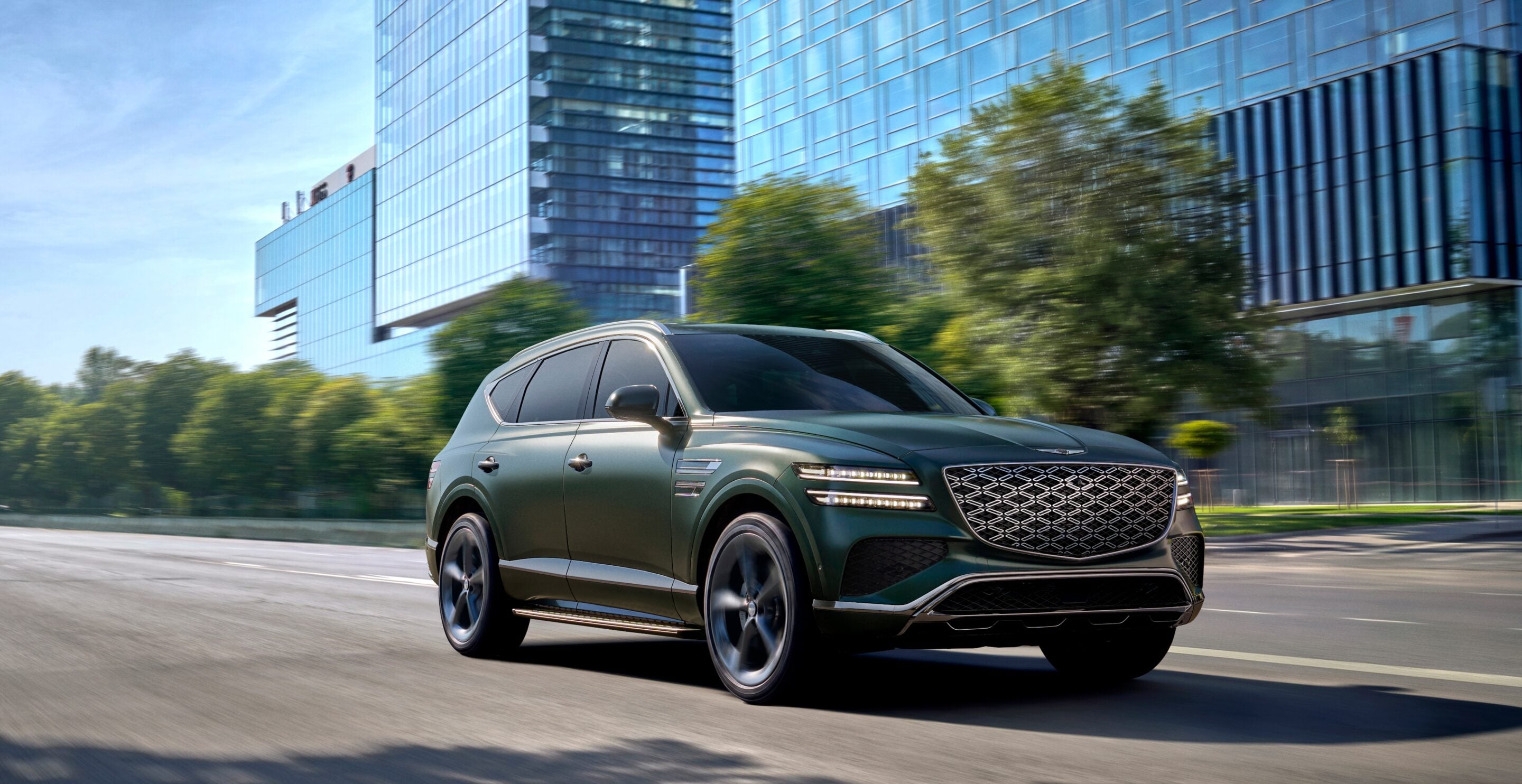
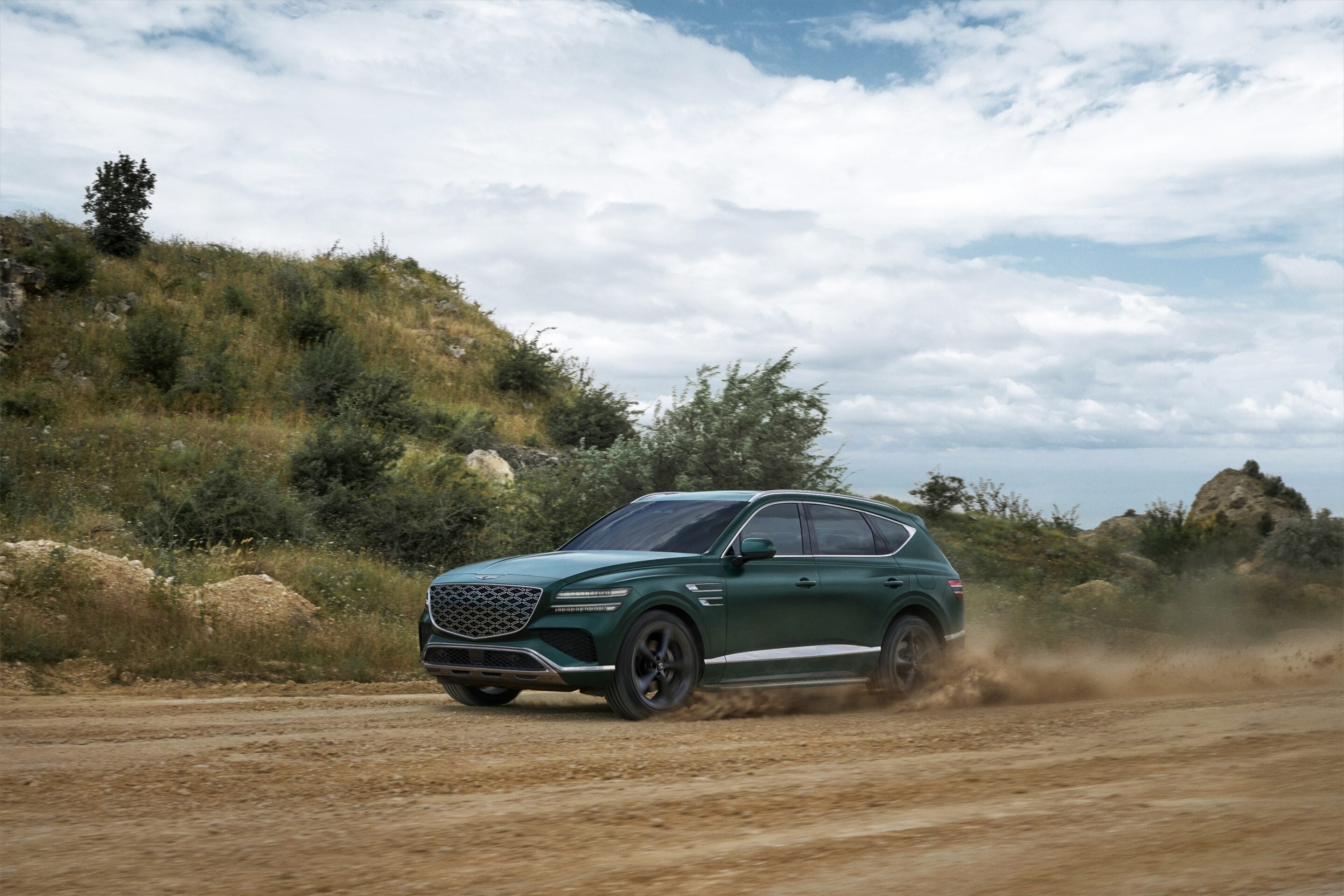
The Genesis GV80 large SUV is set to become the first hybrid-powered model from the luxury arm of Hyundai. While Hyundai is no stranger to hybrid powertrains, Genesis has fallen behind, pivoting from its original plans to become an all-electric brand and instead moving towards electrification in various forms.
The electrified GV80 features a hybrid system developed specifically for the brand, rather than adopting an existing Hyundai powertrain. With Hyundai’s other hybrid models featuring transverse engines and front-wheel or front-biased drivetrains, the longitudinal layout of the GV80 required a slightly different solution.
2
Based around a 2.5-litre turbocharged four-cylinder engine, the Genesis hybrid uses a two-motor hybrid powertrain with a separate starter-generator and drive motor. Combined power is rated at 259kW and 530Nm, up from 224kW and 422Nm in the regular 2.5-litre GV80. The move to hybridisation has, at least in its first appearance, stripped the GV80 of all-wheel drive, making the new powertrain rear-wheel drive only at this stage.
Genesis hasn’t quoted fuel consumption, but claims the hybrid is 25 per cent more efficient than its 2.5T equivalent. While Australia doesn’t offer a version of the GV80 with rear-wheel drive, five seats and 19-inch wheels like the example used for benchmark testing, our 2.5T AWD with seven seats and 22-inch wheels is rated at 10.4L/100km – suggesting a ballpark of 7.8L/100km or less with the new powertrain and similar specifications.
To ensure smooth and quiet operation, Genesis has configured the GV80 to remain in EV mode from start-up to 30km/h. A lower final drive ratio has been adopted to reduce drivetrain noise, and a vibration-absorbing crankshaft pulley and transmission damper have been fitted for a more EV-like driving experience.
In place of the petrol GV80’s eight-speed automatic transmission, the GV80 uses a seven-speed automatic without a mechanical reverse gear, using the electric drive motor, running backwards, to fill the gap.
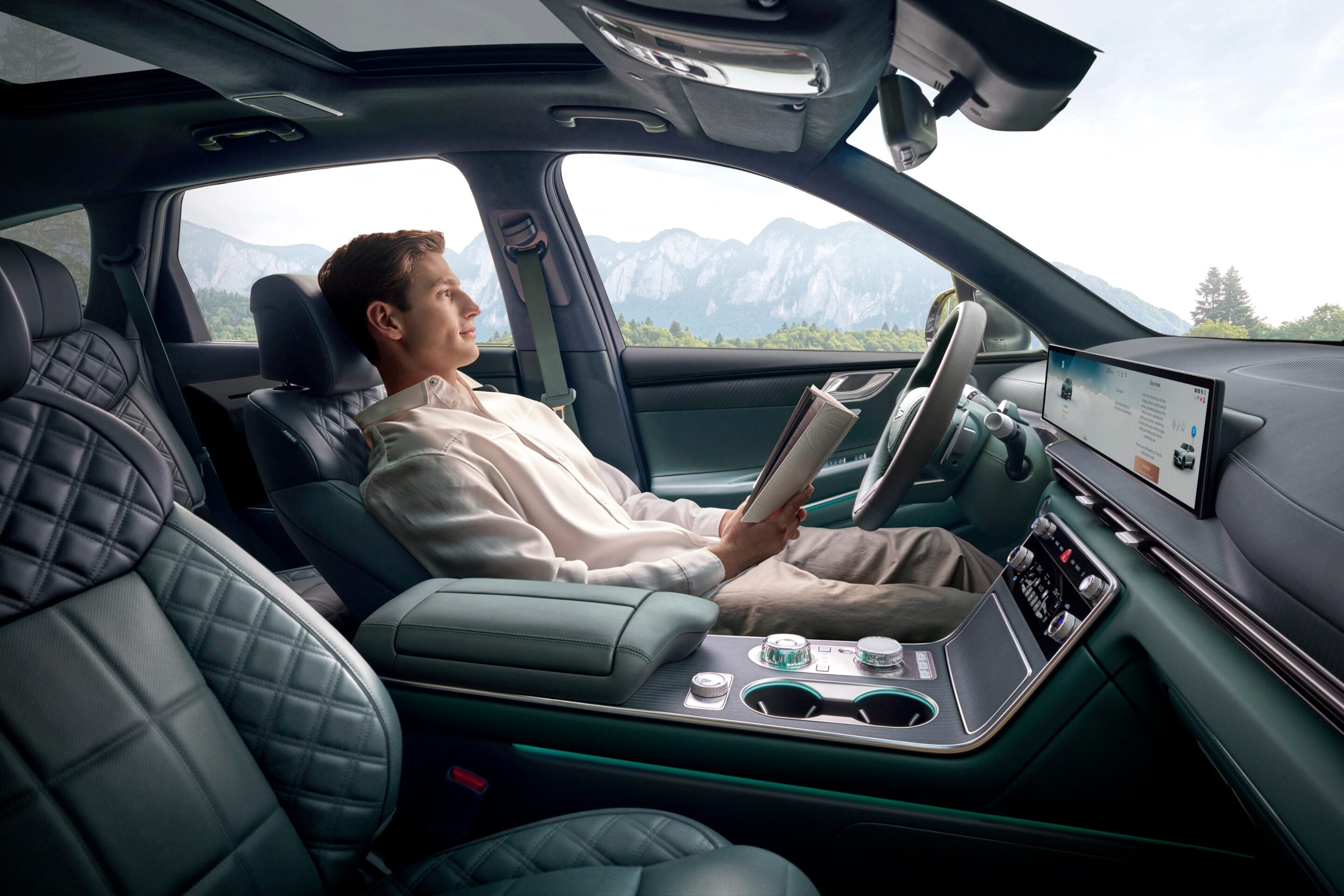
Features like Hierarchical Predictive Control and Smart Regenerative Braking can use info from the driving route, road conditions, and navigation data to predict which driving mode (EV, Hybrid, or Regen) will contribute to the greatest efficiency. Other hybrid-specific changes include a unique grille and wheels, alongside interior changes that include four new two-tone colour schemes.
2
A Genesis spokesperson told WhichCar by Wheels, “Genesis will introduce its first hybrid model next month in Korea, with Australia to follow in 2027. At this time, we can’t confirm which Australian models will receive hybrid powertrains or when.”
Those new powertrains are set to be joined by extended-range electric vehicles (EREV) that feature a larger battery and an engine that functions as a generator – as something of a midway move between plug-in hybrids and full EVs.
“In parallel (with our HEVs), we are also developing EREV technology as part of our ongoing efforts to broaden our electrification portfolio – however we cannot confirm a timeline for introduction at this stage,” Genesis said.
“These new electrified powertrains are being developed not only to deliver greater efficiency, but also to provide the refinement, performance, and driving experience that customers expect from a Genesis.”
Follow WhichCar/Wheels on Google
Click the button below to make WhichCar by Wheels a preferred source for your news.

We recommend
-
 Best Large SUVs
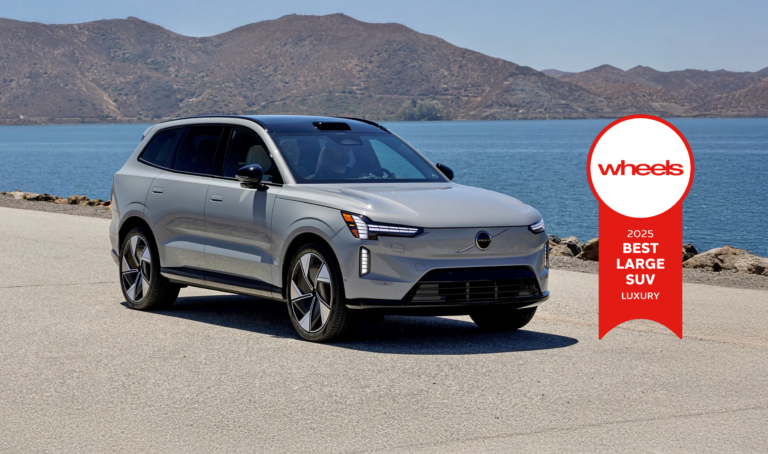
Best Large SUVs 2025: Luxury
Wheels' Best Large SUVs 2025: Luxury, where craftsmanship, technology and comfort combine to deliver premium driving experiences.
-
 News
NewsGenesis GV60 adds high performance 478kW Magma model
The first production model from Genesis' new Magma performance sub brand has been launched locally: the GV60 Magma is now available to order.