
News
Gallery 1
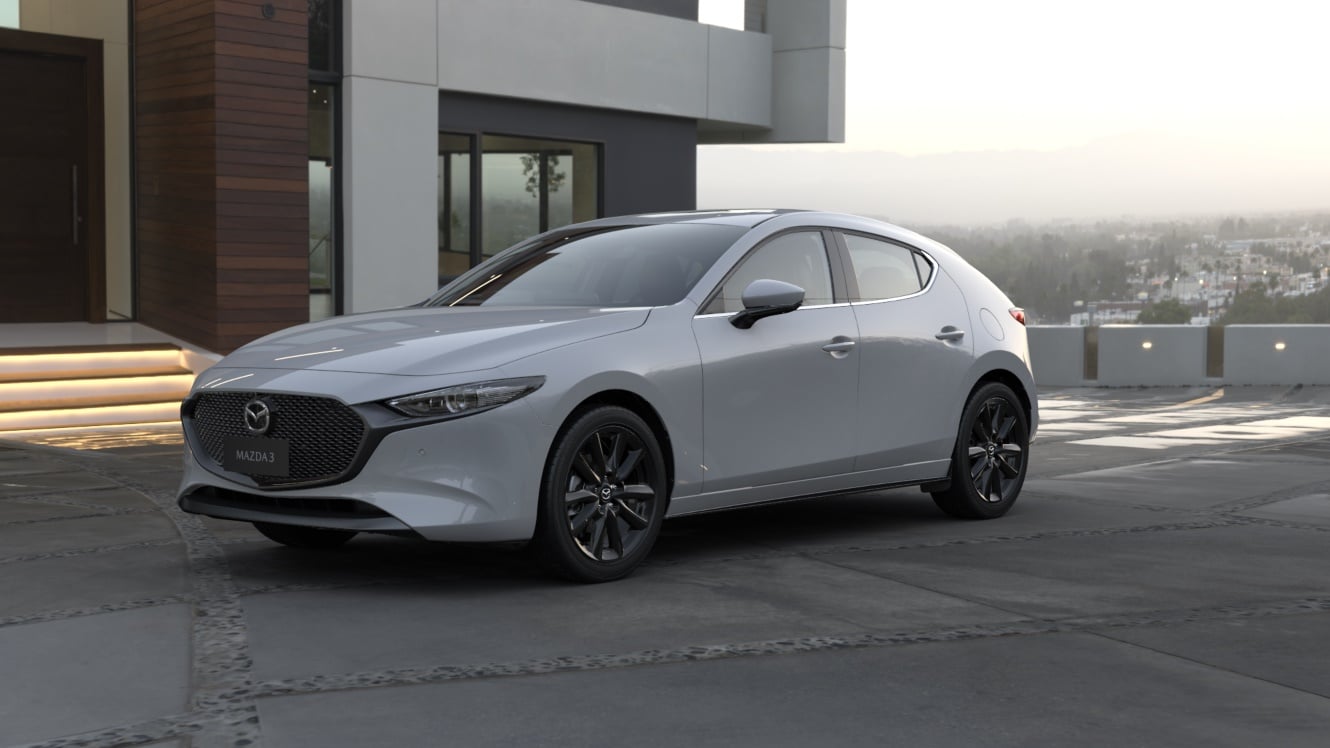
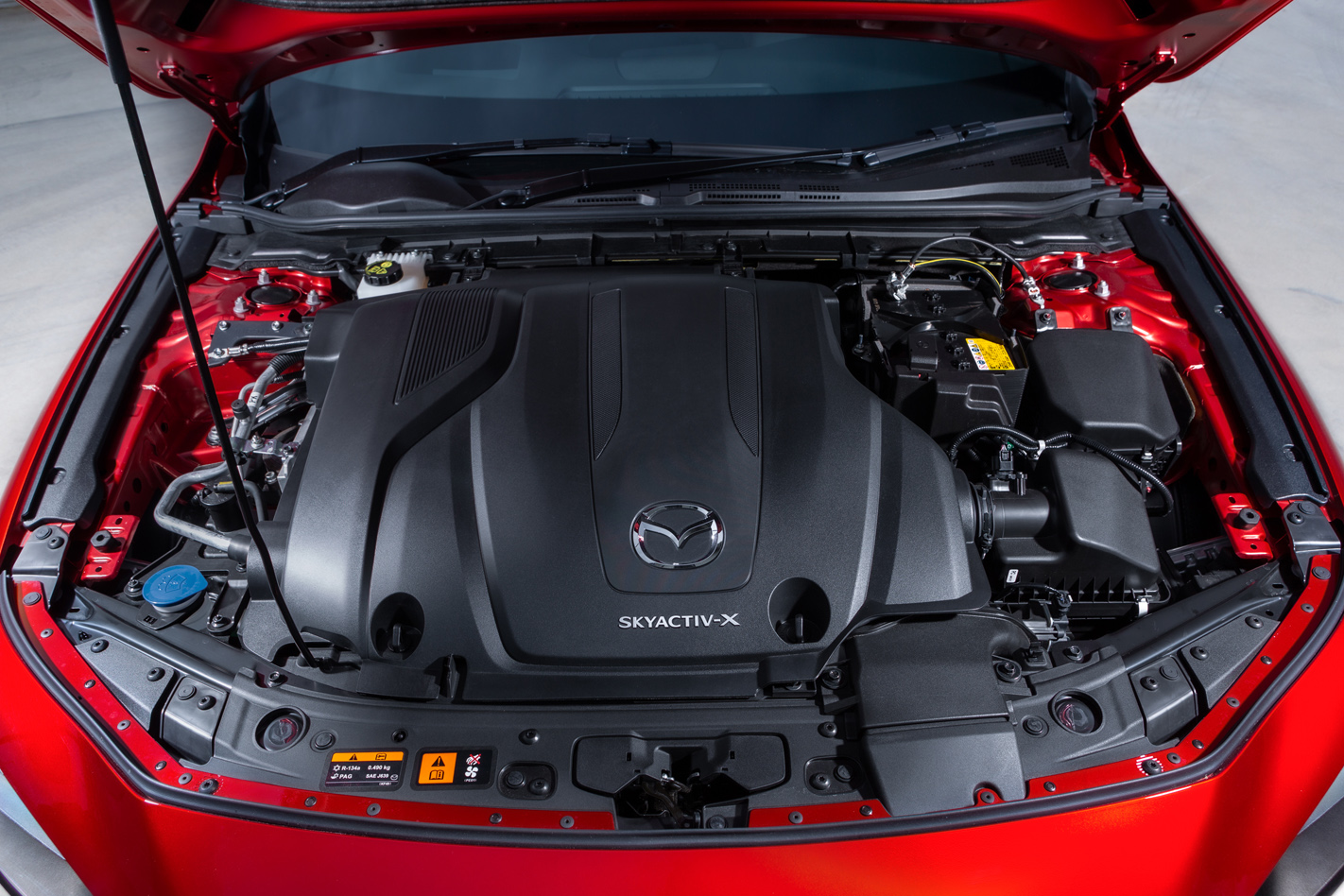
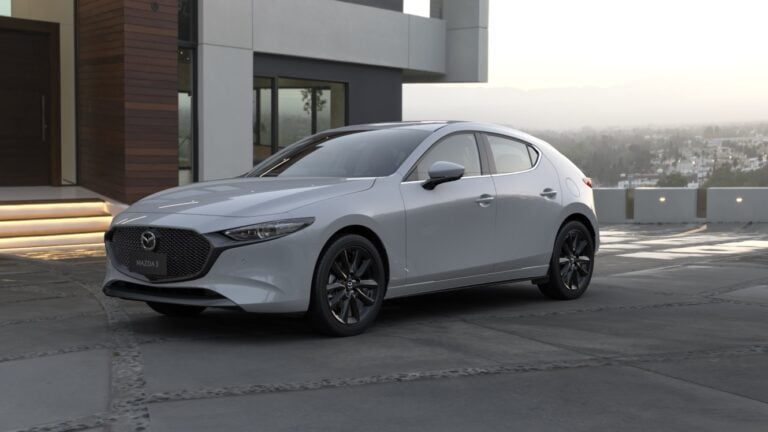
Mazda’s innovative Skyactiv-X petrol engine appears to be nearing the end of its production life, with the Japanese manufacturer removing it from the Mazda3 range in Europe as it prepares a new generation of hybrid powertrains.
Introduced in 2019, the 2.0-litre Skyactiv-X was developed to combine the fuel efficiency of a diesel engine with the performance and refinement of a petrol unit.
However, the engine has struggled to gain widespread adoption, and Mazda’s revised 2027 Mazda3 line-up in Britain will offer only the more conventional 2.5-litre Skyactiv-G petrol engine.
The change leaves the CX-30 small SUV as the sole European model retaining Skyactiv-X, although its longer-term future is also uncertain.
1
The Skyactiv-X produces approximately 137kW, compared with 103kW from the naturally aspirated 2.5-litre engine replacing it in the British Mazda3.
Its unusual Spark Controlled Compression Ignition (SPCCI) technology uses a spark plug to initiate compression ignition of a lean air-fuel mixture, allowing petrol combustion to operate more like a diesel engine under certain conditions.
Several manufacturers, including General Motors and Honda, investigated similar technology, but Mazda became the first to successfully introduce it into mass production.
Despite its technical achievements, Skyactiv-X remained relatively expensive and complex compared with conventional petrol engines.
Mazda is now developing its successor, Skyactiv-Z, which will combine a new 2.5-litre four-cylinder petrol engine with an internally developed hybrid system.
Scheduled to debut in the next-generation CX-5 by the end of 2027, Skyactiv-Z will build on lessons learned from Skyactiv-X, including improvements to lean-burn combustion and thermal efficiency.
Mazda also intends to apply some of the technology to its larger six-cylinder engines.
The company says the new powertrain will help meet increasingly stringent emissions regulations while maintaining petrol-engine performance.

1
When Skyactiv-X was introduced in Australia in August 2020, initially in the Mazda3 and subsequently the CX-30, Mazda Australia managing director Vinesh Bhindi emphasised the technology’s role in reducing emissions across the vehicle’s entire lifecycle.
“Mazda is committed to reducing real-world emissions by looking at every part of a vehicle’s emissions footprint, from its production through to where the fuel that powers it comes from, and how a vehicle is disposed of at the end of its life,” Bhindi said at the time.
But the Mazda3 Skyactiv-X was subsequently withdrawn from the Australian market in April 2023, Aussie consumers preferring the standard petrol variants.
Follow WhichCar/Wheels on Google
Click the button below to make WhichCar by Wheels a preferred source for your news.

We recommend
-
 Reviews
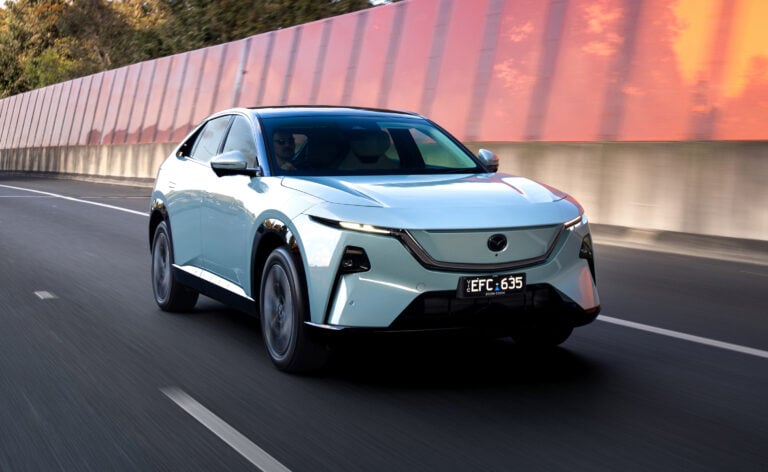
2026 Mazda CX-6e review: Spacious and feature-rich medium SUV shines where it counts
The Japanese brand's first electric SUV arrives in showrooms in a stylish, feature-laden package. But is it Mazda enough?
-
 News
Mazda3 and CX-30 gain new variants, equipment and safety upgrades for 2026
Mazda expands its CX-30 range with two new grades while adding improved safety technology, larger screens and wireless connectivity.
-
 Reviews
Mazda2 Evolve review: Veteran light car still gets the basics right
The Mazda2 may be one of Australia's oldest cars, but its sharp dynamics, equipment and drivetrain still make it a solid option in 2026...
