
News

Gallery 1
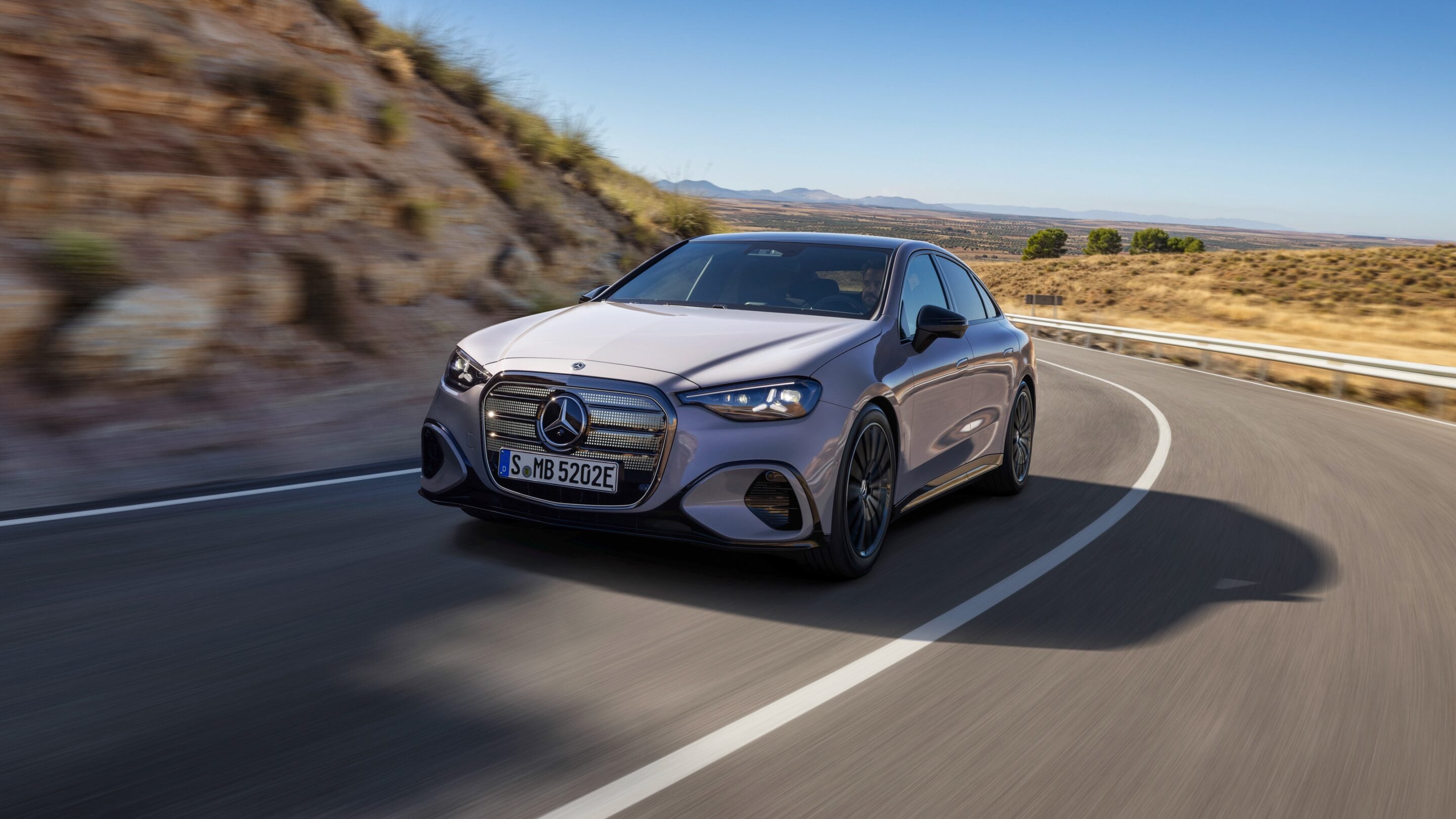
Mercedes-Benz is developing trailblazing new battery technology using different types of chemistry, which promise to result in faster charging times, a reduction in cost, size and weight, and an improvement of up to 30 per cent in range.
Scientists at the brand’s eCampus facility in Stuttgart have been working to produce batteries that combine lithium manganese oxide (LMO) and nickel manganese cobalt oxide (NMC). The combination will, in Mercedes’ own words, “form the technological bridge to the manganese-rich cathode materials of the future”.
7
Mercedes-Benz is also developing lithium nickel manganese oxide (LMNO) batteries, which don’t use cobalt at all and “require significantly less nickel than today’s NMC cells and offer the potential to combine high energy density with attractive costs”.
The reduction in the use of cobalt is important not just in a technological sense, but also because the material is in high demand and around 70 per cent of the world’s supply is sourced from the Democratic Republic of the Congo, where conditions for miners are atrocious.
Revealed at Mercedes’ 140 Years of Innovation celebration, the key to the new LMNO battery tech is its high-voltage capability. It can operate at up to five volts, which offers range increases of up to 30 per cent compared with the lithium iron phosphate (LFP) batteries the brand currently uses.
The LMO batteries also work at higher voltages than their LFP counterparts, meaning they should be safer to operate and offer improvements in range and size, making them easier to package into vehicles.
“Mercedes-Benz aims to develop even more compact and lighter battery systems while maintaining the same or even higher performance. These systems open up new possibilities for vehicle design and interior layout,” the announcement said.
4
The company also used the celebration to state that it is working on the next generation of battery tech – solid-state cells – with partners including Mercedes-AMG High Performance Powertrains, which makes the units used in F1 cars.
Solid-state batteries don’t use liquid electrolytes, which gives them considerable advantages in capacity, heat dissipation, range and charging times. Essentially, they will result in far more powerful that don’t take up any extra space, or far more compact units that don’t skimp on power.
Follow WhichCar/Wheels on Google
Click the button below to make WhichCar by Wheels a preferred source for your news.

We recommend
-
 News
MG debuts new semi-solid state battery and next-gen hybrid system
MG has debuted its new semi-solid-state electric vehicle battery and improvements to its Hybrid+ system.
-
 News
100 million times the computing power of Apollo 11: Mercedes-Benz doubles down on NVIDIA
Mercedes-Benz is extending its partnership with NVIDIA to develop its next generation of autonomous driving systems, with the German manufacturer revealing the astonishing power of its current vehicle architecture.
