
News

Gallery 1
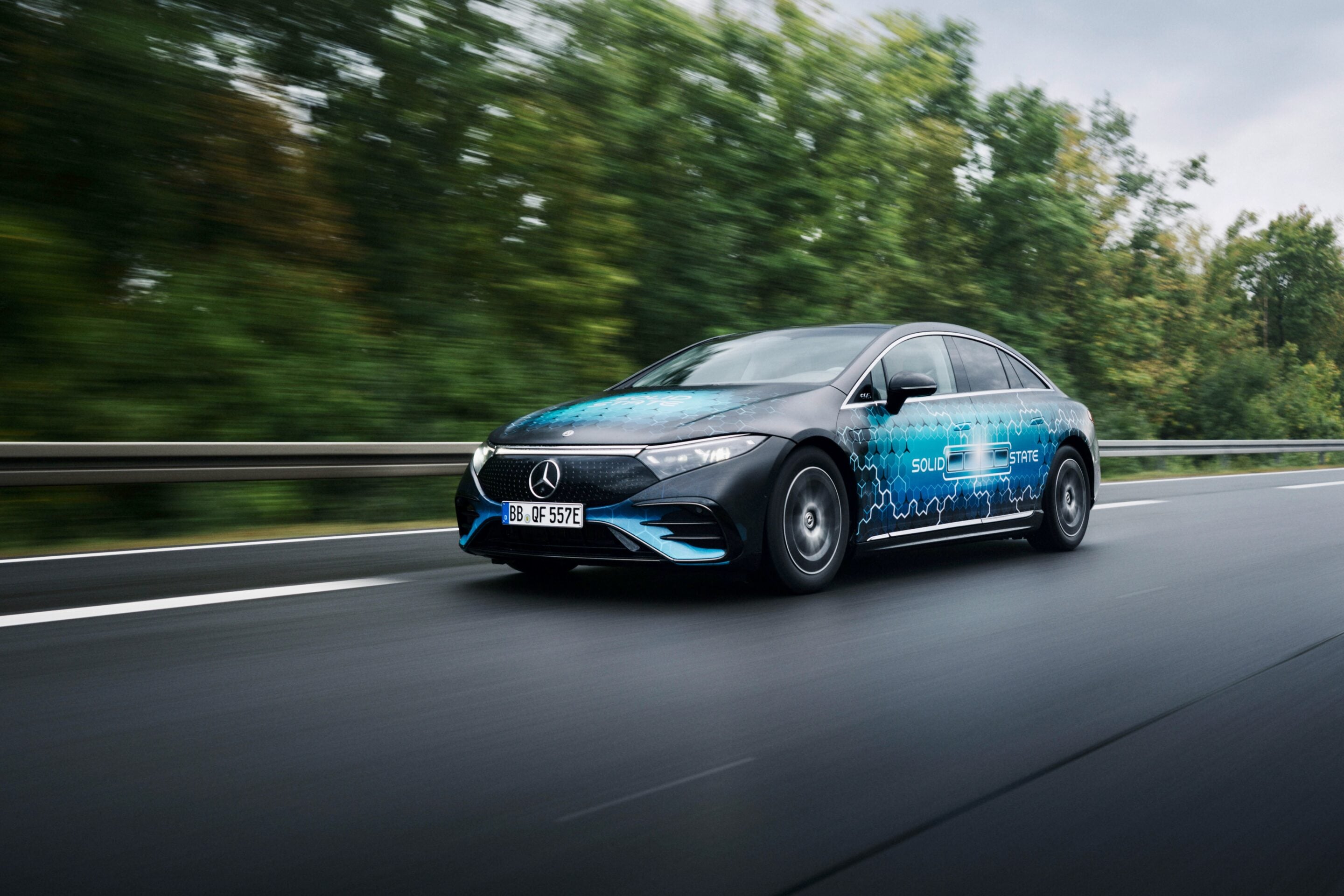
Solid state battery technology – spruiked by many in the car industry as the next big breakthrough in EVs – is coming but Mercedes-Benz says engineering challenges mean that it may not be available to customers of its products until at least 2030.
The batteries have long been billed as the next frontier in electric vehicles because they are capable of far longer ranges thanks to higher energy density compared with current EV batteries, as well as quicker charging capability and lower manufacturing costs. Mercedes-Benz is not alone in developing solid state batteries for its vehicles – more than one Chinese EV maker have flagged pre-2030 deadlines for implementation – but it is already setting records with it.
2
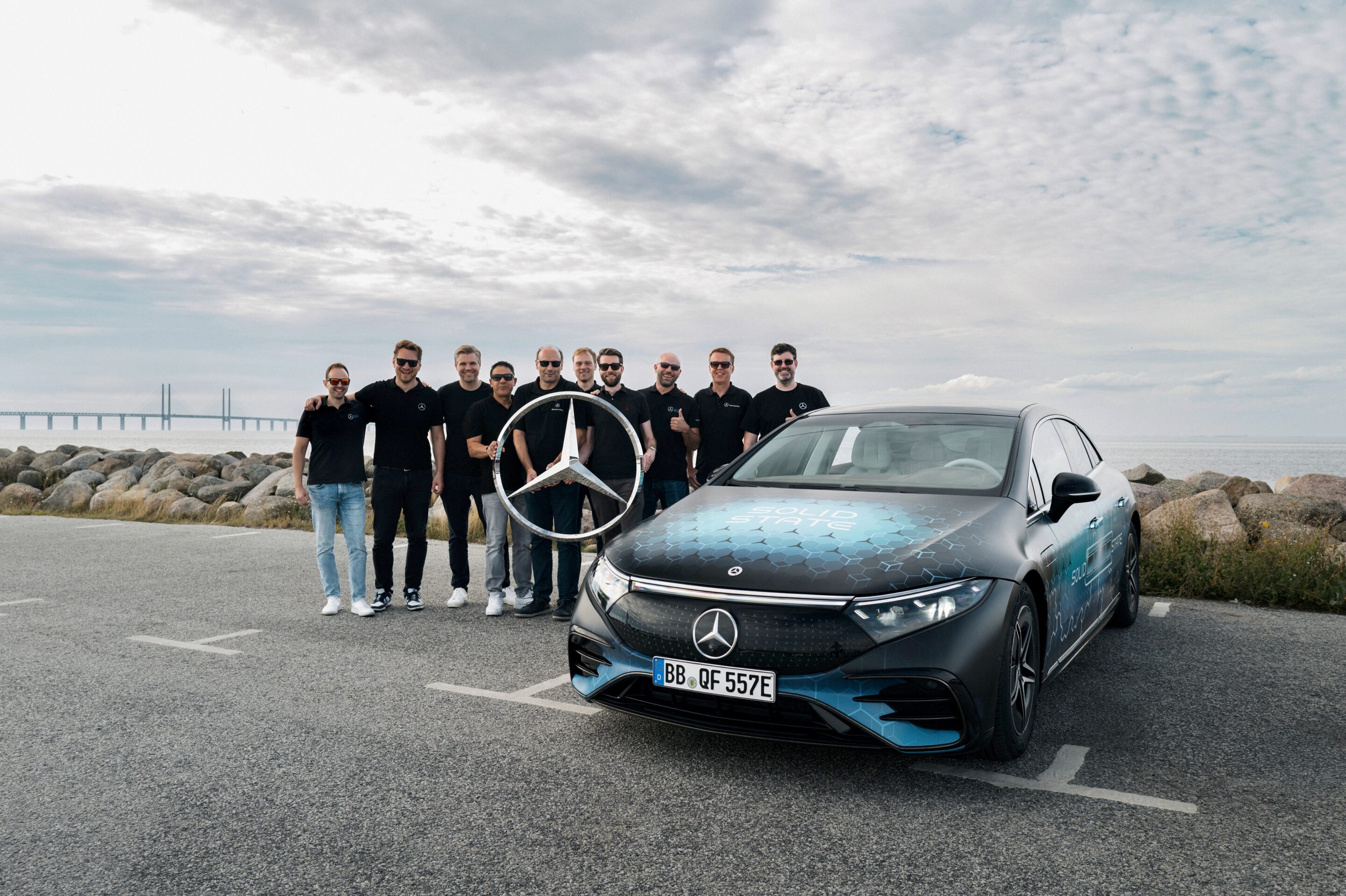
Recently, a Mercedes-Benz EQS prototype fitted with a lithium-metal solid state battery travelled 1205km from Stuttgart in Germany to Malmö in Sweden without stopping to charge and reportedly, there was 137km of range remaining as well.
“The solid-state battery is a true game changer for electric mobility,” Mercedes-Benz Chief Technology Officer Markus Schäfer told Wheels by WhichCar during the recent IAA Mobility Show in Munich.
“With the successful long-distance drive of the EQS, we show that this technology delivers not only in the lab but also on the road. Our goal is to bring innovations like this into series production by the end of the decade and offer our customers a new level of range and comfort” he said.
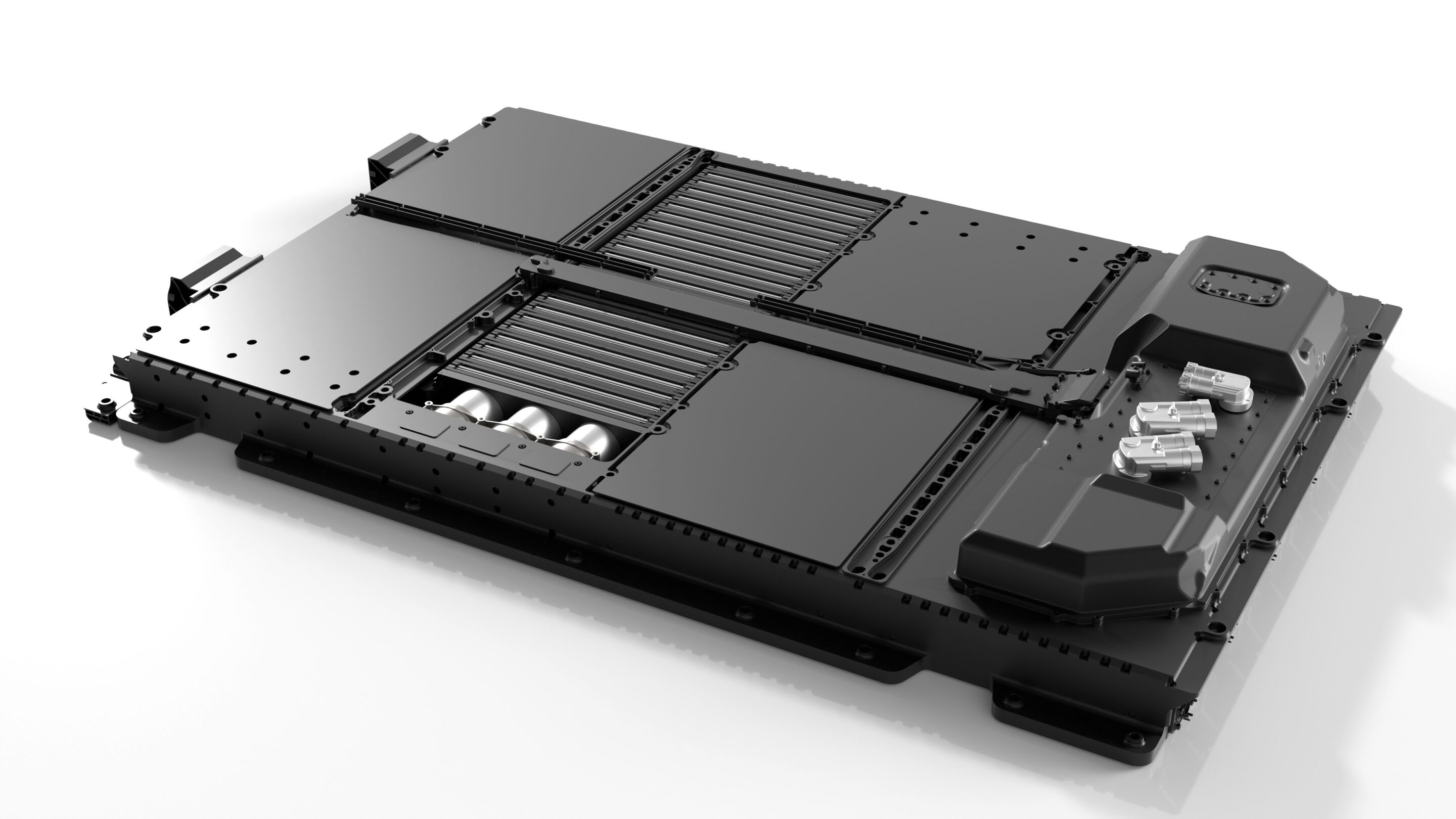
However, despite its benefits, solid state battery technology is not ready to commercialise and is expensive to develop. Schäfer warned that solid state batteries are one of the toughest engineering challenges currently in new car development.
2
“Solid state batteries are one of the toughest engineering challenges I’ve seen because the battery cell swells by 30 per cent when charging. But we got the patents and engineering work done. We have a battery, we have an EQS prototype with the same battery box as a production EQS, and we got 1205km range with 137km range left,” he said.
“So we’ve done it, we assume it’s possible, it drives perfectly and we have taken a big step here for electric vehicles – now we need to research ageing, recycling and so on, those parts of the battery lifecycle that are as yet unknown.”
Asked if Mercedes-Benz had already done the easy or difficult part of solid state batteries, Schäfer replied: “The difficult part is productionising the cell, creating a pack to control the temperature and swelling and suspension and other things. Once those are done, we can then sell them to customers.”
Given the estimated timing by Schäfer, the first solid state batteries in production Mercedes-Benz products will not be on the market before the end of the decade and likely in an electric next-generation S-Class. But it gives hope for EV buyers looking for over 1000km of driving range that the next breakthrough in EV technology is imminent.
What is a solid-state battery?
In a solid-state battery the liquid or gel electrolyte used in conventional lithium-ion batteries is replaced with a solid material (solectro), facilitating higher energy density, faster charging, and greater safety by eliminating flammable liquid.
Follow WhichCar/Wheels on Google
Click the button below to make WhichCar by Wheels a preferred source for your news.

We recommend
-
 News
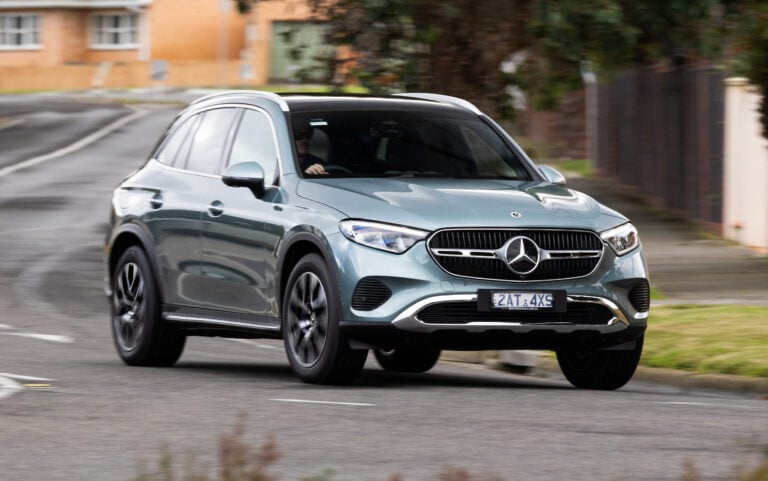
News2025 Mercedes-Benz GLC 350 e: Mid-size SUV expands the three-pointed star’s plug-in hybrid options
Mid-size SUV offers up to 132 km electric range, advanced tech features and customisable packages.
-
 News
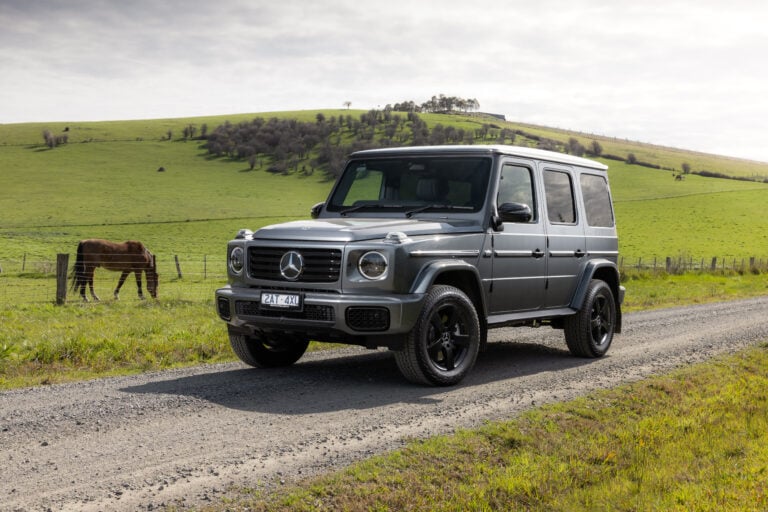
News2025 Mercedes-Benz G 450 d: Diesel addition to the Australian G-Class range
New six-cylinder diesel variant combines iconic off-road heritage with modern comfort and safety technology.
