
News
Gallery 1
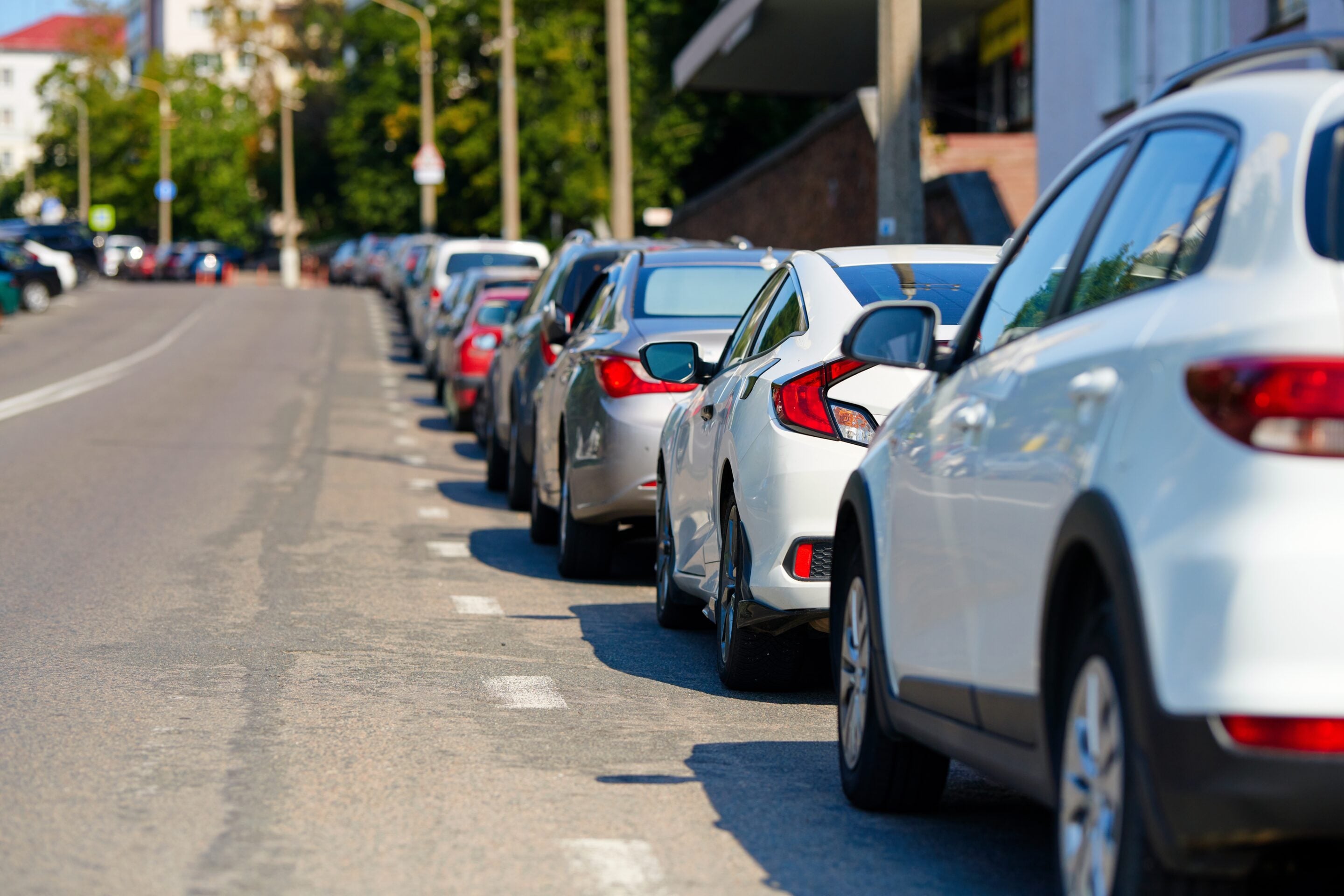
A new survey has revealed that unreturned borrowed items and noisy neighbours pale in significance compared to the act of parking across a driveway.
A survey of over 2400 Australians has revealed that over half identified having their driveway blocked as the issue most likely to spark an objection, according to data co-ordinated by budget insurer, Youi.
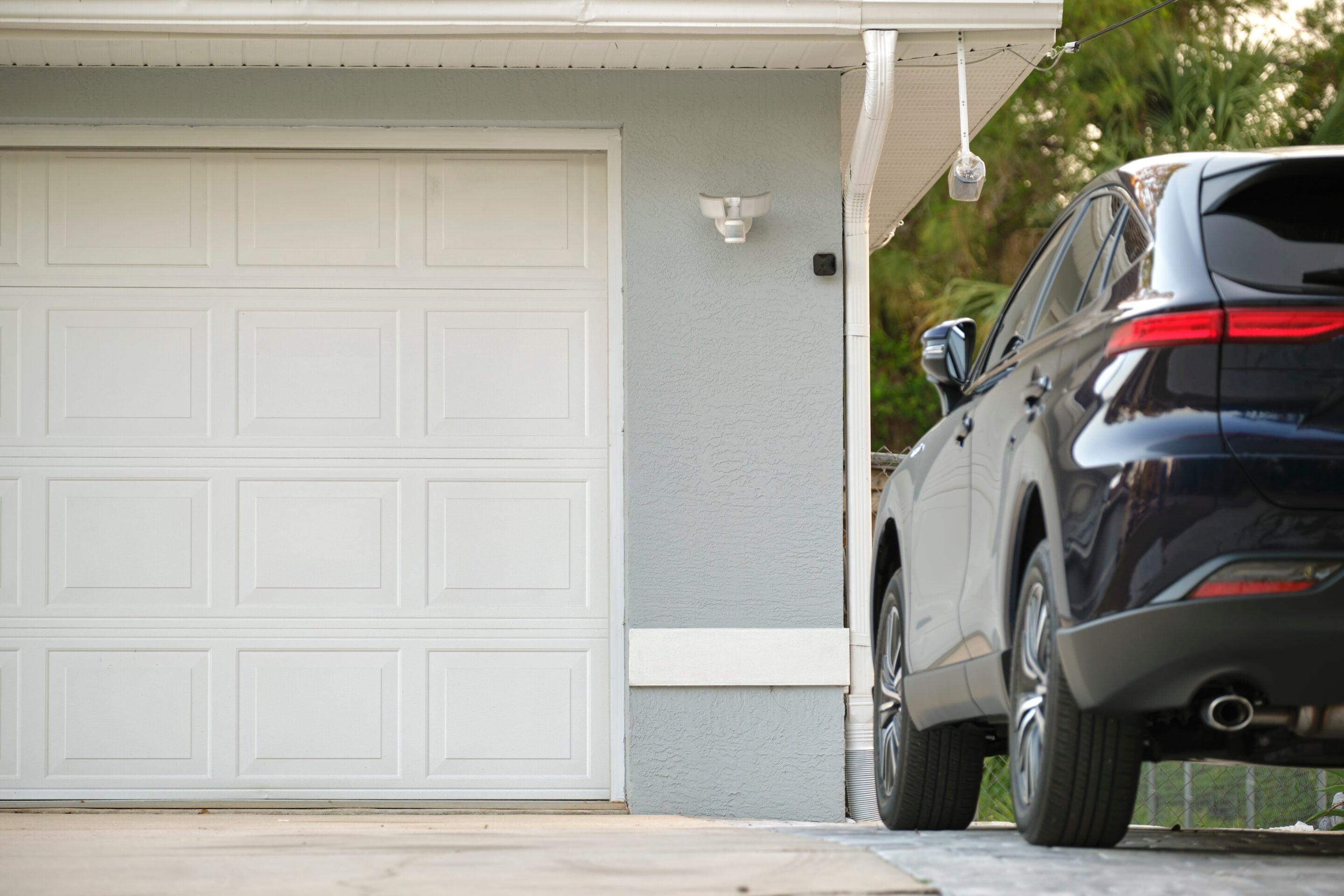
According to the survey, 60 per cent of respondents identified having their driveway blocked as an ‘unwritten rule’ of neighbourhood etiquette. A stance that local council enforcement agrees with, making it illegal in all states to do so, barring some limited situations for picking up and dropping off passengers.
Of those surveyed, 55.5 per cent said they would approach a neighbour over a blocked driveway, outranking common neighbourhood grievances like late-night noise, noisy pets, or unreturned borrowed items as issues worthy of confrontation.
1
Repeatedly parking in front of a property that’s not your own also ranked on the novelty list, with 28.9 per cent of those surveyed indicating they would raise the issue in their neighbourhood.
While the report comes as a tongue-in-cheek marketing exercise from the insurer that commissioned it, the findings reflect the changing face of urban planning in Australia.
A 2026 report by the Grattan Institute recommended reducing the number of included parking spaces for new inner-urban developments, citing under-utilisation of parking, and putting the cost per dwelling at between $62,000 per two-bedroom unit in Sydney and up to $137,000 in Perth.
Further out from city centres, new developments have seen on-property parking space reduced, with the Housing Industry Association (HIA) revealing that cost pressures and planning changes have seen the average size of new housing lost decrease by around 33.8 per cent.
At the same time, allocations for on-street parking have faced similar reductions, with narrow streets and ease of access to neighbourhood parking crunched by the same cost-driven pressures, and falling into line with planning changes that prioritise lower development costs.
The changes to the shape of Australian suburbs highlight a planning gap in new developments where access to public transport is often less than in established areas, and car-dependent multi-vehicle households – including those with adult offspring staying at home longer – put added pressure on existing parking infrastructure.
Follow WhichCar/Wheels on Google
Click the button below to make WhichCar by Wheels a preferred source for your news.


We recommend
-
 News
NewsAustralia's ‘worst roundabout’ set for $200m overhaul – but will it work?
Long-delayed upgrade to notorious Sydney Olympic Park intersection will replace roundabout with traffic lights in bid to ease gridlock and improve safety.
-
 News
NewsLegal experts warn that number plate accessory could cost you more than a fine
Tinted and reflective number plate covers are easily available online, but should you buy them? Legal experts have weighed in on the matter.
-
 News
NewsOverhauled roadworks speed limits now in effect
Changes to laws in New South Wales from July 1, 2026 will see reduced speed limits at roadworks sites raised outside of working hours where safe to do so.
