News

Gallery 1
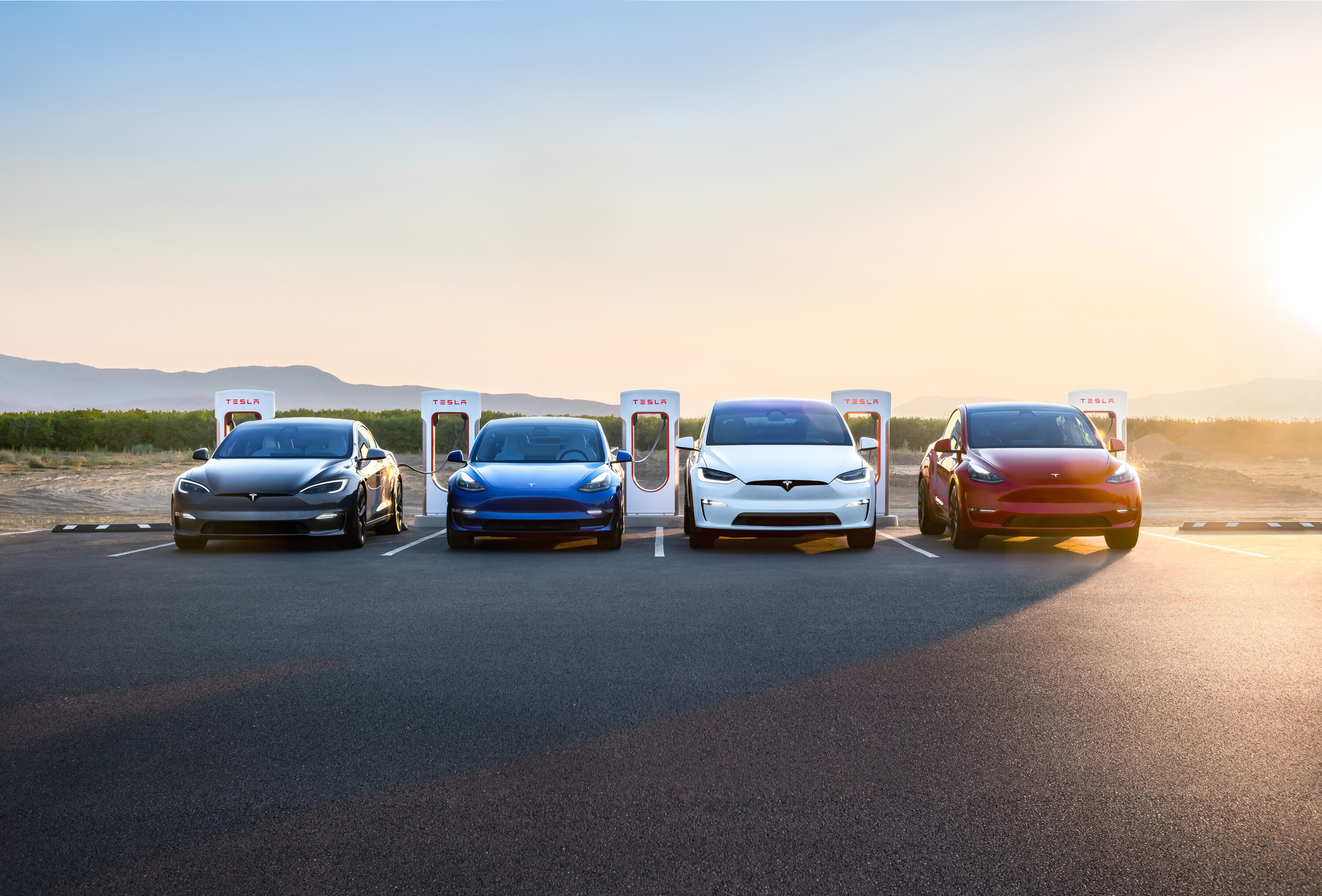
As many as 28 electric car charging bays have been severely damaged by vandals or thieves in Ballarat, Victoria, in what is believed to be one of the largest attacks on EV charging infrastructure seen in Australia so far. Charging cables were severed across multiple sites over the recent AFL grand final long weekend, including the newly expanded Tesla Supercharger location at Lucas in western Ballarat.
The Lucas location had only recently been upgraded with 20 of Tesla’s latest V4 Supercharger bays, which are capable of charging compatible electric vehicles at up to 250kW. Unlike some older Tesla locations, the site is also available to compatible non-Tesla EVs like cars made by BYD, MG and Zeekr.
7
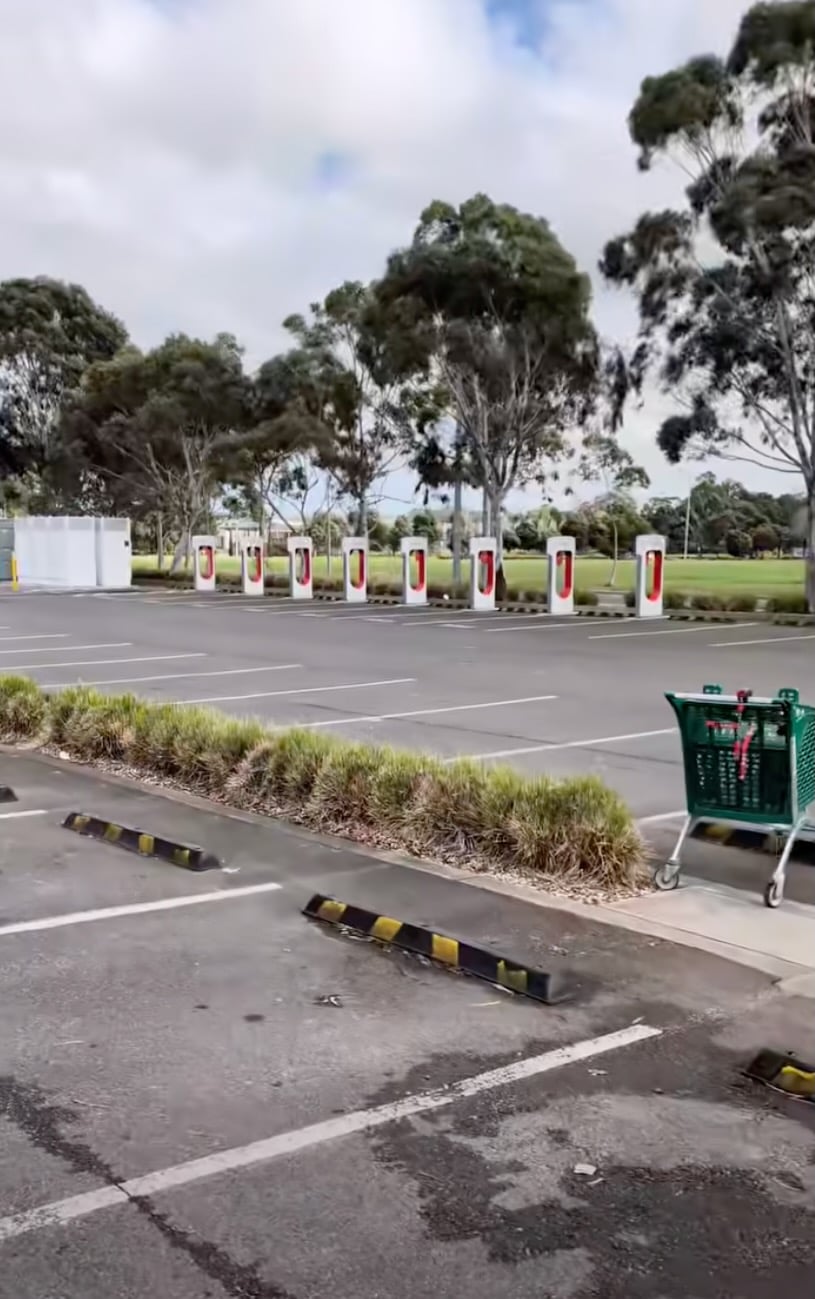
All 20 charging cables at the Lucas site were reportedly cut, while another six Tesla Supercharger bays in the northern suburb of Wendouree were also targeted. Two charging cables at an Exploren fast charger at the nearby Bedggoods Kia dealership were also reportedly damaged, taking the total to 28.
While copper theft is suspected, the motive behind the Ballarat attacks has not yet been confirmed. Tesla previously told Australian media that its liquid-cooled Supercharger cables contain relatively little copper, despite the potentially significant cost of repairing the damage. According to some industry estimates, replacing a damaged charging cable can cost between $2000 and $5000.
Images from a post shared to the Tesla Owners Australia Facebook group by member Kevin Soo.
The incident follows a growing number of similar attacks on EV charging infrastructure around Australia. In June, a 29-year-old man faced court in NSW after allegedly damaging charging stations across Newcastle and the Central Coast.
Evie Networks’ Geoff Brady told The Driven that cable theft had increased during the past 12 to 18 months, broadly in line with rising copper prices and the growing number of public charging locations.
“It’s worth saying up front that this isn’t really an EV story: it’s a copper story,” Brady said. “The same thieves are taking cable from telecommunications pits, construction sites, rail corridors etc. Charging sites are just a newer target on the same list.
“For us it has increased over the past 12-18 months, broadly tracking the copper price and the growth in the number of sites out there. It’s still a small proportion of our network in any given month, but it’s no longer rare.”
Charging providers are responding to the attacks with measures including reinforced cable protection, CCTV, and improved lighting and alarms, while Evie is also using identifying technology that can help trace stolen material.
As for the sites themselves, repair work at the Ballarat Tesla locations was already underway on September 28, with several chargers returned to service. All of the affected Tesla Superchargers are expected to be operational again by the end of this week.
Follow WhichCar/Wheels on Google
Click the button below to make WhichCar by Wheels a preferred source for your news.


We recommend
-
 News
NewsBYD confirms solid-state battery car for 2027 as next-gen EV tech edges closer
BYD is hoping to begin broader production later this decade.
-
 News
NewsAustralia bogs down badly in race to roll out more public EV charging stations
The lack of EV charging facilities could put a handbrake on the record-breaking sales of electric vehicles down under.