
News

Gallery 1
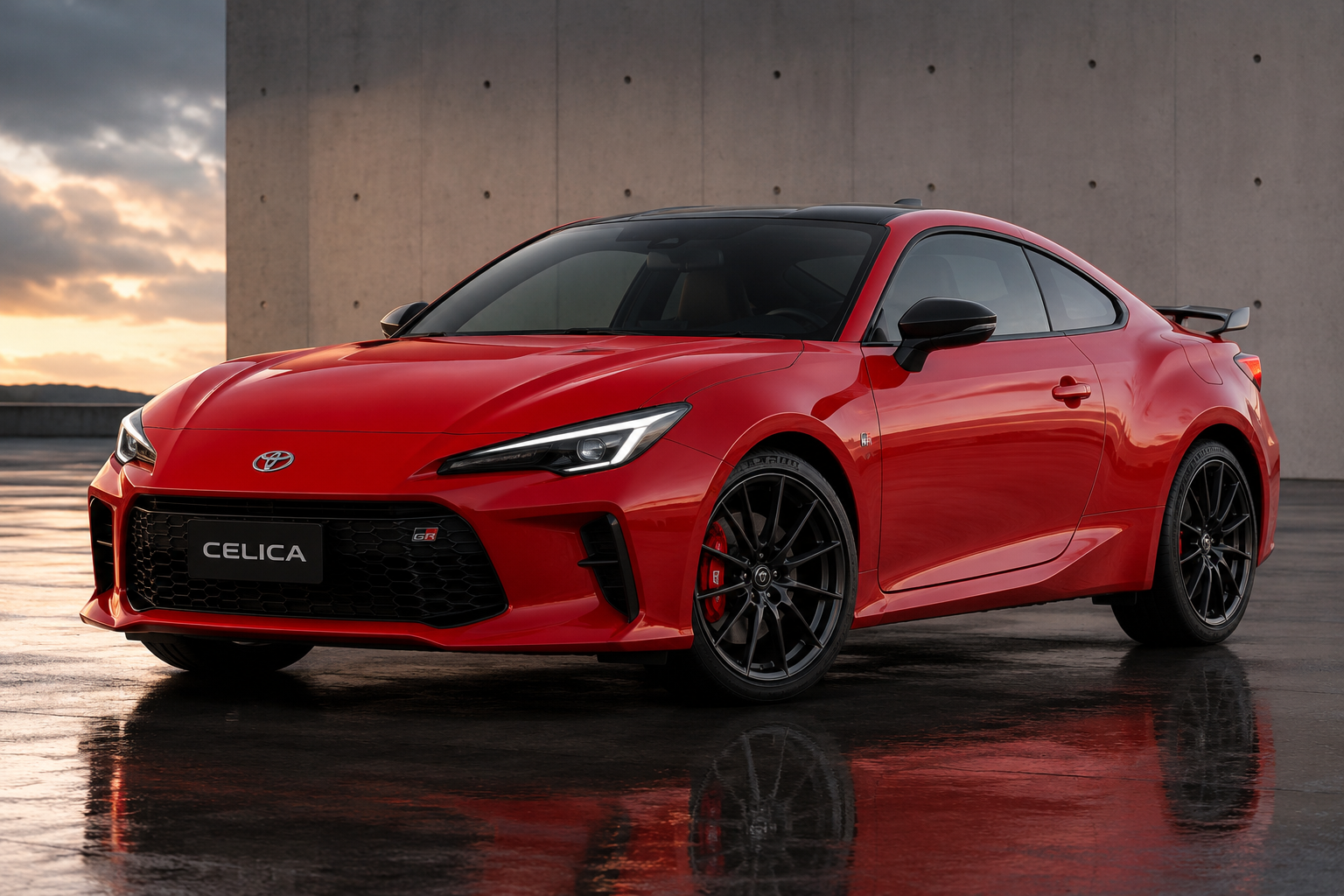
Toyota has revealed plans to revive the legendary Celica name in motorsport, providing the strongest indication yet that its upcoming mid-engined sports car will carry the famous badge. The Japanese giant has confirmed the name will return to the World Rally Championship (WRC) in 2027 as development of a new mid-engined performance car gathers pace.
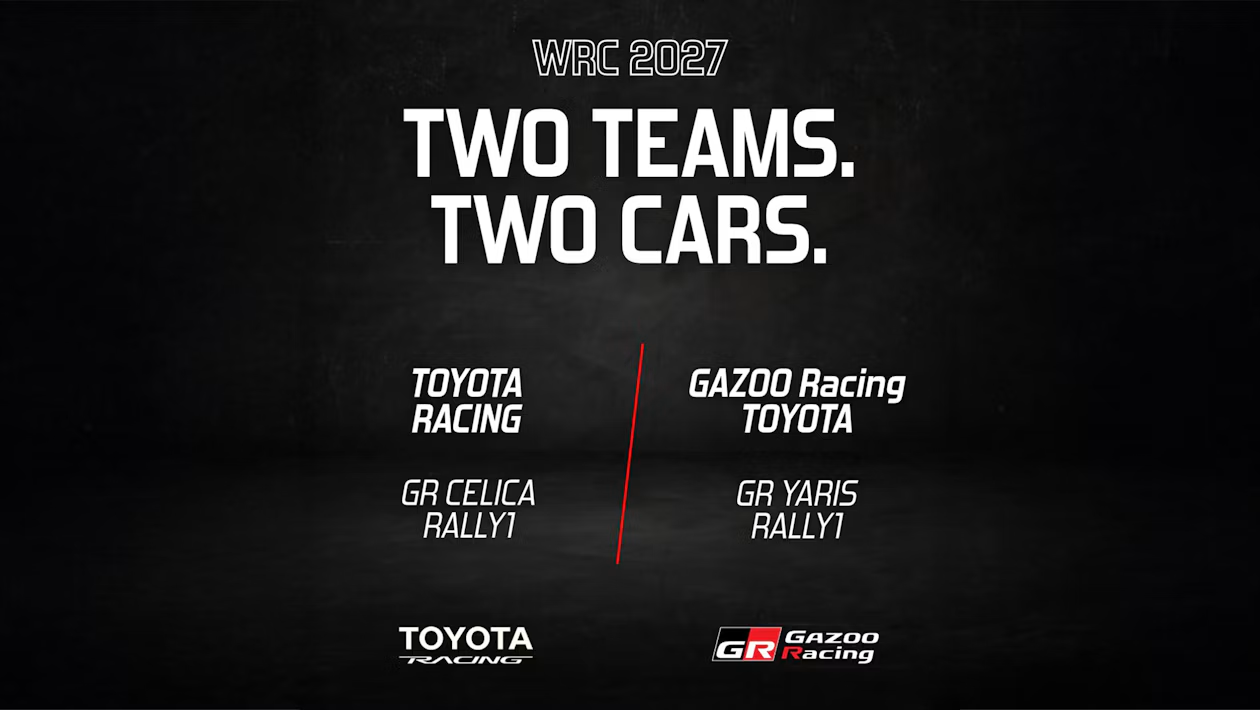
The announcement was made on Instagram, where Toyota said it will campaign two models under next year’s Rally1 regulations, with the GR Yaris competing under the Gazoo Racing banner and a new GR Celica representing Toyota Racing. It’s the clearest statement yet that the company intends to revive one of its most celebrated sports cars.
3
The new Rally1 regulations permit manufacturers to use tubular steel chassis fitted with virtually any bodywork, meaning Toyota won’t necessarily have to produce a road-going Celica to compete. However, linking its rally program with a new showroom model would make considerable sense given the Celica’s illustrious motorsport history.
Cars in the Rally1 class next year will run 1.6-litre turbocharged inline-four internal combustion engines making approximately 216kW, running on sustainable fuel. That means the Celica and Yaris racers should be close to identical under the skin.
Toyota chairman Akio Toyoda has been instrumental in the project, continuing his mission to revive the brand’s performance credentials following the return of the Supra and the introduction of the GT86, GR86 and GR Yaris. Toyoda has previously expressed his ambition to reunite Toyota’s ‘three brothers’ – the legendary performance trio of the Supra, Celica and MR2.
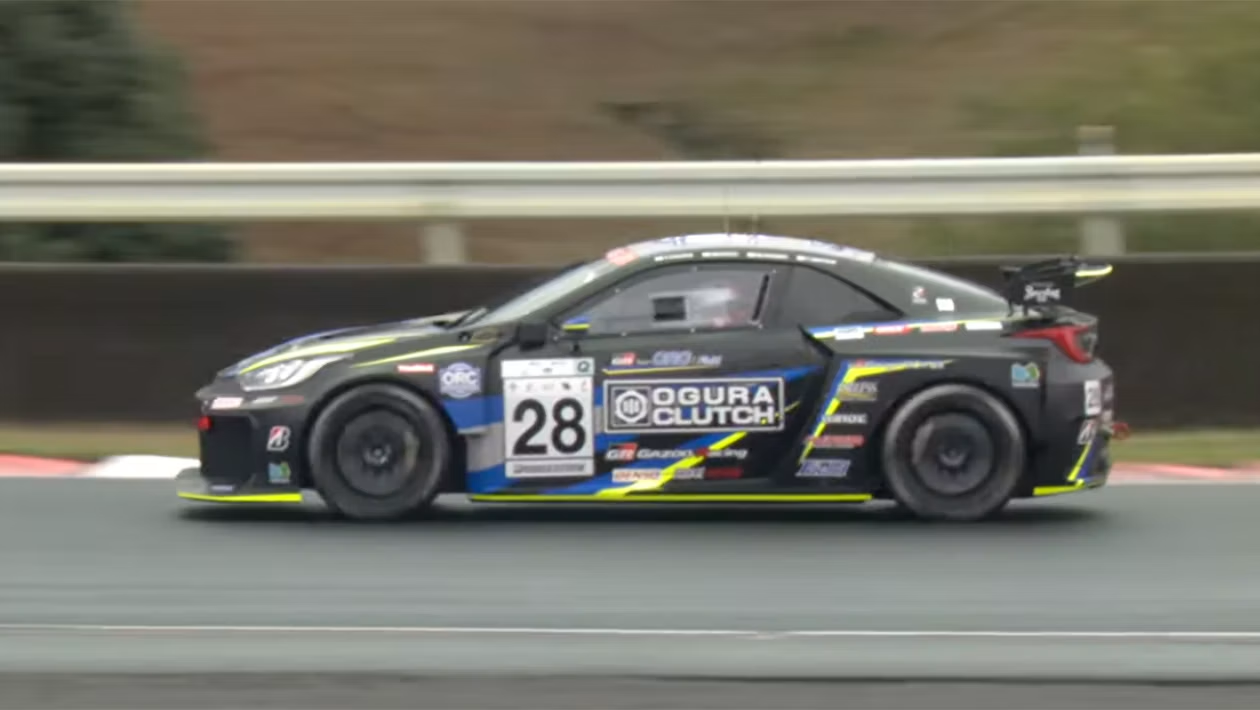
Toyoda, who races under the pseudonym Morizo, has personally tested prototypes of the upcoming sports car, including a radically different machine at Japan’s Okayama International Circuit in October 2026. Unlike earlier development vehicles based on the GR Yaris, the latest prototype features a lower roofline and longer front and rear overhangs, giving it a more conventional sports coupe silhouette.
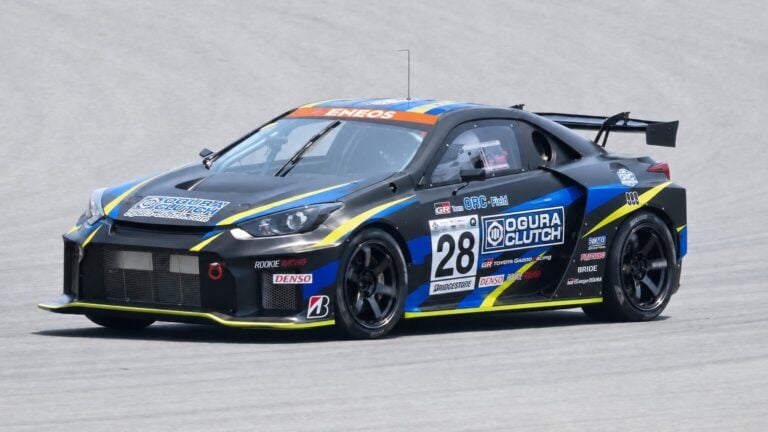
Toyota has also been developing its mid-engined Concept M through Japan’s Super Taikyu endurance racing championship, using the demanding conditions to refine technology destined for future performance models.
The Celica is one of the WRC’s most iconic names after enjoying a brilliant run in the 1990s. Carlos Sainz won the world driver’s championship in a Celica in 1990 and 1992, followed by Juha Kankkunen’s title in 1993 and Didier Auriol’s crown in 1994.
5
Speaking at Fuji Speedway, Toyoda explained why motorsport remains central to the company’s development philosophy. “If we don’t challenge [ourselves in motorsport] maybe we don’t fail, but if we challenge then maybe we fail,” he said. “If we decided to make such a car in a meeting, it would never exist.”
Toyota hasn’t produced a mid-engined road car since the third-generation MR2 disappeared in 2006, meaning engineers have effectively had to develop the new vehicle from scratch. The company trademarked both GR MR2 and GR MR-S, prompting speculation that its new sports car would revive the MR2 badge rather than the Celica name.
Early reports suggest the upcoming coupe will feature all-wheel drive and produce approximately 300kW, potentially placing it considerably above the old Celica in both performance and price, meaning the new model could become one of Toyota’s most expensive performance cars when it eventually reaches production.
Follow WhichCar/Wheels on Google
Click the button below to make WhichCar by Wheels a preferred source for your news.

We recommend
-
 News
New mid-engine Toyota sports car continues to take shape in new photos
New images reveal Toyota's mysterious mid-engined sports coupe, potentially previewing the long-awaited return of the legendary MR2.
-
 News
Toyota has a new hybrid engine on the way – and it could should be 15 per cent more efficient
A new Toyota hybrid engine could provide efficiency improvements of up to 15 per cent, and it will be ideally suited to the Corolla.
