
News

Gallery 1
An all-new 1.5-litre petrol engine and lighter electric components could make Toyota’s next wave of hybrids even cheaper to run, with the Corolla expected to be among the first beneficiaries. Australia’s favourite brand is preparing to overhaul its hybrid technology with a new family of petrol engines and electric components that could reduce fuel consumption by as much as 15 per cent compared with its current systems.
The Japanese manufacturer has revealed details of its next-generation hybrid powertrains, which are being developed to deliver greater efficiency while allowing engineers to create more aerodynamic vehicles.

2
At the heart of the technology is a new 1.5-litre four-cylinder petrol engine that will replace Toyota‘s existing 1.8-litre four-cylinder and 1.3-litre three-cylinder units. Unlike conventional petrol engines adapted for hybrid use, the new powerplant has been designed specifically to work alongside electric motors.
Toyota says improvements to mechanical friction, thermal management and electrical efficiency will help reduce fuel consumption, while naturally aspirated and turbocharged versions will cater for different vehicles and performance requirements. The engine will be paired with a completely redesigned hybrid system incorporating smaller, lighter electric motors, inverters and electronic control units.
Importantly, the technology is being developed for several types of electrified powertrains, including conventional hybrids, plug-in hybrids and potentially range-extender electric vehicles. That flexibility should allow Toyota to use the same basic engine architecture across numerous models, reducing development and manufacturing costs while spreading the benefits of its investment.
5
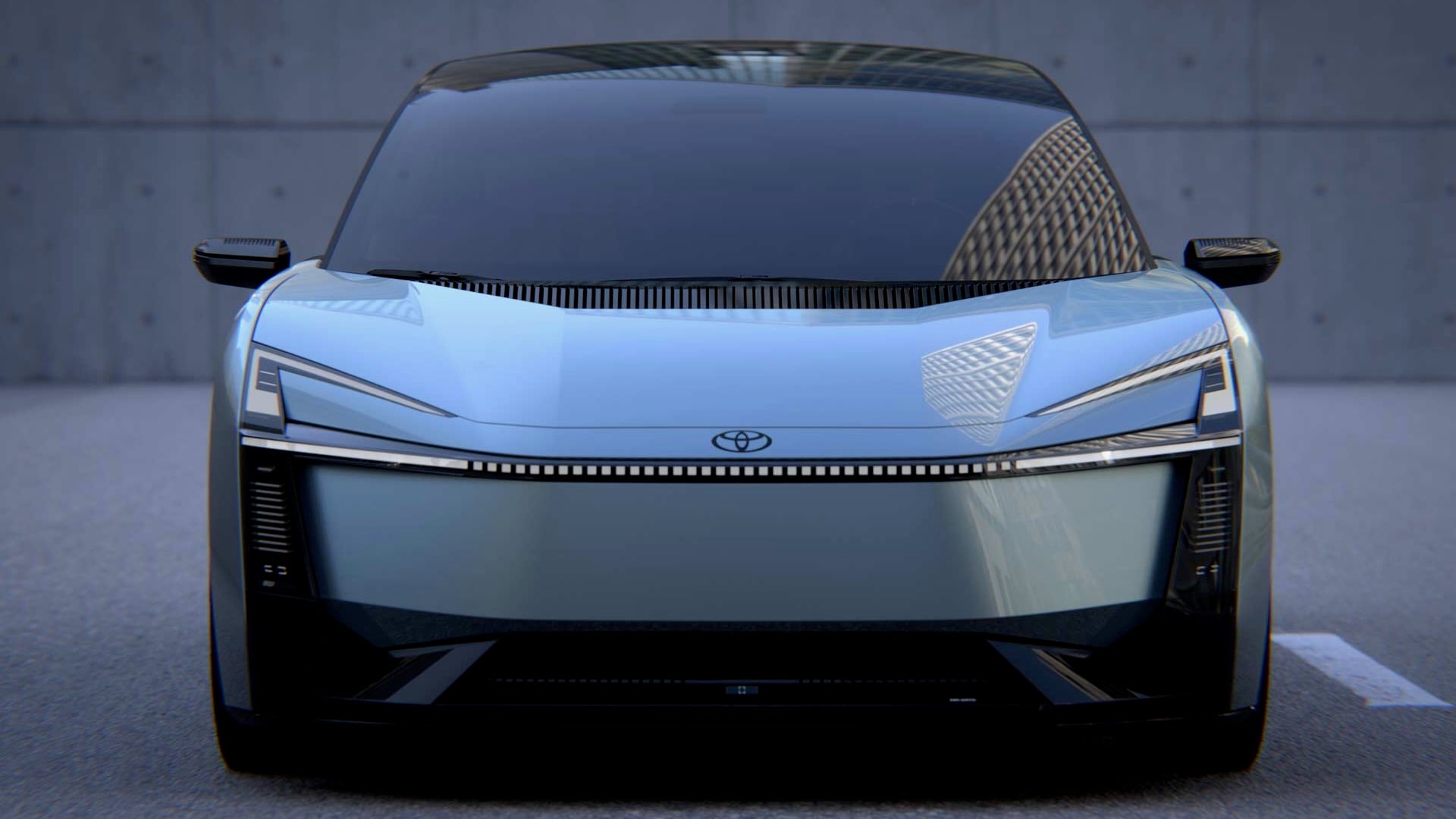
The compact design also offers advantages beyond the engine bay. By reducing the engine’s overall height, Toyota will give its designers greater freedom to lower the bonnet line on future vehicles, potentially improving aerodynamics and cutting fuel consumption further.
The company believes the combined improvements could deliver efficiency gains of up to 15 per cent over its existing hybrid technology. For context, the Corolla hybrid currently gets 3.9/100km, which would be reduced to around 3.3L/100km if the full 15 per cent reduction were realised. Additional aerodynamic improvements could potentially deliver further improvements.
Toyota has yet to confirm which production model will introduce the technology, although the next-generation Corolla is considered a likely candidate. Expected to arrive around 2028, the new Corolla is tipped to offer conventional hybrid, plug-in hybrid and fully electric powertrains.
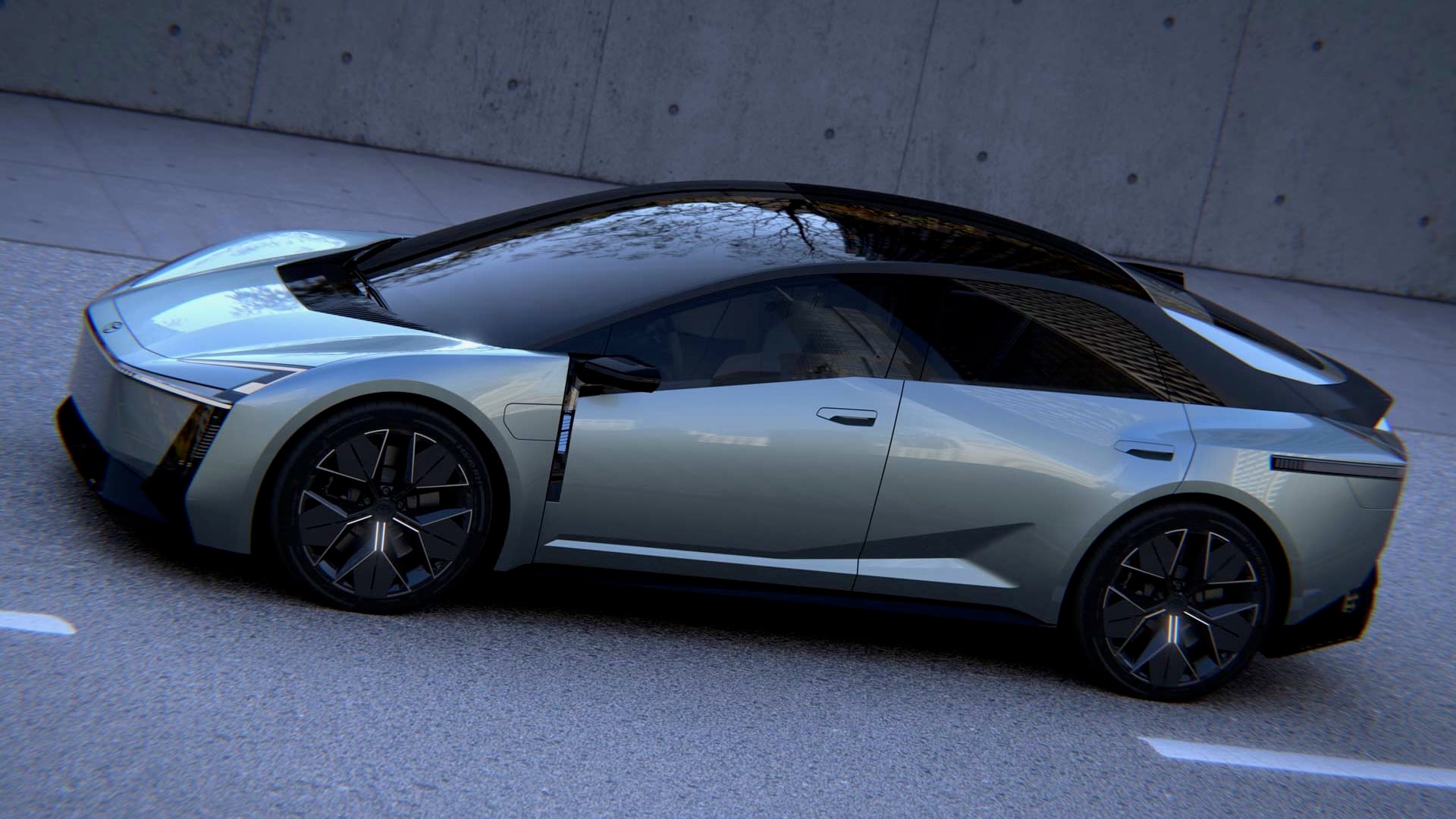
The dramatic Corolla Concept unveiled at the 2025 Japan Mobility Show (pictured above) offered a glimpse of how Toyota’s future small cars could look. Its low bonnet and sleek proportions also demonstrated the styling opportunities created by more compact powertrain components.
Follow WhichCar/Wheels on Google
Click the button below to make WhichCar by Wheels a preferred source for your news.

We recommend
-
 News
New mid-engine Toyota sports car continues to take shape in new photos
New images reveal Toyota's mysterious mid-engined sports coupe, potentially previewing the long-awaited return of the legendary MR2.
-
 News
Toyota warns of price hikes for some of its most popular models as it focuses on giving Aussies more EVs
Australia’s new emissions rules could make some popular Toyota models more expensive in 2027, as it prepares a wider range of EV and PHEV vehicles.
