
News

Gallery 1
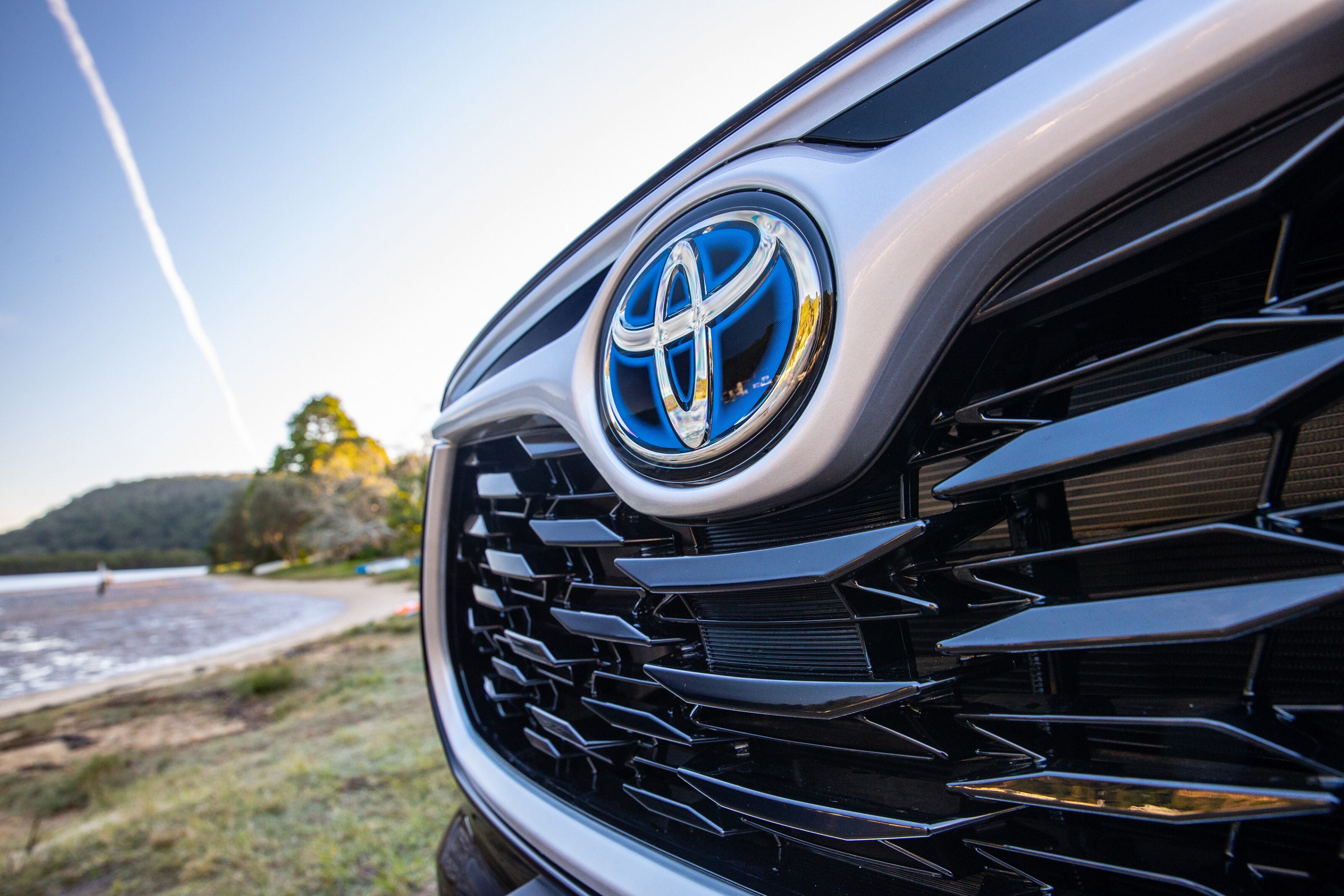
Toyota Australia has told WhichCar by Wheels that it has agreed to pay damages to settle a class action that alleged it fitted more than 260,000 Aussie vehicles with faulty diesel particulate filters. The company will hand over a stunning $750 million after a High Court decision.
In March 2023, the brand lost its appeal against a Federal Court ruling that found it owed damages to the owners of HiLux, Prado and Fortuner models fitted with the parts from October 2015 to April 2020. Lawyers for the owners said the filters increased wear and tear on engines, dramatically decreased fuel efficiency and made exhausts emit foul smoke.
3
“Toyota Australia has agreed to a settlement in the DPF Class Action case. The settlement is subject to court approval. We remain committed to assisting any impacted customers and to providing a free-of-charge remedy that has been available since 2020,” the statement read.
“The trust of our customers has been central to Toyota Australia for more than 70 years, and we do not take that for granted. We remain committed to supporting our customers, addressing their concerns and continuing to earn the confidence they place in our brand. We apologise for any inconvenience or discomfort experienced by our customers.”
According to the legal website lawyerly, the payout is the largest class action settlement in Australian history. When WhichCar by Wheels reported on Toyota’s appeal loss in March 2023, it was thought the company could be liable for $1 billion, after the plaintiffs’ lawyers had previously targeted a figure of more than $2 billion.
When Toyota lost that 2023 appeal, the court upheld an earlier ruling that the brand was in breach of Australian Consumer Law, having engaged in misleading or deceptive conduct in the marketing and sale of the vehicles.
A total of 264,170 vehicles were affected by the issue. The defective units, which could clog, were fitted to models with 2GD-FTV and 1GD-FTV turbo-diesel engines. The original class action began in 2019, with a separate class action launched in July last year involving owners who bought affected vehicles privately.
Follow WhichCar/Wheels on Google
Click the button below to make WhichCar by Wheels a preferred source for your news.

We recommend
-
 News
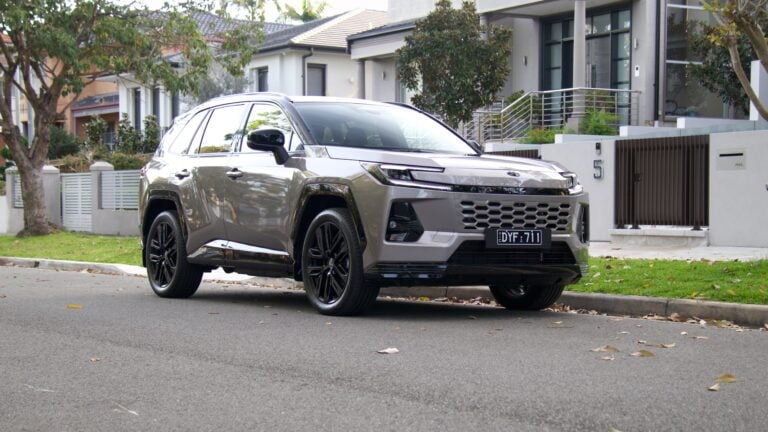
NewsToyota recalls almost 6000 of its RAV4 plug-in hybrids
The Toyota RAV4 recall comes as a result of a problem that could result in a loss of power while driving.
-
 News
NewsToyota warns of price hikes for some of its most popular models as it focuses on giving Aussies more EVs
Australia’s new emissions rules could make some popular Toyota models more expensive in 2027, as it prepares a wider range of EV and PHEV vehicles.
