News
Gallery 1
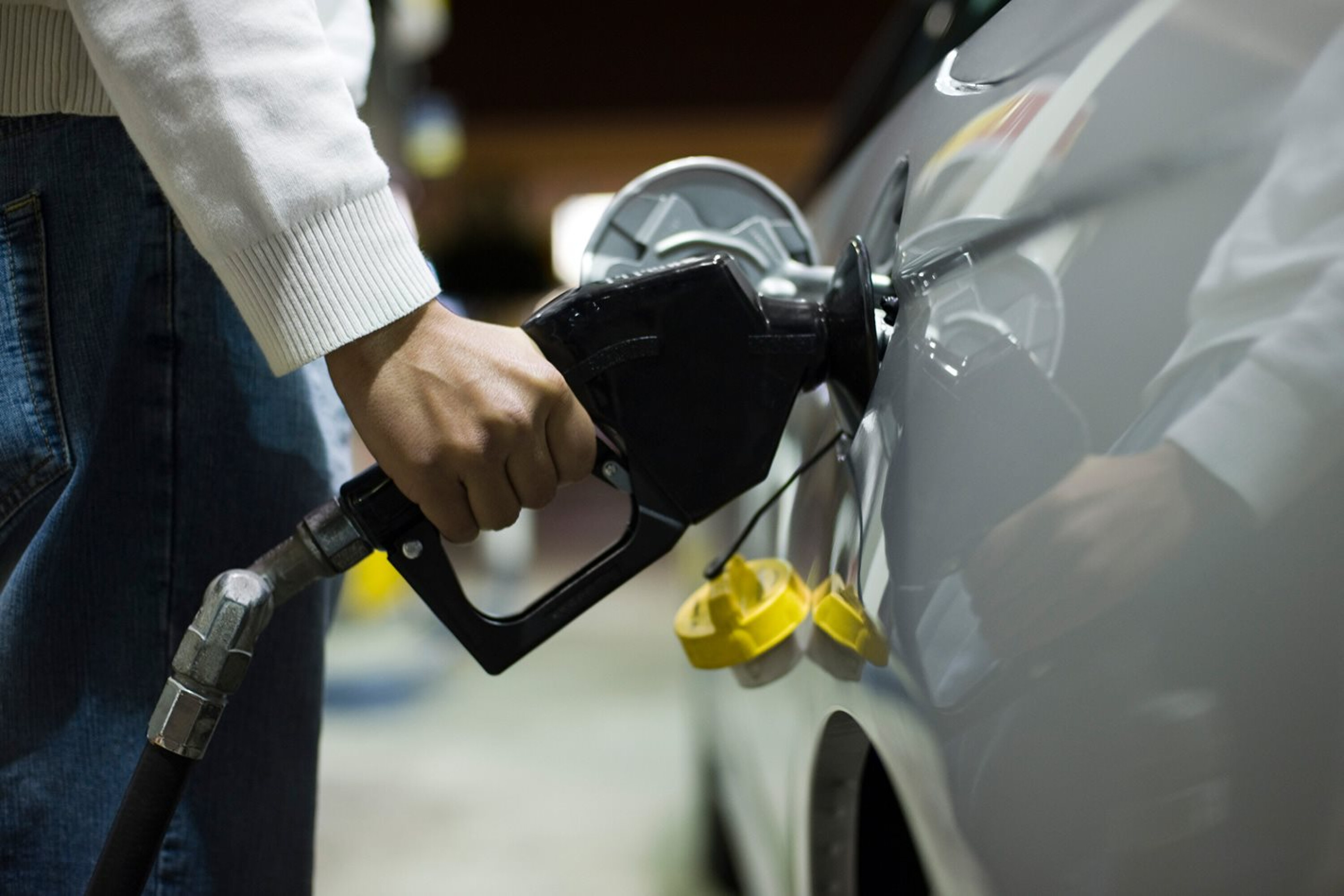
Australian motorists will begin paying more for fuel from next week, with the Federal Government confirming its temporary fuel excise relief will end at midnight on Sunday.
Treasurer Jim Chalmers announced the measure would expire as scheduled shortly after the release of the latest inflation figures, which showed annual inflation at 3.8 per cent in June and underlying inflation continuing to moderate.
The measure, introduced to help offset soaring petrol prices following the outbreak of conflict in the Middle East, reduced the fuel excise by 16 cents per litre before being tapered to half that amount earlier this month. While there had been speculation the government could again extend the discount, Treasurer Jim Chalmers confirmed it will cease as scheduled.
Speaking in Brisbane, Chalmers said the relief had achieved its purpose of easing cost-of-living pressures but was always intended to be temporary.
“That fuel excise relief will end midnight on Sunday and that’s because it has played a really important role helping to take some of the sting out of these cost-of-living pressures,” he said.
“It was never the government’s intention for that to be permanent.”
1
The government had already extended the measure once, delaying its original June expiry before introducing a month-long transition period with a reduced discount from the start of July.
Comments from Prime Minister Anthony Albanese and Foreign Minister Penny Wong earlier this week had also indicated there would be no further last-minute reprieve.
The end of the discount means the full federal fuel excise will once again apply to petrol and diesel sold across Australia, although the impact on pump prices will depend on wholesale fuel costs, retailer pricing and international oil markets.
The excise relief was introduced after global oil prices spiked amid escalating tensions in the Middle East, with concerns over potential supply disruptions pushing fuel prices sharply higher. Since then, oil prices have eased from their peak, helping to reduce pressure at the bowser.
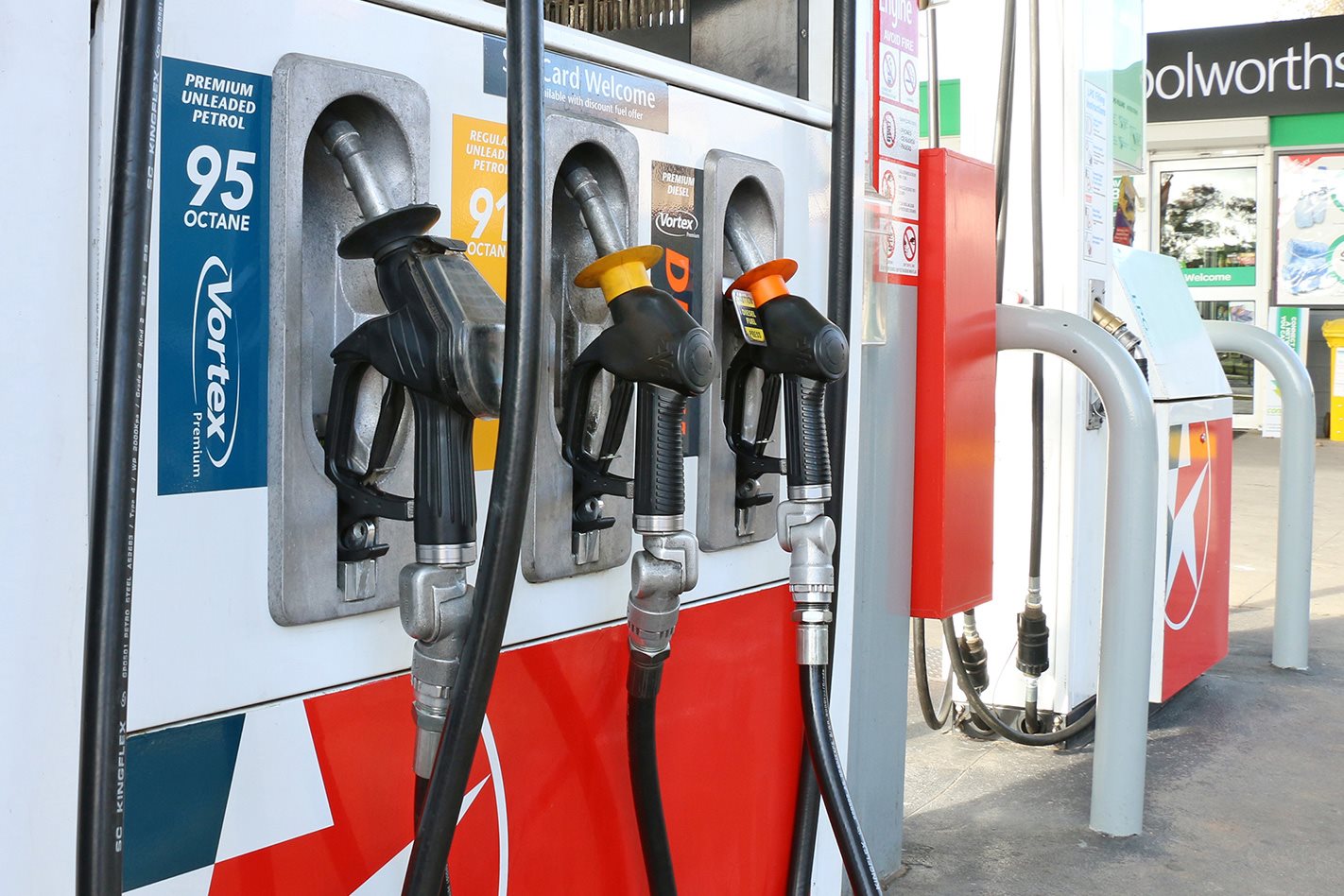
Motorists are still being encouraged to shop around for the best fuel prices, as differences of more than 20 cents per litre can exist between service stations, particularly in Australia’s capital cities.
Follow WhichCar/Wheels on Google
Click the button below to make WhichCar by Wheels a preferred source for your news.

We recommend
-
 News
NewsFuel excise halved as government moves to ease pressure
National plan unveiled by Prime Minister Anthony Albanese as Australians face rising fuel costs.
-
 Advice
What is the fuel excise, where does the money go... and what about EVs?
How is the fuel excise used and are motorists getting the most out of it?