News
Gallery 1
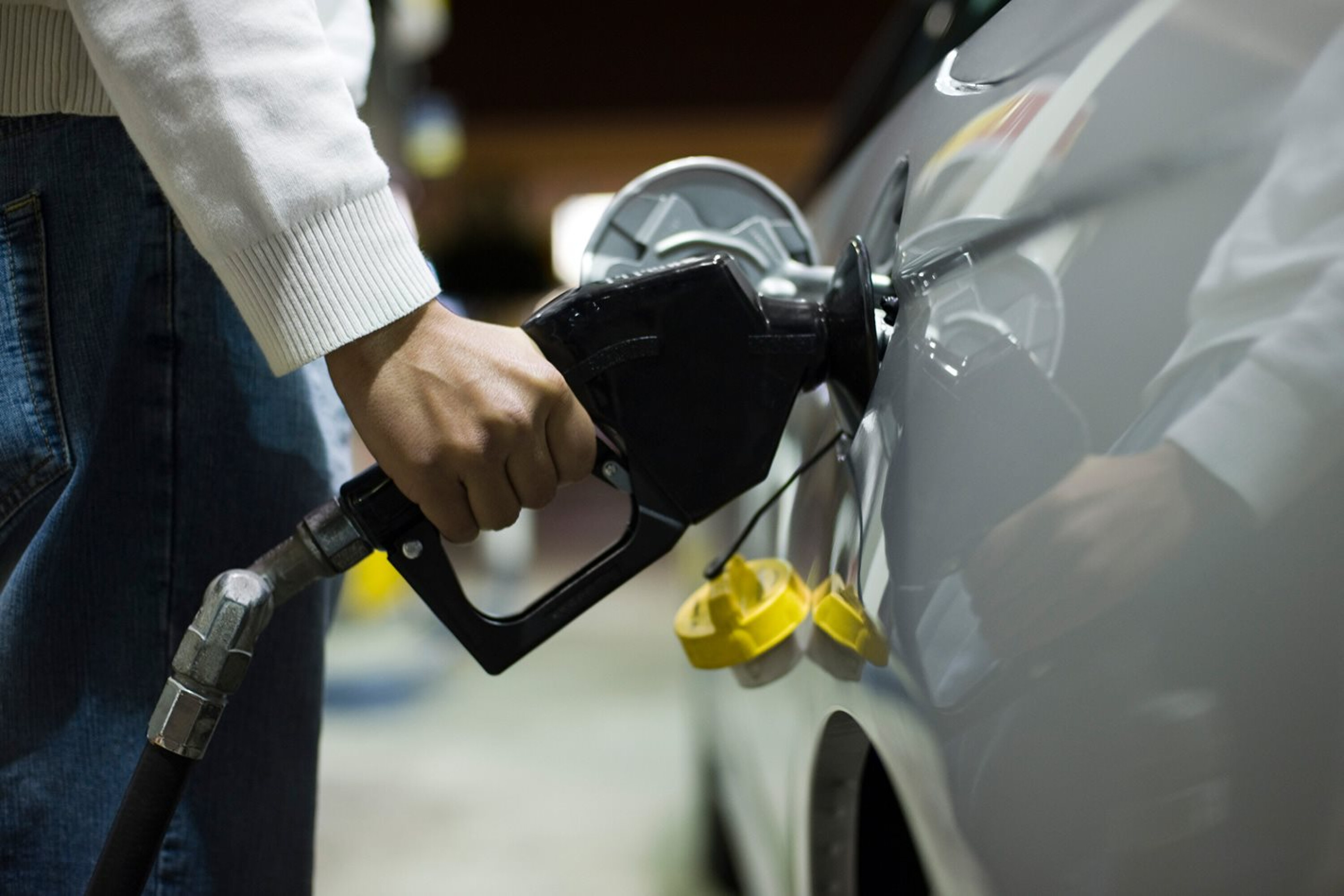
The federal government is indicating Australia’s temporary fuel excise cut is unlikely to be extended beyond June 30, even as global supply concerns continue to place pressure on fuel markets.
Energy Minister Chris Bowen said the Albanese Government still viewed the measure as temporary, despite Prime Minister Anthony Albanese declining this week to rule out an extension.
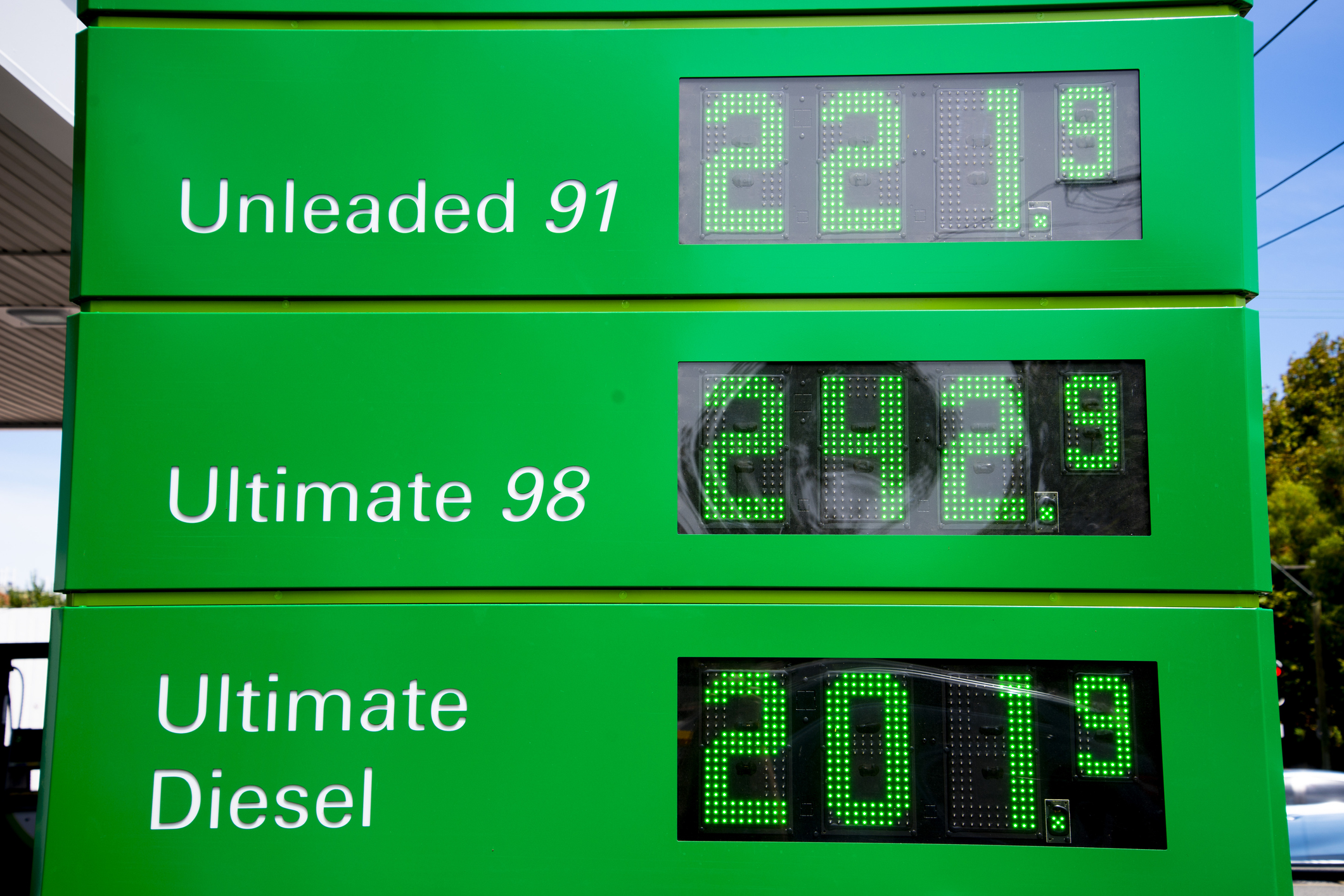
The three-month reduction, introduced in April in response to rising global oil prices linked to conflict in the Middle East, cut the fuel excise by 26.3 cents per litre and reduced the cost of filling a typical family SUV by almost $19.
Speaking to reporters on Saturday, Bowen said the government would continue monitoring global conditions but suggested motorists should not expect the relief to become permanent.
1
“The excise was a temporary measure and we envisage it being a temporary measure,” Bowen said.
The comments came as the government confirmed two additional emergency fuel shipments had been secured for Australia, including 50 million litres of diesel bound for Western Australia’s Kwinana terminal and 50 million litres of jet fuel destined for Sydney’s Port Botany.
Those deliveries lift the total amount of extra fuel arranged by the government since the crisis began to 800 million litres, with Bowen warning there remained “real international supply chain pressures” despite improving stock levels.
Australia activated a four-stage fuel contingency framework earlier this year after conflict involving Iran disrupted shipping through the Strait of Hormuz, one of the world’s most important oil transit routes. Bowen said the country was currently operating under Stage 2 of the plan but did not expect fuel rationing would be necessary.
The fuel excise reduction has cost the federal budget about $2.9 billion, while the May federal budget also included funding for a larger government-controlled fuel reserve.
Economists remain divided over the measure, with some warning cheaper fuel could place additional pressure on inflation and interest rates by encouraging higher spending elsewhere in the economy.
Despite that, public support for extending the excise cut appears strong, with recent polling showing a large majority of Australians favour continuing the relief beyond June.
Follow WhichCar/Wheels on Google
Click the button below to make WhichCar by Wheels a preferred source for your news.

We recommend
-
 News
NewsFuel excise halved as government moves to ease pressure
National plan unveiled by Prime Minister Anthony Albanese as Australians face rising fuel costs.
-
Advice
The best ways to save fuel as prices rise and supply tightens
As fuel prices reach record highs around the country thanks to the Iran conflict, there are plenty of ways to try and reduce fuel usage that don't involve buying a new car.
-
 Advice
Essential fuel-saving tips and tricks during current Middle East conflict
Small changes behind the wheel and beyond could make a bigger difference than you think, as rising fuel costs force drivers to rethink everyday habits and routines.