
News
Gallery 1
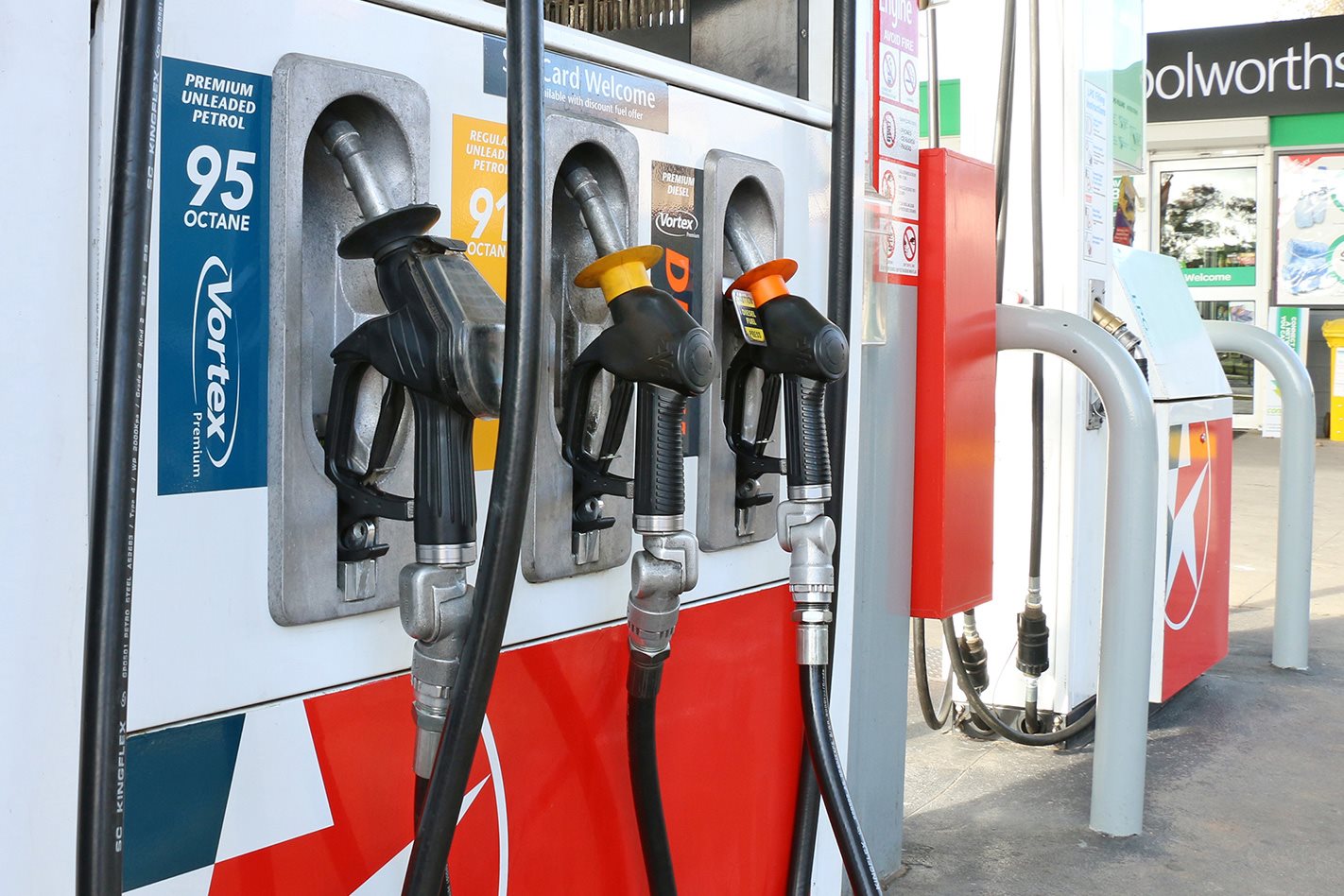
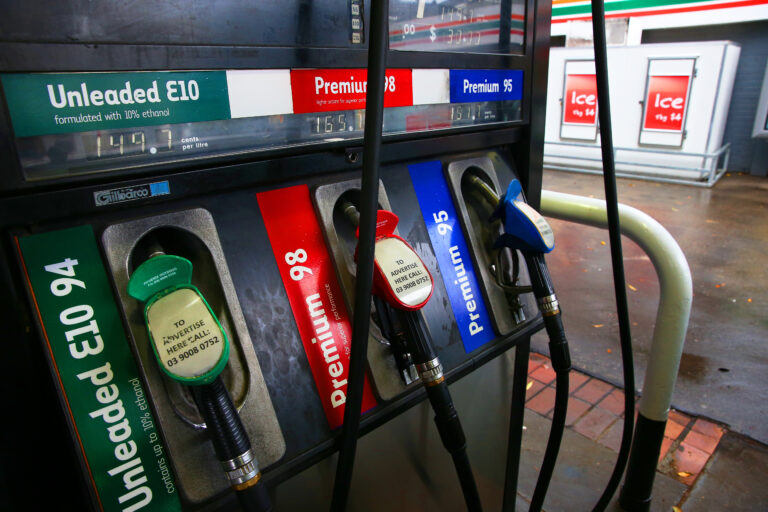
Australians will see immediate relief at the bowser following today’s National Cabinet meeting, with Prime Minister Anthony Albanese announcing a series of measures aimed at tackling rising fuel costs and strengthening supply.
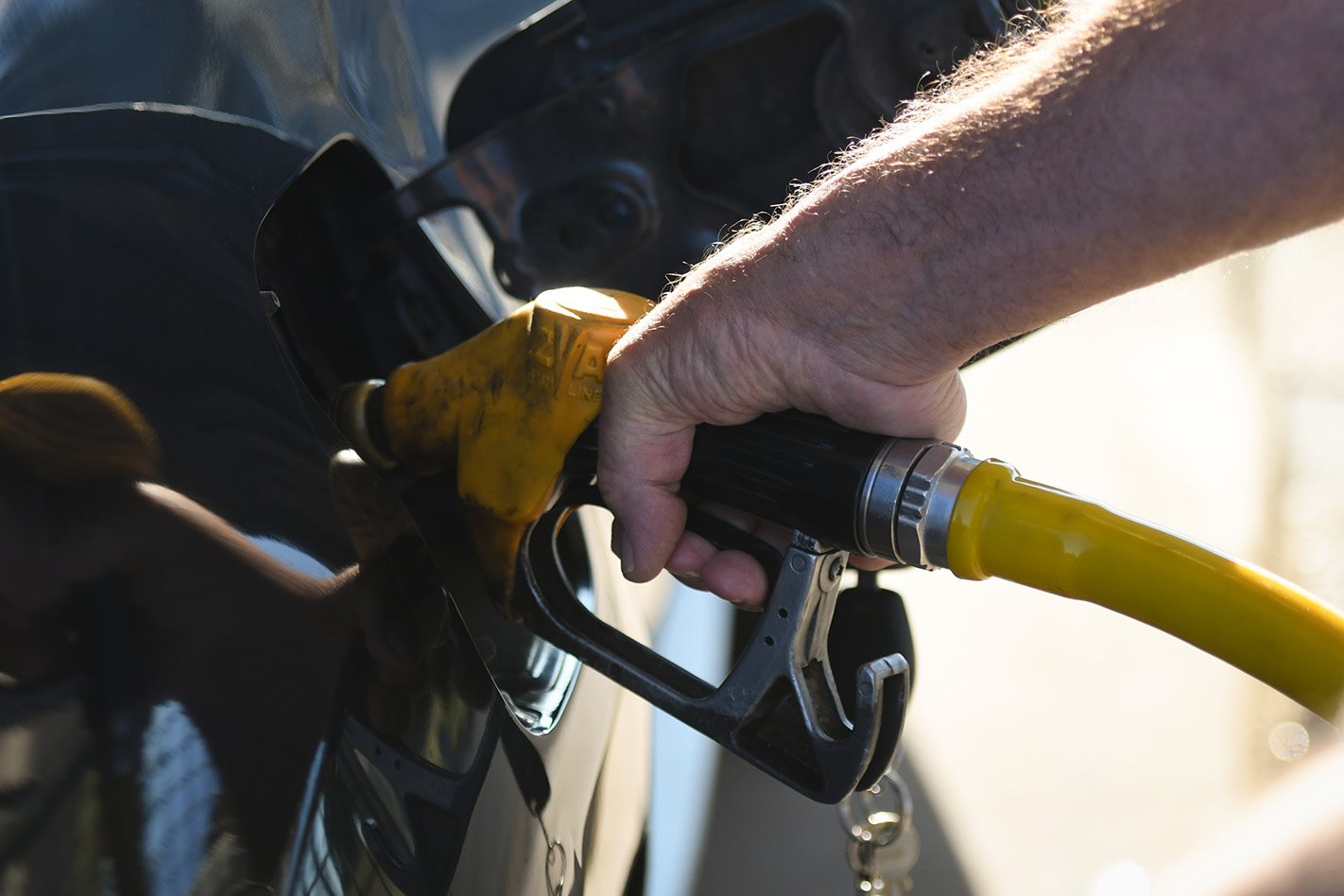
Front and centre is a temporary cut to the fuel excise, which will be halved for the next three months. The move is expected to reduce fuel prices by 26.3 cents per litre, offering some respite for households and businesses grappling with escalating living costs.
The fuel excise — currently set at 52.6 cents per litre — is a federal tax applied to petrol and diesel, traditionally used to fund transport infrastructure such as roads and highways. By reducing it, the government hopes to deliver immediate cost-of-living relief while broader supply challenges persist.
Alongside the tax cut, the government also announced the creation of a national fuel security plan. The plan, which will be adopted by all states and territories, is designed to strengthen Australia’s fuel supply chain and ensure greater resilience during periods of global uncertainty.
While details are still to be finalised, the initiative reflects growing concern about the country’s reliance on international fuel markets and the impact of global disruptions on local availability and pricing.
1
In a further move aimed at supporting key industries, the government will also suspend the heavy vehicle road user charge for three months. The charge, typically applied to trucks using Australia’s road network, will be reduced to zero for the duration of the relief period.
Prime Minister Albanese said the decision was made to support the freight sector and help keep essential goods moving across the country.
“It’s about helping truckies continue their vital work for our nation,” he said.
The combination of measures is designed to ease immediate financial pressure while maintaining supply chains and economic stability. However, with the changes set to last three months, questions remain about what happens once the temporary relief ends.
For now, though, motorists and businesses alike are likely to welcome any reduction in fuel costs as global pressures continue to weigh heavily on Australia’s economy.
Follow WhichCar/Wheels on Google
Click the button below to make WhichCar by Wheels a preferred source for your news.


We recommend
-
 News
NewsMore than 75 per cent of Australians under financial stress from fuel prices
A survey of 1077 Australians has found that the current fuel situation in Australia is causing huge financial stress, with the cost to fill up a Toyota RAV4 now between $28 and $44 more expensive than before.
-
 Features
Keen to save fuel? Here are the 10 cheapest hybrid models in Australia
While they still use fuel in some capacity, hybrid cars can also drastically reduce your overall consumption in energy-challenged times. So which are the 10 cheapest hybrids in Australia?
-
 News
NewsFuel rationing – what are the measures Australia could take to conserve supplies?
The Australian government has rejected a $40 spending cap on fuel. But what other measures could be taken to shore up our short-term fuel supply?
