
News
Gallery 1
Battery-electric vehicles captured a record share of Australia’s new-car market in May, accounting for one in every five vehicles sold, according to the latest VFACTS sales data.
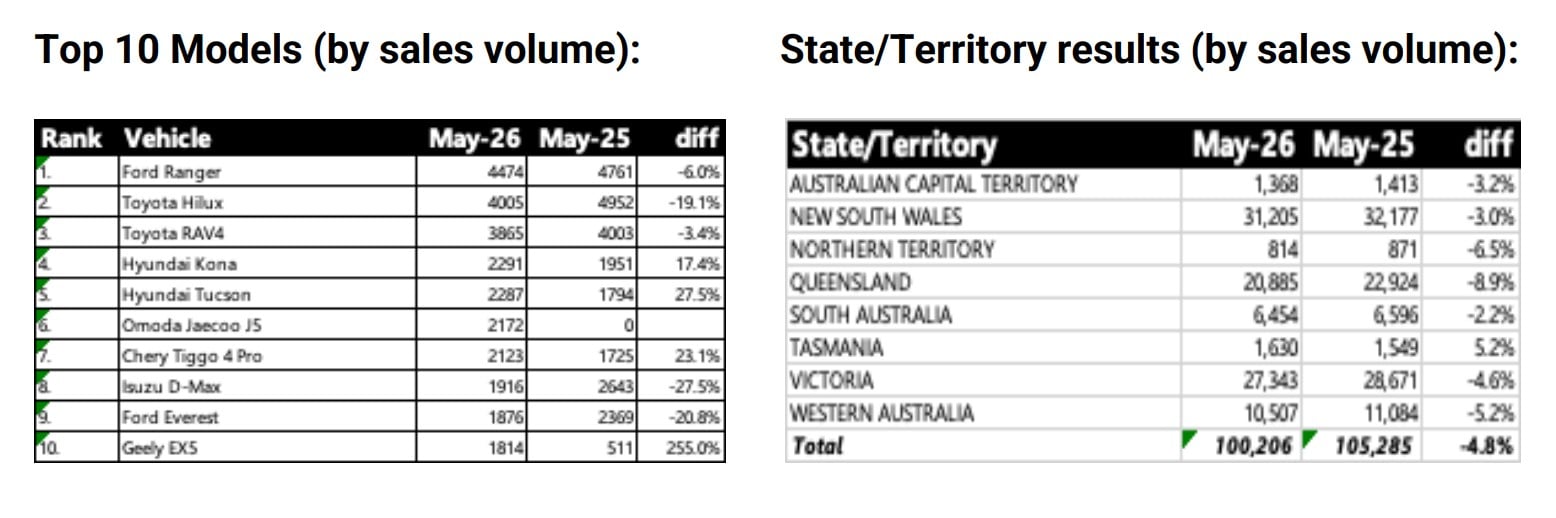
A total of 100,206 new vehicles were delivered during the month, down 4.8 per cent compared with May 2025. Despite the overall decline, sales of electrified vehicles continued to grow, with battery-electric vehicles (BEVs), hybrid electric vehicles (HEVs) and plug-in hybrid vehicles (PHEVs) collectively accounting for 46 per cent of all new vehicle sales.
The Federal Chamber of Automotive Industries (FCAI) said the figures highlight a significant shift in consumer buying habits as Australians increasingly opt for lower-emission powertrains.

1
The trend was most evident in the SUV segment, Australia’s largest vehicle category. Compared with May 2025, electric SUV sales increased by 167 per cent, while plug-in hybrid SUV sales surged 377 per cent. Over the same period, petrol-powered SUV sales fell 31 per cent and diesel SUVs declined by 41 per cent.
Helping drive the record share of EV sales was the Tesla Model Y, which became Australia’s best-selling vehicle overall at 5,605 units, besting the Ford Ranger (4474 units), Toyota HiLux (4005 units) and Toyota RAV4 hybrid SUV (3865 units). The result also helped Tesla achieve a record 6,433 Australian deliveries for May, highlighting the growing influence of battery-electric vehicles in a market traditionally dominated by dual-cab utes and mainstream SUVs.
FCAI chief executive Tony Weber said consumer preferences were changing rapidly.
“The shift is particularly evident in the SUV segment, where consumer preferences are changing rapidly. Today’s SUV buyer is increasingly choosing hybrid, plug-in hybrid and electric options,” Weber said.
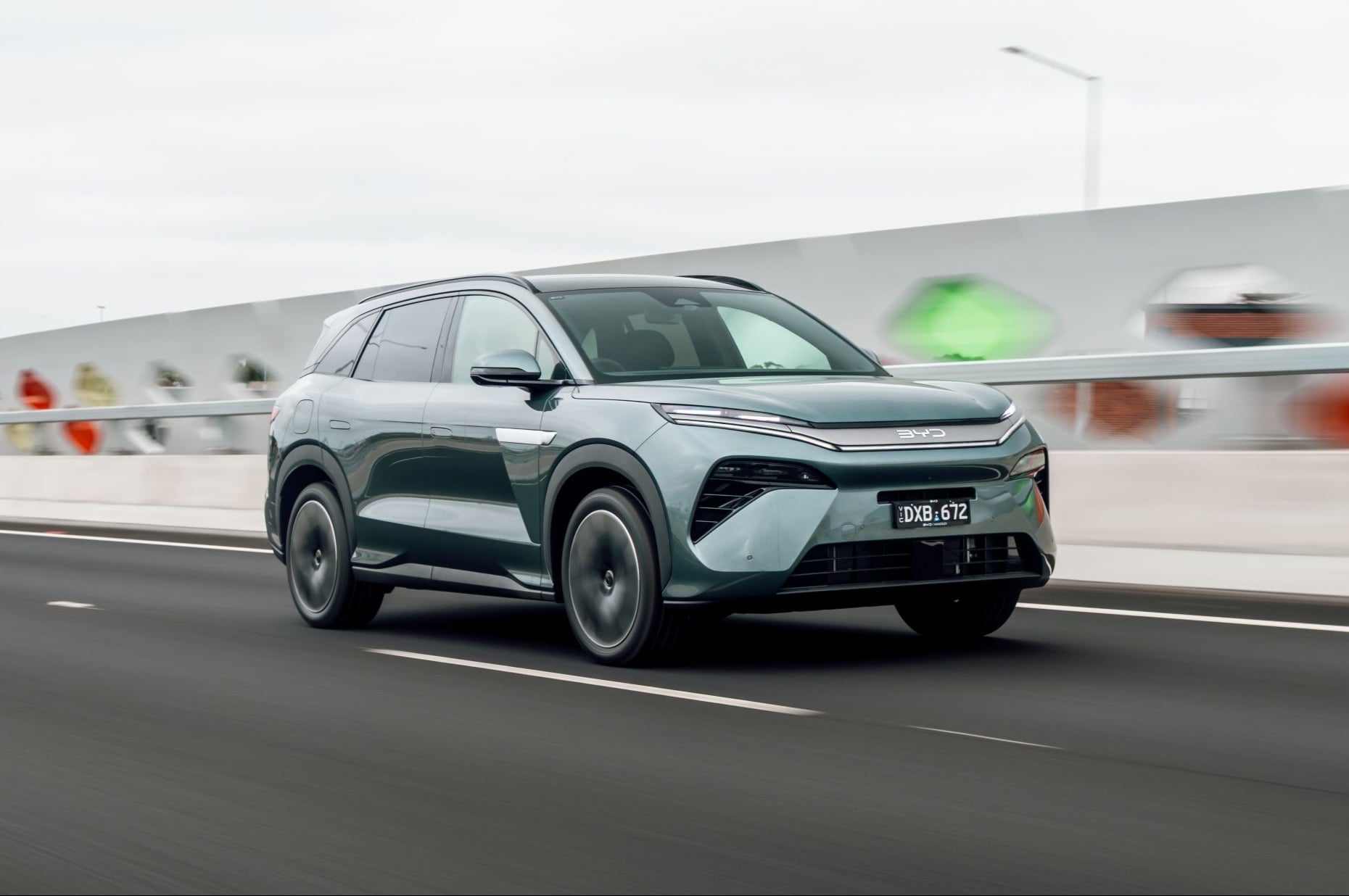
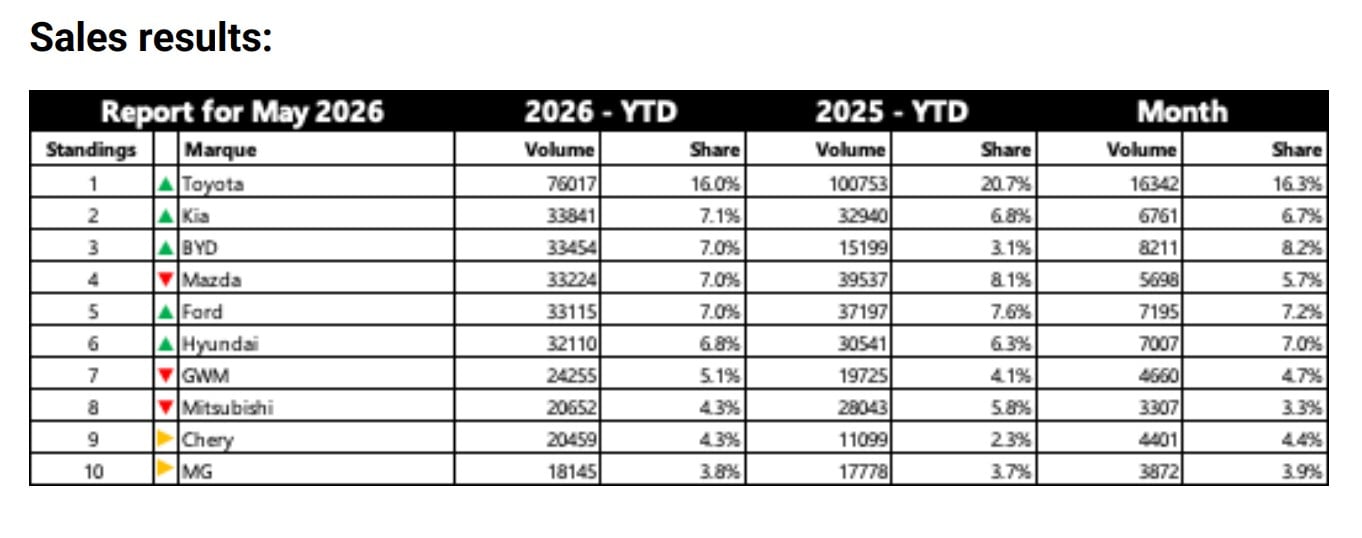
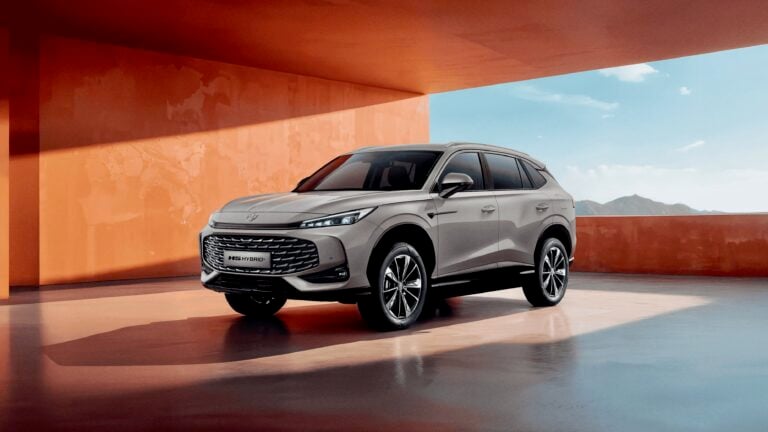
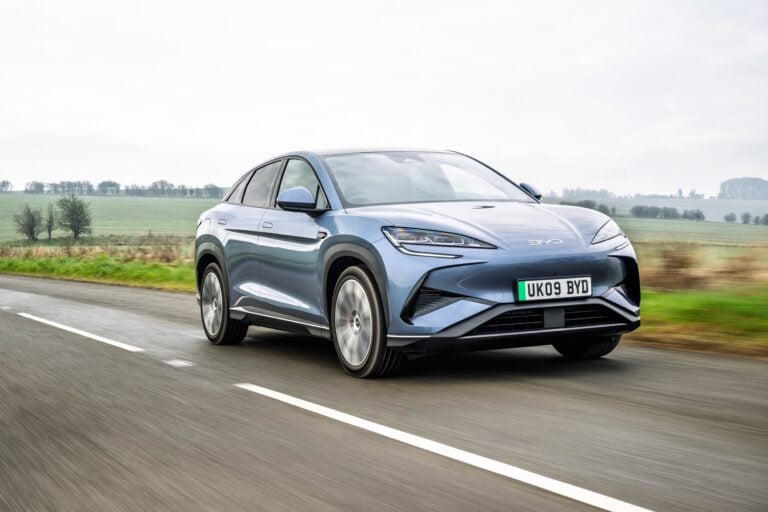
Toyota remained Australia’s best-selling automotive brand in May with 16,342 sales. Chinese manufacturer BYD continued its rapid growth, finishing second overall with 8,211 sales, ahead of Ford (7,195), Hyundai (7,007) and Kia (6,761).
Several newer entrants also posted strong gains. BYD’s sales were up 155 per cent year-on-year, while Omoda Jaecoo recorded growth of 729 per cent and Geely increased sales by 416 per cent.
1
1
The FCAI said growing EV adoption would place increased pressure on Australia’s charging network and called for continued investment in public infrastructure.
“As the number of EVs on the road continues to grow, charging infrastructure must become more of a priority,” Weber said.
The industry body also pointed to the influence of the New Vehicle Efficiency Standard (NVES), arguing the policy is encouraging manufacturers to introduce a broader range of low-emissions vehicles to Australia.
May’s results suggest electrified vehicles are continuing to gain ground, even as the broader new-car market softens.
Follow WhichCar/Wheels on Google
Click the button below to make WhichCar by Wheels a preferred source for your news.

We recommend
-
 News
NewsVFACTS January 2026: Australian new car sales hold steady to start the year
Hybrids and plug-in vehicles gain ground as petrol sales continue to slide.
-
 News
NewsVFACTS March 2026: EV sales surge to record market share in March as demand accelerates
Battery electric vehicles account for 14.6 per cent of total sales amid fuel concerns and policy uncertainty.
