
News

Gallery 1
Chinese electric car maker and mobility specialist XPeng this week confirmed Australia is a priority market for its emerging flying-car technology, with the company planning to explore a local introduction once government approval has been secured.
Speaking at a local media event in Melbourne, XPeng Vice Chairman and President Brian Gu said Australia was a perfect fit for flying cars and that our vast distances, beautiful landscapes and appetite for new technology made it a natural fit for what the company calls “flying mobility”.
“Australia is a market where I think flying mobility has particularly strong potential,” said Gu.
“It’s a beautiful landscape, vast land, long-distance travel and a spirit of exploration. This fits very well with the flying imagination.”
4
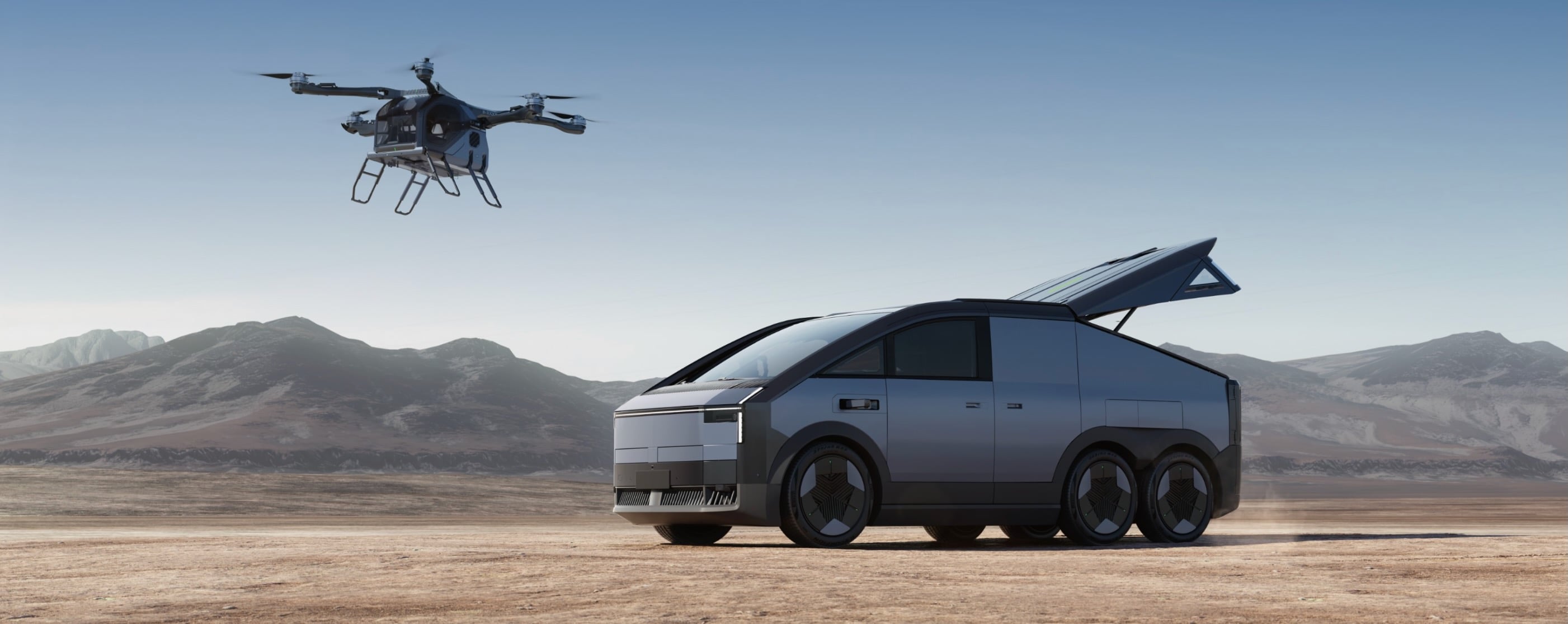
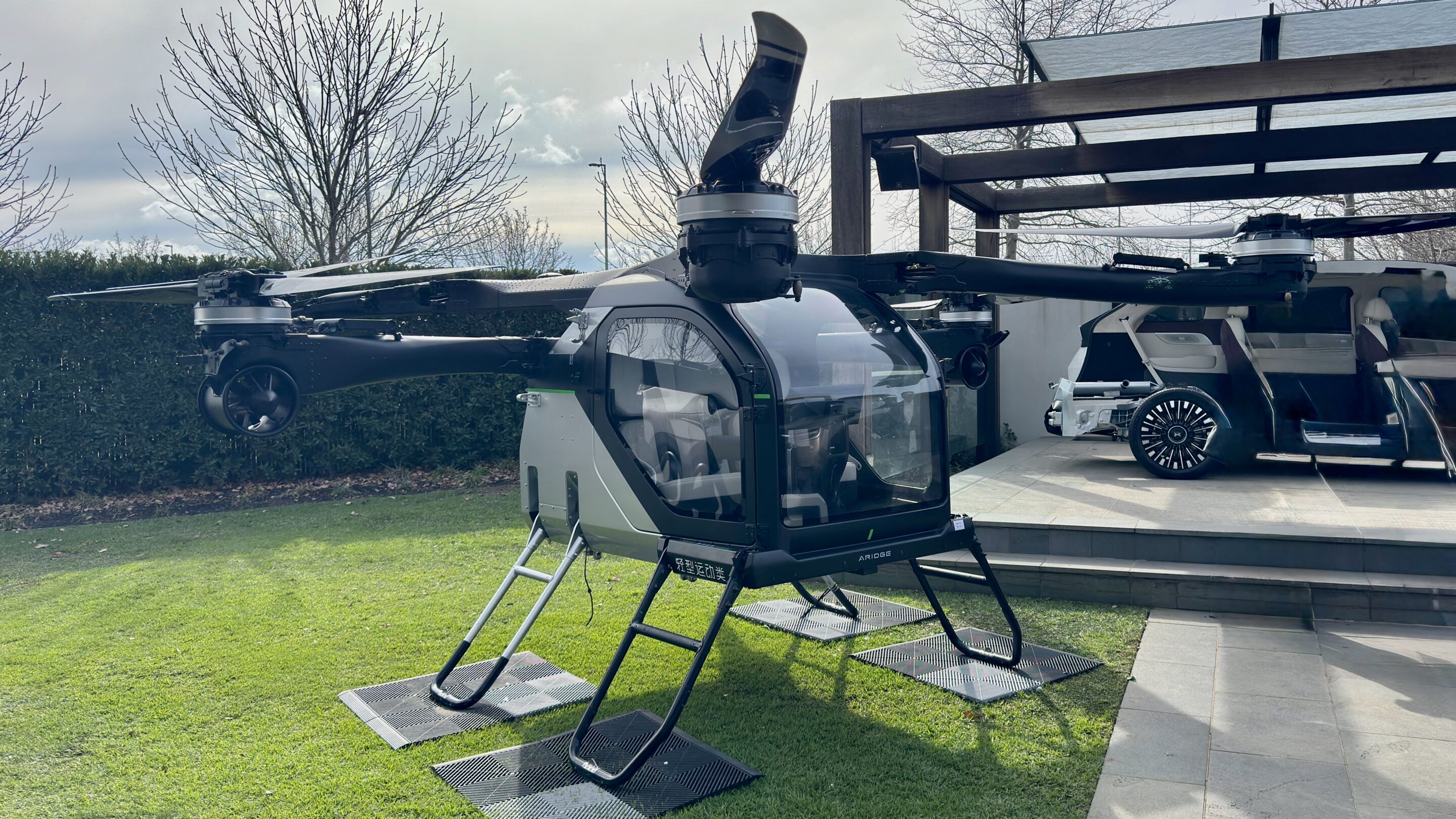
XPeng is developing two flying vehicles through its AeroHT subsidiary, starting with the ‘Land Aircraft Carrier’ shown at the event, which is a a large six-wheeled electric vehicle that carries the two-seat electric aircraft in its rear compartment.
The aircraft itself is intended primarily for private buyers and recreational use, and once deployed from the Land Aircraft Carrier, can be flown for approximately 20 minutes per charge.
At the event, Gu claimed that it was designed to be easy to operate and is controlled using a joystick controller, rather than the usual complex array of switches and controls you’d find in a helicopter. As for usage, XPeng expects it to be found at recreational areas like national parks.
According to XPeng, there are already more than 7000 pre-orders for the Land Aircraft Carrier, largely from customers and businesses in both China and the Middle East. To build it, XPeng is planning production for the flying cars at a new 120,000 square metre facility in its HQ of Guangzhou in China, which it says will be the world’s first large-scale flying car factory and will have capacity to produce up to 10,000 per year.
However, while the idea of flying cars sounds rosy, they’re not legally allowed to be sold yet. XPeng is currently still awaiting final certification in China, before pursuing the same in overseas markets such as the Middle East and, eventually, Australia.
“Once Chinese approval is obtained, we can start exploring international partnerships and bringing our products to other international markets,” Gu said. “Hopefully Australia can be one of the first as well.”
3
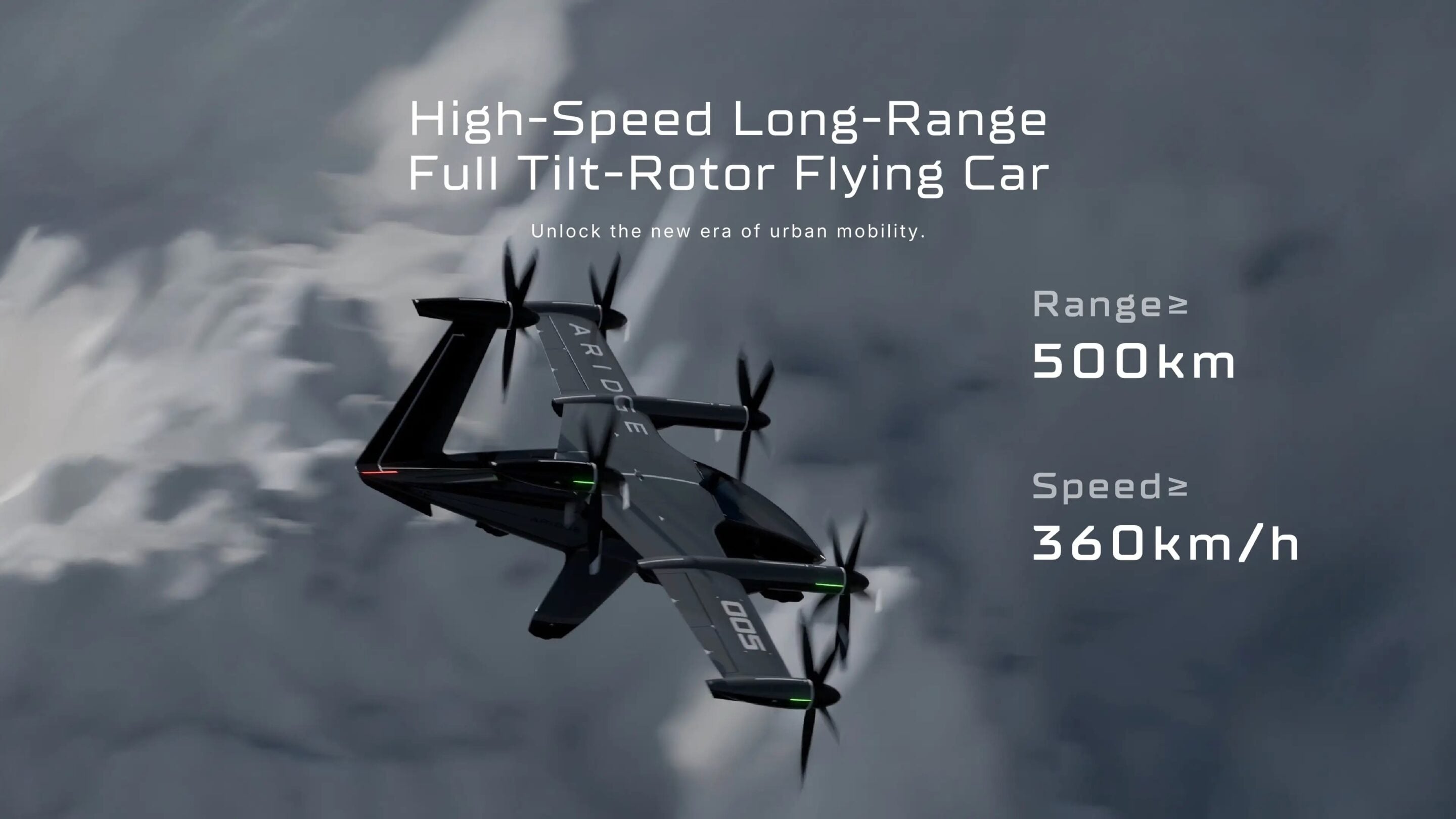
XPeng is also developing a larger six-seat electric vertical take-off and landing aircraft, known as the A868, for longer distance travel.
Unlike the recreational Land Aircraft Carrier, the A868 uses a tilt-rotor system that allows it to take off vertically like a traditional helicopter, before transitioning to more efficient fixed-wing flight. XPeng claims a potential range of up to 500 kilometres, which is much further than the Land Aircraft Carrier.
The flying-car push forms part of XPeng’s broader “physical AI” strategy, which also includes humanoid robots, autonomous driving technology and autonomous taxis also previewed at the event. XPeng is aiming for Australia to become one of the first international markets outside China to receive elements of that broader ecosystem, though with the caveat of being subject to local regulations.
No timing or pricing has been announced for an Australian flying car launch, however, Gu is optimistic that it will happen before the end of 2027. Regardless of whether it does or not, XPeng’s media event provided the clearest indication yet that its local ambitions extend beyond just selling electric cars.
Alongside its flying car plans, XPeng announced plans to introduce five new vehicles to Australia within six months, as well as launching range-extender hybrid models in 2027, investigating local trials of its more advanced autonomous driving like the Tesla Full-Self Driving and even vehicle-to-grid energy technologies.
Follow WhichCar/Wheels on Google
Click the button below to make WhichCar by Wheels a preferred source for your news.

We recommend
-
 News
NewsAre 'robo-fines' on the way? State government considering AI assistance to issue traffic fines
A new proposal from the NSW Government would see processing for traffic infringements handed over to artificial intelligence.
-
 News
NewsBYD prepares to battle the BMW 5 Series with luxury sedan and wagon
A new luxury sedan from BYD’s luxury division could be about to give BMW and Mercedes-Benz some sleepless nights.
-
 News
NewsHoons targeted by new noise cameras in $1.3 million trial
Seven acoustic cameras will identify excessively loud vehicles and capture their number plates at noise hotspots across Melbourne and regional Victoria.
