
Reviews
Gallery 1
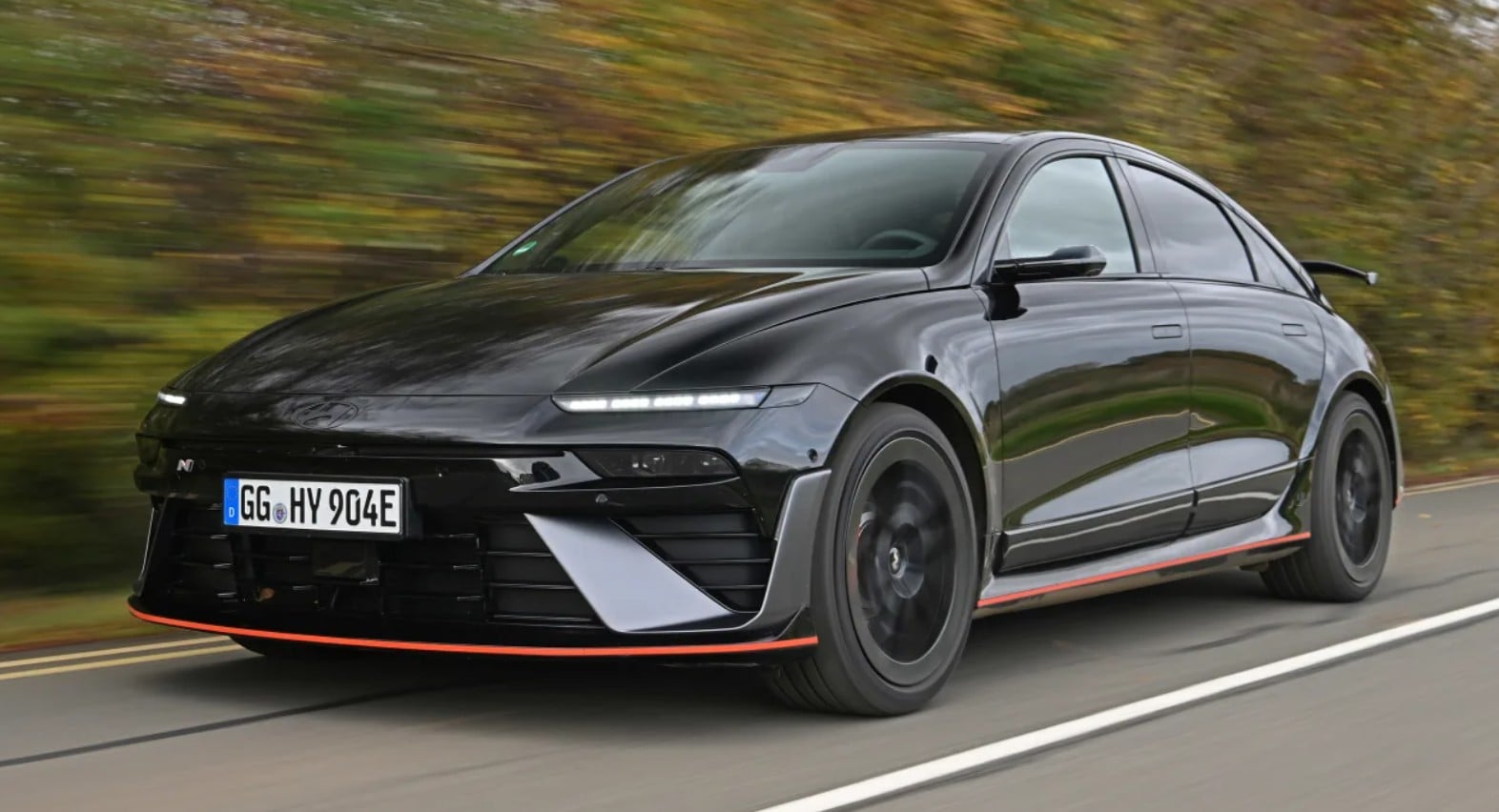
Hyundai’s second high-performance electric model builds on the strong foundation laid by 2024-25 Wheels Car of the Year, the Ioniq 5 N, but takes a more polished and focused approach. The Ioniq 6 N shifts the emphasis toward refinement and precision, without losing the engaging character that made its predecessor stand out.
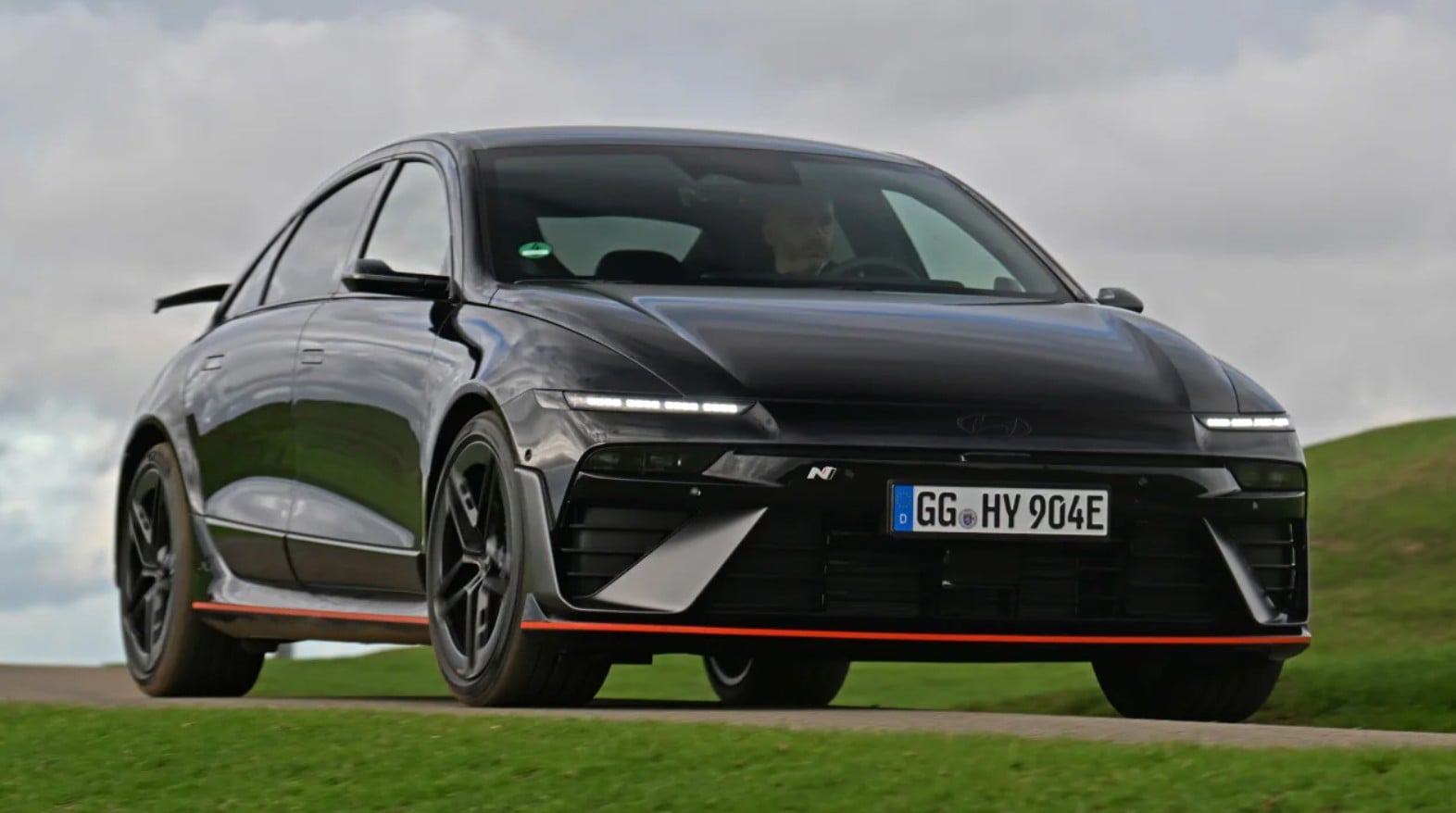
Based on the updated Ioniq 6 platform, the N version introduces a series of chassis and suspension revisions aimed at improving composure and driver confidence. A redesigned suspension geometry, increased structural stiffness and revised damping contribute to a car that feels planted across a variety of road conditions. Compared with the 5 N, the 6 N delivers a more settled ride, with improved compliance over uneven surfaces.
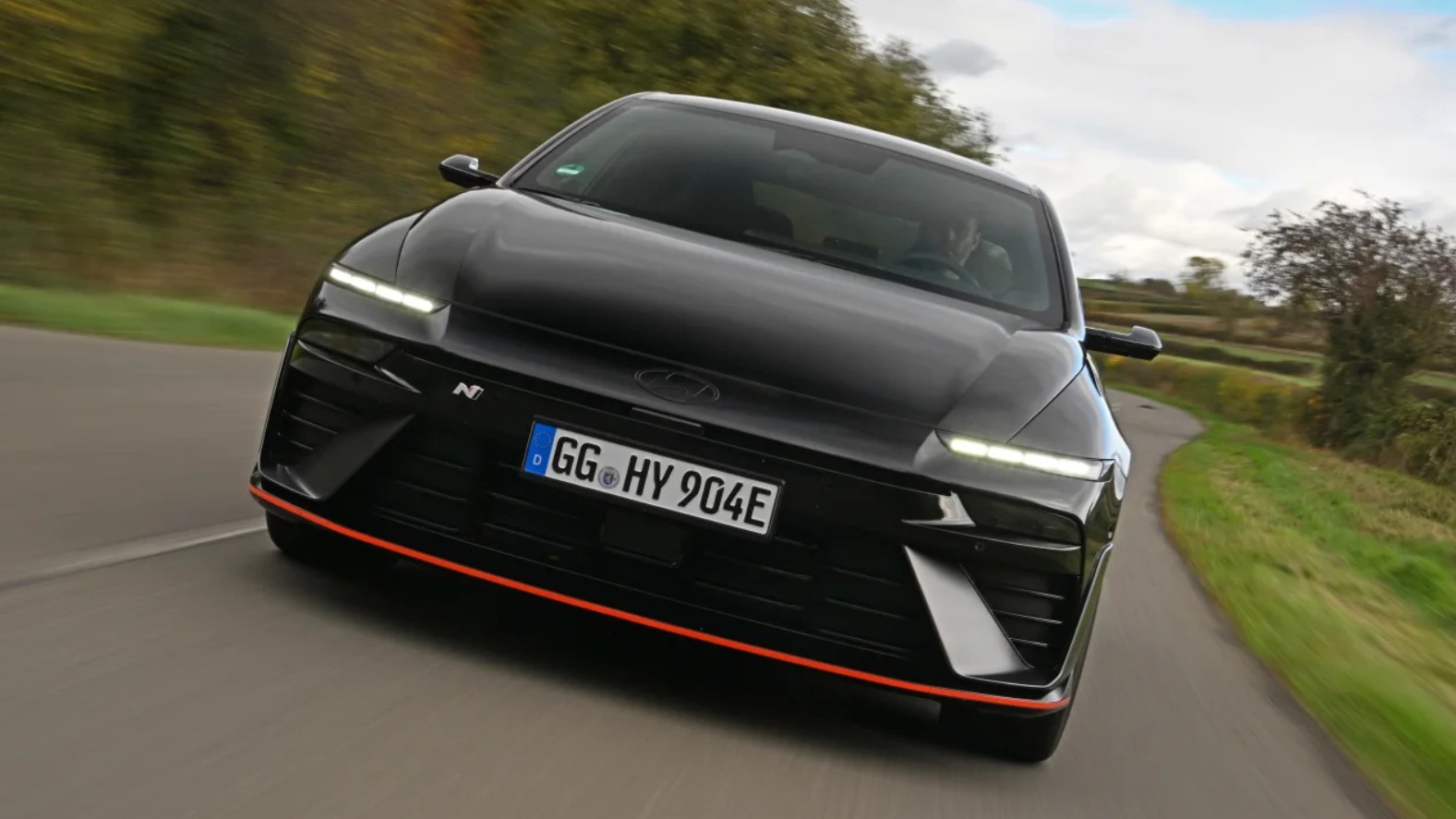
Its streamlined body also plays a role in its character. With a drag coefficient of 0.27Cd, the Ioniq 6 N is notably quiet at speed, with minimal wind and road noise. Despite the addition of performance-focused elements such as a rear wing and wider track, aerodynamic efficiency remains a key strength.
3
On the road, the car’s balance is immediately apparent. Steering is direct and responsive, and the chassis resists understeer even in damp conditions. Grip levels are strong, helped by performance-oriented tyres, while the lowered roll centre and adaptive dampers enhance stability.
Hyundai has also continued to refine its simulated driving technologies. The updated N e-Shift system mimics the behaviour of a conventional gearbox, complete with paddle-operated shifts and a sense of interruption in power delivery if ratios are mistimed. While the accompanying synthetic sound won’t appeal to everyone, it adds an extra layer of interaction that is often missing in electric performance cars.
Performance remains a key part of the package. Acceleration is brisk, with a 0–100km/h time of around 3.2 seconds, and the car continues to build speed with ease. At the same time, its 800-volt electrical architecture supports rapid charging, with high-speed charging capability allowing a 10 to 80 per cent top-up in under 20 minutes under ideal conditions.
7
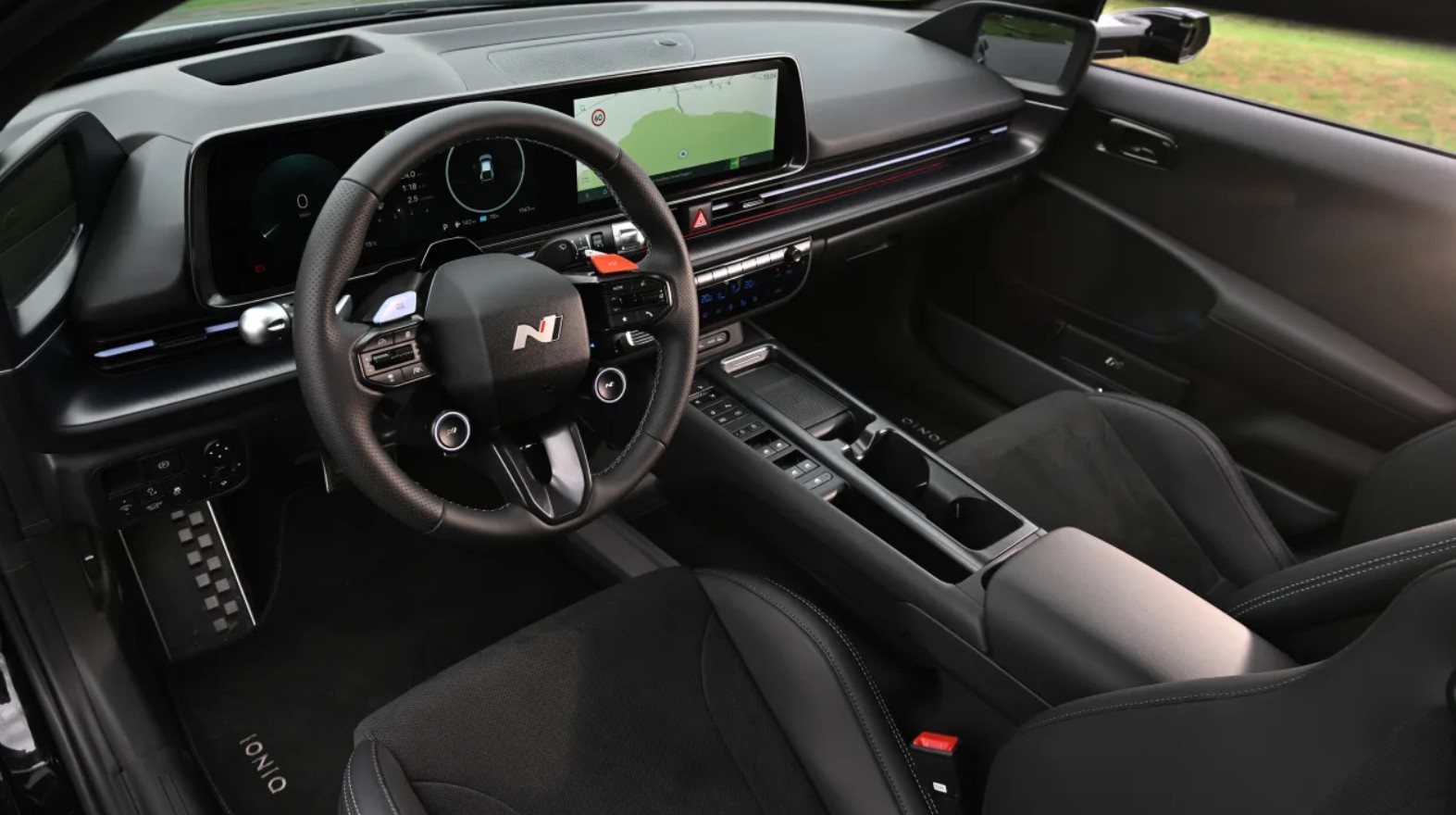
Inside, the Ioniq 6 N retains a driver-focused layout with a dual-screen interface and a range of performance-specific displays. Practicality is reasonable for a sedan, although rear headroom and boot access are somewhat limited compared with more traditional shapes.
The result is an electric performance car that prioritises driver engagement as much as outright speed. While it doesn’t replicate the character of a traditional petrol-powered sports car, it comes closer than most, offering a compelling alternative for enthusiasts considering the shift to electric.
6
Specs
| Powertrain | Dual-motor electric (AWD) |
|---|---|
| Battery | 84kWh lithium-ion |
| Power | 478kW |
| Torque | 770Nm |
| Transmission | Single-speed automatic |
| Drive type | All-wheel drive |
| 0–100km/h (claimed) | 3.2 seconds |
| Top speed | 257km/h |
| Range (claimed) | 469km |
| Max DC charging rate | Up to 350kW (approx. 10-80% in 18 minutes) |
| Max AC charging rate | 11kW |
| Weight | 2166kg |
| Dimensions (l/w/h/wb) | 4935mm / 1940mm / 1495mm / 2965mm |
Follow WhichCar/Wheels on Google
Click the button below to make WhichCar by Wheels a preferred source for your news.

We recommend
-
 Reviews
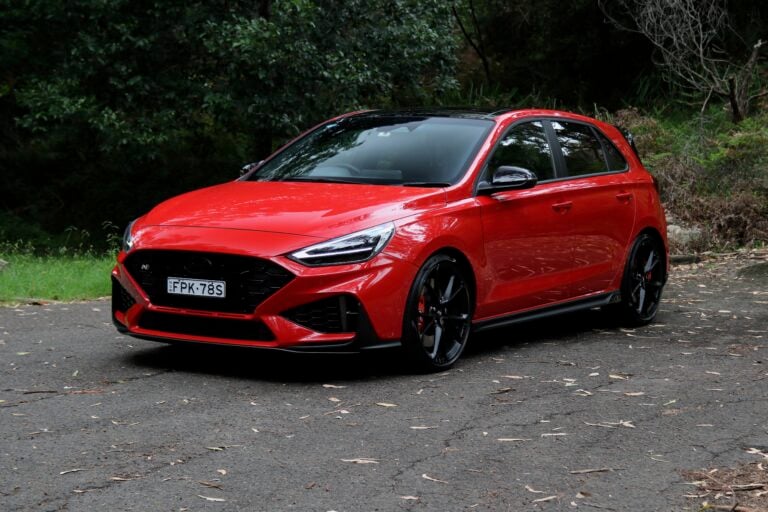
Hyundai i30 N review: Still a masterclass of the hot hatch form
The Hyundai i30 N is hardly the newest kid on the block in the hot hatch world, but is it still one of the best in 2026?
-
 Features
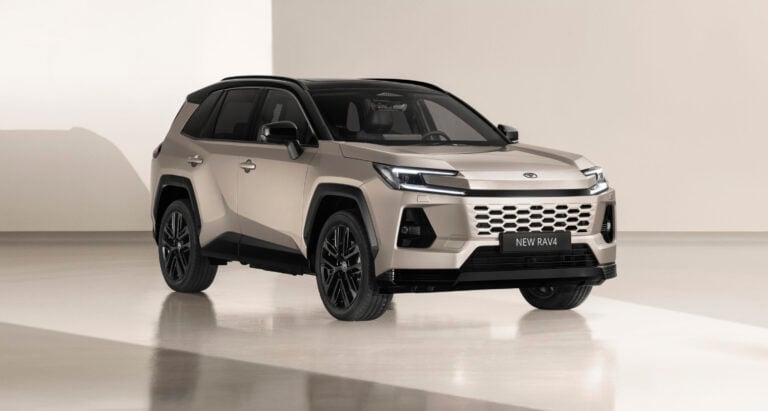
Our favourite hybrid medium SUVs to help you save money at the bowser
Despite high fuel prices, mid-size SUVs remain the most popular car segment in Australia. Here are our favourite hybrid models that will save you money.
-
 Reviews
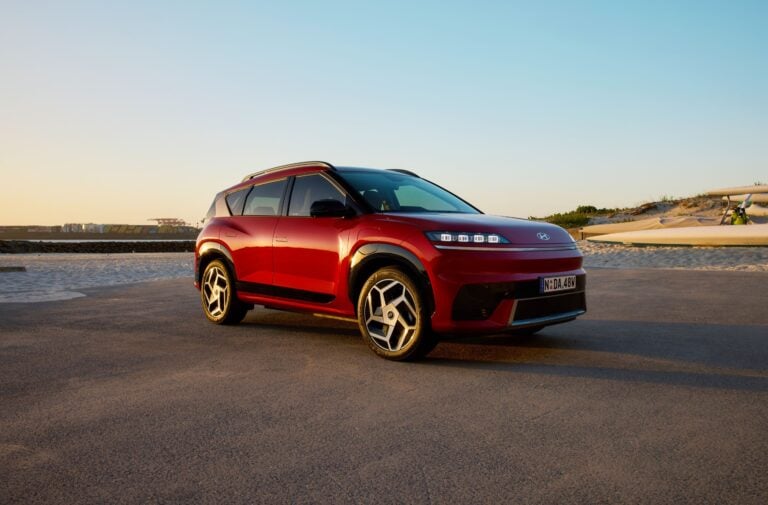
2026 Hyundai Elexio review: New electric mid-size SUV joins the fray
The 2026 Hyundai Elexio might be the most important electric vehicle Hyundai has ever sold in Australia
