Features

Gallery 1
Medium SUVs continue to be the flavour of the month – well, year, no, decade… actually, make that century – and their sales show no signs of abating anytime soon. Most manufacturers offer one in some form, with some even offering two options for buyers, and they come in all different styles and with different drivetrains. Importantly, most medium SUVs offer a hybrid drivetrain of some sort, which only help their sales further. Have you got a medium SUV under consideration for your next car purchase? Here are our 10 favourites:
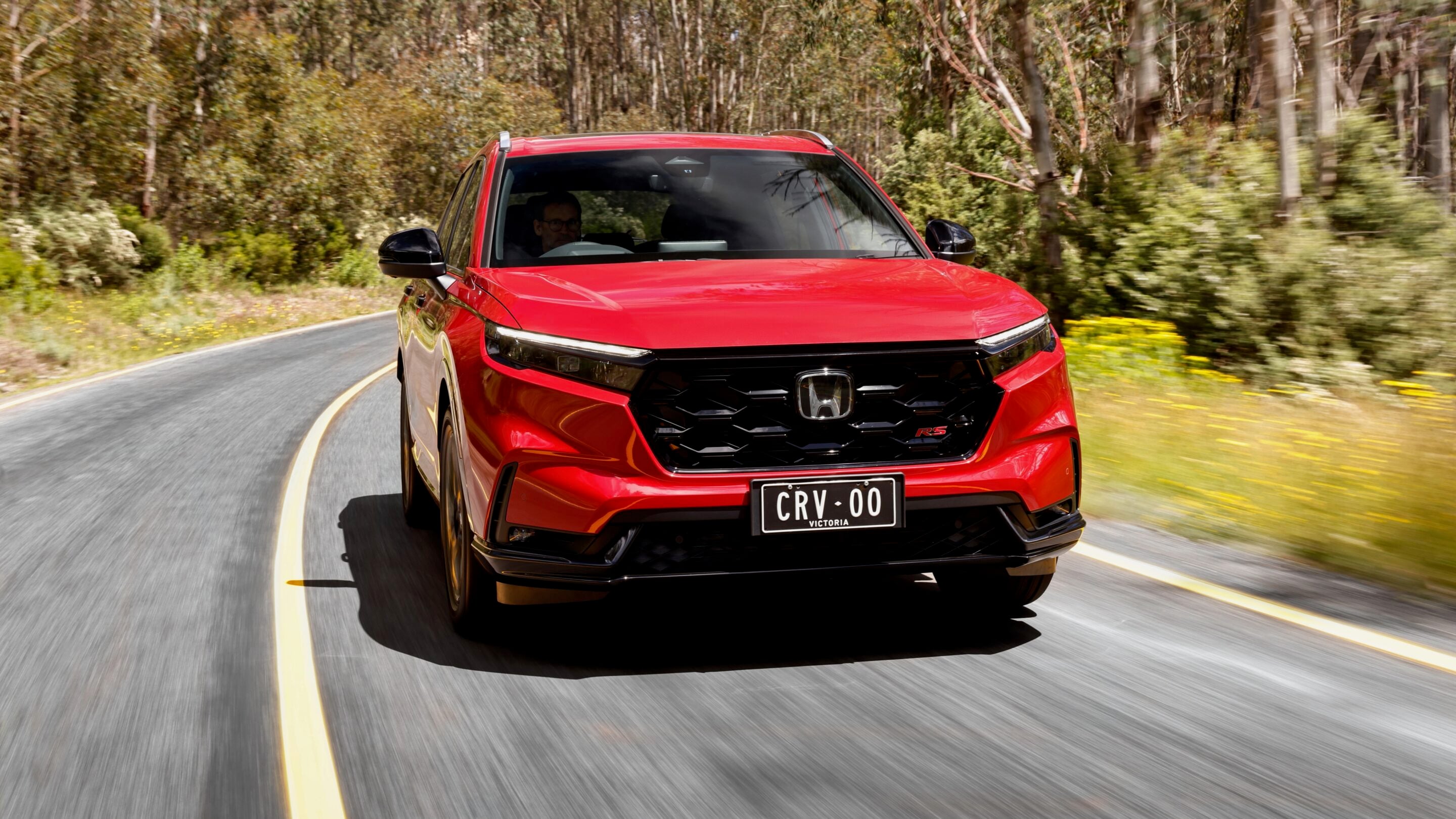
Honda CR-V e:HEV
3
Drivetrain: 2.0-litre four-cylinder hybrid, 135kW, CVT, front or all-wheel drive
Combined fuel economy: 5.5L/100km (2WD) – 5.7L/100km (AWD)
In our view the Honda CR-V is one of the best medium SUV options currently on the market thanks to its combination of spacious cabin, quality materials, generous list of standard features, a great driving experience and its punchy yet efficient 2.0-litre hybrid drivetrain. Honda has just updated the CR-V with design and equipment tweaks, and made the hybrid drivetrain more widely available in the range with pricing starting at $49,900 driveaway for the entry-level hybrid model that’s called the e:HEV X.
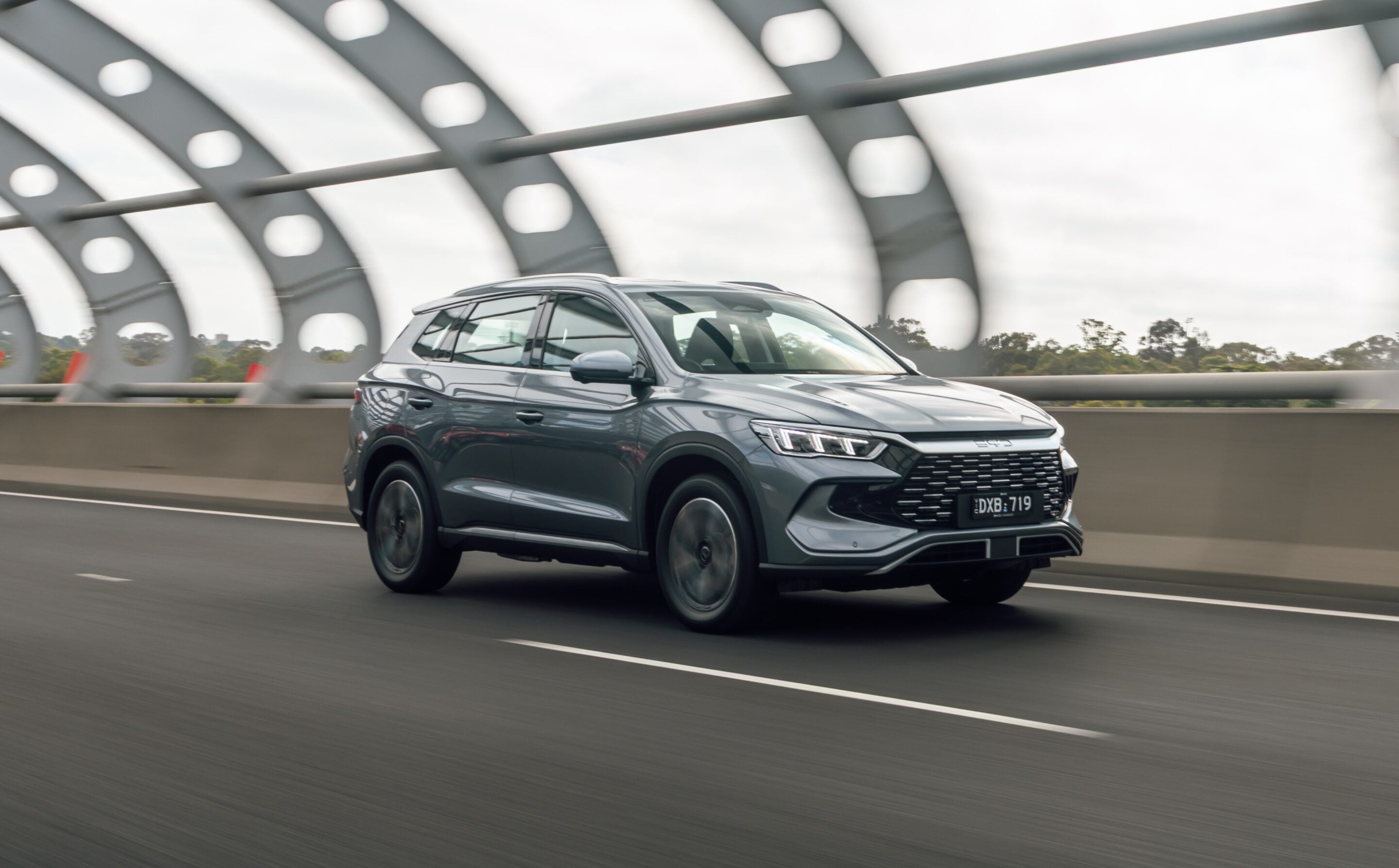
BYD Sealion 5
3
Drivetrain: 1.5-litre four-cylinder plug-in hybrid, 156kW, DHT, front-wheel drive
Battery size, electric range: 12.9kWh or 18.3kWh, 71-100km (NEDC)
Combined fuel economy: 1.2-1.3L/100km (full charge), 4.5-4.6L/100km (low charge)
The BYD Sealion 5 entered the Australian market earlier this year as Australia’s cheapest plug-in hybrid SUV, priced from $33,990 +ORC. It features an efficient plug-in hybrid drivetrain pumping out 156kW of power, but it can also travel up to 100km electrically. Two models are available with two different battery sizes and a 156kW drivetrain handles the propulsion. Fully charge it and you’ll reportedly see just 1.3L/100km of combined fuel consumption, which is more than handy in the current fuel crisis.
Chery Tiggo 7 Super-Hybrid

3
Drivetrain: 1.5-litre four-cylinder turbocharged plug-in hybrid, 255kW, DHT, front-wheel drive
Battery size, electric range: 18.4kWh, 93km (NEDC)
Combined fuel economy: 1.4L/100km (fully charged)
The Chery Tiggo 7 Super Hybrid used to be Australia’s most favoured plug-in hybrid SUV before the BYD Sealion 5 arrived, but it still only costs from $34,990 driveaway for the entry-level Urban model. The Tiggo 7 Super Hybrid is impressively efficient with a claimed 93km electric driving range, as well as a total range of 1200km. The Tiggo 7 is also practical and well equipped, and its stunning value for money is exactly what we expect from Chery.
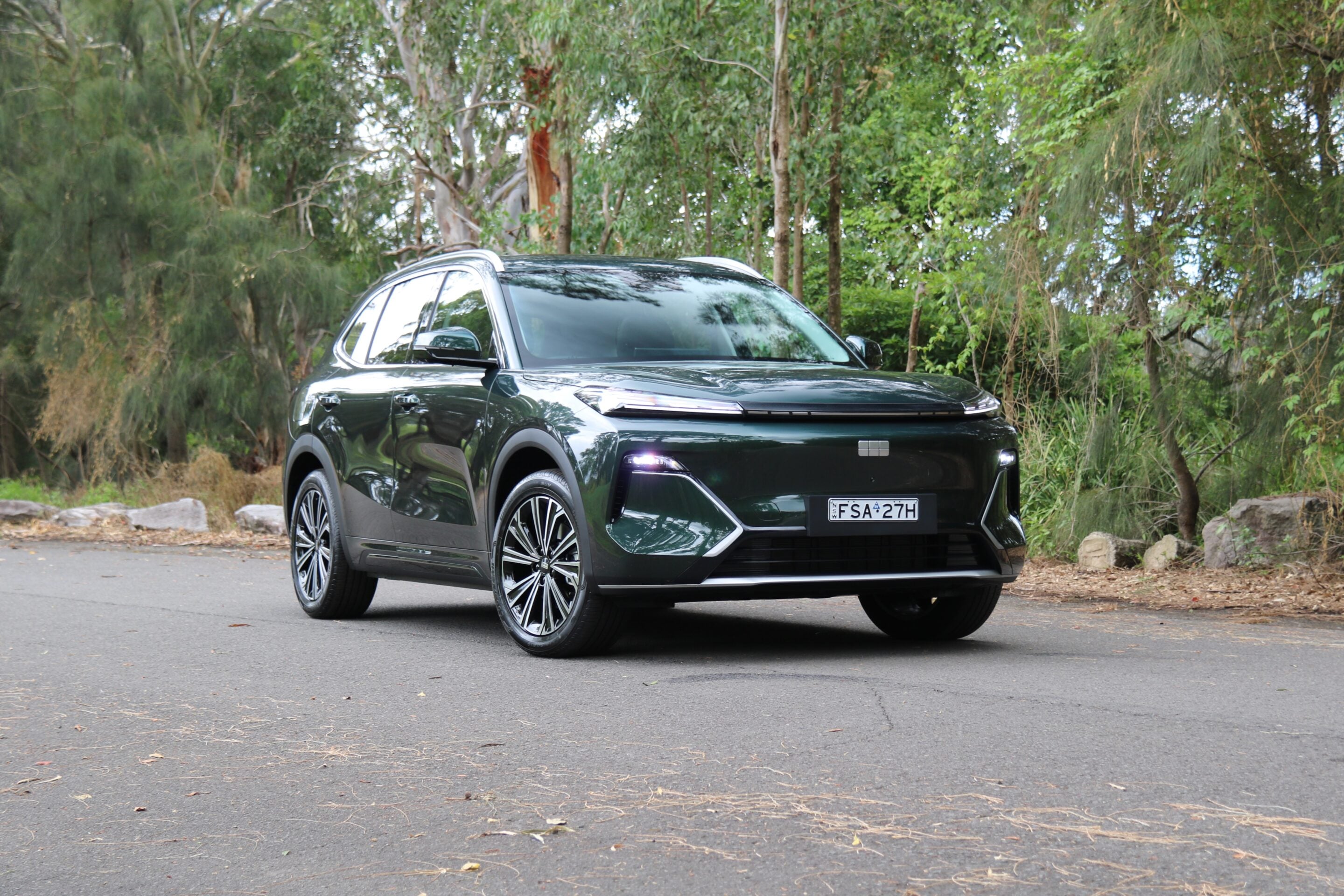
Geely Starray EM-i PHEV
3
Drivetrain: 1.5-litre plug-in hybrid, 193kW, 18.4kWh battery, DHT, front-wheel drive
Claimed combined fuel consumption: 2.4L/100km
EV range: 83km
The Geely Starray entered the Australian market in late 2025 but is already selling well thanks to its healthy 83km electric range, combined fuel consumption of only 2.4L/100km (if fully charged) and handsome styling. It’s also well equipped, practical and its cabin quality is excellent – plus, its huge central touchscreen is easy to use and screen quality is quite sharp as well.
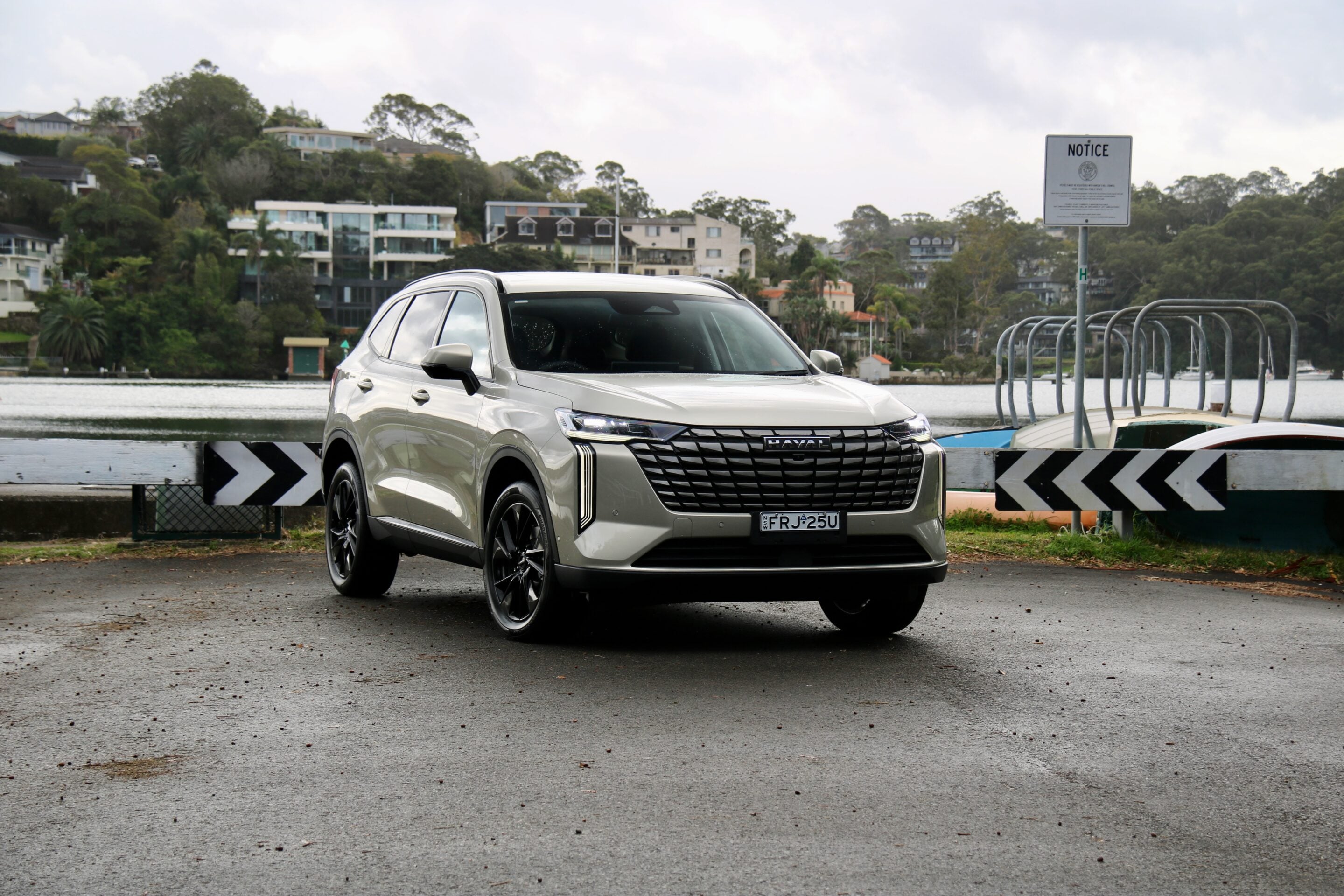
GWM Haval H6
3
Powertrain: 1.5-litre four-cylinder turbo hybrid, 179kW, two-speed auto, front- or all-wheel drive
Fuel efficiency: 5.2L/100km
The GWM Haval H6 was given a big update last year, which improved its styling and dynamics, gave it a new infotainment system and improved its already strong value-for-money credentials even further. The base Lux hybrid is priced from just $40,990 driveaway but is often discounted further so currently it’s priced at $36,990 driveaway. Its hybrid system is punchy and gives good performance, but it’s also rated at just 5.2L/100km on the combined cycle. A plug-in hybrid with 100km of electric range is also available, which adds a new infotainment system.
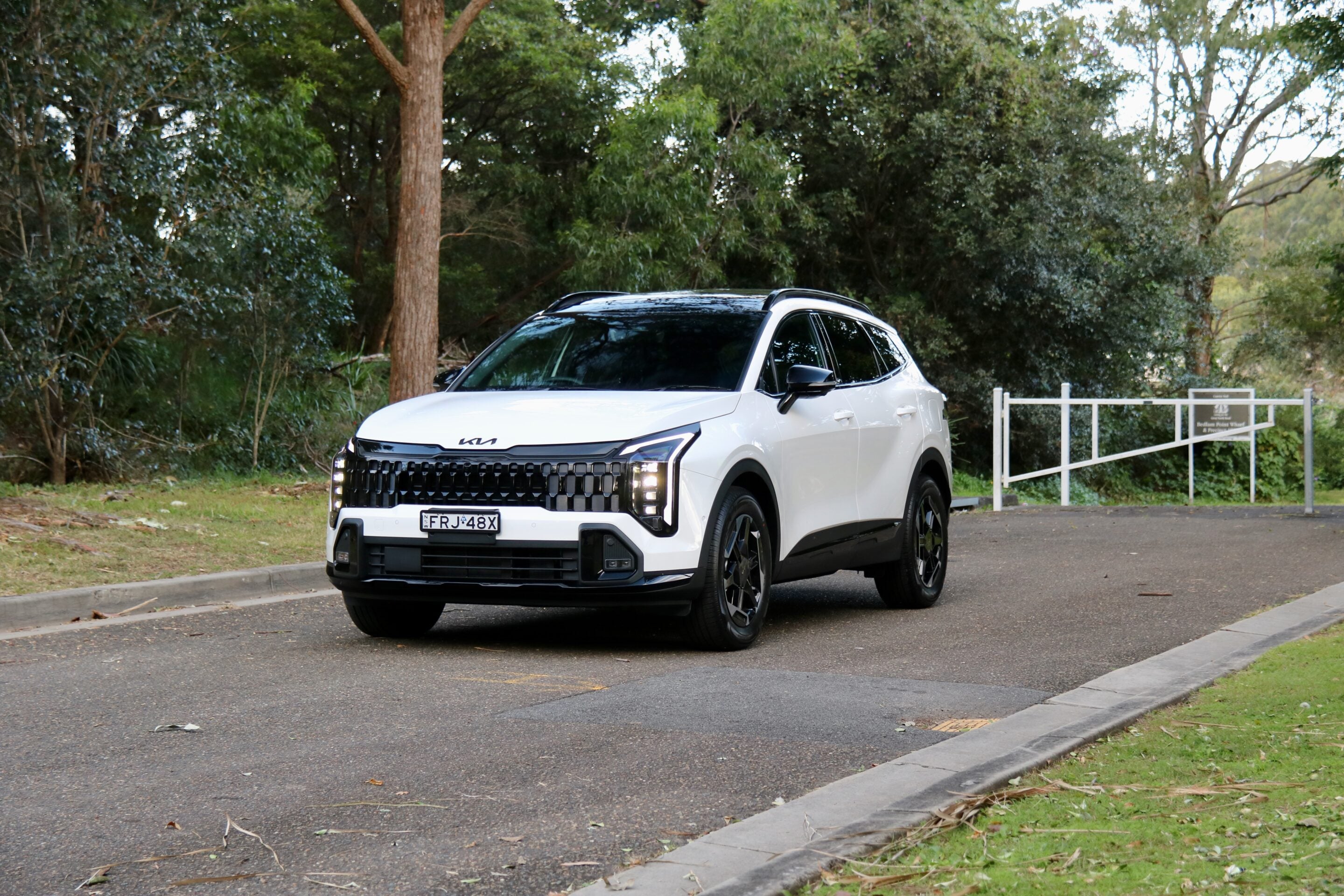
Kia Sportage Hybrid
3
Drivetrain: 1.6-litre turbocharged four-cylinder hybrid, 173kW, six-speed auto, front- or all-wheel drive
Combined fuel economy: 4.9L/100km (2WD) – 5.3L/100km (AWD)
Kia’s Sportage is a perenially strong performer in the medium SUV segment and one of the reasons why is that it offers so much choice, with petrol, turbo-petrol, turbo-diesel and turbo-hybrids all on offer in Australia. We think that the hybrid option – albeit more expensive than the others – is the one to buy as it’s got more than enough punch and is quite fuel efficient. The Sportage is also practical, great to drive and covered by a long seven-year warranty.
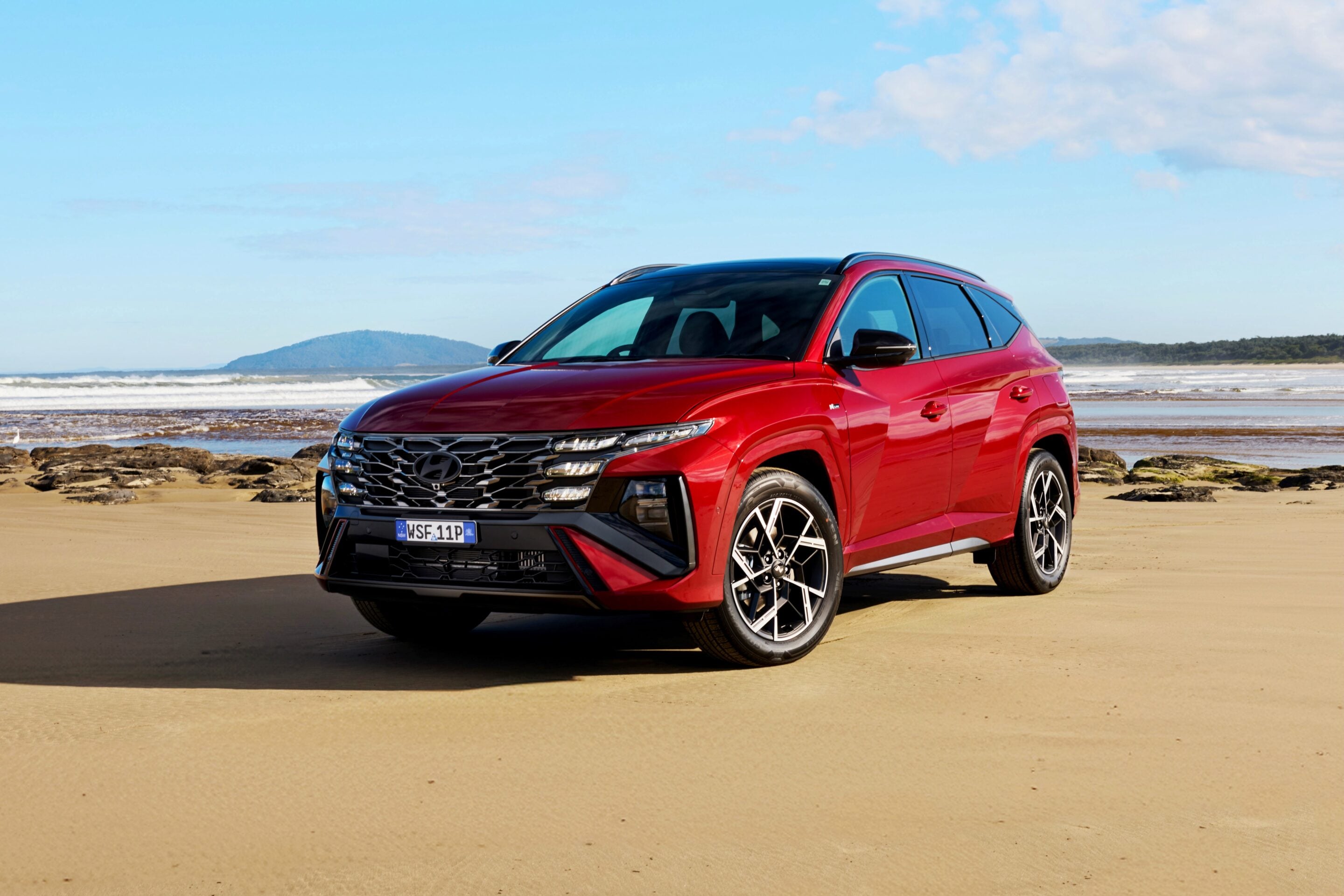
Hyundai Tucson Hybrid
3
Drivetrain: 1.6-litre turbocharged four-cylinder hybrid, 172kW, six-speed auto, front- or all-wheel drive
Combined fuel economy: 4.9L/100km (2WD) – 5.3L/100km (AWD)
The Hyundai Tucson was the overall winner of Wheels Best Medium SUV 2025 and that’s because it’s spacious, well equipped, good value for money and good to drive. Its punchy and efficient hybrid drivetrain features on all models (aside from two). Fold the rear seats down and it offers the most spacious boot in the mid-size segment at a huge 1903 litres, and interior practicality is also excellent.
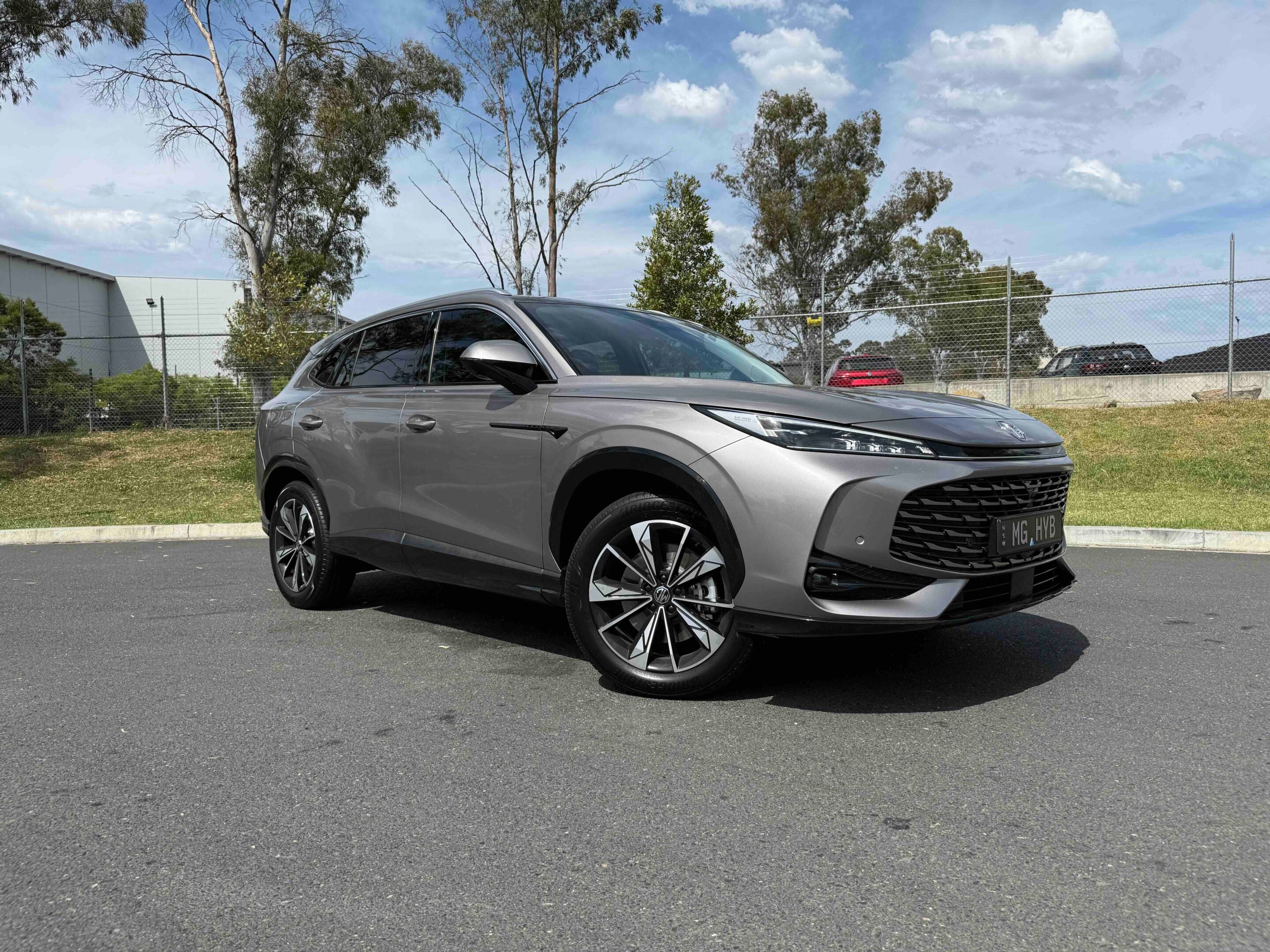
MG HS Hybrid+
3
Drivetrain: 1.5-litre turbo four-cylinder hybrid, 165kW, eCVT, front-wheel drive
Combined fuel economy: 5.2L/100km
In case you missed it, the MG HS Hybrid+ came very close to winning Wheels Car of the Year 2025-26, which is no mean feat. That’s thanks to its high quality and spacious cabin, long list of standard features, solid driving experience and excellent hybrid system that provides more than enough punch but can easily match its 5.2L/100km claimed fuel consumption figure. Pricing starts from just $40,990 driveaway and the HS is also covered by MG’s long warranty program with up to 10 years of coverage.
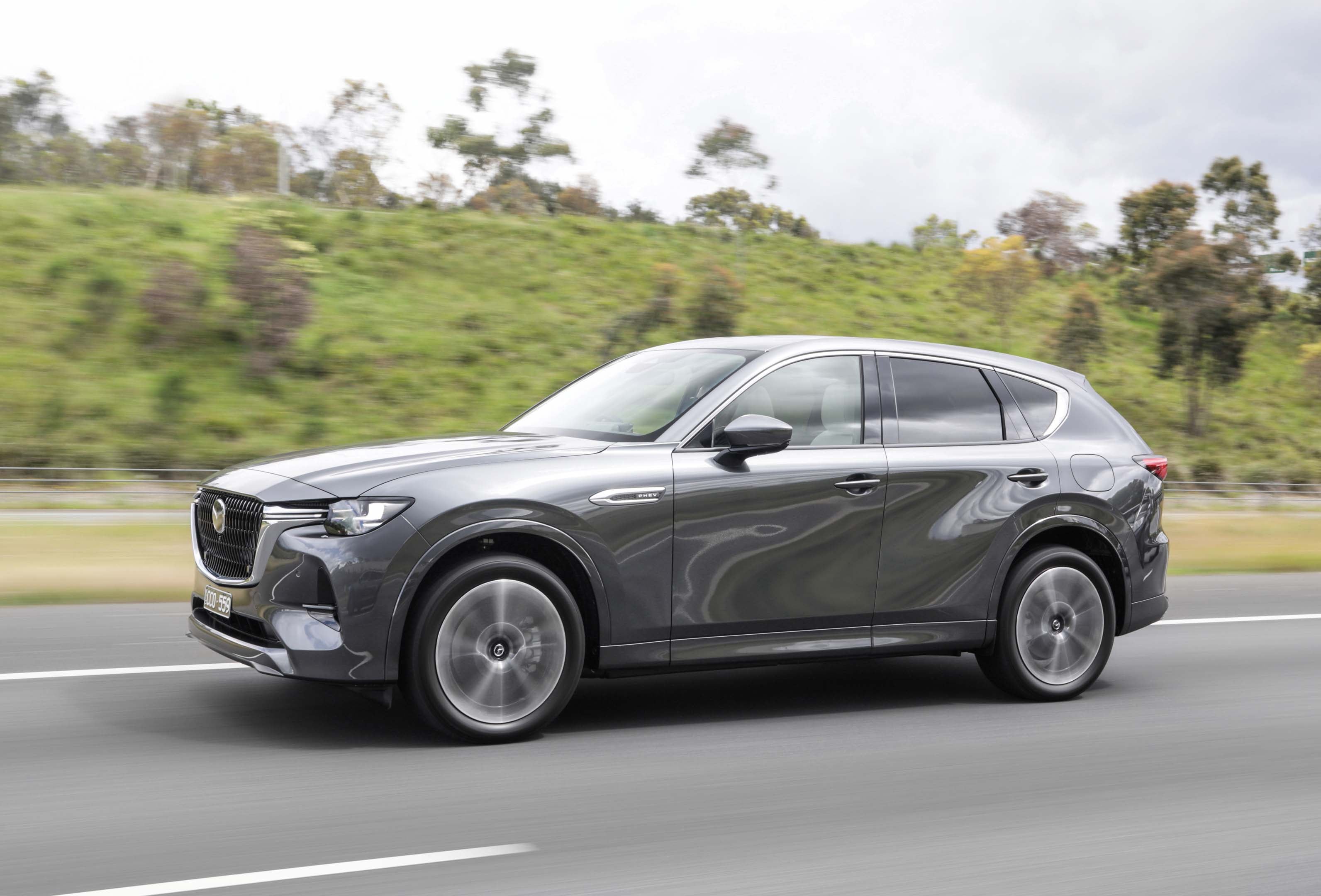
Mazda CX-60 PHEV
3
Drivetrain: 2.5-litre four-cylinder plug-in hybrid, 241kW, eight-speed auto, all-wheel drive
Battery size, electric range: 17.8kWh, 78km (NEDC)
Combined fuel economy: 2.1L/100km (fully charged)
Mazda’s first plug-in hybrid in Australia was the mid-size CX-60 before the later arrival of the larger seven-seat CX-80. Both feature a strong 241kW 2.5-litre plug-in hybrid drivetrain with up to 78km of electric driving range, which is also capable of a low 2.1L/100km combined fuel consumption (if charged). There are also mild-hybrid drivetrains in the CX-60 range, including a 187kW diesel that returns just 5.0L/100km, giving buyers plenty of options to save fuel,. Regardless, the CX-60 is a sweet steer that is fun and involving to drive.
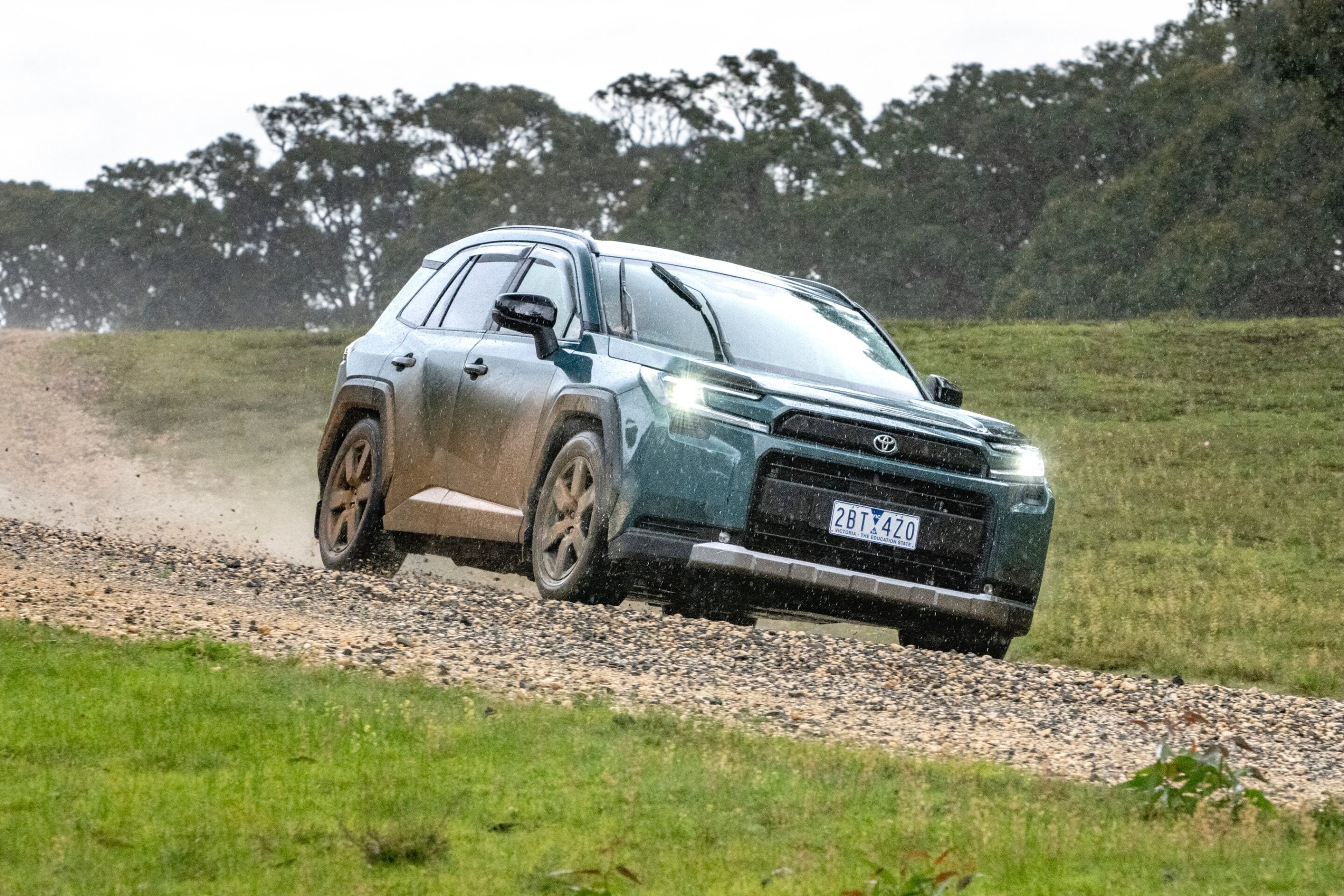
Toyota RAV4
3
Drivetrain: 2.5-litre four-cylinder hybrid, 143kW, eCVT, front- or all-wheel drive
Combined fuel economy: 4.5L/100km
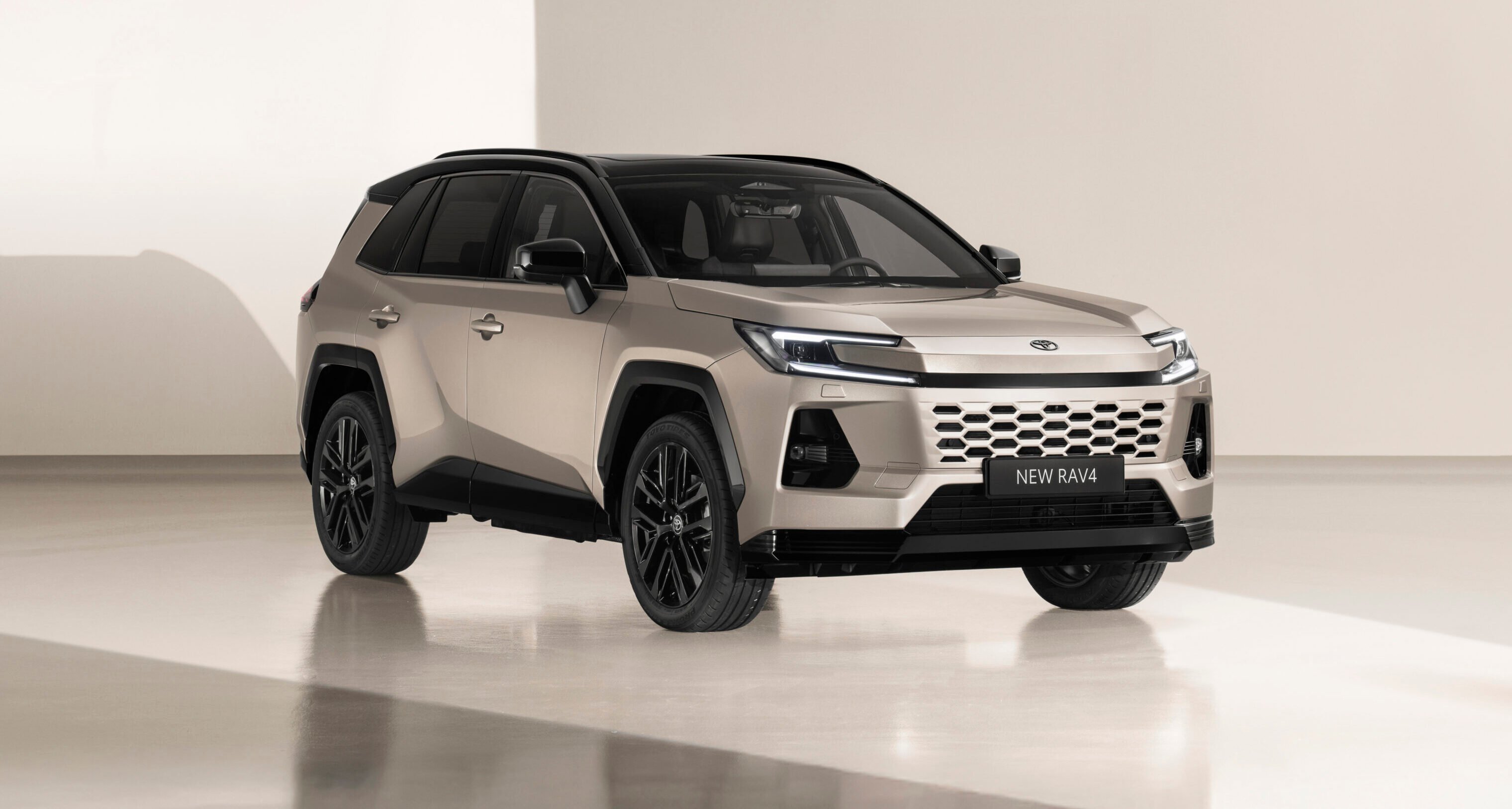
Finally, we come to the Big Kahuna of the global car industry: the Toyota RAV4. The sixth-generation model, priced from $45,990 plus on-road costs, has just hit Australian shores sporting a new look, a new cabin design, a lot more tech and an even more efficient 2.5-litre hybrid system that’s capable of using just 4.5L/100km of fuel. The new RAV4 is also more satisfying to drive than before, better equipped and we’re expecting to see a long wait list pretty soon for fans of the model.
Follow WhichCar/Wheels on Google
Click the button below to make WhichCar by Wheels a preferred source for your news.

We recommend
-
 Features
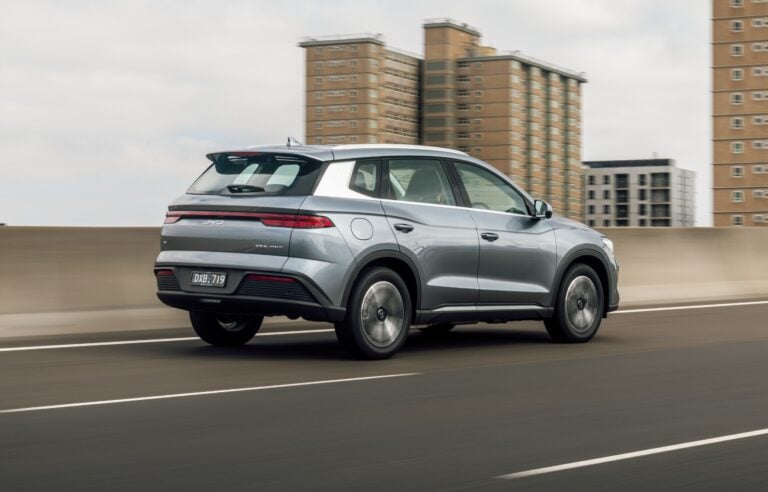
Cars that will significantly reduce your fuel bill NOW
Our rundown of the best new car options to reduce fuel use significantly as Aussies endure record high petrol prices.
-
 Features
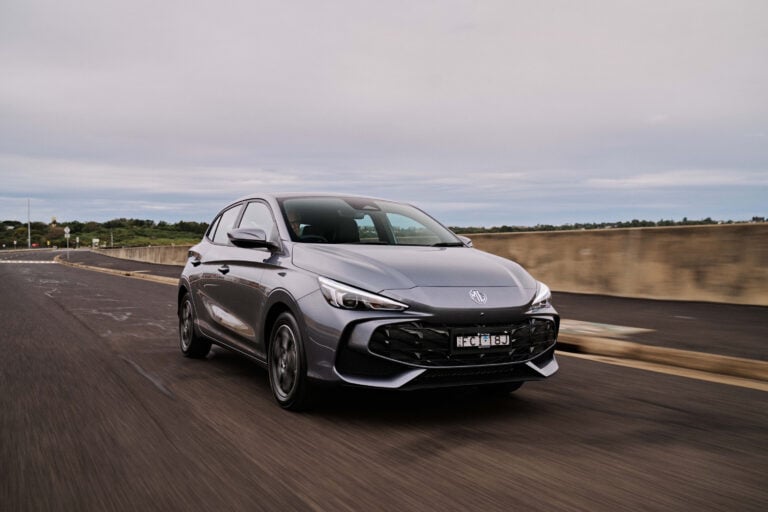
Keen to save fuel? Here are the 10 cheapest hybrid models in Australia
While they still use fuel in some capacity, hybrid cars can also drastically reduce your overall consumption in energy-challenged times. So which are the 10 cheapest hybrids in Australia?
-
 News
NewsMG4 EV Urban: Australian pricing announced for new cheap electric hatchback
Australia has another cheap EV option in the MG4 EV Urban, which will be available from April 1 priced from a sharp $31,990 driveaway.