Reviews

Gallery 1
8.2
/10
Score
Score breakdown
8.0
Safety, value and features
8.0
Comfort and space
9.0
Engine and gearbox
9.0
Ride and handling
7.0
Technology
Things we like
- Still a masterpiece of a hot hatch
- Very configurable to a driver's liking
- Far more driver involvement than most other new cars
Not so much
- Difficult clutch takes time to get used to
- Feeling a touch dated compared to new Hyundai models
- More expensive than it used to be
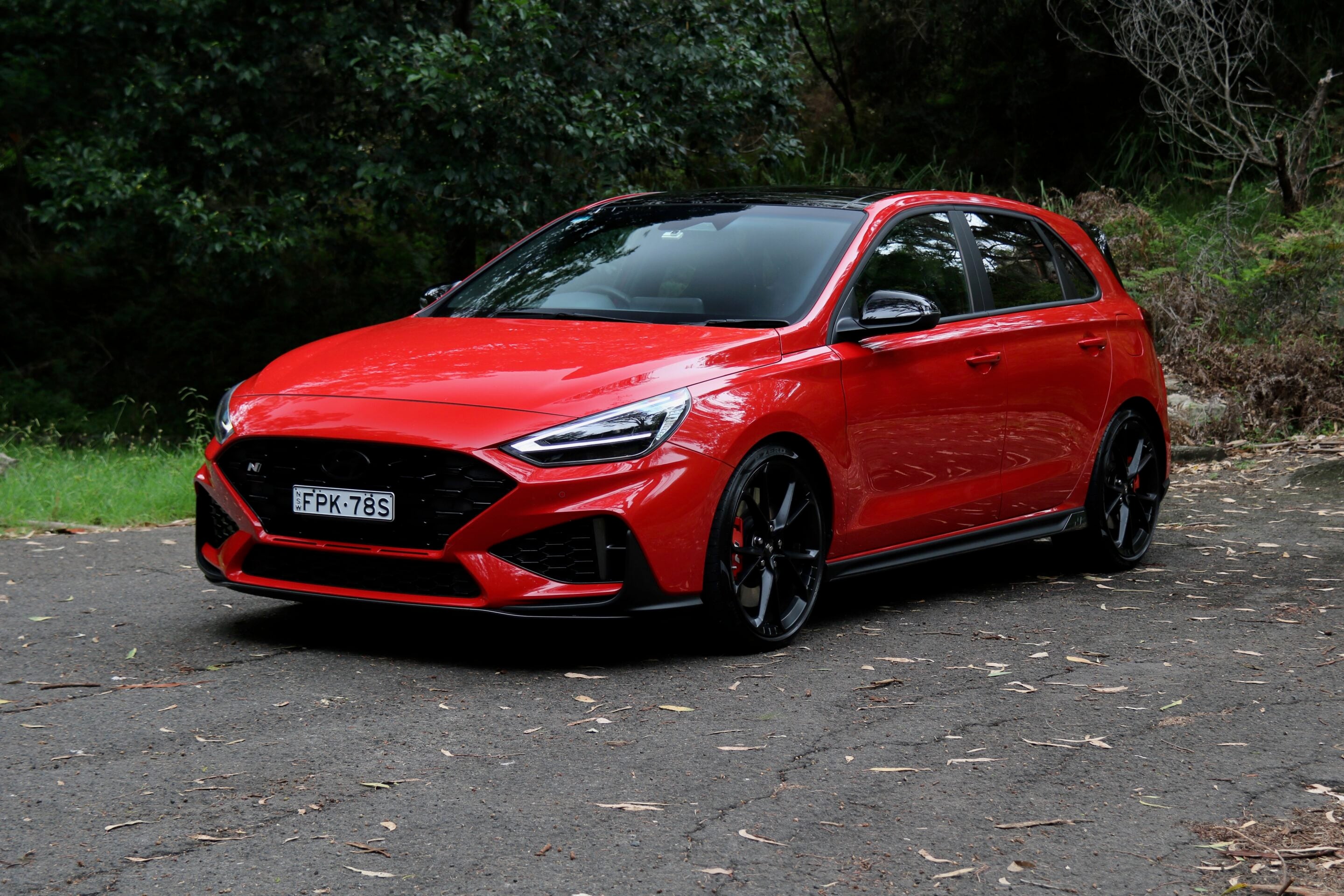
Way back in 2018, the arrival of the Hyundai i30 N almost rewrote the hot hatch rulebook. Developed at Hyundai’s Namyang R&D centre and refined at the Nürburgring in Germany, the i30 N was designed to compete with established hot hatches but significantly, was also priced from under $40,000.
It’s been a big success, especially in establishing the reputation of Hyundai’s N division in the performance car world. Almost 10 years on, the i30 N is still available (and the only remaining i30 hatchback in Australia). Let’s see how it fares in 2026.
As before, both hatchback and sedan variants of the i30 N range are available in Australia, and we are the only market in the entire world to still receive the hatchback. The Czech Republic-sourced i30 N hatchback is offered in two forms: base and Premium, while the South Korean-made sedan is only offered as a Premium.
2026 Hyundai i30 N hatchback pricing (plus on-road costs):
| i30 N (manual or DCT) | $52,000 |
|---|---|
| i30 N Premium (manual or DCT) | $55,500 |
In a big blow for enthusiasts, the affordable performance car market is unfortunately not what it used to be. When the i30 N launched, there were a whole multitude of competitors, including the Renaultsport Megane, Ford Focus ST and Peugeot 308 GTi but now, just the Volkswagen Golf GTI, Subaru WRX and Skoda Octavia RS remain available as true rivals to the i30 N.
The faster Toyota GR Corolla and GR Yaris, Honda Civic Type R, Cupra Leon VZx, VW Golf R, Audi S3, Mercedes-AMG A 45 and even the i30 N’s Ioniq 5N sibling also remain, but are all more expensive.
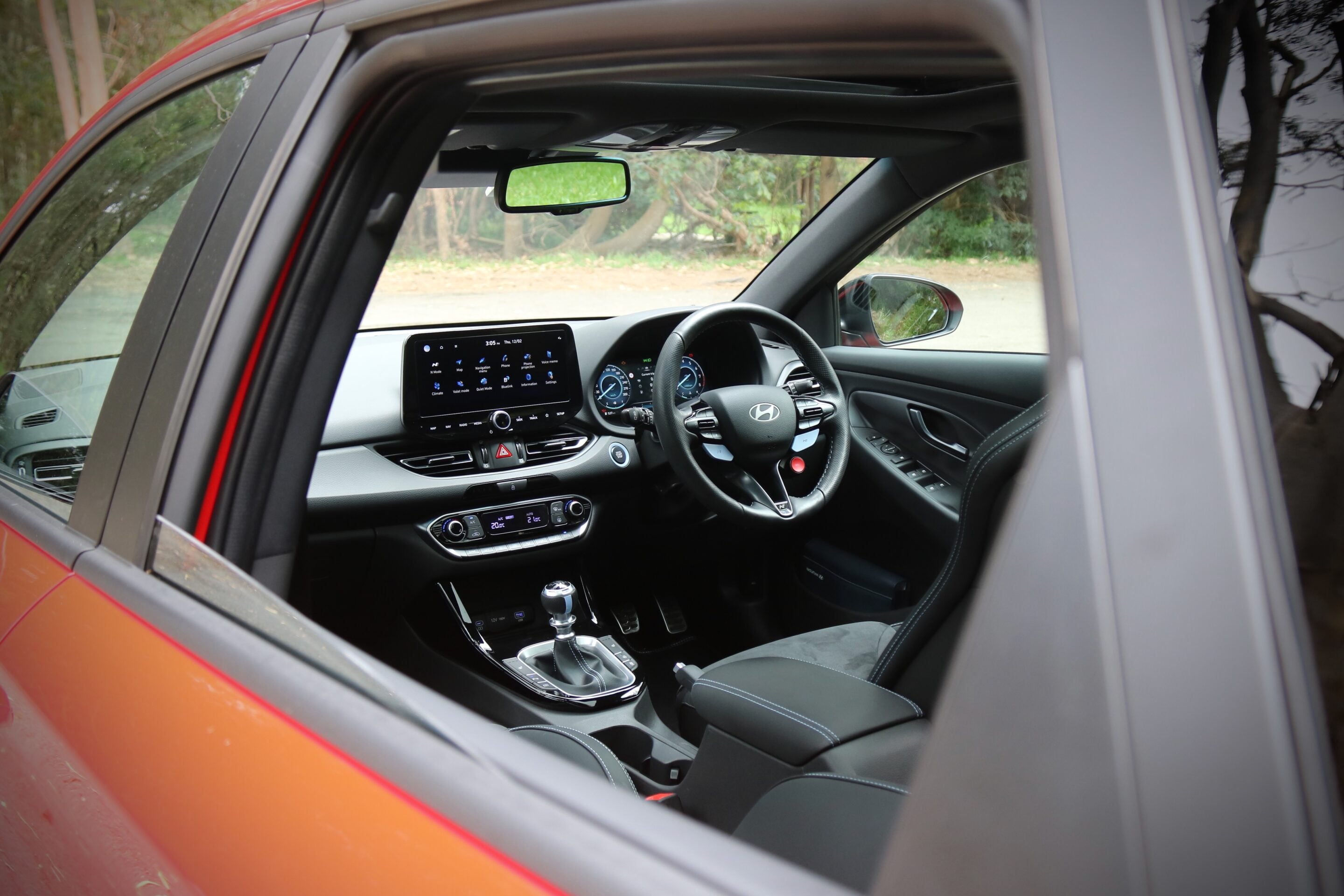
Jump into the cabin of the i30 N and you’d be forgiven for thinking that you had time travelled back to 2017 when this generation of i30 hatchback was released. There are no huge screens, wireless phone mirroring or lashings of synthetic leather trim everywhere. Instead, you get a relatively small (for 2026) 10.25-inch touchscreen with Hyundai’s older software, wired smartphone mirroring and a good dose of hard plastic dotted around the cabin. Don’t worry, quality is still good, as it was in 2017.
4
Pleasingly, the climate control panel is separate to the touchscreen, the technology is very easy to use and unlike so many other cars these days, you can just get in, put it in gear and set off.
While it feels dated in some ways, there are certain elements in the i30 N’s cabin that still feel special. Most notably in that regard, the highly supportive N sports seats with leather and suede upholstery and illuminated N logo, and the high quality three-spoke leather steering wheel with light blue N and red rev-matching buttons. Even the blue stitching around the cabin subtly reminds you that you’re driving something special.
Plus, the i30 N still provides the practicality that hot hatches are known for. There are plenty of storage spots in the front cabin for you to lose life’s trinkets, while rear seat space is fine for two six-foot tall adults as well. While it lacks rear air vents, there are charging ports, door pockets and a rear centre armrest to keep rear passengers happy.
The sizeable 392-litre boot is nicely square with some under-floor storage and a dual-level floor, and opens up to a healthy 1287 litres with the rear seats folded. Just remember to remove the strut bracing if you’re planning to carry longer items. In all, a Sunday morning brap followed by an afternoon Ikea shop is still very possible in the i30 N and it still pleases both sides of the brain.
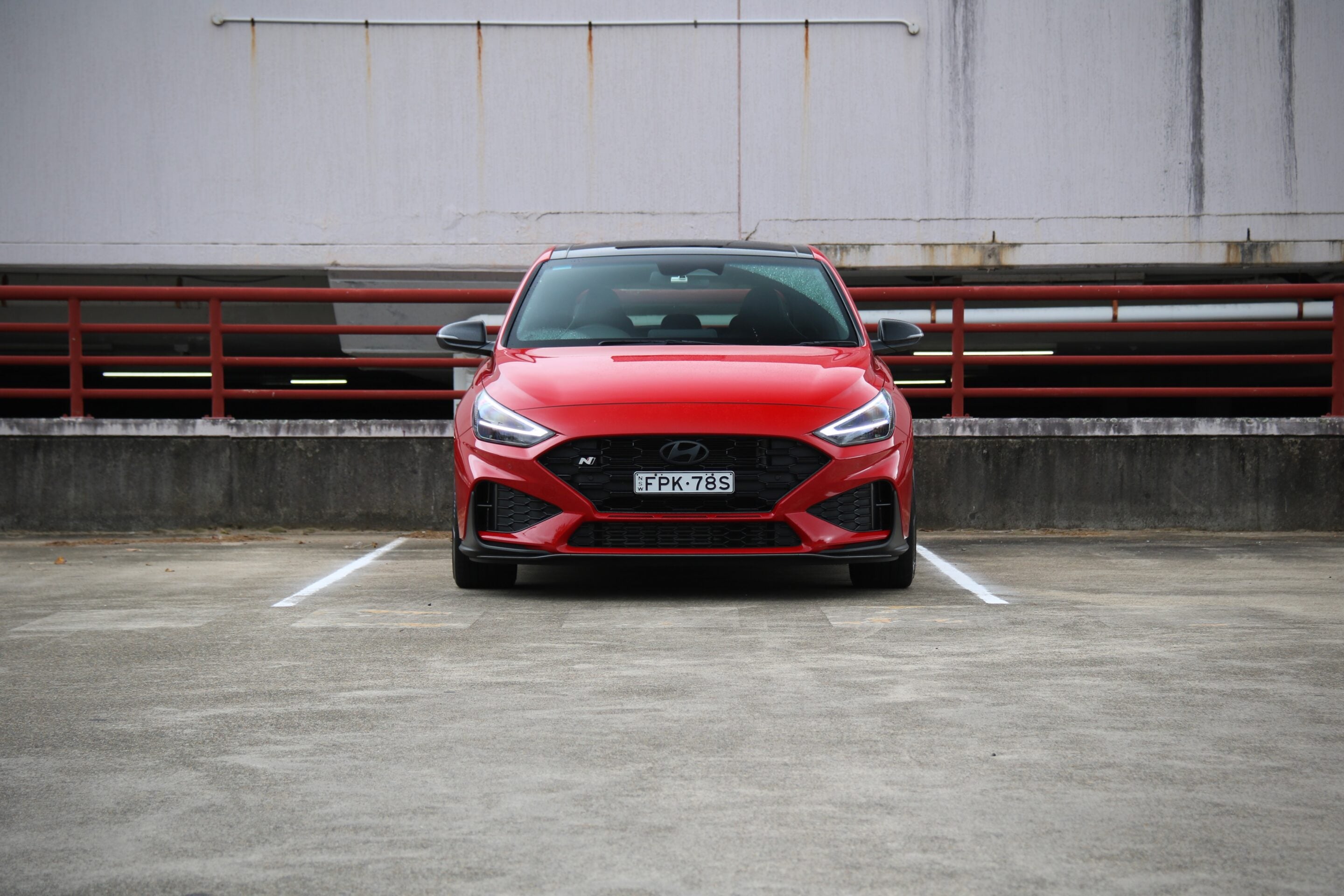
One of the biggest elements of the i30 N’s appeal is its customisation. Whereas some hot hatches feature switchable driving modes that make little change, the i30 N’s eco, normal, sport and N modes are dramatically different from one another and give it genuine multiple personalities in the best way possible. Every driving parameter about the i30 N, from the exhaust note to even the in-car displays, change with the drive mode and transform it. That’s nothing new to the i30 N, but it still delights in 2026.
5
What’s even better with these driving modes is that there is quite a lot of customisation involved. Drivers can adjust the exhaust, performance, steering, suspension, differential and so on to make their i30 N really theirs. We had it set up with the sport exhaust noise but normal steering weight… because we love the extra drama of the former but the more natural weighting of the latter.
Regardless of which driving mode is chosen by the driver, the i30 N is a sharp and involving hot hatch that ferociously rockets out of corners. Its fun factor is higher than the [more comfortable] Golf GTI, though it’s not as supercar-fast as a Honda Civic Type R. Still, at under six seconds to 100km/h with launch control, the i30 N is no slouch with the stopwatch. Plus, it’s also less expensive to buy than both of those rivals.
While it could be more characterful, the i30 N’s 2.0-litre turbocharged four-cylinder petrol engine is quite gutsy. Peak 392Nm of torque hits at just 2100rpm and thanks to the six short ratios, even full throttle in third gear pushes you back into your seat. It’s also keen to rev, with peak power punched out at a high 6000rpm, and it’s also easy to exploit one of the best parts of the experience: the exhaust.
The i30 N is known for its loud exhaust system that will crack and pop at the drop of a hat in the correct driving mode. While it’s certainly not subtle, some would actually say rather obnoxious, it gives an extra layer of character not found in many of its rivals like the Civic Type R. It also doesn’t need to be modified to reach that sound level, adding extra appeal to enthusiasts who like to modify their cars.
Two transmissions are available in the i30 N range: A sweet six-speed manual that our test car featured or an eight-speed dual-clutcher that launched with the N’s mid-life update back in 2021. The DCT is the more popular option as it adds a few safety features, ‘N Shift Grin’ maximum attack functionality and paddle shifters, but we prefer the manual because it’s more involving. The only downside to the manual is the oddly light clutch, which isn’t easy to master.
For those wanting to track their i30 N, Hyundai’s five-year/unlimited km warranty (with a complementary two-year extension if serviced through a Hyundai dealer for that five-year period) impressively covers ‘non-competitive’ track use. Five years/50,000km of servicing costs $1945, which is quite affordable for a hot hatch.
5
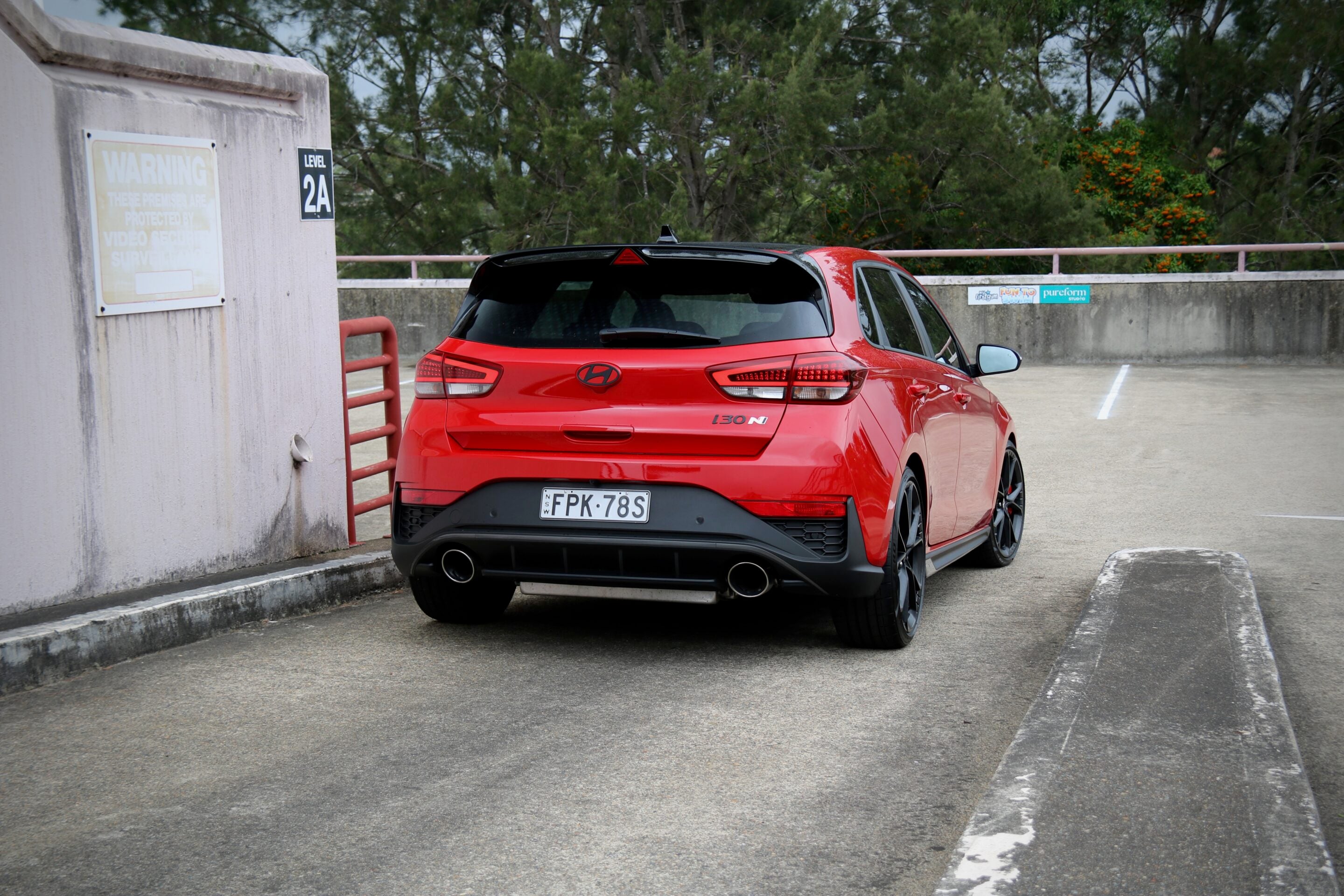
The Hyundai i30 N has been in showrooms for almost a decade in its current form, but still provides one of the biggest automotive grin factors. Sure, it feels a bit dated inside, its clutch is tricky and it’s noticeably more expensive than it’s been before but it’s still a wickedly fun, fast and rather old school hot hatch in the best way possible.
It’s fast and far more involving to drive than 99 per cent of new cars and yet, it’s also comfortable enough to be a daily driver thanks to its adaptive dampers. The i30 N isn’t the newest kid on the hot hatch block, but as we saw at its launch in 2018, it’s still one of the best.
Hyundai i30 N specifications:
| Model | Hyundai i30 N Premium |
|---|---|
| Price | $55,500 plus on-road costs |
| Engine | 1998cc turbocharged four-cylinder petrol |
| Peak power | 206kW (@ 6000rpm) |
| Peak torque | 392Nm (@ 2100 – 4700rpm) |
| 0-100km/h | 5.8 seconds (est.) |
| Claimed top speed | 250km/h |
| Transmission | Six-speed manual, front-wheel drive |
| Fuel type/tank size | 95 RON premium unleaded, 50 litres |
| Claimed combined fuel consumption | 8.5L/100km |
| Claimed combined CO2 emissions | 199g/km |
| Kerb weight | 1508kg |
| Dimensions (l/w/h/wb) | 4340/1795/1445/2650mm |
| Boot size (rear seats up/down) | 392 litres/1287 litres |
| On sale | Now |
Hyundai i30 N Premium standard features:
- 19-inch alloy wheels with a space-saver spare wheel
- Dusk-sensing automatic LED exterior lighting
- Rain-sensing automatic wipers
- Keyless entry with push button start
- Heated/auto-folding mirrors
- Rear privacy glass
- Leather and suede upholstery
- N sports front seats with illuminated N logo and heating
- Heated leather steering wheel
- Dual-zone automatic climate control
- 10.25-inch digital driver’s display
- 10.25-inch touchscreen
- Hyundai live services
- Wired Apple CarPlay and Android Auto
- Satellite navigation with live traffic updates
- DAB+/FM/AM radio
- Bluetooth calling and audio streaming
- Six-speaker sound system
- Wireless phone charger
- 4x USB ports
- Cruise control
- Switchable driving modes
- Automatic downshift rev-matching
- Variable exhaust
- Limited-slip differential
- Launch control
Our test car also featured the optional panoramic sunroof (+$2000).
i30 N Premium safety features:
- 7x airbags
- Autonomous emergency braking
- Lane keeping assistance with adaptive lane guidance
- Blind-spot monitoring with rear cross-traffic alert
- Rear occupant alert
- Safe exit alert
- Auto high beam
- Driver attention monitoring
- Speed sign recognition with overspeed alert
- Tyre pressure monitoring
- Anti-theft alarm
- Front and rear parking sensors
- Reversing camera
8.2
/10
Score
Score breakdown
8.0
Safety, value and features
8.0
Comfort and space
9.0
Engine and gearbox
9.0
Ride and handling
7.0
Technology
Things we like
- Still a masterpiece of a hot hatch
- Very configurable to a driver's liking
- Far more driver involvement than most other new cars
Not so much
- Difficult clutch takes time to get used to
- Feeling a touch dated compared to new Hyundai models
- More expensive than it used to be
Follow WhichCar/Wheels on Google
Click the button below to make WhichCar by Wheels a preferred source for your news.

We recommend
-
 News
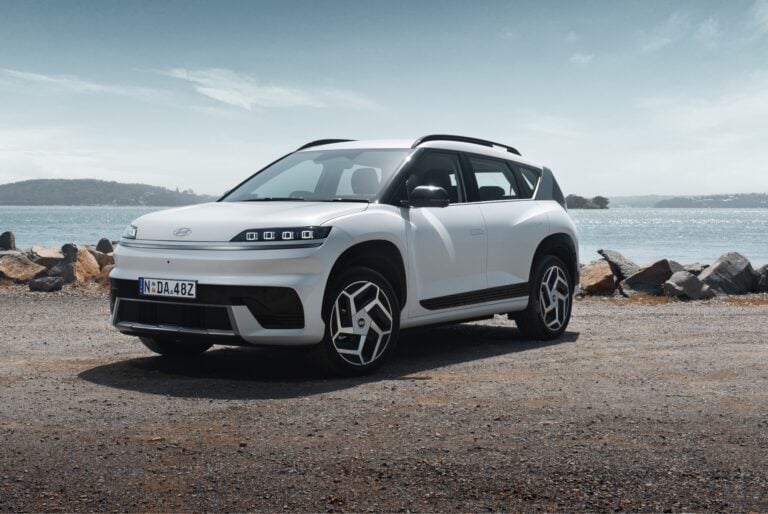
NewsFederal Government partners with Hyundai and Kia to offer discounted loans on electric vehicles
The federal government's Clean Energy Finance Corporation is committing up to $60 million to help reduce the cost of Hyundai and Kia EVs.
-
 Features
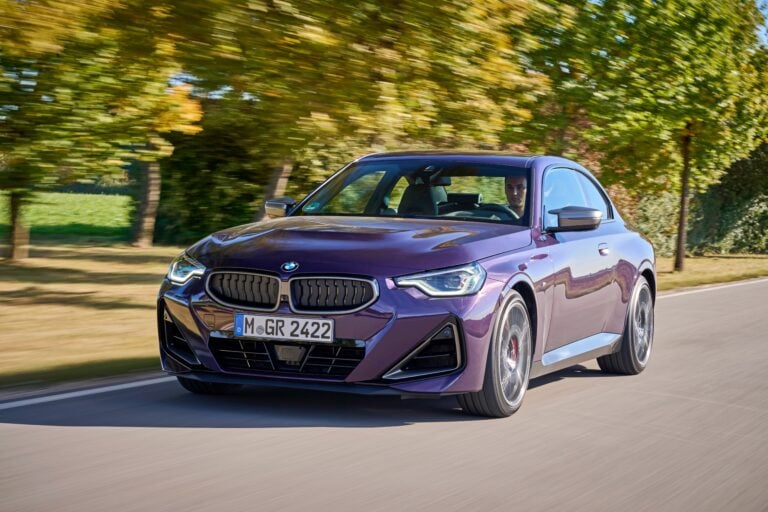
Over white, black and silver? Our pick of some of the best new car colours...
Most of us end up in cars coloured white, black, grey and silver. But to truly stand out, here are 10 new car colours that are far more interesting.
-
News
Hyundai confirms ELEXIO electric SUV for Australia with Q1 2026 launch
New mid-size EV slots between KONA Electric and IONIQ 5, offering 546km range and a $59,990 drive-away price.