Best Large SUVs

Gallery 1
Contenders
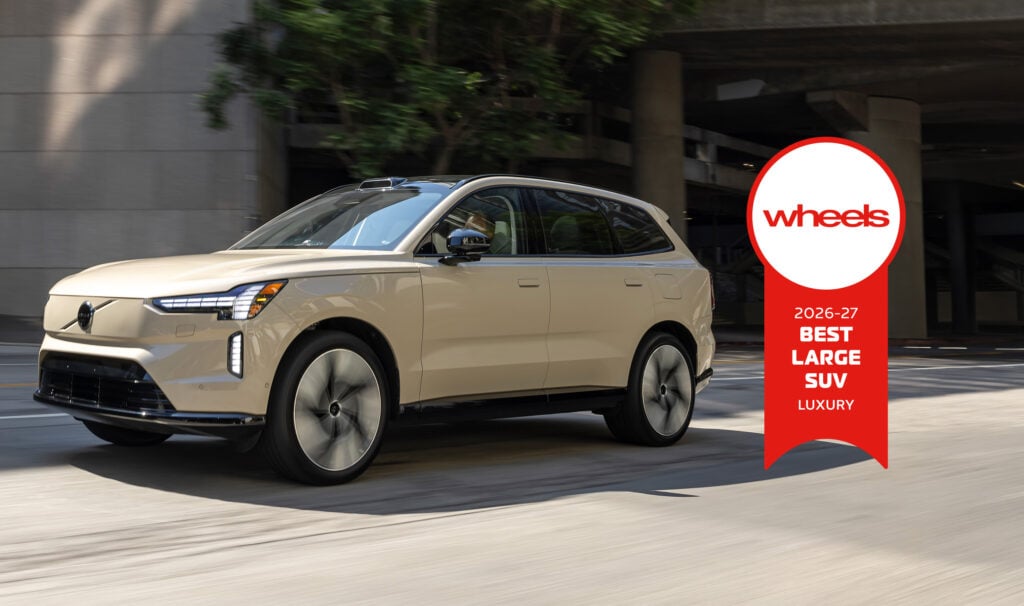
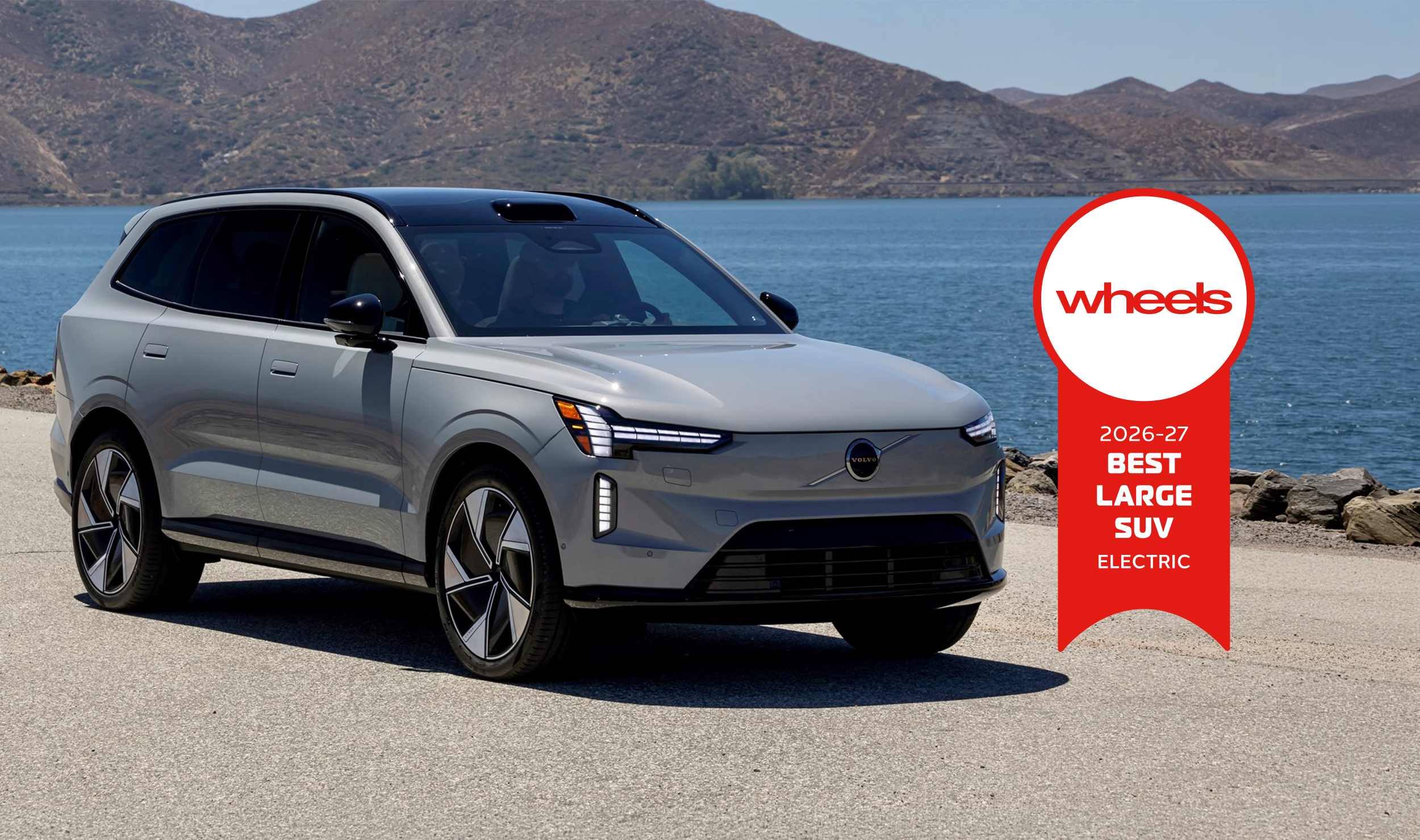
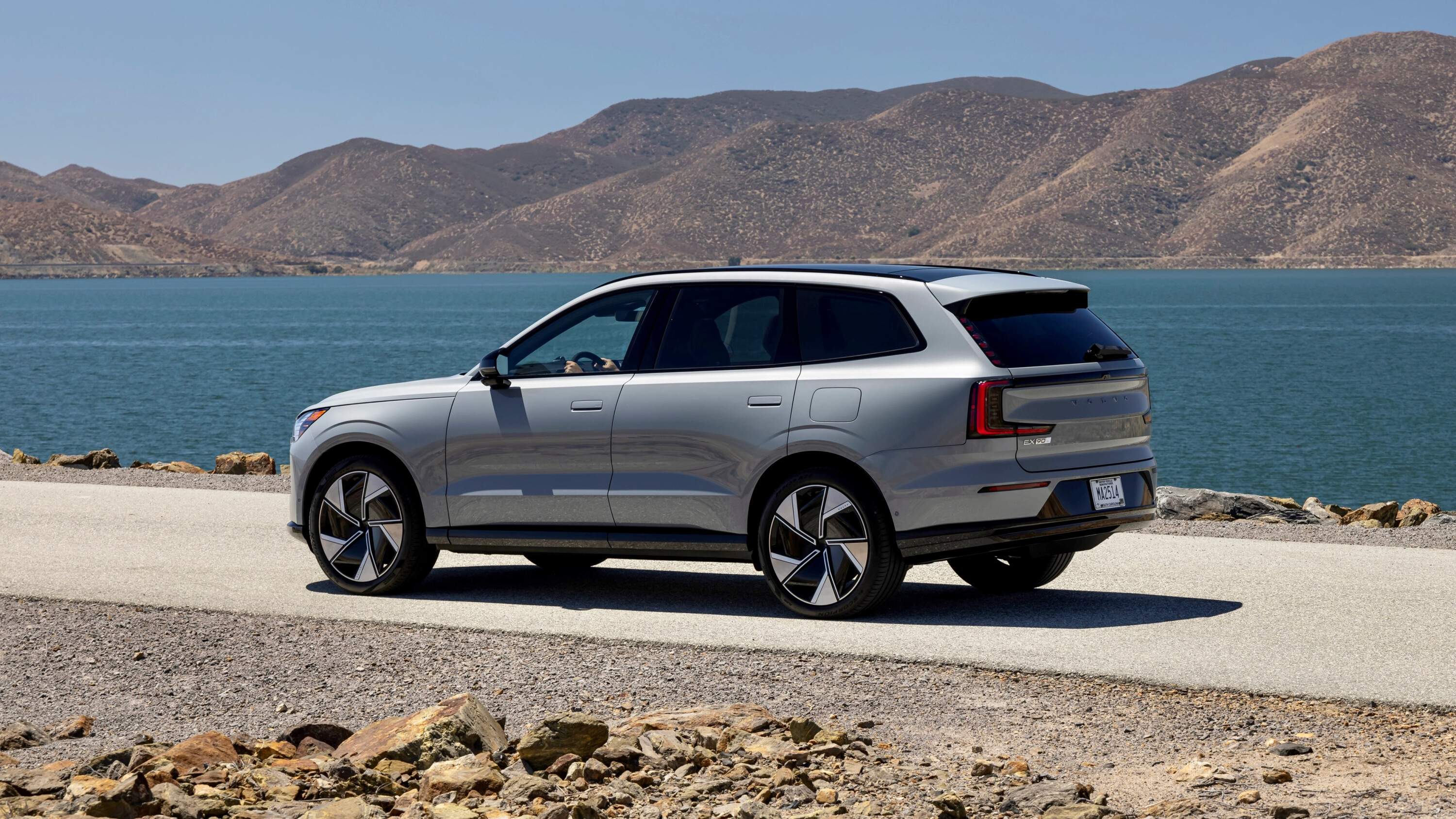
Winner: Volvo EX90
1
Price: From $106,990 plus on-road costs
Drivetrain: Single- or dual-motor electric, rear- or all-wheel drive, single-speed transmission,
92kWh or 106kWh batteries
Outputs: 245kW/480Nm (Plus) or 500kW/870Nm (Ultra)
Claimed range: 479km (Plus) – 521km (Ultra)
Warranty: Five-year/unlimited km (car), eight year/160,000km (EV battery)
Five-year service cost: Included in the price
| Driving | |
| Interior | |
| Practicality | |
| Overall value | |
Strengths
- Luxurious and very practical cabin
- Good to drive with keen handling
- New Plus model significantly lowers entry price
Weaknesses
- Ride quality suffers a bit across larger bumps
- Little in the way of physical controls
- XC90 sibling a bit more practical
Winning Wheels Best Large SUV – Electric 2026 takes more than impressive performance figures or the longest driving range. It requires excellence across the ownership experience, and we think that’s precisely where the Volvo EX90 separates itself from the field.
Combining a genuinely luxurious interior, outstanding safety features, adult seven-seat practicality and EV tech, the EX90 is a complete package.
The dedicated EV platform provides an expansive cabin with room for seven adults, while the long 2985mm wheelbase creates impressive second- and third-row accommodation that’s genuinely usable for even taller passengers. Families will also appreciate the generous luggage capacity of between 384L with the third row erected and a huge 2135L with all rear seats folded. The seats also fold flat, which is perfect for trips to Ikea for flatpack furniture.
The cabin itself is among the most luxurious and high quality in the segment. Volvo has embraced its usual Scandinavian minimalism, but the EX90 remains welcoming and intuitive. Beautifully finished materials, very comfortable seats and exceptional build quality create an atmosphere that’s luxurious, but in typical Volvo fashion, it’s not flashy or over the top.
A large 14.5-inch touchscreen uses Google’s Android Automotive operating system and integrates Google Maps navigation and connected services, as well as over-the-air software updates that genuinely improve the EX90 throughout its life.
As you’d expect for a Volvo, the EX90’s driver assistance technologies are impressive, including its Pilot Assist functionality, which combines adaptive cruise control, adaptive lane guidance and even driver-activated automatic lane changing to greatly assist highway driving.
On the road, that relaxed character continues. Rather than chasing sportiness – that’s what its Polestar 3 platform mate is for – the EX90 focuses on comfort and refinement, delivering a quiet and composed driving experience.
New for the 2027 model year is an entry-level Plus model, which has introduced a rear-wheel drive setup to the EX90 for the first time in Australia. Making 245kW/480Nm outputs, it’s got more than enough grunt for most, but importantly, has reduced the EX90’s entry price to $106,990 plus on-road costs – around the same or less than its biggest rivals like the Kia EV9 and Hyundai Ioniq 9, both of which don’t feel as luxurious inside. The flagship Twin Motor Ultra ($134,990 +ORC) makes huge 500kW/870Nm outputs, enough to propel it from 0-100km/h in just 4.9 seconds.
Like the Polestar 3, the EX90 was also recently updated with an 800V architecture, and that has also upgraded its DC fast charging capability to up to 350kW for a 10-80 per cent charge in as little as 22 minutes. Its 92kWh and 106kWh batteries give a WLTP-rated range of up to 521km, which is less than before, but its faster charging capability is more convenient for owners.
Ultimately, the Volvo EX90 wins here because it delivers more than just an excellent electric drivetrain. It’s beautifully built, quite practical, supremely comfortable and packed with useful technology.
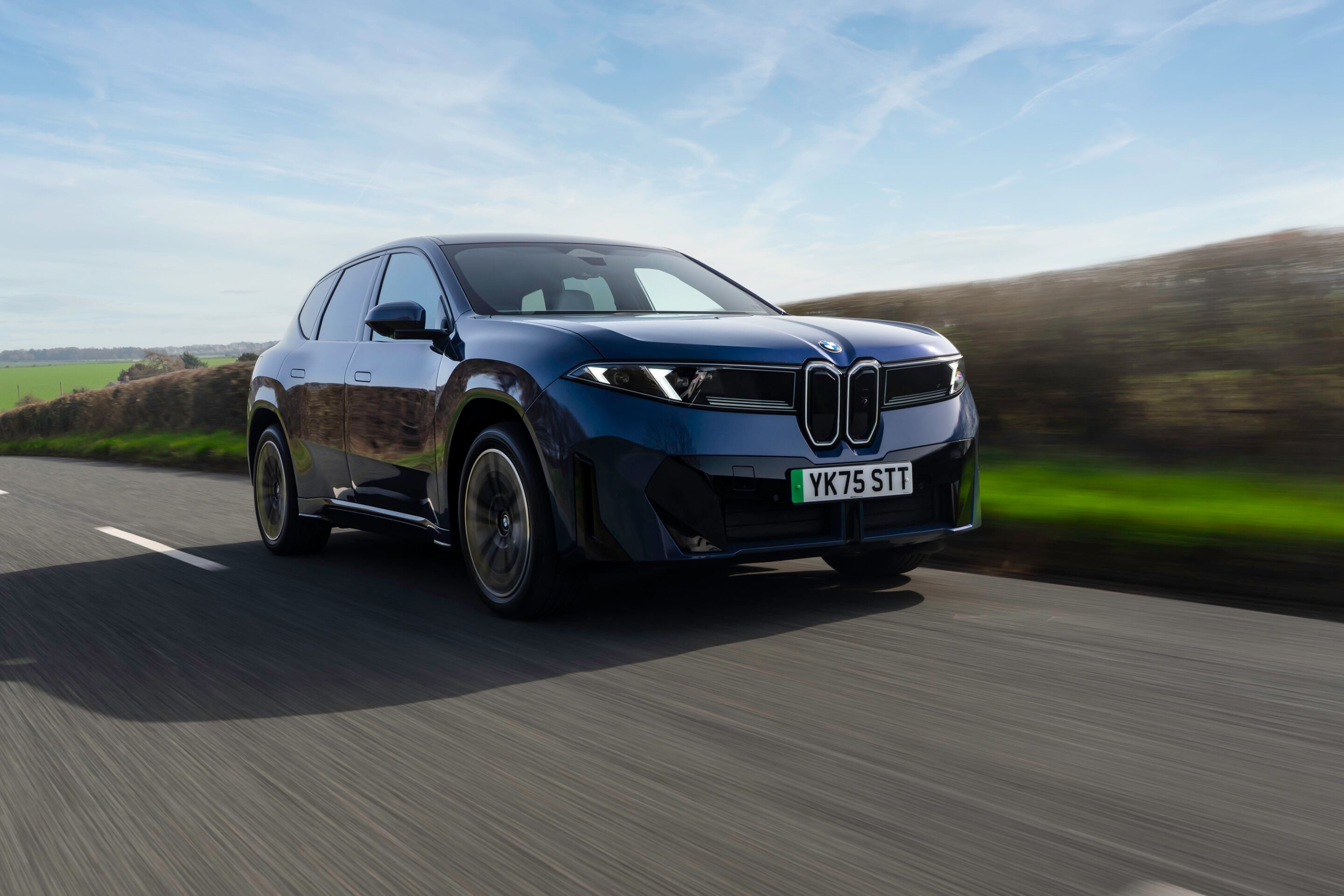
BMW iX
1
Price: From $142,900 plus on-road costs
Drivetrain: Dual-motor electric, all-wheel drive, single-speed transmission, 94.8kWh battery
Outputs: 300kW/700Nm
Claimed range: 602km (WLTP)
Warranty: Five-year/unlimited km
Six-year service cost: $3610
| Driving | |
| Interior | |
| Practicality | |
| Overall value | |
Strengths
- Awesome driving range
- Great to drive
- Practical and high quality cabin
Weaknesses
- No front boot
- Love-it-or-hate-it styling
- On the pricey side
Upon its release in 2021, the pre-updated BMW iX was certainly a big statement from the brand. EVs weren’t as prevalent as they are now, and the iX’s styling was divisive. But with its mid-life update, the iX has matured into a convincing large electric SUV as it combines strong performance, a long-distance claimed driving range and a very premium cabin. While there are both newer and cheaper large electric SUVs on offer, the iX remains one of the most complete.
Pricing starts from around $142,900 plus on-road costs for the single xDrive 45 model available in Australia, which places it firmly in the premium end of the segment, but the iX justifies that positioning with the depth of its engineering and polish.
Power comes from a dual-motor, all-wheel-drive electric drivetrain producing 300kW and 700Nm, which gives enough grunt for a brisk 0-100km/h time of just 5.1 seconds. But it’s also just very smooth in the way it unleashes its oomph, and its adaptive suspension gives it a strong level of composure. It feels secure and planted on the highway, yet because it’s a BMW, remains surprisingly agile through corners for such a substantial SUV.
Equally impressive is its battery and charging capability. A usable 94.8kWh battery provides a claimed driving range of up to 602km (WLTP), making long-distance touring genuinely achievable without constant charging stops. When it is time to recharge, DC fast charging at up to 175kW allows a 10-80 per cent top-up charge in under 34 minutes, which is healthy in this market.
Inside, the iX continues to set a high standard for modern luxury. The minimalist dashboard is dominated by BMW’s curved digital display, while premium materials, excellent build quality and supportive and endlessly adjustable front seating create an environment that feels expensive.
Despite its futuristic appearance, the cabin features are intuitive to use as the touchscreen can also be controlled by the familiar iDrive controller and some physical buttons for shortcuts.
Practicality in the iX is strong as well. Its flat-floor electric platform offers generous accommodation for five adults, while the 500-litre boot expands to a huge 1750 litres with the rear seats folded, though there is no front boot, annoyingly. There’s also a lot of storage throughout the cabin, along with an airy feel created by the big windows and panoramic glass roof.
The 2026 BMW iX isn’t the cheapest electric large SUV on sale, but that doesn’t mean that it’s not worth a look. Instead, it excels in offering a strong balance of luxury, refinement, performance, practicality and long-range usability. For buyers wanting a luxury electric SUV that feels as accomplished on a cross-country road trip as it does on the daily commute, the iX remains a strong contender.
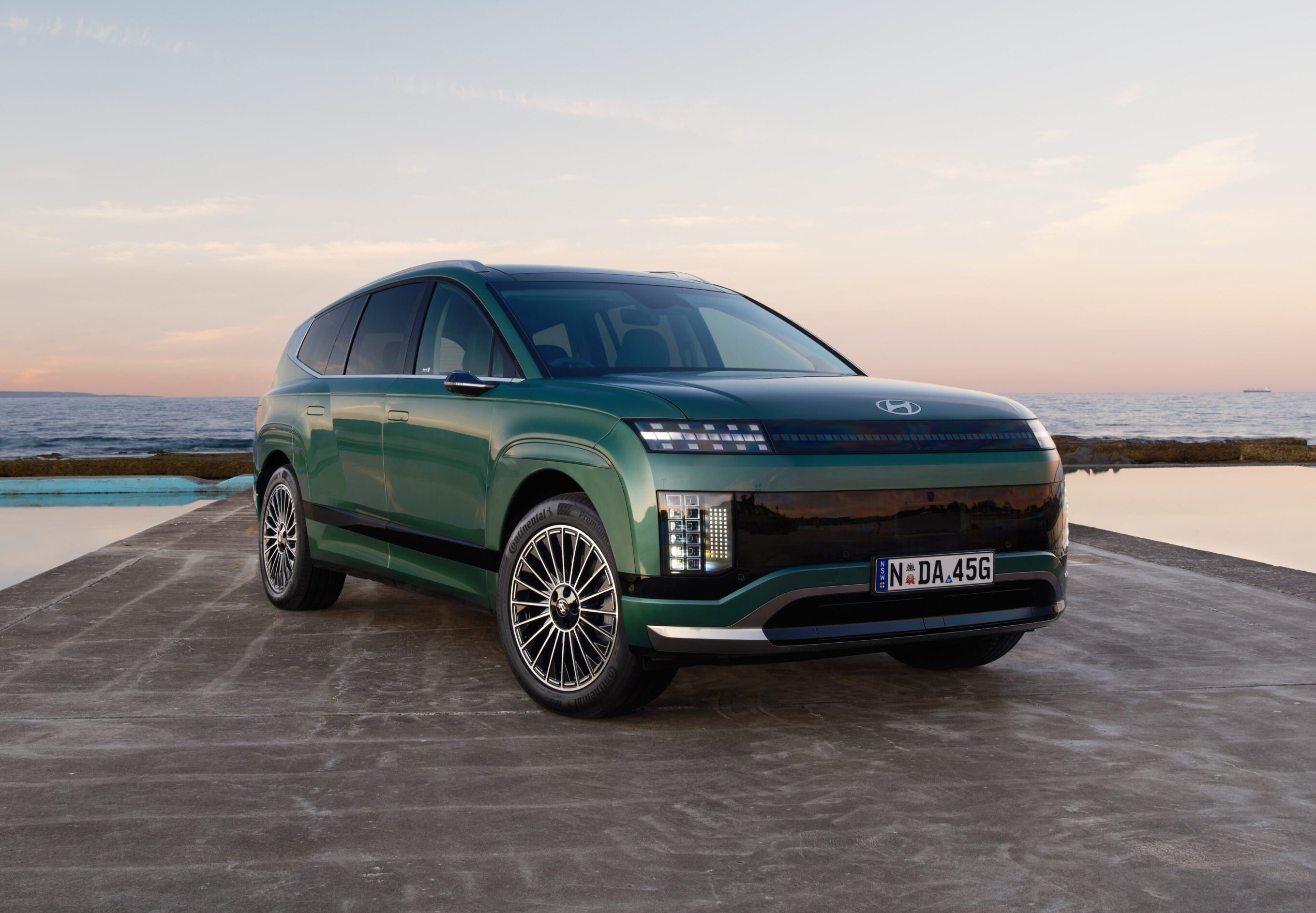
Hyundai Ioniq 9
1
Price: From $119,750 plus on-road costs
Drivetrain: Dual-motor electric, all-wheel drive, single-speed transmission, 110.3kWh battery
Outputs: 314kW/700Nm
Claimed range: 600km (WLTP)
Warranty: Five-year/unlimited km (car) extendable to seven years with dealer servicing, eight-
year/160,000km (EV battery)
Five-year service cost: $1365
| Driving | |
| Interior | |
| Practicality | |
| Overall value | |
Strengths
- Huge cabin, very practical
- Distinctive futuristic design
- Very comfortable and good to drive
Weaknesses
- Only one top-spec model available
- Expensive to buy
- Cheaper Palisade feels more expensive inside
Hyundai’s electric vehicles have really helped its sales success globally, and its Ioniq 9 is the largest of the bunch. As the brand’s flagship electric SUV, it combines genuine seven-seat practicality with an impressive driving range for such a large vehicle, ultra-fast charging and a thoughtfully designed cabin that feels every bit as modern as its futuristic styling suggests. More importantly for consumers, it delivers all of that at a price that undercuts many European rivals, making it a standout contender.
Unlike some electric SUVs that simply replace an existing combustion model, the Ioniq 9 has been designed from the outset as an EV. Built on Hyundai’s dedicated ‘E-GMP’ platform, its very long 3130mm wheelbase has created exceptional interior space, allowing all three seating rows to comfortably accommodate adults. Even with every seat in use, there’s still enough luggage room for a family getaway (338 litres with all seats up and 908 litres with the third row folded), while folding the rear seats gives the Ioniq 9 a huge loading space (2419L). But there are also multiple clever storage solutions in the front cabin.
That spaciousness is matched by an interior that looks genuinely premium, and feels it in most places as well, though we think the cheaper hybrid Palisade feels even more expensive inside. Twin 12.3-inch displays feature on the dashboard, while high-quality materials, comfortable seating and Hyundai’s ergonomic layout make it an easy vehicle to live with every day. Unlike some rivals, Hyundai has thankfully retained physical controls, making the Ioniq 9 simple to operate despite its long list of features.
Australian pricing for the Ioniq 9 starts at $119,750 plus on-road costs for the Calligraphy model, which is the only model on offer locally for now, with no cheaper entry-level spec available. While it’s obviously not cheap, it is very well equipped, with major features including 21-inch alloy wheels, 14-speaker Bose audio, Nappa leather upholstery, heated and ventilated front- and middle-row seating, a panoramic glass roof and a long list of active safety features, including very effective blind-spot cameras.
Performance is strong in the Ioniq 9 as its twin-motor drivetrain produces up to 315kW of power and 700Nm of torque, which provides swift performance. More impressive than outright speed, however, is the refinement. The drivetrain is smooth, road and wind noise are well suppressed, and the suspension delivers a comfortable ride despite the 21-inch standard wheels.
Every Ioniq 9 in Australia features a large 110.3kWh battery, delivering a claimed driving range of up to 600km (WLTP) depending on the variant. The brand’s proven 800-volt electrical architecture also remains a big advantage as it can DC fast charge at up to 350kW for a claimed 10 to 80 per cent recharge in as little as 24 minutes.
As we’ve seen with most of Hyundai’s current lineup, the Ioniq 9 is an excellent all-rounder that will win fans based on just how much it can do, such as its huge cabin space that can accommodate up to seven adults, its long list of standard features, comfortable driving experience and cheap service costs. In this case, it also just happens to be electric, with a lot of performance, a long range and quick fast charging on offer. We think it’s a force to be reckoned with.
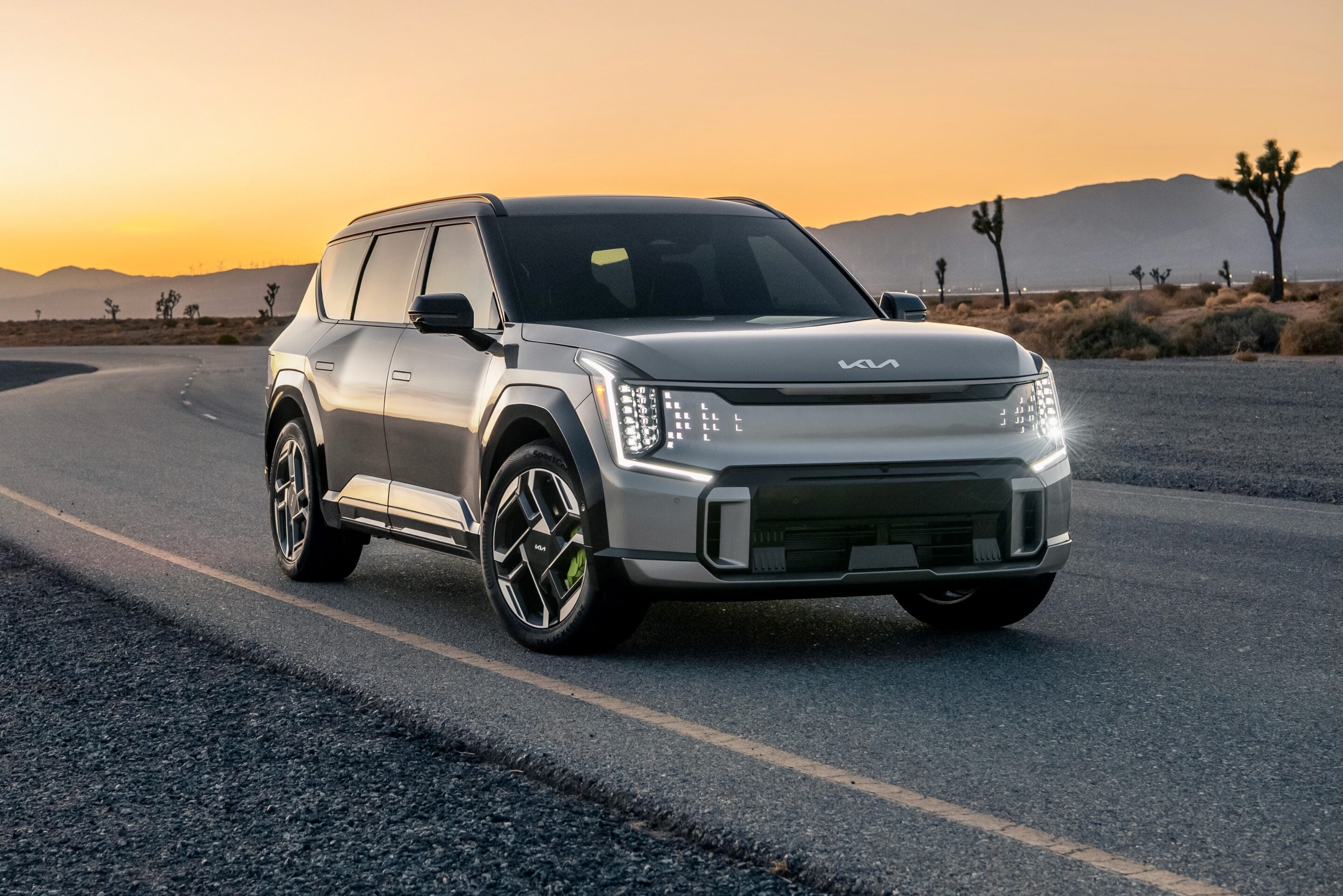
Kia EV9
1
Price: From $97,000 plus on-road costs
Drivetrain: Single- or dual-motor electric, rear- or all-wheel drive, single-speed transmission,
76.1kWh or 99.8kWh batteries
Outputs: 160kW/350Nm (Air), 282kW/700Nm (Earth and GT-Line), 374kW/740Nm (GT)
Claimed range: 443km (Air), 512km (Earth), 505km (GT-Line), 510km (GT)
Warranty: Seven-year/unlimited km (car), seven-year/150,000km (EV battery)
Five-year service cost: $1379
| Driving | |
| Interior | |
| Practicality | |
| Overall value | |
Strengths
- Huge interior space in all rows
- Wide range of models to suit buyers
- Hi-po GT is quick
Weaknesses
- Is it perhaps too big?
- Irritating camera mirrors standard on GT-Line and GT
- No spare wheel
The Kia EV9 arrived in Australia in late 2023 to much surprise. It landed as one of the first genuinely practical seven-seat EVs, and even as rivals have steadily joined the segment, the EV9 continues to impress with its combination of space, technology, refinement and everyday usability.
Rather than simply offering an electric alternative to a large SUV, the EV9 was designed from the ground up to meet the needs of modern families, and that’s why we think it’s a great product. One of the EV9’s greatest strengths is value. While it’s certainly not what you’d call cheap, and remains the most expensive Kia ever sold, it offers a lot of standard equipment.
Australian pricing begins at around $97,000 plus on-road costs for the Air, rising to just over $129,250 +ORC for the flagship GT. Across the range, standard features are generous, such as dual 12.3-inch displays, wireless smartphone connectivity, heated seats and a comprehensive suite of active safety systems. Move up the range to the GT and 21-inch wheels, racy lime-green details and camera side mirrors feature as standard.
Practicality has always been at the heart of the EV9, and it remains one of the most accommodating electric SUVs on sale. Its dedicated ‘E-GMP’ platform – yep, the same one underneath the Ioniq 9 – features a long wheelbase and completely flat floor, resulting in a spacious cabin with room for seven occupants. The EV9’s rear seats are genuinely usable by adults, too – even for longer trips.
There’s also ample luggage capacity ranging up to 2393 litres, while thoughtful touches such as numerous storage compartments, USB-C charging points and air vents throughout the cabin make life easier.
The powertrain options for the EV9 range also give buyers plenty of choice. The entry-level Air is available with either a rear-wheel-drive single-motor setup, while the Earth, GT-Line and GT come exclusively with all-wheel drive. The GT makes 374kW/7040Nm outputs, resulting in rapid acceleration despite the EV9’s considerable size – it hits 100km/h in just 4.5 seconds and a top speed of 200km/h.
Thanks to its local tuning program, Kia has struck an excellent balance between ride comfort and body control, making the EV9 equally at home around town or on highways.
Australian EV9 variants use either a 76.1kWh (Air) or 99.8kWh (Earth, GT-Line and GT) battery, delivering a claimed WLTP driving range of up to 512km. Thanks to its advanced 800-volt architecture, the EV9 can accept DC fast charging at up to 350kW, allowing a 10 to 80 per cent recharge in around 24 minutes under ideal conditions.
The cabin is another highlight with its clean, contemporary design combining sustainable materials with impressive build quality, though it could do with a bit more character. A trio of displays (two 12.3-inch units and a smaller 5.0-inch display for the climate control) gives the dashboard a modern appearance without becoming overwhelming, while the infotainment system also features physical controls for key climate and audio functions. We wish more manufacturers featured cabin layouts like the EV9 because it’s quite easy to use.
As we’ve seen with a plethora of modern Kia products, the EV9 stands out because it gets so much correct and is an excellent large SUV that just happens to be electric. It offers genuine seven-seat practicality, long-range capability, rapid charging, impressive refinement and an extensive list of standard equipment, all wrapped in a bold, distinctive design. For families ready to embrace electric motoring without compromising on space or versatility, it’s easy to understand why the EV9 remains one of the benchmark options on the market.
Mercedes-Benz G 580 with EQ Technology
1
Price: From $252,700 plus on-road costs
Drivetrain: Dual-motor electric, four-wheel drive, two-speed transmission, 116kWh battery
Outputs: 432kW/1164Nm
Claimed range: 473km (WLTP)
Warranty: Five-year/unlimited km (car), eight-year/160,000km (EV battery)
Five-year service cost: $4670
| Driving | |
| Interior | |
| Practicality | |
| Overall value | |
Strengths
- A G Wagen, but electric
- Huge battery gives good range
- Very strong performance
Weaknesses
- Compromised interior space
- Not what you’d call cheap
- No spare wheel as standard
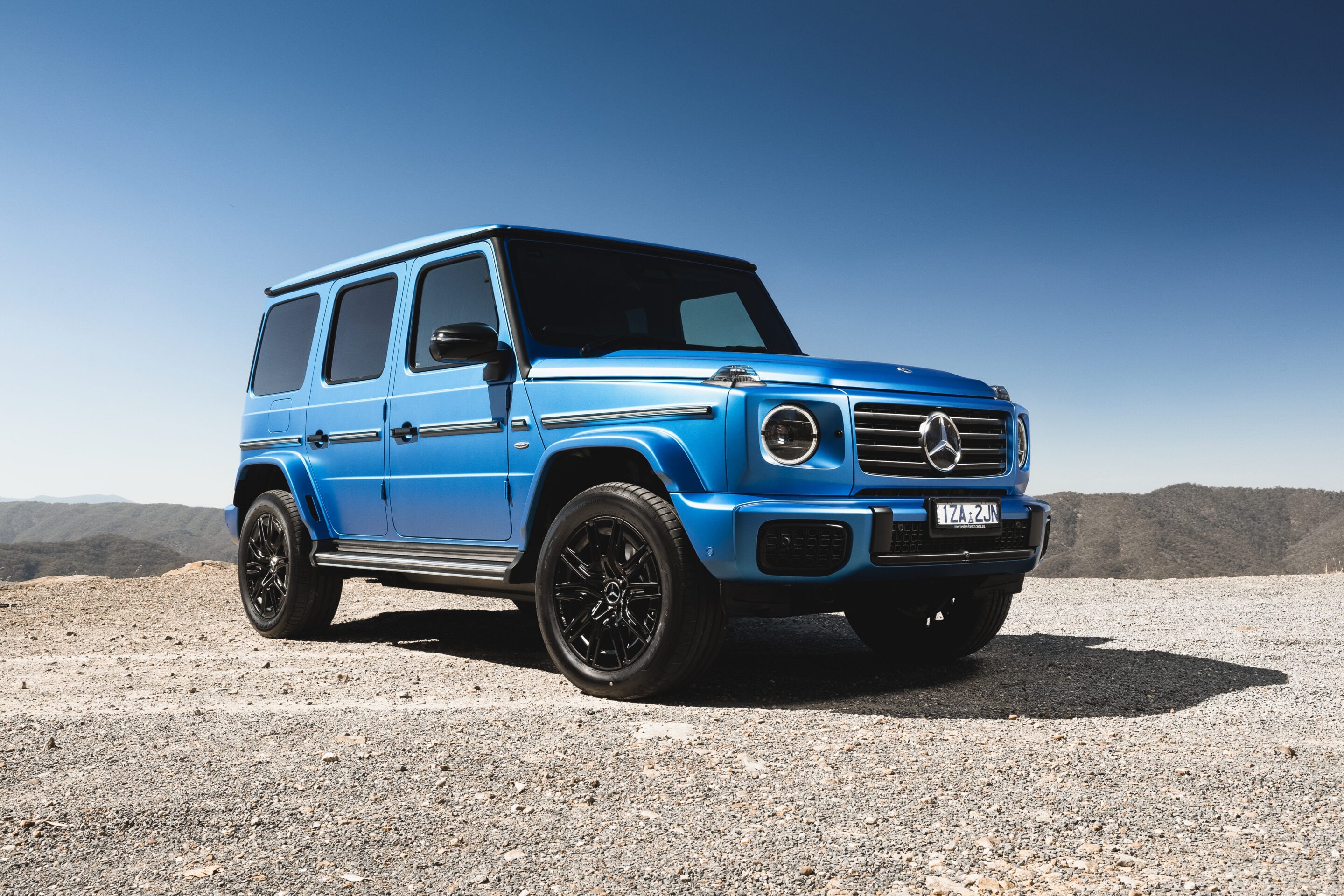
As one of the most iconic cars still sold today, the Mercedes-Benz G-Class has built its reputation over more than 40 years as one of the world’s most capable off-road vehicles. Turning that icon into an electric vehicle was a bold move, yet the G 580 with EQ Technology proves the legendary G Wagen can embrace electrification without sacrificing its character. It remains immensely capable off the beaten track, but now adds near-silent thrust, strong performance and healthy charging statistics to the equation.
Unlike most electric SUVs, the G 580 isn’t trying to be futuristic – instead, it’s unapologetically a G-Class, with its exposed door hinges, flat body panels and upright windscreen carried over from the ICE models. Inside, the G 580’s cabin is almost identical to other G Wagen models, aside from a few EQ menus and some switchgear. Therefore, it still features high-quality materials and switchgear, as well as the same user-friendly MBUX infotainment system.
Its electric drivetrain is unlike anything else in the segment. Rather than using one or two motors, the G 580 employs four individually controlled electric motors – that’s one for each wheel – producing 432kW of power and an enormous 1164Nm of torque. That gives the G 580 excellent performance – it hits 100km/h in just 4.7 seconds, or 0.3 seconds lower than the twin-turbo V8 AMG G 63 – but also fantastic off-road ability, as you’d expect for a G Wagen. Its torque can be directed to individual wheels, while features such as ‘G-Turn’ allow the G 580 to spin on the spot on loose surfaces.
Its on- and off-road capabilities are powered by a huge 116kWh lithium-ion battery integrated into the ladder-frame chassis. Mercedes-Benz claims a WLTP driving range of up to 473km, which is longer than you might expect for such a big, boxy and heavy car. When it’s time to recharge, DC fast charging at up to 200kW allows a 10 to 80 per cent top-up in as little as 32 minutes, while 11kW AC charging is reasonable, but higher 22kW AC charging is optionally available as well.
Practicality has never been the G-Class’s primary selling point, yet the G 580 is still a usable large SUV. Don’t expect the same level of space compared to other Mercedes-Benz SUVs, however. Four adults will be able to travel in comfort thanks to its upright seating position and generous headroom, though its packaging means that rear legroom isn’t plentiful, but the 620 litre (rear seats up)/1990 litre (rear seats folded) boot offers ample cargo capacity.
Of course, the G 580’s all-round ability comes at a price. Sitting at the top of the luxury SUV market, Australian pricing starts at $252,700 before on-road costs and before any options. That positions it well beyond the more mainstream electric SUVs it’s competing with here, but few vehicles on the market offer the same blend of luxury, strong engineering and genuine off-road capability.
All things considered, the Mercedes-Benz G 580 isn’t the cheapest, most practical or most modern-feeling vehicle, but it is excellent. There were skeptics when the brand announced plans to turn one of the world’s most iconic off-roaders electric, but thanks to its awesome four-motor drivetrain giving both stonking performance and great off-road ability, a huge battery for a surprisingly long range and healthy charging statistics up to 200kW, the G 580 has proven the naysayers wrong. For them, the petrol AMG G 63 and diesel G 450d are still the go-to variants, but for the well-heeled seeking a brilliant all-round electric large SUV, the G 580 is a great choice.
Polestar 3
1
Price: From $116,700 plus on-road costs
Drivetrain: Single- or dual-motor electric, rear- or all-wheel drive, single-speed transmission,
92kWh or 106kWh batteries
Outputs: 245kW/480Nm (Rear Motor Plus), 400kW/740Nm (Dual Motor Plus), 500kW/870Nm
(Performance)
Claimed range: 604km (Rear Motor Plus), 647km (Dual Motor Plus), 601km (Performance) (all
WLTP)
Warranty: Five-year/unlimited km (car), eight-year/160,000km (EV battery)
Five-year service cost: Included in the price of the car
| Driving | |
| Interior | |
| Practicality | |
| Overall value | |
Strengths
- Facelift has made it more advanced and better value
- Good to drive, no matter which model is selected
- New 800V platform gives it much faster charging capability
Weaknesses
- Lots of reliance on the touchscreen
- Features like a heated steering wheel still optional
- More expensive than related Volvo EX90
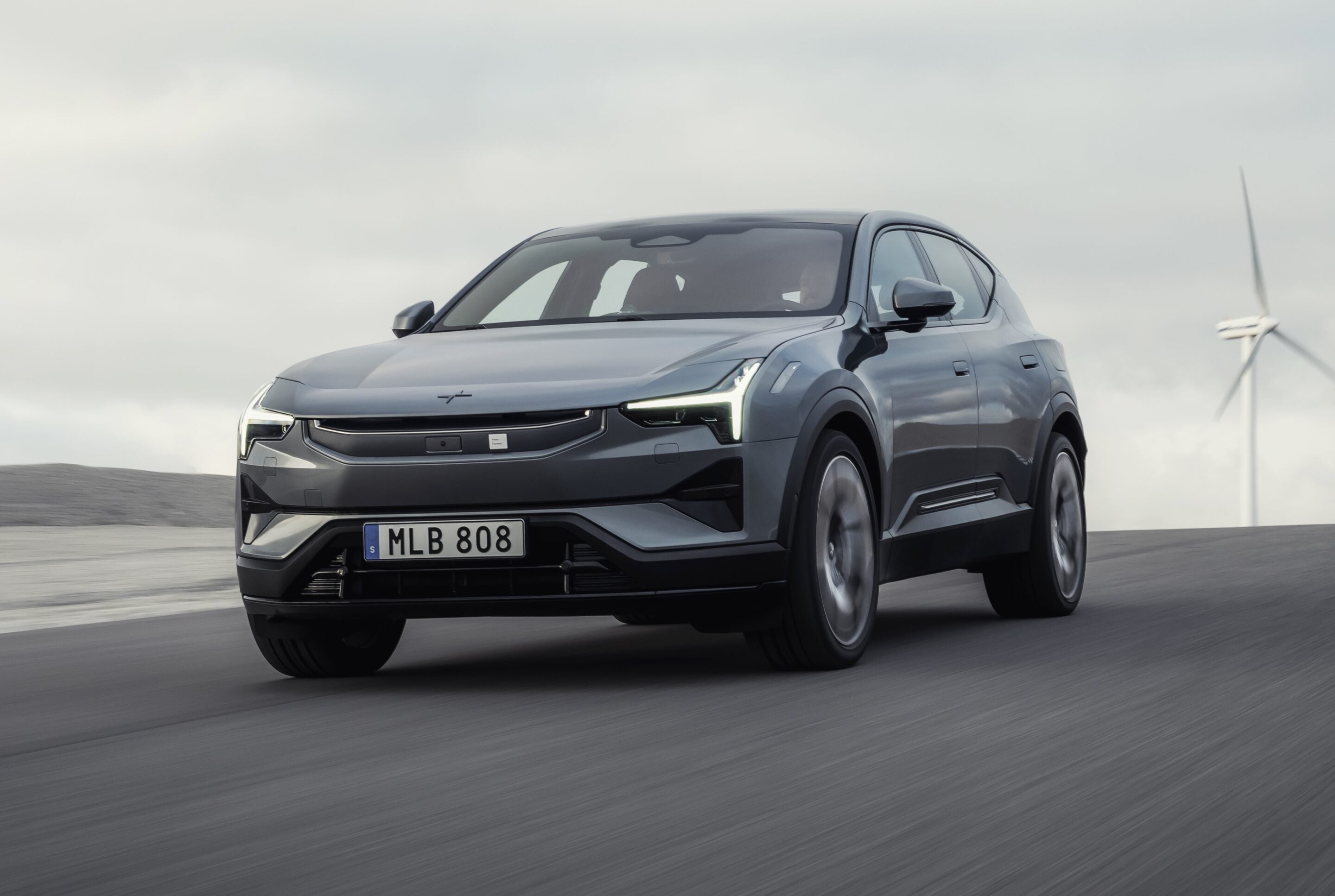
Volvo’s former offshoot brand Polestar continues to slowly build up its Australian sales with new products, and a heavily updated version of its 3 large SUV is the latest to hit our market. While it doesn’t appear it from the outside, the 3 now sits on an 800V platform for much faster charging, as well as bringing a new range of batteries and outputs. It’s definitely the sportiest contender in the electric section of the Wheels Best Large SUV 2026, so how does it fare against its competition?
Unlike many rivals that lean heavily on oversized screens or extravagant styling, the Polestar 3 adopts a more restrained Scandinavian approach, which we quite like. The exterior is clean and handsome, while the cabin uses the minimalist design language that we’ve become used to from the brand. High-quality recycled and sustainably sourced materials feature throughout, the fit and finish are excellent, and the driving position is great as well. The Polestar 3 feels luxurious without being over the top, and its cabin is warm and calming.
Performance is another of the Polestar 3’s strongest assets. Australian buyers can choose between the Single Motor, Dual Motor or Performance models, with the former rear-driven and the latter two both all-wheel drive. Even the entry-level Single Motor model makes 245kW/480Nm outputs, which are good enough for a 6.5-second 0-100km/h time, but move up to the Performance and it makes a huge 500kW and 870Nm, with a claimed 3.9-second 0-100km/h time. Yet despite those outputs, the 3 never feels overwhelmingly fast.
In this company, its driving experience is equally impressive. Adaptive air suspension features on the Dual Motor and Performance, giving it a strong level of composure for enthusiastic motoring, but crucially, it doesn’t compromise on comfort. There’s a sense of connection through the steering that many rival SUVs struggle to achieve, reinforcing Polestar’s focus on delivering a rewarding driver’s car rather than simply another premium EV.
Part of the 3’s recent update includes a revised range of batteries with either 92kWh or 106kWh units now available. They’re actually smaller than before, and give it a WLTP range of up to 647km in the Dual Motor Plus variant. That’s less than the previous 706km maximum, but thanks to the new 800V architecture, it can now charge 100kW faster at up to a 350kW maximum (310kW in the Single Motor) for a claimed 10-80 per cent charge time of as little as 22 minutes, or 25 per cent faster than before.
The Polestar 3 is also quite a practical large SUV, with ample space for five on offer. The long 2985mm long wheelbase has plenty of rear space for adults, with particularly impressive rear-seat legroom and a completely flat floor. The reasonable 484-litre boot (1411L with the rear seats folded) is joined by a useful 32-litre front boot for storing charging cables and other equipment.
Inside, the vertical 14.5-inch touchscreen runs Google’s native Android Automotive operating system, offering built-in Google Maps, Google Assistant and access to a growing range of apps without relying on smartphone mirroring, though Apple CarPlay is also along for the ride for those who want it. A stunning 1610-watt 25-speaker Bowers & Wilkins sound system is now standard across the range too.
The Polestar 3 is not cheap, starting from $116,700 plus on-road costs, but it arrives quite well equipped and the former $9000 Plus Pack (with features such as a head-up display, noise cancellation tech, an electric steering column and acoustic class) is now standard. The five-year/unlimited km warranty package also includes servicing for the first five years.
The updated Polestar 3 doesn’t attempt to reinvent the large electric SUV formula, but it’s now a much better car than it used to be and quite compelling in the segment. With a long range, now-faster charging, an engaging driving experience, strong practicality and a cabin of high quality, it’s a very complete product. For buyers seeking an electric large SUV that is as rewarding to drive as it is to live with, the Polestar 3 is deserving of serious attention.
Follow WhichCar/Wheels on Google
Click the button below to make WhichCar by Wheels a preferred source for your news.