
Best Medium SUVs

Gallery 1
Contenders
- BMW iX3
- BYD Sealion 7
- Geely EX5
- Kia EV5
- Lexus RZ
- Mercedes-Benz GLC Electric
- MGS6 EV
- Polestar 4
- Skoda Enyaq
- XPeng G6
- Zeekr 7X
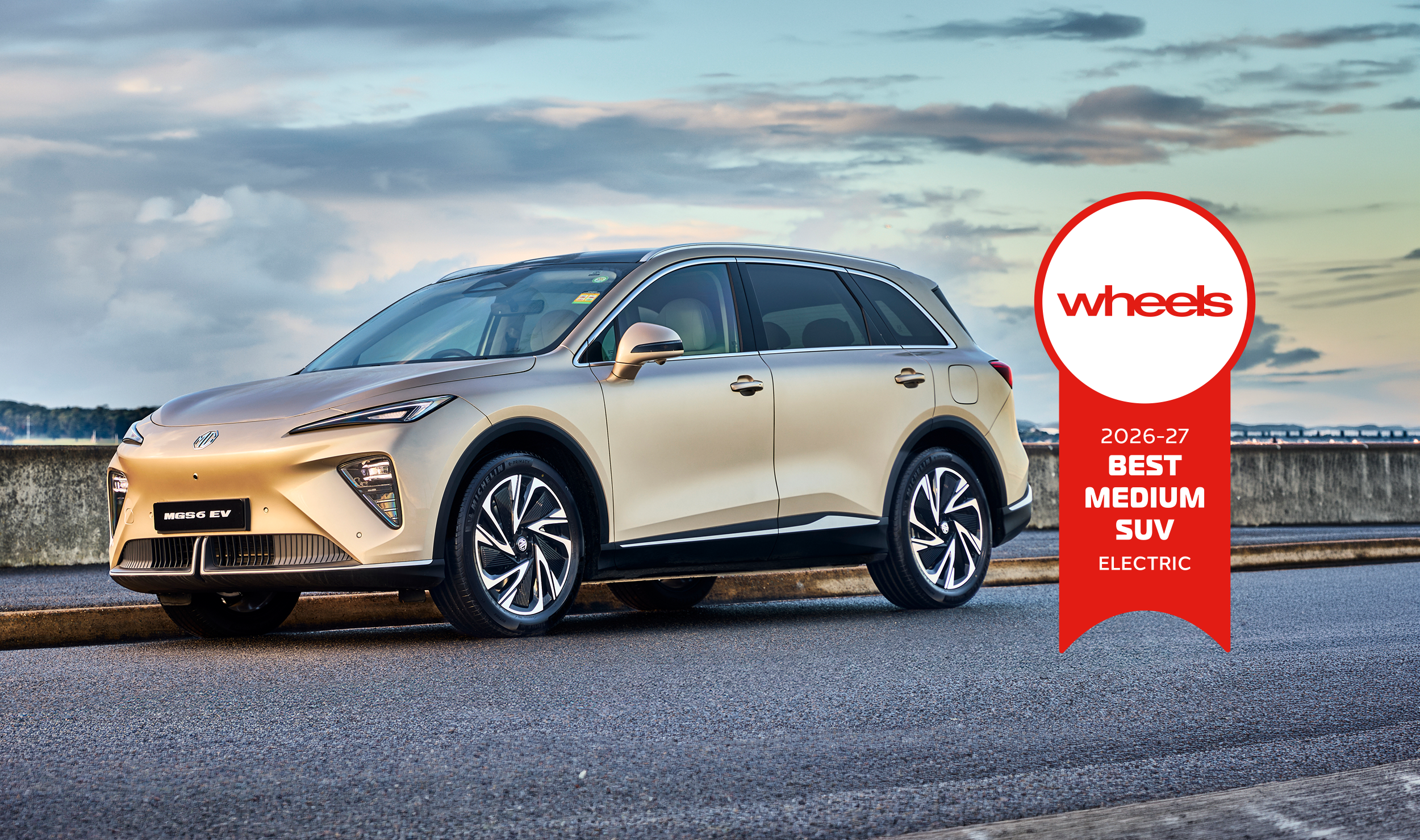
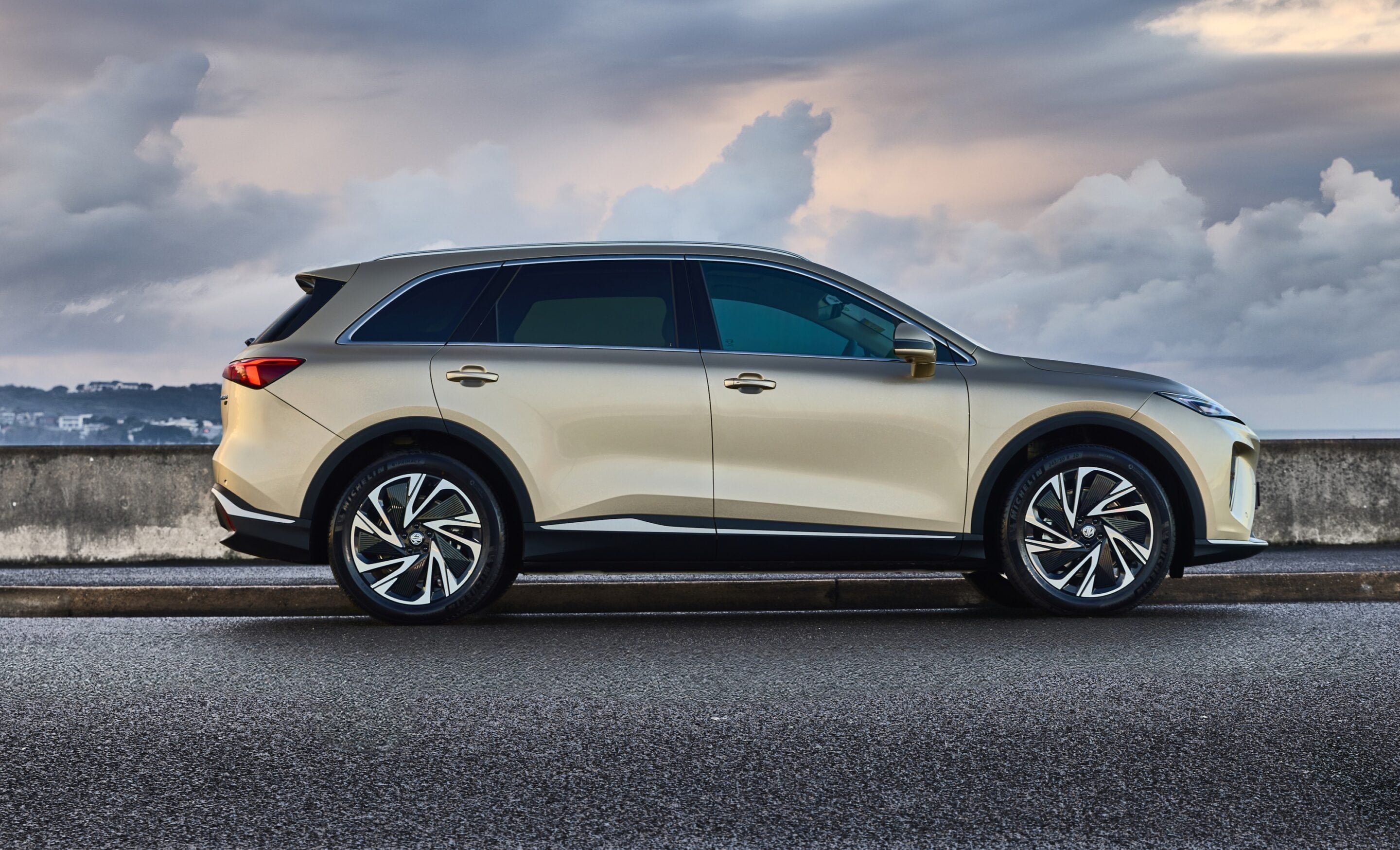
Winner: MGS6 EV
12
Price: From $49,990 driveaway (Essence RWD), $56,990 driveaway (Essence AWD)
Drivetrains: Single or dual-motor electric, single-speed transmission, rear- or all-wheel
drive, 77kWh NCM battery
Outputs: 180kW/350Nm (RWD), 266kW/540Nm (AWD)
Driving range (WLTP claimed): 530km (RWD), 485km (AWD)
Warranty: 7-year/unlimited km (extendable up to 10 years/250,000km with dealer
servicing)
Five-year service cost: $1321(RWD) – $1376 (AWD)
| Driving | |
| Interior | |
| Practicality | |
| Overall value | |
Strengths
- Sharply priced, especially the RWD
- Pleasant driving experience
- Roomy, quality cabin with physical buttons
Weaknesses
- Charging stats could be more impressive
- Annoying ridge with rear seats folded
- No spare wheel, just a tyre repair kit
With so many contenders, choosing the winner of 2026 Wheels Best Medium SUV: Electric is no easy task. The longest range, lowest price or biggest boot isn’t enough on its own. Our winner must also be enjoyable to drive, practical and offer compelling value for money. For 2026, the MGS6 EV delivers the most convincing all-round package.
Value is an obvious starting point. The entry-level Essence RWD costs $49,990 drive-away, undercutting many hybrid medium SUVs, while the more powerful Essence AWD is priced at $56,990 drive-away.
Both use a 77kWh NCM battery. The rear-drive version produces 180kW and 350Nm, with up to 530km of WLTP range, while the dual-motor AWD increases outputs to 266kW and 540Nm. The latter can accelerate from 0-100km/h in just 5.1 seconds, although its range falls to 485km.
These figures stack up well against key rivals, although the claimed 38-minute 10-80 per cent DC charging time is relatively leisurely by current EV standards.
Practicality is another strength. The 581-litre boot is among the largest in the segment, expanding to 1690 litres with the rear seats folded, although the load floor isn’t completely flat. Rear-seat accommodation is generous, storage is plentiful and the modern, well-finished cabin features generally intuitive technology.
The MGS6 EV also impresses on the road. Its rear-wheel-drive platform provides natural balance, complemented by well-weighted steering and reassuring body control. The ride is firm but composed, refinement is excellent and there’s genuine enjoyment to be had behind the wheel. Some active safety systems can be over-sensitive, although MG Pilot Custom allows drivers to personalise their preferred settings.
The ownership proposition is equally appealing. MG provides a seven-year/unlimited-kilometre warranty, extendable to 10 years/250,000km for eligible private owners who meet its dealer-servicing requirements. Scheduled maintenance is affordable, too, costing up to $1376 over the first five years/125,000km.
Ultimately, it’s this breadth of ability that earns the MGS6 EV our Best Medium SUV: Electric title. Some competitors charge faster or travel further, but few combine generous range and luggage space, a quality cabin, engaging road manners and a sub-$50,000 drive-away starting price quite so convincingly.
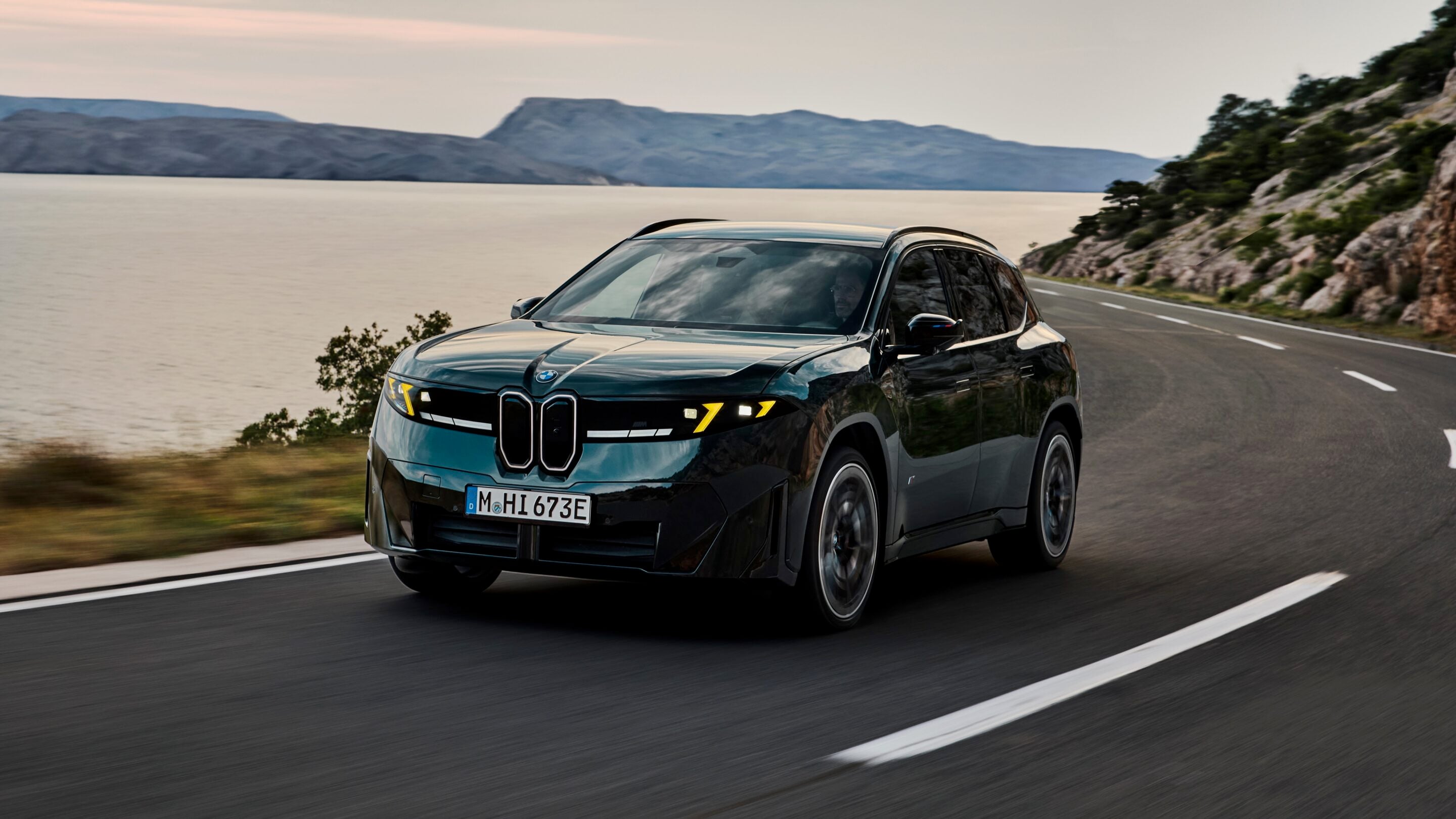
BMW iX3
7
Price: From $89,900 plus on-road costs
Drivetrains: Single or dual-motor electric, rear- or dual-motor all-wheel drive, 82.6kWh or
108.7kWh batteries
Outputs: 235kW/500Nm (40), 345kW/645Nm (50)
Driving range (WLTP): 635km (40), 805km (50)
Warranty: Five-year/unlimited km (car), eight-year/160,000km (EV battery)
Six-year service cost: $2420
| Driving | |
| Interior | |
| Practicality | |
| Overall value | |
Strengths
- Good performance and dynamics
- Next-level EV technology
- Excellent driving ranges
Weaknesses
- Ride can be a little firm
- In-car tech is a big learning curve
- No spare wheel
The new BMW iX3 marks the beginning of a new era for the German manufacturer. As the first production model built on BMW’s Neue Klasse architecture, it introduces a dedicated EV platform, 800-volt electrical system and sixth-generation eDrive technology, making it one of the brand’s most significant new models in decades.
The Australian range opens with the rear-wheel-drive iX3 40 at $89,900 before on-road costs, while the dual-motor 50 xDrive is priced at $109,900. The entry-level version produces 235kW and 500Nm from an 82.6kWh usable battery, while the all-wheel-drive flagship increases outputs to 345kW and 645Nm, drawing energy from a larger 108.7kWh battery.
Driving range is a particular strength. The iX3 40 offers a claimed 635km on the WLTP cycle, while the 50 xDrive stretches that to an impressive 805km, making it Australia’s longest-range electric vehicle. The latter also accelerates from 0-100km/h in just 4.9 seconds.
Charging performance is equally impressive. The 800V architecture supports DC charging at up to 300kW in the 40 and 400kW in the 50 xDrive, with both capable of replenishing their batteries from 10-80 per cent in approximately 21 minutes under ideal conditions. AC charging is available at up to 22kW.
Measuring 4782mm long and riding on a 2897mm wheelbase, the iX3 offers generous accommodation across both rows. The 520-litre boot expands to 1750 litres with the rear seats folded, while a 58-litre front storage compartment adds further practicality.
Inside, BMW’s new Panoramic Vision display stretches across the lower windscreen, complemented by a 17.9-inch central touchscreen. Materials and build quality meet premium expectations, although the extensive reliance on screen-based controls can make some everyday functions unnecessarily fiddly.
On the road, the iX3 delivers a well-rounded driving experience, with accurate steering, reassuring body control and a firm but generally composed ride. The 50 xDrive offers effortless acceleration, while its chassis strikes an effective balance between comfort and sporting ability.
The iX3 is among the more expensive contenders in this category, but its exceptional range, rapid charging, practical packaging and polished road manners make it one of the most accomplished electric medium SUVs available.
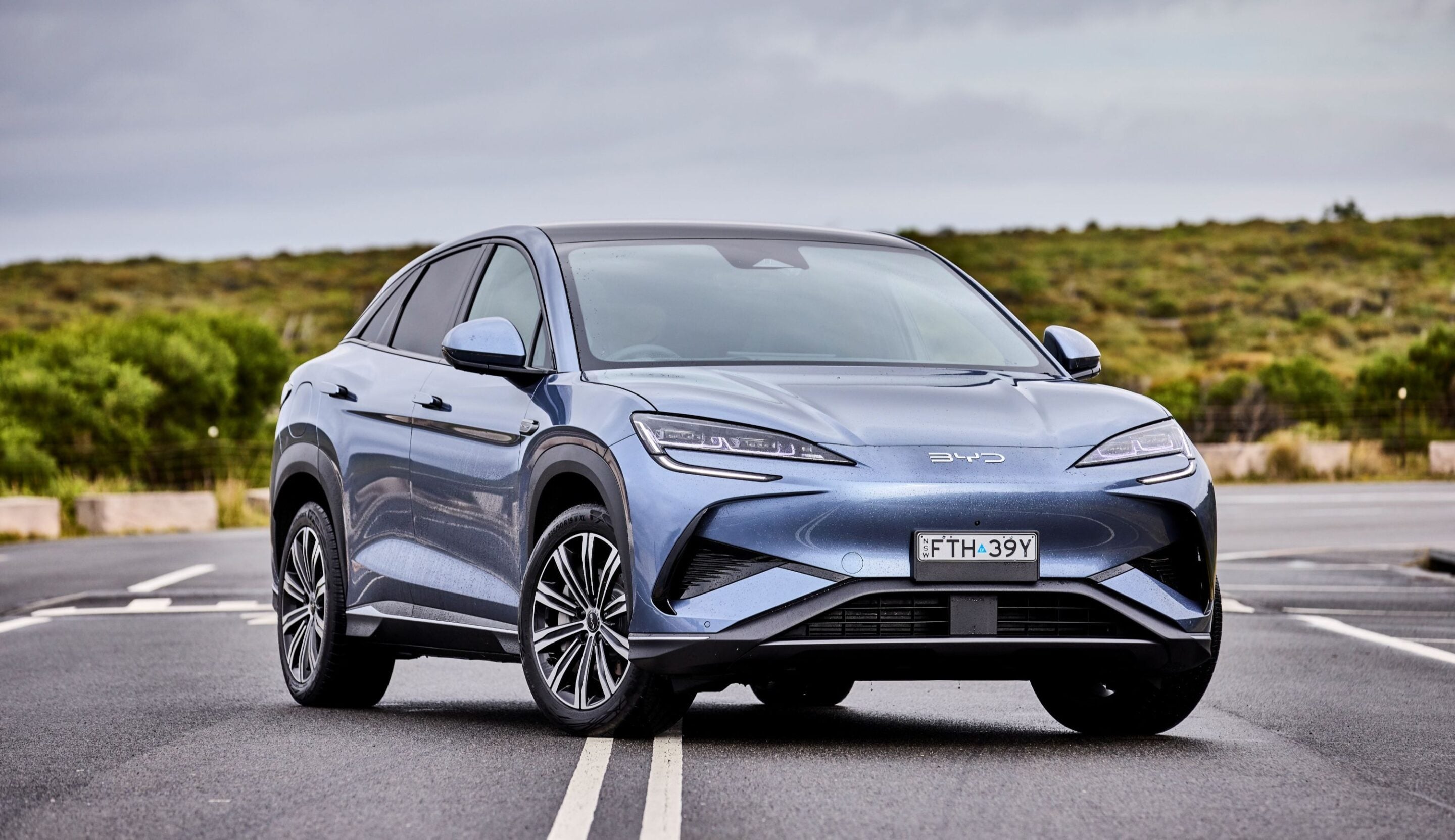
BYD Sealion 7
11
Price: From $54,990 plus on-road costs
Drivetrains: Single or dual-motor electric, single-speed transmission, 82.56kWh battery
Outputs: 230kW/380Nm (Premium), 390kW/690Nm (Performance)
Driving range (claimed): 456km (Performance), 482km (Performance)
Warranty: Six-year/150,000km (car), eight-year/160,000km (EV battery)
Five-year service cost: $1757 (Premium), $2019 (Performance)
| Driving | |
| Interior | |
| Practicality | |
| Overall value | |
Strengths
- Impressive value for money
- Attractive inside and outside
- Healthy range and performance on offer
Weaknesses
- Little in the way of physical buttons
- Ride and handling need retuning
- No rear wiper or spare wheel
The BYD Sealion 7 is one of the larger contenders in the medium-SUV segment, measuring 4830mm long, although its sleek, coupe-inspired styling disguises its substantial dimensions.
Two variants are available in Australia. The rear-wheel-drive Premium starts at $54,990 before on-road costs, while the dual-motor Performance costs $63,990. Both use an 82.56kWh lithium iron phosphate (LFP) battery.
The Premium produces 230kW and 380Nm, reaching 100km/h in 6.7 seconds and offering up to 482km of WLTP range. The Performance adds a second motor for all-wheel drive, increasing combined outputs to 390kW and 690Nm. Acceleration from 0-100km/h drops to just 4.5 seconds, while range falls to a still-respectable 456km.
Charging performance is less impressive. Maximum DC charging capacity is limited to 150kW, with AC charging at 11kW. Both figures are adequate, but fall well short of the 300-450kW capabilities of newer 800-volt rivals such as the Zeekr 7X.
The Sealion 7’s long wheelbase translates into generous rear legroom, complemented by a flat floor that makes the second row particularly accommodating. Its sloping roofline compromises ultimate luggage capacity compared with more conventional SUVs, although the 500-litre boot remains practical for family duties. A further 58 litres of storage beneath the bonnet adds versatility.
Inside, BYD’s familiar 15.6-inch rotating touchscreen is paired with a 10.25-inch digital instrument display. Standard equipment is generous, including heated and ventilated front seats, wireless smartphone connectivity and a 360-degree camera. Materials and presentation are impressive for the price, although the heavy reliance on touchscreen controls can make some everyday functions unnecessarily fiddly.
On the road, the Sealion 7 favours relaxed driving over sporting agility. Steering is light and refinement is good at both urban and highway speeds, although the suspension can feel overly firm on rougher surfaces. The Premium delivers ample performance for everyday use, while the Performance offers substantially stronger acceleration without a corresponding improvement in chassis dynamics.
Ultimately, the Sealion 7’s maximum 482km WLTP range and 150kW DC charging capability are competitive rather than exceptional. Its real appeal lies in its spacious, well-equipped cabin, strong performance and attractive pricing, making it a compelling alternative to more expensive electric SUVs.
Geely EX5
8
Price: From $41,990 plus on-road costs
Drivetrains: Single-motor electric, front-wheel drive, single-speed transmission, 68.4kWh
battery
Outputs: 160kW/320Nm
Claimed WLTP range: 475km
Warranty: 7-year/unlimited km (car), 8-year/unlimited km (EV battery)
Five-year service cost: $1487
| Driving | |
| Interior | |
| Practicality | |
| Overall value | |
Strengths
- Well priced but loaded with kit
- Refined and quiet to drive
- Good quality and modern interior
Weaknesses
- Too soft to drive
- Almost everything controlled through the touchscreen
- Annoying active safety features
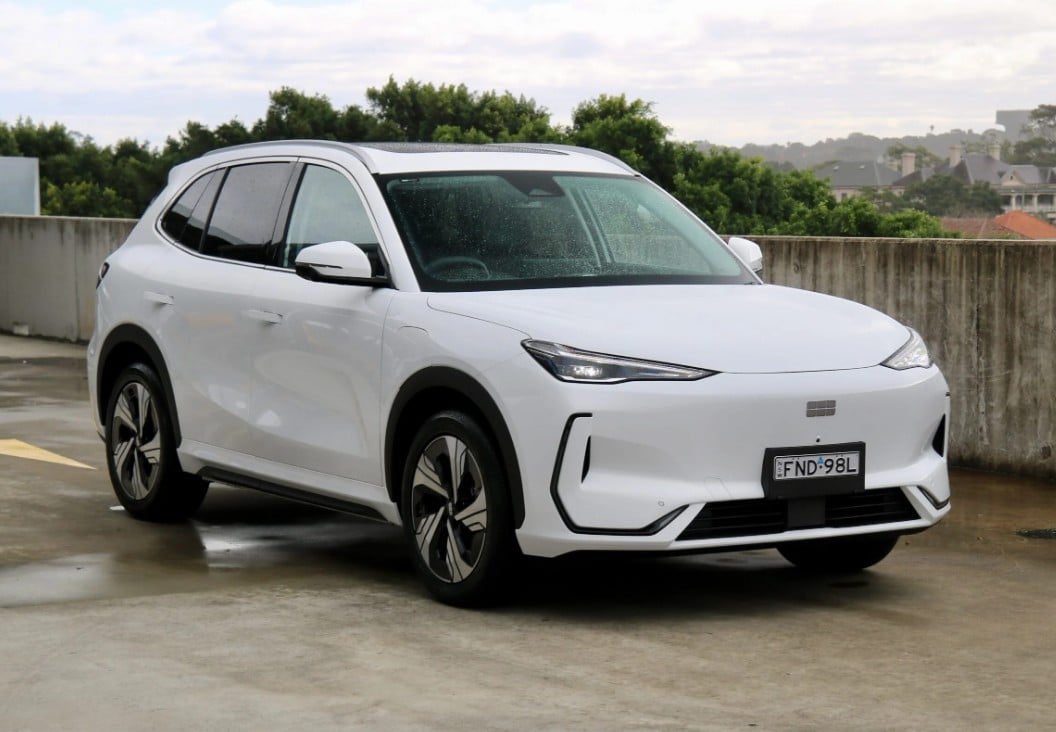
While some contenders in the electric medium SUV segment cost well over $80,000, the Geely EX5 sits at the opposite end of the price spectrum. Starting at just $41,990 before on-road costs, it’s the most affordable vehicle in this field.
That price buys the entry-level Complete Extended Range, with the better-equipped Inspire Extended Range positioned above it. Both use a 68.4kWh battery and a front-mounted electric motor producing 160kW and 320Nm. The Complete offers up to 475km of WLTP range, while the Inspire’s additional equipment and larger wheels reduce that figure to 450km.
DC charging capacity peaks at a relatively modest 100kW, well below newer 800-volt competitors, although that’s more forgivable at this price. Geely claims a 30-80 per cent recharge takes around 20 minutes under suitable conditions, while AC charging is supported at up to 11kW.
Measuring 4615mm long, the EX5 is among the smaller medium SUVs, but its generous 2750mm wheelbase helps maximise interior space. Rear accommodation is surprisingly roomy, aided by a flat floor, while thoughtful storage solutions include a large tray beneath the centre console.
Boot space is less impressive. The quoted 302-litre capacity with the rear seats upright is well below the class average, although additional underfloor storage increases the total to 410 litres. Folding the second row expands maximum cargo volume to a substantial 1877 litres, making the EX5 considerably more versatile when carrying larger loads.
Inside, a 15.4-inch touchscreen dominates the modern dashboard, with most functions accessed through the display. Physical controls are limited, although some useful buttons remain. Material quality is another pleasant surprise, with soft-touch surfaces and an overall presentation that exceeds expectations at this price.
On the road, the 160kW motor delivers adequate rather than exciting performance. Steering is light and the suspension favours comfort, although its soft calibration results in less disciplined body control over undulating surfaces. Keen drivers will also find little in the way of genuine engagement.
The EX5’s weaknesses are clear: relatively slow DC charging, a modest boot and overly soft suspension. However, its generous passenger accommodation, respectable 475km maximum range and exceptionally competitive pricing make a persuasive case. Value is undoubtedly its greatest strength, but there’s enough substance here to make the EX5 a worthy contender.
Kia EV5
6
Price: From $56,770 plus on-road costs
Drivetrains: Single- or dual-motor electric, single-speed transmission, 64.2kWh or 88.1kWh
batteries
Outputs: 160kW/310Nm (2WD), 230kW/480Nm (AWD)
Driving range (WLTP): 400km (Air Standard Range), 470km (GT-Line), 500km (Earth Long
Range), 555km (Air Long Range)
Warranty: Seven-year/unlimited km (car), eight-year/160,000km (EV battery)
Five-year service cost: $1185 (standard range) – $1517 (long range)
| Driving | |
| Interior | |
| Practicality | |
| Overall value | |
Strengths
- Well priced at the entry point
- Well equipped across the range
- Practical and good quality cabin
Weaknesses
- Ride and handling need work
- Not very efficient in the real world
- Doesn’t use the same 800V platform as EV6
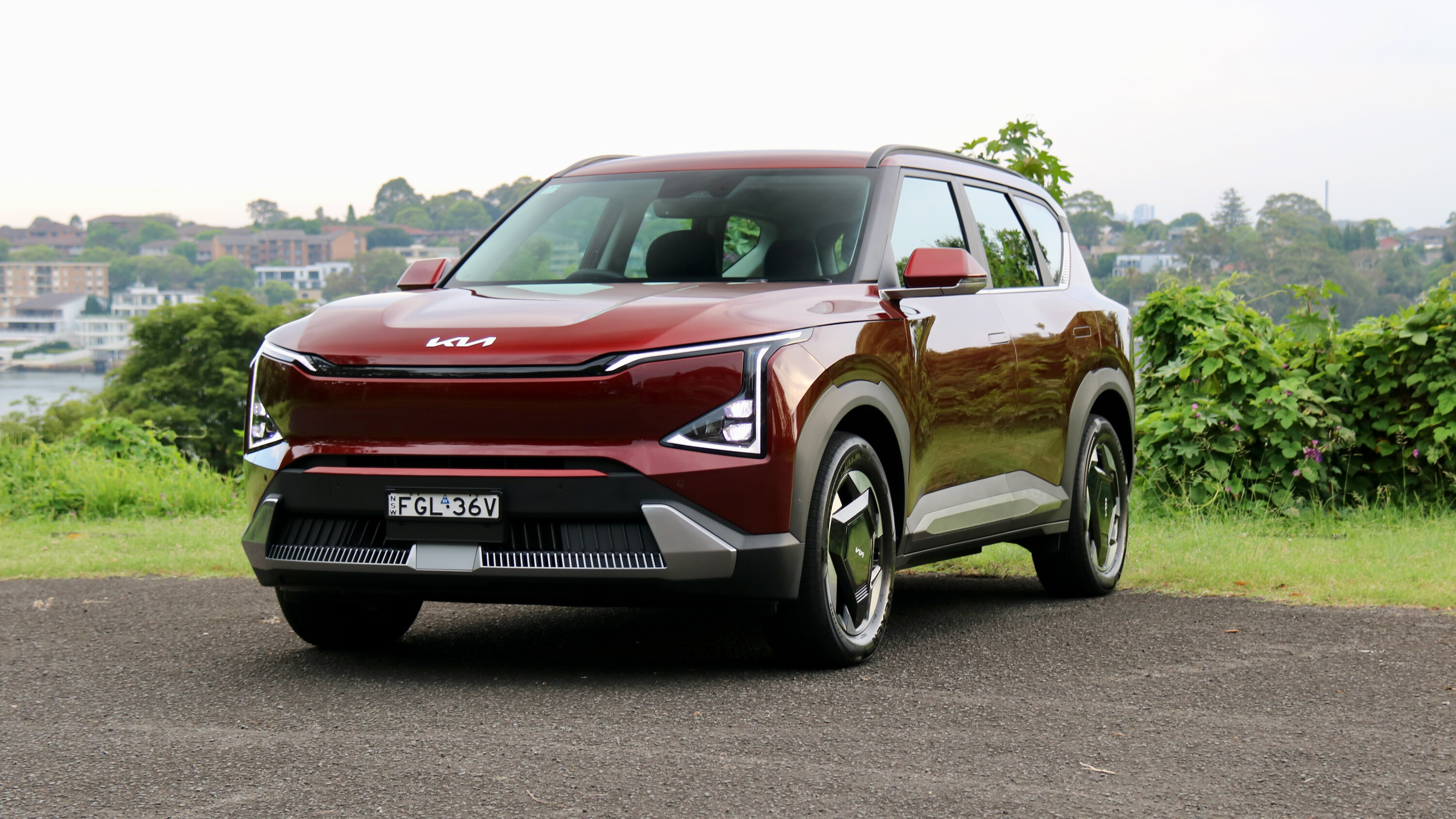
The Kia EV5 has become one of Australia’s more popular electric medium SUVs, thanks partly to its conventional, family-focused design. Rather than adopting the coupe-inspired styling of some rivals, its upright proportions prioritise passenger accommodation, luggage space and everyday practicality.
Pricing starts at $56,770 before on-road costs for the Air Standard Range, positioning it competitively within the segment. The Air Long Range costs $61,170, followed by the Earth AWD at $64,770 and flagship GT-Line AWD at $71,770.
Driving range varies considerably across the line-up. The Air Standard Range offers 400km on the WLTP cycle, while the front-wheel-drive Air Long Range stretches that to an impressive 555km. The all-wheel-drive Earth manages 500km, with the GT-Line rated at 470km.
Charging performance is less competitive against newer 800-volt rivals. Kia quotes approximately 36 minutes for a 10-80 per cent DC recharge in the Standard Range when connected to a 350kW charger, increasing to around 38 minutes for Long Range versions. That’s well short of the sub-15-minute times claimed by some competitors.
Practicality, however, is where the EV5 excels. Its 4615mm-long body rides on a 2750mm wheelbase, while the boxy roofline provides generous headroom in both rows. The 513-litre boot expands to 1714 litres with the rear seats folded, complemented by a useful 67-litre front storage compartment that’s ideal for charging cables.
Inside, twin 12.3-inch displays are joined by a smaller 5.0-inch climate screen, following the layout found in other recent Kia models. Materials are solid rather than luxurious, but there’s ample storage throughout the cabin, while the flat rear floor makes life easier for second-row passengers.
On the road, the EV5 delivers competent handling and reassuring performance, although its suspension can become unsettled over successive bumps. Even the entry-level Air’s 160kW motor provides ample acceleration for everyday driving, while the more powerful all-wheel-drive variants offer additional punch.
The EV5’s biggest shortcomings are its relatively slow charging and occasionally inconsistent ride quality. However, its spacious cabin, generous luggage capacity, maximum 555km range and practical design give it strong family credentials. Factor in Kia’s seven-year warranty and affordable servicing, and its popularity is easy to understand.
Lexus RZ

4
Price: From $84,500 plus on-road costs
Drivetrains: Dual-motor electric, single-speed transmission, 74.7kWh or 77kWh batteries
Outputs: 280kW/538Nm (500e), 300kW/538Nm (550e)
Driving range (claimed): 437km (550e) 460km (500e)
Warranty: Five-year/unlimited km (car), up to 10-years/unlimited km (EV battery)
Five-year service cost: $1975
| Driving | |
| Interior | |
| Practicality | |
| Overall value | |
Strengths
- Significant price chop makes it much better value
- Excellent refinement and performance
- High-quality cabin materials
Weaknesses
- Lacklustre range across the range
- Slow charging speeds
- Flawed driving position
The Lexus RZ received a substantial update earlier in 2026, bringing more power, improved driving range and significant revisions to its chassis and electric drivetrain. Just as importantly, Lexus slashed prices by as much as $42,000, making its electric medium SUV considerably more competitive.
The range now opens at $84,500 before on-road costs for the RZ500e Luxury, followed by the $91,000 Sports Luxury. The RZ550e F Sport costs $105,000, while a new RZ600e F Sport Performance tops the line-up, with just nine examples allocated to Australia.
The RZ500e uses Lexus’s dual-motor DIRECT4 all-wheel-drive system, producing 280kW, while the RZ550e F Sport increases output to 300kW. Battery improvements have also extended driving range, with the RZ500e now offering up to 460km on the WLTP cycle, compared with 437km for the more powerful F Sport.
DC charging remains limited to 150kW, allowing a 10-80 per cent recharge in approximately 30 minutes under suitable conditions. AC charging has improved considerably, however, with support for up to 22kW putting the RZ among the segment’s leaders.
Measuring 4805mm long and riding on a 2850mm wheelbase, the RZ is one of the larger contenders in this category. Its 522-litre boot expands to 1451 litres with the rear seats folded, respectable figures given its sloping roofline. However, there’s no front storage compartment, while rear-seat accommodation, although comfortable for two adults, isn’t as generous as some rivals built on dedicated EV platforms.
Cabin quality is a particular strength, as you’d expect from Lexus. A 14.0-inch infotainment touchscreen is complemented by physical controls for key functions, while the materials, seating and overall fit and finish reinforce its premium positioning.
The 2026 update also introduced additional body reinforcement and revised suspension tuning, improving handling and body control without compromising the quiet, refined ride that has long been a Lexus hallmark. The DIRECT4 system continuously adjusts torque distribution between the axles, contributing to the RZ’s reassuring road manners.
The F Sport adds steer-by-wire technology with a yoke-style steering control, along with simulated gearshifts designed to replicate elements of a conventional performance car’s driving experience.
Although its 150kW DC charging capability and maximum 460km range trail several less expensive competitors, the RZ counters with excellent cabin quality, a practical 522-litre boot, polished dynamics and impressive refinement. It’s not a benchmark for range or charging speed, but its improved value and sophisticated driving experience make it an appealing luxury EV alternative.
Mercedes-Benz GLC Electric
8
Price: From $110,000 plus on-road costs
Drivetrains: Dual-motor all-wheel drive electric, single-speed transmission, 94kWh battery
Outputs: 360kW/700Nm
Driving range (WLTP): 630km
Warranty: Five-year/unlimited km
Five-year service cost: $4440
| Driving | |
| Interior | |
| Practicality | |
| Overall value | |
Strengths
- Over 600km of driving range
- Excellent driving experience
- Finally the GLC and EQC are one model
Weaknesses
- Styling will divide opinion
- A lot of screen to get used to
- Only one model for now
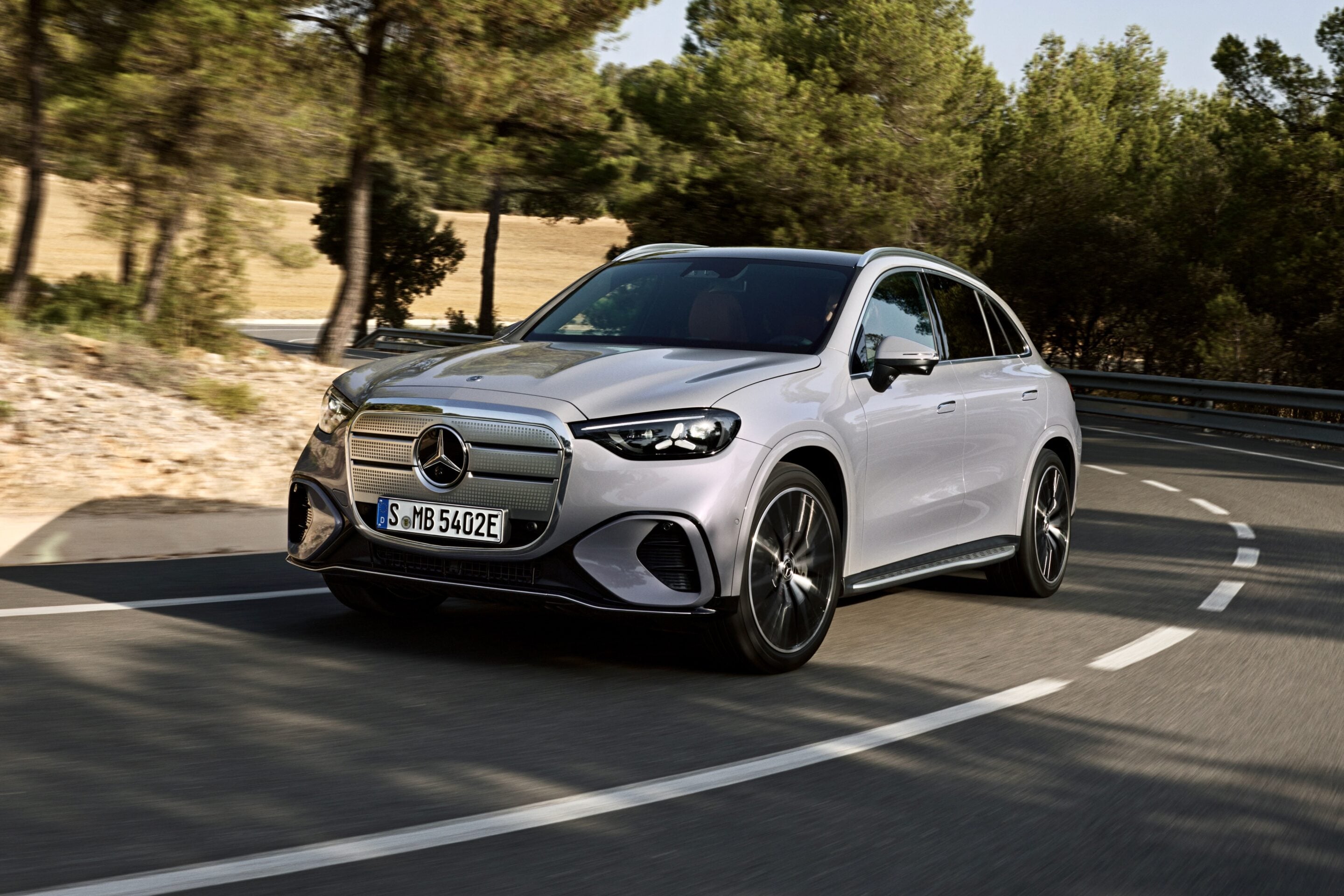
Mercedes-Benz is entering a new era of electrification, with the GLC with EQ Technology replacing the pioneering EQC and adopting the familiar name of the brand’s best-selling model globally. Unlike its predecessor, the new electric GLC rides on a dedicated EV platform, bringing significant improvements in range, charging performance and interior space.
Initially, Australian buyers have just one variant to choose from. The GLC 400 4MATIC features a dual-motor all-wheel-drive system producing a combined 360kW, while its 94kWh usable battery delivers up to 630km of WLTP range. That’s a substantial improvement over the outgoing EQC and gives the newcomer considerably greater long-distance touring ability.
Its 800-volt electrical architecture supports DC charging at up to 330kW, with Mercedes-Benz quoting approximately 22 minutes for a 10-80 per cent recharge under ideal conditions. The company also claims up to 300km of range can be added in just 10 minutes, while AC charging is supported at 11kW.
The dedicated platform brings worthwhile packaging benefits, too. The 570-litre boot expands to a generous 1740 litres with the rear seats folded, complemented by an unusually large 128-litre storage compartment beneath the bonnet that’s ideal for charging cables or smaller bags.
Rear passengers benefit from the long wheelbase and flat floor, with ample legroom and headroom for adults. Up front, the cabin follows Mercedes-Benz’s increasingly digital design philosophy, with an optional MBUX Hyperscreen stretching across much of the dashboard.
Materials and overall presentation meet luxury expectations, although the extensive reliance on touchscreen controls means relatively few conventional switches remain. That’s hardly unusual in this increasingly technology-focused segment, but it can make some everyday functions less intuitive.
On the road, the GLC 400’s 360kW drivetrain delivers effortless acceleration, although refinement takes precedence over outright sportiness. Wind and drivetrain noise are exceptionally well suppressed, while the suspension prioritises ride comfort without sacrificing body control. Despite a substantial 2535kg kerb weight, the GLC remains reassuringly composed through corners.
For Australian buyers regularly undertaking long highway journeys, the combination of 630km WLTP range and rapid 330kW charging is particularly appealing, reducing both the frequency and duration of charging stops.
Positioned towards the premium end of this category, the electric GLC justifies its pricing with impressive touring capability, a beautifully presented cabin and excellent practicality. Its generous luggage space, substantial front storage compartment and polished driving manners make it a formidable contender.
Like its BMW iX3 arch-rival, the new GLC Electric sets a high benchmark for luxury electric medium SUVs.
Polestar 4
8
Price: From $73,900 plus on-road costs
Drivetrains: Single or dual-motor electric, rear- or all-wheel drive, single-speed
transmission, 100kWh battery
Outputs: 200kW/343Nm (single motor), 400kW/686Nm (dual motor)
Driving range (WLTP): 620km (single motor), 590km (dual motor) (+10km for SUV variant)
Warranty: Five-year/unlimited km (car), eight-year/160,000km (EV battery)
Five-year service cost: Included in the price
| Driving | |
| Interior | |
| Practicality | |
| Overall value | |
Strengths
- Luxurious and tech-filled cabin
- Solid driving experience and performance
- New wagon-like SUV model due soon
Weaknesses
- The coupe has no rear window
- Touchscreen controls most functions, including the mirrors
- Extensive options list
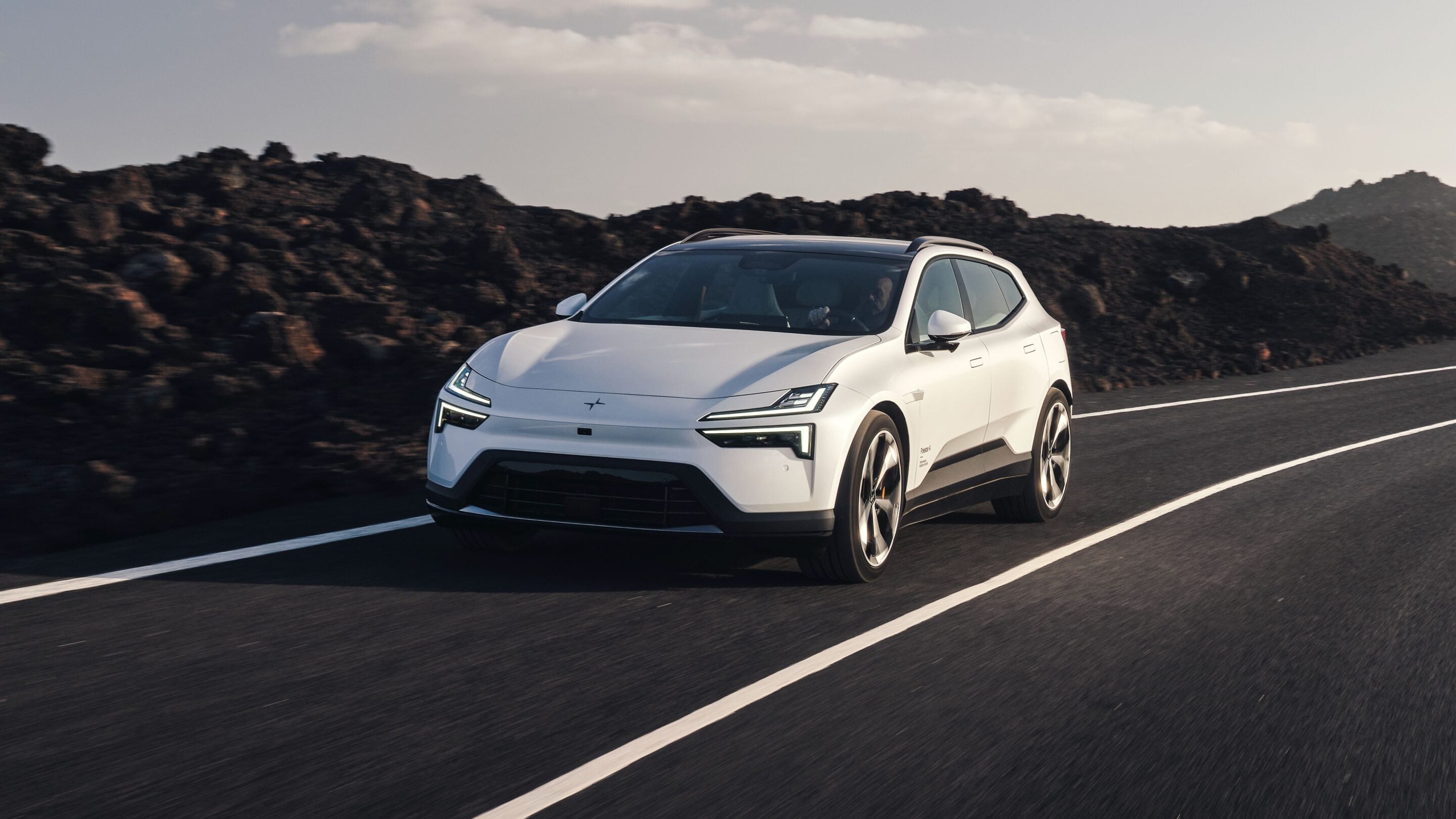
Few electric SUVs have generated as much controversy over a single design decision as the Polestar 4. Its most contentious feature is the absence of a conventional rear window, replaced by a permanently operating digital rear-view mirror. Now known as the Polestar 4 Coupe following the unveiling of a more conventional wagon-like SUV variant, it’s otherwise a surprisingly straightforward proposition.
The range is refreshingly simple, comprising single-motor rear-wheel-drive and dual-motor all-wheel-drive versions, with an optional Performance Package available for the latter.
The single-motor model produces 200kW and 343Nm, while the dual-motor effectively doubles those outputs to 400kW and 686Nm, delivering a claimed 0-100km/h time of just 3.8 seconds. Current Australian specifications quote WLTP ranges of 620km and 590km respectively, with the new SUV body style adding another 10km to each figure.
Both variants use a substantial 100kWh battery and support DC charging at up to 200kW. That’s respectable rather than class-leading, with a 10-80 per cent recharge taking approximately 30 minutes. Standard AC charging is 11kW, although 22kW capability is available for an additional $900.
Despite its sleek roofline, the Polestar 4 offers impressive passenger accommodation. Its long 2999mm wheelbase creates generous rear legroom, while the flat floor makes the centre seating position more practical than in many combustion-powered rivals. The second row feels particularly spacious and almost limousine-like.
The new SUV variant offers 530 litres of luggage space measured to the seatbacks, expanding to 1665 litres with the rear seats folded. The Coupe provides a slightly larger 536-litre boot with the seats upright, but a smaller 1536-litre maximum capacity. Both also feature a modest 15-litre front storage compartment.
Inside, a 15.4-inch touchscreen with Google built-in dominates the minimalist dashboard, with relatively few physical controls. Material quality is impressive, however, and the expansive glass roof enhances the cabin’s airy ambience.
On the road, the Polestar 4 is among the more dynamically accomplished contenders. The rear-wheel-drive version offers well-balanced handling, direct steering and reassuring body control, while the 400kW dual-motor delivers formidable acceleration. An available Performance Package adds active ZF dampers and upgraded Brembo brakes for greater dynamic capability.
Although its 200kW maximum charging rate trails newer 800-volt competitors, the Polestar 4 counters with up to 620km of WLTP range, generous accommodation, excellent build quality and engaging road manners. The arrival of the more practical SUV variant broadens its appeal further, particularly for buyers who still prefer a conventional rear window.
Skoda Enyaq
4
Price: From $51,990 plus on-road costs (60)
Drivetrains: Single or dual-motor electric, rear- or all-wheel drive, single-speed
transmission, 61kWh or 82kWh batteries
Outputs: 140kW/350Nm (60), 210kW/545Nm (85), 250kW/679Nm (RS)
Driving range (claimed): 431km (60), 551km (85), 565km (85 Sportline), 546km (RS),
557km (RS coupe)
Warranty: Seven-year/unlimited km (car), eight-year/160,000km (EV battery)
Eight-year service cost: $1750 (10 years is $1990)
| Driving | |
| Interior | |
| Practicality | |
| Overall value | |
Strengths
- Well priced, especially at the entry point
- Longest warranty for a European car maker on the market
- One of the most practical medium SUVs
Weaknesses
- Charging speeds are nothing special
- No connected services in Australia
- Missing some features like sat-nav
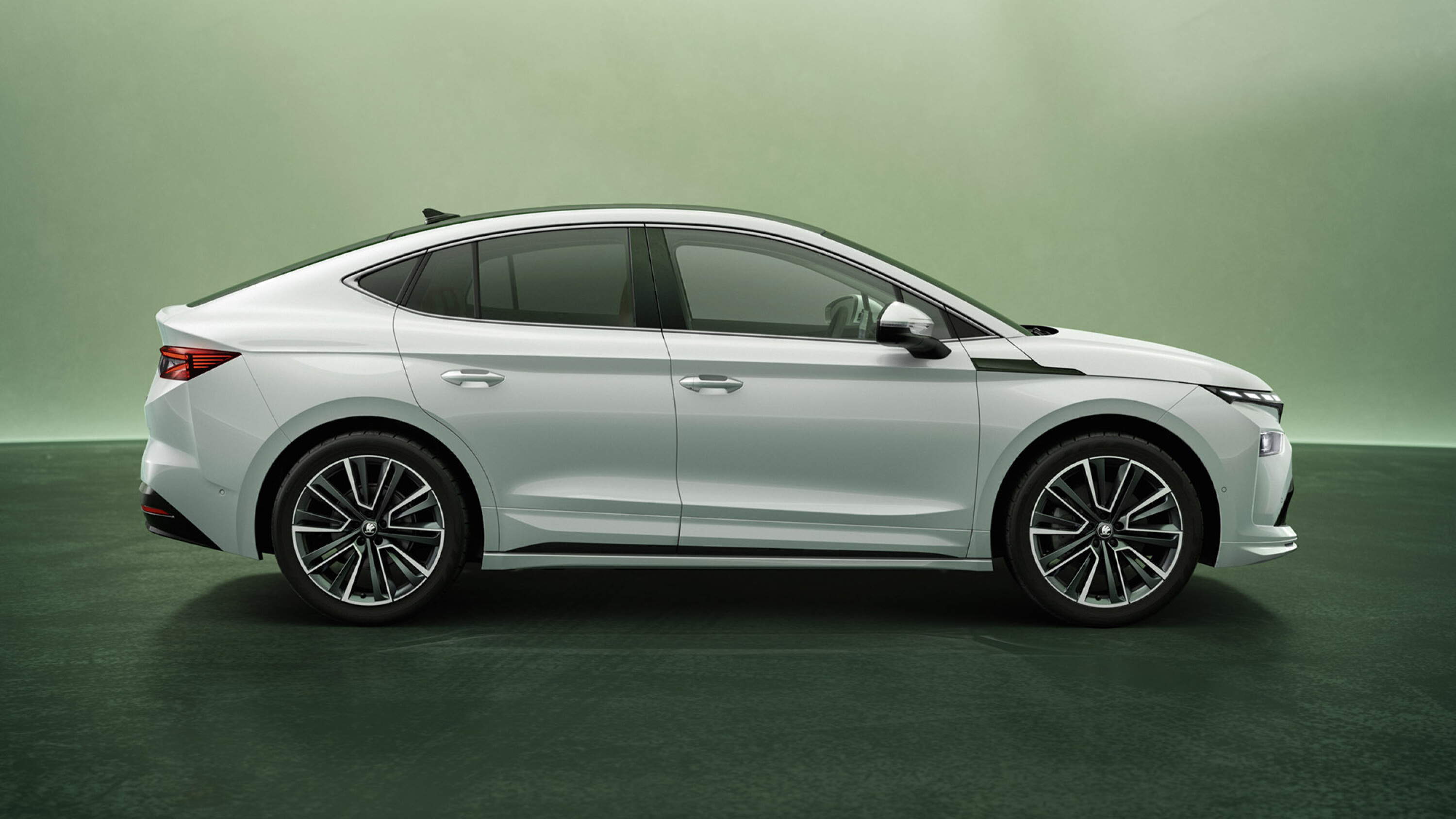
Although the Skoda Enyaq is a relatively recent arrival in Australia, it’s already shaping up as one of the brand’s most important models and could become its best-seller in 2027. Sales remain modest compared with more established rivals, but the Enyaq makes a convincing case as a practical, comfortable and well-rounded electric medium SUV.
For 2026, Skoda expanded the range with a more affordable entry-level variant, strengthening its value proposition without compromising the qualities that make it appealing. The MY27 Enyaq 60 Select starts at $55,990 drive-away, an attractive price for a European electric SUV. Above it sit the longer-range 85 Sportline at $64,990 and the performance-focused RS at $79,990, both also drive-away. Sportline and RS buyers can also choose a sleeker Coupe body style.
The rear-wheel-drive Enyaq 60 uses a 61kWh battery and produces 140kW and 350Nm, delivering up to 431km of WLTP range. The 85 upgrades to an 82kWh battery and a more powerful 210kW/545Nm motor, extending range to 551km in SUV form or 565km for the Coupe. The all-wheel-drive RS uses the same battery, with combined outputs of 250kW and 679Nm and a claimed range of 548-557km.
Charging performance is respectable rather than outstanding. The 60 supports DC charging at up to 105kW, while the 85 and RS increase that to 165kW. Although those figures trail the fastest-charging rivals, Skoda quotes reasonable 10-80 per cent recharge times of 28 minutes for the 60 and 29 minutes for the larger-battery models.
Practicality is a particular strength, as you’d expect from Skoda. The conventional SUV offers a generous 585-litre boot, expanding to 1710 litres with the rear seats folded. Its square load area is especially useful for bulky items, although the Coupe remains impressively accommodating with 570 litres of luggage space, increasing to 1610 litres.
Passenger accommodation is equally impressive, with generous rear legroom and headroom. The cabin also takes a more conventional approach than many electric rivals, combining a central touchscreen with useful physical controls and shortcuts. Materials are attractive rather than flashy, with warm cloth and leather finishes creating a welcoming atmosphere.
On the road, the rear-wheel-drive variants deliver predictable handling, accurate steering and reassuring body control. The suspension strikes a satisfying balance between comfort and agility, with the slightly taut character expected of a well-sorted European SUV.
The entry-level Enyaq 60’s 431km range is relatively modest, and charging speeds fall short of the segment’s leaders. However, the Skoda counters with excellent practicality, a spacious and thoughtfully designed interior, mature driving dynamics and reassuring ownership credentials. A lengthy warranty and affordable servicing, costing just $1990 over the first 10 years, further strengthen its appeal as a sensible electric family SUV.
XPeng G6
5
Price: From $51,800 plus on-road costs
Drivetrains: Single- or dual-motor electric, rear- or all-wheel drive, single-speed
transmission, 68.5kWh or 80.8kWh batteries
Outputs: 185kW/440Nm (RWD Std Range), 218kW/440Nm (RWD Long Range),
358kW/660Nm (AWD Performance)
Driving range (WLTP): 480km (RWD Std Range), 510km (AWD Performance), 525km
(RWD Long Range)
Warranty: Seven-year/unlimited km
Five-year service cost: $2064
| Driving | |
| Interior | |
| Practicality | |
| Overall value | |
Strengths
- Impressively high charging speeds
- Luxurious interior materials
- Much improved compared to pre-updated car
Weaknesses
- Feels heavy and under-damped
- Barely any physical buttons
- Unsupportive front seats
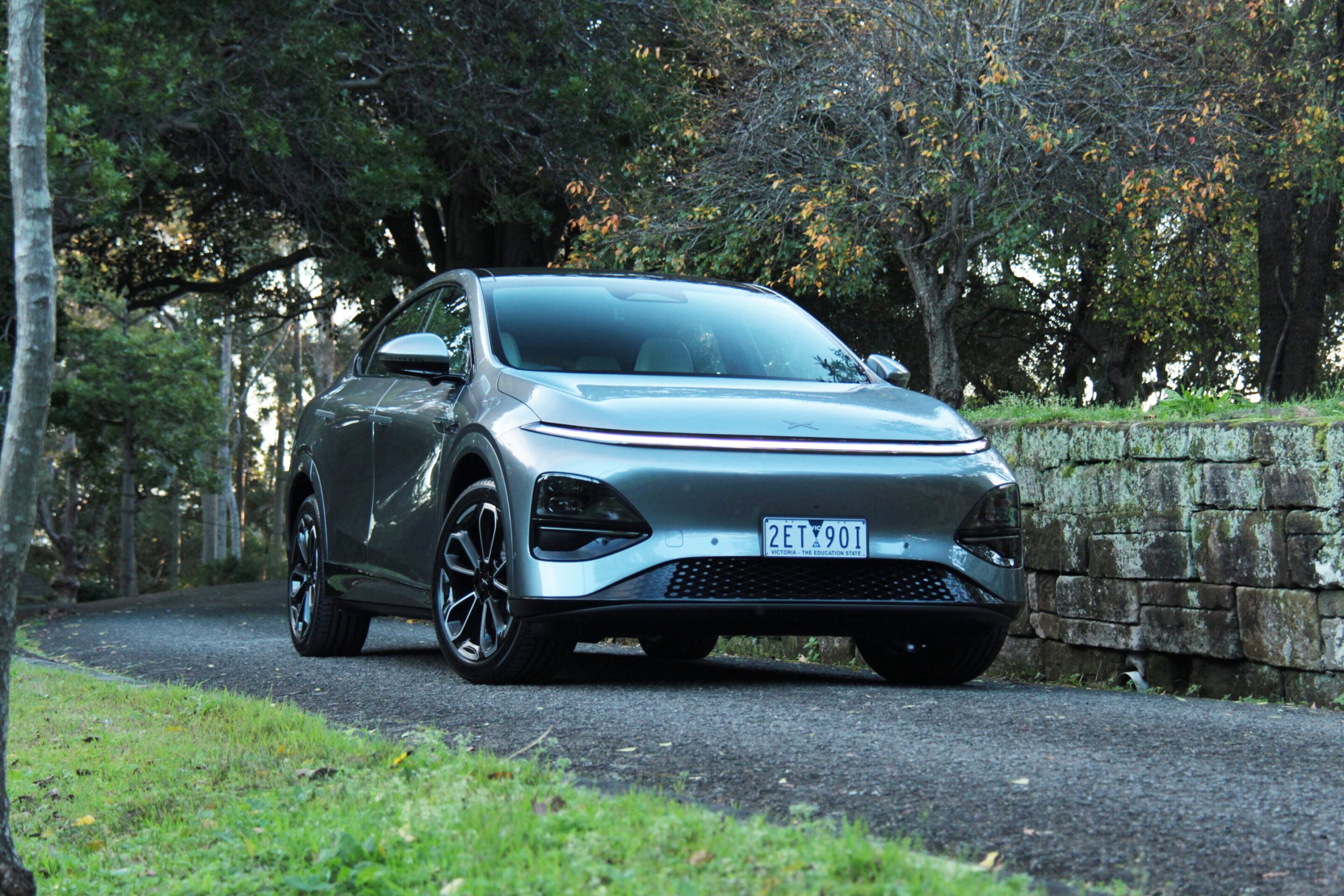
Recently updated for Australia, the XPeng G6 combines competitive pricing with one of the fastest DC charging systems currently available in the country. The range starts at $51,800 before on-road costs for the Standard Range, followed by the Long Range at $56,800 and the AWD Performance at $63,800. All three offer a compelling amount of technology and equipment for the money.
Our pick would be the Long Range, which combines an 80.8kWh battery with a rear-mounted electric motor producing a healthy 218kW and 440Nm. It delivers up to 525km of WLTP range, while the dual-motor Performance increases outputs to 358kW and 660Nm. The latter can accelerate from 0-100km/h in just 4.1 seconds, yet still manages a respectable 510km of claimed range.
The G6’s biggest technical advantage is its 800-volt electrical architecture and advanced 5C battery technology. Maximum DC charging capacity reaches an impressive 451kW, with XPeng claiming a 10-80 per cent recharge takes just 12 minutes under ideal conditions. That makes it one of the fastest-charging electric vehicles currently available in Australia.
Practicality is another strength. Measuring 4758mm long and riding on a 2890mm wheelbase, the G6 provides generous rear-seat accommodation. Boot capacity is particularly impressive at 571 litres, expanding to 1374 litres with the second row folded, although there’s no additional storage compartment beneath the bonnet.
Inside, the G6 follows the minimalist approach favoured by many newer EVs. A large 15.6-inch central touchscreen is complemented by a 10.25-inch digital instrument display, with most vehicle functions accessed through the infotainment system. The clean presentation looks contemporary, but the shortage of physical controls can make some everyday adjustments unnecessarily distracting.
On the road, the G6 prioritises stability and comfort over outright driver engagement. Its double-wishbone front suspension contributes to reassuring body control, while the steering is accurate but offers limited feedback. The car’s considerable weight is also noticeable, particularly during lower-speed manoeuvres and suburban driving.
Ultimately, the XPeng G6 makes a persuasive case on specifications alone. A maximum 525km WLTP range, spacious 571-litre boot and extraordinary 451kW charging capability are impressive at a starting price only slightly above $50,000. Its touchscreen-heavy cabin and somewhat ponderous driving character won’t appeal to everyone, but when it comes to battery technology, charging performance and value, the G6 is among the strongest contenders in this field.
Zeekr 7X
3
Price: From $57,900 plus on-road costs
Drivetrains: Single- or dual-motor electric, single-speed transmission, 75kWh or 100kWh
batteries
Outputs: 310kW/440Nm (base/Long Range), 475kW/710Nm (Performance)
Driving range (WLTP): 480km (base), 543km (Performance), 615km (Long Range)
Warranty: Five-year/unlimited km (car), eight-year/160,000km (EV battery)
Five-year service cost: $2385
| Driving | |
| Interior | |
| Practicality | |
| Overall value | |
Strengths
- Ultra-fast charging at up to 450kW
- Spacious and premium-feeling cabin
- Good value for money
Weaknesses
- Warranty could be longer
- Active safety features can be sensitive
- No spare wheel
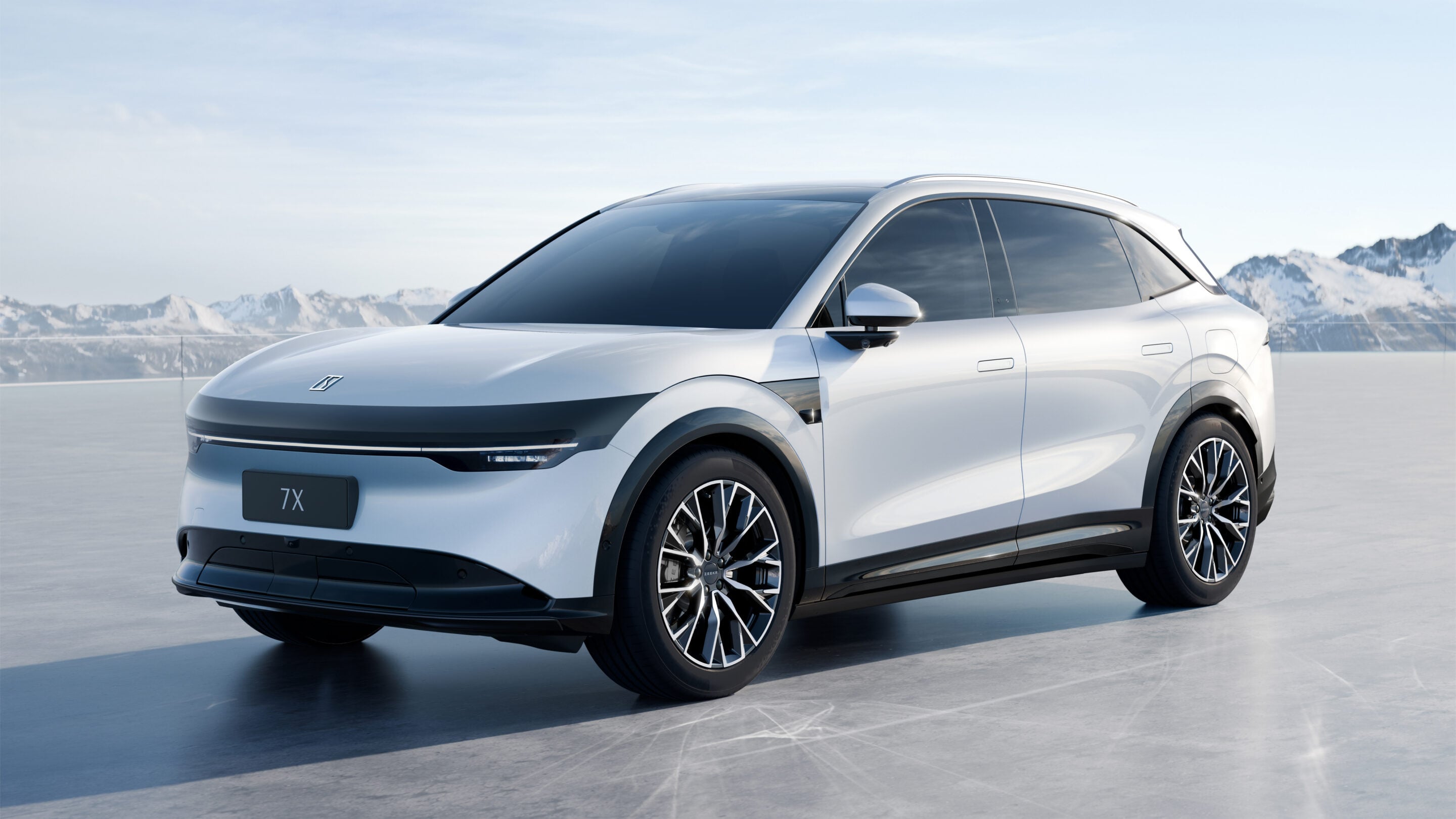
The Zeekr 7X has been one of the surprises of 2026. Despite arriving from a relatively unknown brand, it has quickly established itself as one of Australia’s better-selling electric medium SUVs, thanks to competitive pricing, impressive performance and some of the most advanced charging technology on the market.
The range starts at $57,900 before on-road costs for the rear-wheel-drive model, rising to $63,900 for the Long Range RWD and $72,900 for the flagship Performance AWD. All three offer compelling value against similarly sized electric rivals.
Even the entry-level version produces a substantial 310kW and uses a 75kWh lithium iron phosphate (LFP) battery, delivering up to 480km of WLTP range. The Long Range upgrades to a 100kWh battery, extending driving range to an impressive 615km. The Performance uses the same larger battery but adds a second motor, boosting combined outputs to 475kW and 710Nm. That translates to a claimed 0-100km/h time of just 3.8 seconds.
Charging performance is another major strength. The 7X’s 800-volt electrical architecture supports DC charging at up to 450kW with the smaller battery, while the 100kWh versions can accept 420kW. Zeekr claims a 10-80 per cent recharge takes less than 16 minutes under ideal conditions, putting it among Australia’s fastest-charging EVs. AC charging is equally impressive at up to 22kW.
Measuring 4787mm long and 1930mm wide, with a generous 2900mm wheelbase, the 7X makes excellent use of its dimensions. Rear-seat accommodation is spacious enough for taller adults, while the broad cabin provides reasonable room for three passengers across the second row.
Luggage capacity is another highlight, with a 539-litre boot expanding to a substantial 1978 litres with the rear seats folded. Rear-wheel-drive variants also offer up to 62 litres of additional storage beneath the bonnet.
Inside, a crisp, responsive 16-inch touchscreen dominates the dashboard, controlling most vehicle functions. The menu structure takes some familiarisation, but material quality is impressive throughout. The Performance adds further luxury touches, including air suspension, adaptive dampers, Nappa leather upholstery and electrically adjustable rear seats.
On the road, the 7X favours comfort and refinement over outright sporting agility. Even the rear-wheel-drive versions deliver strong acceleration, while the 475kW Performance is exceptionally quick. Its considerable weight becomes apparent during enthusiastic cornering, however, and steering feedback is limited compared with the best-driving rivals. Nevertheless, the 7X remains a comfortable and composed everyday proposition.
Ultimately, the figures make a compelling case: up to 615km of WLTP range, 450kW DC charging, a 539-litre boot and as much as 475kW of power. Few competitors can match that combination of performance, technology, practicality and value at similar prices, making the 7X’s growing popularity easy to understand.
Follow WhichCar/Wheels on Google
Click the button below to make WhichCar by Wheels a preferred source for your news.

We recommend
-
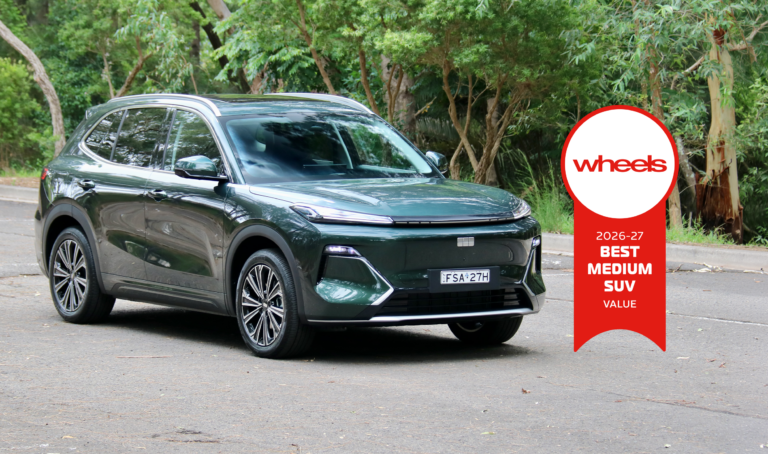 Best Medium SUVs
 2026: Value
Discover the best-value medium SUVs for 2026, with affordable pricing, generous equipment, family-friendly practicality and efficient hybrid or electric powertrains.
-
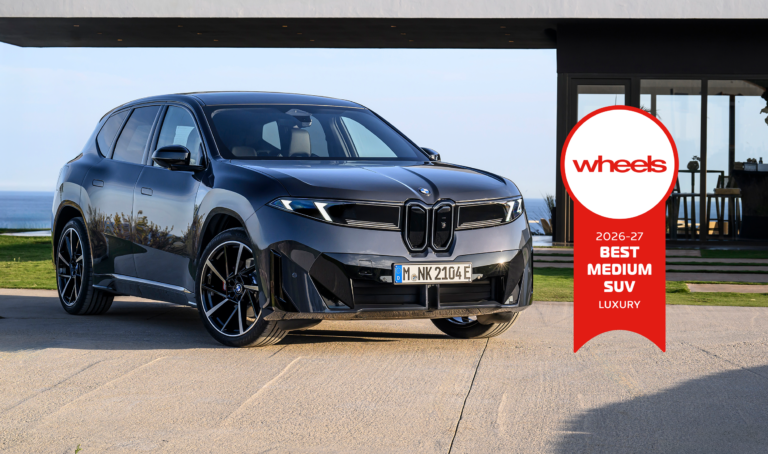 Best Medium SUVs
 2026: Luxury
Our contenders in the Luxury segment range from European benchmarks to ambitious newcomers, but all bring an enticing blend of premium comfort, performance and advanced technology.
-
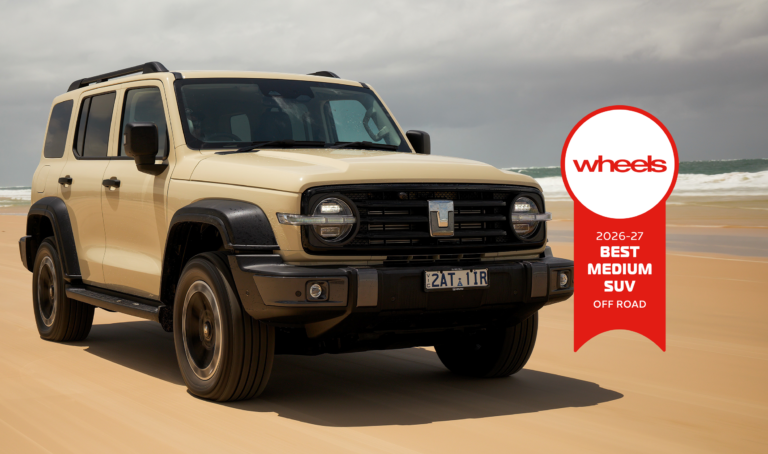 Best Medium SUVs
 2026: Off-road
Rugged plug-in hybrids and versatile all-wheel drives, these SUVs are our pick for combining everyday practicality with off-road adventure.
