News

Gallery 1
Several well-known car models that have defined segments for decades are being retired as manufacturers pivot toward electrification and more sustainable platforms.
While many of these decisions are driven by global trends, they resonate strongly in Australia, where car culture and legacy models hold a special place. In the UK The Sun has paid tribute to some of the most notable vehicles being phased out in the UK and globally – with potential flow-on effects for Australian motorists.
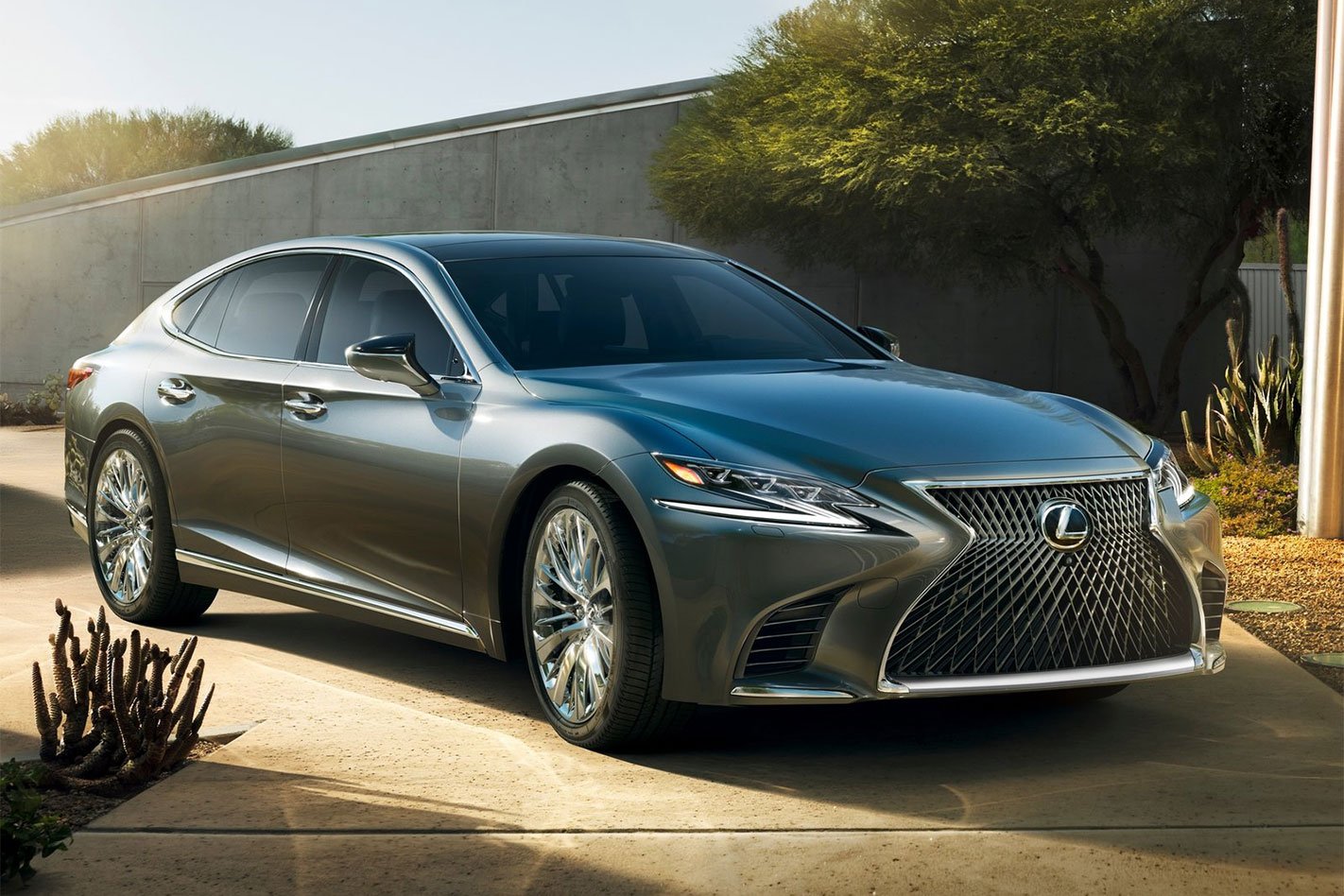
Lexus LS: Luxury pioneer quietly retires
10
After 35 years of production, the Lexus LS saloon has been discontinued, marking the end of an era for Toyota’s luxury brand. First introduced in 1990, the LS played a pivotal role in establishing Lexus as a premium alternative to European giants.
Known for combining refinement and value, the LS evolved through five generations, with the final model – the LS 500 – launching in 2017 and updated in 2020. Priced from around A$194,000 to A$246,000, the luxury sedan struggled to remain relevant in a segment now dominated by SUVs. Just 39 units were sold in the UK since 2020 – only three of them in 2024 – signalling the end was inevitable.
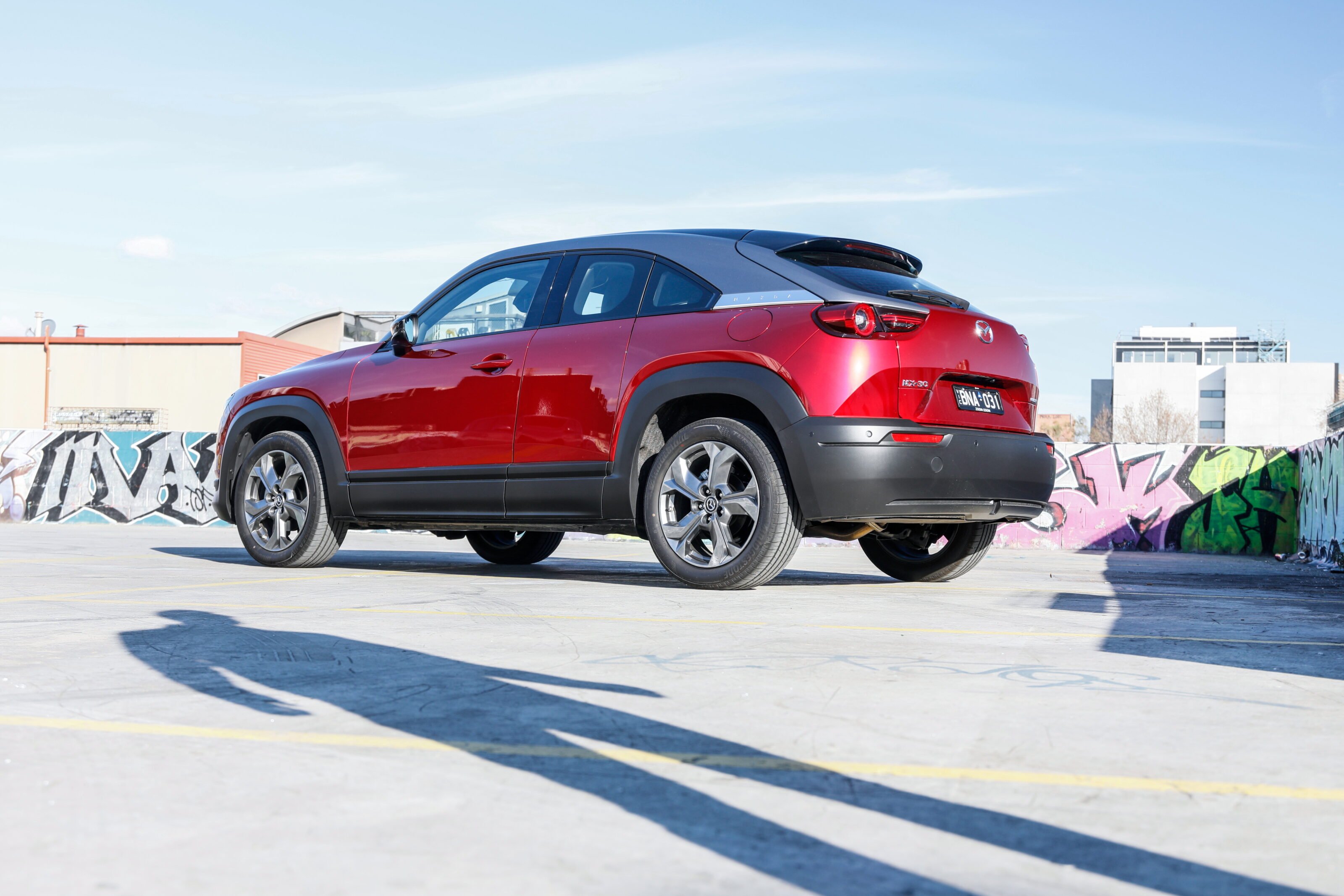
Mazda2 and MX-30: Compact farewells from Mazda
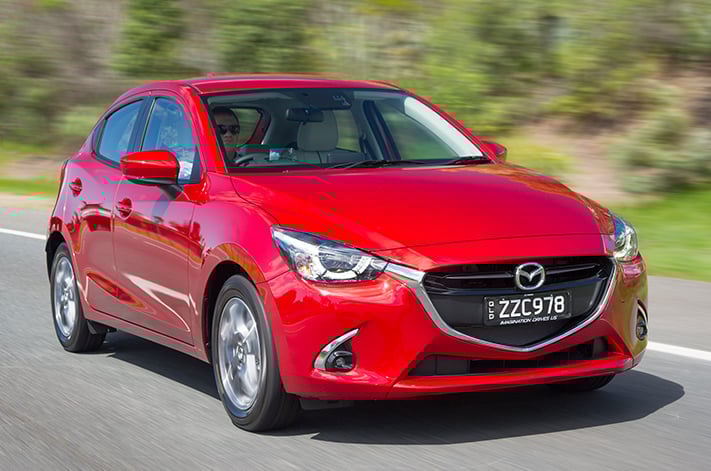
Mazda has confirmed the end of its Mazda2 supermini, which had a loyal following thanks to its fun handling and no-nonsense design. Although available for a decade, the petrol and mild-hybrid variants have been phased out in favour of the Mazda2 Hybrid – a rebadged Toyota Yaris currently not offered in Australia.
Mazda Australia ceased offering the fully electric MX-30 in 2023, the brand’s first EV, after sluggish global sales. With a driving range of just over 200 km and limited cabin space, the MX-30 never gained strong traction here either. However, the plug-in hybrid variant remains available in some international markets.
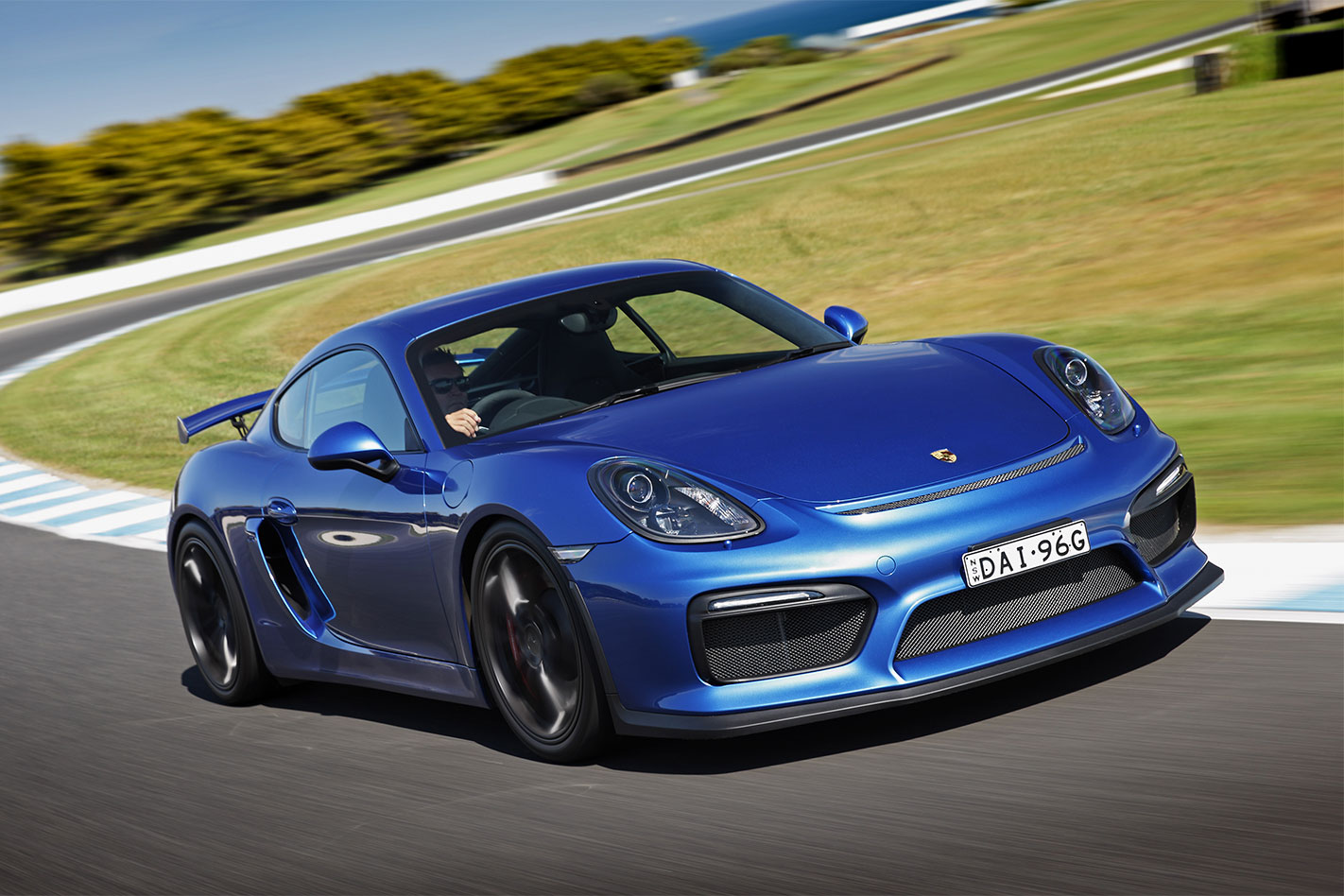
Porsche 718 Boxster and Cayman: Petrol era ending
Production of Porsche’s iconic 718 Boxster and Cayman will officially cease in October 2025, with no immediate successor announced. These mid-engine sports cars have long been a favourite in Australia for offering premium driving thrills at a relatively attainable price point.
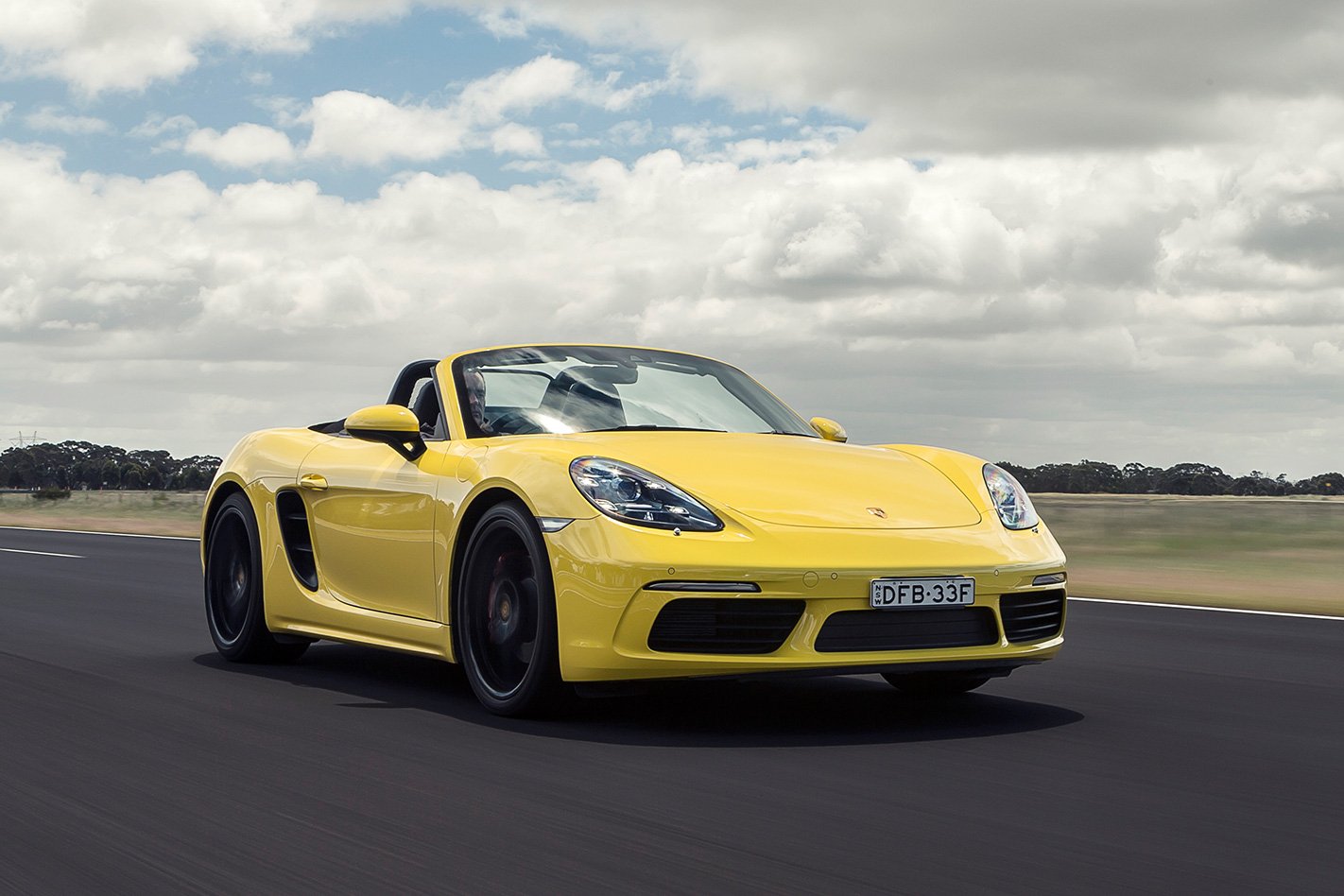
While new cybersecurity regulations forced an early exit in some European countries, Australia and the UK – unaffected by those rules – will continue to see availability until the global cutoff. A future electric version is expected but yet to be formally revealed.
Nissan GT-R: Aussie legend retires globally
The Nissan GT-R, affectionately known as “Godzilla” down under, is ending global production in 2025. While the R35 GT-R was pulled from Australian showrooms back in 2021 due to side-impact regulation changes, its recent retirement in Japan closes the final chapter of the 17-year-old performance icon.
Launched in 2007, the GT-R was a benchmark for bang-for-buck performance and held a cult status in Australia. While an electric replacement had been rumoured, Nissan’s financial constraints may delay those developments.
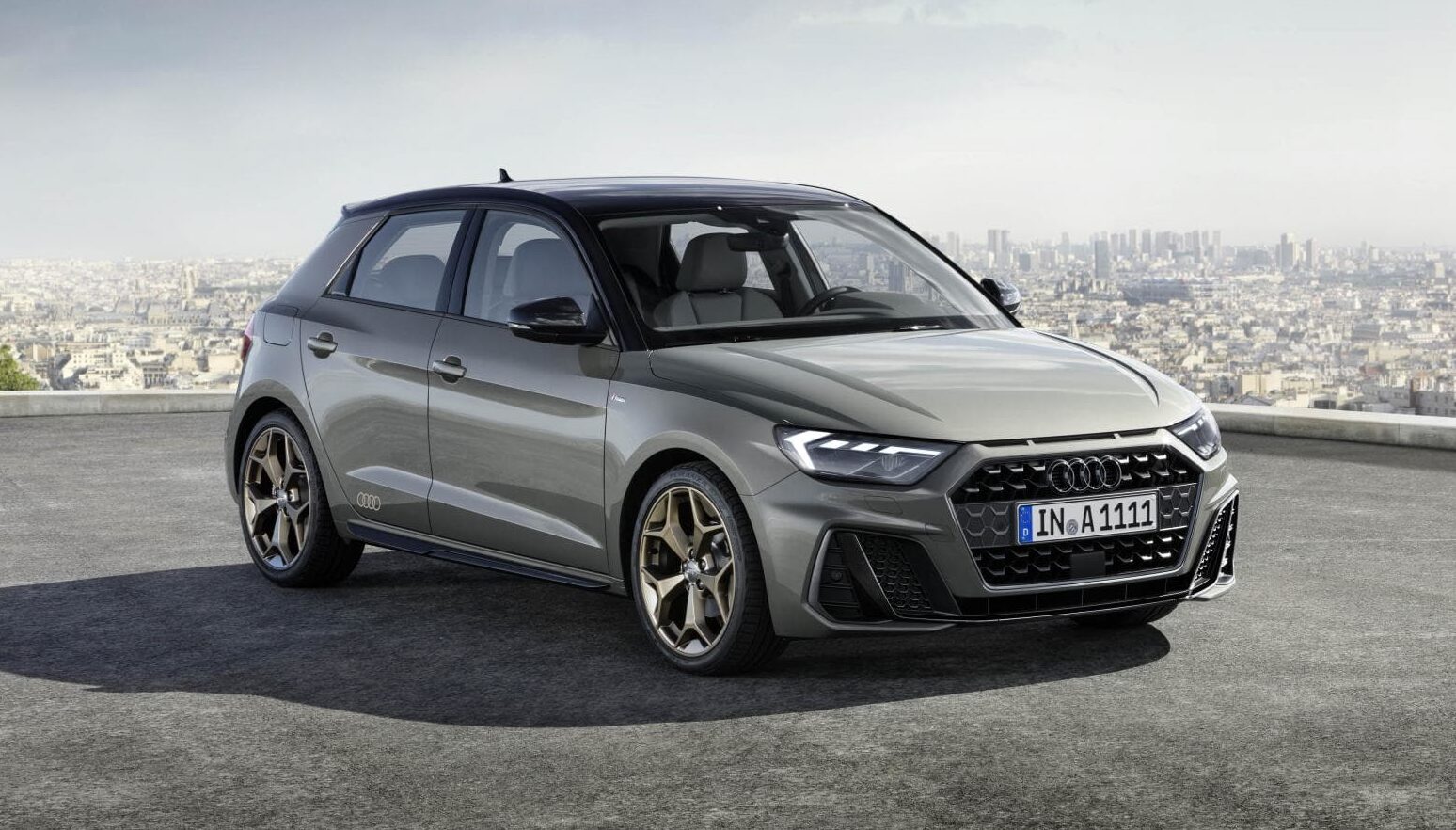
Audi A1 and Q2: Entry Audis being phased out
Audi has confirmed it will discontinue its smallest models – the A1 hatch and Q2 SUV – by 2026. Though not major volume sellers in Australia, they served as key entry points into the brand for younger buyers.
Audi says it will launch a new battery-electric vehicle to slot beneath the Q4 e-tron, targeting the compact segment with a focus on affordability and sustainability. Local availability will likely follow European production timelines, expected to begin in 2026.
Ford Focus ST: Hot hatch era winds down
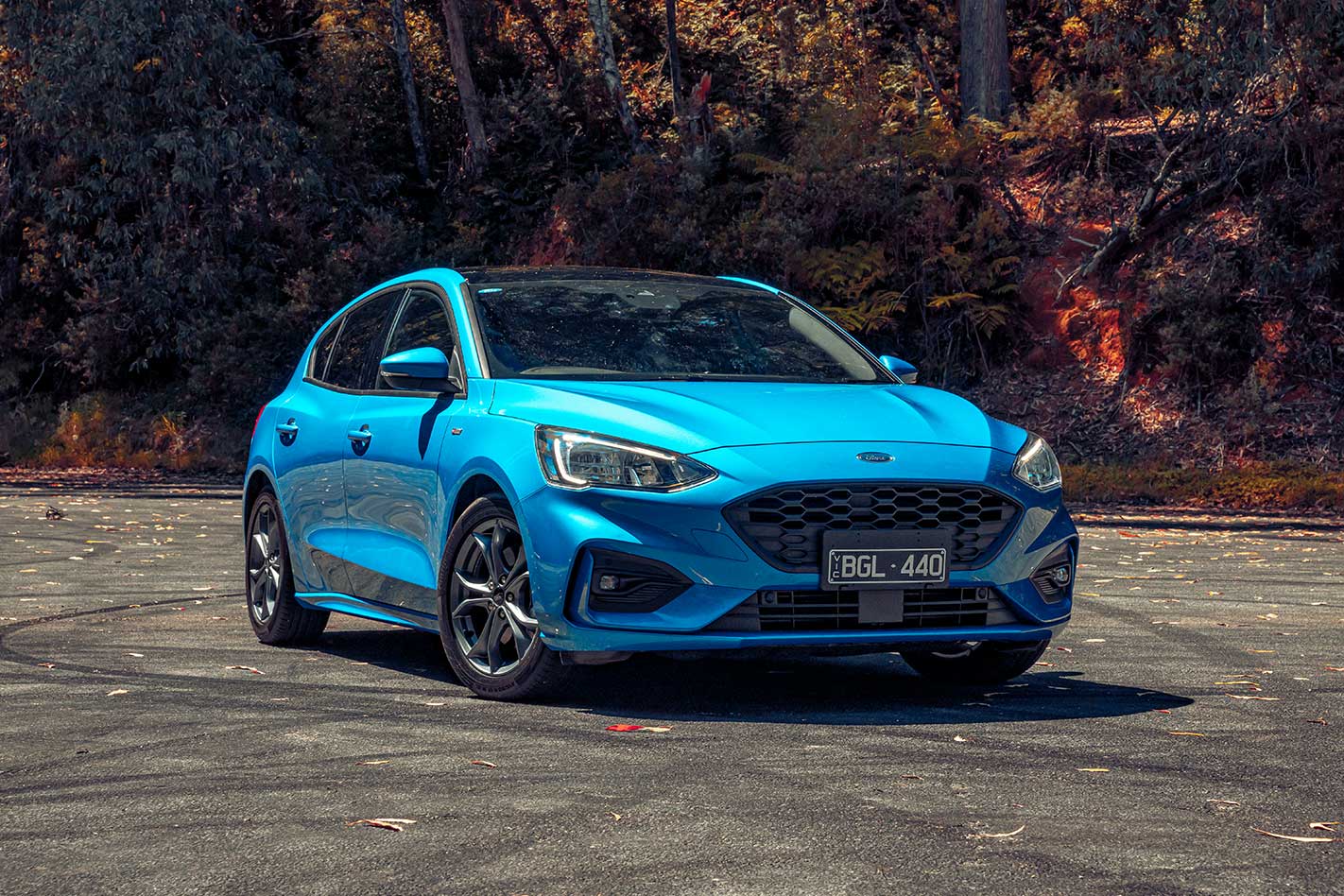
The Ford Focus ST, long revered by driving purists and performance hatchback fans, has been pulled from the UK market, with production ending in November 2025. Australian sales of the Focus ST were also wound down in recent years as Ford shifted focus to SUVs and commercial vehicles.
Though Ford still offers performance models like the Mustang and Ranger Raptor locally, the Focus ST’s departure signifies the broader decline of traditional hot hatches in favour of high-riding, electrified alternatives.
Follow WhichCar/Wheels on Google
Click the button below to make WhichCar by Wheels a preferred source for your news.