News
Gallery 1
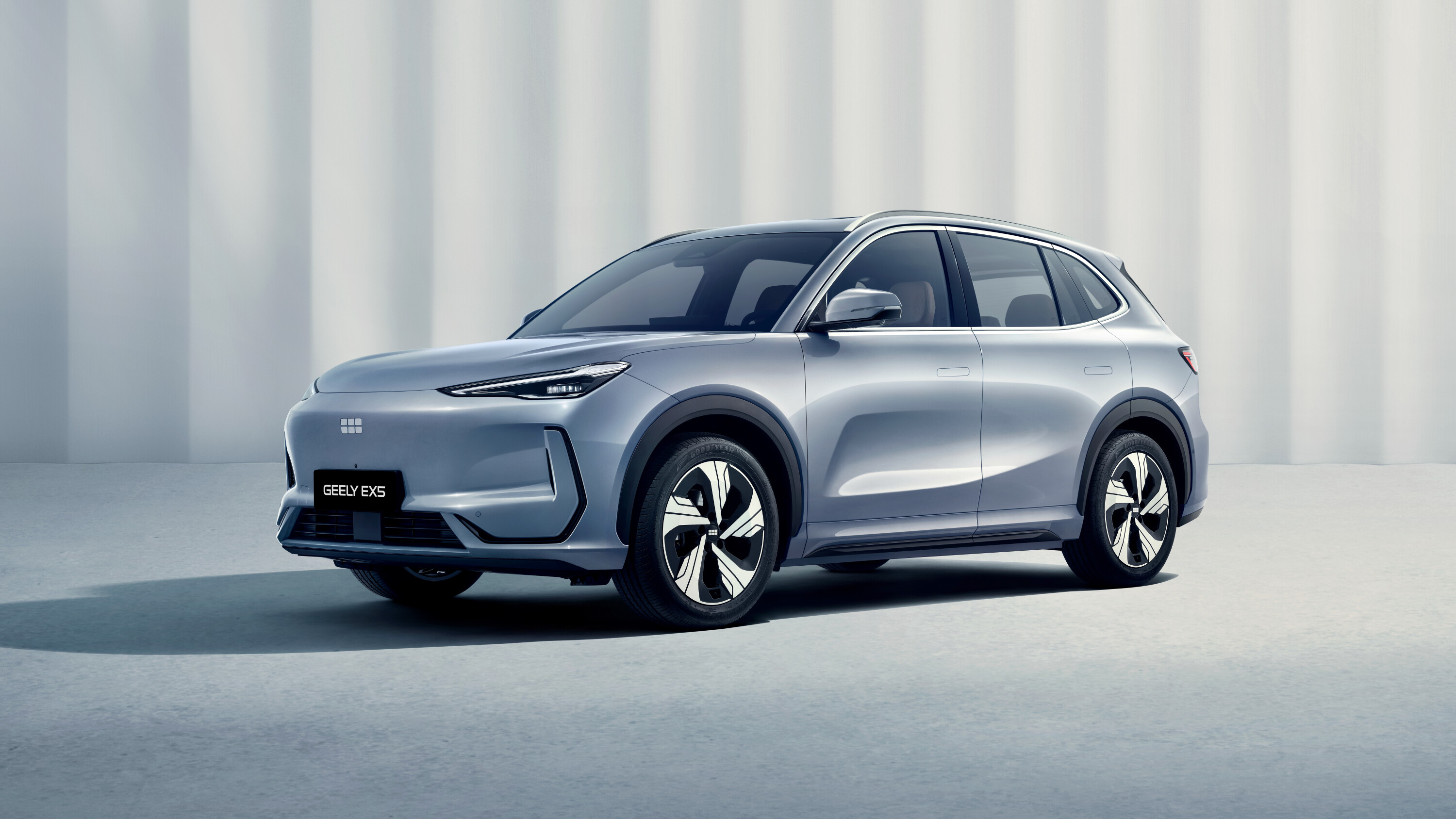
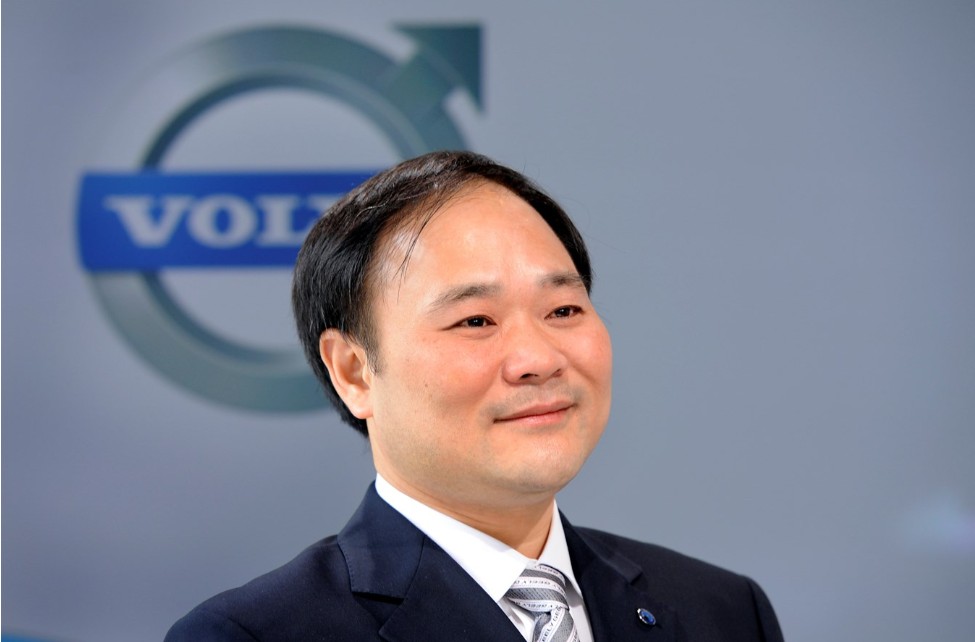
Geely Holding Group chairman and founder Li Shufu has issued a stark warning about the global electric vehicle (EV) market, cautioning that the industry is facing a period of “serious overcapacity.”
Speaking at an automotive forum in Chongqing recently, as reported by Reuters, Li announced that Geely would refrain from building new manufacturing plants or expanding capacity at existing facilities, in a bid to avoid adding to the growing glut of vehicle production.
Geely, a major player in the automotive world, owns brands including Geely Auto and Volvo Cars, and has stakes in Polestar, Smart and Lotus. Li’s comments reflect broader anxiety within China’s automotive sector, which has seen an intensifying price war as manufacturers compete aggressively for market share.
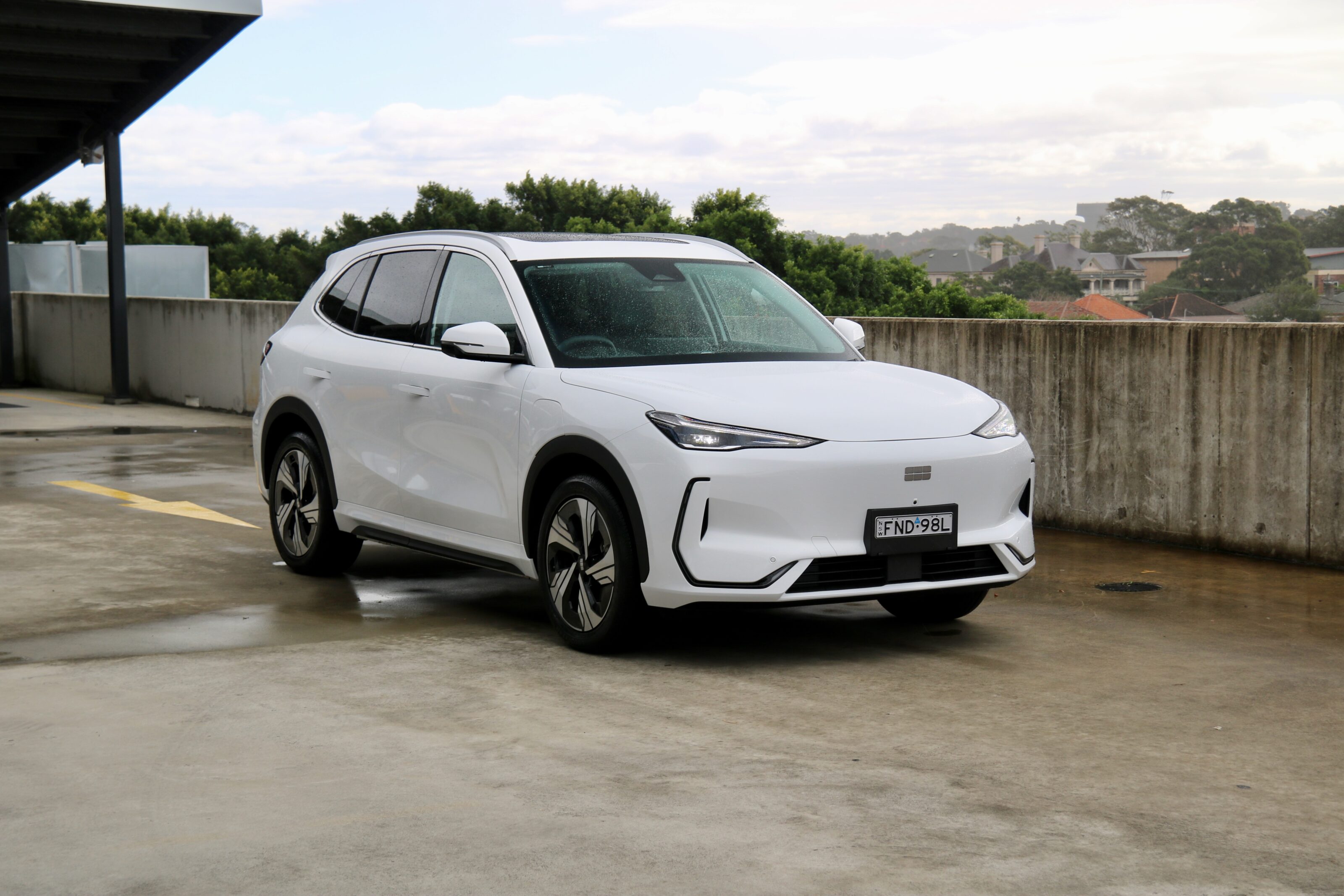
With domestic demand softening, many Chinese automakers are increasingly looking to foreign markets to offload excess supply.
Prominent Chinese carmakers such as BYD, Chery Auto, and Great Wall Motor have already ramped up international expansion, establishing factories in markets like Southeast Asia, South America, and Eastern Europe.
However, this global push has also prompted concerns from foreign regulators and industry leaders, particularly in the European Union and United States, over potential oversaturation and competition with local producers.
Geely, for its part, is taking a collaborative approach to overseas manufacturing. In February, the company announced plans to utilize Renault’s existing production facilities in Brazil rather than construct new plants. The move includes taking a minority stake in Renault’s local business.
While Reuters reported in April that Chinese regulatory approval for the partnership had been delayed, Geely later stated that the cooperation was proceeding successfully.
Li’s remarks underscore a critical moment for the EV sector: while governments and consumers continue to back electrification, the rapid scaling of production risks creating more supply than the market can absorb. His call for restraint may serve as a signal to peers in China and beyond that sustainable growth should take precedence over expansion for expansion’s sake.
Follow WhichCar/Wheels on Google
Click the button below to make WhichCar by Wheels a preferred source for your news.