
Features

Gallery 1
Any Aussie car enthusiast worth their salt can rattle off the specs of the GT-HOs, Toranas and E49 Chargers of the world, and they might have a GTS, GT or XR6 Turbo parked in the garage.
Today, however, we’re diving into the deep end of the Australian performance car pool, bringing to the surface 10 cars you may have forgotten about or never even heard of in the first place.
So, without further ado, in chronological order.
1963 Holden EH S4
3
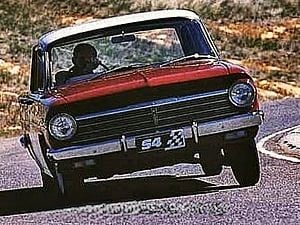
It was hard for Holden to go racing, given General Motors had a global ban on motorsport activities. But with Ford scoring plenty of promotional points with its Australian racing activities, the decision was made to create a hotter EH.
It used the new 179ci (2.9-litre) ‘Red Six’ teamed with a beefed-up three-speed manual, whereas the regular road car was exclusively available with an auto. The engine was effectively standard, albeit balanced and blueprinted with handpicked components to ensure they were as good as could be.
There was a stronger clutch, thicker tailshaft, shorter 3.55:1 diff ratio, brake booster and race-spec pads, while the fuel tank was increased from 43 to 53 litres and the tool kit expanded due to Bathurst rules stating any repairs had to be done using the onboard tools.
Holden’s secrecy backfired when its entries into the 1963 Bathurst race – using dealers because General Motors didn’t go racing – were denied due to a lack of documentation. Holden hurriedly supplied the paperwork, but in the end the S4 couldn’t match the Ford Cortina GT at Bathurst. Apparently fewer than a dozen of the original 120 cars survive.
1981 Mitsubishi Sigma Turbo
2
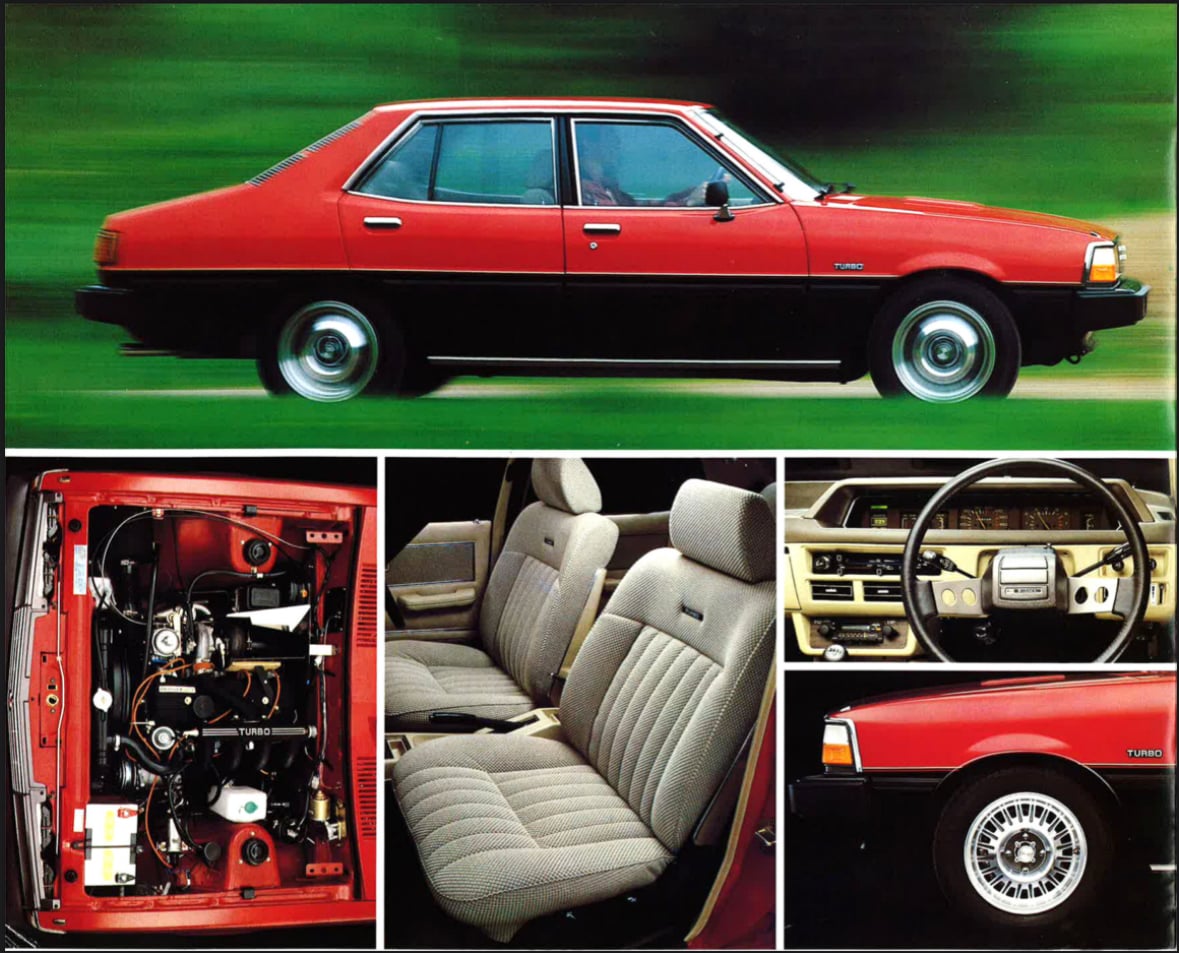
A collaboration between Garrett and Mitsubishi, the Sigma Turbo introduced boost to Aussie performance car fans a full five years before Holden released the VL Turbo.
Well-equipped and with a striking two-tone paint job – either silver or red over black – the Sigma Turbo used a 2.0-litre Astron engine with a Garrett T3 turbo providing 10psi of boost.
Outputs of 116kW/235Nm with a five-speed manual in an 1197kg car provided spirited performance, while suspension revisions, all-wheel disc brakes and 15-inch wheels with Pirelli P6 tyres helped it stop and turn. Just 500 were built.
1988 Nissan Skyline GTS
2
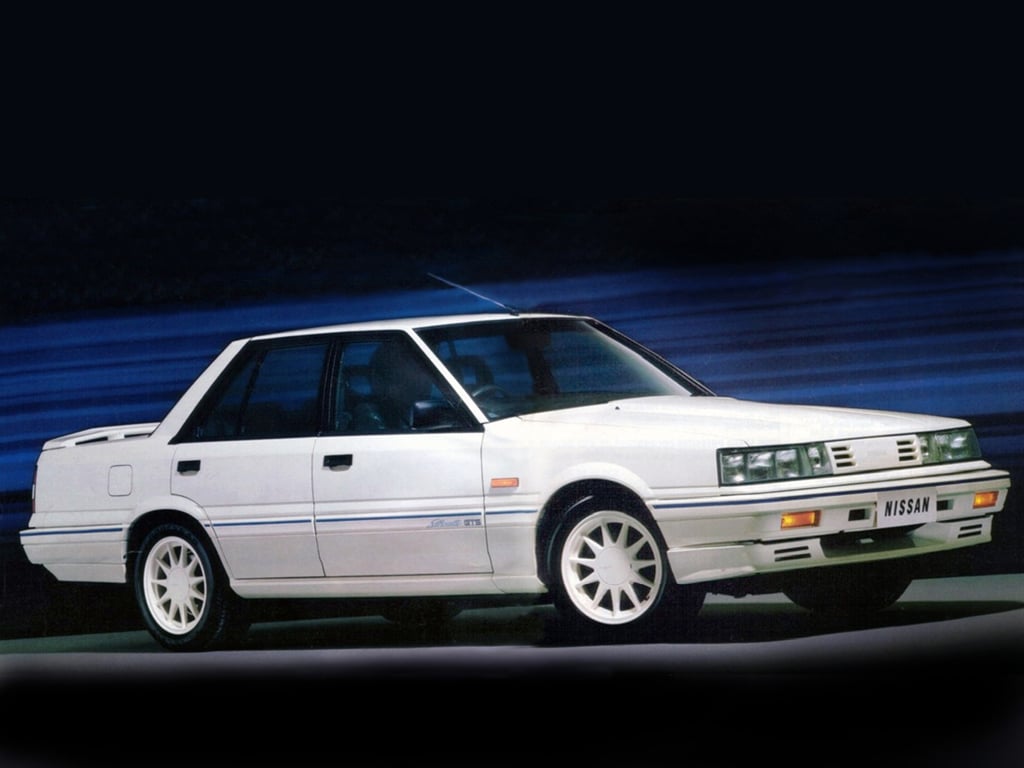
The Nissan R31 Skyline may technically have been a Japanese model, but local variants were Aussie-fied for extra toughness, the Japanese multi-link rear and small-capacity engines ditched for a live axle and 3.0-litre RB30 straight-six shared with the VL Commodore.
With the HR31 GTS-R earning success on the racetrack, Nissan Australia created a Special Vehicles Division and the Skyline GTS was the first fruit of this. All 200 Series I cars were white with a little extra grunt (130kW/255Nm) along with oil coolers, Bilstein shocks, thicker anti-roll bars, bigger front brakes, 16-inch wheels, Scheel seats and a Momo steering wheel.
The second-generation GTS, based on the facelifted Series III R31, scored yet more power (140kW) and sculpted rear seats. All 200 examples were red bar seven painted white for Tasmania Police and with only around half those being manual, clean examples are extremely rare today.
1987 HSV SV88
2
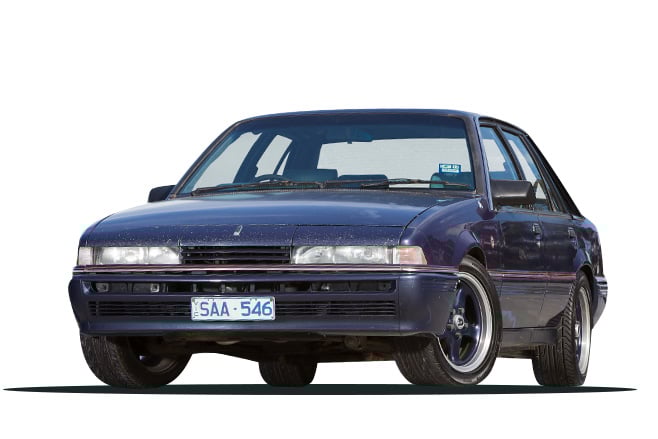
No, the VL Walky wasn’t the first HSV. That honour goes to the oft-overlooked SV88. Calais-based with a hefty price tag of $40,850 (more than $120K today!), the SV88’s 5.0-litre V8 offered only 136kW/355Nm teamed with a three-speed auto.
There was sports suspension, a few exterior styling tweaks and new seats, with all 150 examples being painted in the same Dorward Blue. Its subtlety couldn’t be more of a contrast to ‘The Plastic Pig’.
2001 Toyota Corolla Sportivo
3
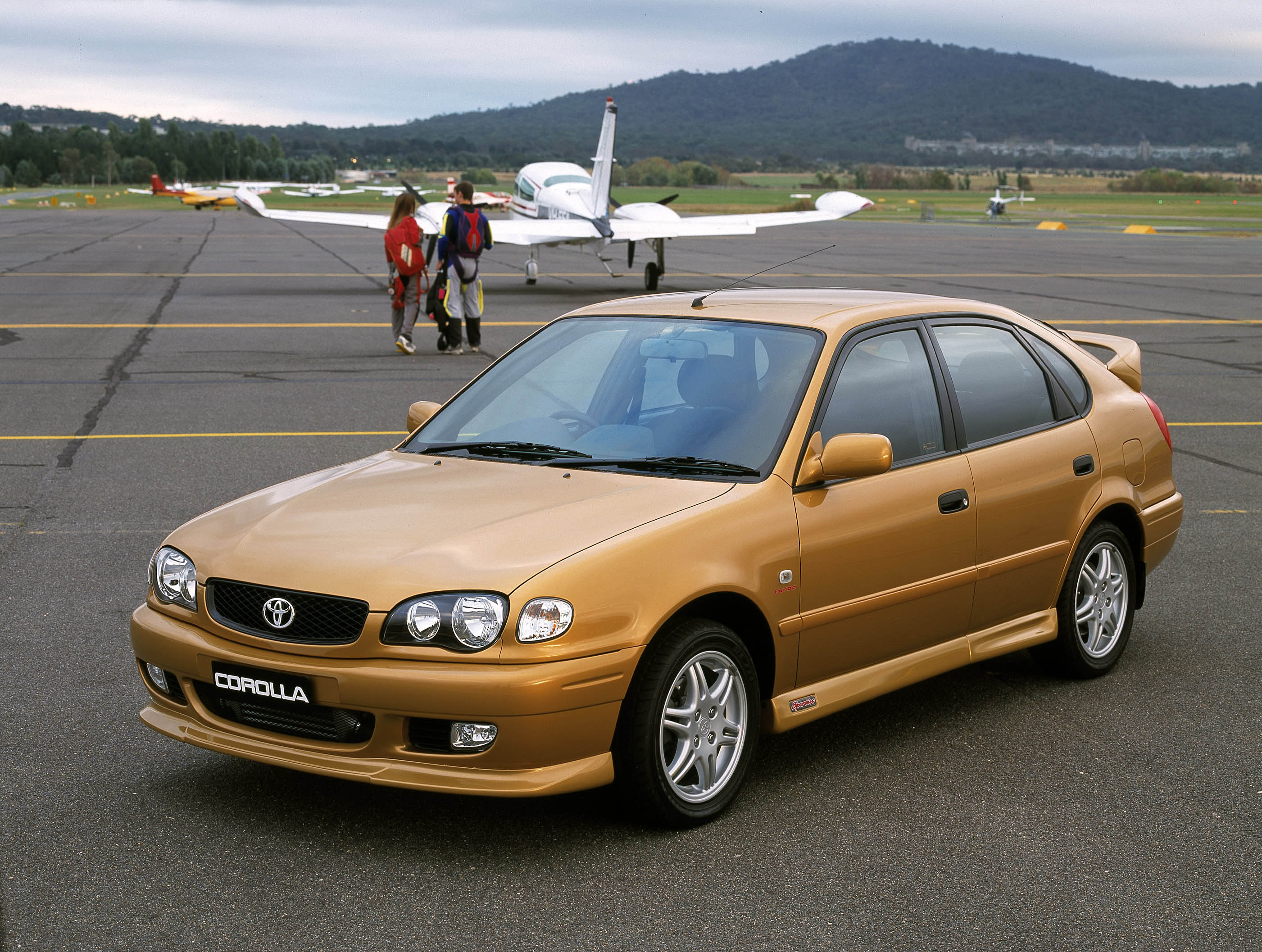
Toyota Australia arguably spent more effort on the promotion of the Corolla Sportivo than on the car itself, launching it via a standalone website – radical for 2001 – which told a fictional story about two former Toyota employees – Dwight and Wayne, a kitchen hand and cleaner respectively – who secretly develop the car. No, we’re not making this up.
With the GR brand not even a glint in Akio Toyoda’s eye 25 years ago, the Corolla Sportivo was merely a slightly spicier Corolla rather than a true hot hatch, a turbo lifting outputs to 115kW/237Nm with slight suspension and brake upgrades and all 100 examples were painted gold. At $37,990 (+ORCs) it also had a huge price tag.
2004 HSV Clubsport DTS
1
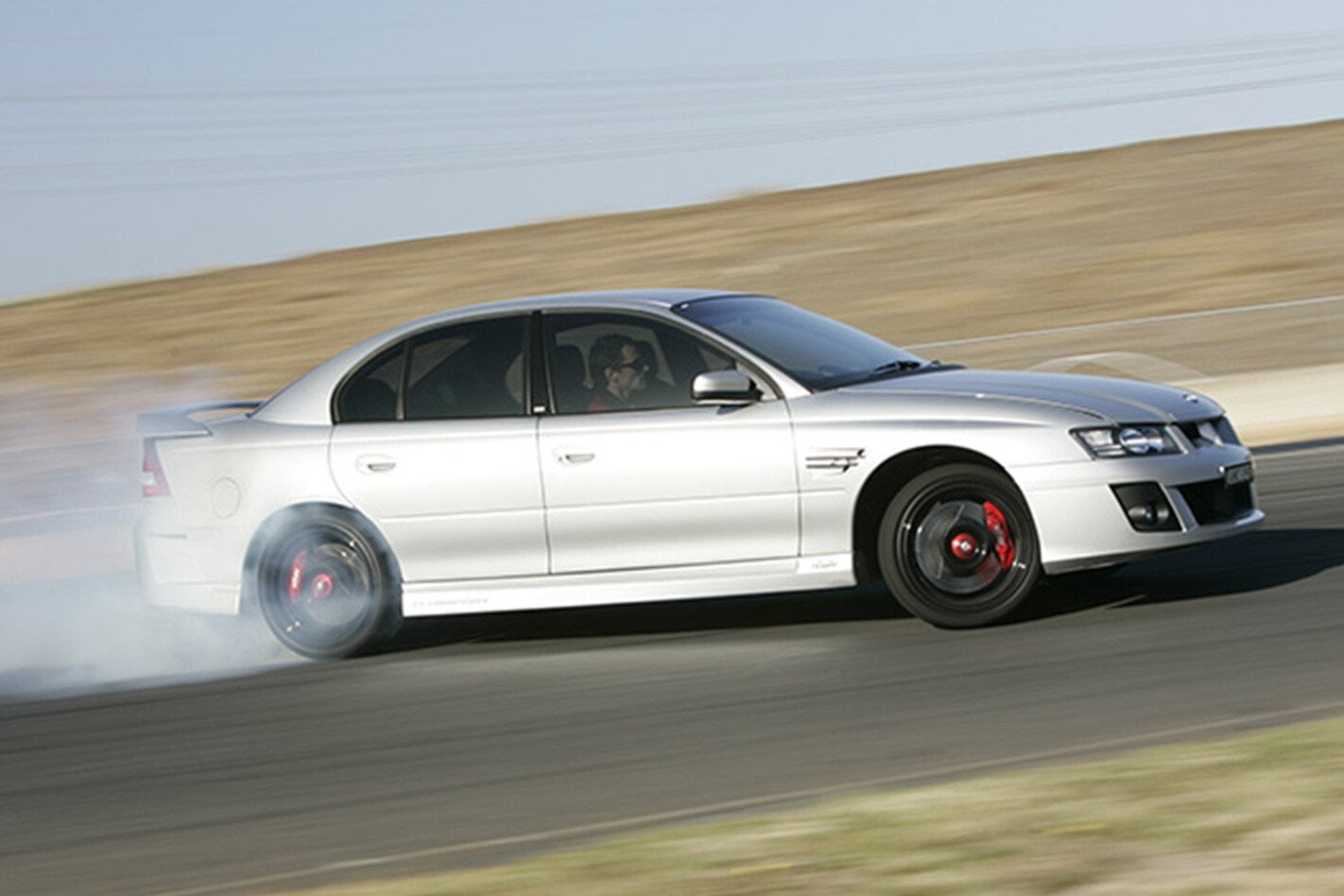
Technically an option pack rather than a standalone model – in the same vein as the XA RPO83 – the ‘Dealer Team Spec’ package could be selected on manual versions of the Clubsport, Clubsport R8, GTO Coupe, Maloo and Maloo R8.
Two stages were available, Stage One including modified suspension and Pirelli Corsa semi-slick tyres, a short shifter, linear-ratio steering rack, power steering cooler, upgraded brakes (362mm front discs with six-piston calipers and 343mm rears with four-piston calipers) and lightweight 18-inch OZ Racing wheels.
Stage Two replaced the dampers with remote canister Ohlins – unless you had a Maloo, with which they weren’t compatible – and added tyre pressure monitoring and the Driver Dynamic Interface which first appeared in the limited edition SV6000.
2004 HSV Avalanche
2
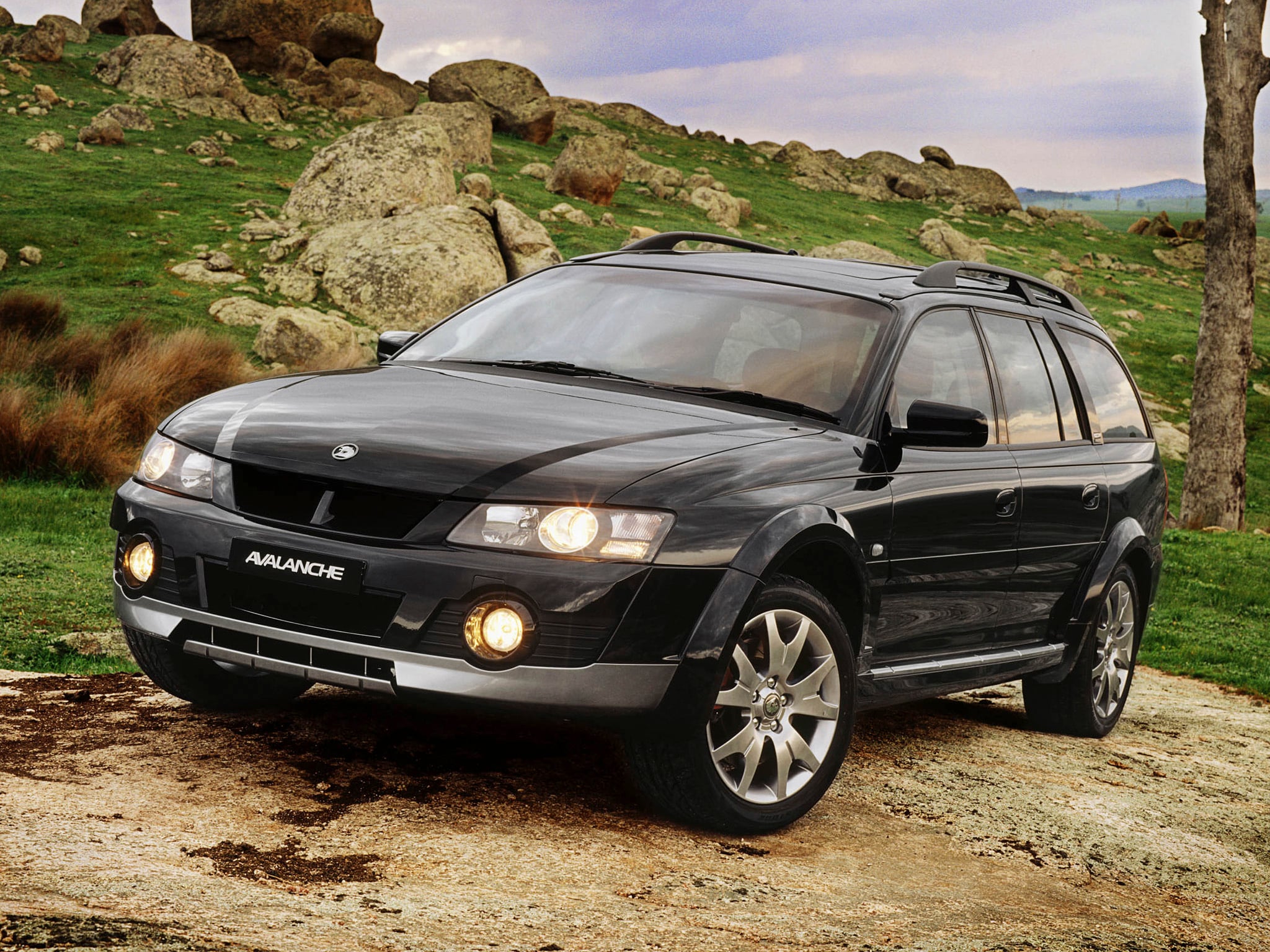
Was the HSV Avalanche ahead of its time? A high-performance version of the Holden Adventra, it’s like a Subaru Outback procreated with a Nissan Y62 Patrol, a jacked-up, all-wheel drive wagon (or ute if you bought an XUV) powered by a 270kW/475Nm 5.7-litre V8.
It could hit 100km/h in around seven seconds, has 200mm of ground clearance and could tow up to 2100kg, while also having room for the family and the dog.
Sadly, while it might prove popular these days, 20 years ago it was a tough sell and just 333 wagons and 300 utes were apparently built. A supercharger has livened up a number of examples, though you might need to tow a fuel tanker around with you.
2006 FPV Force 6/Force 8
2
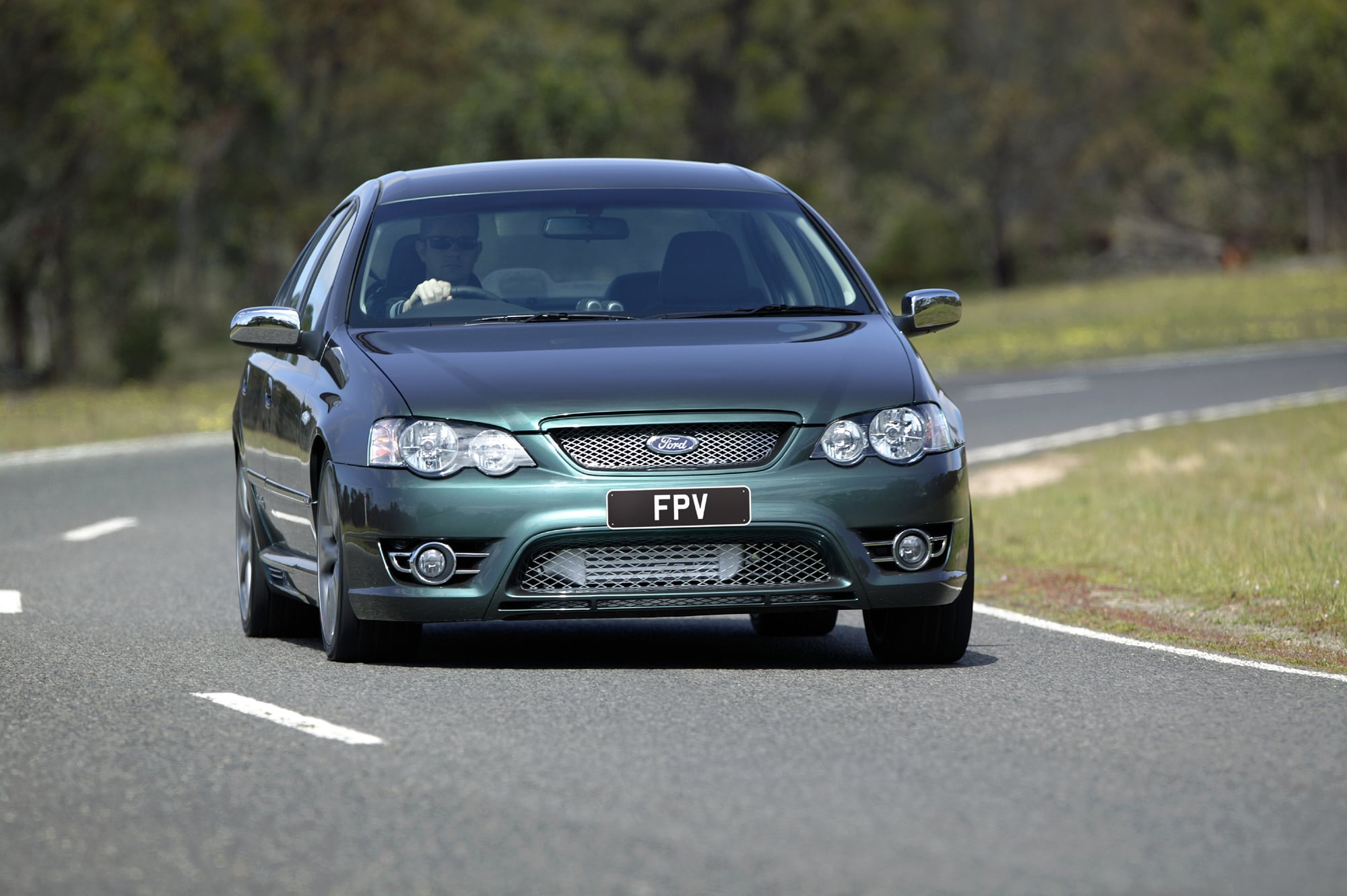
While Ford Performance Vehicles brought back the GT moniker, it also wanted to be seen as a bit suave, a bit premium. To this end, it introduced the short-lived ‘Force’ models to take on the likes of the HSV Senator and Chrysler 300C SRT8, sans the stripes, spoilers and lairy colours of the GT and Typhoon.
Available as a 270kW/550Nm 4.0-litre turbocharged six (Force 6) or 290kW/520Nm 5.4-litre V8 (Force 8), inside there was woodgrain, electric seats, dual-zone climate control and a six-speaker stereo with six-stacker CD player.
Punters weren’t having it, however, and only 93 Force 6s and 89 Force 8s were produced.
2007 FPV Typhoon R-Spec
2
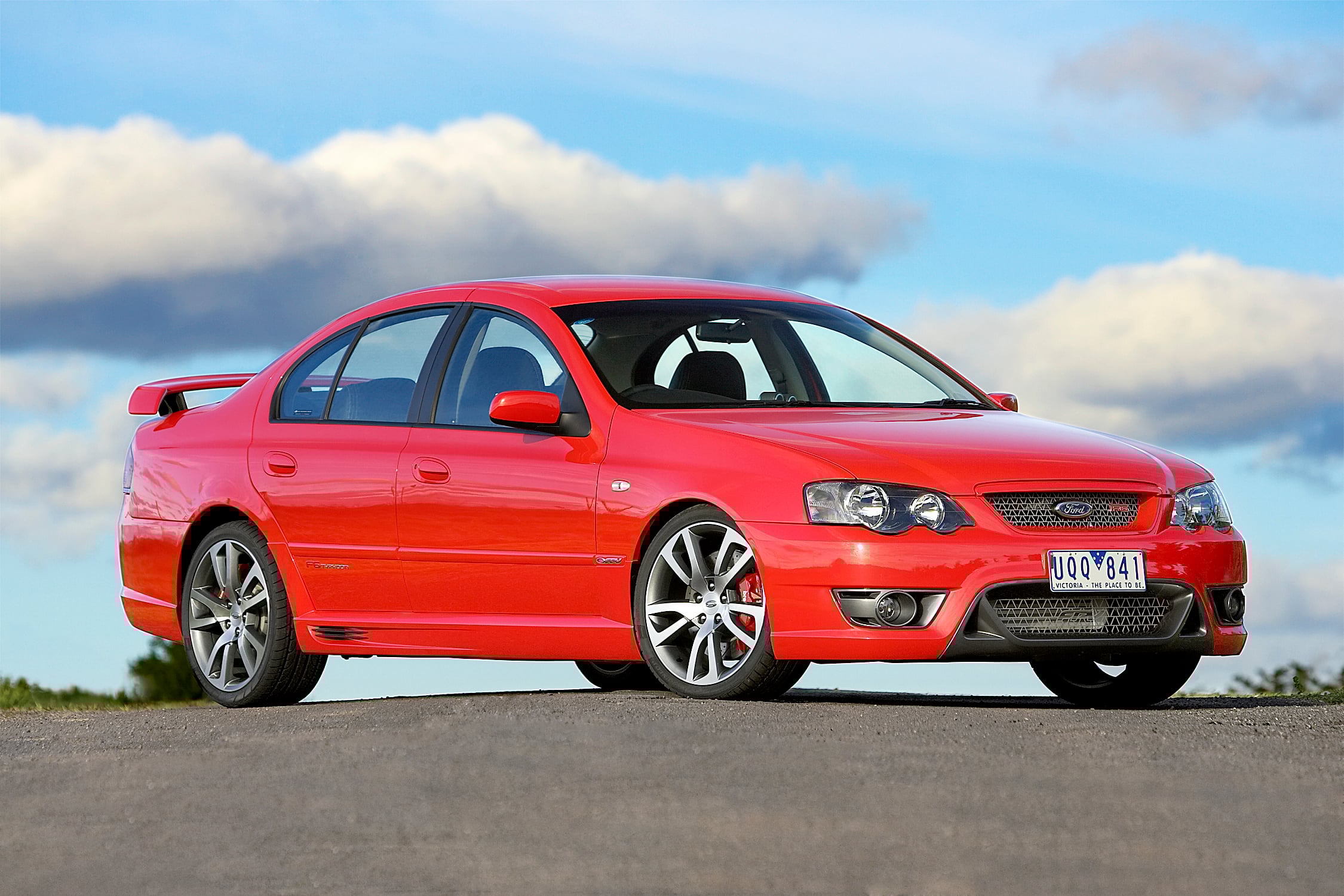
Once its early clutch hiccups had been rectified, the FPV Typhoon quickly became a favourite in the Aussie performance scene thanks to its V8-bashing grunt. In an effort to add some handling finesse and farewell the BF-series (and the Typhoon name – why?) it created 300 examples of the R-Spec.
It used revised springs and dampers for sharper handling as well as new wheels and a larger spoiler on the inside, while leather and an iPod-compatible stereo were also included, making the R-Spec’s $1500 premium over a standard Typhoon good value.
2008 Elfin T5
2
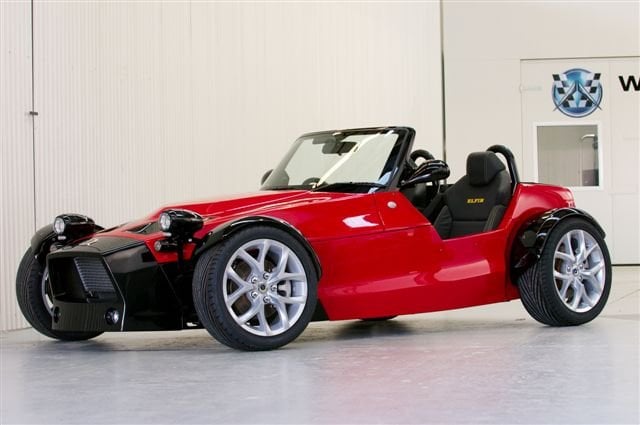
Imagine a Caterham fueled by meat pies and Vegemite and you have the Elfin T5. The Elfin brand returned to the automotive consciousness with the MS8, but the V8 monster was cramped and rather tricky to drive.
The ‘Type 5’ had much more space and its larger dimensions allowed to accommodate plenty of GM gear, Elfin being owned by Walkinshaw at the time. This included Commodore power steering, diff, drive shafts and brakes, while under the bonnet was GM’s 2.0-litre turbocharged four boosted two 194kW/351Nm – plenty in a car weighing 760kg.
While certainly a niche proposition, at $64,950 (and even the optioned-up press car was $75,000) it undercut the traditional British players by a huge amount with greater comfort and reliability.
Follow WhichCar/Wheels on Google
Click the button below to make WhichCar by Wheels a preferred source for your news.

We recommend
-
 Features
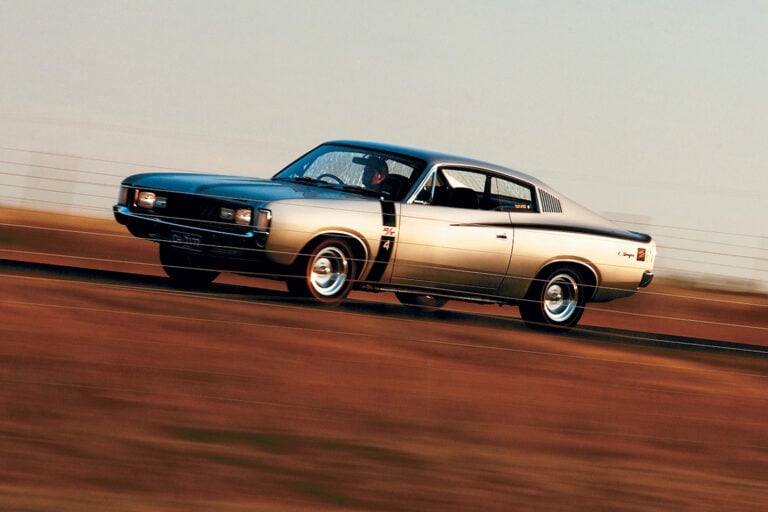
Top 10 classic Australian muscle cars
Australia’s golden era of V8 thunder and Bathurst glory lives on with our definitive Top 10 classic muscle cars from 1967 to 1986 — legends, all.
-
 Features
Australia’s 10 Greatest Cars
While it's still sad Australia no longer creates cars from concept to roadgoing, we can at least remember how good they once were. Here's the 10 we think were Australia's greatest ever homegrown cars...
-
 Features
Holden's Top 10 best concept cars
Beyond the Ford rivalry and the dinky-di image, Holden once had a reputation for bold and visionary automotive concepts. Here's our pick of the best...
