
COTY


Gallery 1
One of my favourite terms that we use a lot in testing is a simple one. “It’s the answer to a question nobody asked.”
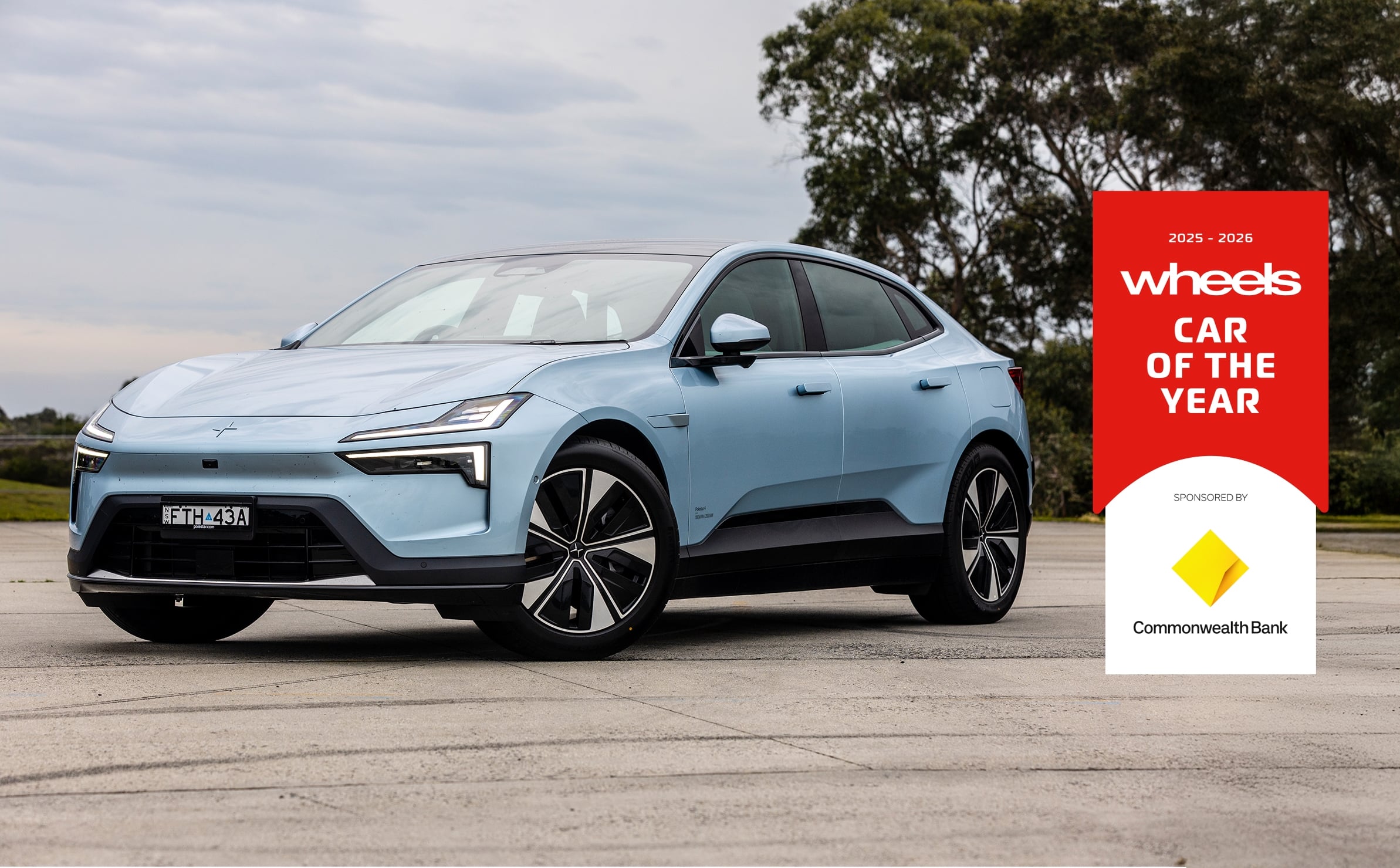
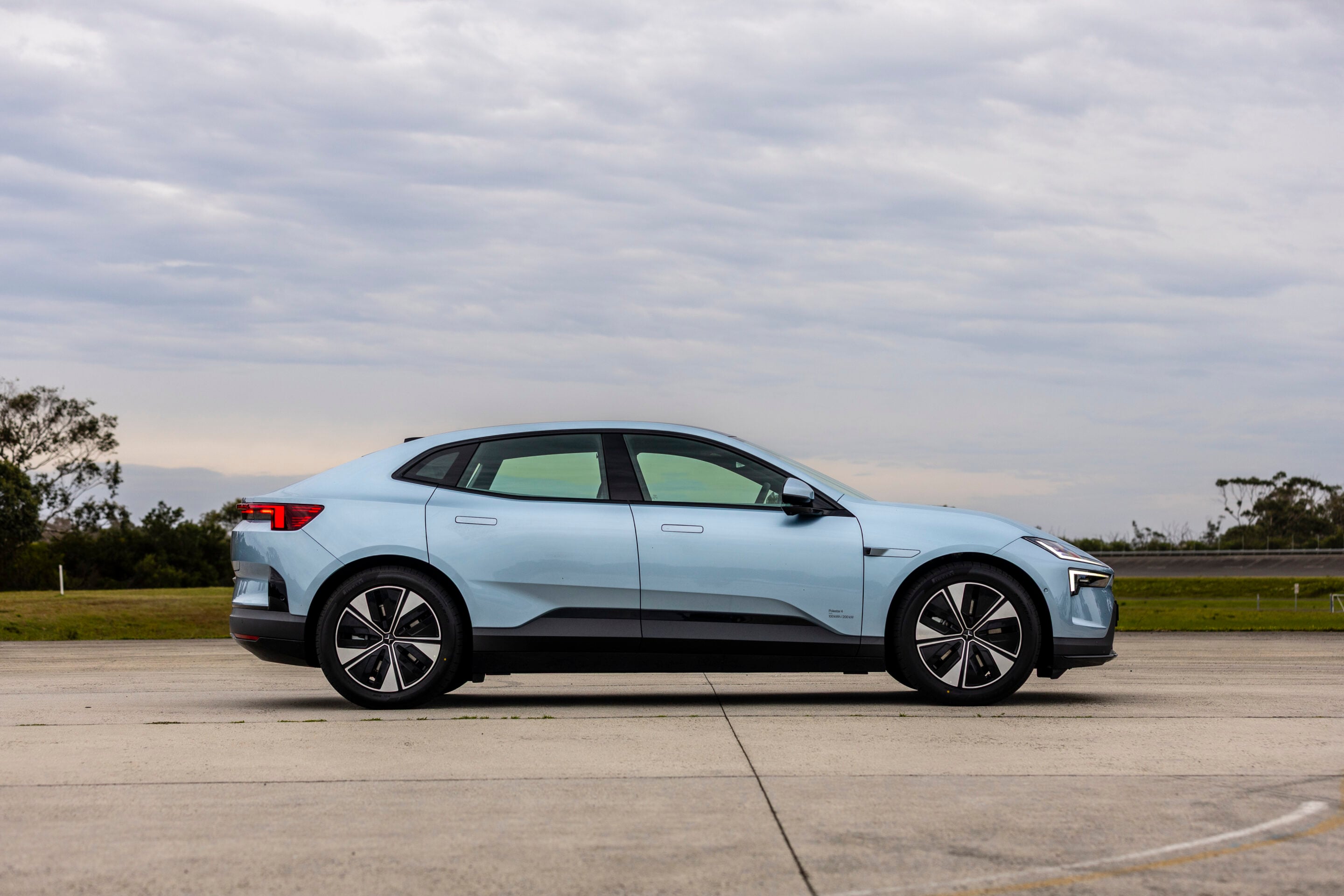
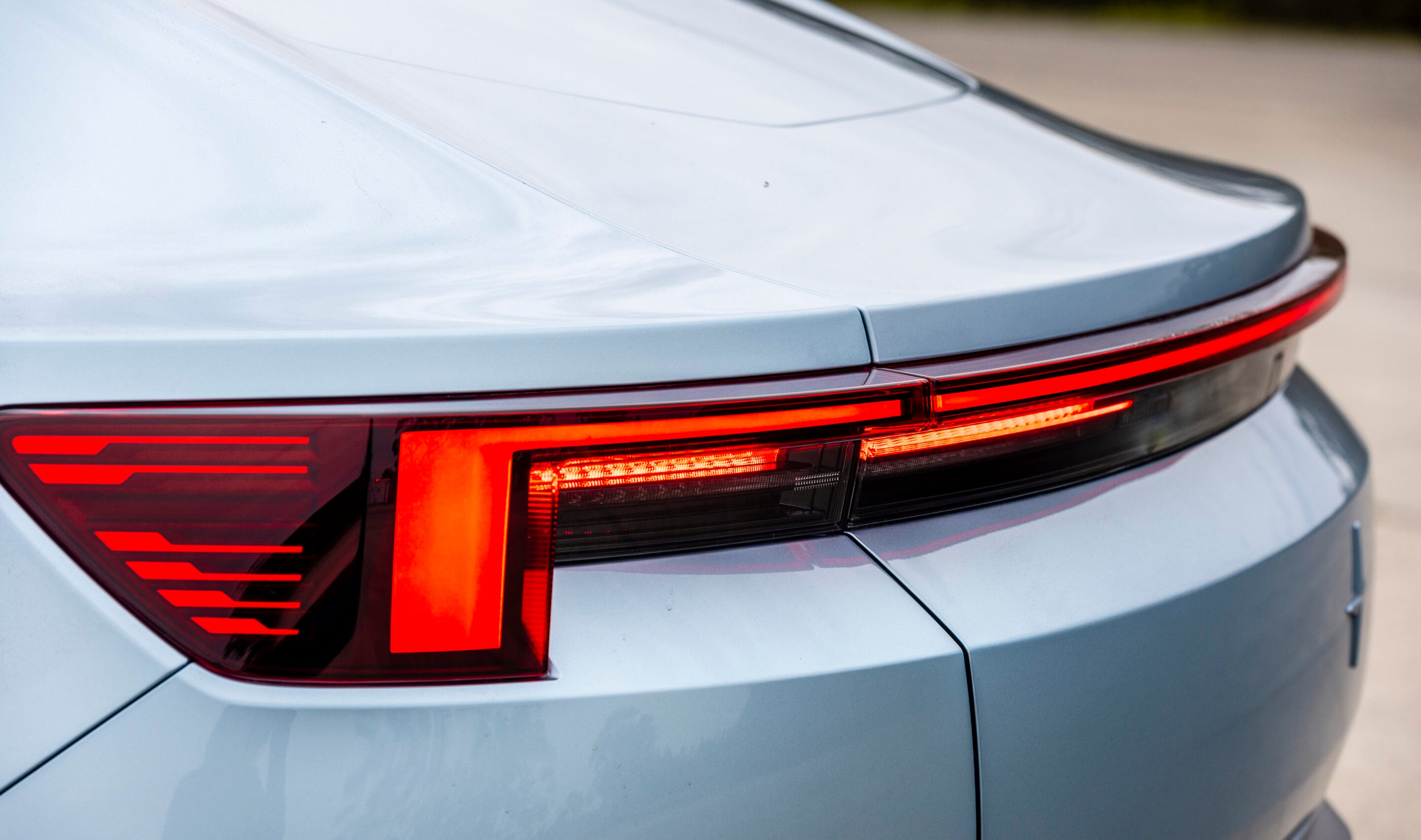
The judging team visited that phrase more than once during COTY, and more than once when dissecting the merits of a four-wheeled conveyance devoid of a back window. It is, without doubt, one of the Polestar 4’s most glaring deficiencies. It doesn’t work in theory and it doesn’t work in practice.
1
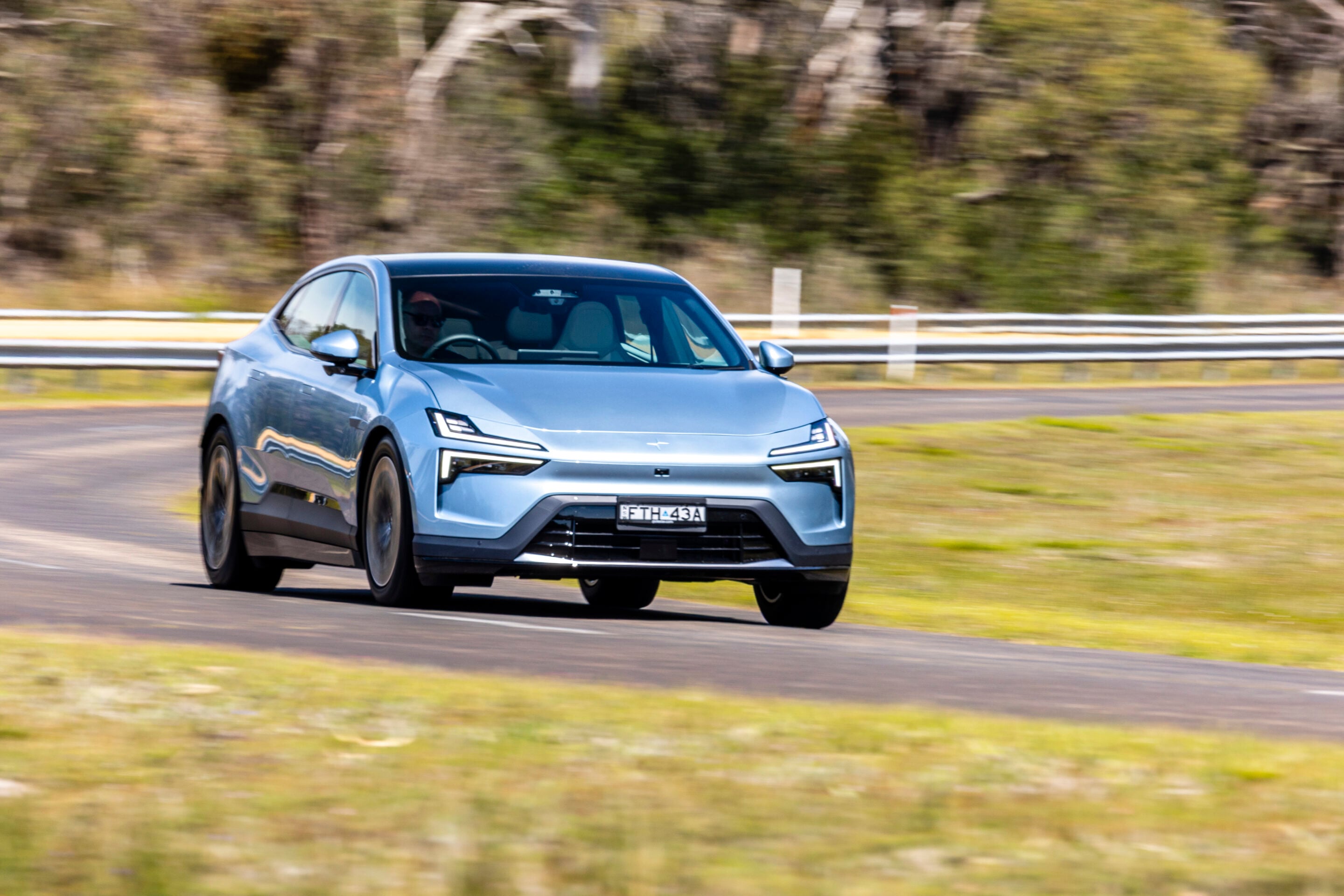
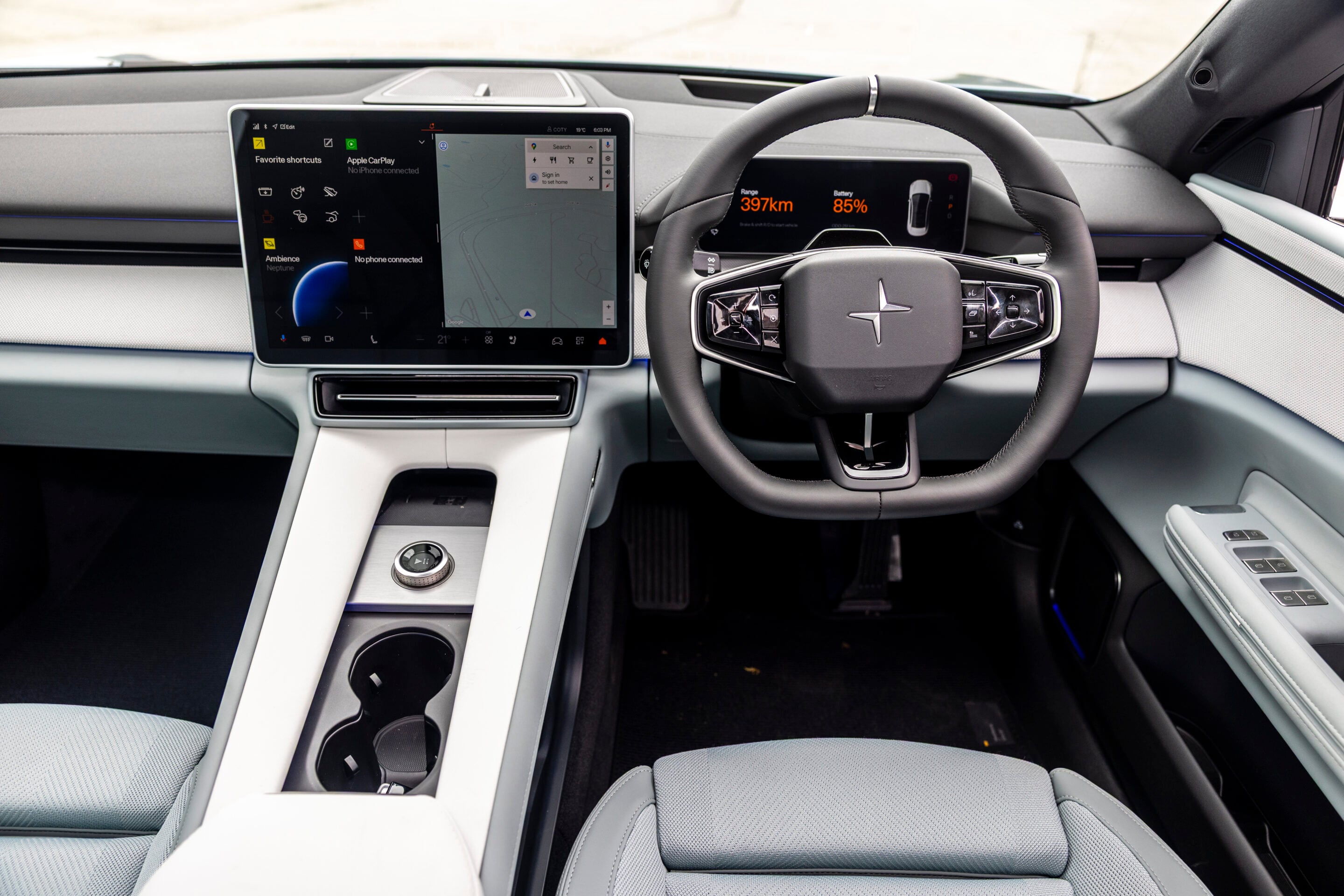
On the plus side, the Polestar 4 looks and feels well-made, and delivers premium cabin ambience, rough road thumps aside. On the move broadly, and on smoother surfaces, it’s a serene driving experience. The interior isn’t just thoughtfully appointed, it’s beautifully executed and stretches well beyond Tesla’s austerity. Front and second row space is a highlight for family buyers, along with a hefty 526L/1536L luggage capacity, and Polestar 4’s energy usage is solid in the real world if a little greedier than the standard-setting Tesla Model Y.
As tested though, the Long Range Single motor crests $90,000, with options getting very pricey, very quickly. The judges agreed that too many crucial functions require navigation through the central infotainment touchscreen, and that the rear window delete is a case of the design team running roughshod over engineering. If you spend a lot of time on rutted rural roads, the firm ride will also grate, but around town it will behave well.
1
Like all electric cars, the Polestar 4 feels fast, the 7.1-second run to 100km/h backing that up, even if this single motor model is the slower of the two. Interestingly, Polestar has accounted for the pace with quality Pirelli P Zero rubber, a performance-oriented choice, without question. The 100kWh battery is hefty, and the single motor makes an easy 200kW and 343Nm. The kerb weight of 2230kg means it’s a portly vehicle to fire through a ride and handling course, and the weight is never far from the mind of the person holding the steering wheel.
Electric vehicles are heading rapidly toward a fork in the road. Do manufacturers continue to try to innovate and reshape the rule book in the way that Polestar has done by deleting the rear window? Or do they deliver on the time-honoured tradition of the motor car? That is, give ’em what they want. If Polestar had delivered a car that was more conventional, for example, the judges thought that it would go into battle with more firepower in its armoury.
2
While there’s a lot to like about the Polestar 4, then – both on paper and in the metal – this year’s field is a tough one, and Polestar’s attempt to rewrite the rules for the segment, haven’t quite hit the mark. Still an excellent vehicle both in the pure sense and as an EV, it’s not as
competent as the best in the field for this year’s award.
Specs
| Price | $78,500 (MSRP); as tested, $89,650 (MSRP) |
|---|---|
| Body | Five-door, five-seat coupe |
| Drive | Rear-wheel drive |
| Drivetrain | Single electric motor, 100kWh lithium-ion battery |
| Power | 200kW |
| Torque | 343Nm |
| Transmission | Single-speed reduction gear |
| Consumption | 17.8-18.4kWh/100km, 620km range WLTP |
| Kerb weight | 2230kg |
| 0-100km/h | 7.1 sec |
| L/W/H/W-B | 4840/2067/1534/2999mm |
| Boot space | 526L/1536L (15L front) |
| Warranty | 5yr/unlimited km |
| Safety rating | 5 star ANCAP (2025) |
2
Follow WhichCar/Wheels on Google
Click the button below to make WhichCar by Wheels a preferred source for your news.

We recommend
-
 COTY
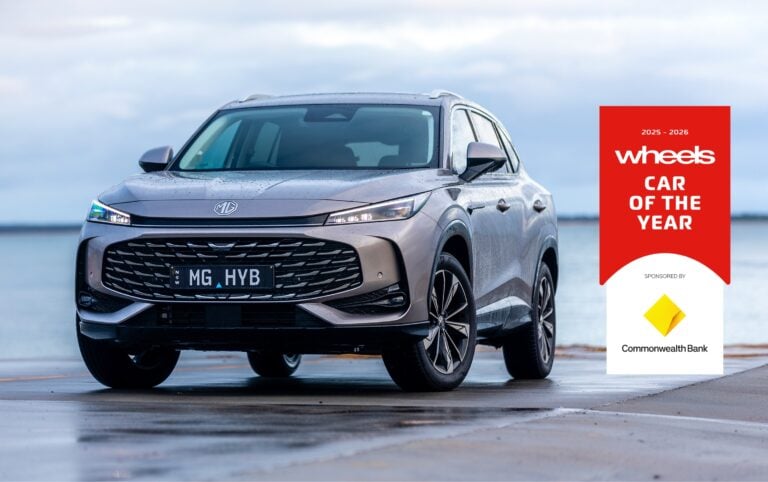
COTY2025-26 Wheels Car of the Year finalists, 2ND: MG HS Hybrid+ Essence
MG’s new HS Hybrid delivers unexpected polish, combining refined handling, smooth hybrid performance and impressive value to stand out in Australia’s crowded mid-size SUV field.
-
 COTY
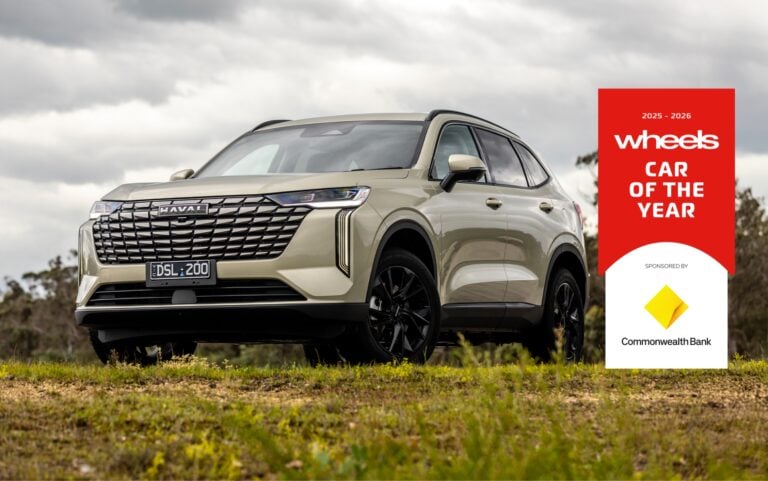
COTY2025-26 Wheels Car of the Year Contender: GWM Haval H6 Ultra Hi4 AWD
GWM’s mid-sized hybrid blends huge power, sharp value and family practicality, but its firm ride and hefty weight temper an otherwise standout performance SUV.
