COTY

Gallery 1
Anonymity can be a good thing, provided it’s your choice. But when anonymity is thrust upon one, making up the numbers is not always where you want to be.
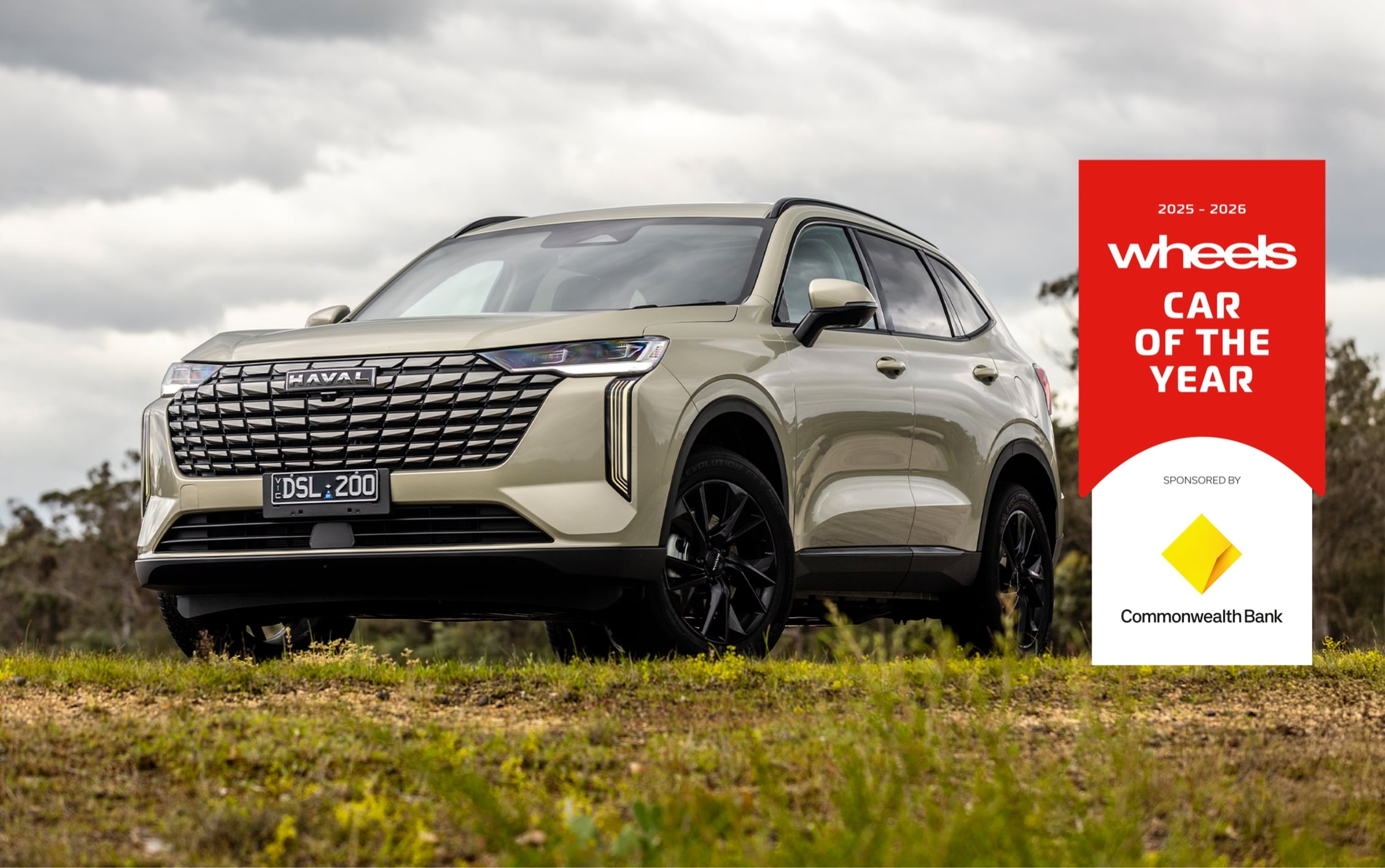
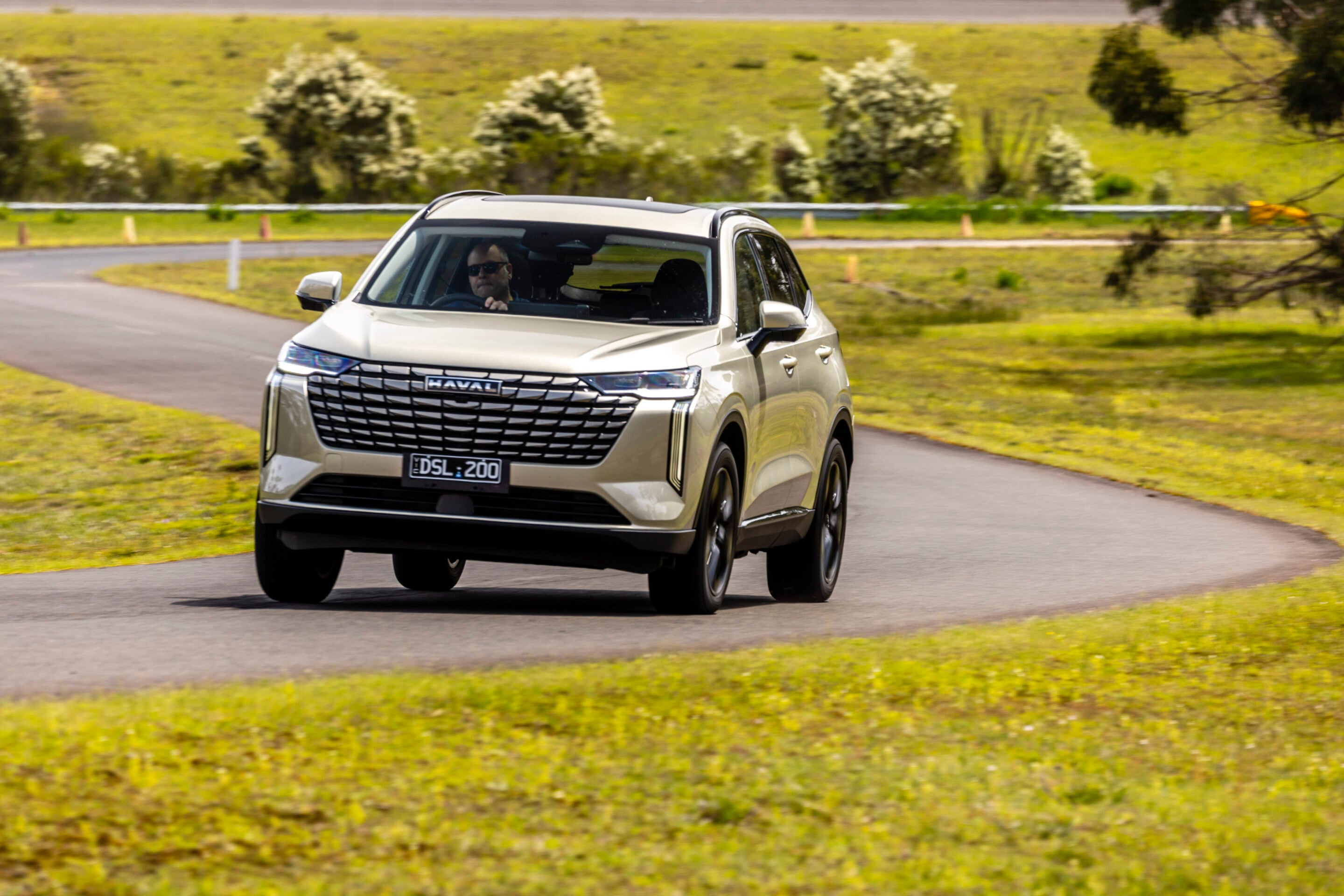
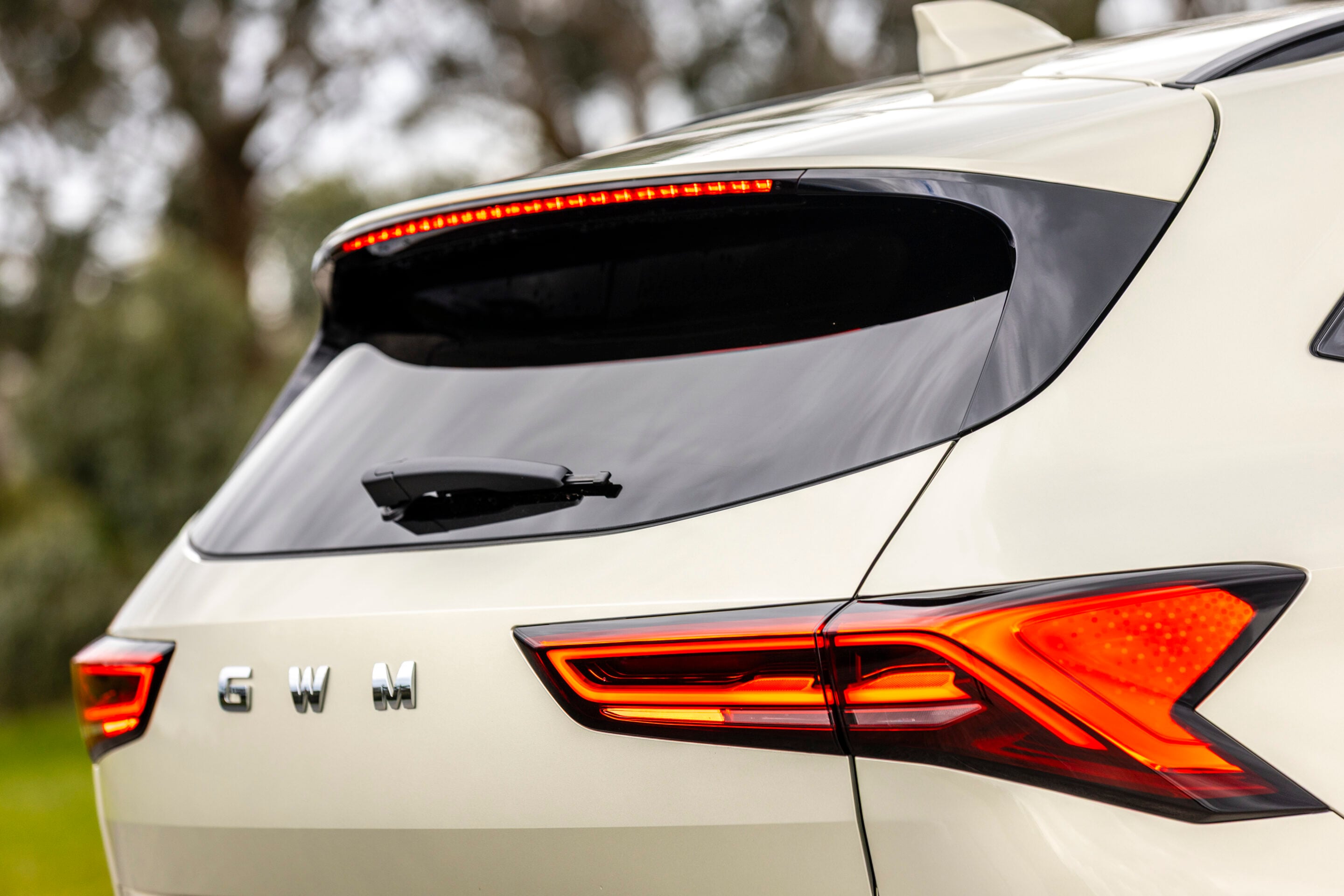
The art of the wallflower is hardly confined to the GWM Haval H6, but it remains that, as was obvious when all the SUVs were parked in one spot during our COTY test laps and a badge check was needed to ID it. For a bloke who, as a kid, could correctly identify pretty much any make or model from a kilometre away, this is an admission of personal failure. But also a realisation that pragmatic packaging will sometimes triumph over distinctive design.
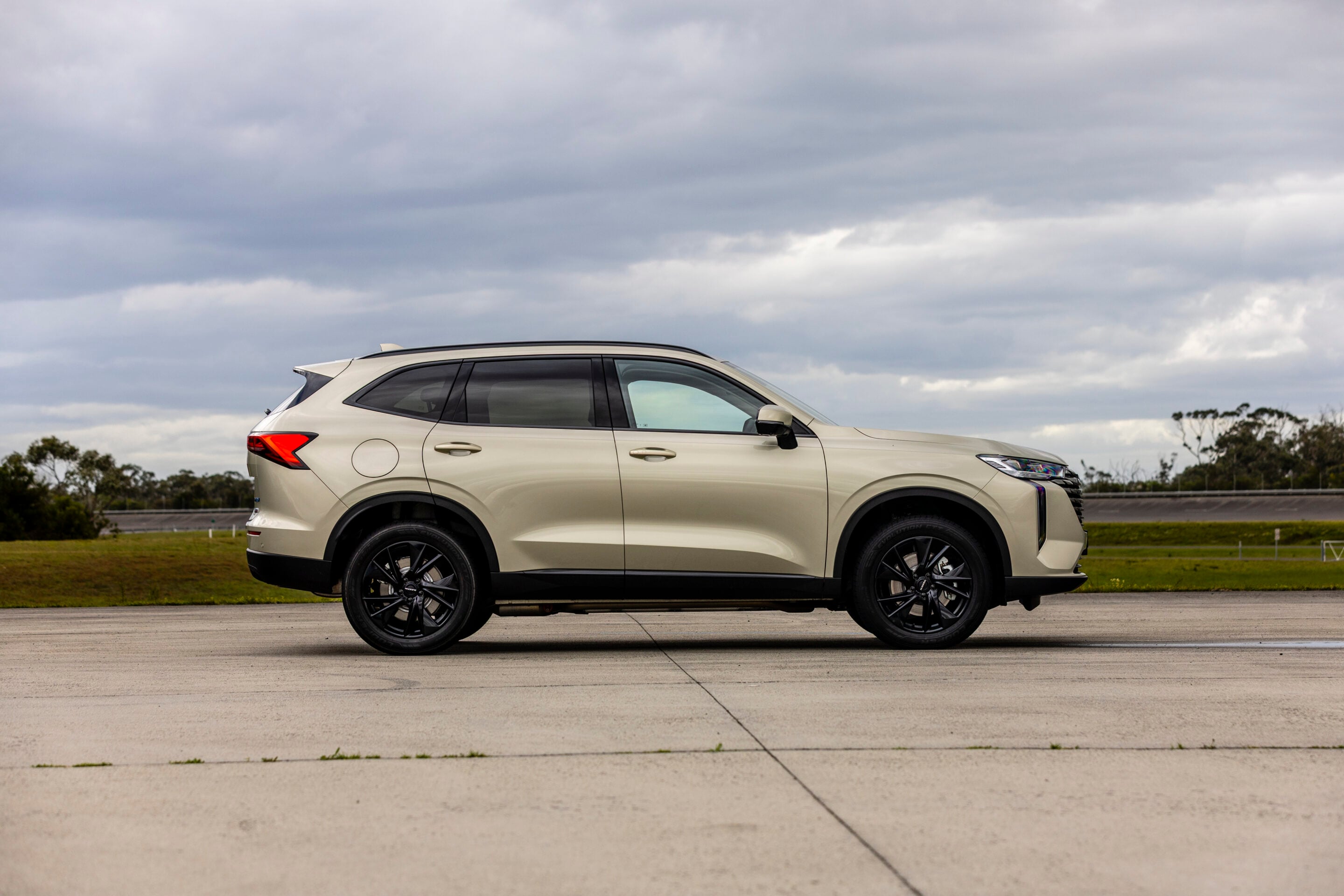
And when it comes to pragmatism, the Haval H6 takes some beating. It taps into the conventional in terms of its layout and dimensions, and with an overall length of 4.7m, and an overall width of almost 1.9m, it plops contentedly into the family-SUV jelly mould.
2
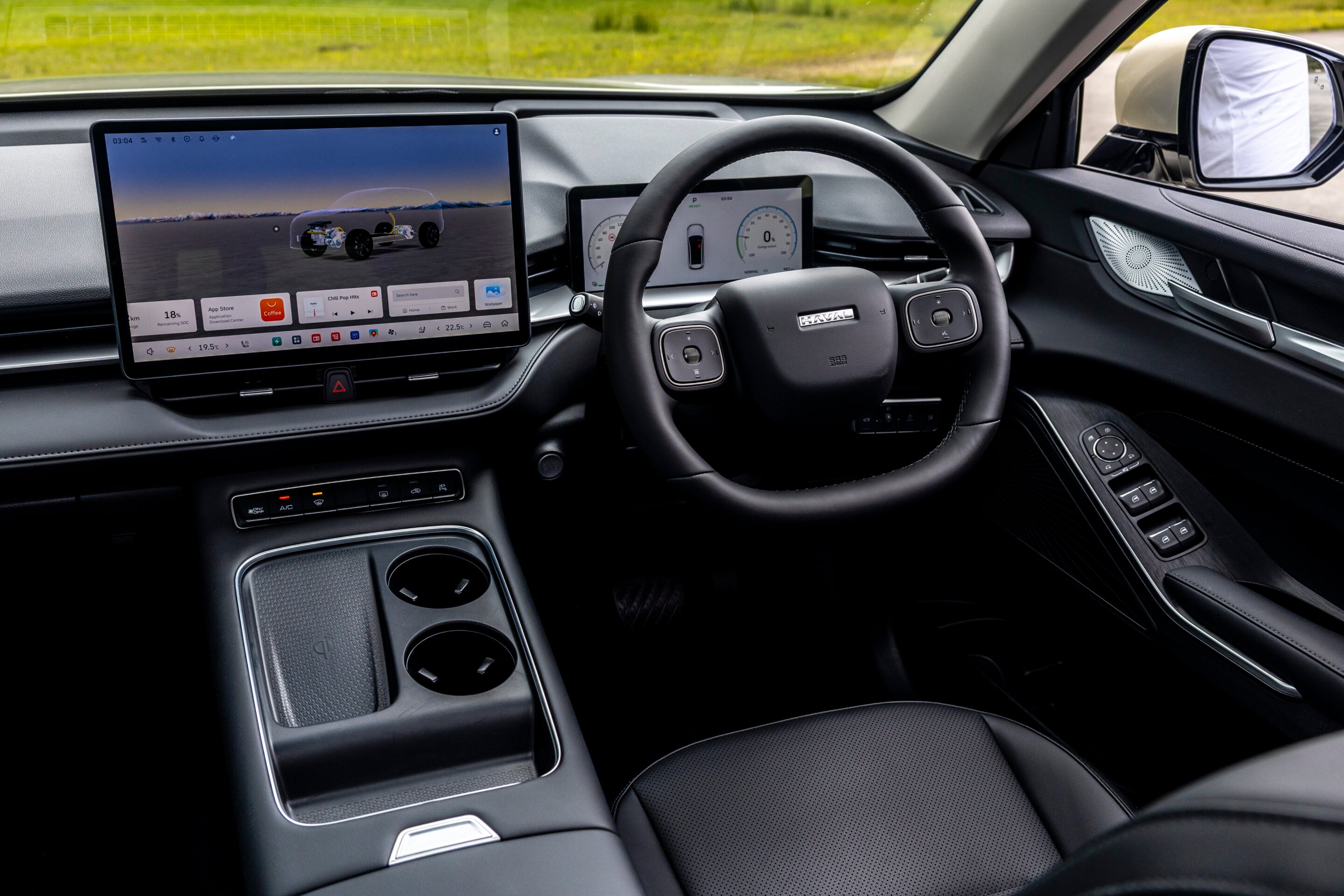
Inside, the Haval offers a classy – but not flashy – presentation that looks more expensive than it actually is. Okay, it might be a bit derivative (the speaker grilles look very Benz-ish to us) and it’s dominated by the twin info-screens, meaning the hard buttons are restricted to a single strip across the centre-stack and the spokes of the tiller.
The Haval finally starts to drag some daylight between itself and the rest of the pack when it comes to driveline heft. True, it uses what has apparently become the PHEV SUV industry standard in a 1.5-litre turbocharged petrol engine, but then throws in a pair of electric motors and a 19.1kWh battery-pack for a pure electric range of a claimed 100km.
Significantly, it also features a Tesla-busting output of 268kW of power and 760Nm of torque when fully tapped out. And yet it manages to record an official fuel consumption number of 1.1 litres per 100km. No, it will never achieve this on Planet Earth, but it suggests the H6 will be at least as frugal as its PHEV buddies. Figure on around 5 litres per 100km or maybe even less in real world running.
2
Of course, that’s predicated on the H6 being driven in a conventional way which, given the performance on tap, is no guarantee. Yep, this thing can really gallop, and it’s here where the H6 really, truly starts to distance itself from the pack and justify its $50,990 (drive-away) sticker.
Despite a decidedly portly weighbridge ticket of near enough to 1900kg (really?), Tubby can get to 100km/h from rest in a blink under five seconds. And because the computer controls when the electric motors and turbo-petrol chime in and by how much, the torque curve is extremely flat. In fact, the Newton-metres have been manipulated to such a degree that the H6 feels like it accelerates harder between 120 and 160km/h than it does from 80 to 120km/h. It’s one hell of a party trick for a family SUV.
Much has been made of the local input into the chassis and steering of the H6, and while it’s clearly better than a lot of its Chinese-made counterparts, there’s still no getting around physics. The sophisticated Hi4 all-wheel-drive system helps, though, delivering torque to either axle anywhere from 0 to 100 per cent front to rear and vice-versa.
But the tall ride height, kerb mass and heavy wheels and tyres equal firm suspension. Even though the local development team has done its best to tidy up the damping and steering feedback, the Haval can still feel a bit awkward at times.
2
The initial ride, for instance, still feels pretty firm to us and despite the all-wheel-drive grip, the system feels a bit reactive and it can sometimes be difficult to get the H6 to turn in.
Beyond the impressive stomp, the other selling point here is the standard equipment. The interior is tech-laden, with details like a ventilated wireless phone-charging pad and, in this specification, a huge panoramic sunroof, head-up display, heated and ventilated front seats with memory function and even a heated steering wheel.
Throw in GWM’s seven-year/unlimited km warranty and you’re dealing with a pretty complete package that offers something the vast majority doesn’t – that intense acceleration experience. It’s a solid bet, however, that the first time that is demonstrated without a warning will be the last time. Leaving, then, the peanut-brittle ride as the characteristic you’ll remember.
2
Specs
| Price | $50,990 (driveaway) |
|---|---|
| Body | Five-door, five-seat SUV |
| Drive | All-wheel drive (on demand) |
| Drivetrain | 1.5-litre four-cylinder turbo petrol PHEV, Dual electric motors, 19.1kWh lithium iron phosphate battery |
| Power | 268kW combined |
| Torque | 760Nm combined |
| Transmission | 4-speed multi-mode hybrid transmission |
| Consumption | 1.1L/100km, 100km EVrange NEDC |
| Kerb weight | 1948kg |
| 0-100km/h | 4.8 secs |
| L/W/H/W-B | 4703/1886/1730/2738mm |
| Boot space | 560L/1445L |
| Warranty | 7yr/unlimited km |
| Safety rating | 5 star ANCAP (2022) |
Follow WhichCar/Wheels on Google
Click the button below to make WhichCar by Wheels a preferred source for your news.

We recommend
-
 COTY
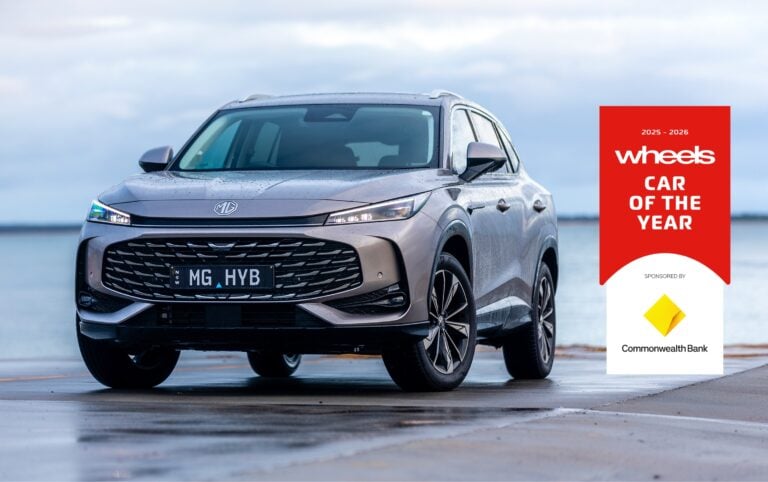
COTY2025-26 Wheels Car of the Year finalists, 2ND: MG HS Hybrid+ Essence
MG’s new HS Hybrid delivers unexpected polish, combining refined handling, smooth hybrid performance and impressive value to stand out in Australia’s crowded mid-size SUV field.
-
 COTY
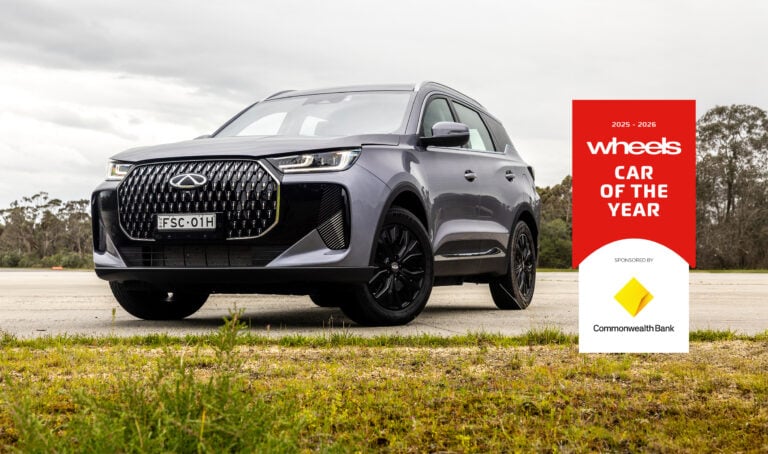
COTY2025-26 Wheels Car of the Year Contender: Chery Tiggo 7 Super Hybrid Urban
Chery’s Tiggo 7 plug-in hybrid surprises with strong performance, long electric range and generous safety kit, though its firm ride reminds you it’s built to a price.