COTY

Gallery 1
1
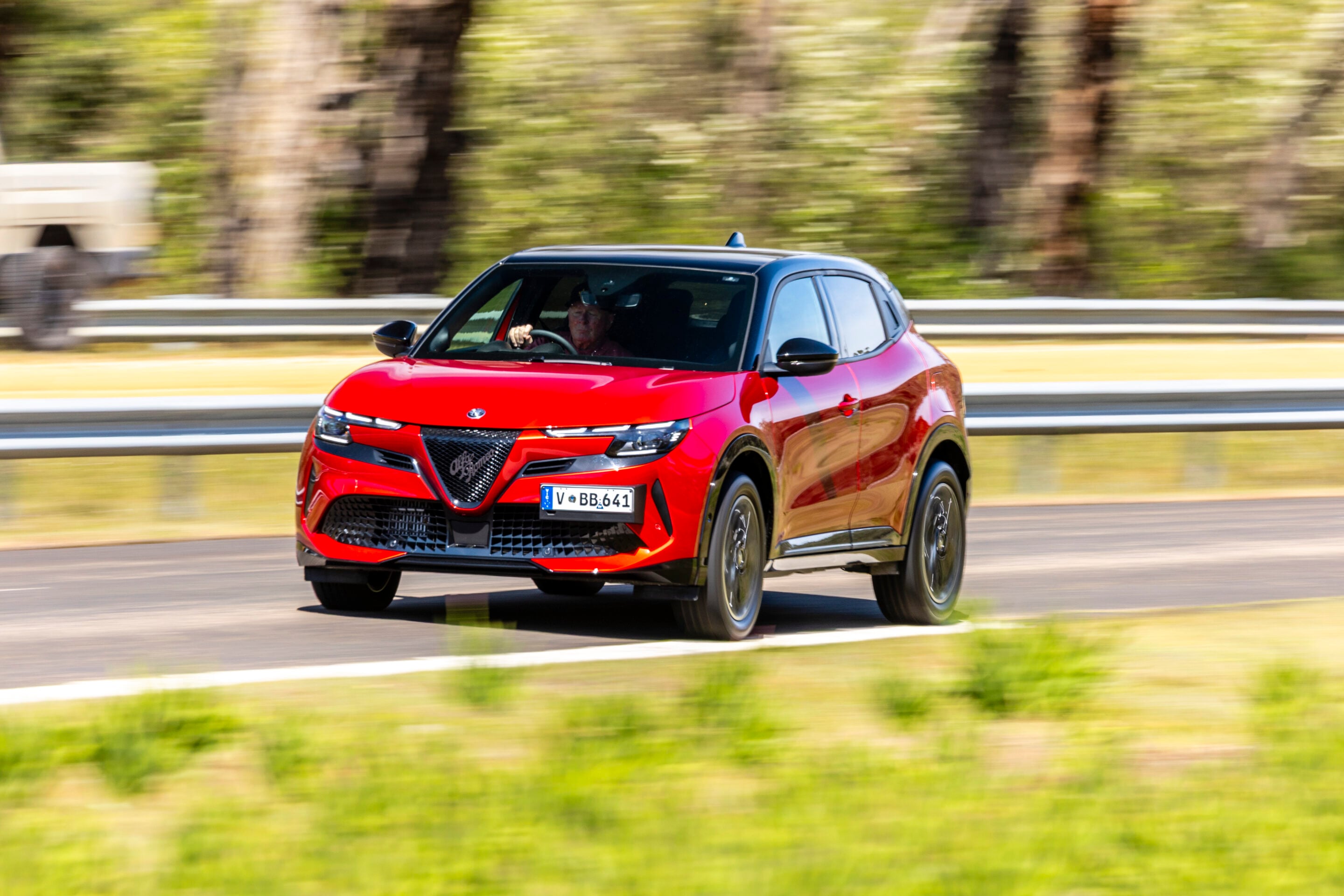
Alfa Romeo Junior Ibrida
I blame a memory that goes back too far. Alfa’s Junior, a compact SUV, is also the spiritual successor to the cherished Alfasud, that great driver’s small car of the 1970s. Alas, the Junior doesn’t feel authentic Alfa: excessive understeer, sloppy steering on centre, the 1.2-litre triple turbo engine less than Alfa-willing, the performance modest.
What makes it an Alfa visually feels tacked on. In today’s platform-based approach, Junior shares its underpinnings with seven Stellantis brands, each attempting to create an individual feel – a seemingly impossible task. Disappointment of the year? Sadly, yes for Alfisti.
1
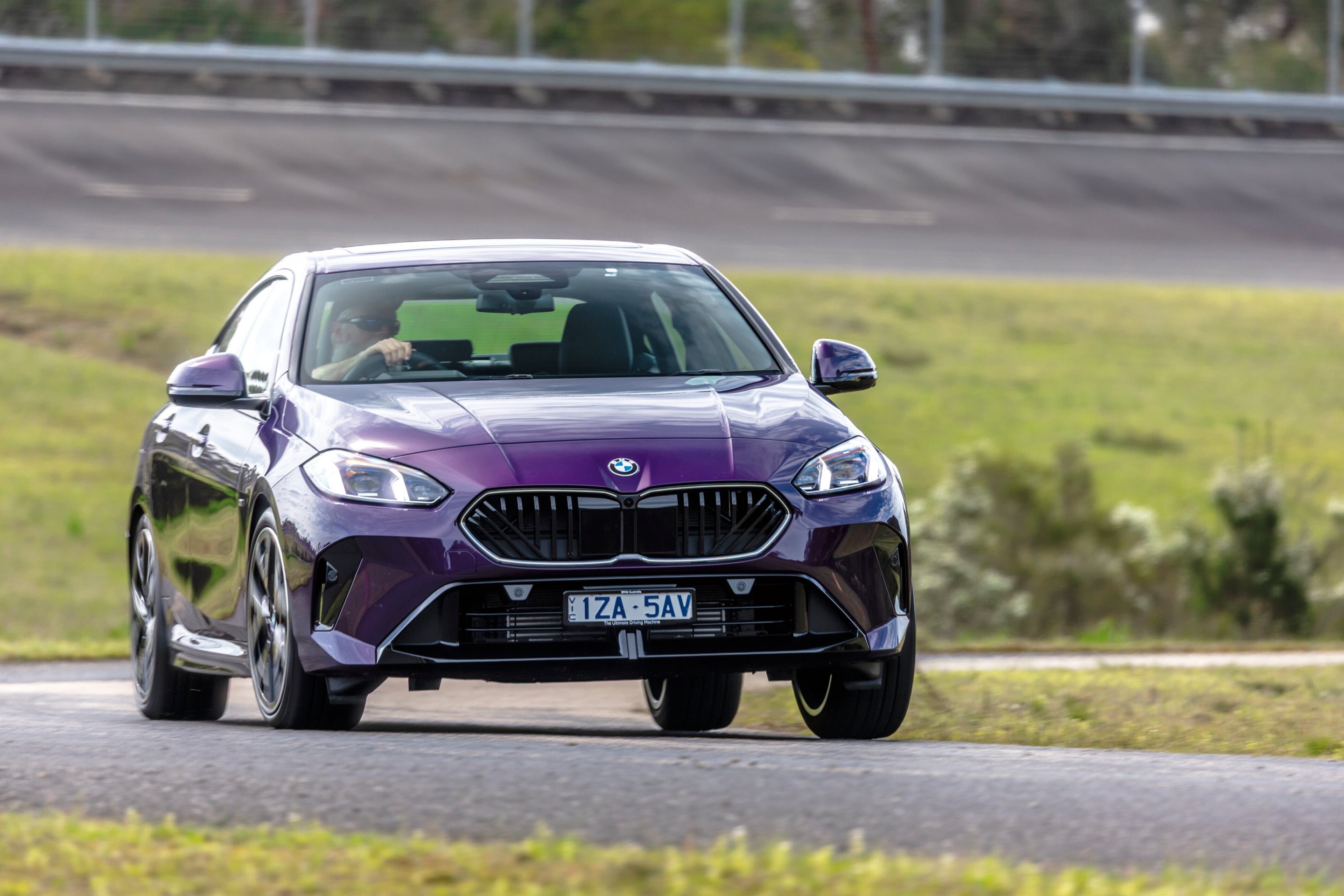
BMW 2 Series Gran Coupe M Sport
Confused by the Gran Coupe moniker? I was. Research revealed that the 220 is the mid-range sedan variant of the 1-Series hatch. So 2-Series and fwd, the 220 sharing its refined 2.0-litre four, in 150kW form, with the 120.
The interior is status quo for a contemporary BMW: hideous instruments, saved only by the digital speedo, brilliant driving position and seats, tight rear quarters. In driving appeal, the 220 Gran Coupe is still perceptibly inferior when compared with the more rounded 3-Series, its front-wheel-drive chassis compromises its driving dynamics when compared with its bigger rear-wheel-drive sibling.
1
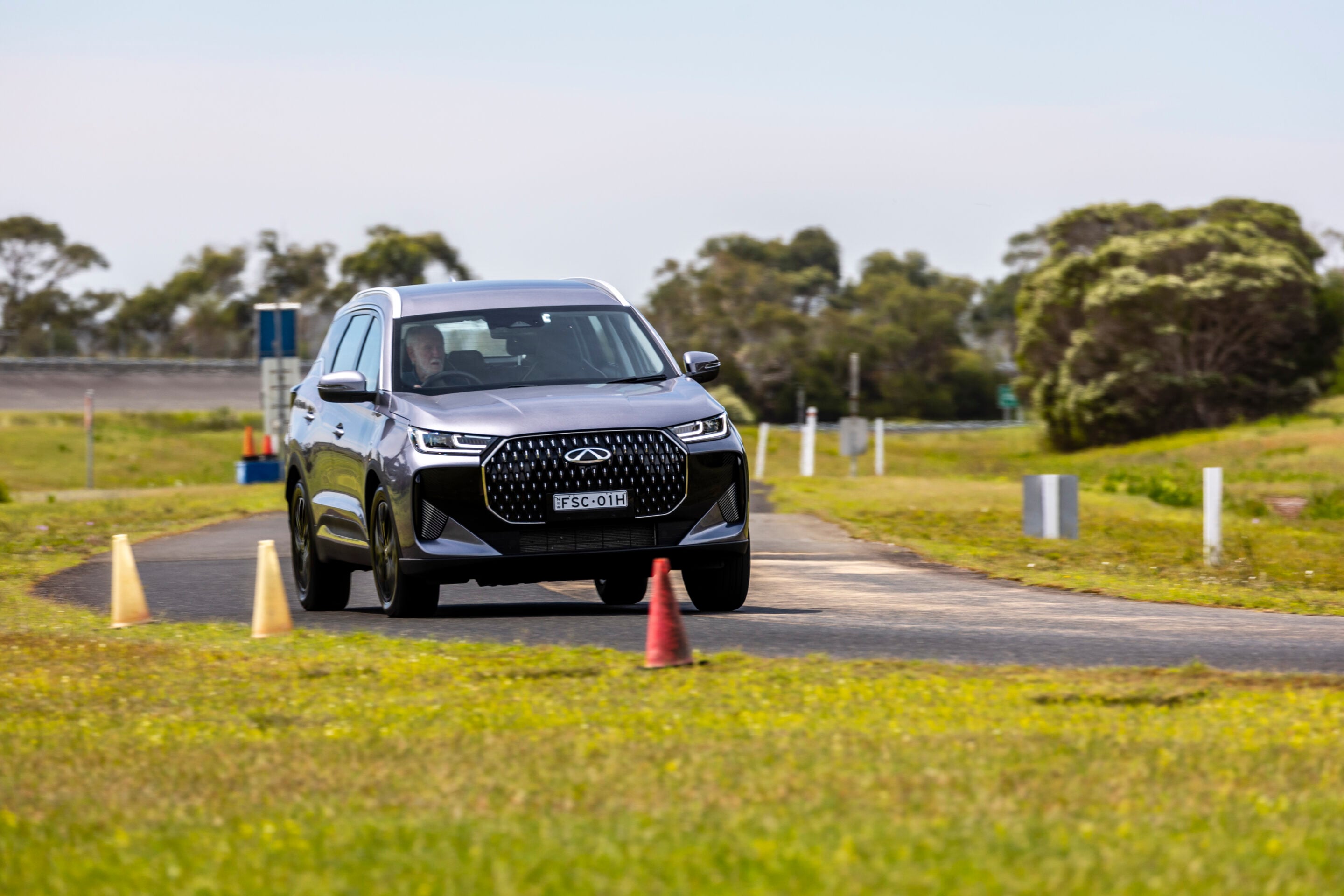
Chery Tiggo 7 Super Hybrid Urban
Chery’s spectacular drive-away pricing appeals to value-conscious buyers looking for a mid-sized SUV. Alas, it’s mostly downhill from there: artificial steering communicates nothing from the front wheels and conspires with an overly soft suspension for a floaty cornering feel that non-drivers might translate as comfort.
But even as an urban commuter, the Chery proves (like many Chinese cars) frustrating. Much work needs to be done to refine the driver assistance systems, like the lane centring and driver attention monitors. The near-constant beeping from the various procedures is beyond annoying.
1
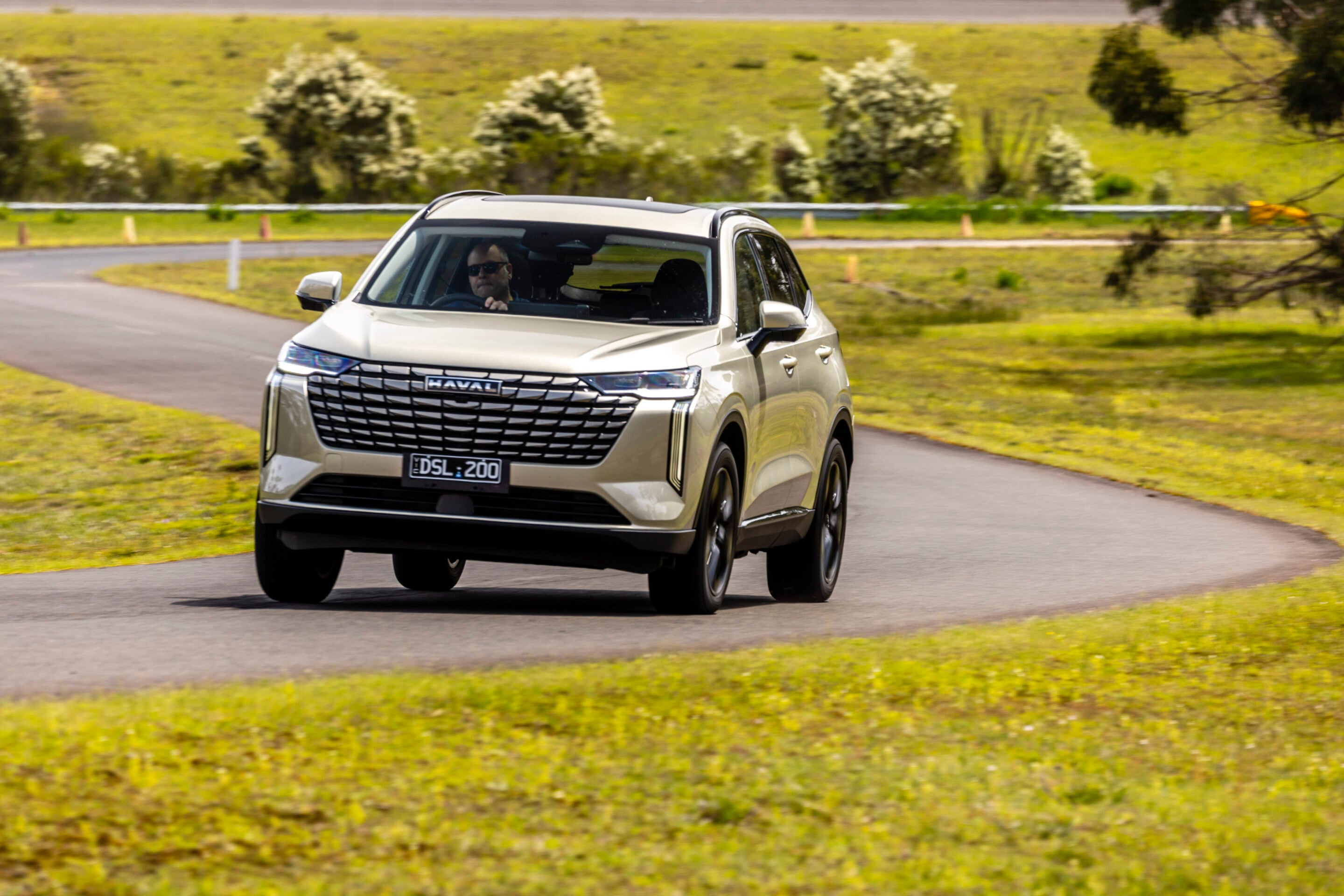
GWM Haval H6
My advice: wait for the Australian suspension and steering-tuned H6, promised for early 2026. This, and simultaneous modifications to the tuning of the PHEV power train, should ensure the Haval rises to a competitive level with other mid-sized SUVs. For now, slack on-centre steering and old-fashioned rack rattle, a lack of rebound control, combined with a too firm ride, and slow step-off acceleration conspire to limit the H6’s competitiveness.
Add a compromised driving position and hard-to-read central screen, and it’s obvious the sooner GWM takes advantage of its ever-increasing ability to leverage improvements,
the better.
1
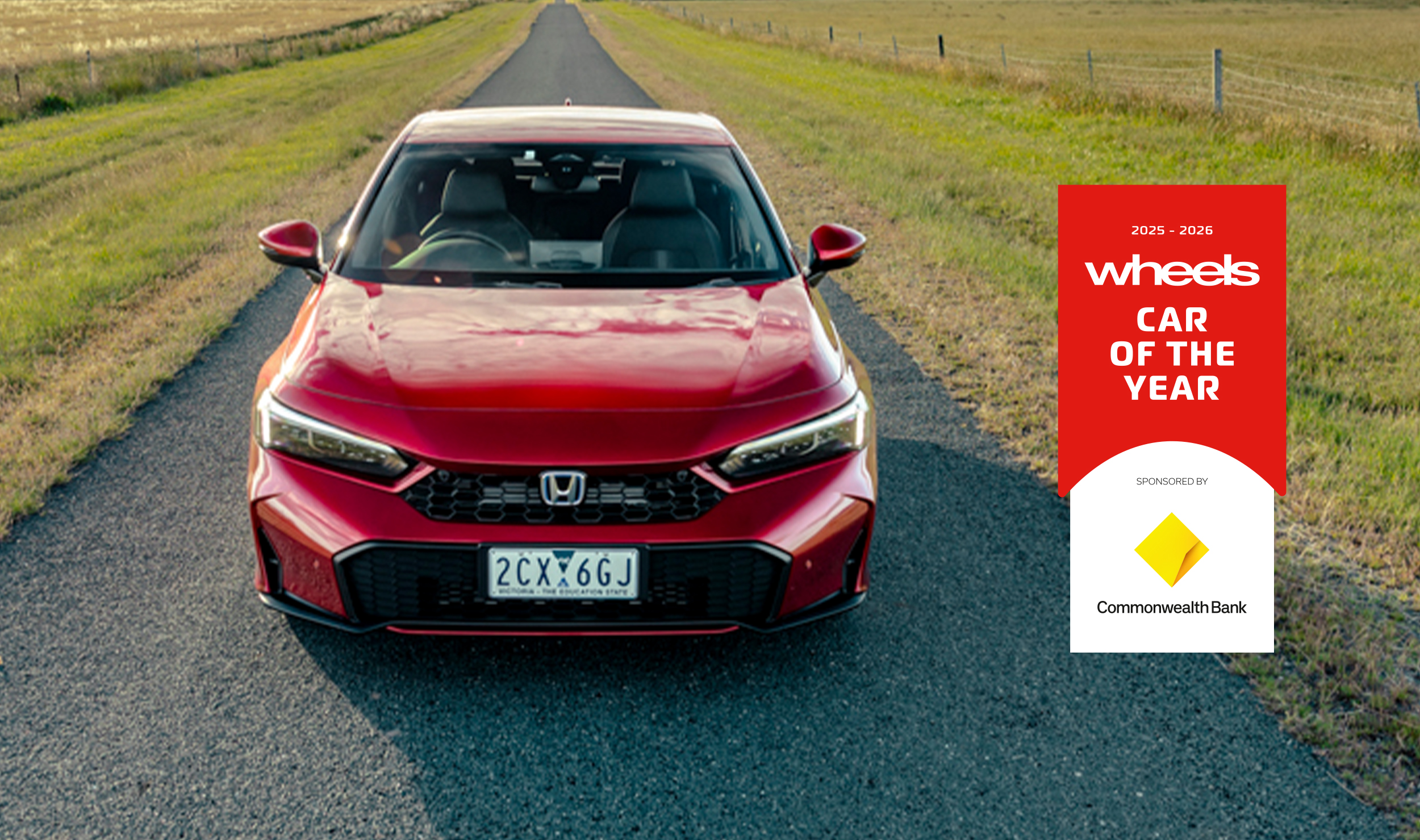
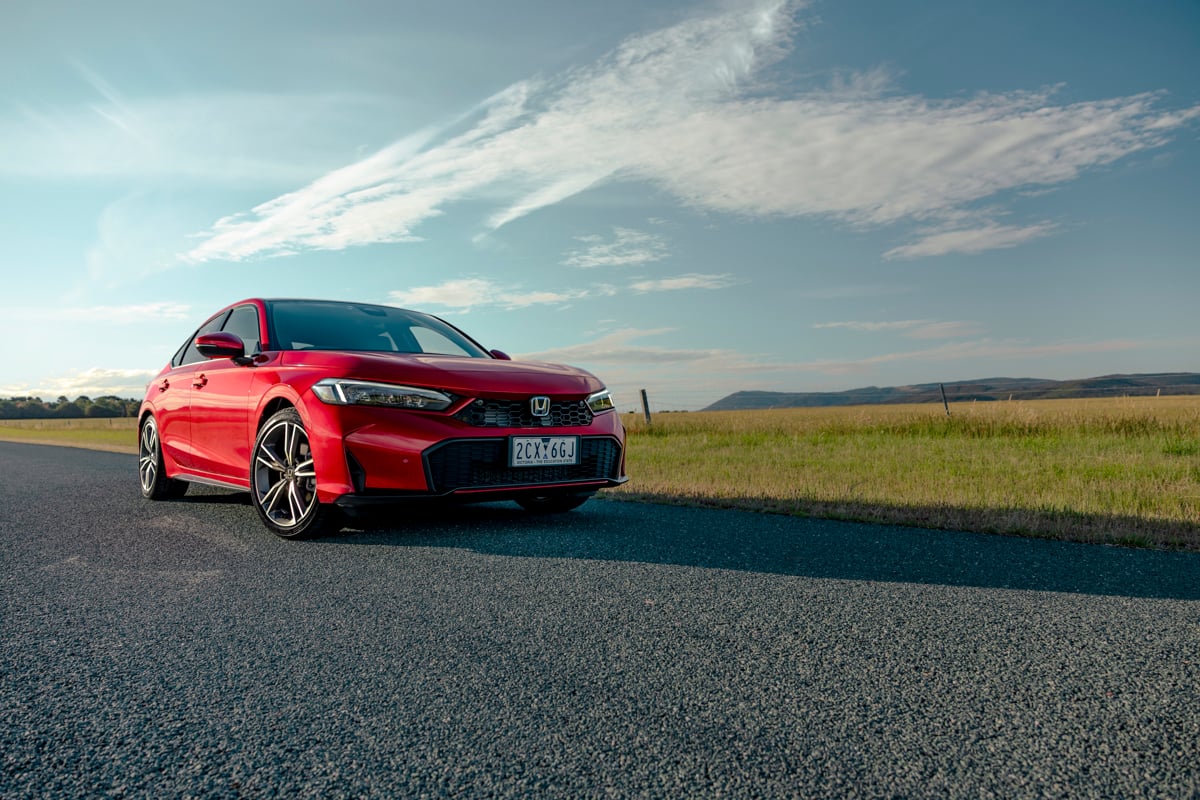
Honda Civic – 2025-26 Car of the Year WINNER
Hidden away among the last of my notes for the Civic are three significant words: “Best car here.” Says it all, really. Yes, the handsome and refined 11th-generation Civic delivers responsive, almost hot-hatch, performance that’s seamlessly helped by an electric motor. This is combined with terrific economy: the combined official figure is 4.2l/100km, though I averaged 3.9l/100km on one road leg.
Brilliant steering that’s intuitively weighted and 2.2 turns direct, inspires confidence and works perfectly with the Civic’s natural handling balance and fine roadholding. Faults: needs more equipment at the price, no spare wheel and excessive rear seat road noise.
1
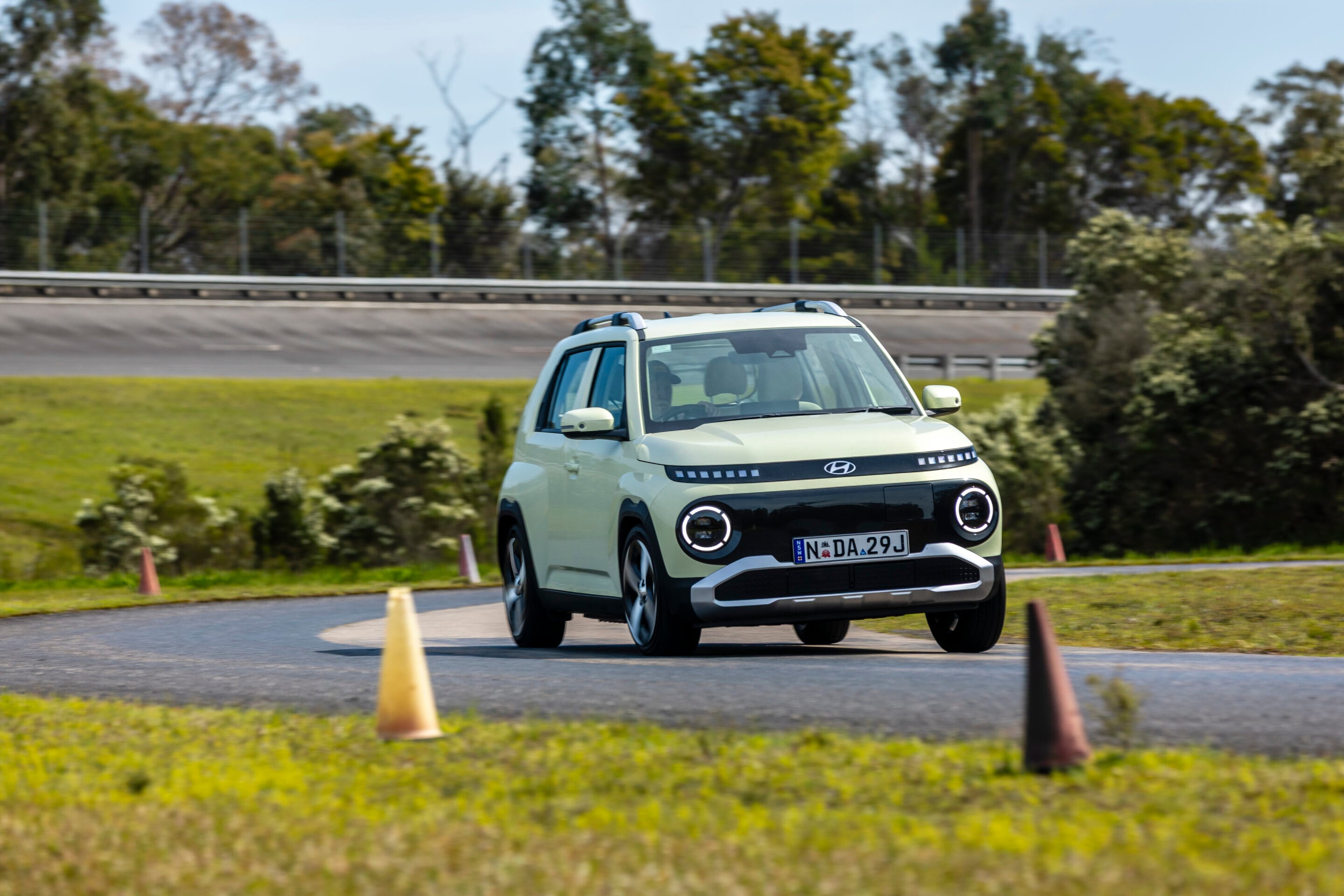
Hyundai Inster
I’m not surprised young designers are drawn to Hyundai. The Inster is another example of the Koreans’ design-led strategy, a willingness to take creative risks. The small EV’s styling flair – or is it caricature? – reminded the judges of Nissan’s late 1980s Pike models. A cheerfully bright and airy interior reflects
the same design ethos, EV refinement and relaxed dynamics.
The long 2580mm wheelbase accounts for the large interior (short overhangs limit boot space), which makes the awkward driving position hard to accept. Part suburban runabout and part small SUV, the Inster delivers a civilised drive at a price.
1
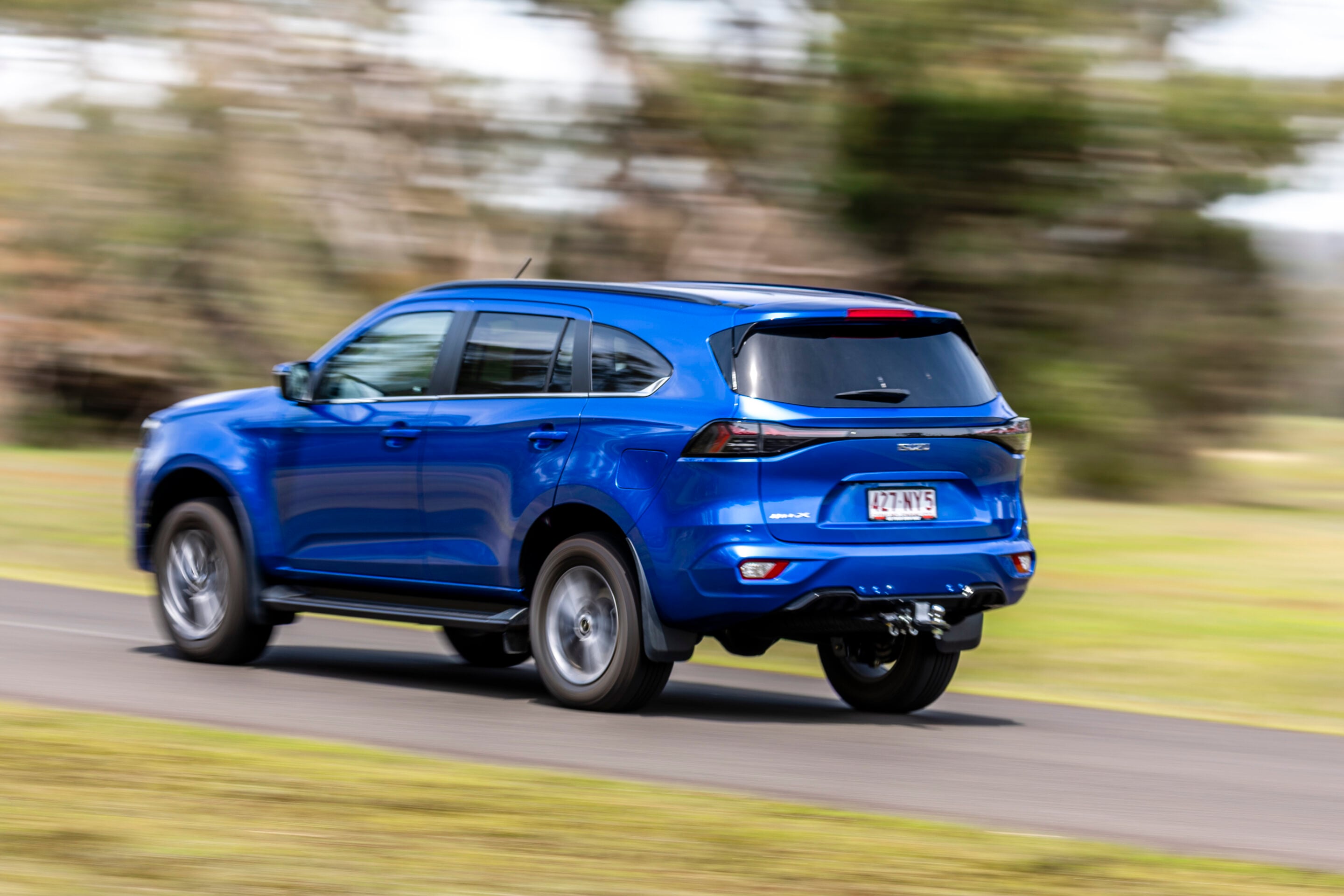
Isuzu MU-X
The MU-X steers and sounds like a truck because it is a truck, unable to hide the compromises and flaws of its ladder frame chassis and raucous 2.2-litre turbo diesel. Coil rears replace the sibling D-Max’s leaf springs, but can’t conceal the crude on-road dynamics.
ESC that closes the engine to idle at even moderate cornering speeds, extreme understeer and vague steering confirm the Isuzu’s role as a capable off-road SUV rather than a car substitute. Still, it’s a truck that’s roomy for five (but a tight fit for the third row), well-equipped and now with an eight-speed auto.
1
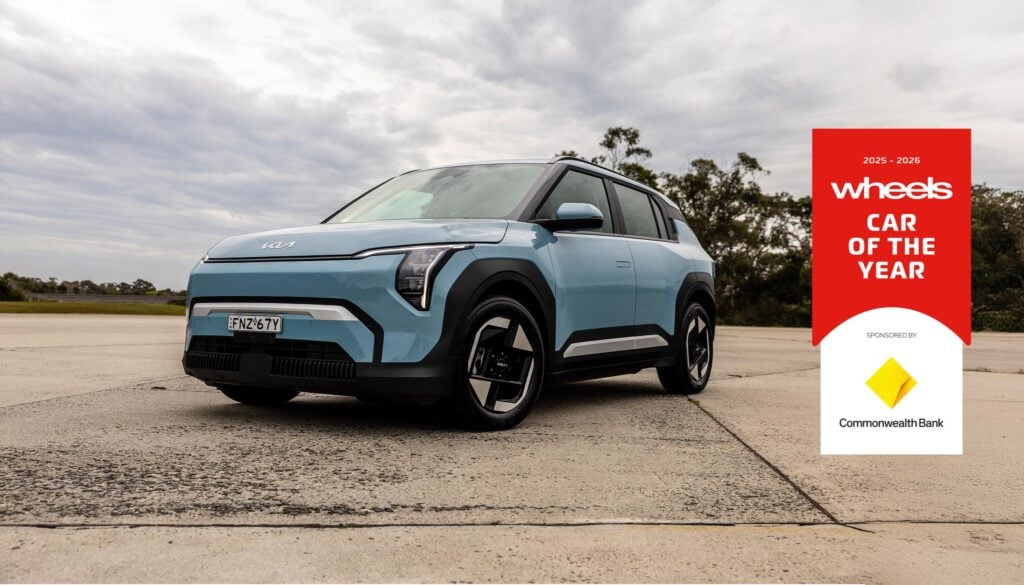
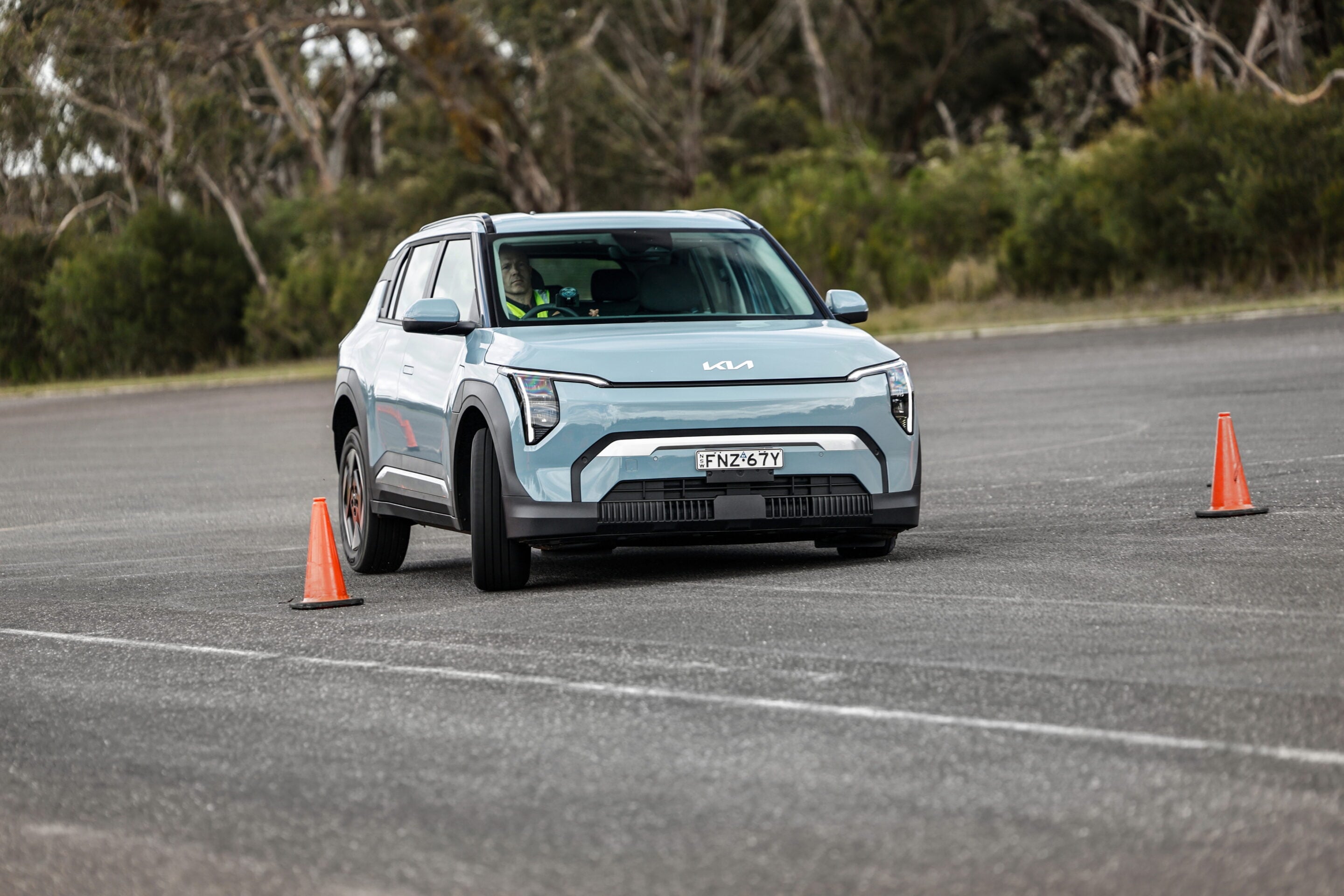
Kia EV3
Can the country of origin impact on the quality and dynamics of a car, even when they come from the same manufacturer? Seems so, Kia’s EV5 comes from China, the EV3 from South Korea. Australia’s close relationship with Kia allowed Australian tuning of the suspension, something that hasn’t been possible with the Chinese model.
Changes to steering, springs and dampers help ride comfort (especially on the Air’s 17s) and handling, which matches any of its small SUV rivals like the Volvo EX30 and BYD Atto 3. If the styling appeals, the EV3 emerges as a competitive and inoffensive EV. Does inoffensive equal boring?
1
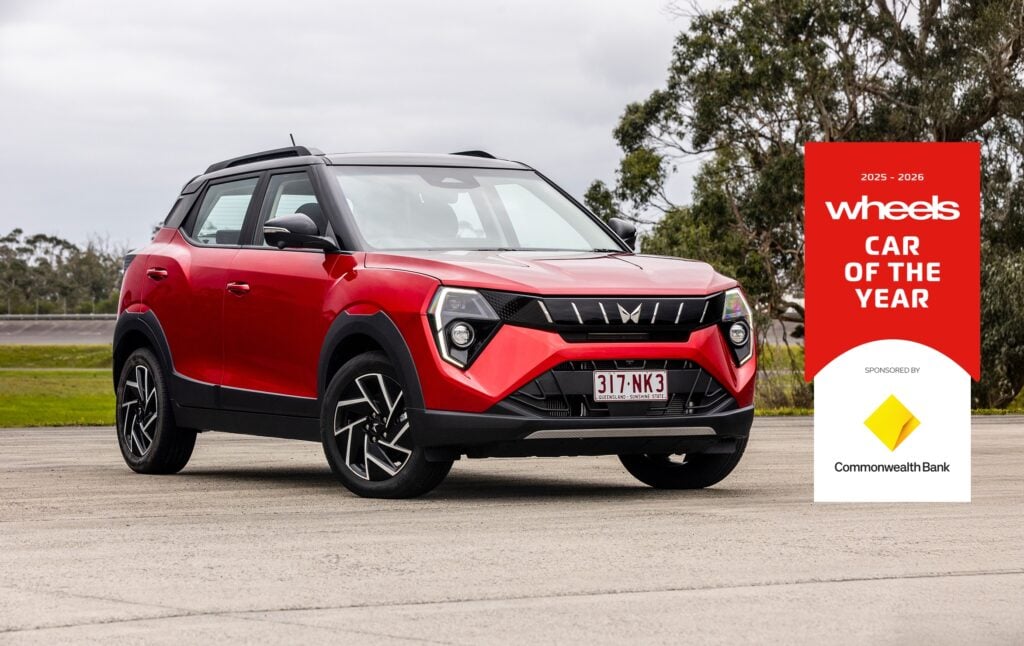
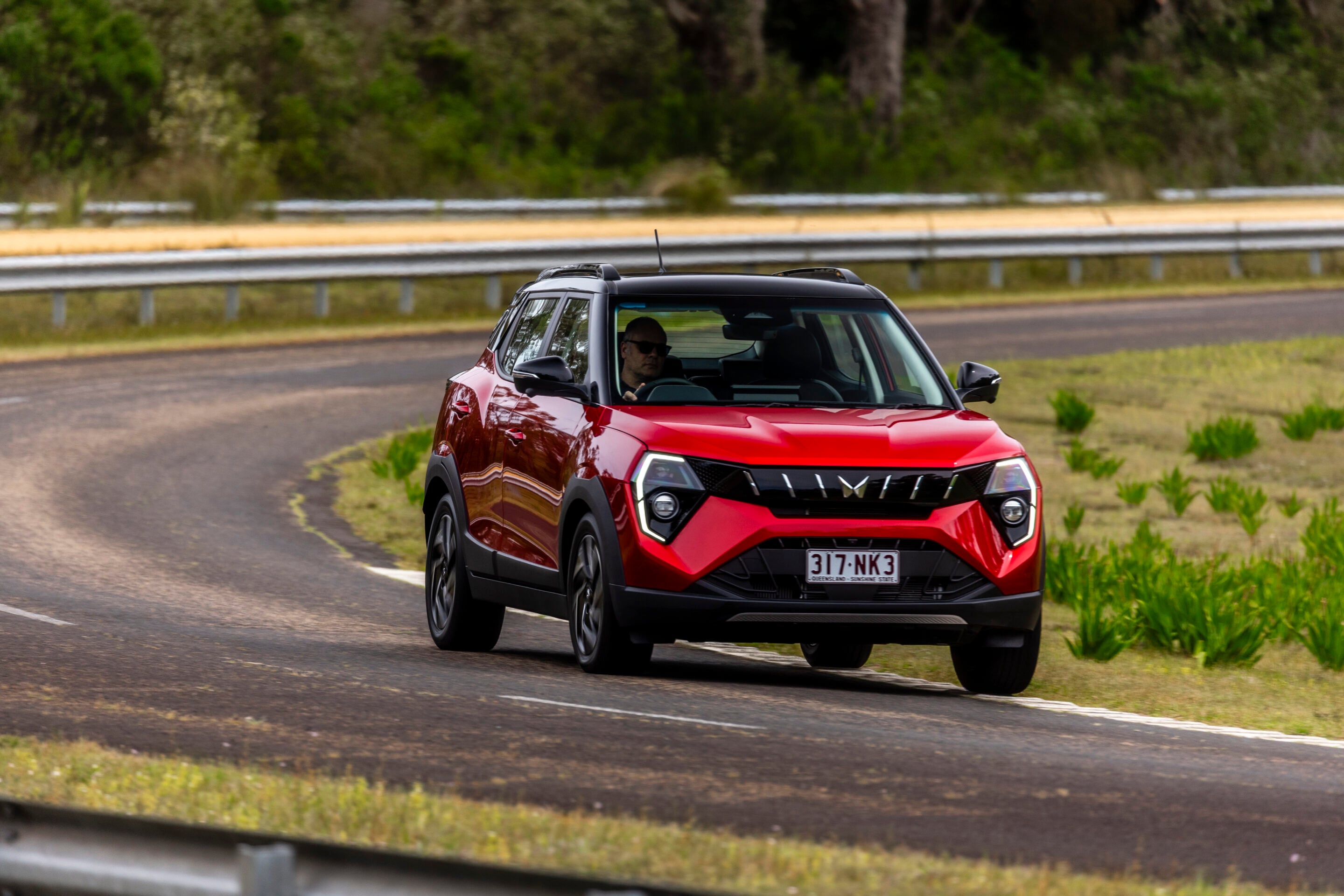
Mahindra XUV3XO AX7L
India’s affordable city SUV makes plenty of sense for those customers who simply want basic transport. (Some may) demand more than charming looks, a roomy cabin, jaunty if noisy 1.2-litre triple and plenty of features.
Erratic power steering, inconsistent stop-start … and a small boot offset the positives. I’d also like a translation of the complex model names: all 18 letters, split in two, plus a Mahindra badge, that appear on the rear hatch.
1
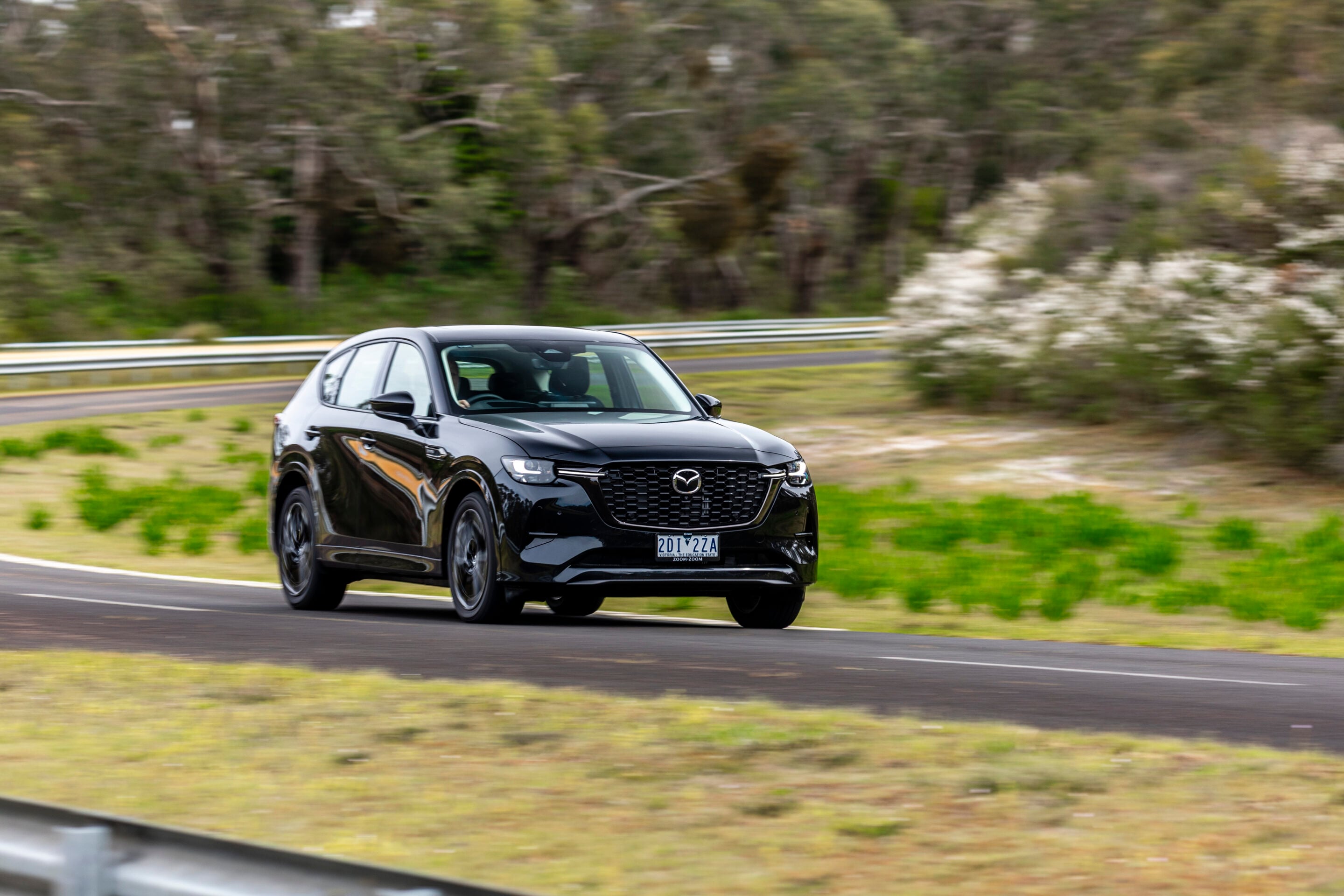
Mazda CX-60 GT
Mazda’s third attempt at clarifying the CX-60’s suspension tune and market positioning mostly works, yet I don’t perceive the aspirational CX-60 as a true rival for the premium Volvo XC60, BMW X5 and Audi Q5. Chassis revisions make for a more comfortable, yet less controlled and still occasionally harsh ride.
Despite excellent steering, this is not a sporting SUV, in part because the 3.3-litre inline six – there is even an INLINE 6 declaration on the flanks – isn’t creamy smooth as it revs out. No arguments on the quality or quietness of the interior. If only the CX60 looked less like every other Mazda SUV.
1
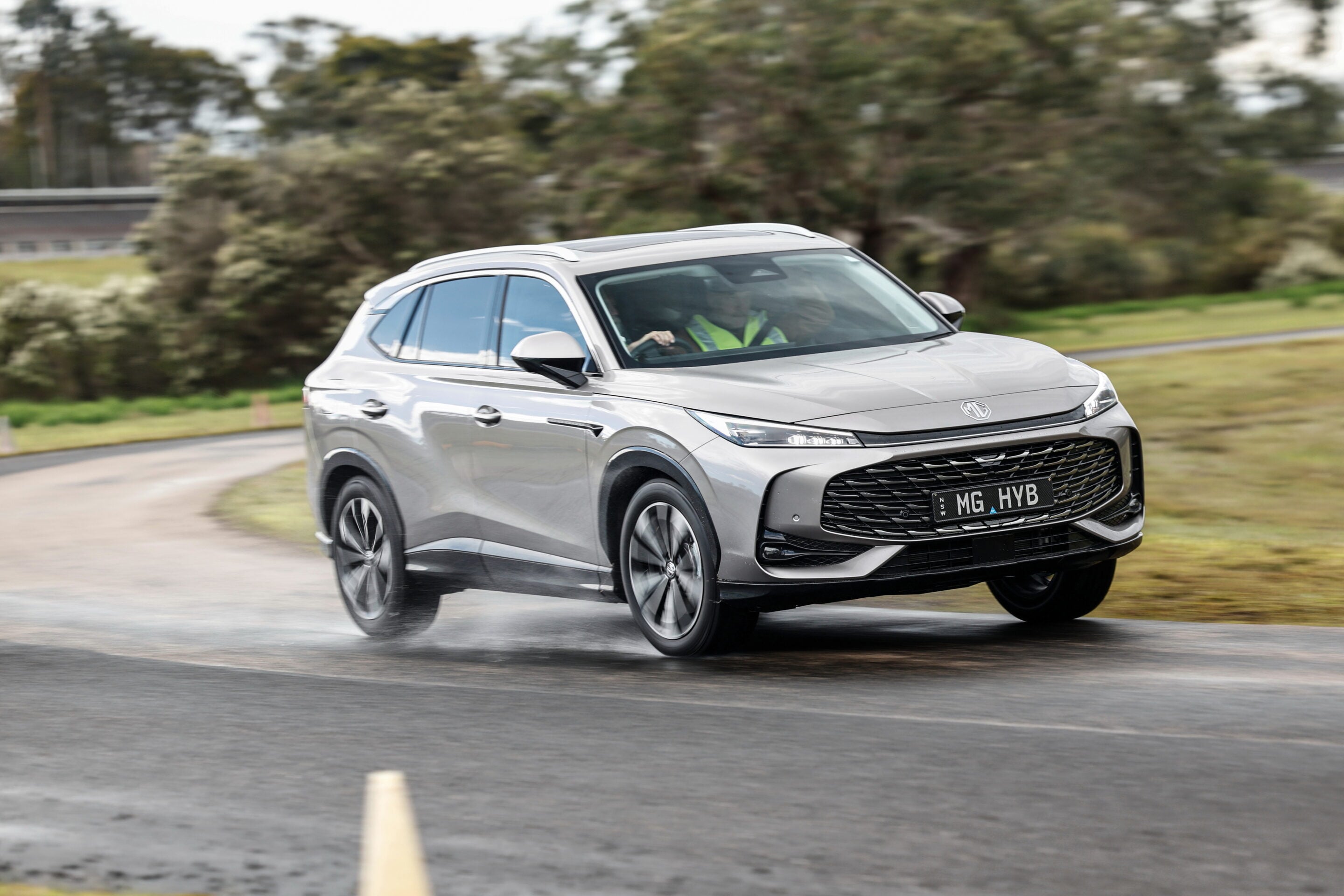
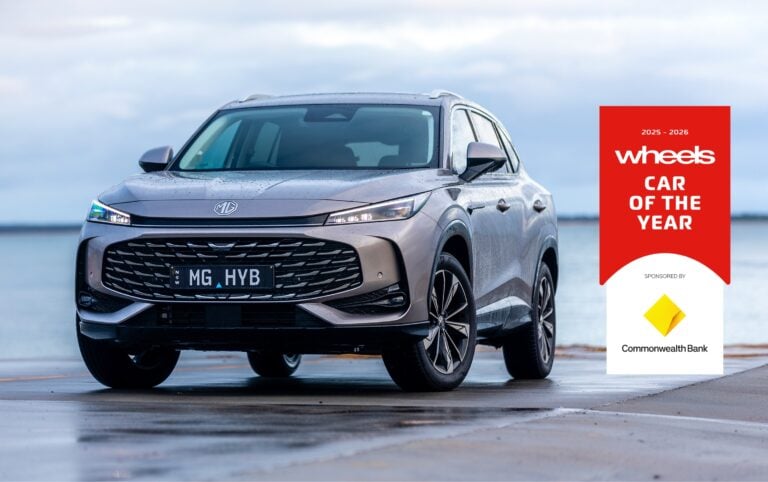
MG HS Hybrid+ Essence – 2025-26 Car of the Year, 2nd
The MG HS proves nobody learns faster than the Chinese. Less than a year after launching the second-generation HS, MG added two hugely competitive hybrid versions that bring improved performance and efficiency.
Crucially, too, the spacious medium SUV gets a raft of suspension modifications that lift the HS in terms of refinement, even steering and ride quality. Above all, the MG wins as a value package given the degree of standard equipment, driveaway pricing and the extended warranty – up to 10 years/250,000km if you stay with the dealer.
1
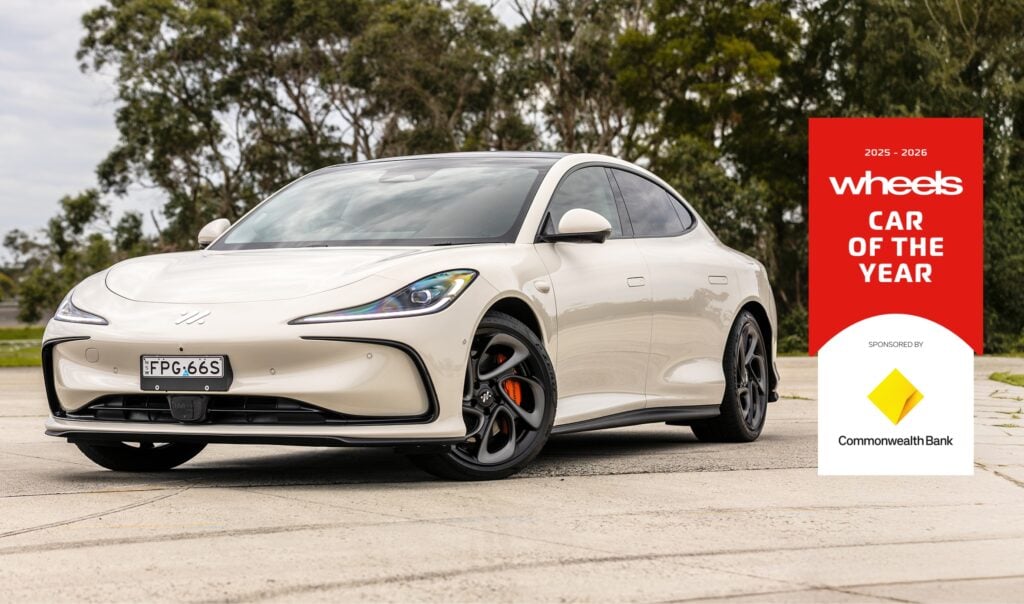
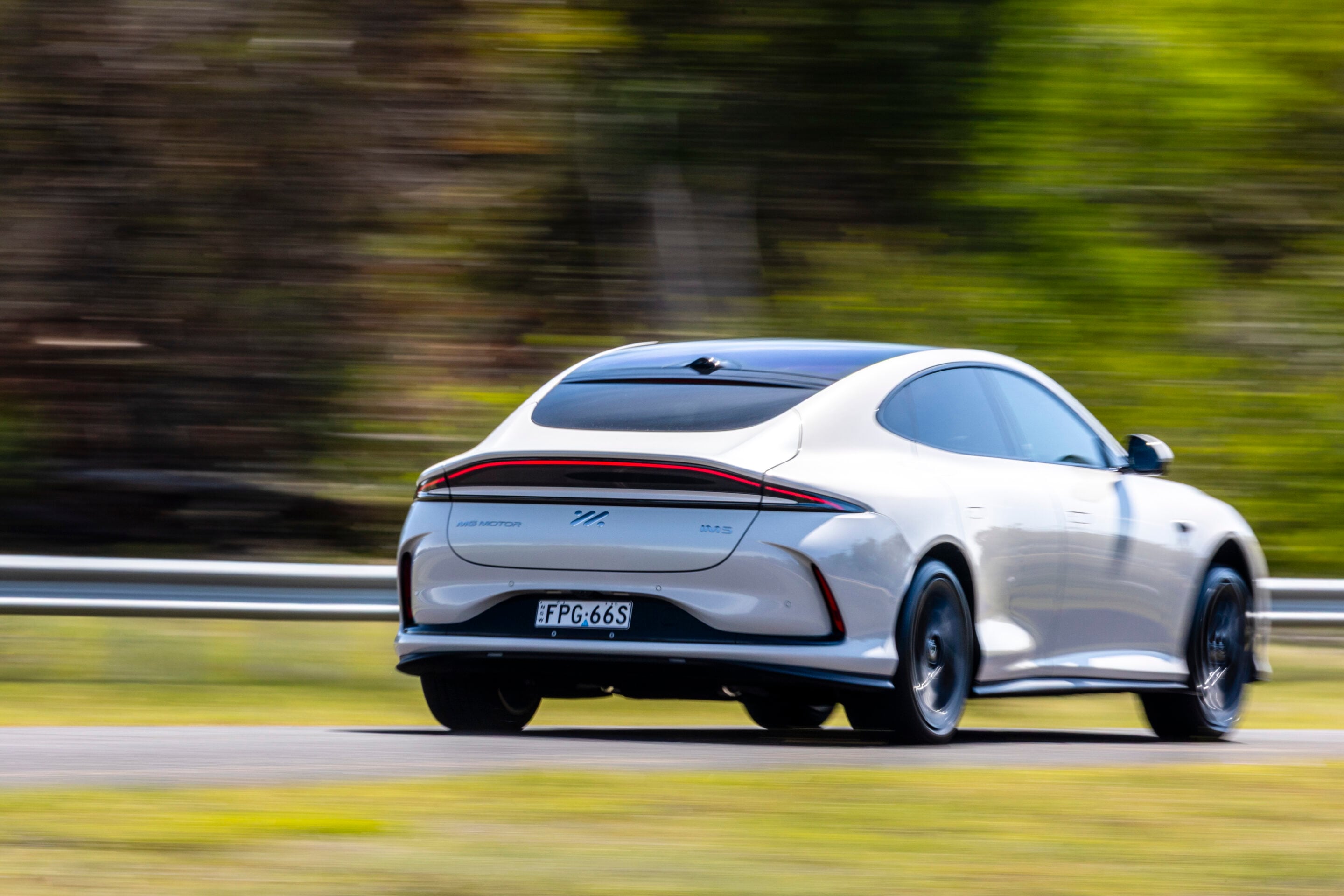
IM5
IM is to MG what Lexus is to Toyota – the IM ostensibly being short for Intelligence in Motion – so yet another new Chinese sub-brand. Sized against the 5-Series and E-class, the EV IM5 comes in three performance levels. We expected Premium and got Performance. Which it truly does (2.9secs to 100km/h).
It’s agile, SO fast and engaging, the looks smooth and slippery, the cabin smaller than anticipated. Shallow glass, thick A-pillars and a tiny rear window restrict visibility. The interior door handles, positioned at the back of the door bins, are idiotically difficult. Still, here come the quality Chinese.
1
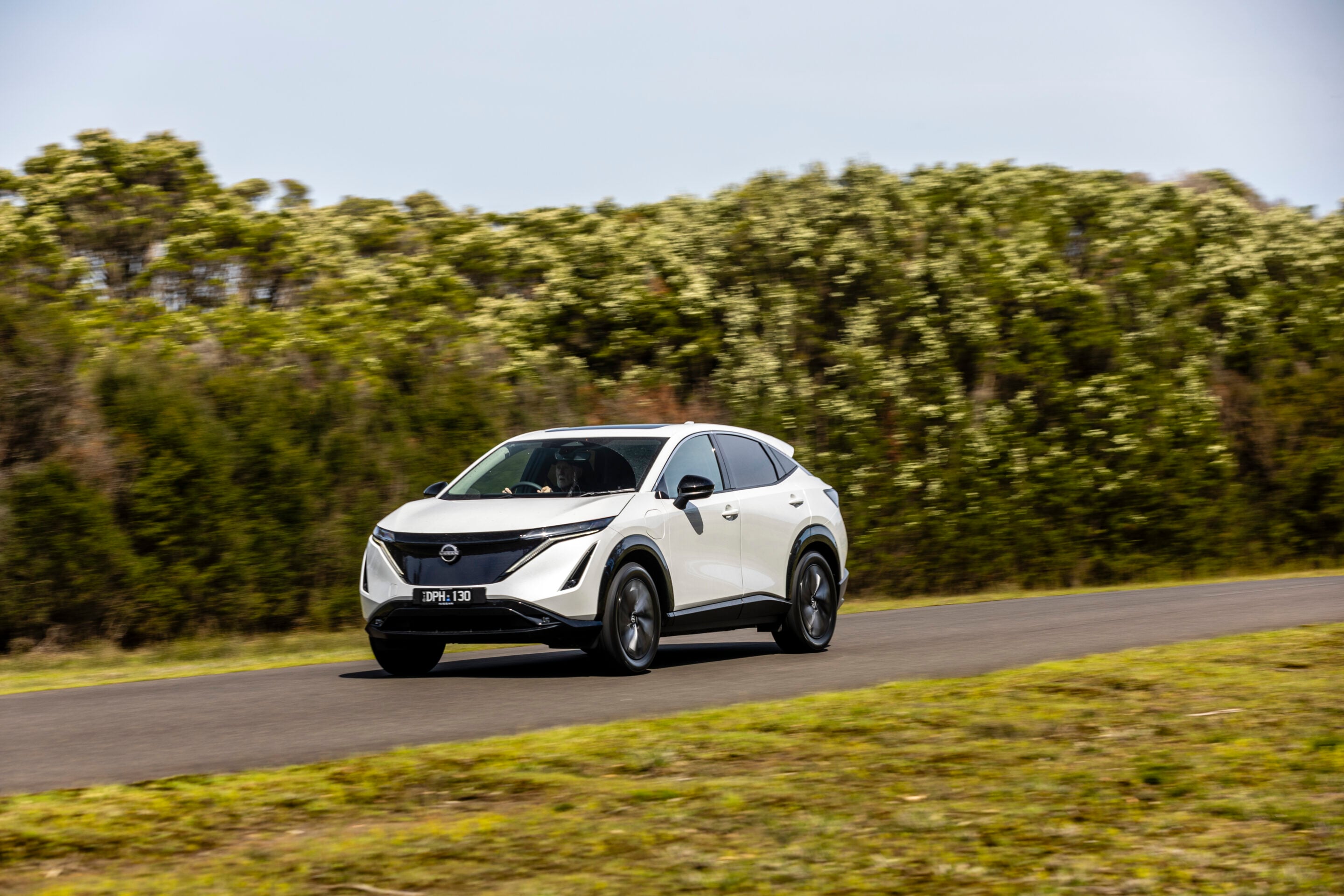
Nissan Ariya
This is a story of timing. Nissan first showed the Ariya concept at the Tokyo show in October 2019. The little changed production car appeared in July 2020. Australian journalists’ initial drive was in July 2022, but the EV crossover didn’t arrive locally until September 2025. By any measure, that is an overly long
gestation, though the generic styling hasn’t really dated.
Meanwhile, forgetting the impact of Tesla, Australia has been engulfed by cheaper Chinese EV rivals. Dynamics are lacklustre – the driver is aware of the 2078kg weight – the ride uneven, the steering dull, the spacious interior minimalistic. So, no more than adequate.
1
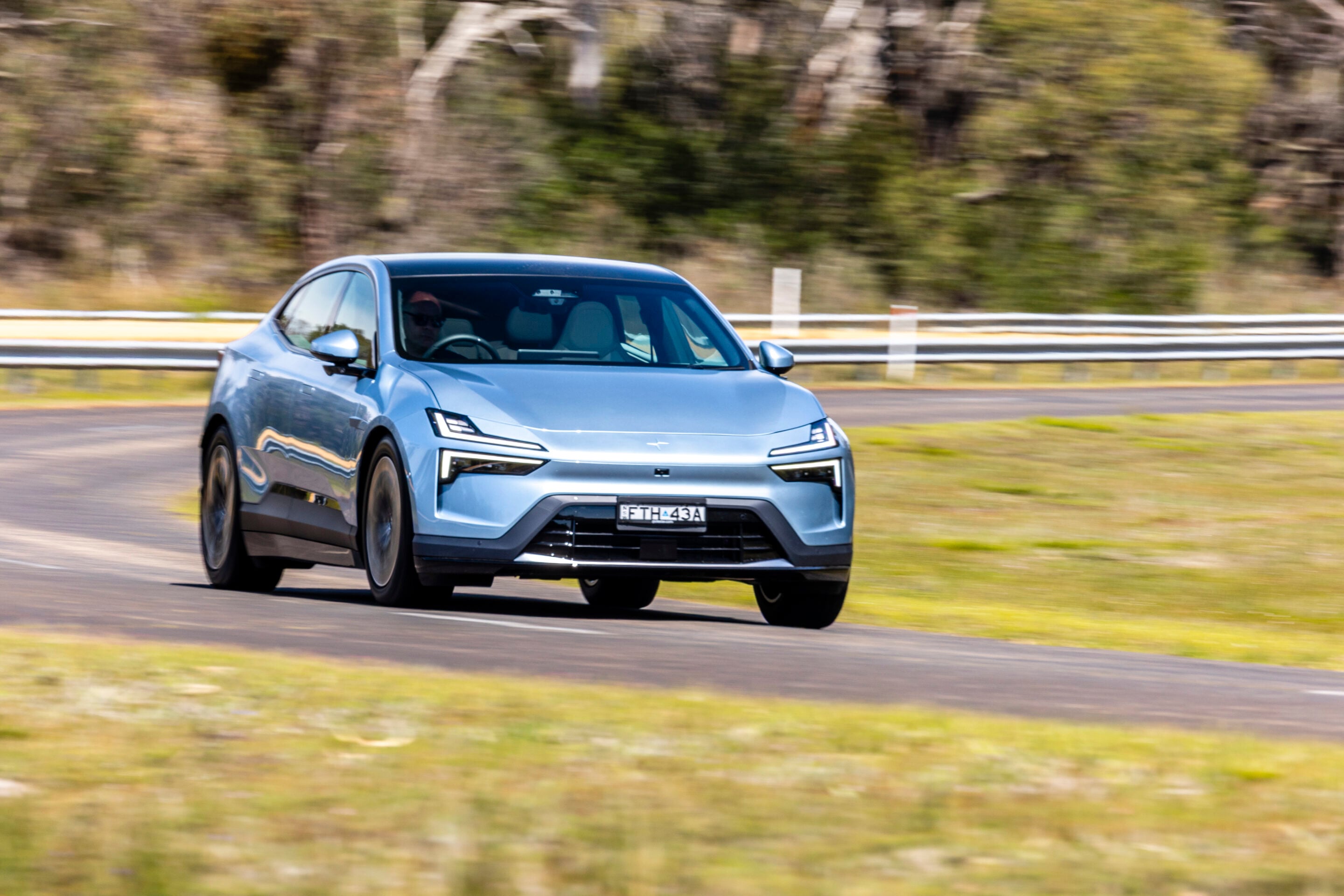
Polestar 4 Long Range
I’ll admit it, my old eyes can’t cope with the lack of a rear screen. The task of refocusing from looking out the windscreen to the eerie image produced by a rear facing camera feeding to the digital interior mirror, is beyond them. Inevitably, rear visibility is mediocre, the depth perception challenging.
Why, when the Polestar 4 gets a solid body-coloured panel that occupies the same area as a conventional rear window? A perverse gimmick for its own sake, and I’d argue not what the still fledgling (Chinese-made) brand needs to conquer rivals from Porsche and BMW.
1
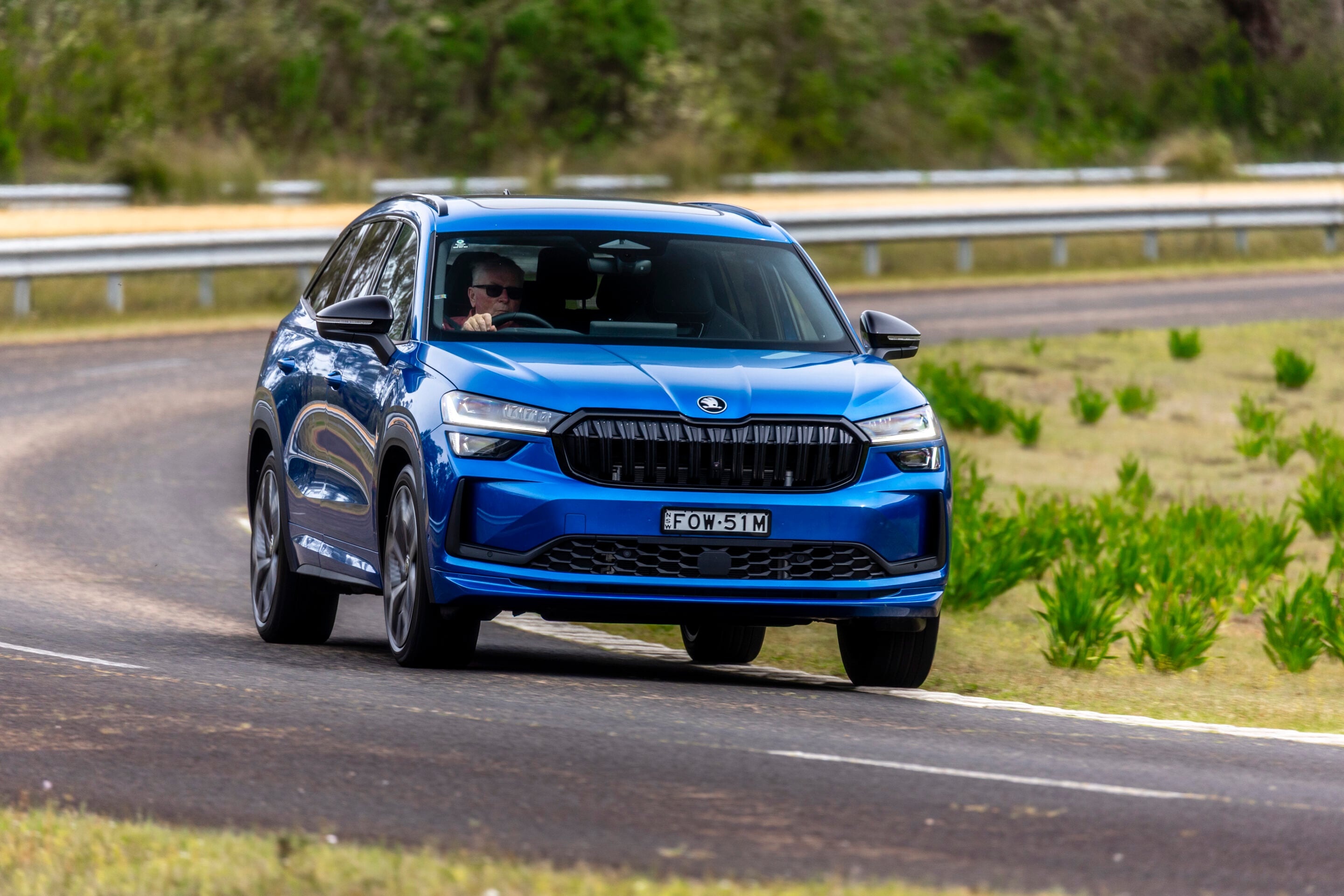
Skoda Kodiaq Sportline
How do you choose between Kodiaq and VW Tayron when, under the skin, they are so closely related, sharing VW’s new MQB Evo architecture? Perhaps Skoda’s seven-year warranty, two years up on the VW, makes the difference when the price varies by a mere $500. The Skoda is an appealing, roomy, seven-seat family SUV that drives well… but then so is the VW.
Differences: the styling and interior design, of course. Do you prefer the Skoda’s forceful grille to the VW’s more contemporary and cleaner treatment? The Skoda feels more practical, the VW slightly more accelerative and refined. Toss a coin.
1
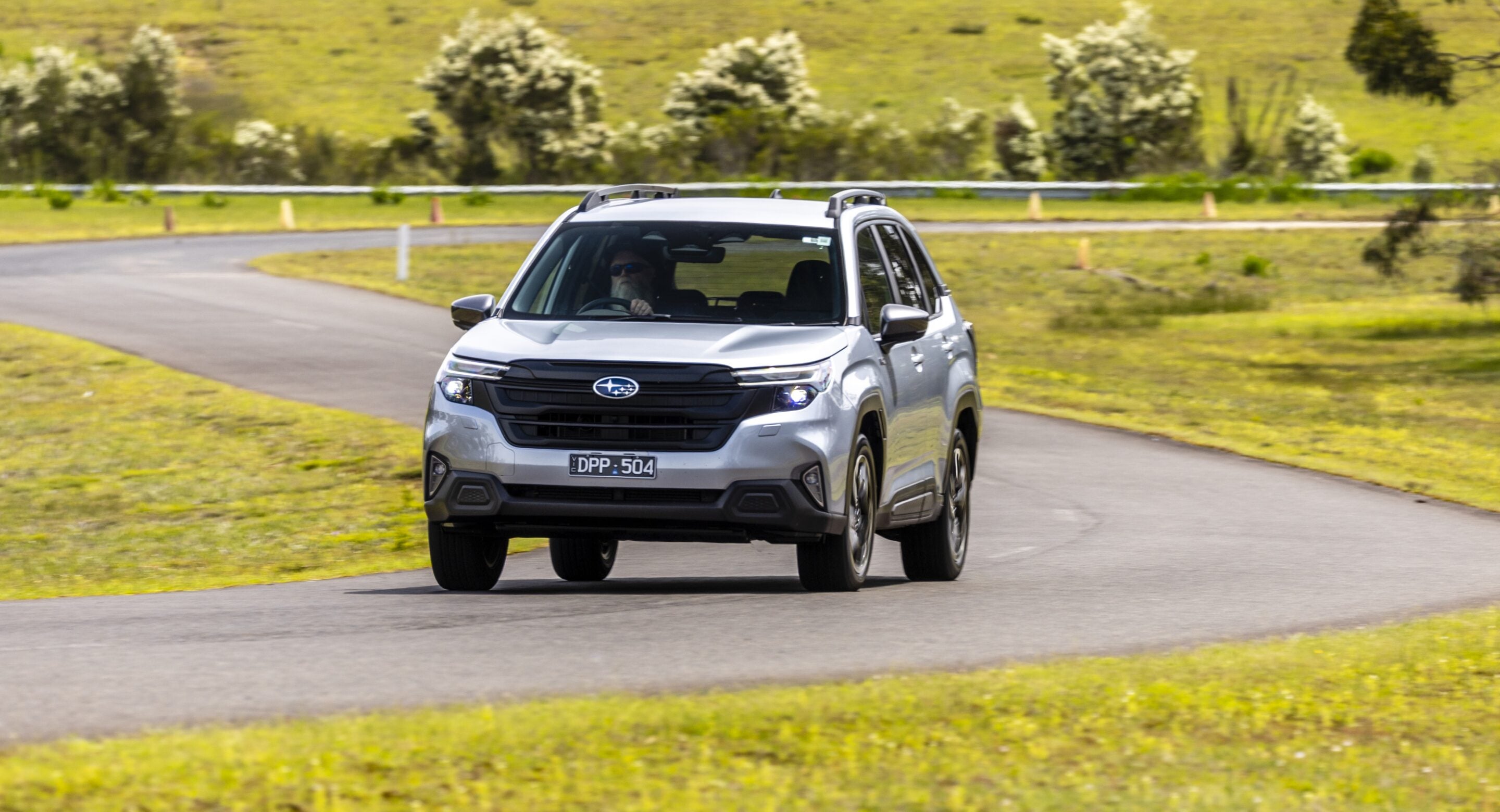
Subaru Forester
The Forester, Subaru’s all-time Aussie favourite, has been with us for over 28 years, gently evolving without changing the recipe. An SUV before SUVs were cool, the sixth generation remains a tough, boxy and practical family car that’s capable, obviously well developed, notably quieter and comfortable.
We also appreciated the excellent visibility, a welcome positive in 2026. That the Forester is also slow, even with electric assistance, is true to Subaru’s genre. This is an SUV you’d recommend to your mum, knowing she could neglect it for a decade without any issues before buying another one.
1
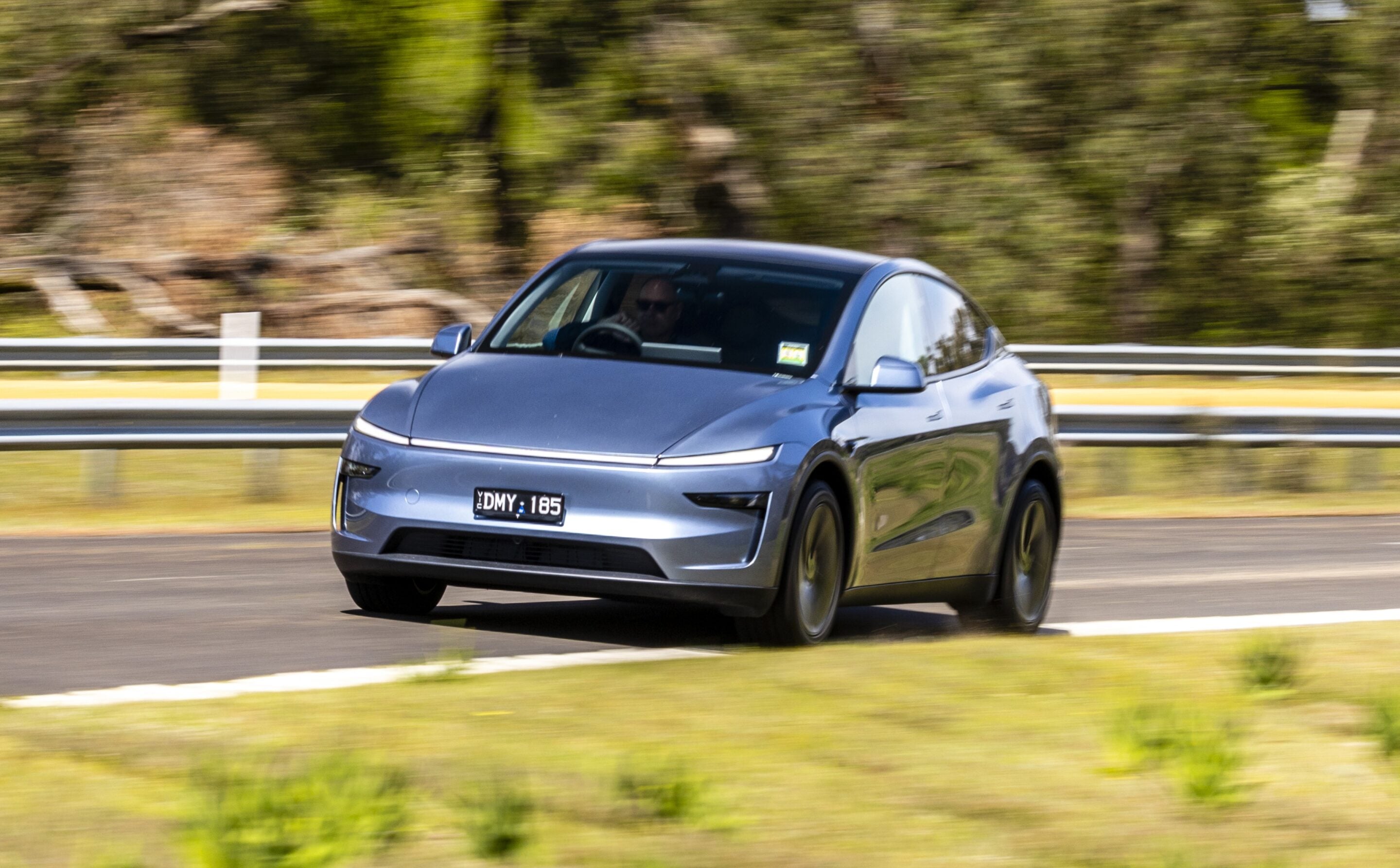
Tesla Model Y
On paper and in practice, the Model Y gets a lot right: charging convenience and range, performance and a spacious cabin. There are also lots of faults: steering that’s numb around the middle, yet twitchy on turn-in, a harsh ride over big bumps, especially in the rear, and an excessively high-pitched whine from the motor.
I still struggle with Tesla’s dedication to minimalism. The only physical controls are limited to the pedals, steering-wheel buttons and knobs, seat adjusters, and indicator stalk. Everything else requires you to dive into its touchscreen (and take your eyes off the road) or use the patchy voice control.
1
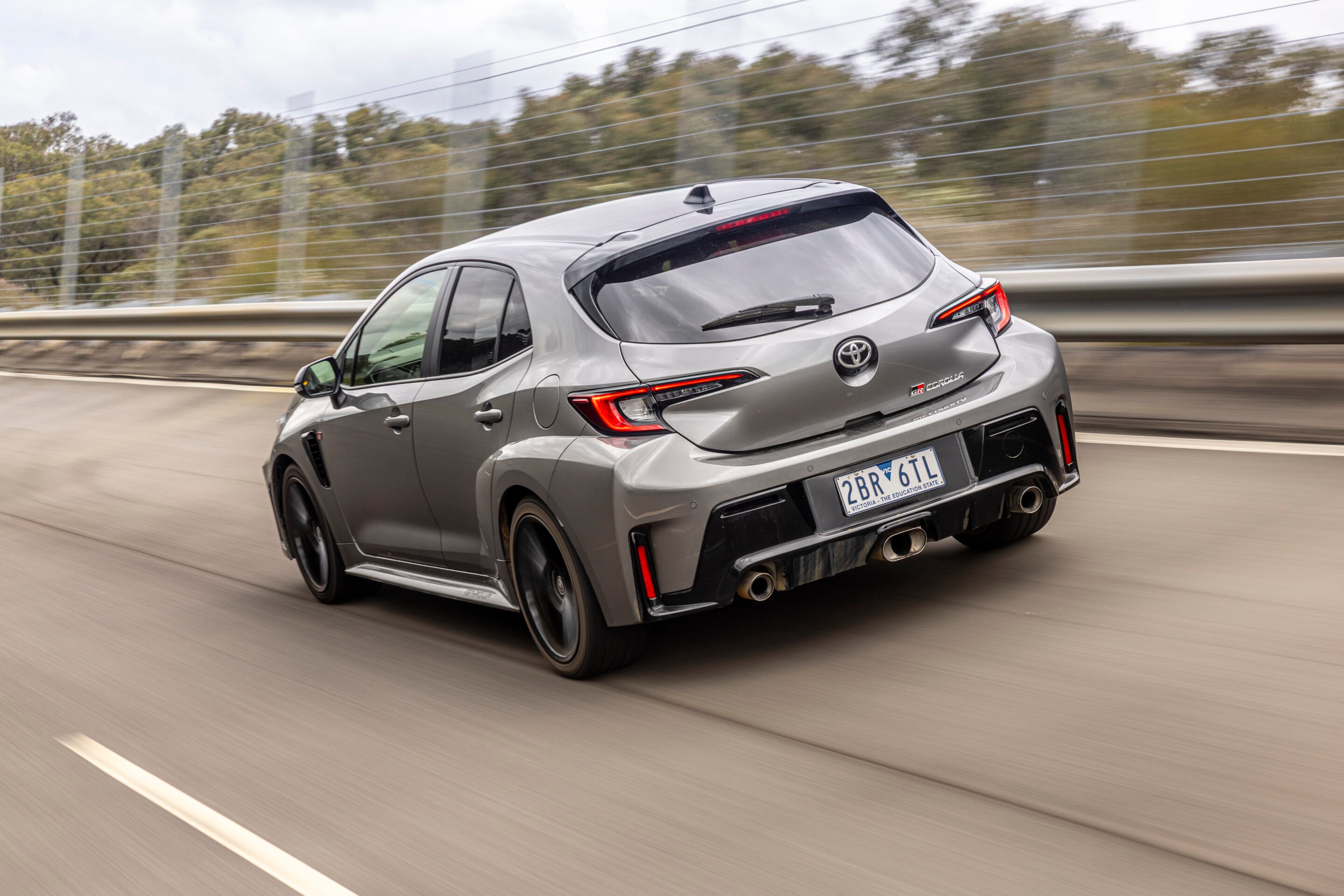
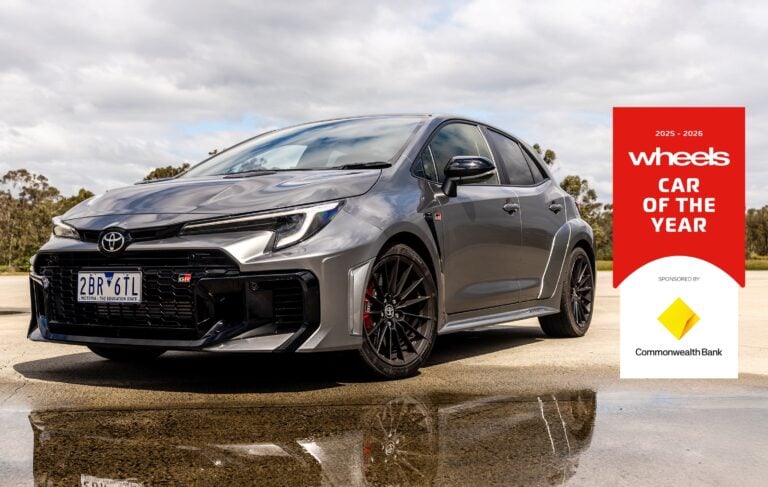
Toyota GR Corolla – 2025-26 Car of the Year, 3rd
Hard to imagine, but this Corolla is a car that’s happy to spend an hour or two cruising out to a racetrack, where it has the ability to frighten far more expensive performance models, before touring home in comfort, the driver wearing a permanent grin.
The GR has the speed, grip, brakes and composure demanded by any weekend warrior, yet in automatic form (apparently the manual shifter isn’t as good as it should be) and with great seats, it’s also a daily driver. Young enthusiasts seem to enjoy the styling. I find it overwrought, tacky, even childish.
1
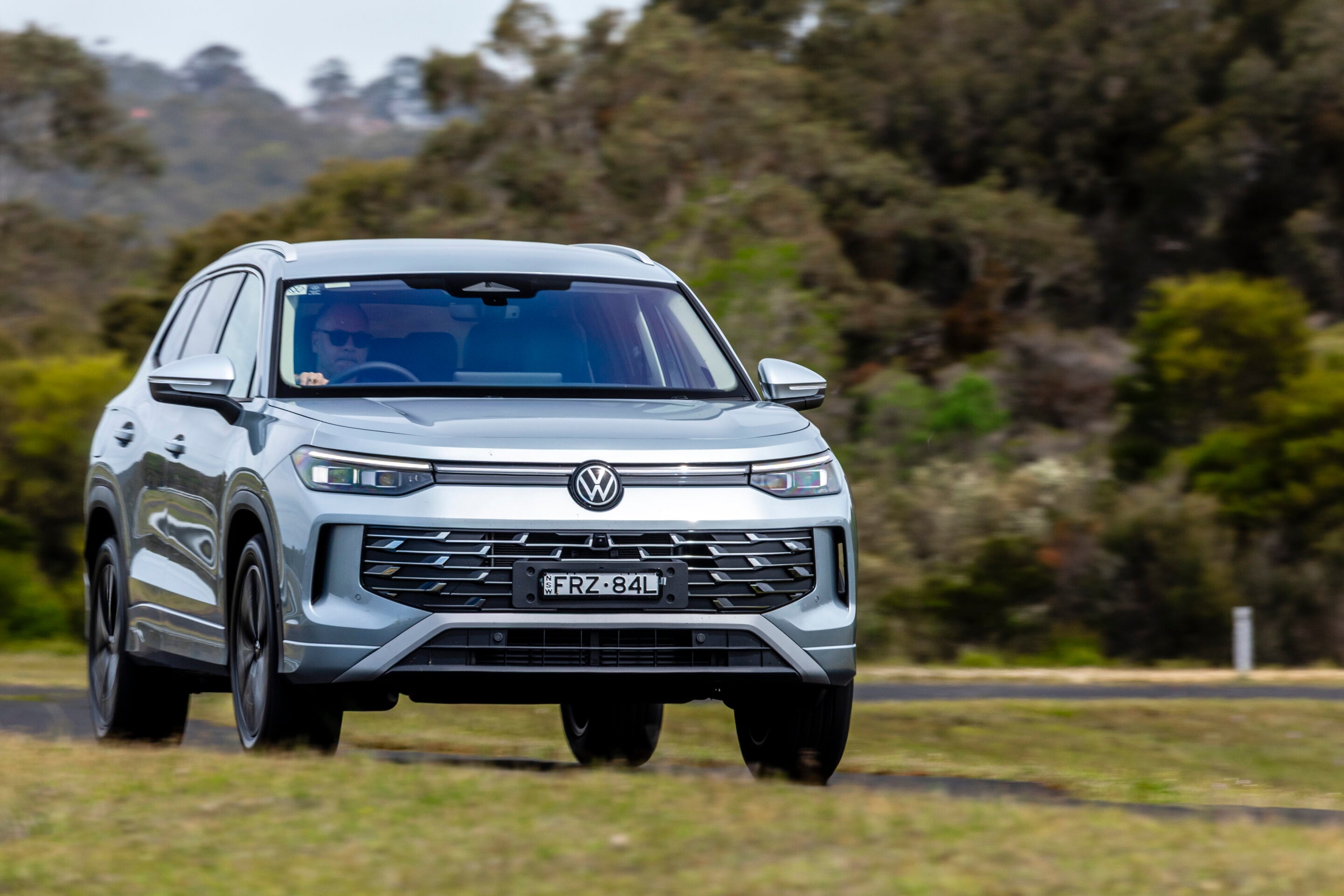
Volkswagen Tayron
I don’t understand why VW would introduce a new nameplate for its three-row SUV when the predecessor Tiguan Allspace achieved real popularity. Marketing obviously believes it’s worth the millions-spend necessary to separate the Tayron from the smaller Tiguan.
Accept that the third row is only for occasional use, and this is a real competitor, more car-like than many rivals, impressively finished, and a refined, almost premium feel to the drive. Delighted to see VW has made a U-turn, recognising that physical switchgear is easier and safer to use than haptic stuff. Worth remembering that a hybrid will arrive in the second quarter next year.
1
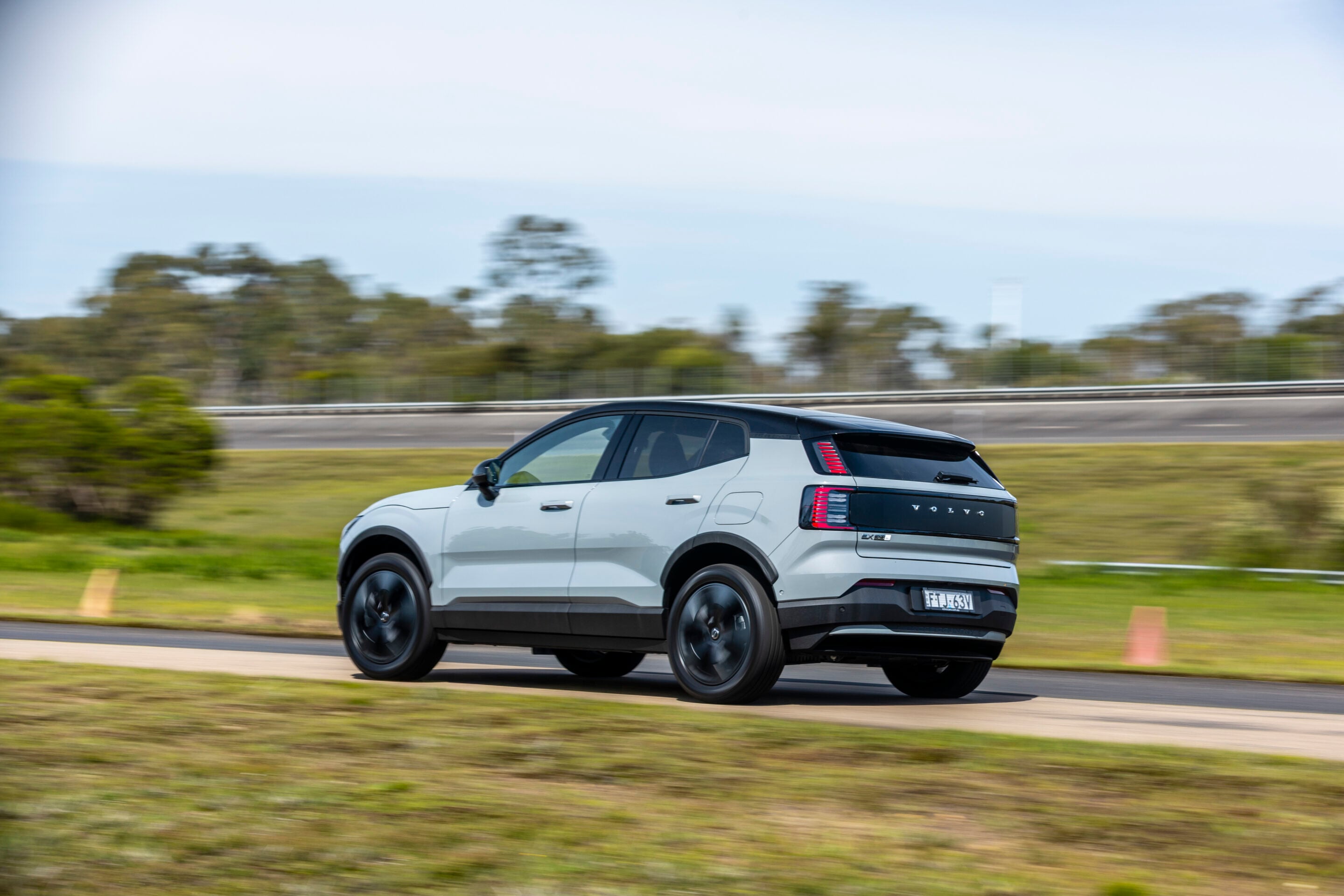
Volvo EX30 Cross Country
Sophisticated, appealing, and stark inside and out, the EX30 is a small premium EV that looks good, has a desirable interior and is an engaging drive with startling performance. Yet, forever safety-conscious Volvo makes the lack of a head-up display – in echoes of Tesla, the digital speedo is on the centre screen – unforgivable.
You also need to use the menu to access the climate controls. Value? Not so good. The small size guarantees a tight rear compartment, the petite boot lacks a spare wheel, the range is only modest and those non-click indicators are annoying.
1

1
Follow WhichCar/Wheels on Google
Click the button below to make WhichCar by Wheels a preferred source for your news.

We recommend
-
 COTY
COTY2025-26 Wheels Car of the Year finalists, 2ND: MG HS Hybrid+ Essence
MG’s new HS Hybrid delivers unexpected polish, combining refined handling, smooth hybrid performance and impressive value to stand out in Australia’s crowded mid-size SUV field.
-
 COTY
COTY2025-26 Wheels Car of the Year finalists, 3RD: Toyota GR Corolla
Toyota’s GR Corolla hogged both keys and tyres at COTY, blending rally-bred pace with daily-driver polish, proving Gazoo Racing’s magic lives on in 2025.