News

Gallery 1
Federal Treasurer Jim Chalmers has ruled out any decrease in fuel excise despite the sudden surge in petrol prices caused by US and Israeli military action against Iran.
“When it comes to fuel excise, that’s not something that we’ve been considering,” Chalmers at a press conference on March 4. “We’ve got a lot of cost of living help rolling out in other ways, ways that you’re familiar with, and we’ve got two more income tax cuts on the way as well.”
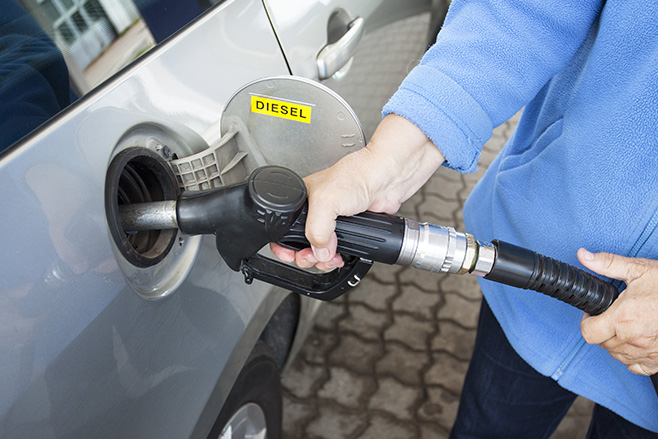
Australians are not only dealing with the soaring cost of fuel, but potential fuel shortages as well. Those shortages have already started to impact some regional areas.
A move to reduce the fuel excise would not be unprecedented, with the Morrison government halving the tax from 44.2 to 22.1 cents per litre between March and September in 2022 to counteract cost of living and supply chain issues caused by the COVID-19 pandemic.
1
The excise is adjusted each year in February and August in line with the Consumer Price Index (CPI) and is currently a hefty 51.6 cents per litre. It has been roundly criticised by some, including motoring bodies around the country.
The concept of the fuel excise was aimed at maintaining the funding into infrastructure, and road maintenance but the governments over the years have been criticised for their apportioning of the tax, with some studies – such as one by the ACCC for the 22/23 financial year – claiming as little as 57 per cent of the excise is directly reinvested back to roads.
Concerningly, former ACCC head, Alan Fels earlier this week accused retailers of ripping off motorists but also conceded there is little – if anything – the ACCC can do about it. Speaking to Sydney radio station 2GB, Fells said the ACCC has a history of not being able to effectively manage petrol price gouging, calling it a toothless tiger. His message for retailers, though, was clear.
“It’s just exploitation, it’s just opportunity,” Fells said. “The price will go up if retailers think the demand is there and people are worried and so they’re buying a bit more and it’s easy to put the price up.”
For his part, Treasurer Chalmers reckons he’s pulled the right reign with the ACCC. “I’ve taken, I think, an important step in making sure that the ACCC is helping to ensure that service stations don’t do the wrong thing by people when it comes to oil prices flowing through at the bowser,” Treasurer Chalmers said.
Ultimately though, Australians are currently paying more to fill up their vehicles than they should be, and there appears to be no end in sight. Regional Australians might be in even bigger trouble if supply starts to run short.
“We’ve found other ways to help people with the cost of living – cheaper medicines, more bulk billing, student debt relief, tax cuts and the like,” Treasurer Chalmers said in defence of his decision.
Follow WhichCar/Wheels on Google
Click the button below to make WhichCar by Wheels a preferred source for your news.


We recommend
-
 News
NewsWhat will Middle East tensions do to Australian petrol prices?
The escalating conflict between Israel and Iran might not have an immediate effect on fuel prices... but that may not be the case in the coming weeks.
-
 Advice
What is the fuel excise, where does the money go... and what about EVs?
How is the fuel excise used and are motorists getting the most out of it?