
News

Gallery 1
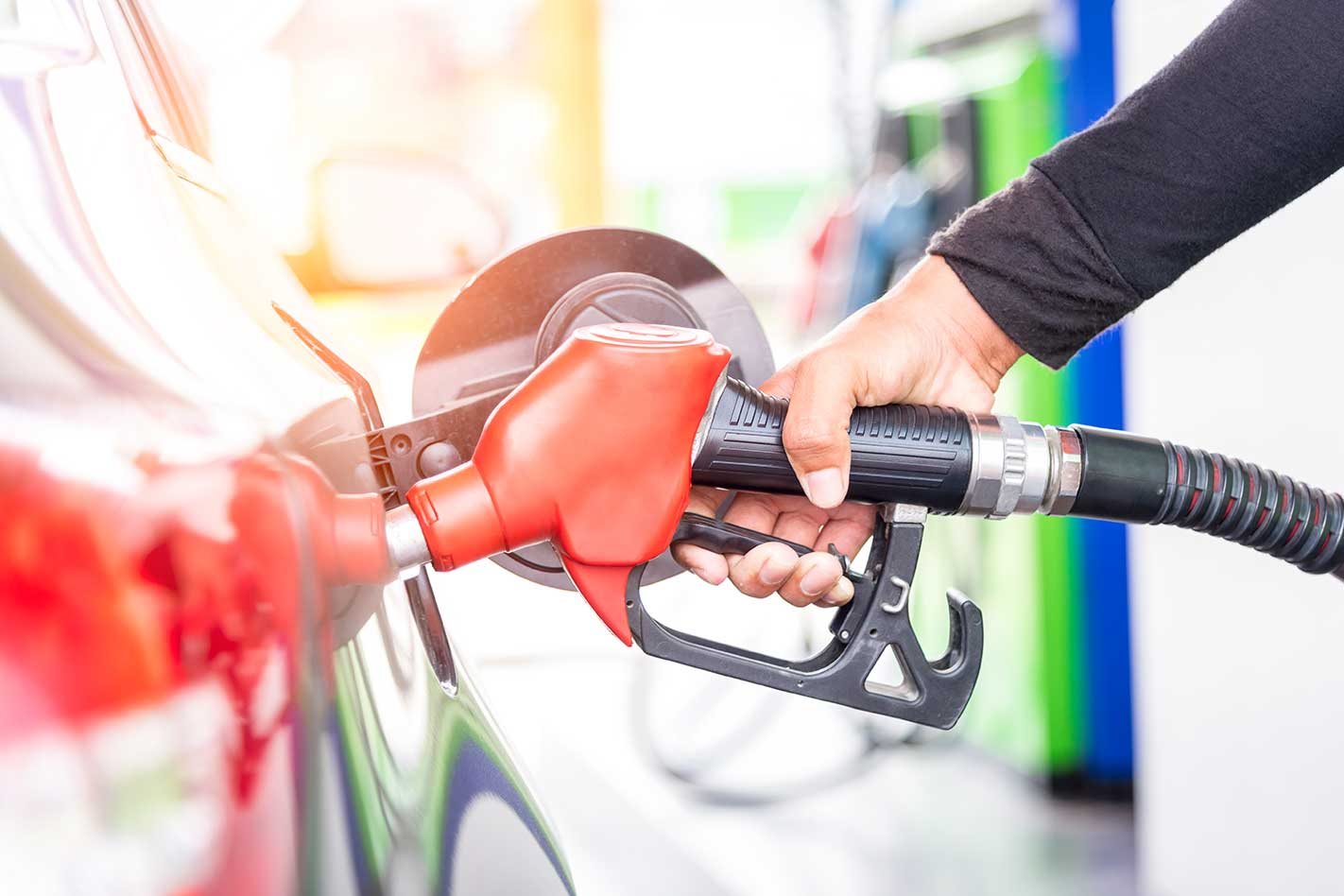
The ongoing conflict in the Middle East is set to impact Australian household budgets with some analysts predicting petrol prices will rise to over $2 a litre permanently.
Following last weekend’s air strikes on Iran, and the retaliatory strikes on several states in the Middle East, oil prices are expected to surge when trading opens in the US on Monday morning. Independent energy analyst, Rystard Energy, predicts that oil prices could rise by at least US$20 a barrel when the commodities market opens on Monday morning US time while other analysts are predicting an even steeper increase of up to US$40 a barrel.
The effect of the ongoing conflict between the US Israel and Iran has forced the closure of the Strait of Hormuz, a key channel for the world’s oil supply, with approximately 15 million barrels a day – around 20 per cent of the world’s daily oil needs – shipped through the Persian Gulf waters.
1
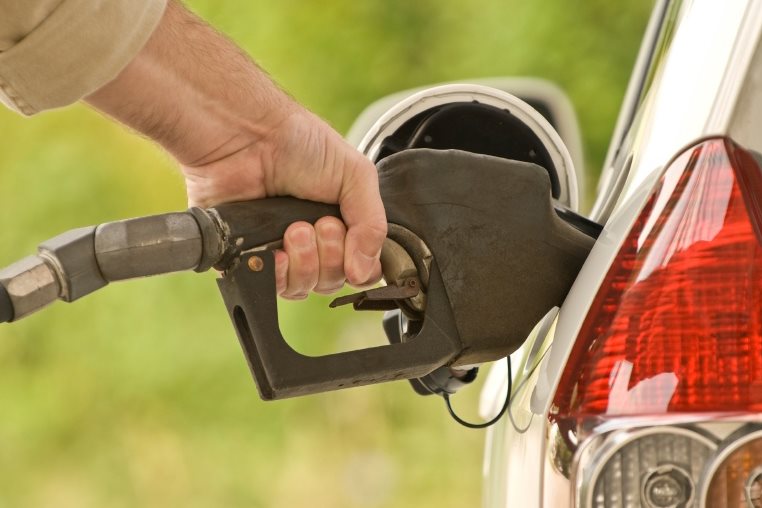
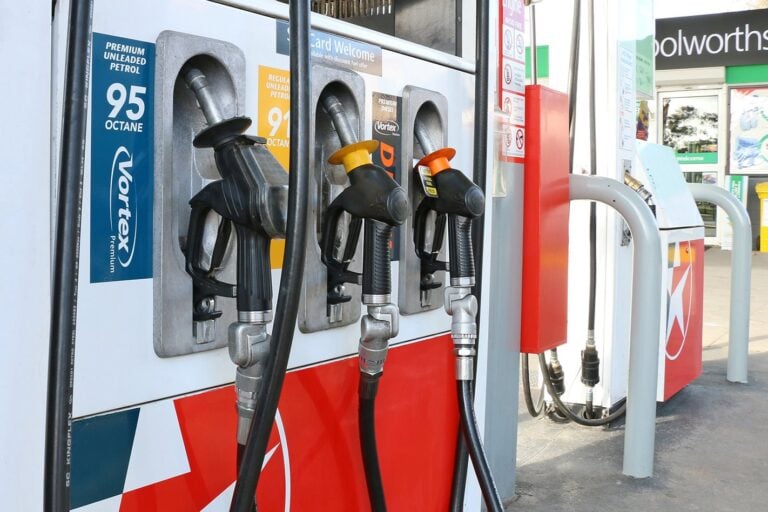
According to energy analysts , the price per barrel could rise from its close on Friday of US$67 a barrel to over US$100. That dramatic increase will result in Australians paying around 40c per litre more for unleaded petrol, based on the widely accepted rule-of-thumb that every US$10 increase adds around 10c per litre at Australian petrol pumps.
The implications of a rise in the price of oil won’t just affect motorists at the bowser, with higher transportation costs for goods around the world likely to be passed on to the consumer, driving up inflation at a time when inflationary pressures are already being keenly felt by households.
Growing concern around Australia’s stubborn inflation rate saw the Reserve Bank of Australia (RBA) lift the cash rate in February to 3.85 per cent. While many analysts predicting a further rate rise in May is likely, the developing situation in the Middle East could result in further rate rises as early as the RBA’s next monetary policy meeting on March 17.
Follow WhichCar/Wheels on Google
Click the button below to make WhichCar by Wheels a preferred source for your news.

We recommend
-
 News
NewsJust seven traditional petrol-powered cars were sold in Norway last month
With battery electric vehicles holding almost 96 per cent market share in Norway, sales of petrol and diesel cars are plummeting.
-
 News
NewsVFACTS January 2026: Australian new car sales hold steady to start the year
Hybrids and plug-in vehicles gain ground as petrol sales continue to slide.
