
News

Gallery 1
Troubled mega-company Stellantis might be the best example of the perils associated with the shift to full-EV, and if 2025 is any indicator, drastic action is required. The conglomerate lost a whopping A$37 billion in 2025, blaming the loss on its focus (and redirection of investment) on electric and plug-in hybrid tech, followed by an about-face and move back toward internal combustion petrol power and extended range electric vehicles.
Stellantis – a conglomerate across the United States, Italy and France – had announced a heavy loss result was imminent a few weeks back, and it’s more than just the books taking a hit. United Auto Workers will also not benefit from the profit sharing arrangement that was in play, with that scheme suspended on the back of the loss announcement. Reports suggest Ford and GM workers in the US will receive between A$9000 and A$15,000 in estimated bonuses.
Previous CEO, Carlos Tavares had pushed Stellantis to invest serious capital into electric vehicle development, a move that would have seen electric platforms for nearly all European models, as well as electric versions of US favourites RAM, Jeep and Dodge.
2
That move included turning legendary sports car manufacturer Alfa Romeo fully electric, a decision that was broadly unpopular, then considered unfeasible and ultimately scrapped for the foreseeable future.
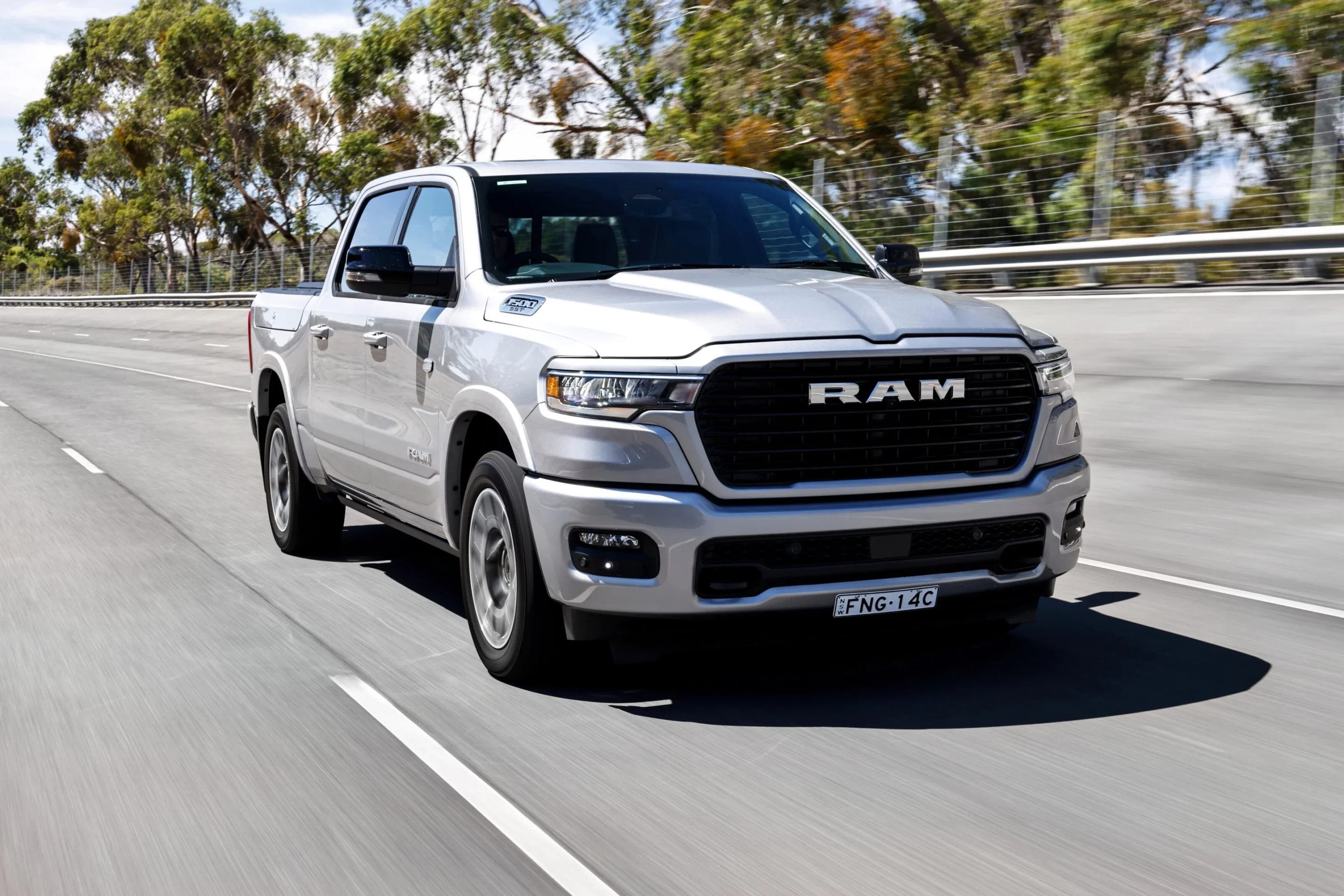
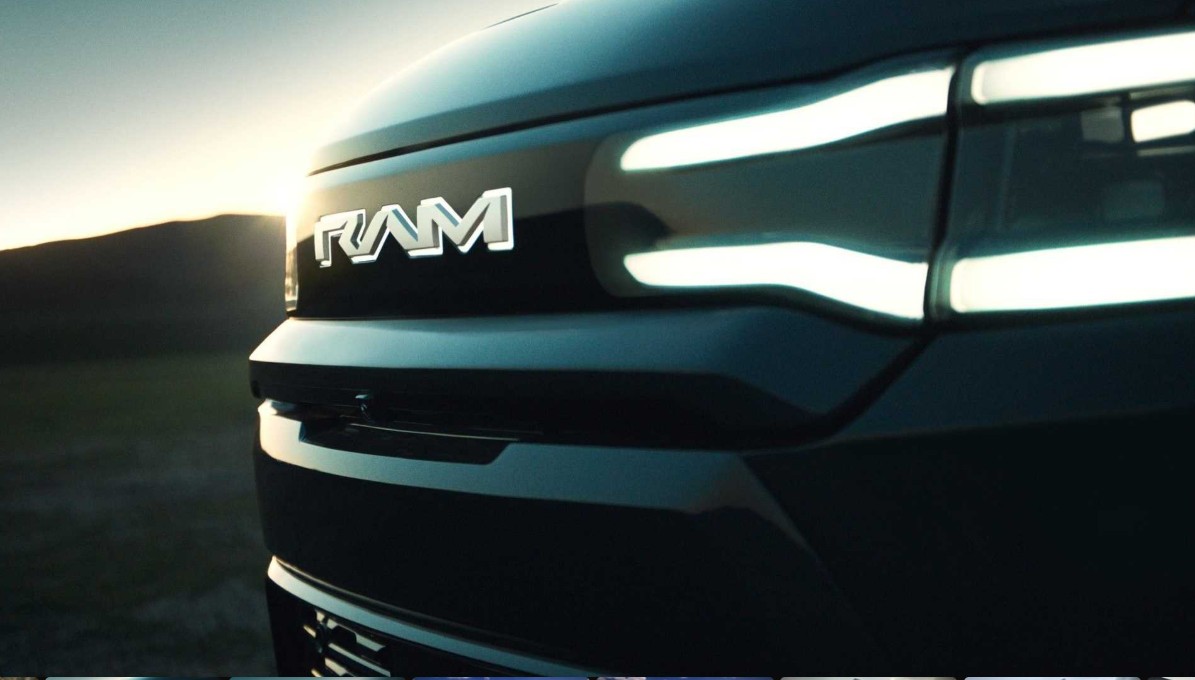
The change in direction also saw the return of the legendary Hemi V8 for RAM trucks (after a shift to inline-six turbo power), the death of the fully-electric version of the RAM 1500, and the axing of plug-in hybrid versions of Jeep and Chrysler vehicles.
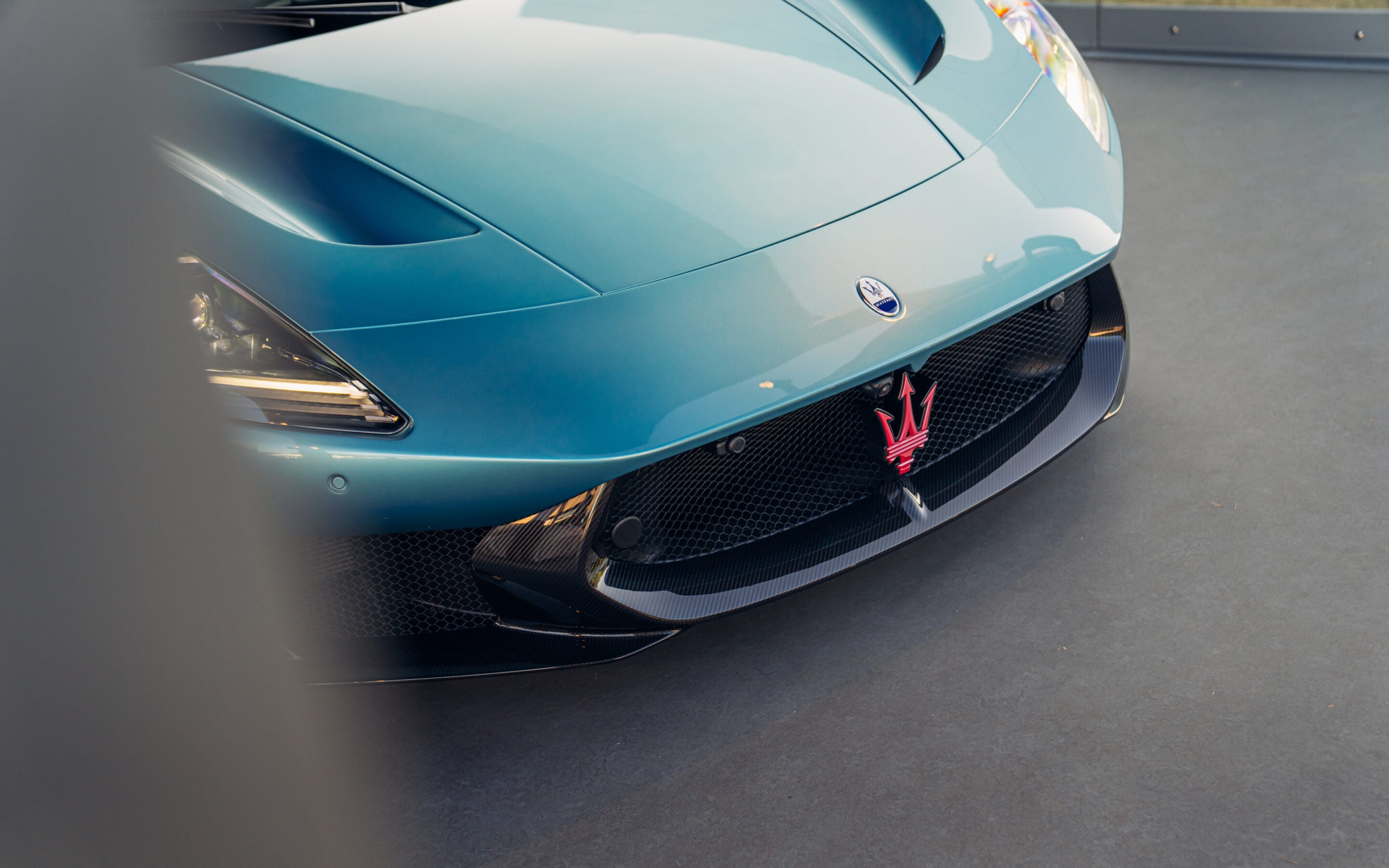
It wasn’t all bad news for Stellantis, though, with sales success in markets through South America, but sales globally dropped by 2.0 percent. Maserati – which reports its sales data separately to the rest of the group – has serious ground to claw back, though, with the premium Stellantis brand dropping by a hefty 24.4 per cent in 2025.
Wards Auto reported that Stellantis will follow similar write downs over EV strategies announced by both Ford and General Motors, after accounting for a much slower than expected uptake by customers.
1
Further, ‘the move away from EV production, which is a fundamental reset and refocus of the business, resulted in approximately 22.2 billion Euros (A$37B) in charges, excluded from adjusted operating income, for the second half of 2025, of which approximately 6.5 billion Euros (A$10.8B) are cash payments expected to be made over the next four years’.
Stellantis CEO, Antonio Filosa, via a company statement, remained positive. “Our 2025 full year results reflect the cost of over-estimating the pace of the energy transition and of the need to reset our business around out customers’ freedom to choose from the full range of electric, hybrid and internal combustion technologies,” Filosa said.
“In 2026, our focus will be on continuing to close the execution gaps of the past, adding further momentum to our return to profitable growth, and we see North America as the largest engine for growth in 2026.”
Follow WhichCar/Wheels on Google
Click the button below to make WhichCar by Wheels a preferred source for your news.

We recommend
-
 News
NewsJeep updates Wrangler and Gladiator for 2026; adds 85th anniversary edition
Off-road staples gain practical upgrades and heritage touches as Jeep refreshes its local line-up.
-
 News
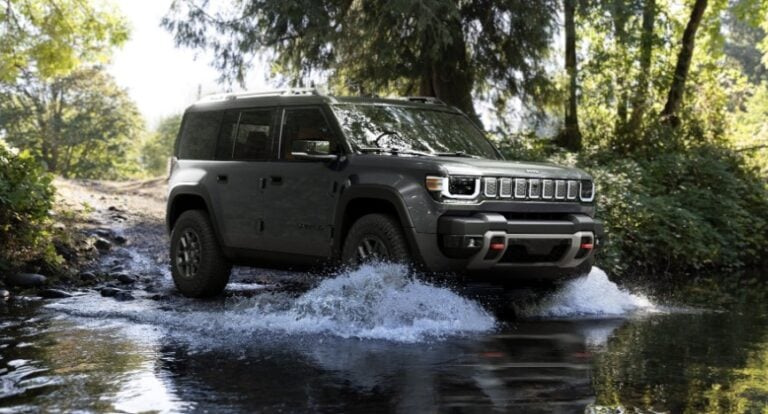
NewsJeep Recon: ‘Trail rated’ electric off-roader confirmed for Australia now revealed in full
Jeep’s all-electric Recon brings serious off-road credentials, removable body panels, big power and range, positioning it as a rugged EV alternative ahead of its Australian launch.
-
 News
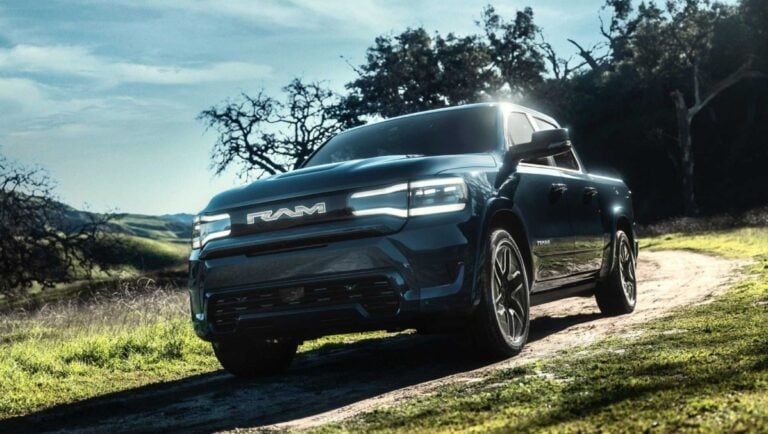
NewsRam kills off electric 1500 pickup, rebrands hybrid as Ram 1500 REV
Slowing demand for full-size EV utes prompts Stellantis rethink, with the Ramcharger hybrid now taking centre stage under the familiar “REV” badge.
