News
Gallery 1
Stellantis has announced one of the largest electric vehicle–related writedowns in automotive history, taking a €22 billion (around A$26 billion) charge as it scales back its ambitions for battery-powered cars. The move underscores a broader industry rethink, as several global manufacturers adjust plans that once assumed a rapid shift to full electrification.
The global carmaker, which owns brands including Jeep, Dodge, Ram and Chrysler, said the writedown reflects a sweeping reassessment of its EV strategy after consumer demand failed to materialise at the pace previously forecast. The charge, booked in the second half of 2025, brings total EV-related impairments across the global auto industry to an estimated $55 billion.
Stellantis joins a growing list of manufacturers retreating from earlier EV investments. Volkswagen booked a $3.5 billion writedown linked to its electric division in September, Ford followed with a $19.5 billion charge in December after abandoning plans for large electric vehicles, and General Motors announced a $6 billion hit last month tied to reduced EV output.
1
Chief executive Antonio Filosa, who took over the role in May 2025, said the company had misjudged the speed of the energy transition. In a statement, he said the reset was intended to refocus the business on customer preferences rather than ambitious volume targets that proved unrealistic. Filosa also pointed to “poor operational execution” under the previous leadership, which left Stellantis with expensive EV factories, platforms and technology that struggled to find buyers.
Under former CEO Carlos Tavares, who departed in late 2024, Stellantis spent heavily to position itself for an electric future. Following its 2021 formation through the merger of Fiat Chrysler Automobiles and PSA Group, the company invested billions in battery partnerships with LG Energy Solution and Samsung SDI, while planning a wide range of electric models across its brands. However, profits fell sharply during Tavares’ final year as EV sales lagged behind expectations.
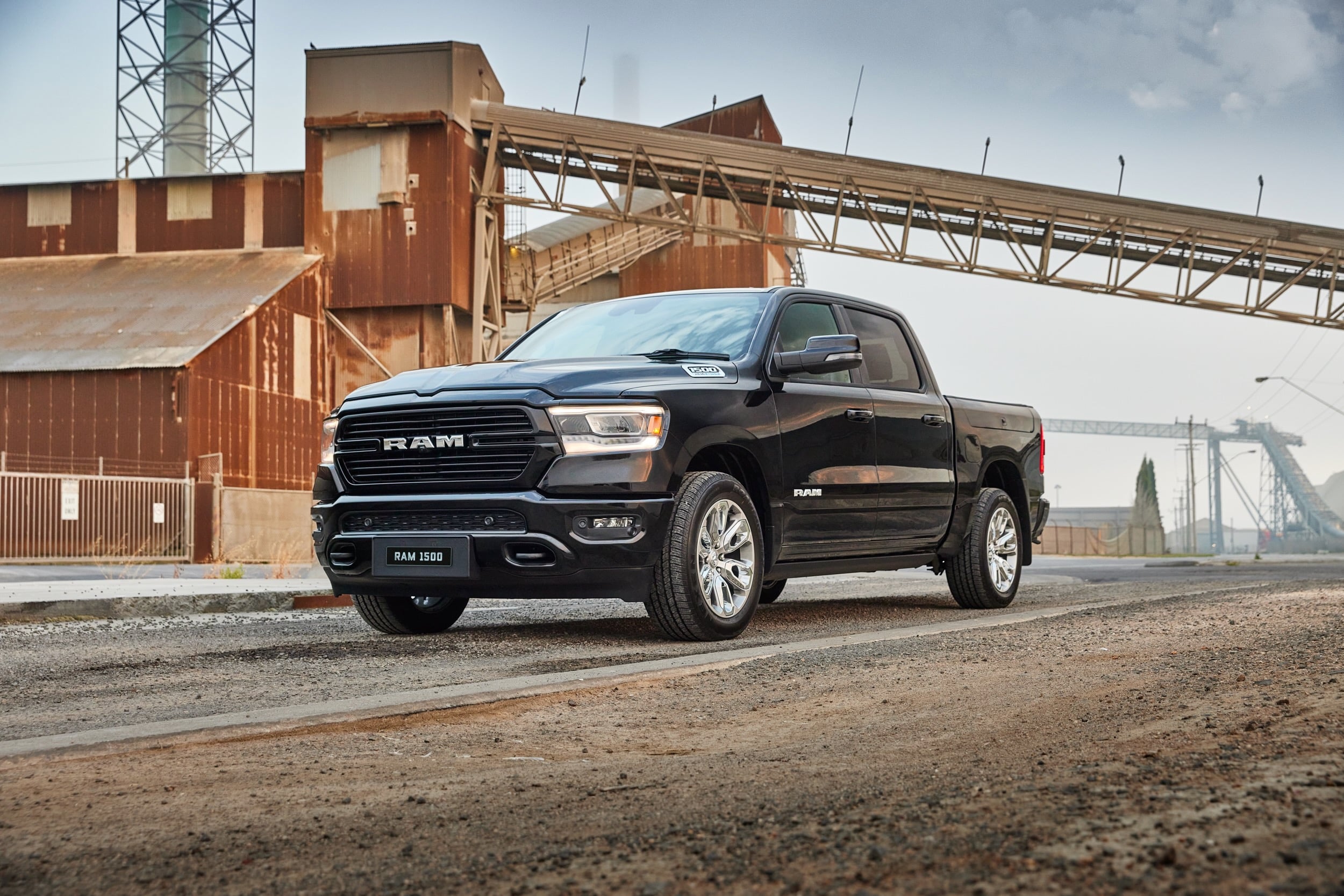
The strategic shift has immediate consequences for consumers. Stellantis has cancelled or delayed several high-profile EV projects, including the Chrysler Airflow, an all-electric Ram 1500 and a low-cost electric Jeep Renegade. It has also ended production of multiple plug-in hybrids, such as the Jeep Wrangler 4xe and Chrysler Pacifica Hybrid.

1
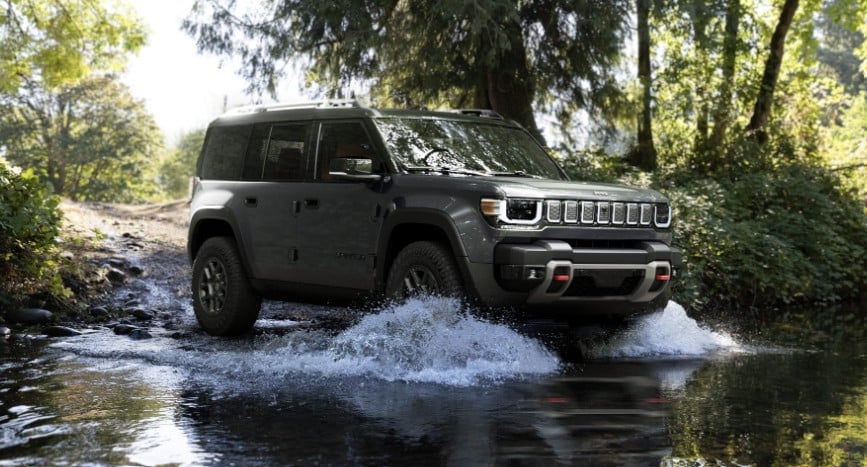
Looking ahead, Stellantis’ remaining EV plans are more conservative. Confirmed launches for 2026 include the Jeep Recon and a range-extended Ram 1500 REV, which uses a petrol generator alongside its battery system. At the same time, the company is reintroducing combustion engines, including V8-powered Ram pickups and a petrol Dodge Charger.
Investors reacted sharply to the announcement, with Stellantis shares plunging more than 25 per cent in early trading. The reaction highlights the financial risks facing automakers as they recalibrate their electric ambitions in an increasingly uncertain market.
Follow WhichCar/Wheels on Google
Click the button below to make WhichCar by Wheels a preferred source for your news.

We recommend
-
 News
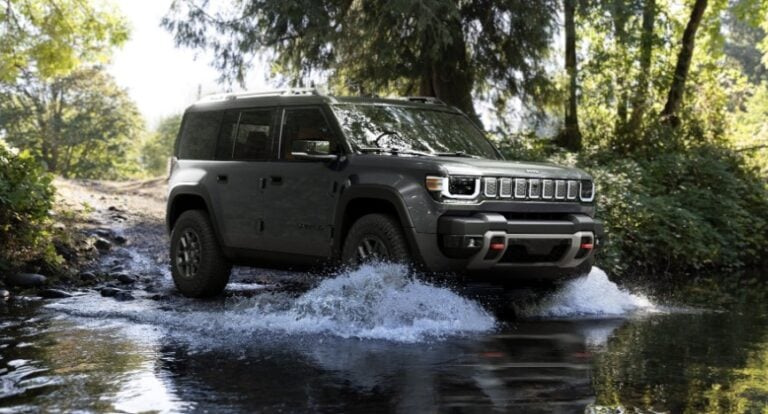
NewsJeep Recon: ‘Trail rated’ electric off-roader confirmed for Australia now revealed in full
Jeep’s all-electric Recon brings serious off-road credentials, removable body panels, big power and range, positioning it as a rugged EV alternative ahead of its Australian launch.
-
 Best Utes
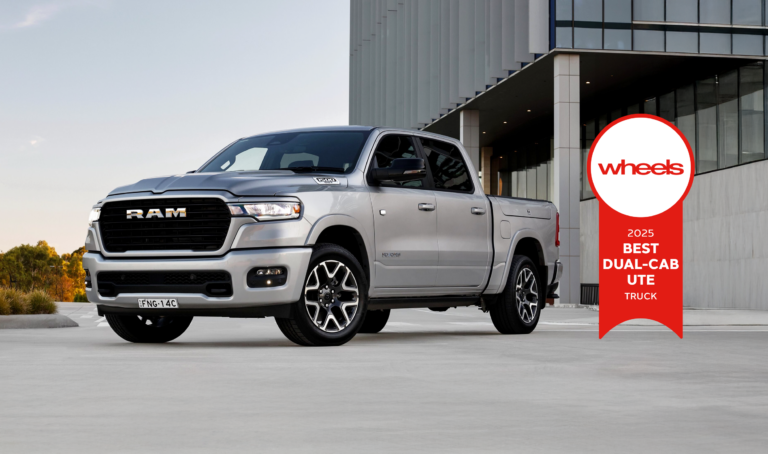
Best Dual-Cab Utes 2025: Truck
They may be polarising but for some, the sheer size and grunt of the truck-sized ute is not only desired, but essential.