
News

Gallery 1
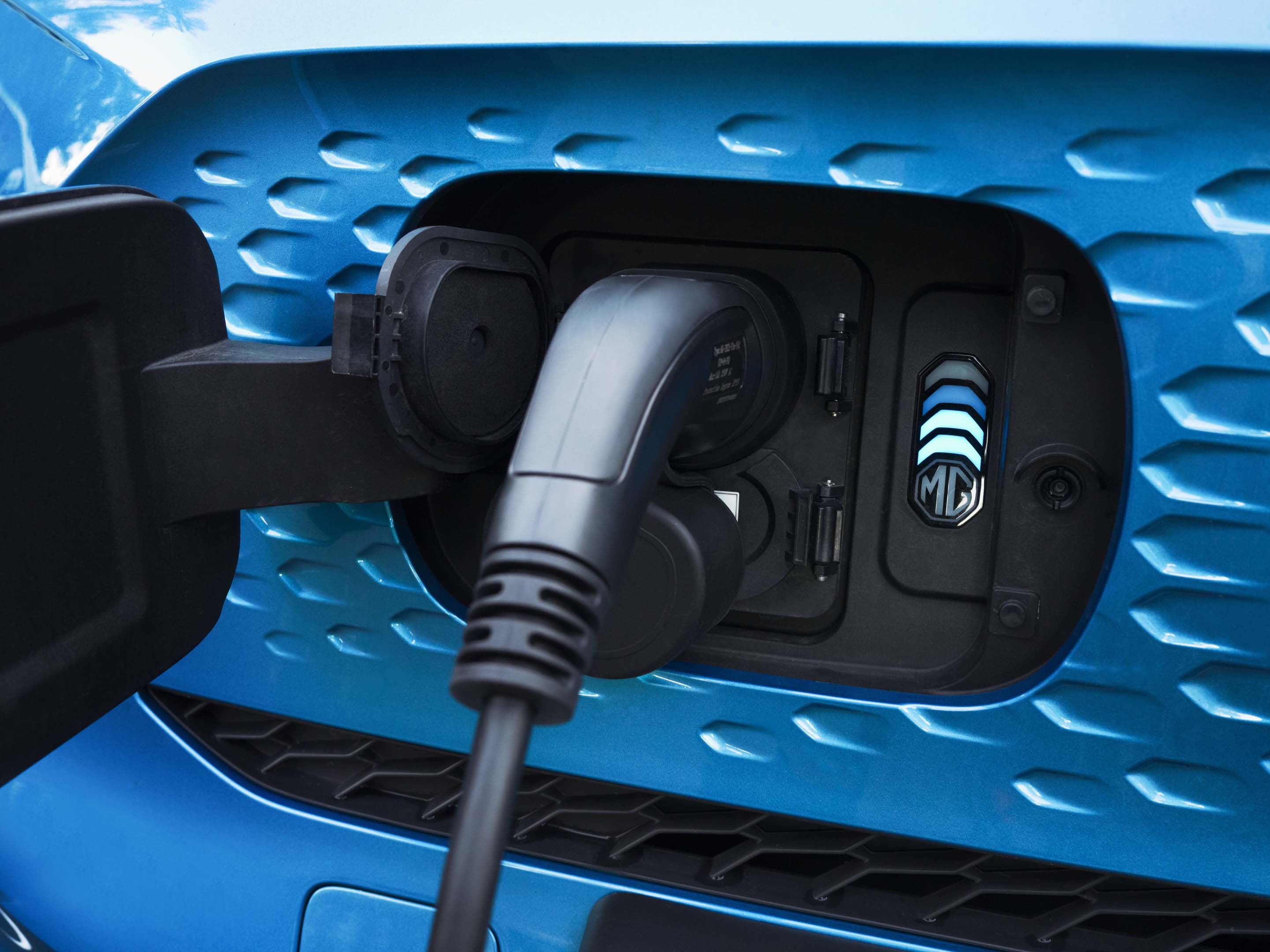
A mooted new tax in the United States reflects a divisive argument currently taking shape in Australian politics – a road user charge for EV owners.
Currently, in Australia, owners of ICE vehicles pay 52.6 cents per litre in fuel excise, every time they fill their vehicles with diesel or petrol. The recognised average distance covered by Australians each year is generally accepted to be around the 13,000km to 14,000km mark. If they own a vehicle that uses 9.0L/100km, and they travel 14,000km, that means they’ve used 1260 litres of fuel. At the current rate, that equates to a fuel excise bill of $662.76.
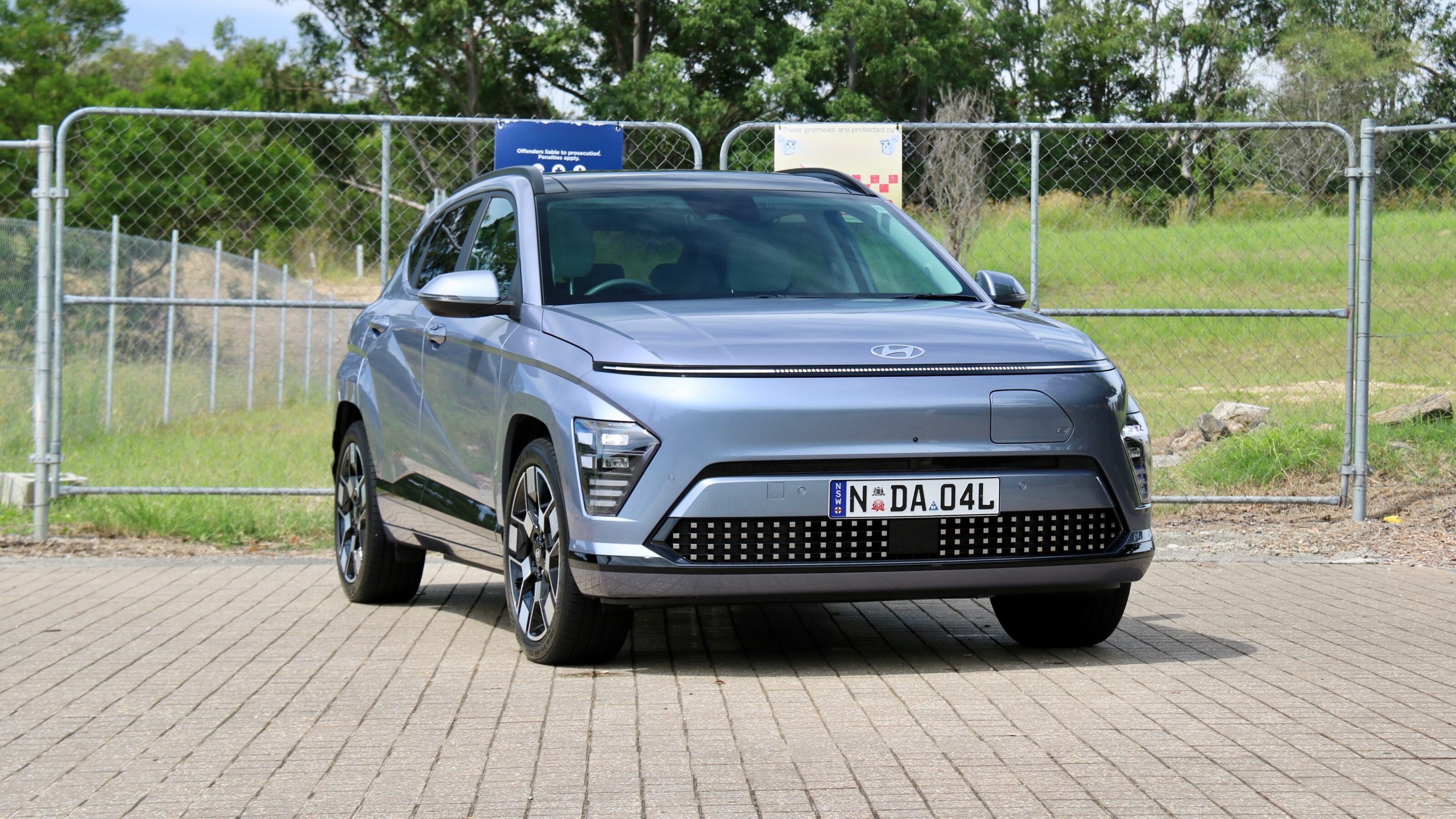
If you’re driving an electric vehicle in Australia, you’ve paid no fuel excise or road user charge of any kind. That’s despite EVs using the same roads, and invariably weighing more than a comparable ICE vehicles in the same segment, and therefore leaving more wear on the road.

1
Regardless of the ideological stance taken, that’s unsustainable if sales of EVs get even close to what the government would like them to be in the next five to 10 years.
Given the hole that would leave in the budget, governments will be forced to find an alternative way, taking into account the fact that a large chunk of the fuel excise is directed back into the maintenance and running of the roads.
The state of Victoria tried to implement a road user tax in 2025, but it was overturned, effectively because the fuel excise – and any tax like it – is a federal issue, not state. One of the arguments consistently put forward against a road user tax is that it unfairly targets those who travel further to get to work, but that argument misses the basic fact that those drivers already pay more fuel excise if they travel a longer distance.
It would seem clear, then, that if sales of EVs were to reach even 20 percent of all new vehicles sales, let alone 30 or 40 percent, the federal government will have to find a way of plugging what will be a significant hole in the budget.
1
Politicians in the United States are starting to tackle the issue, something not yet broached federally in Australia. As reported by Reuters, chair of the House Transportation and Infrastructure Committee, Representative Sam Graves, said on Wednesday that he’d proposed a new fee for EV owners – $250 ($350AUD) for fully electric and $100 ($141AUD) for hybrids – to be paid annually.
Representative Graves said that his version of the bill would generate up to $550 billion USD to be used to fund highways and bridges, according to the report in Reuters. “We would like to get money from EVs,” Graves said. Some states in the US do charge fees for EVs to cover road repair costs, but Reuters reports that ‘most revenue for federally funded road repairs is collected through diesel and gasoline taxes’.
If sales of EVs grow steadily in Australia over the next five to ten years, politicians will need to confront an issue they seem currently unwilling to debate – and it might be the financial hole that tips them over the edge.
Follow WhichCar/Wheels on Google
Click the button below to make WhichCar by Wheels a preferred source for your news.

We recommend
-
 News
NewsRoad-user charge and tax exemptions for EVs: What's on the table
Tax reforms around electric vehicles have been flagged by Treasurer Jim Chalmers, including the possibility of a road-user charge (RUC) and changes to fringe benefits tax exemption.
-
 News
NewsLuxury Car Tax: Why it could be gradually phased out rather than quickly junked
The future of the Luxury Car Tax (LCT) is part of negotiations between the Australian government and the EU over trade - but the resale values of Aussie drivers have now entered the chat...
