News

Gallery 1
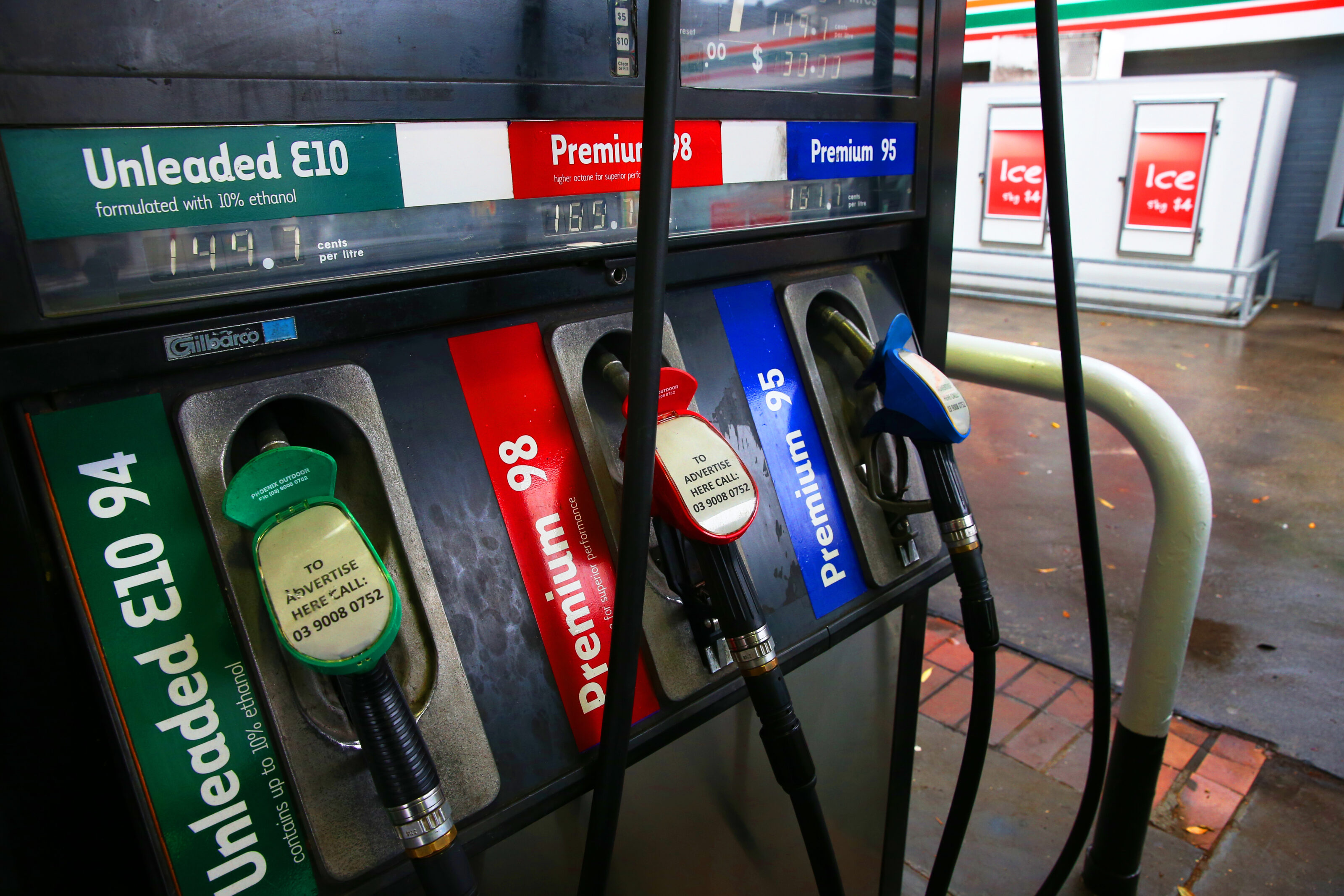
Australia isn’t facing the prospect of fuel rationing just yet, but if the Middle East conflict continues on its current path, the prospect of Australia’s fuel reserves running perilously low looms larger.
That could force the government to enact fuel-rationing measures under the National Liquid Fuel Emergency plan, first drafted in 2006 and then updated in 2019 amid the Covid-19 pandemic.
Under the plan, Australians would be limited to purchasing just $40 of fuel in a single transaction, something the federal climate change and energy minister, Chris Bowen, has categorically ruled out.
Speaking to Sky News Australia, Mr Bowen acknowledged the existence of the plan, but stressed the government was not at the point of declaring a national emergency, which would then trigger the National Liquid Fuel Emergency plan.
1
“This plan has existed since 2006,” Mr Bowen told Sky. “It’s got various ways things might roll out, which governments can work with. It’s sort of a suite of options.
“I’ve pointed to this plan in the past and been saying, look there are preparations in place for the very worst case… in that sense, it’s a bit of an out-of-date document in terms of that $40 approach.”
A price cap on purchasing is just one lever governments can pull in their efforts to shore up fuel security. Various measures have been used around the world throughout history in efforts to curtail fuel use during desperate times, including in Australia. Here are some rationing measures governments could implement should the situation in the Middle East drag on.
Odds-and-Evens
The last time Australia was forced to ration fuel was way back in 1979. Yes, there was an oil crisis thanks to the revolution in Iran which slashed oil production leading to shortages and panic buying resulting in an unprecedented crude price of US$40 per barrel.
But Australia remained immune to the global crisis, thanks largely to our ability to produce 98 per cent of our own fuel needs. Instead, our need for rationing was the result of prolonged industrial action at one of our largest refineries, Caltex’s Kurnell facility in Sydney.

1
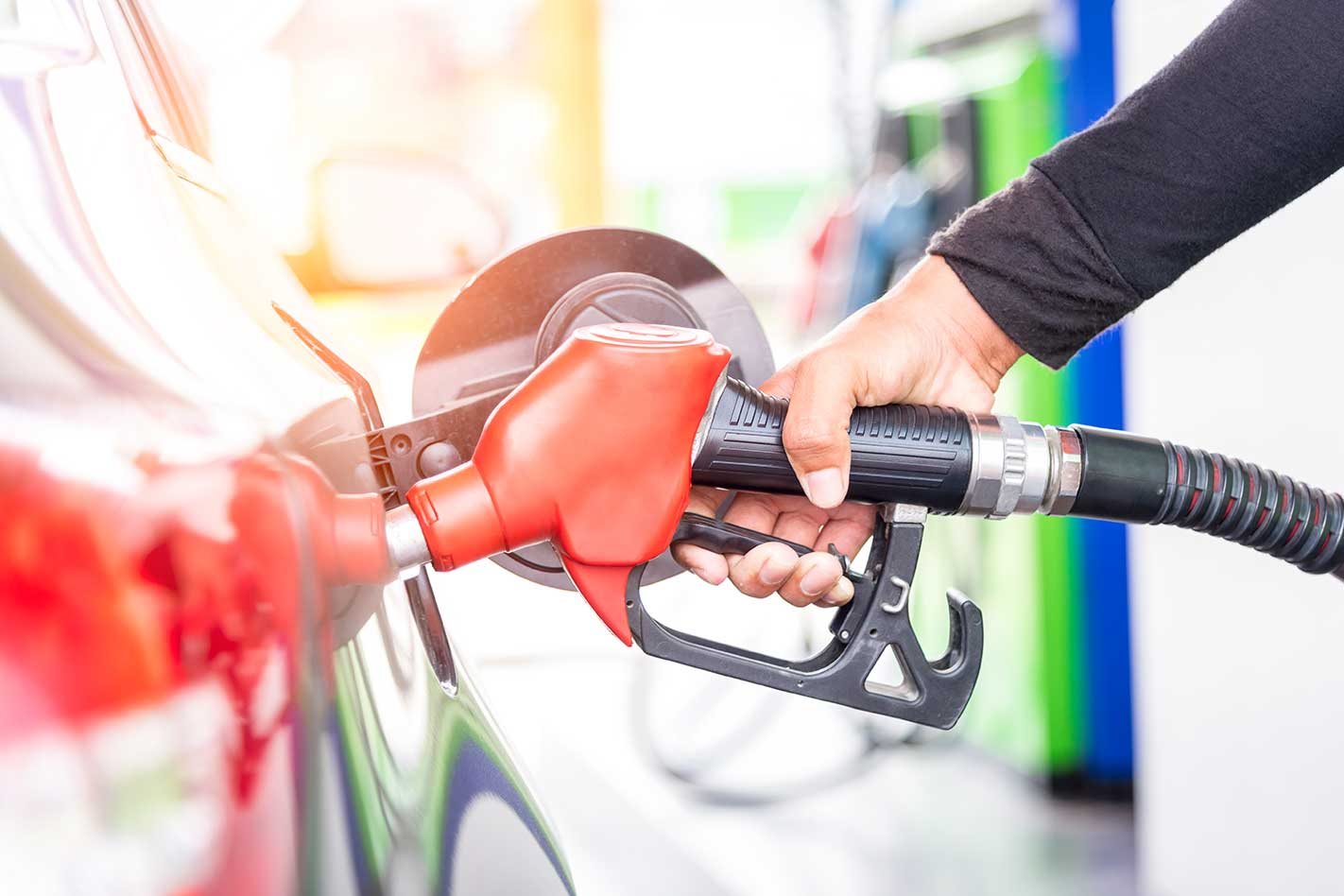
As production ground to a halt, the government was forced to implement rationing measures, using the simple, yet effective odds-and-evens method.
Simply, cars with a number plate ending in an odd number could only purchase fuel on odd-numbered days, while those with an even number were limited to even-numbered days. There were exemptions for essential workers including emergency personnel and healthcare professionals.
Rationing lasted for several weeks and worked well in curtailing panic buying while also mitigating long queues at petrol stations.
No-Drive days
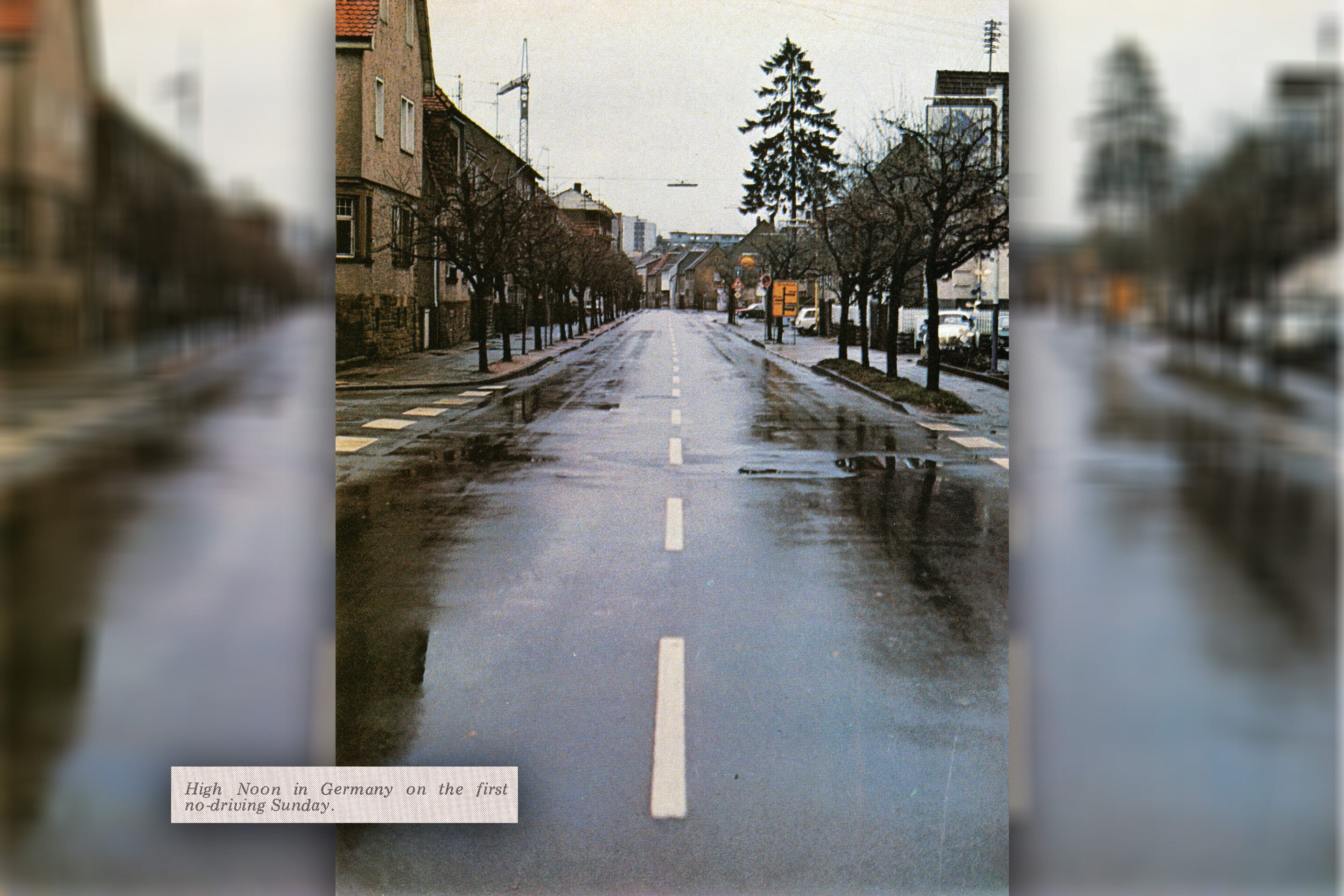
No-Drive days have been used in Europe to limit fuel consumption, most notably during the 1973-74 oil crisis where several countries, including West Germany, France, Switzerland, Italy and Denmark banned the use of cars on Sundays. West Germany in particular enacted draconian measures, with drivers who flouted the restrictions facing fines of anywhere between A$500-$30,000.
1
Several other countries have implemented No-Drive restrictions, such as India and France, both of which limited driving to certain days, depending on the car’s number plate. But, rather than staving off the ravages of fuel consumption, these restrictions were used to combat smog and air pollution in over-populated cities.
Coupons
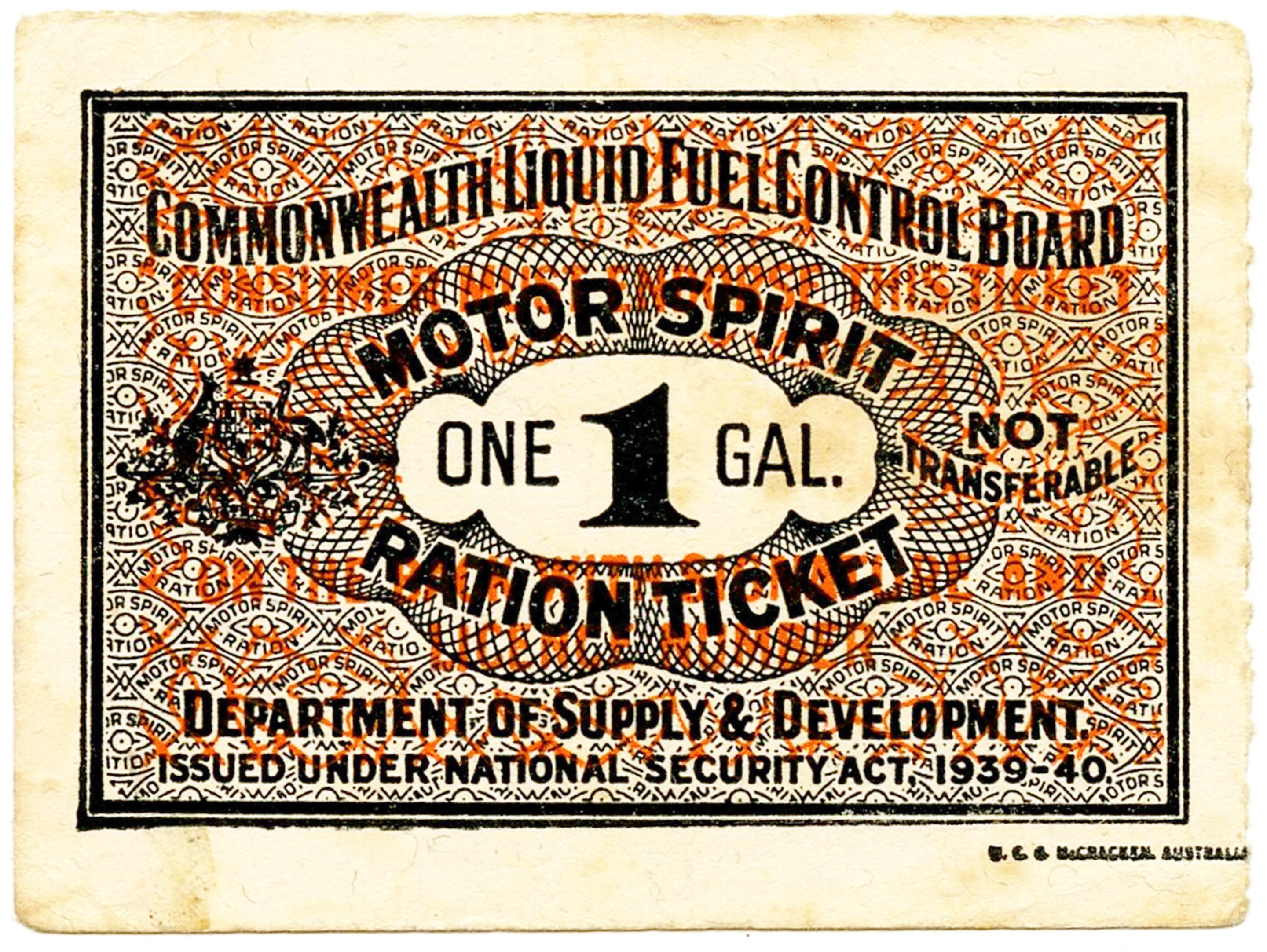
Used widely throughout World War II, including in Australia, fuel coupons placed a limit on motoring by private individuals as fuel resources were redirected to the war effort.
The UK was the hardest hit, with rationing starting at the outbreak of war in 1939 and remained in place until 1950, five years after the end of WWII. Worse still, fuel rationing was abolished entirely for private individuals in 1942, the measure effectively banning all private motoring in the UK with only emergency services and farmers allowed to use their vehicles.
1
In Australia petrol rationing amounted to the public being able to buy enough fuel for around 32km of driving each week.
Work From Home days
There have been recent suggestions that governments mandate Work From Home Days for those individuals who are able to do so.
While not strictly a rationing measure, the idea is that hundreds of thousands or even millions of workers no longer driving to work on certain days would have the positive effect of lowering fuel use across the populace, stretching resources further.
While the Australian government has already urged those who can work from home do so, there has – so far – been no move to mandate work-from-home days.
However, several countries, including the Philippines and Vietnam, have already done exactly that with mandated four-day working weeks as they try to conserve fuel supplies.
Follow WhichCar/Wheels on Google
Click the button below to make WhichCar by Wheels a preferred source for your news.

We recommend
-
 News
NewsOne in four Aussies admit to stockpiling fuel as fear of shortage continues
A new Money survey finds a surprising group leading those Australians stockpiling fuel as the Middle East conflict continues and fuel prices rise further.
-
 Features
What are the most fuel efficient vehicles on the market without a plug?
Dramatically cutting your fuel use is possible without buying a vehicle that plugs into a wall. Here are the most fuel efficient vehicles in each segment.
-
 News
NewsWhere Australia sources its refined fuel from and why supply is in danger
Australia's reliance on imported fuel has been thrown into stark focus due to the ongoing Middle East conflict. But where exactly does our fuel come from?