
News

Gallery 1
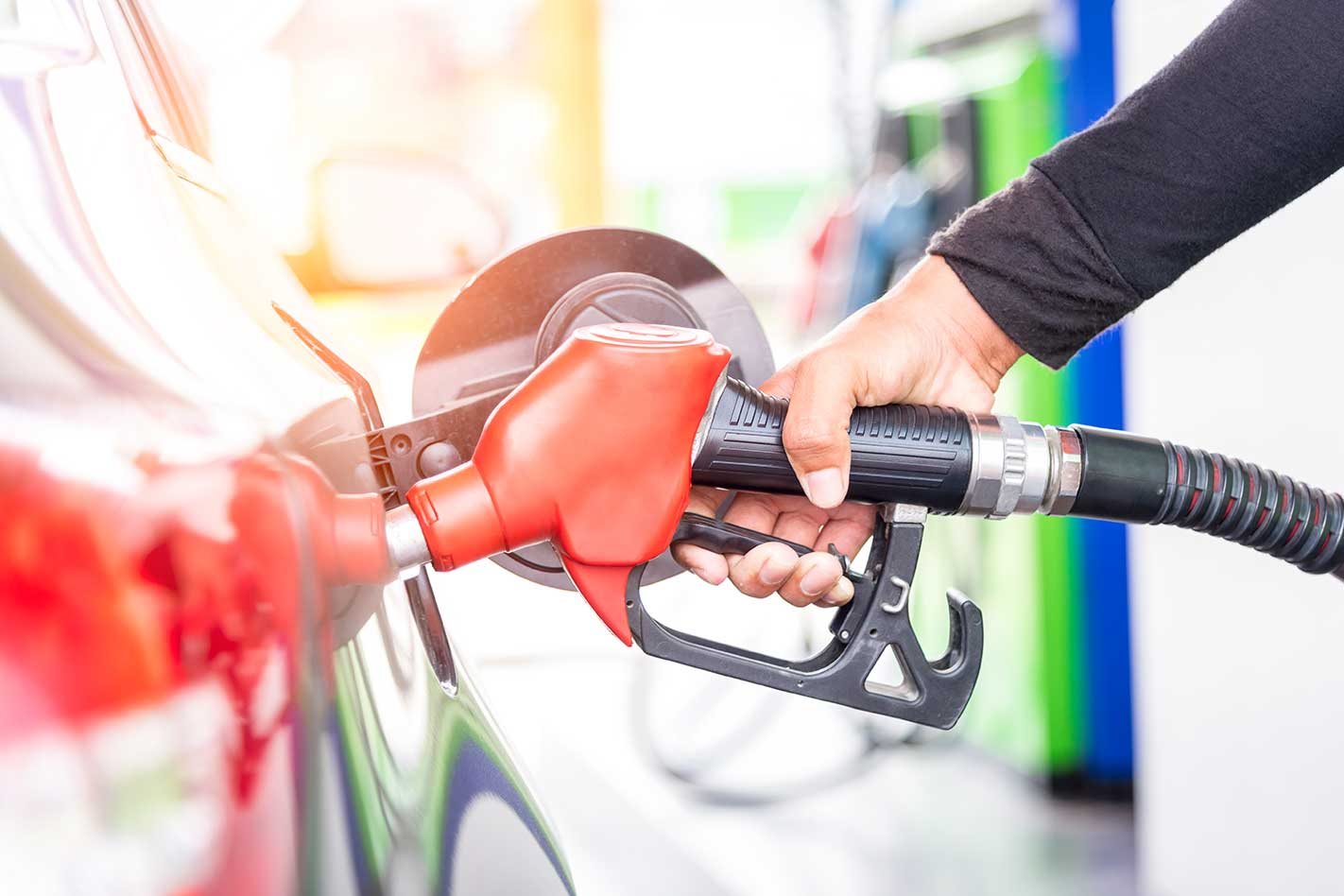
The ongoing war in the Middle East has impacted Australia’s fuel supplies, leading to higher prices at the bowser amid concerns Australia could run out of petrol, diesel and aviation fuel.
Prices have surged since the conflict in the Middle East kicked off on February 28, with today’s NSW Fuel Check data showing the price of unleaded has increased by 34 per cent while diesel has jumped 55 per cent.
The dramatic increases, as well as the threat of dwindling supplies has seen an increase in ‘panic’ buying as consumers begin to stockpile fuel.
According to the federal government, and as reported by the ABC, oil continues to enter Australia and that our current supply levels amount to 36 days of petrol, 32 days of diesel and 29 days of jet fuel. The government also revealed it had tapped into its emergency supply, releasing around six days’ worth of petrol and five days’ worth of diesel at the behest of the International Energy Agency.
1
Australia currently sources its fuel primarily from Asia, mainly from South Korea, Singapore, Malaysia, China, and Japan, nearly all reliant on crude oil from the Middle East.
Some countries in Asia have already started rationing fuel, leading to concerns Australia may follow suit if supplies continue to be impacted by the Middle East conflict.
Australia is no stranger to fuel rationing, most recently in 1979 when the double-whammy of the second 1970s oil crisis, the result of revolution in Iran, combined with prolonged industrial action at Caltex Kurnell oil refinery in Sydney.
To manage the shortages, the government decreed that consumers could only buy fuel every second day, with rationing based on car number plates – those ending in odd numbers could fill up on odd-numbered calendar days, while number plates ending with an even number on even-numbered calendar days. Some exemptions were granted, primarily for essential workers like doctors, nurses and emergency service personnel.
1
The rationing measures lasted several weeks and were effective in controlling queues at the bowser while also curtailing the panic buying that had beset the nation as the oil crisis and industrial action saw fuel supplies slow to a trickle.
To combat fuel shortages during World War II, Australia introduced a coupon-based system with the government issuing ration books. The coupons allowed private motorists to purchase enough fuel for around 32km of driving per week.
There have been no suggestions yet that Australia could face fuel rationing, with climate change and energy minister Chris Bowen telling media last week that fuel continues to arrive in Australia and supply is “locked in” for another month.
“Obviously beyond that late April period, we’re dealing with more uncertainty [and it] depends how the international circumstance rolls out,” Bowen said.
He added that fuel rationing “has not been contemplated as something we need to do in the immediate future. We’re not there and we’re not close to there.”
Follow WhichCar/Wheels on Google
Click the button below to make WhichCar by Wheels a preferred source for your news.

We recommend
-
 Features
What are the most fuel efficient vehicles on the market without a plug?
Dramatically cutting your fuel use is possible without buying a vehicle that plugs into a wall. Here are the most fuel efficient vehicles in each segment.
-
 Features
Which plug-in hybrids offer the longest electric driving range?
A plug-in hybrid can offer the best of both worlds for some, so which ones offer the longest electric driving range? The answer may surprise you.
-
 News
NewsOne in four Aussies admit to stockpiling fuel as fear of shortage continues
A new Money survey finds a surprising group leading those Australians stockpiling fuel as the Middle East conflict continues and fuel prices rise further.
