
News
Gallery 1
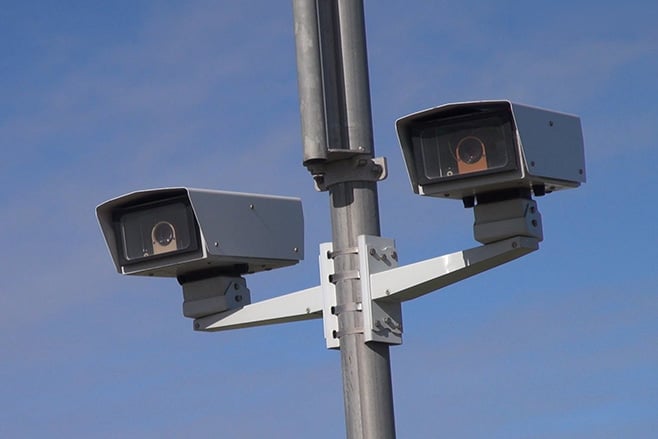
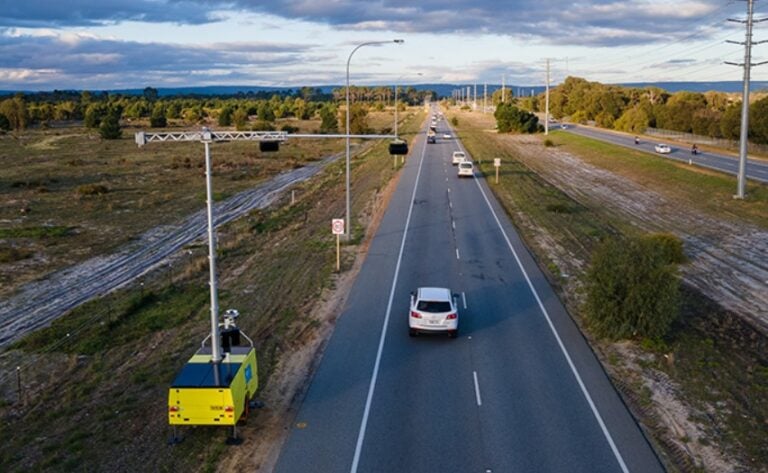
The rapid rollout of AI-powered traffic cameras is driving a sharp increase in road fines across Australia, with new data showing automated enforcement is now responsible for the majority of infringements.
Reporting by the Australian Financial Review highlights how advances in camera technology are reshaping the way traffic offences are detected – and significantly boosting revenue collected by state governments.
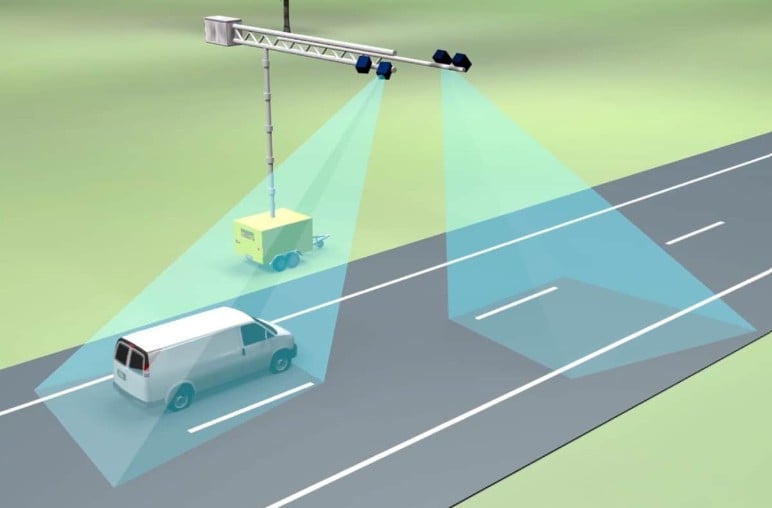
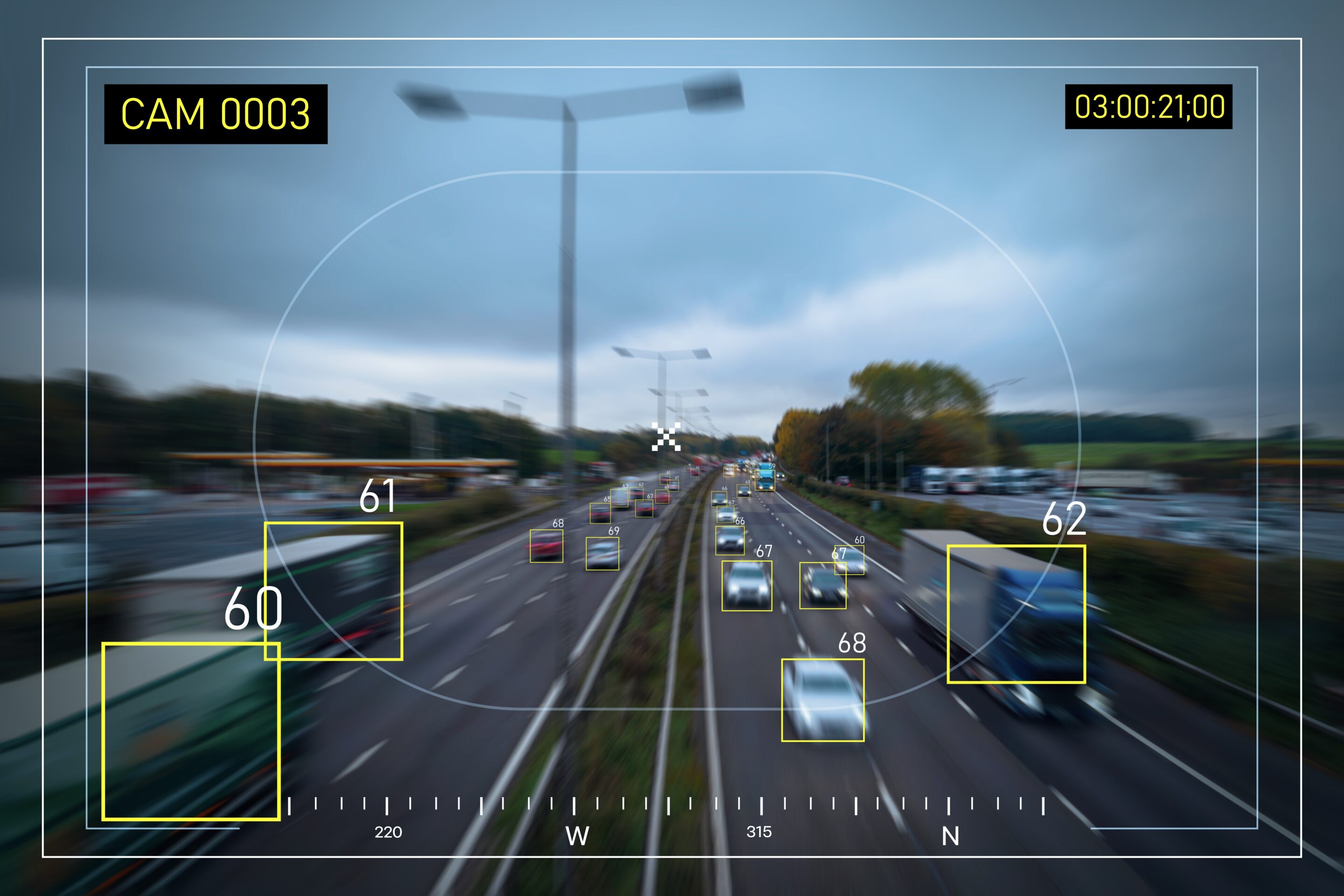
In 2024, more than 80 per cent of fines for speeding, mobile phone use, seatbelt offences and red-light breaches were issued by automated systems rather than police officers. These cameras use artificial intelligence to monitor passing vehicles and identify offences with greater consistency and frequency than traditional enforcement methods.
1
The result has been a noticeable rise in both the volume of fines and total revenue. In New South Wales, income from traffic-related penalties has increased by more than 38 per cent since 2019, with tens of millions of dollars added to state coffers each year.
Queensland is expected to collect close to $1 billion annually from fines and related penalties within the next few years, while Victoria’s revenue is also trending upwards and forecast to exceed $1 billion before the end of the decade. Other states, including Western Australia and South Australia, are also seeing substantial contributions from camera-detected offences.
The increase in revenue is being driven not only by higher penalty amounts—many of which rise annually in line with inflation – but also by the expanding network of detection systems. Programs targeting mobile phone use and seatbelt compliance have been particularly effective in capturing infringements that were previously difficult to police.
1
In Western Australia, for example, the introduction of AI-enabled cameras in late 2025 resulted in more than 31,000 fines in the first month alone, generating around $13 million.
Despite the increase in enforcement, there are ongoing questions about whether higher volumes of fines translate to improved road safety outcomes. While penalties are designed to deter risky behaviour, recent data suggests that road fatalities have not consistently declined in line with the growth in enforcement activity.
What is clear is that technology is fundamentally changing the enforcement landscape. AI cameras are capable of operating continuously and across a wider range of locations, making it far more likely that offences will be detected.
States will continue to expand these systems – but will they end up working more as a major source of government revenue rather than as a deterrent?
Follow WhichCar/Wheels on Google
Click the button below to make WhichCar by Wheels a preferred source for your news.


We recommend
-
 News
NewsIncredible $13million in fines issued after first month of AI road-safety cameras
More than 31,000 motorists penalised as technology exposes dangerous driving previously going unnoticed.
-
 News
NewsAussie state's drivers face $1000 fines as new road safety cameras switch to enforcement
Mobile phone and seatbelt breaches to attract hefty penalties from October 8.
-
 News
NewsAussie drivers warned about 'precision' of AI traffic cameras for even minor infringements
Minor lapses in concentration such as fiddling with a GPS are being detected and enforced by AI camera technology, warns a traffic lawyer.
