Best Small SUVs

Gallery 1
Performance SUVs no longer have to sacrifice everyday usability for speed, with the latest compact contenders blending serious pace, sharp dynamics and premium tech into family-friendly packages. From turbocharged petrol power to high-performance EV drivetrains, the segment is broader – and quicker – than ever in 2026. Here are the small SUVs proving practicality and driving enjoyment can coexist.
Contenders
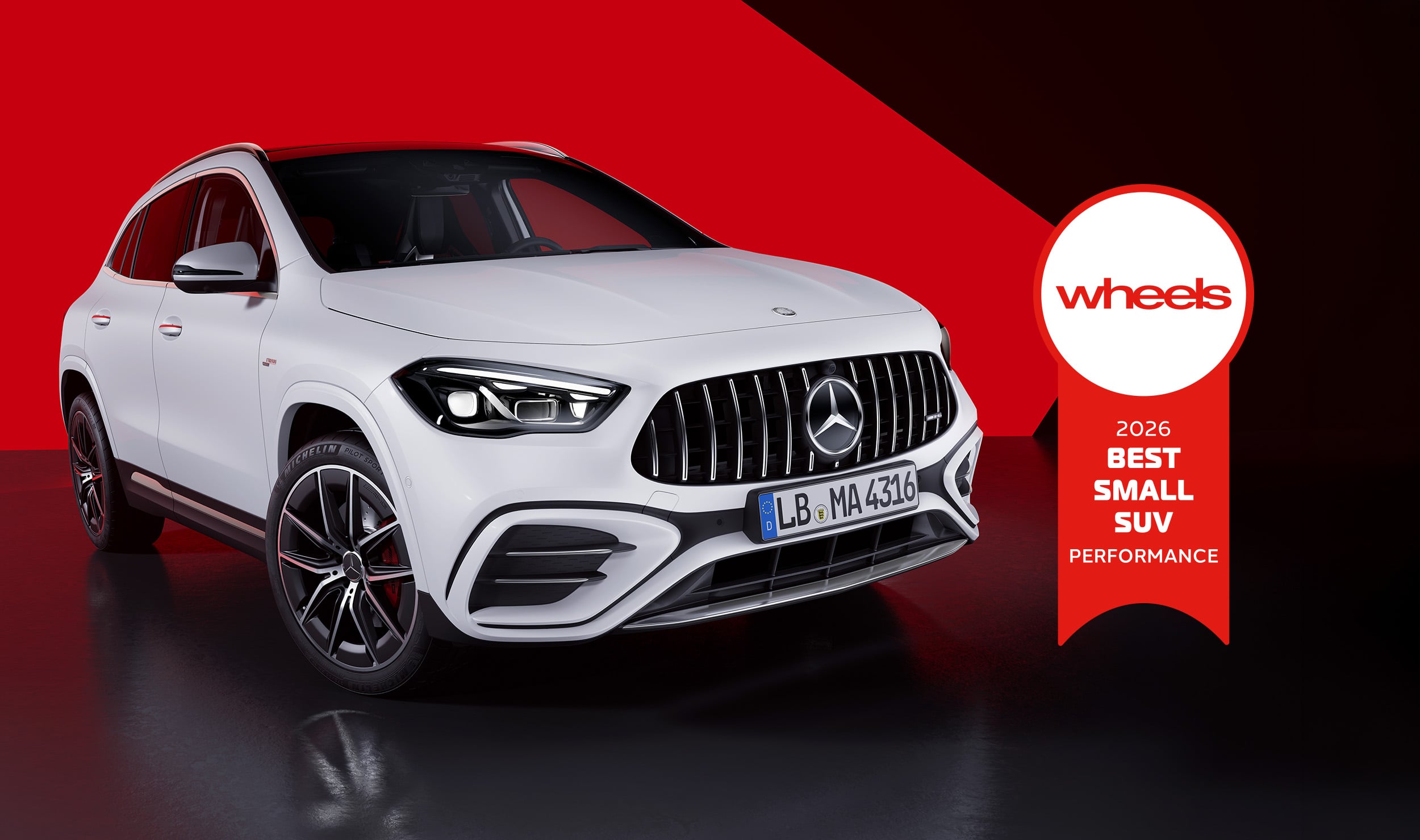
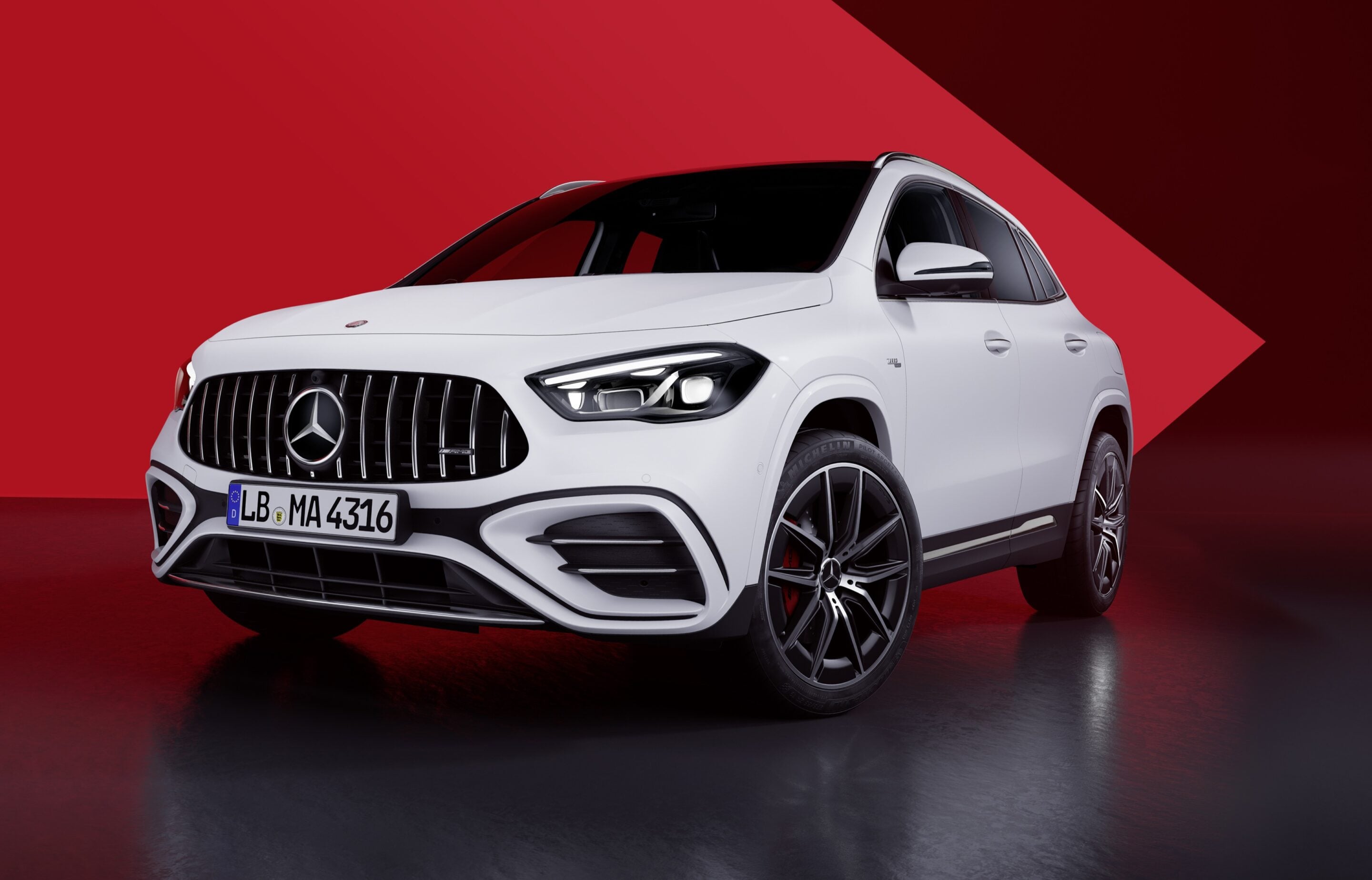
Winner: Mercedes-AMG GLA35 4Matic
1
Price: From $96,900 plus on-road costs
Drivetrain: 2.0L 4-cylinder turbo-petrol, 225kW/400Nm, 8-speed dual-clutch auto, AWD
Combined fuel economy, CO2 emissions, fuel type: 9.0L/100km, 276g/km, 98RON
Warranty: Five-year/unlimited km, 5 years’ roadside assistance
Five-year service cost: $6675 ($1335 per year)
| Driving | |
| Interior | |
| Practicality | |
| Overall value | |
Strengths
- Understated AMG styling
- Punchy performance
- Surprisingly spacious interior
Weaknesses
- Brittle ride comfort
- New eight-speed DCT still a little clunky
- Fuel use on the high side for a four-pot
Mercedes-AMG’s smallest SUV has been around for a while now, but a 2024 update for MY25 has kept it fresh in the face of an ever-increasing slew of rivals.
With a potent 2.0-litre turbocharged four pumping out 225kW and 400Nm, the GLA 35 is no slouch, covering the sprint from zero to 100km/h in a scant 5.2 seconds. That’s faster than a lot of today’s hot hatches, and all wrapped in a distinctly subtle ‘AMG’ package that eschews the flair of other models wearing the three-letter acronym on the tailgate. But don’t be fooled by its demure styling. Thankfully, the GLA35’s slightly coquettish appearance doesn’t carry over to its muscly turbo four-pot which gives off enough of the snarling, popping and whoomping anger the brand is known for.
A new for MY25 eight-speed dual-clutch auto is an improvement over the older model’s seven-speed DCT. It’s quick to rifle through the cogs in the hunt for fuel efficiency, but equally as skilled in letting the compact SUV off its chain when the right road and situation presents itself. But it’s here where there are some compromises to be found, the little AMG’s trading off brittle ride comfort for excellent dynamics. Still, throw the little AMG at some corners and the regards are plentiful with enough sharp handling and pacy performance to leave you grinning for days.
Inside, the GLA35 adheres to the broader Mercedes-Benz school of interior design, with plenty of premium touches enhanced by some AMG specific elements that serve to remind you this SUV is a cut above the broader GLA line-up. In-car technology benefitted from the MY25 update and to good effect and while its compact dimensions might suggest compromises in the second row, it remains a surprisingly usable area for adults. Cargo space is rated at 435L/1430L which is decent enough for the segment.
The GLA35 is a decent option for buyers who want all the performance trappings of the AMG brand but without the flashy trimmings.
BMW X1 M35
1
Price: From $93,900 plus on-road costs
Drivetrain: 2.0L 4-cylinder turbo-petrol, 233kW/400Nm, 7-speed dual-clutch auto, AWD
Combined fuel economy, CO2 emissions, fuel type: 7.8L/100km, 176g/km, 95RON
Warranty: Five-year/unlimited km, 3 years’ roadside assistance
Five-year service cost: $2495 ($499 per year)
| Driving | |
| Interior | |
| Practicality | |
| Overall value | |
Strengths
- Plenty of M elements
- Nicely-appointed and roomy interior
- Gutsy turbo-four…
Weaknesses
- … let down by occasional turbo-lag
- Brittle ride comfort
- Touchscreen interface for basic functions
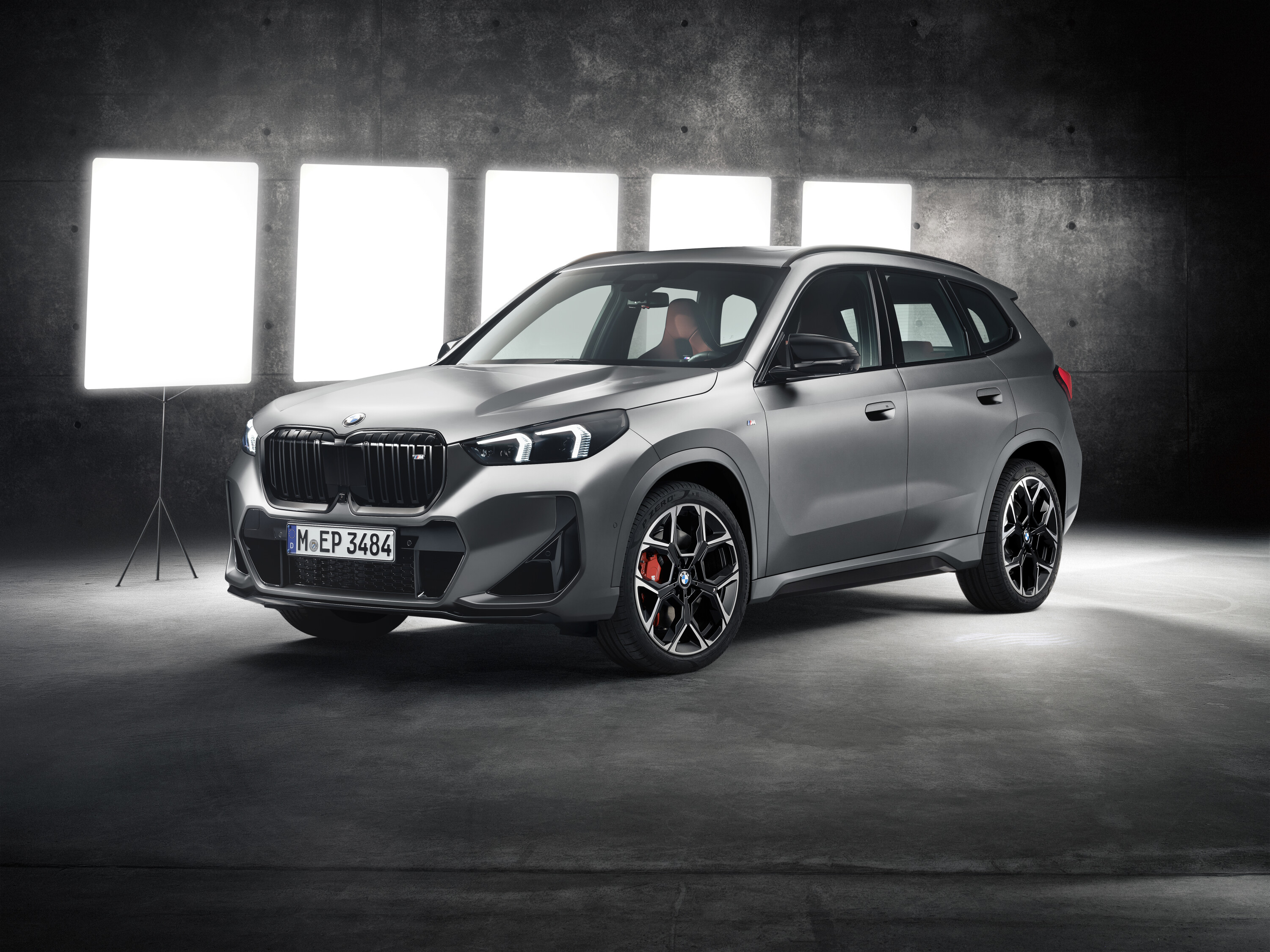
BMW’s baby M treads where its rival from Mercedes-AMG doesn’t, making no apologies for its M badge with plenty of tough-looking design elements to set it apart from its X1 team-mates further down the pecking order.
An M-specific grille, extended sideskirts, rear bumper, rear wing mounted on top of the tailgate, lowered ride height by 15mm, and menacing quad exhaust pipes out back all point to the X1’s performance chops, lending it a swagger on the road that’s hard not to be smitten by.
That also rings true of the B48 generation 2.0-litre turbo-four doing the grunt work under the bonnet. Outputs of 233kW and 400Nm are generous, and help move the X1 M35 from 0-100km/h in 5.4 seconds and it does so with a gruff soundtrack that while not as sonorous as some, gives off enough M vibes to satisfy most, although the occasional hint of turbo-lag makes its presence felt during more spirited driving.
Ride quality is as you’d expect on standard-fit 20-inch alloys, prioritising handling over comfort while road noise does intrude into the cabin.
Inside, the X1 M35 boasts of its M credentials with two-tone Veganza leather including a striking coral red and black colourway that looks as impressive as it feels. But overall ergonomics are let down by an over-reliance on the X1’s touchscreen interface for even basic functions, such as climate controls. Second-row comfort is good, helped by a sliding rear bench, freeing up legroom or increasing cargo capacity as desired. And it’s a generous boot, BMW claiming 540L/1600L, decent for the segment.
Having an M badge on the boot has always meant something, and while the X1 M35 isn’t the full-cream milk M, there’s enough of the skunkworks’ inherent goodness engineered in to make BMW’s baby SUV a decent option.
Mini Countryman JCW
1
Price: From $70,990 plus on-road costs
Drivetrain: 2.0L 4-cylinder turbo-petrol, 221kW/400Nm, 7-speed dual-clutch auto, AWD
Combined fuel economy, CO2 emissions, fuel type: 7.7L/100km, 177g/km, 95RON
Warranty: Five-year/unlimited km, 5 years’ roadside assistance
Five-year service cost: $2425 ($485 per year)
| Driving | |
| Interior | |
| Practicality | |
| Overall value | |
Strengths
- Funky Mini styling
- Quirky and spacious cabin
- Brisk performance
Weaknesses
- Harsh ride comfort
- Idle stop-start function a touch hesitant
- Tyre repair kit only
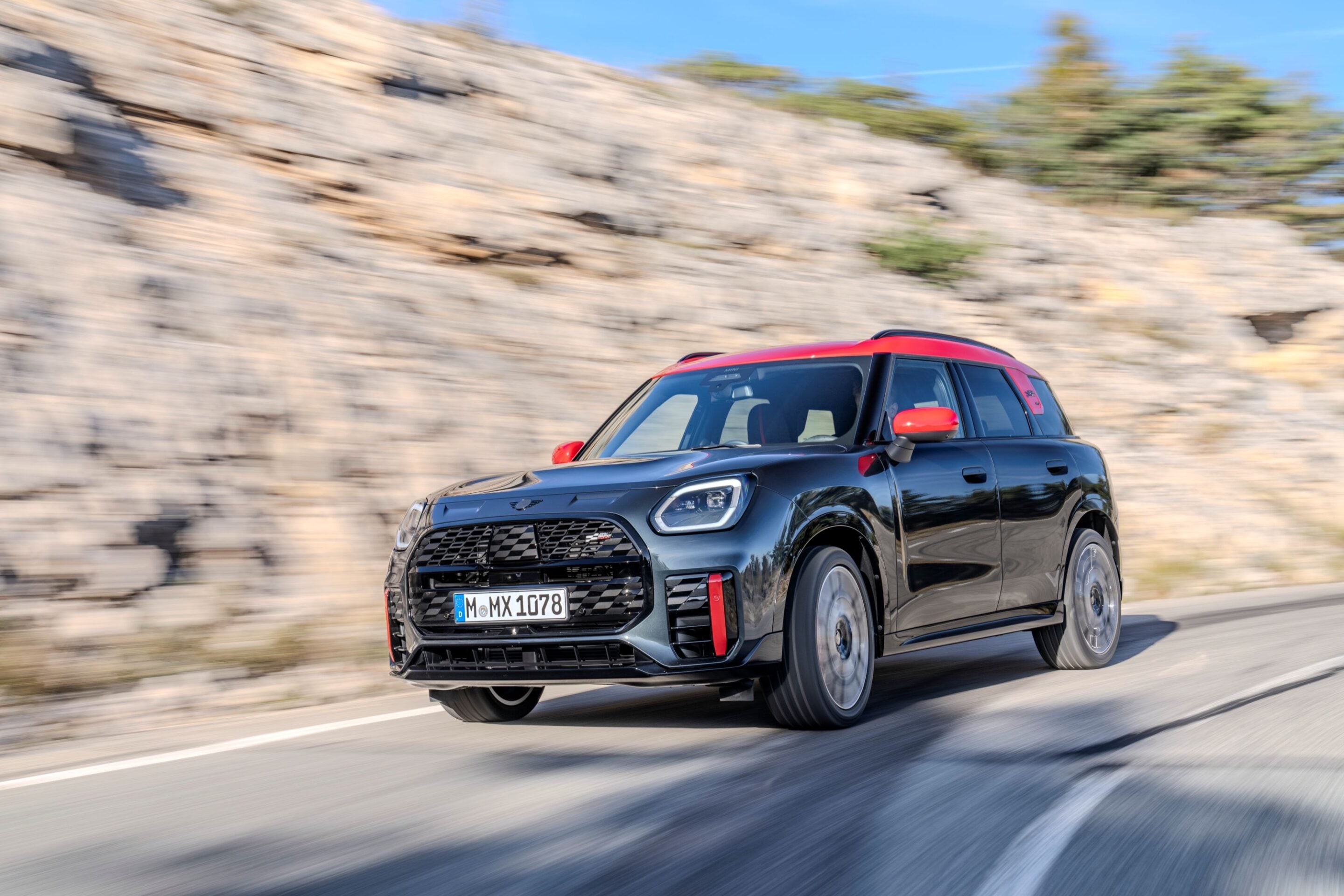
An oversized hot hatch in crossover SUV clothing, the Mini Countryman JCW wears its John Cooper Works name with pride. Now in its third-generation, the Countryman blends Mini’s funky and unmistakable styling with the same B48 2.0-litre turbo-four as found in the BMW X1 M35. And that’s no bad thing, the little screamer good for 221kW and 400Nm and a zero to 100km/h sprint time of 5.4 seconds. A seven-speed dual-clutch transmits those outputs to all four wheels.
If that all sounds a little familiar, that’s because it is, the Countryman sharing its platform and much of its under-pinnings with its brother from another mother, BMW X1 M35. BMW, of course, owns Mini these days.
Where the Mini forges its own identity is in its quirky, yet fun styling, especially inside where the brand’s heritage is given more than a passing nod with circular screens and toggle switches redolent of the original Mini.
On the road, the JCW Countryman forges its own path with punchy performance (although idle stop-start can be a little recalcitrant) and Mini’s famous ‘go-kart-like’ handling that keeps the crossover SUV nice and flat during more adventurous drives. There’s even a ‘go-kart’ drive mode for exactly those times. And a ‘boost’ function, activated by the left-hand paddle-shifter, unleashes all that the JCW’s four-pot has to offer for 10 seconds. The trade-off, as with so many performance-focused SUVs, comes in ride comfort, the Countryman riding roughshod over patchy and uneven road surfaces.
Despite its ‘Mini’ name, the Countryman is a practical SUV, with second row comfort on par with its rivals and a cargo area measuring in at 505L/1530L, underscoring what is a practical yet fun SUV delivering on its JCW promise.
Toyota C-HR GR Sport
1
Price: From $58,890 plus on-road costs
Drivetrain: 2.0L 4-cylinder petrol-hybrid, 146kW/188Nm (combined), CVT, AWD
Combined fuel economy, CO2 emissions, fuel type: 4.1L/100km, 107g/km, 91RON
Warranty: Five-year/unlimited km
Five-year service cost: $1375 ($275 per year)
| Driving | |
| Interior | |
| Practicality | |
| Overall value | |
Strengths
- Fuel efficient powertrain
- Sharp looks
- Composed road manners
Weaknesses
- Not enough performance gain over regular C-HR
- Cramped second row
- Small boot
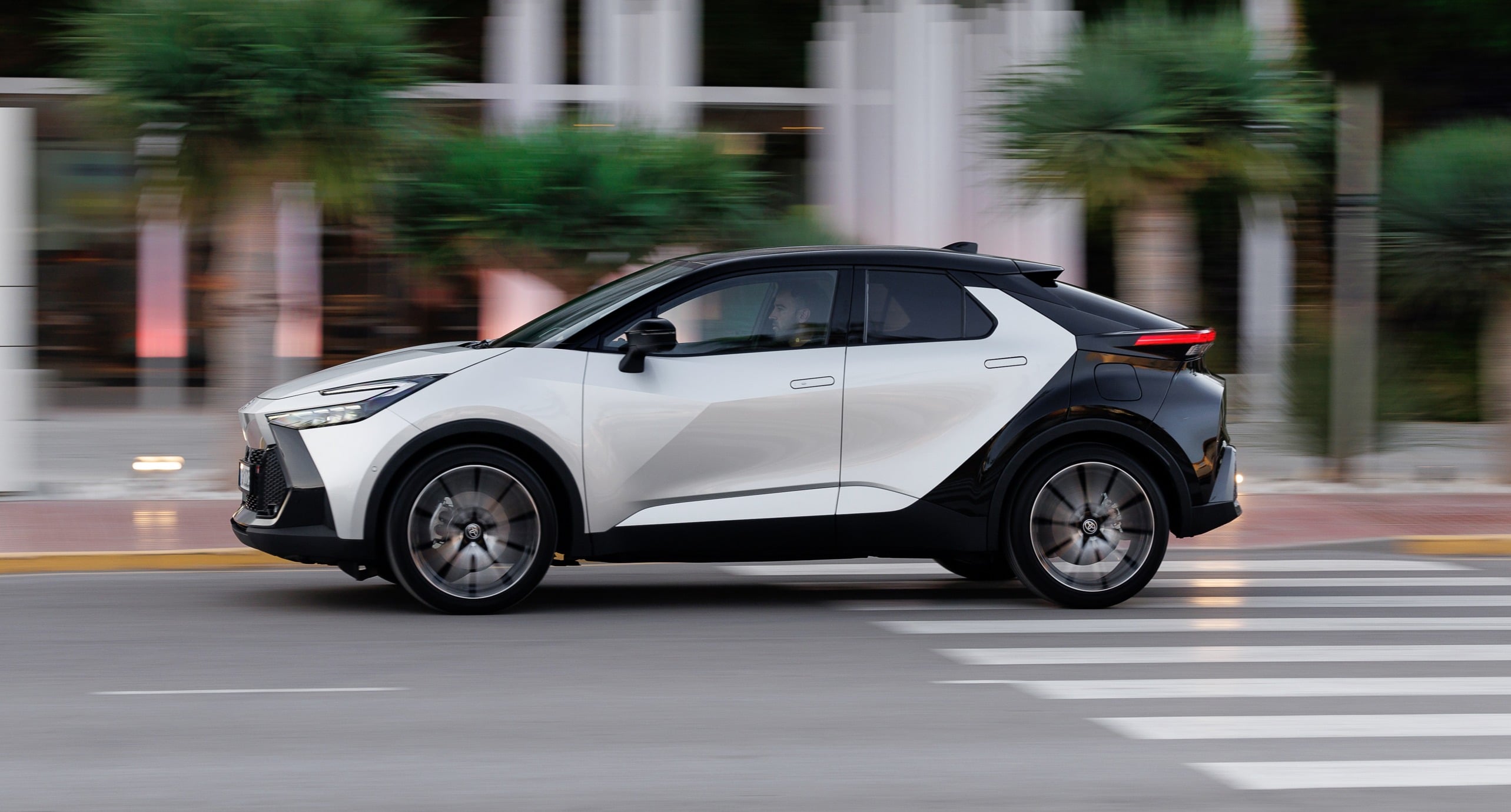
Giving the Toyota C-HR the GR Sport treatment has certainly elevated the Japanese brand’s small SUV into the ‘warm’ performance sphere. A larger 2.0-litre naturally-aspirated four-cylinder, augmented by two electric motors, affords the GR Sport a sprinkling of zestiness, if not outright chest-tumping mambo.
With combined outputs of 146kW and 188Nm, matched to a continuously variable transmission and all-wheel drive on demand, the spicy-looking C-HR is a competent, if not exactly thrilling warm SUV. It does its best work around town, with brisk performance from standstill and an urgency not usually associated with the C-HR. But in this company, that’s not enough, especially for the over $60k asking price once on-road costs are added.
It does offer a bit of sparkle out on the open road, with perky, if not thrilling performance when tackling some twisties, the highlight its composed road manners. On the downside, the drone from the CVT becomes very tiring, very quickly.
Where the C-HR sparkles, as so many of today’s Toyotas do, is in providing excellent fuel economy, thanks to the brand’s well-sorted petrol-hybrid powertrain. Toyota claims the C-HR will use just 4.1L/100km although real-world use suggests closer to 5.0L/100km is more realistic.
Inside, the C-HR really doesn’t do enough to justify its elevated price tag over its team-mates further down the range. Yes, there are GR Sport specific elements, but the cabin doesn’t feel nearly as special as its price suggests. Comfortable front seats and Toyota’s decision to stick with physical switches and dials, aren’t enough to make up for a prevalence of hard plastics, a cramped second row, and small cargo area (362L/1134L).
Zeekr X AWD
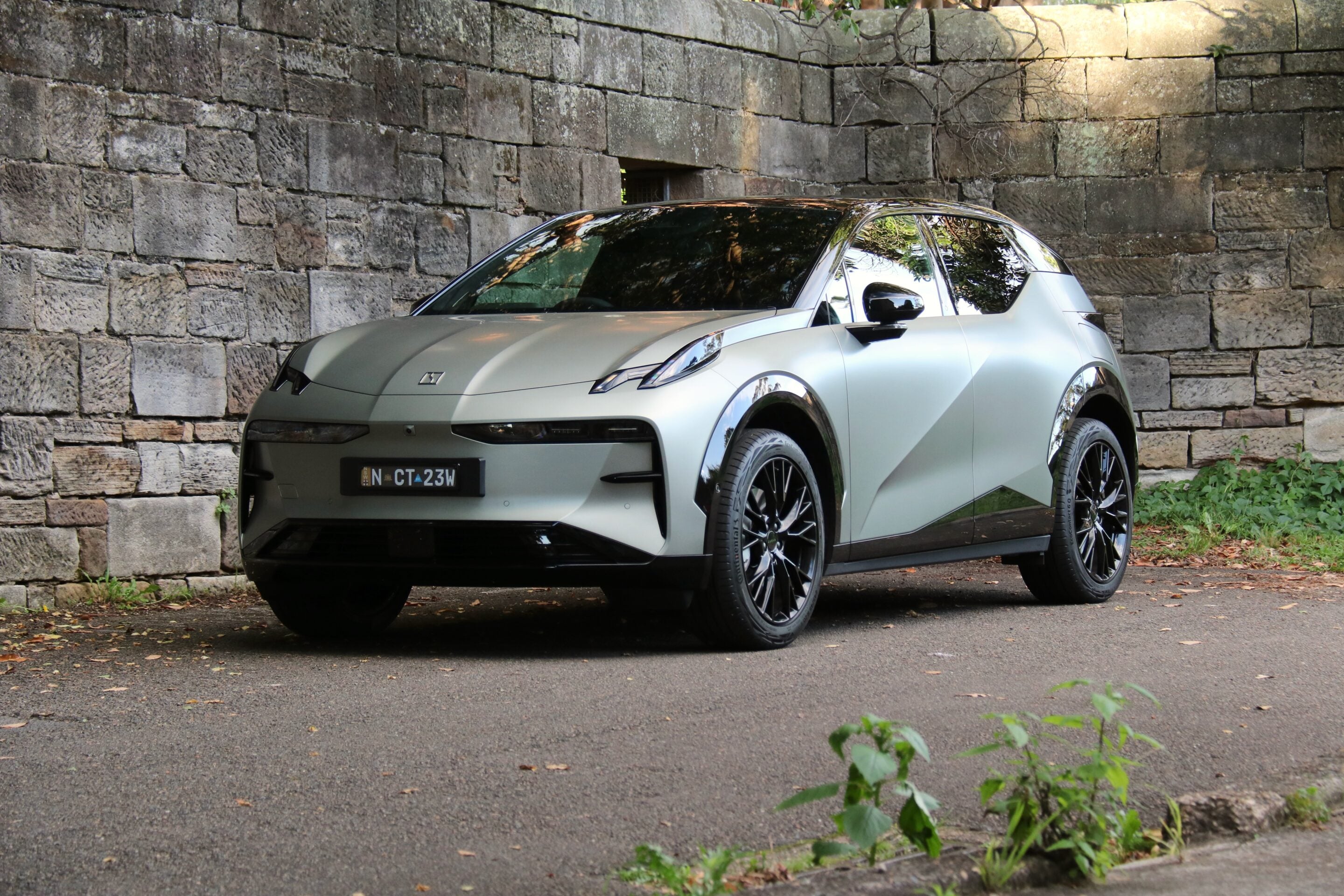
1
Price: From $57,900 driveaway
Drivetrain: Dual electric motors 365kW/573Nm, single-speed, AWD
Battery size, energy consumption, driving range: 66kWh, 17kWh/100 (tested), 415km (WLTP)
Warranty: Five-year/unlimited km
Five-year service cost: $2662 ($532.40 per year)
| Driving | |
| Interior | |
| Practicality | |
| Overall value | |
Strengths
- Blistering straight-line speed
- Sharp styling
- Plenty of gear for the money
Weaknesses
- Driving range on the low side
- Over-reliance on touchscreen
- Some gimmicky features best left in the parts bin
Chinese challenger brand Zeekr hasn’t been in Australia all that long. But its electric vehicles that blend performance with an upmarket focus are beginning to make inroads into our market.
The Zeekr X was the first model to launch locally in 2024 and it hasn’t taken long for the brand to bring an updated model to market. And it’s done so to good effect, with increased power outputs, sharper pricing and even more standard equipment for the money.
An electric SUV that can cover the sprint from 0-100km/h in just 3.7 seconds is nothing new in these electrified times, but the Zeekr X matches its straight-line speed with a pretty good handling package that doesn’t feel overwhelmed by its prodigious power outputs. Exploiting the X’s speed results in a chassis remaining on the side of balanced in the handling ledger while steering and ride comfort are commendable, if not outstanding.
Inside, Zeekr trades on its generous equipment list and overall polish and presentation. Yes, there’s an over-reliance on the central screen for many of the X’s vital functions, (and the are a few too many gimmicks such as the electronic door-openers and the welcome animation on the b-pillars), but overall quality and finish is on par with its sharp driveaway pricing. A highlight remains the feeling of calm inside the cabin, even while enjoying some more spirited driving. The second row is comfortable while cargo capacities of 404L/1247L are acceptable.
The 66kWh battery brings a claimed 415km of range, based on WLTP testing and that’s where the Zeekr X loses some of its gloss, with 500km-plus ranges increasingly the norm at this higher end of the EV sandpit.
But for those looking for something just a little bit different, the Zeekr X AWD’s blend of style, generous equipment and outright performance will appeal.
Best Small SUVs in Australia
Looking to get into a brand-new small SUV? Our stories below will guide you to the model that best suits your needs:
Follow WhichCar/Wheels on Google
Click the button below to make WhichCar by Wheels a preferred source for your news.

We recommend
-
 Best Small SUVs
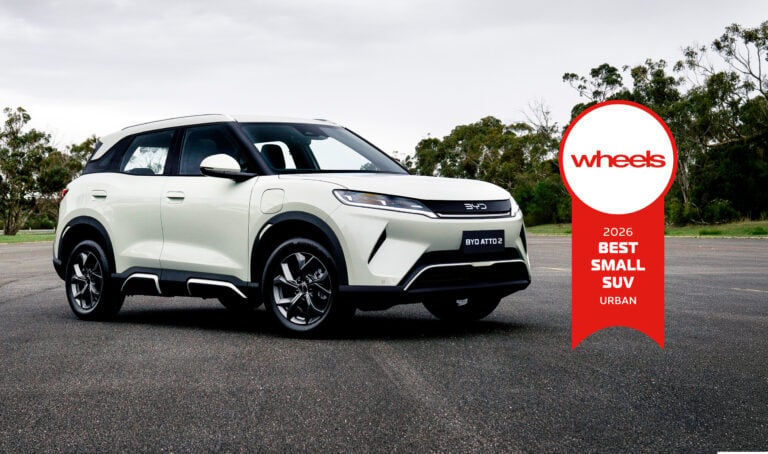
Best Small SUVs 2026: Urban
The best small SUVs for urban mobility, blending efficiency, smart packaging and modern technology to better suit car-heavy Australian cities.
-
 Best Small SUVs
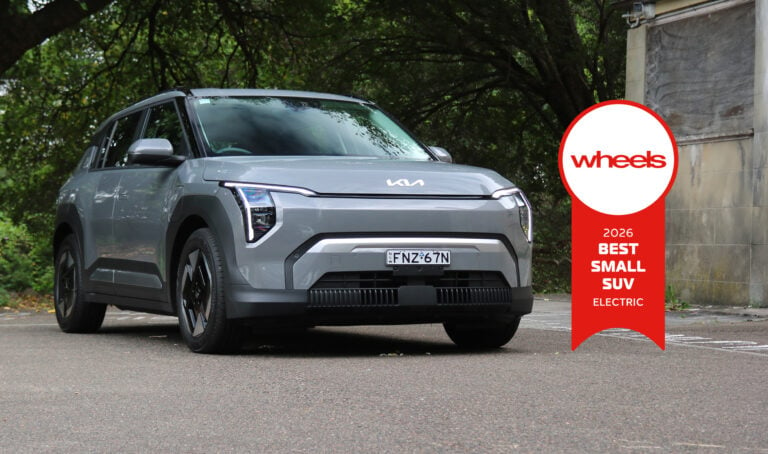
Best Small SUVs 2026: Electric
From affordable newcomers to premium EVs, the latest electric small SUVs promise longer range, smarter technology and improved everyday usability.
-
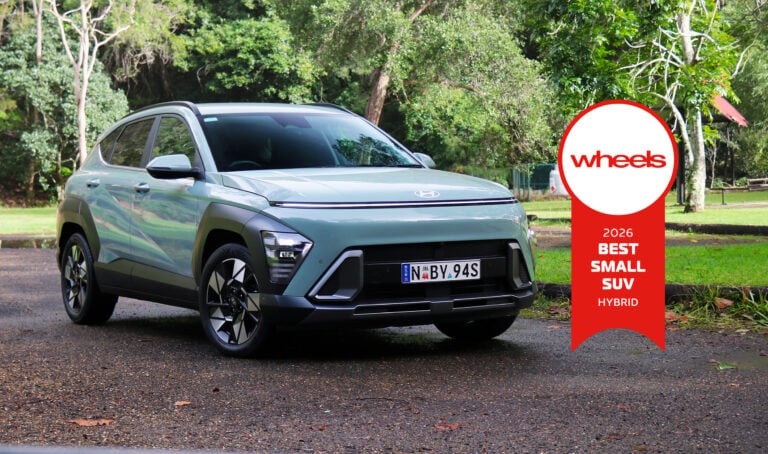 Best Small SUVs
Best Small SUVs 2026: Hybrid
Hybrid small SUVs are drawing more attention from Australian new car buyers through a combination of improved efficiency, lower running costs and greater flexibility for everyday driving.
-
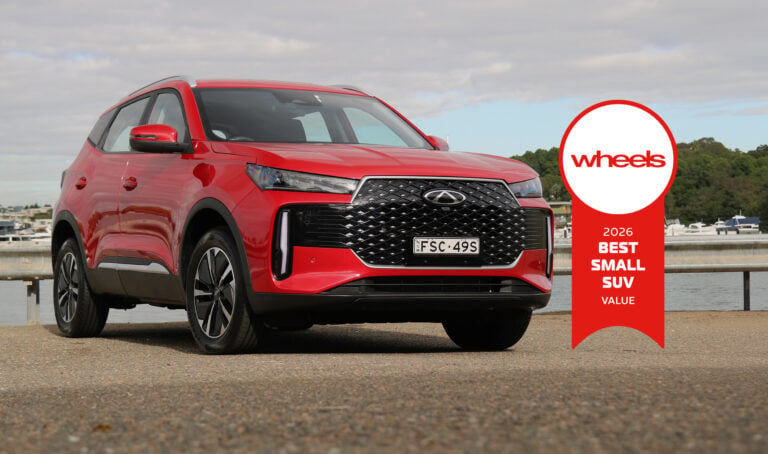 Best Small SUVs
Best Small SUVs 2026: Value
From sharp pricing to strong warranties and generous standard features, these small SUVs deliver real-world value beyond the sticker price in 2026’s competitive market.